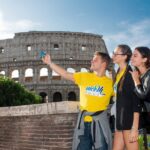
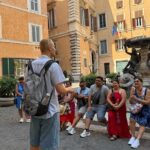
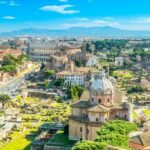
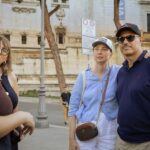
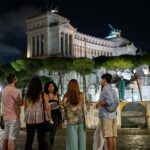
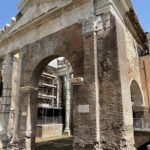
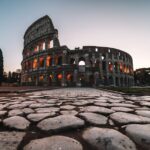
Rome gets real when you hear the dirt. This alternative walk through central Rome mixes iconic stops with secret access and the families behind the monuments, not just postcard facts. I especially like how the guide connects emperors, popes, and artists into one street-level story, and how the pacing leaves room to actually look at details (not just pose for photos). One thing to consider: the humor is often dark and politically incorrect, so it may not match your vibe if you prefer a strictly family-friendly tone.
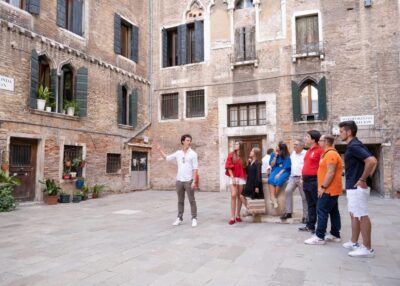
You’ll meet at the steps of Chiesa del Santissimo Nome di Maria al Foro Traiano, right by Trajan’s Column and Forum. It’s a tip-based tour in the pay-what-you-want style, usually with tips ranging from 10€ to 50$, and guides work on tips alone. Recent groups also praised face-to-face guiding over headphone tours, plus guides such as Iris, Jacopo, and Simone were singled out for energy, great explanations, and smart questions.
In This Review
- Key points before you go
- Pay-What-You-Want in Rome: what $3.77 really means
- Where the tour starts at Chiesa del Santissimo Nome di Maria al Foro Traiano
- Trajan’s Column to Piazza Venezia: reading empire in street corners
- The Secret stop plus Monastery time: where the tour feels exclusive
- Trevi Fountain break: the story behind the crowd
- Sant’Ignazio di Loyola: churches as political machines
- The Pantheon: emperors and popes in the same breath
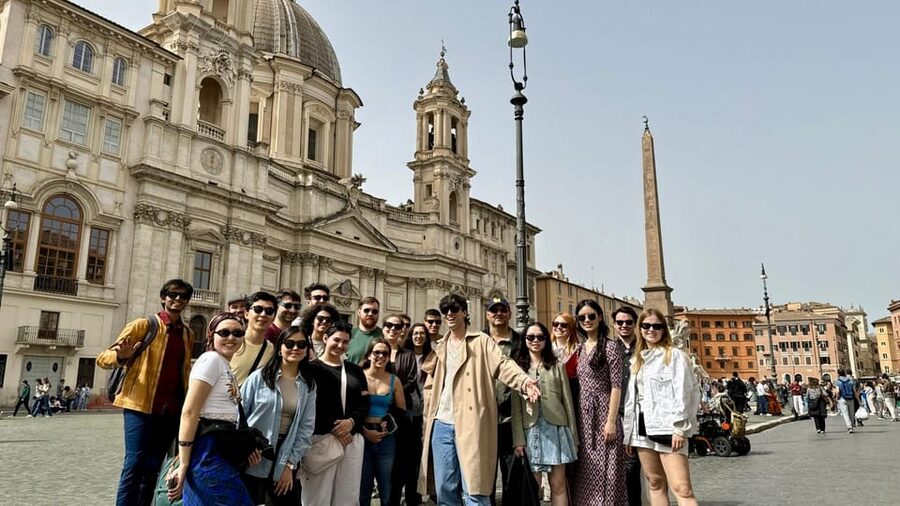
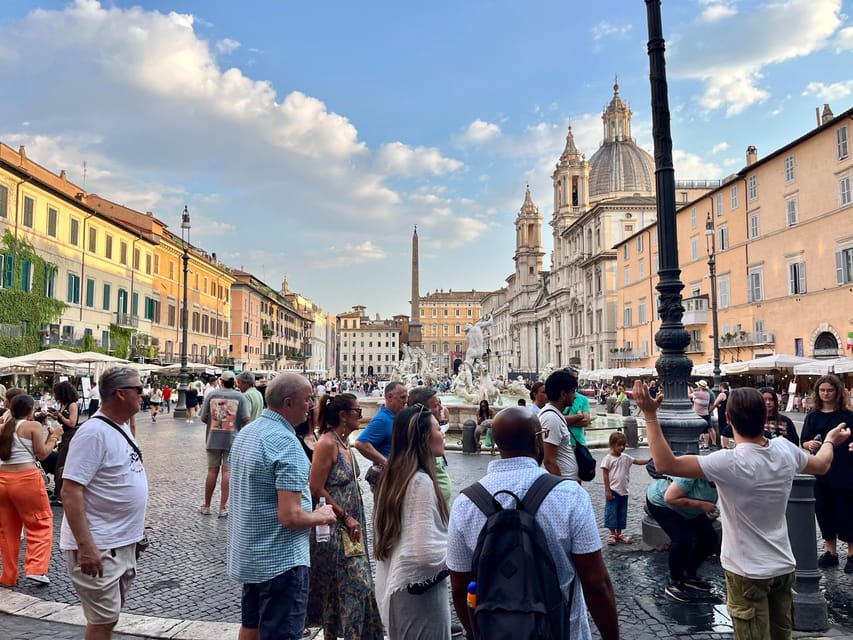
- Piazza Navona finish: ending in a square that never stops performing
- What you’ll really learn: families, scandals, and why Rome feels current
- Should you book this alternative Rome walk?
- FAQ
- How long is the walking tour?
- Where do I meet the guide?
- What are the main sights on the route?
- Is the price fixed, or is it tip-based?
- What languages are offered?
- Does the tour include Papal Private Gardens admission?
- Where does the tour finish?
- Can I cancel for a refund?
Key points before you go
- Secret stop(s) and off-limits areas are part of the route, not just marketing copy
- Pay-what-you-want pricing is low upfront, but plan your tip budget (often 10€ to 50$)
- Story-first guiding focuses on families, power, scandals, war, and betrayal
- Major sights plus connective tissue, so you understand why the city looks the way it does
- Small-group feel comes up often, with time to ask questions and talk
- No headphones in the mix, so you get a more conversational walk
Pay-What-You-Want in Rome: what $3.77 really means
This is a tip-based walking tour, and that changes how you should think about value. Yes, the listed price is very low (around $3.77), but the practical reality is that your guide’s pay comes from your tips. The usual tip range shared is 10€ to 50$, so I’d budget like you’re buying a proper guided experience, not a casual stroll.
The upside is flexibility. If you click with the guide and feel you got real value, you can pay accordingly. And if the tour style isn’t for you, at least you’re not locked into a fixed price structure beforehand.
One more practical note: the tour runs about 2.5 hours and stays walkable. It moves at a pace that gives you time for photo stops and short visits, plus a break at Trevi Fountain. If you hate walking between crowded landmarks, bring water and keep expectations realistic.
You can also read our reviews of more walking tours in Rome


Where the tour starts at Chiesa del Santissimo Nome di Maria al Foro Traiano
You start on the steps of Chiesa del Santissimo Nome di Maria al Foro Traiano. This matters more than it sounds. You’re literally starting beside Trajan’s Column and the Trajan Forum area, which sets the tone: Rome is about layers, and this tour begins at one of the big “power” layers.
From there, your guide frames the city around dynasties and powerful families. Instead of treating monuments as isolated achievements, you’ll learn how individuals and institutions built influence, lost it, and built again. Expect the guide to explain why certain churches, squares, and artworks keep showing up in the same story of control and public image.
Practical detail: the guide holds a sign with the tour name. Still, arrive a few minutes early, because standing near the forum-and-column zone can get busy with traffic, photos, and people milling around.
Trajan’s Column to Piazza Venezia: reading empire in street corners
The first major stop is Trajan’s Column, with a short photo stop and then a guided look at what you’re actually seeing. If you’ve ever felt Rome’s ancient history is a blur of dates, this is built to fix that. The column isn’t just decorative. It’s propaganda in stone—showing victories, authority, and the carefully staged image of an emperor.
Next comes Piazza Venezia. This is a fast photo stop, but it’s strategically placed. You’ll connect the ancient world to later political and artistic messaging, and you’ll hear why Rome keeps reusing symbolic objects—including Egyptian obelisks—to project power in a new era.
A drawback to know: Piazza Venezia can feel hectic around photo time. If you’re sensitive to noise or crowded sidewalks, keep your pace steady and trust your guide to steer you where the story is clearest rather than where the traffic is loudest.
The Secret stop plus Monastery time: where the tour feels exclusive
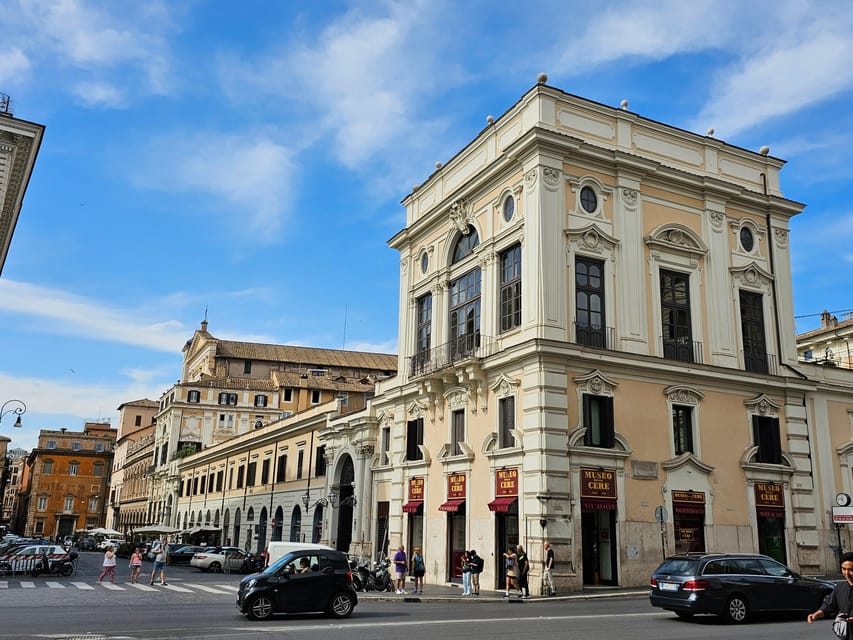
This tour includes a Secret stop, described as an off-limits location available only on this experience. I love this part because it changes the value equation. Once you’ve seen the big names (Trevi, Pantheon, Navona), most tours start to feel interchangeable. A real secret stop breaks that pattern.
After that, you hit Monastery time, listed for about 25 minutes. A monastery stop can go two ways on walking tours: it can be either overly quiet and vague, or unexpectedly useful. Here, the route is built around political and cultural power, so you should get context for how religion, wealth, and influence intertwined. It also sets up the later church-heavy parts of the walk.
And this is where the included access matters. The tour notes Papal Private Gardens admission as included, so you should expect a special access element folded into the route somewhere during the walk. If your group meets a guide who is especially persuasive (some guides have reportedly arranged unusual viewing access when possible), you’ll feel the tour’s “only-on-this-tour” advantage more strongly.
Trevi Fountain break: the story behind the crowd
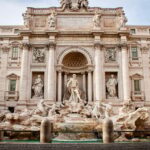
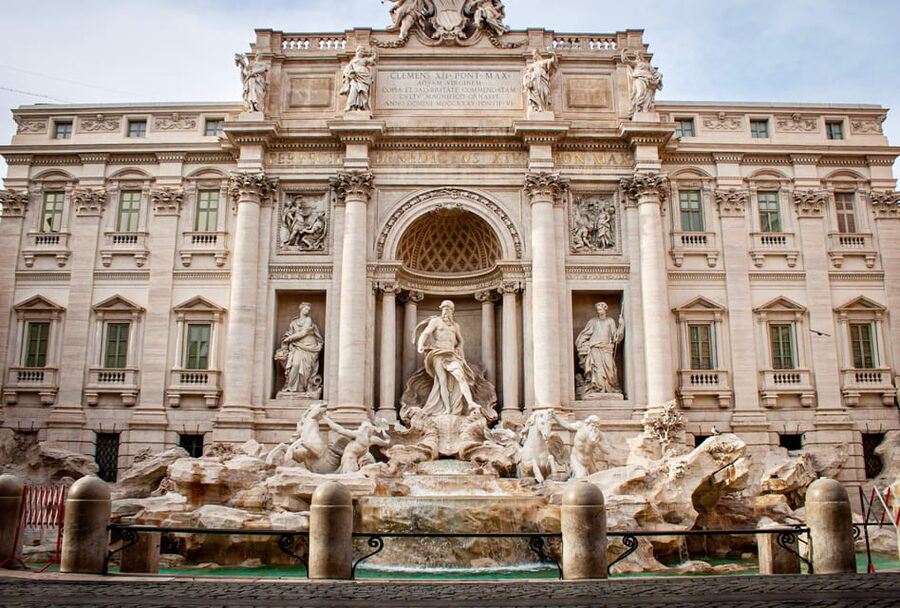
Trevi Fountain is the one stop most people already recognize, but the guide approach is different here. You get a break plus guided time and free time. More importantly, you’ll get the “why.” Your guide connects fountains to power and propaganda, explaining how public spectacle becomes political messaging.
The practical catch is crowds. Trevi is always a magnet, and your guide will be doing storytelling while people surge around you. Use the free time to step back from the densest area, slow down, and actually look at details. Even in the thick of it, Rome rewards attention.
If you want the best experience here, don’t treat it like a single photo moment. Treat it like a scene. Let the guide’s explanation frame what you’re seeing, then use the break to confirm it with your own eyes.
You can also read our reviews of more city tours in Rome
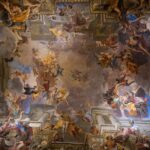
Sant’Ignazio di Loyola: churches as political machines
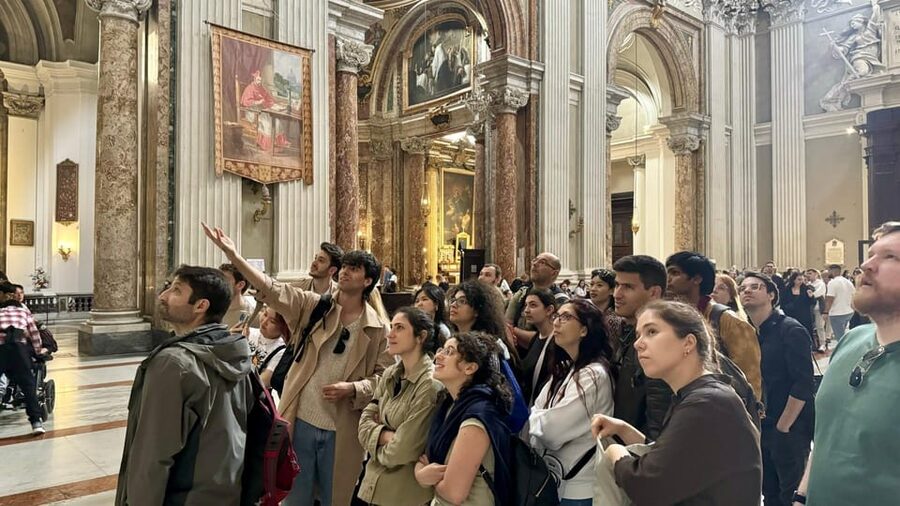
Next up is Chiesa di Sant’Ignazio di Loyola, another photo stop with guided visit time. This is one of those Rome churches that feels like it’s designed to make you think about how art convinces people. Expect an explanation that ties decoration, architecture, and religious messaging to the same larger story of power you heard earlier near Trajan.
The reason this stop works for first-time visitors is that it teaches you a Rome rule fast: churches aren’t just places of worship. They’re also branding. They show who sponsors ideas, who funds artists, and how the city’s elite wants to be remembered.
One more bonus from recent guide notes: some guides can include extra depth like translations from older inscriptions, including Latin and Ancient Greek, depending on the guide and the route emphasis that day. If your idea of fun includes reading the fine print of stone and paint, you’ll likely enjoy this stop.
The Pantheon: emperors and popes in the same breath
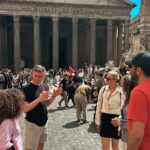
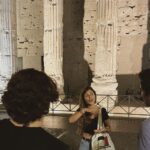
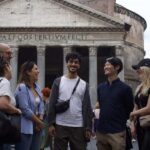
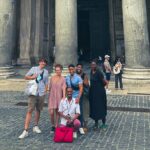
The Pantheon is a short photo stop and then guided time with a walk-through feel. It’s listed for about five minutes, so don’t expect long museum-style pacing. But you should come away with sharper meaning.
The tour is designed to connect the ancient and later Rome together. So you won’t just learn what the building is. You’ll hear how the same space can hold different power narratives over centuries—emperor-era authority, then later church significance. This is a great antidote to the typical tourist rhythm of seeing the Pantheon and moving on.
A consideration: the Pantheon area can be crowded and loud. For you to get the most out of it, listen for your guide’s focus points rather than trying to hear everything at once. If you miss a detail, it’s not your fault. This stop is busy by nature.
Piazza Navona finish: ending in a square that never stops performing
The tour wraps up at Piazza Navona after a guided stop (about 15 minutes). If Rome is a story machine, Piazza Navona is one of its best stages: a big open square where architecture and symbolism feel theatrical.
You’ll get guided time and photo time, then you finish right where the energy is. That’s helpful because it makes it easier to continue your day without needing a transfer plan. You also get a satisfying arc to the route: empire stone early, church persuasion mid-walk, and Baroque public space to land the finale.
One practical note: this is a high-pedestrian area. If you want a calmer moment after the tour, take a few minutes to walk the edges of the square instead of staying directly in the thickest central flow.
What you’ll really learn: families, scandals, and why Rome feels current
The official pitch includes things like scandals, corruption, crime and murder, war and betrayal, and dark humor. The key is how it’s used. The guide doesn’t throw these themes around just for shock value. They’re used to explain why buildings and artworks ended up where they did and who had the power to shape public life.
You’ll also hear why Rome has so many churches and why fountains became public statements. That’s the “connect the dots” part. Once you learn that pattern, your self-guided walking becomes easier, because you start noticing the same power themes repeating across neighborhoods.
Finally, you should leave with a clearer sense of everyday Rome life, not only rulers and monuments. The tour description signals local food culture and traditions as part of the storytelling mix, and several guide notes emphasized that guides branched into other regions based on questions. If you like interactive history—where your curiosity changes the route’s emphasis—you’re likely to enjoy this.
Should you book this alternative Rome walk?
Book it if you want a story-driven walk that goes beyond checklist sightseeing. This one is built for you if you’re returning to Rome or you’ve already seen the big attractions and now you want the connective tissue: families, power, politics, and the darker side behind the shine.
I’d skip it if you only want straight factual commentary with no humor edge. The tour leans into dark jokes, and some of the stories include crime and betrayal themes. Also, if you dislike crowds at Trevi and busy landmark zones, plan your mindset for a lively walk.
If you do book, bring the tip mindset from the start. With pay-what-you-want tours, you get what you invest in. If the guide like Iris, Jacopo, or Simone-style storytelling clicks with you, a tip in the usual 10€ to 50$ range is a fair way to match the experience you received. And if you’re the type who asks questions, this tour seems designed to reward that habit.
FAQ
How long is the walking tour?
It lasts about 2.5 hours.
Where do I meet the guide?
Meet on the steps of Chiesa del Santissimo Nome di Maria al Foro Traiano, near Trajan’s Column and Trajan Forum. The guide holds a tour sign.
What are the main sights on the route?
You visit big names like Trevi Fountain, the Pantheon, and Piazza Navona, plus stops such as Trajan’s Column, Piazza Venezia, and the Church of Sant’Ignazio di Loyola.
Is the price fixed, or is it tip-based?
It’s a tip-based tour in a pay-what-you-want model. Guides work for tips alone, and the usual tip range is 10€ to 50$.
What languages are offered?
The tour guide works in Spanish and English.
Does the tour include Papal Private Gardens admission?
Yes. Papal Private Gardens admission is included.
Where does the tour finish?
It finishes at Piazza Navona.
Can I cancel for a refund?
Yes. You can cancel up to 24 hours in advance for a full refund.