REVIEW · ROME
Rome: City Walking Tour in English or Spanish
Book on GetYourGuide →Operated by Carpe Diem Tours · Bookable on GetYourGuide
Rome tells its stories best on foot. This guided walking tour strings together major landmarks and off-the-main-street sights, with your guide turning stone, streets, and piazzas into a clear timeline from old Rome to today. I like that the experience feels story-driven (not just a checklist), and the group moves at a comfortable pace—the kind that makes you actually absorb what you’re seeing.
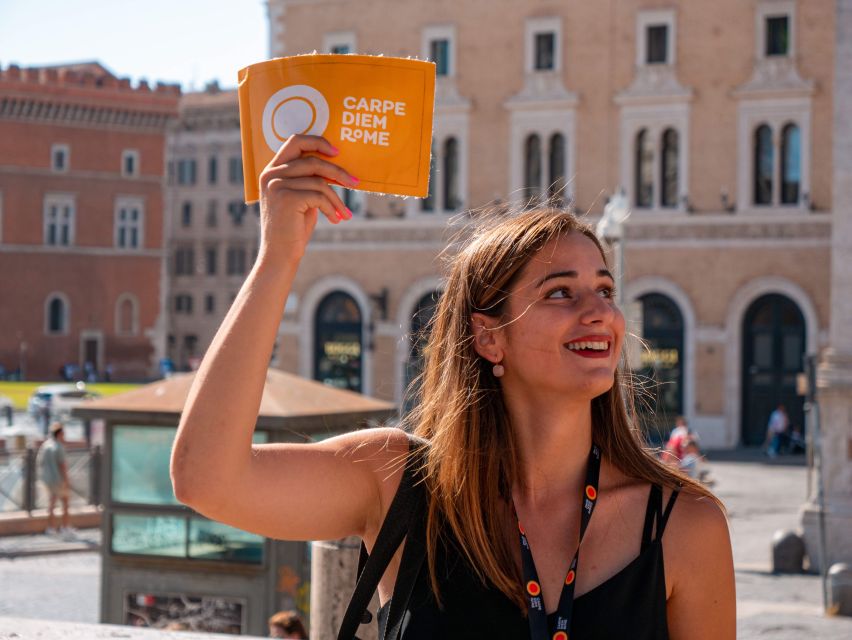
Two things I really love: first, the guide quality tends to be high, with names like Domenica, Dan, Vlad, and Alina standing out for friendly storytelling and clear explanations. Second, the tour ends with practical help—when you reach Piazza Navona, you can ask for where to eat and what to see next, including ideas for bars and rooftop terraces. One possible drawback: you’ll do a solid chunk of walking on uneven surfaces, so comfortable shoes matter more than you’d think.
In This Review
- Key Takeaways Before You Go
- Enter Rome at Piazza d’Aracoeli or Piazza di Pasquino
- Piazza Venezia: The Big Square Moment
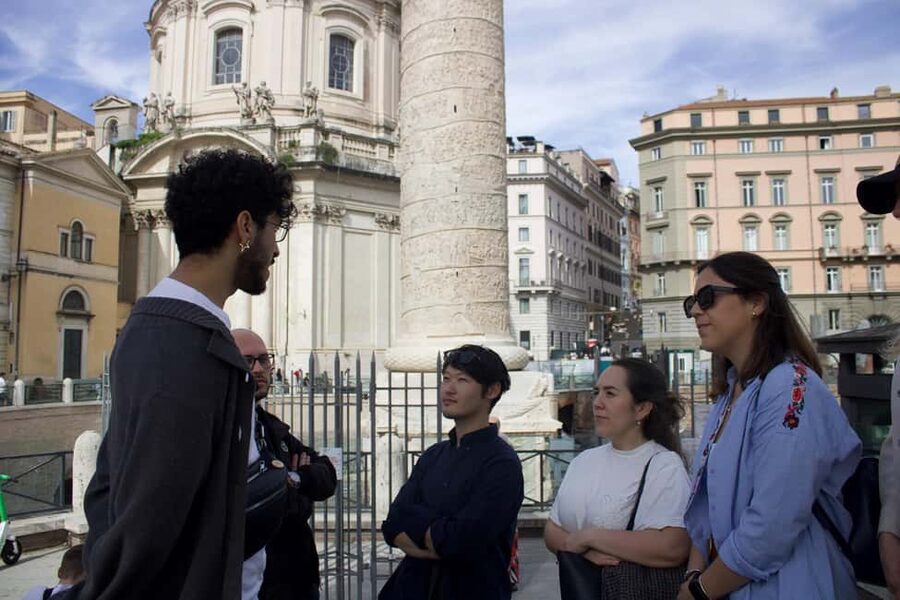
- Trajan’s Column: History as a Vertical Story
- Trevi Fountain in Real Time, Not a Long Detour
- Galleria Sciarra: Where the City Gets a Little Weird (In a Good Way)
- Sant’Ignazio di Loyola: Baroque Drama You Can Still Reach
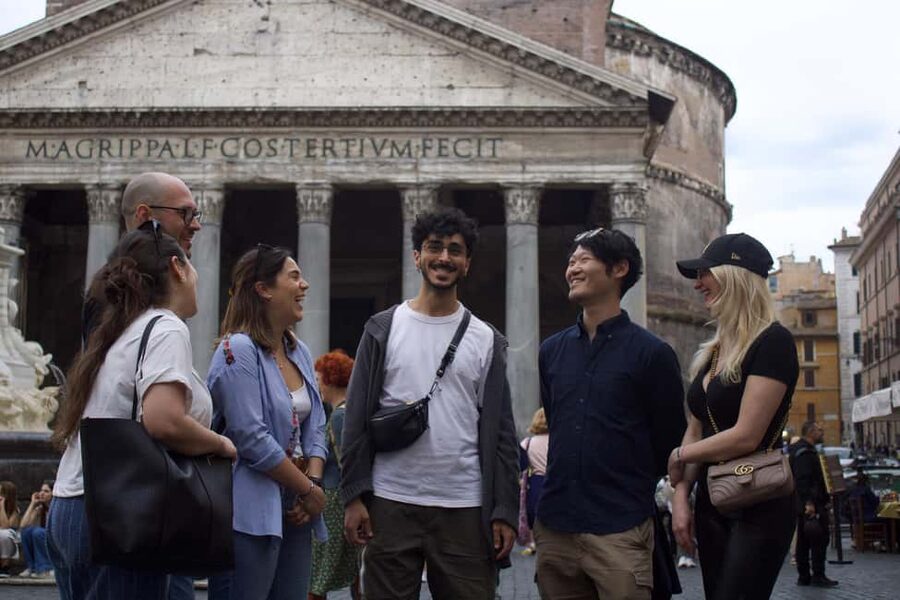
- Pantheon Area: Pass By, Still Worth Paying Attention To
- Ending in Piazza Navona (and Sometimes Near the Colosseum)
- The $28 Value: Why This Tour Can Be a Smart First Step
- What the Walking Pace Feels Like in Practice
- Who Should Book This Tour (and Who Might Skip It)
- Should You Book This Rome City Walking Tour?
- FAQ
- How long is the Rome city walking tour?
- How much does the tour cost?
- Where does the tour start?
- Where does the tour end?
- Does the tour include food or drinks?
- Is hotel pickup included?
- What languages are offered?
- Is a private group available?
- What should I bring?
- End of Review Summary
Key Takeaways Before You Go
- Iconic-to-quieter route: Trevi Fountain, the Pantheon area, and Piazza Venezia—plus lesser-visited stretches in between.
- Short guided stops: Most big moments get timed narration (often around 20–30 minutes), so you’re not stuck in one place forever.
- History that’s easy to follow: Guides like Dan (MA) and Vlad get high marks for making the city’s story understandable.
- Practical end-point: You finish near Piazza Navona, a great spot to pivot into dinner plans.
- Good value for a first day: At about $28 for 2 to 2.5 hours, you’re paying for time-saving context and direction.
- Language options: Runs in English and Spanish, with a private group available if you want more control.
Enter Rome at Piazza d’Aracoeli or Piazza di Pasquino
Your tour starts from one of two spots: Piazza d’Aracoeli or Piazza di Pasquino. That matters because both areas have a different feel—more built-up city texture in one direction, and a slightly different vibe in the other—so choose the start that’s easiest for you to reach.
Either way, you’ll get right into Rome’s rhythm: quick turns, short sight lines, and lots of street-level detail. This is a smart way to start your trip because it helps you get your bearings fast, before you commit to longer, more detailed monument time.
You can also read our reviews of more walking tours in Rome


Piazza Venezia: The Big Square Moment
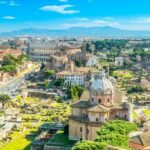
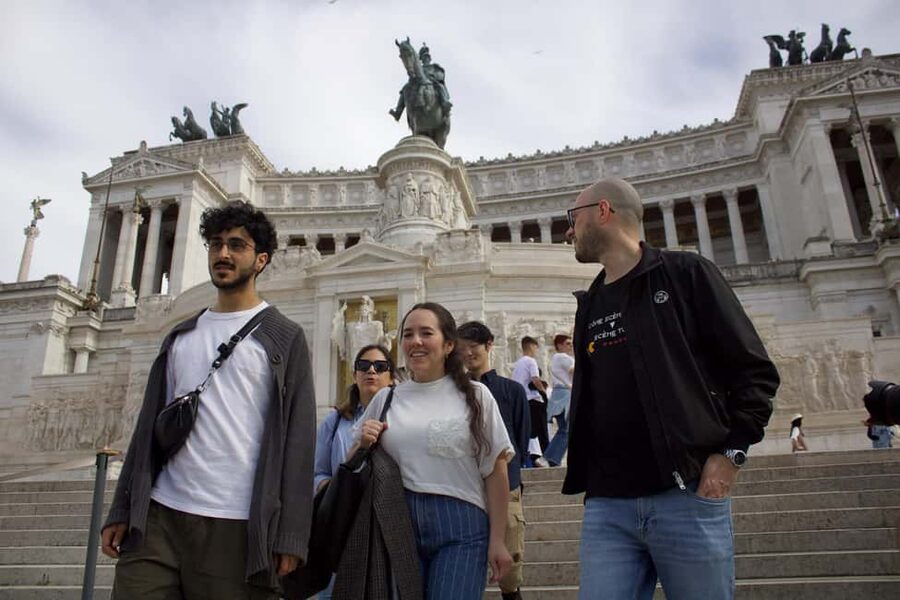
From your starting area, you’ll reach Piazza Venezia for a guided segment of about 20 minutes. This stop is a classic Rome anchor point. It’s the kind of place where multiple eras sit close together, and your guide can point out what’s worth noticing right away.
Expect to spend time understanding why this area matters—how Rome’s political power and architecture spill into the streets around you. If you’re the type who likes context, you’ll appreciate how your guide sets up the next landmarks so they don’t feel random when you get there.
Trajan’s Column: History as a Vertical Story
Next up is Trajan’s Column, with about 20 minutes of guided time. This is one of those monuments where the message is built into the form—stone narrative you can’t fully absorb from a casual glance.
What makes this stop worthwhile on a walk tour is that you don’t just see the column. You get a quick explanation that helps you read what you’re looking at, so it feels like a story instead of a tall object you pass by. Guides have scored especially well for answering follow-up questions, so if your brain starts firing questions here, it’s a good place to ask.
Trevi Fountain in Real Time, Not a Long Detour
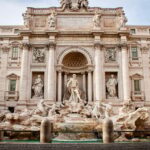
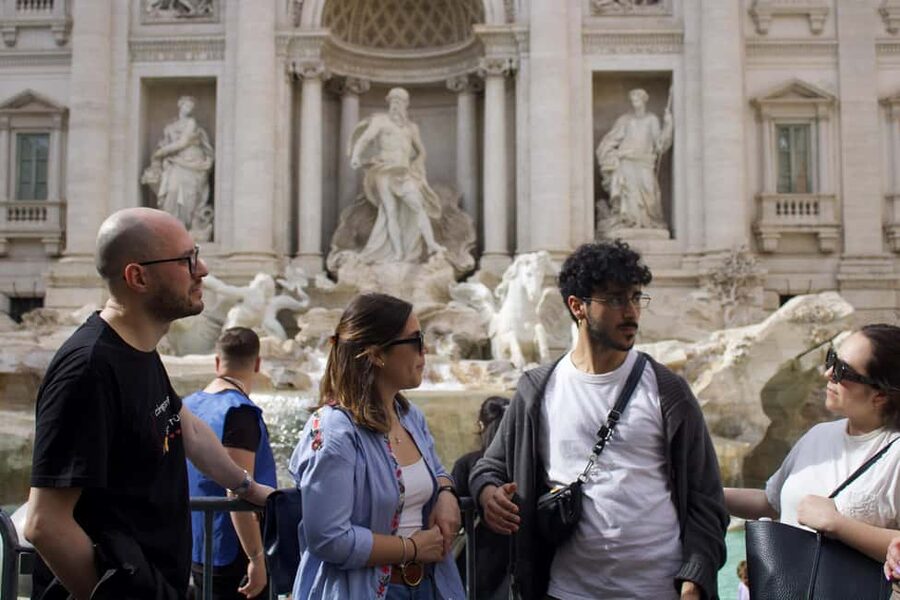
Then comes Trevi Fountain, typically around 30 minutes with narration. Yes, it’s famous. But the value here is timing and guidance—your guide can help you approach it like a sight with meaning, not just a photo stop.
Even if you’ve seen Trevi in pictures a hundred times, it hits differently on the ground: the scale, the angle of the fountain, and the way the square frames the scene. And since this is still a walking tour format, you’ll have the chance to keep moving without burning your whole day in one crowded spot.
Practical tip: if you’re hoping for less-hurried photos, keep your camera ready before the group fully funnels into the busiest part of the square. A bit of patience goes a long way.
Galleria Sciarra: Where the City Gets a Little Weird (In a Good Way)
After the big-name fountains and forums, you’ll shift gears at Galleria Sciarra for about 20 minutes. This is where Rome feels more layered and slightly unexpected. Think of it as a quieter pause that helps you break up the heaviness of the major monuments.
On a walk tour, stops like this are more than filler. They keep the whole experience from becoming one repeat chorus of marble and statues. You start noticing details—textures, building edges, and the way Rome’s smaller spaces create breathing room between headline attractions.
You can also read our reviews of more city tours in Rome

Sant’Ignazio di Loyola: Baroque Drama You Can Still Reach
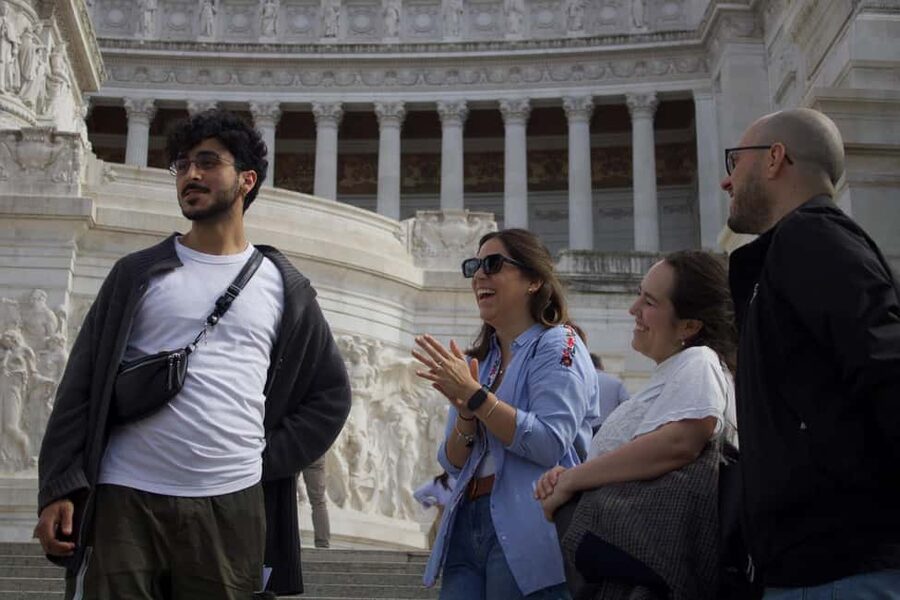
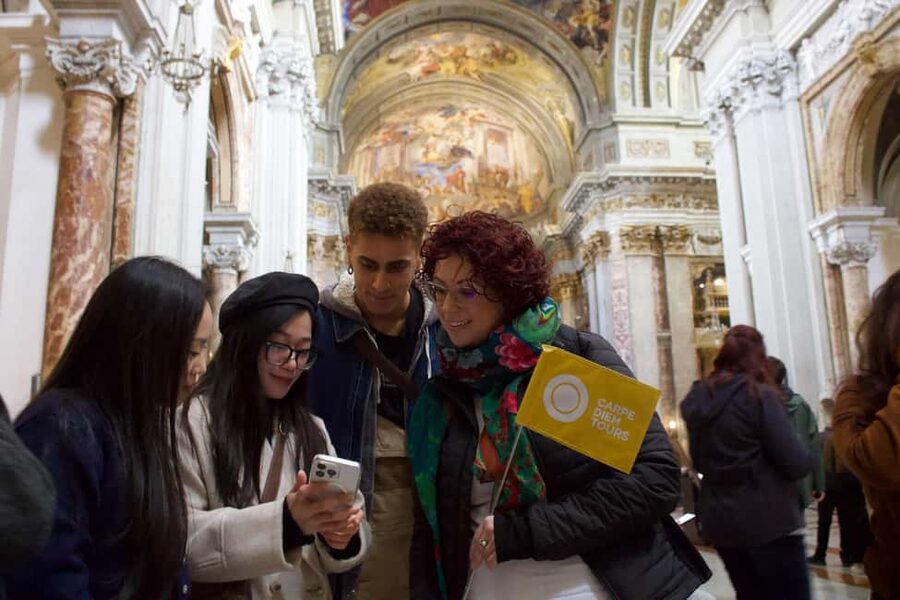
Next is Church of Sant’Ignazio di Loyola, with about 20 minutes of guided focus. Churches can be tricky on group tours because time is limited and everyone’s moving. Here, the payoff is that you get enough direction to look beyond the obvious.
This stop tends to reward people who like architecture, symbolism, and storytelling. If your guide is on form—which multiple guides have been praised for—you’ll get history that’s clear and tied to what you’re seeing right in front of you, not a random lecture that fades as you turn the corner.
Pantheon Area: Pass By, Still Worth Paying Attention To
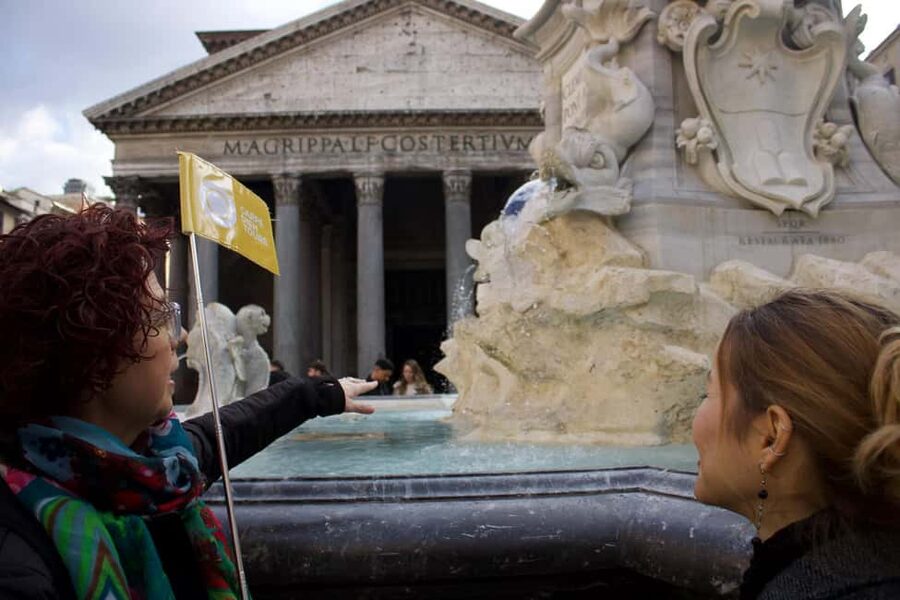
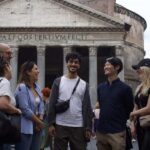
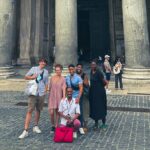
You’ll then pass by the Pantheon for about 20 minutes. “Pass by” doesn’t mean ignore it. It means you’ll use the moment as part of a bigger walk through central Rome, with your guide guiding what to notice without forcing a long sit-and-stare commitment.
If you’re someone who wants your trip to include the classics without getting slowed down, this format works. You get the sight, the context, and then you move on—still feeling like you saw something important.
Ending in Piazza Navona (and Sometimes Near the Colosseum)
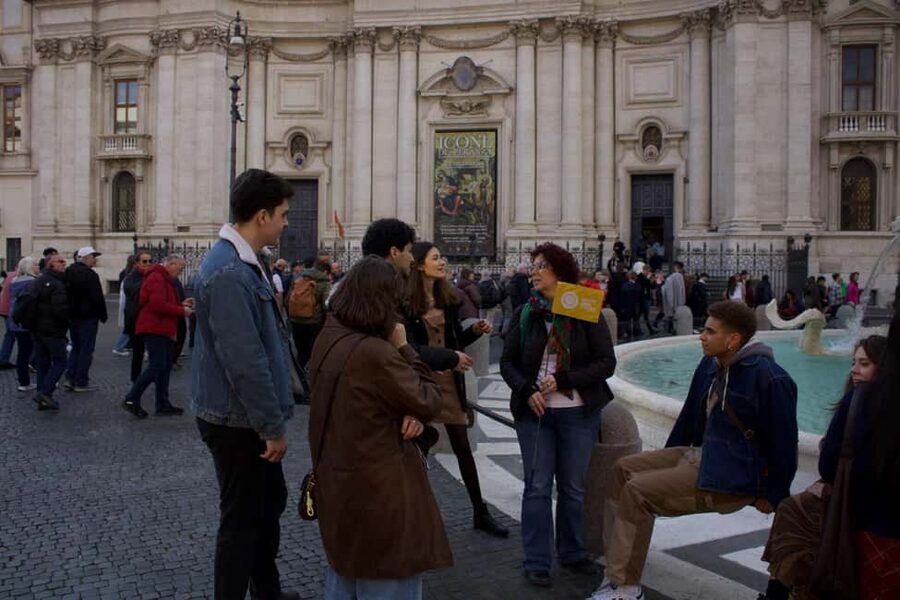
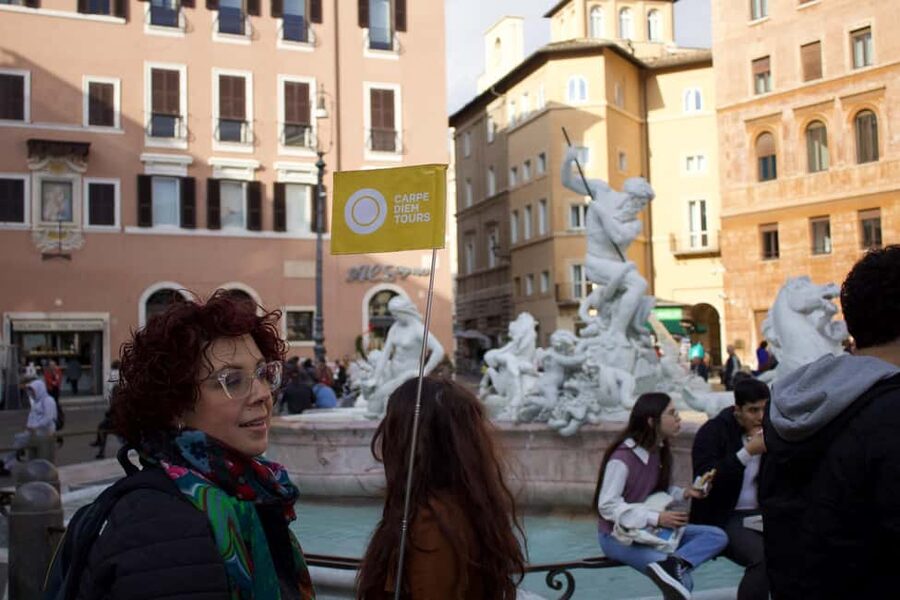
The tour wraps up with drop-off options that include Piazza Navona (appearing as a common endpoint) and Colosseum. Piazza Navona is a particularly good final stop because it’s practical: it’s lively, it’s central, and it’s packed with places to eat, drink, and relax.
This is also where the guide’s value turns practical. The tour description specifically notes that you can ask for tips on where to eat and what to see next. In my experience of Rome, having someone point you toward a good next move can save you from the usual first-night guessing game.
If you end near Piazza Navona, take advantage of the “start planning” energy. You’ve just covered several big anchors—now you can sort your priorities for the rest of the trip while you’re still in walking mode.
The $28 Value: Why This Tour Can Be a Smart First Step
At $28 per person for about 2 to 2.5 hours, you’re paying for three things that add up fast in Rome: a local guide, narration that connects the dots, and a route that mixes famous sites with quieter stretches.
What you get included:
- A local guide and guidance through key piazzas and monuments
- “Hidden gems” is the selling line, but what that usually means in practice is less-famous corners and small stops that make the walk feel like a real local route
- Roman history tied to what you’re seeing
- Scenic spots and recommendations
What you should plan for:
- No hotel pickup or drop-off
- No food or drinks
For value, the big win is time. If you tried to build this route yourself, you’d spend real time figuring out what’s where and why each stop matters. Here, the structure does that for you, and that’s worth money on Day 1.
Also, the praise for guides points to delivery quality, not just content. Names like Dan (MA), Vlad, Domenica, and Dinara show up in strong feedback for keeping the pace friendly and the explanations accessible. That’s what you want in a short walk: clear context without making you feel like you’re stuck in a museum line.
What the Walking Pace Feels Like in Practice
This isn’t a slow “stroll and snack” style, but it also isn’t a speed-run. The tour is short enough that you’ll feel productive without feeling exhausted by hour three.
You’ll also likely benefit from audio support on at least some runs, since one guide experience called out headphones that helped everyone hear clearly. Even if every group setup isn’t identical, it’s a good sign that the operator cares about comprehension on noisy streets.
One small caution from real-world experience: if the light is low and it’s harder to spot your guide, set a simple plan—know your guide’s exact meeting point, and look for the group rather than wandering. One piece of feedback suggested guides could be easier to spot in darker conditions, so don’t assume you’ll spot them instantly from far away.
Who Should Book This Tour (and Who Might Skip It)
This is a great fit if:
- You want a first-day Rome orientation that hits major landmarks without spending all day commuting between them.
- You like history told in a way you can carry with you as you walk.
- You want a clear finish near Piazza Navona so you can turn immediately into dinner plans.
You might consider skipping if:
- You hate walking on uneven cobblestones.
- You want deep, ticket-heavy experiences at each monument. This is built for smart highlights, not long entry lines.
Language-wise, you can book in English or Spanish, and a private group option is available if you prefer more control over pacing and questions.
Should You Book This Rome City Walking Tour?
I think you should, especially if Rome is new to you and you want a confident start. This tour hits the right mix: Piazza Venezia, Trajan’s Column, Trevi Fountain, Sant’Ignazio di Loyola, and a Pantheon pass-by, then funnels you into the practical fun of Piazza Navona.
The strongest reason to book is the guide factor. Multiple guides are praised for being story-forward, friendly, and easy to follow—and that’s exactly what makes a short walking tour feel worth it. At $28 for roughly 2 to 2.5 hours, you’re buying direction, context, and a smoother next-day plan.
If you’re unsure, do this: book it early in your trip. Then use the end-point Q&A to steer your remaining days. In Rome, that one early correction can pay off for the rest of the week.
FAQ
How long is the Rome city walking tour?
The tour lasts about 2 to 2.5 hours. Starting times vary, so you’ll want to check availability for the slot you want.
How much does the tour cost?
It costs $28 per person.
Where does the tour start?
The meeting point can vary depending on the option booked, with two starting location options listed: Piazza d’Aracoeli or Piazza di Pasquino.
Where does the tour end?
It ends back at the meeting point, with drop-off locations that include Piazza Navona (listed twice) and Colosseum.
Does the tour include food or drinks?
No. Food and drinks are not included.
Is hotel pickup included?
No, hotel pickup and drop-off are not included.
What languages are offered?
The tour is offered in Spanish and English.
Is a private group available?
Yes, private group availability is listed.
What should I bring?
Bring comfortable shoes and comfortable clothes.
End of Review Summary
A short guided walk that strings together Rome’s headline monuments and a few quieter stops, with guides praised for storytelling and helpful tips. It’s an efficient, good-value way to get your bearings and make smart choices for the rest of your trip.