REVIEW · DUBLIN
Dublin: Mythology, Folklore and Legends Walking Tour
Book on GetYourGuide →Operated by Original Dublin · Bookable on GetYourGuide
Myth meets street corners, and Dublin never feels ordinary on this walk. I love how the tour links Irish folklore to everyday places you already recognize, like Temple Bar and O’Connell Street. I also love that the guide keeps it human and funny—this isn’t a lecture. One thing to consider: it’s still a walking tour, so if you’re very sensitive to foot fatigue, wear supportive shoes and lean on the longer stops when you need a breather.
You’ll meet at The Old Storehouse pub with the green umbrella and then follow a story-driven route that pulls you off the usual tourist lane. You’ll hear about fairies and mythical creatures—yes, the banshee and púca show up—and you’ll also get the macabre side of the Georgian Quarter. The only potential drawback is that the content swings between wonder and grim history, so it may feel intense if you’re expecting only light “myth fun.”
In This Review
- Key things you’ll notice on this tour
- Walking Dublin Through Celtic Myth and Street History
- Temple Bar Start: Where Celtic Beliefs Take Over the Sidewalk
- Getting Off the Usual Tourist Track in the Georgian Quarter
- Finishing at O’Connell Street: Legends Meet the Gaelic Revival
- What the Best Guides Do (and Why the 2 Hours Works)
- Price and Value: What You’re Really Paying For at $27
- Who This Tour Suits Best (and Who Might Want Another Option)
- Should You Book the Dublin Mythology, Folklore and Legends Tour?
- FAQ
- How long is the Dublin Mythology, Folklore and Legends walking tour?
- How much does the tour cost?
- Where do I meet for the tour?
- Where does the tour end?
- Is hotel pickup or drop-off included?
- Is the tour wheelchair accessible?
- What language is the tour guide speaking?
- What mythical creatures does the tour mention?
- Is there free cancellation?
Key things you’ll notice on this tour
- Temple Bar myth origins: how Celtic beliefs shaped how people understood the world
- Fairies and legendary creatures: banshee, púca, and leprechaun are part of the storytelling
- Georgian Quarter darker stories: rebellions, grave robbing, and revolutions
- Abbey Theatre tragedy in context: the theater’s history ties into broader national feeling
- Gaelic language revival at O’Connell Street: legends connect to living culture today
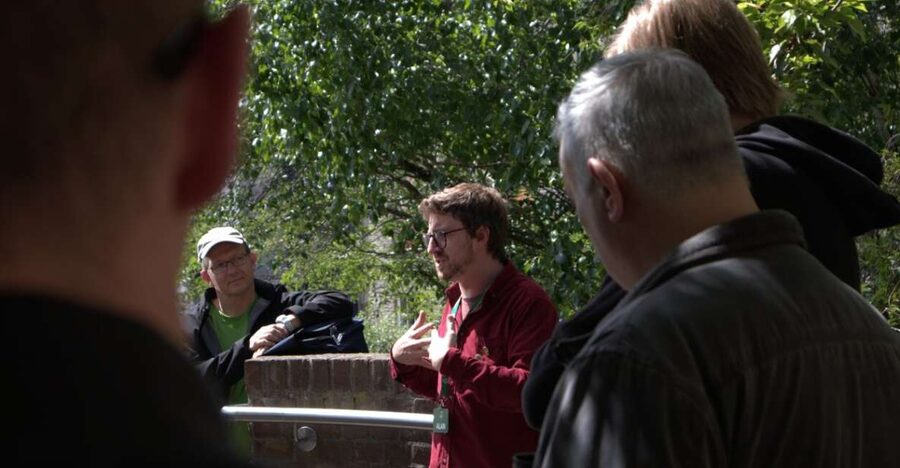
- Guides who perform the stories: the tour has strong energy, with guides such as Helena, Lee, Emily, and Dave standing out in feedback
Walking Dublin Through Celtic Myth and Street History
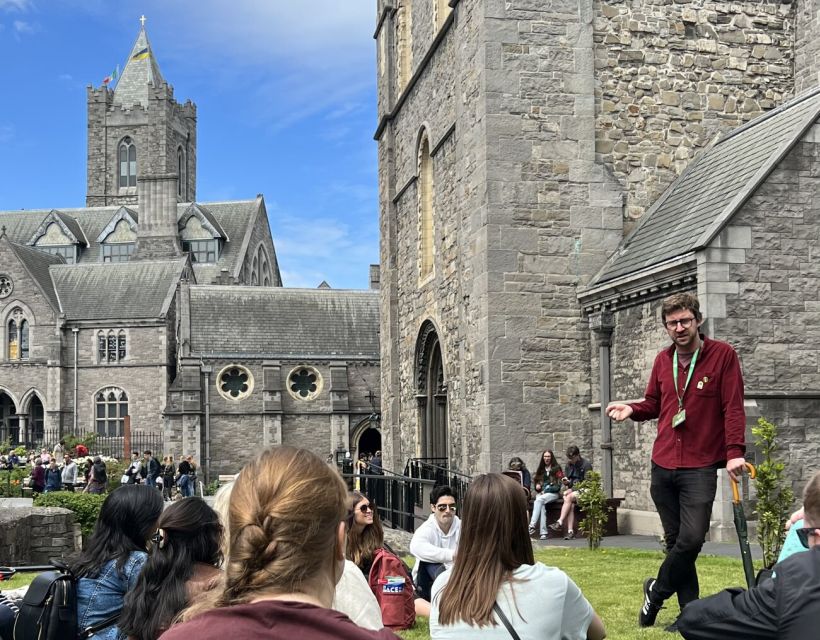
Dublin is a city of layers. One minute you’re standing on a famous street corner, and the next minute you’re hearing why people once treated certain stories like practical truth—warnings, explanations, comfort, community glue. That’s the core idea here: mythology isn’t trapped in books. It shaped how people talked, feared, hoped, and argued, and you feel that connection as you move through town.
I like that the tour is built around storytelling as a skill, not just facts. The guides named in feedback—Helena, Lee, Emily, and Dave—are described as lively, funny, and engaging, and the tour length supports that style. You’re not stuck for half a day. It’s a focused 2-hour arc that gives you enough to react to the city afterward, not just pass through it.
There’s also a practical bonus: you’ll see angles of Dublin you might miss on standard sightseeing loops. Instead of only snapping photos in the usual spots, you’ll step into areas that feel darker, more complicated, and more characterful—while still staying walkable. The route makes the city feel like a living conversation.
You can also read our reviews of more walking tours in Dublin

Temple Bar Start: Where Celtic Beliefs Take Over the Sidewalk
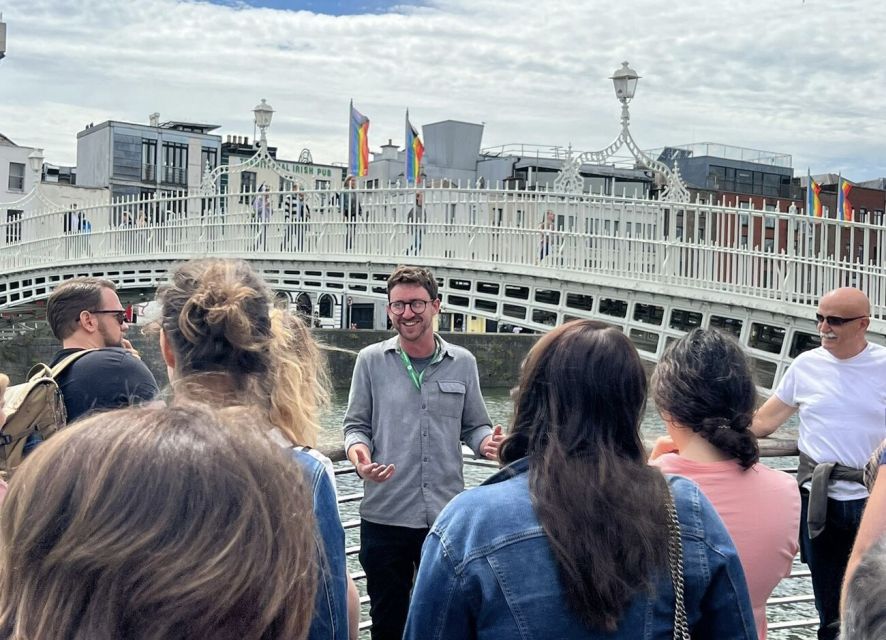
The tour begins where many visitors already start their nights: Temple Bar. But the point isn’t to “do Temple Bar.” It’s to do Temple Bar with a new set of lenses. You’ll meet outside The Old Storehouse pub and look for the green umbrella. From there, you’ll get the mythical origins tied to Irish storytelling traditions and Celtic culture.
This opening matters because it sets the tone for everything that follows. You’re not just hearing random “cool legends.” You’re learning how myths functioned—how fairies and other beings fit into a worldview where the unseen could still affect daily life. That’s why the guide spends time on figures like fairies and mythical creatures such as the banshee and púca. Even if you only remember a few names afterward, the bigger takeaway is the role these stories played in identity and imagination.
You also get mentions of ancient warriors and broader Celtic ideas, which helps connect myth to history. That connection is useful when you later read signs, visit sites, or watch how people talk about heritage in pubs. Myth becomes a language you can recognize, not just a set of spooky characters.
Tip: keep your phone handy, but don’t rush to film every stop. If you want the most out of this, let the story land first—then take a photo of the place with the meaning in mind.
Getting Off the Usual Tourist Track in the Georgian Quarter
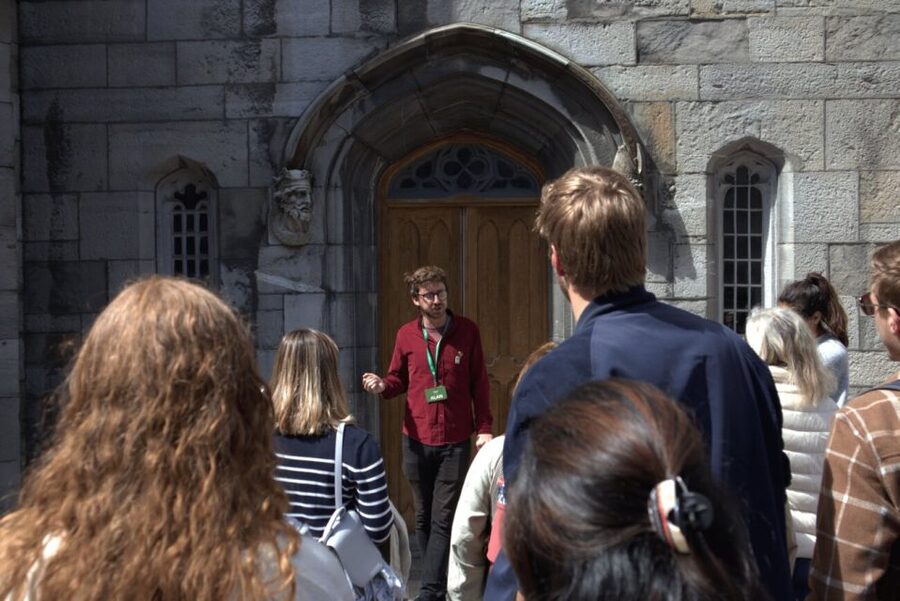
After Temple Bar, the tour shifts gears. You’ll head into parts of Dublin that typically get less time on classic routes. The Georgian Quarter portion is where the mood turns more macabre, and that’s not an accident. It’s about showing how stories and history share DNA: rebellion, fear, and public change often travel through the same channels as legend.
Expect conversation around rebellions, grave robbing, and revolutions. You’re not just hearing dramatic lines—you’re learning why these themes mattered to people and how the cultural memory stuck. When myths meet real historical upheaval, the city stops feeling like a theme park and starts feeling like a place where the past still argues with the present.
You’ll also learn about the tragic history of the Abbey Theatre. The value here is context. Even if you’re not a theater person, a site like that becomes easier to understand once you see how art, politics, and national feeling can overlap. It’s one of those stops where the story helps you read the city better in future days.
One practical plus from real-world experience: several guides are praised for using longer stops, so it doesn’t turn into a nonstop march. That pacing is exactly what you want on a story-heavy walking tour—time to listen, time to regroup, time to take in what you’re standing in front of.
Finishing at O’Connell Street: Legends Meet the Gaelic Revival
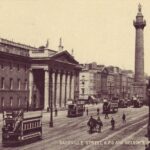
The tour ends back at the meeting point area, but the last big thematic shift comes as you reach O’Connell Street. Here, the focus is on cultural continuity: the revival of the Gaelic language and culture and what that means in contemporary Dublin.
This ending works because it creates a satisfying loop. You started with mythical origins and Celtic belief. You moved through darker history and public memory. Now you see how cultural identity didn’t freeze in the past—it got revived, spoken again, and lived in newer ways. The tour even mentions meeting some of Dublin’s contemporary street characters, which keeps things from feeling museum-like at the finish.
If you’re the type who wants to understand not just what happened, but why it still matters, this portion will land well. It’s where mythology becomes a bridge: not a fantasy world separate from “real Ireland,” but part of how people preserve language, values, and community storytelling over time.
Bonus: by the end, you’ll likely notice how many street conversations in Dublin—from casual chats to pub debates—carry cultural references. This tour gives you a starter kit for reading those moments.
What the Best Guides Do (and Why the 2 Hours Works)
A lot of walking tours fail because the guide either rushes or turns stories into a data dump. This one seems designed to avoid both. Feedback repeatedly highlights guides who keep energy up and make it easy to stay focused—Helena, Lee, Lee, Emily, and Dave all show up as standout names.
What you should look for during your tour is the guide’s pacing. In feedback, people mention that there are long stops and that the walk isn’t overly taxing, even for families or visitors with tired feet after a long day. That tells me the tour is paced with listening in mind, not just getting from Point A to Point B.
It also sounds like questions are welcome, which is what I love on a storytelling tour. If you’re curious about why a particular creature shows up in Irish folklore, or how myth links to the places you see, this style makes it easier to ask without feeling like you’re interrupting.
Also, the group size tends to feel manageable. Some feedback calls out small groups, and others say the group is decent-sized. Either way, you should expect a guided walk where you can hear the story without being swallowed by chaos.





Price and Value: What You’re Really Paying For at $27
At $27 per person for about 2 hours, you’re not buying a “big attractions” day. You’re paying for something more specific: a local folklore expert’s time and a storytelling route that reframes known sights.
That value makes sense because the payoff is mental. You leave with a framework for understanding Dublin beyond the standard checkpoints. The tour also uses contrast well: light mythic origins at Temple Bar, darker civic history in the Georgian Quarter, then cultural language revival at O’Connell Street. That arc helps you remember what you heard because the city keeps responding to the story.
You’re also getting what matters most on tours like this: a live guide and a route that takes you beyond the beaten track. If you’ve already visited a classic hop-on/hop-off route or a standard history walk, this tour becomes a second layer that makes the city feel more personal. If it’s your first Dublin tour, it can act like a “starter map” for how to see the city afterward.
Practical value tip: if you’re doing limited days in Dublin, plan this early enough that the stories can inform the rest of your trip. If you’re doing multiple days, it works as a mid-trip reset—something to make the city feel fresh again.
Who This Tour Suits Best (and Who Might Want Another Option)
This is a great fit if you like mythology, folklore, and legends but also want real-world context. It’s especially good for you if you enjoy the human side of history: how people explained fear, celebrated identity, and turned old stories into cultural glue.
It’s also a smart choice for people who want something different from the usual “see the big sights” itinerary. The tour specifically aims to show another side of well-known stops like Temple Bar and O’Connell Street, while also adding lesser-known locations with heavier themes.
Where it might not be ideal is if you want a strictly light, family-friendly “ghost stories only” kind of tour. This experience includes references to grave robbing, revolutions, and a tragic theater history, so it can be darker than you expect—though the storytelling approach likely keeps it accessible.
If you’re unsure, think about your travel style:
- If you enjoy hearing why a place matters, book this.
- If you mostly care about monuments and photos, you may prefer a more classic sightseeing tour.
Should You Book the Dublin Mythology, Folklore and Legends Tour?
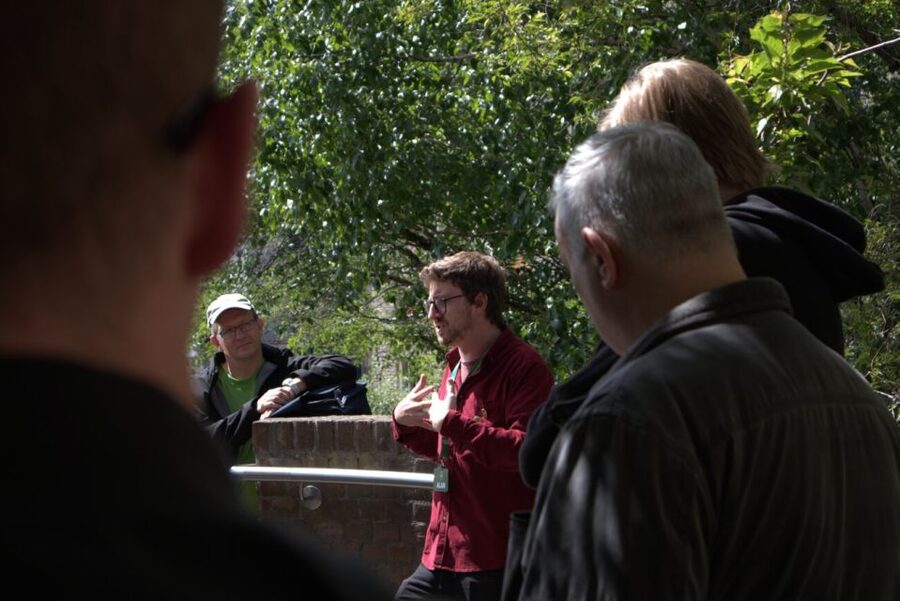
If you want Dublin to feel more like a place with a voice—and not just streets you walked through—this is an easy yes. The story-led approach, strong guide presence (Helena, Lee, Emily, Dave, and others), and the clear arc from Temple Bar myth to Georgian Quarter history to O’Connell Street culture make it a high-value, memorable 2-hour experience.
I’d book it if:
- you want mythology grounded in real locations,
- you like walking tours with frequent story stops,
- and you’re curious about creatures like the banshee and púca in the context of Irish life.
Skip it if you only want polished “attraction” stops and zero heavier history. Otherwise, meet at The Old Storehouse pub, look for the green umbrella, and let the city’s legends do what they’ve always done: give you a new way to see your surroundings.
FAQ
How long is the Dublin Mythology, Folklore and Legends walking tour?
It lasts 2 hours.
How much does the tour cost?
The price is $27 per person.
Where do I meet for the tour?
Meet outside The Old Storehouse pub and look for the green umbrella.
Where does the tour end?
The tour ends back at the meeting point.
Is hotel pickup or drop-off included?
No, hotel pickup and drop-off are not included.
Is the tour wheelchair accessible?
Yes, it’s wheelchair accessible.
What language is the tour guide speaking?
The live tour guide speaks English.
What mythical creatures does the tour mention?
The tour includes Irish folklore creatures such as the banshee and the púca, and it also references fairies and leprechauns.
Is there free cancellation?
Yes. Free cancellation is available up to 24 hours in advance for a full refund.