REVIEW · DUBLIN
Historical 2-Hour Guided Walking Tour of Dublin
Book on GetYourGuide →Operated by Historical Walking Tours of Dublin · Bookable on GetYourGuide
Dublin’s past lives on every corner. This award-winning 2-hour guided walk strings together the big Irish story from Castle walls to Temple Bar, with history graduates from Trinity College Dublin and University College Dublin leading the way. I love the way the tour makes major events feel connected, and I also like that you’ll hear them in the same breath as the places you came to see, from the Potato Famine to the 1916 Rising.
One thing to consider: the schedule is compact. You’re walking and listening for 2 hours, so you’ll want to be comfortable with English and ready for a steady stream of dates, names, and context.
In This Review
- Key highlights at a glance
- Starting at Trinity: Henry Grattan Statue to Dublin Castle
- Dublin Castle, minus the State Apartments ticket
- Temple Bar as a history stage, not just a nightlife strip
- City Hall and the politics behind civic power
- The Medieval City walk: small details, big context
- The Irish history timeline you’ll hear in one walk
- Guides like Jodie, Colm, and Daragh: humor plus history
- Walking comfort and time: 2 hours in Central Dublin
- Entrance fees included, but plan for one clear skip
- Price value: what you get for $22 in 2 hours
- Who this tour suits best (and who might want a different style)
- Should you book the Historical 2-Hour Guided Walking Tour of Dublin?
- FAQ
- How long is the Historical 2-Hour Guided Walking Tour of Dublin?
- Where do I meet the guide?
- What sights are included?
- Who leads the tour?
- Is the tour wheelchair accessible?
- Is entrance to the State Apartments in Dublin Castle included?
- What’s included in the price?
- Is free cancellation available?
Key highlights at a glance
- Trinity College Dublin and UCD history graduates guiding the walk with energy and humor
- Dublin Castle, Temple Bar, City Hall, and the Medieval City in one tight route
- A timeline of Irish turning points, from the American and French revolutions to the War of Independence
- Modern Dublin + the Northern Ireland Peace Process, so the story doesn’t stop in the past
- Entertaining delivery: several guides (like Jodie, Colm, and Daragh) use humor, anecdotes, and sometimes song
Starting at Trinity: Henry Grattan Statue to Dublin Castle
The tour begins at street level, at the Henry Grattan Statue opposite the front gate of Trinity College Dublin. Your guide will be wearing a lanyard/badge for Authenticity Tours, which is helpful when you’re scanning crowds before the start.
This matters more than it sounds. Trinity’s front gate is an easy landmark, so you spend less time hunting and more time walking. And starting near one of Dublin’s academic anchors fits the vibe of the whole experience: history explained clearly, not with dusty museum voice.
From there, you’re set up for the first big mood shift of the walk—moving from the modern city to the older layers right away. Dublin Castle comes early, so you’re not just looking at a list of sites. You’re learning how the city’s power, politics, and identity got shaped on these streets.
You can also read our reviews of more walking tours in Dublin



Dublin Castle, minus the State Apartments ticket
Dublin Castle is one of those places where you can feel the weight of centuries even if you don’t know the details yet. You’ll see it on the tour, and entrance fees are included as per the itinerary—just not everything inside.
Important: entrance into the State Apartments in Dublin Castle isn’t included. That means you should expect guided storytelling tied to the castle’s role and symbolism, rather than a full, self-paced walk through every room open to the public.
If you’re the kind of traveler who likes “why this place mattered,” this stop is a win. A castle isn’t only walls and gates. It’s administration, control, conflict, and change. And the way the guide connects it to later events—rebellions, independence movements, and the long political aftermath—helps those later stops make more sense.
Temple Bar as a history stage, not just a nightlife strip
Temple Bar is famous for nightlife, pubs, and photos. On this tour, it’s also a narrative device. You’re walking through a part of town that people associate with modern Dublin, but you’ll hear how the area fits into a much longer story of change and contest.
That contrast is the point. The tour doesn’t treat Temple Bar like a museum exhibit. Instead, it uses the location to explain how Dublin’s cultural identity evolved over time—so you can still enjoy the present-day energy without losing the context.
If you’re worried the walk will be all politics and no atmosphere, you’re not off base—but the guides seem to keep it lively. Humor pops up in guide styles (for example, Colm’s delivery has been described as animated, with personal anecdotes and even song). That tone makes a site like Temple Bar easier to digest in two hours.
City Hall and the politics behind civic power
Next up is City Hall, which helps the tour broaden its lens. Dublin’s history isn’t only royal buildings and uprisings. It’s also the machinery of the city—how public authority works and how identities get formalized.
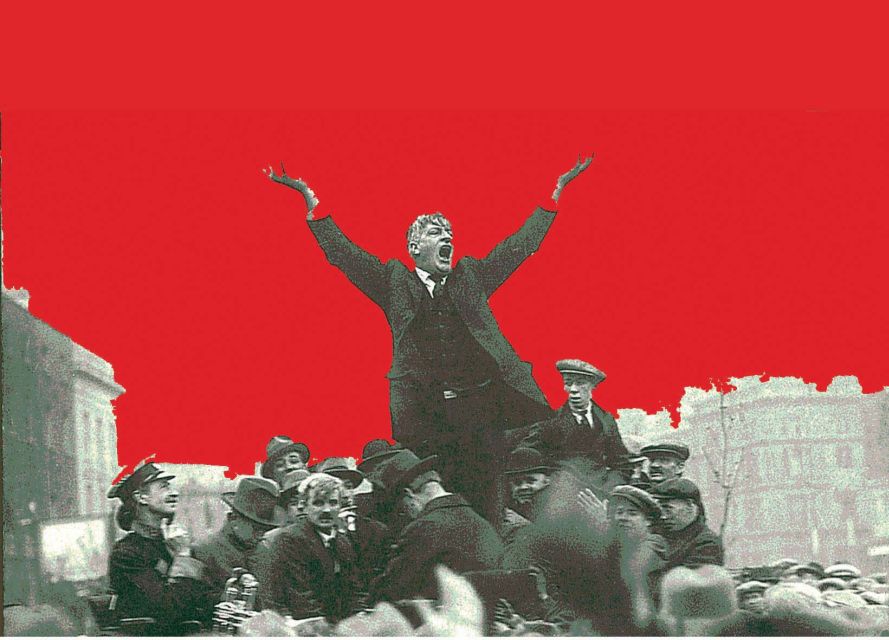
This stop is where you can start to notice how the story becomes less about one dramatic event and more about how society changes under pressure. The tour covers big turning points like the Potato Famine and the 1916 Rising, then keeps going toward the War of Independence and what followed.
Why City Hall is valuable in this format: it gives you a bridge. You can move from the intensity of earlier conflict to the idea of governance, negotiations, and long-term social shifts. It’s the “aftermath” angle, told while you’re still in the streets where those shifts played out.
The Medieval City walk: small details, big context
After hitting the major landmarks, the tour roams through the Medieval City. This is where you’ll start picking up the sense of “old Dublin” that you don’t always get from quick sightseeing.
One specific kind of detail has shown up in guides’ explanations: hidden history like bullet holes. If you’re even slightly the kind of person who likes noticing scars on a street wall and asking why they’re there, this part can make the city feel more real.
The Medieval City segment also does a practical job for you. It helps you connect the timeline of events to urban geography—where power sat, where conflict could spill, and why certain areas matter again and again. You leave with a better mental map, not just “I saw that building.”
You can also read our reviews of more guided tours in Dublin



The Irish history timeline you’ll hear in one walk
The tour’s real engine is the story it tells. In about two hours, you’ll cover a sequence of events that shaped Ireland, including influences from the American and French revolutions, the Potato Famine, the 1916 Rising, and the War of Independence.
What I like about this approach is that it doesn’t treat those events as isolated headlines. The guide’s job is to show how ideas and pressures move from one moment to the next. Revolutions abroad connect to how people think and organize at home. Famines and hardship shape politics and public mood. Rising and independence become part of a longer struggle for identity and self-rule.
Then the walk moves into more modern history, including the effects of the Northern Ireland Peace Process. That’s a key part for first-time visitors because it stops the story from being stuck in the past. Dublin is where much of Ireland’s political life becomes visible, and the guide helps you understand why that visibility still matters today.
If you’re hoping for a gentle intro to Irish history, this is a strong fit. If you’re already a deep scholar, you may find it moves quickly—but that speed can also be a benefit. You get the broad brush in a way that’s easy to carry through your later visits around Ireland.
Guides like Jodie, Colm, and Daragh: humor plus history
You can tell a lot about a history tour by how it handles facts. This one is led by local guides who are described as history graduates of Trinity College Dublin and University College Dublin. In practice, what stands out is how guides blend structure with personality.
Examples from real guide experiences include:
- Jodie bringing a lively, friendly style with humor and strong organization, plus easy answers to questions
- Colm delivering detailed history with personal anecdotes, and even singing verses related to the events discussed
- Daragh using a conversational, historian-type approach, including attention to small physical details like bullet holes
Other guides are also mentioned as engaging, with good command of the material and the ability to keep the group’s attention. Some guides even lean into performance styles—one guide, Jody Fitzpatrick, has been described as an actor with the talent to make history feel alive.
One practical thing: at least one review points out that good English helps you follow all the information. This tour is not a slow, simplified “sound bites only” experience. If English is a bit of a challenge for you, you’ll want to come prepared to listen closely.
Walking comfort and time: 2 hours in Central Dublin
The tour is designed for a real walk—plan on about two hours of moving through central Dublin with stops along the way. That means comfortable shoes are not optional. One guide-led experience even came with the straightforward advice to bring good walking shoes.
Also plan for city noise. Dublin streets can be loud, and you’re sharing space with traffic, pedestrians, and constant motion. The good news: multiple reviews mention that you could clearly hear the guide even with the noise, so it’s not just a loud walking parade.
This tour is wheelchair accessible. The route is described as an easy walk, and the tour is built to be workable for people who need accessibility accommodations. Still, any walking tour depends on sidewalk conditions and crowd flow, so it helps to be ready with patience around busy corners.
Entrance fees included, but plan for one clear skip
Price is $22 per person, and entrance fees are included as per the itinerary, along with a local guide. The one defined omission is entrance into the State Apartments in Dublin Castle.
That makes the value equation pretty clear. You’re paying for:
- A guided route that covers major sights
- Included entry fees for what the itinerary covers
- A guide who connects the history to the streets you’re standing on
If you’re mainly interested in the story and the overview, the package is well aligned. If you’re specifically focused on exploring the State Apartments interior in depth, you’ll need to plan that separately, since it’s not part of this tour.
Price value: what you get for $22 in 2 hours
Let’s talk value in a way that matters. In two hours, you hit Dublin Castle, Temple Bar, City Hall, plus the Medieval City. You’re not just ticking boxes—you’re getting context for why these places matter across centuries.
At $22, the cost is reasonable for a guided experience in central Dublin, especially because entrance fees (as per the itinerary) are included and the tour aims to be both educational and entertaining. And the strong guide quality is a big part of why this feels like a smart buy rather than just another walking tour.
The best value shows up if you’re:
- In Dublin for a short time and want the big story fast
- Eager to understand events like the 1916 Rising and Irish War of Independence with real place references
- Someone who likes humor in history, not just names and dates
If you prefer total freedom to wander at your own pace, a self-guided route could be cheaper. But this tour is set up to make your time count.
Who this tour suits best (and who might want a different style)
This is ideal for first-time Dubliners. It helps you get your bearings fast, both geographically and historically. It’s also a great match for history buffs who want structure: a chronological sense of how major events connect.
It can also work for repeat visitors. If you’ve already seen the big attractions, you might still enjoy hearing how the guides connect them to the political story up through the Peace Process.
One caution: because the tour covers a lot in two hours, it can feel “packed” if you want more slow pacing at fewer stops. Also, because some groups have been described as older, the vibe can lean toward traditional guided-tour energy. That’s not a dealbreaker, but it’s a factor.
Should you book the Historical 2-Hour Guided Walking Tour of Dublin?
If you want a guided “greatest hits” of Dublin with an actual timeline behind it, book it. The mix of Dublin Castle, Temple Bar, City Hall, and the Medieval City is efficient, and the history coverage—from the Potato Famine to the 1916 Rising, then onward to the War of Independence and the Northern Ireland Peace Process—gives you a fuller picture than a standard highlights walk.
I’d especially book it if you:
- Like tours led by strong, expressive guides (the style described includes humor and even song)
- Want the kind of historical context you can carry into the rest of your Ireland trip
- Prefer a short, structured experience over a half-day or full-day commitment
If you’re planning to focus on the interior State Apartments at Dublin Castle, just know this tour won’t cover that ticket. You can still do the walk and then add that specific visit separately.
FAQ
How long is the Historical 2-Hour Guided Walking Tour of Dublin?
The tour lasts 2 hours.
Where do I meet the guide?
Meet your guide at the Henry Grattan Statue opposite the front gate of Trinity College, Dublin. The guide wears an Authenticity Tours lanyard/badge.
What sights are included?
The tour includes stops at Dublin Castle, Temple Bar, City Hall, and the Medieval City.
Who leads the tour?
A live local guide leads the walk. The tour description also notes guides are history graduates of Trinity College Dublin and University College Dublin.
Is the tour wheelchair accessible?
Yes, the tour is listed as wheelchair accessible.
Is entrance to the State Apartments in Dublin Castle included?
No. Entrance into the State Apartments is not included.
What’s included in the price?
The price includes entrance fees as per the itinerary and a local guide.
Is free cancellation available?
Yes. You can cancel up to 24 hours in advance for a full refund.