REVIEW · SPLIT
Split: Old Town and Diocletian Palace Walking Tour
Book on GetYourGuide →Operated by www.splitwalkingtour.com · Bookable on GetYourGuide
Split’s walls talk when you have the right guide. This Old Town and Diocletian Palace walking tour turns the ruins of a Roman palace into a readable map of modern Split, stitched together by religion, local characters, and sea views. You start at the Golden Gate, then move through the palace core, big landmarks, and the harbor-front promenade.
I especially like how the guide explains what you’re looking at, not just where to stand: the Roman plan at the palace Peristyle area and the story connections around Saint Domnius Cathedral. I also like the practical mindset you get for the rest of your stay, since the tour naturally orients you and helps you plan what to see and where to eat next.
One consideration: it’s not suitable for wheelchair users, so plan for a steady walking pace on historic streets and uneven surfaces.
In This Review
- Key things to know before you go
- Why the Golden Gate works so well for orientation
- Diocletian Palace: what you’re really walking through
- Saint Domnius Cathedral: the church that anchors the whole walk
- Gregory of Nin at Giardin Park: a story stop, not a statue stop
- The Riva promenade: views that make the tour feel complete
- Time and pacing: 90 minutes to 6 hours changes your plan
- Price and value: why $17 can be a bargain
- Guide experience: local storytelling that keeps the tour moving
- What to wear and what to expect from the walk
- Who should book this tour (and who should not)
- Optional extras if you want to see more beyond Split
- FAQ
- Where do we meet for the Split Old Town and Diocletian Palace walking tour?
- How long is the tour?
- Is the tour wheelchair accessible?
- What’s included in the price?
- What languages are offered?
- Is hotel pick-up included?
- Should you book this Split Old Town and Diocletian Palace tour?
Key things to know before you go
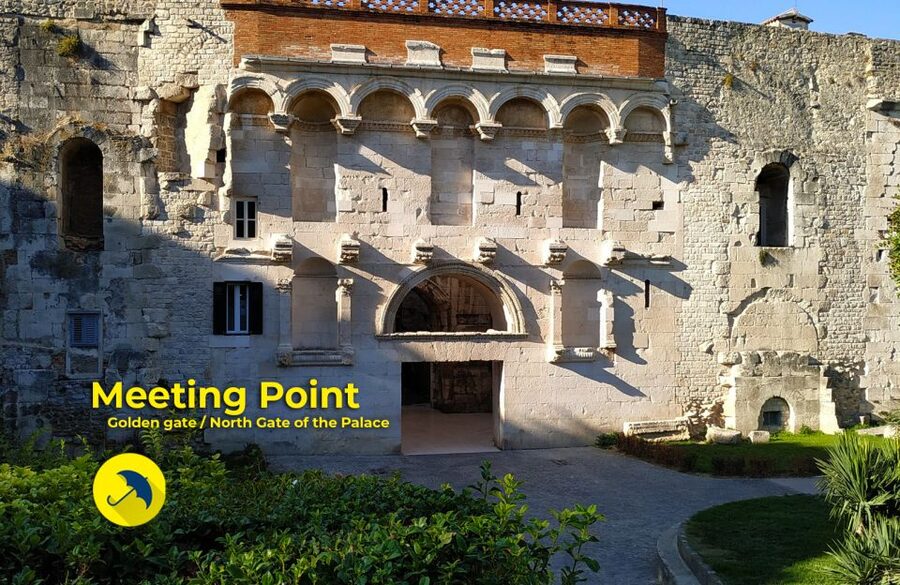
- Meet at the Golden Gate and end right back at the same spot, so you don’t waste time figuring out directions.
- Diocletian Palace details matter here, especially the open colonnades and the central Peristyle space.
- Saint Domnius Cathedral is still in use, and it’s often described as one of the oldest Catholic cathedrals still serving in its original form.
- Giardin Park ties to the Gregory of Nin story, not just a photo stop by a statue.
- Riva promenade gives you the easy payoff: views toward Marjan Hill and the Adriatic.
- You can add tastings (wine and/or food) if you choose those options.
Why the Golden Gate works so well for orientation
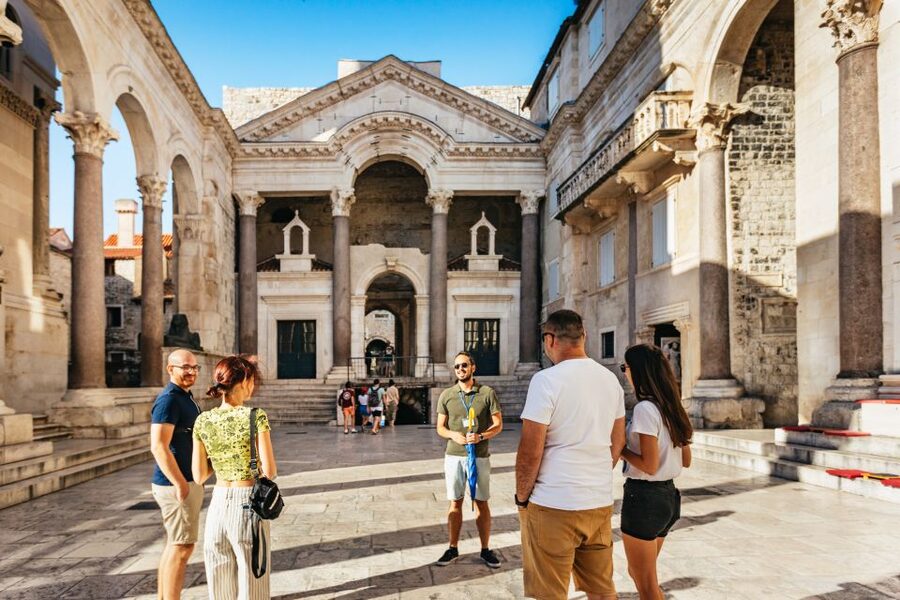
If you only have one day to get your bearings in Split, starting at the Golden Gate is smart. That’s the entrance point into Diocletian Palace, and your guide uses it like a “front door” to the whole Old Town layout. You quickly understand why half of the historic core feels like it’s built from Roman architecture that never fully disappeared.
You’ll also get a rhythm from the way the tour is set up: walk, stop, look, then connect the details to the bigger story of the city. It’s an easy way to train your eyes, so the palace doesn’t just look like random stone.
You can also read our reviews of more walking tours in Split
Diocletian Palace: what you’re really walking through
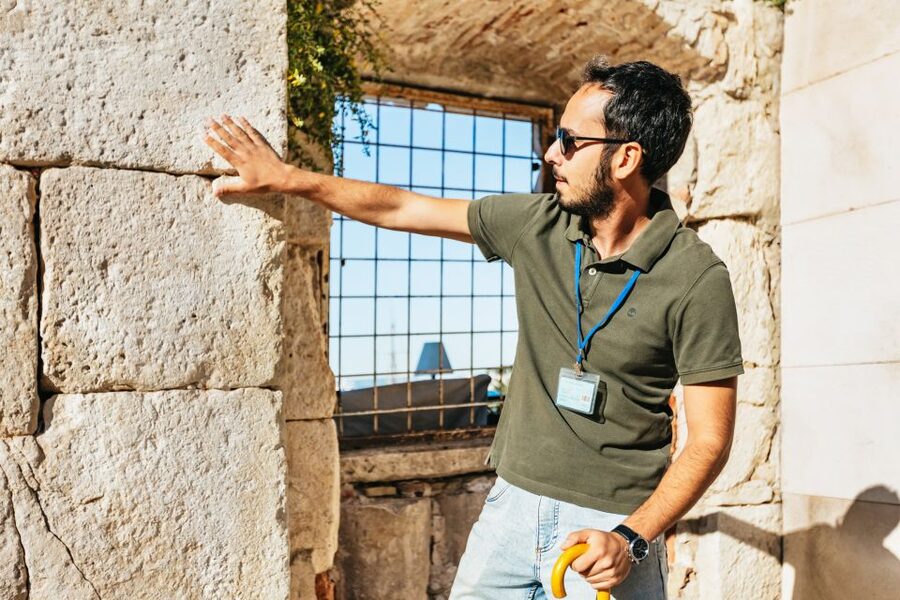
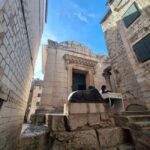
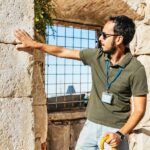
The heart of Split is the Diocletian Palace, begun in 305 CE. Even if you’ve seen pictures, it helps to watch the palace plan unfold in real life, because it explains why today’s Old Town feels like it grew around a fortress. The palace ruins are about half of the historic center, which is why the tour covers so many “why is this here” moments.
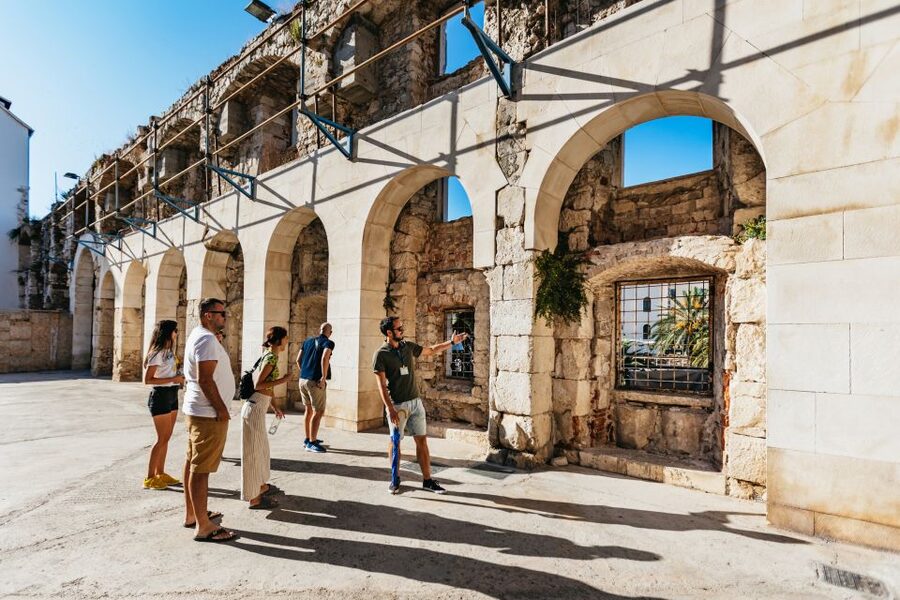
At the start, you’ll look at the remains as you move in through the palace area, then head to the central Peristyle. This is where you see the palace’s open colonnades and understand how space, power, and daily movement were designed. A guide matters here because you can’t easily read the Roman logic on your own when streets and buildings are layered on top of each other.
I like that the tour keeps it practical. Instead of treating the palace like a museum hallway, you’re guided through sightlines and architectural cues that make the site feel organized. You’ll come away with a mental “map” of the palace core that helps when you wander later.
Saint Domnius Cathedral: the church that anchors the whole walk
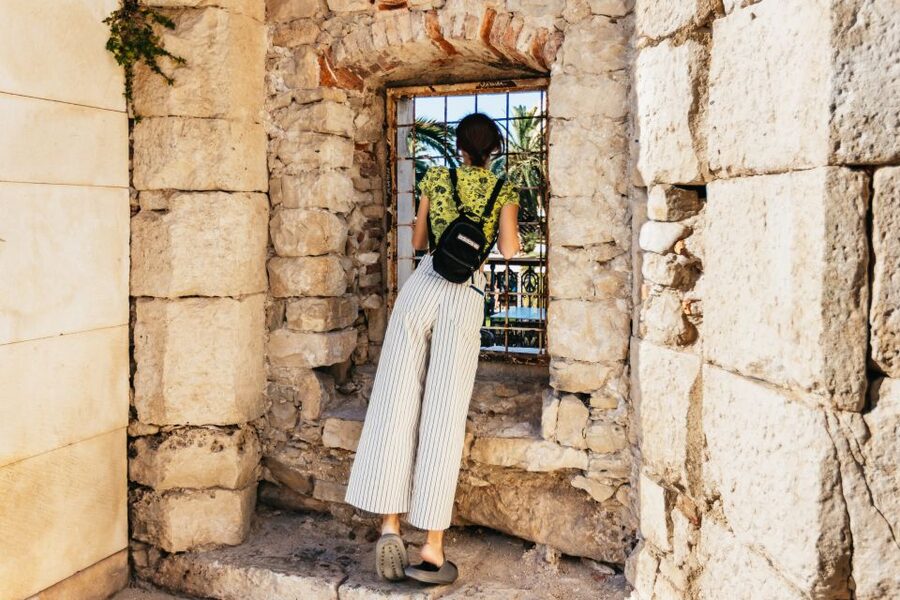
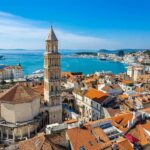
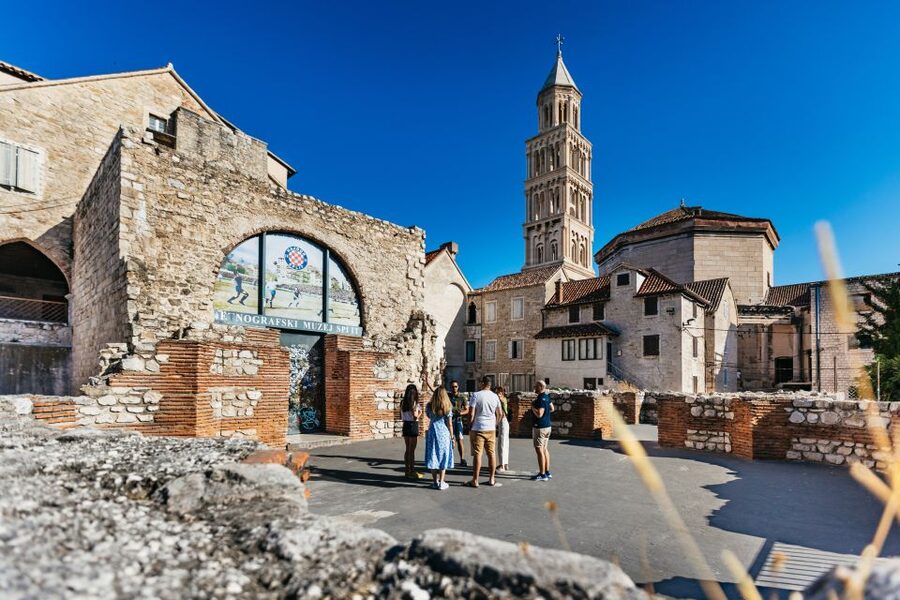
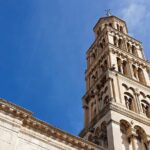
Saint Domnius Cathedral is one of the stops that changes your perspective. It’s thought to be the oldest Catholic cathedral in the world that remains in use in its original form, which makes it feel less like a monument and more like a working landmark. Even if you’re not the type to care about church architecture, this stop tends to land because the building has presence.
Your guide connects the cathedral to the wider story of Split and the palace world around it. That context matters because Saint Domnius isn’t just a pretty stop; it’s a sign that the city’s identity didn’t end when the Roman era faded. When the guide explains how it fits into the long timeline, you understand why people still gather here today.
Plan for a “slow your feet” moment. Cathedral stops invite standing, looking up, and reading small details, so it’s not always a quick photo and go.
Gregory of Nin at Giardin Park: a story stop, not a statue stop
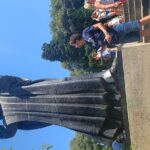
In Giardin Park, you’ll learn the story connected to Gregory of Nin through his statue. This is tied to the Bishopric of Gregory of Nin, and it’s one of those moments where history becomes personal. Instead of just naming facts, a good guide frames why his story matters to how Split remembers itself.
I find these narrative stops are what make a walking tour worth the ticket. Without the story, you might see a statue and move on. With the story, you start noticing how religious and cultural milestones are embedded in the city’s public spaces.
If you like local history with personality, this is a highlight. The tone tends to be animated, with guides often using humor and local context while you stand in place.
The Riva promenade: views that make the tour feel complete
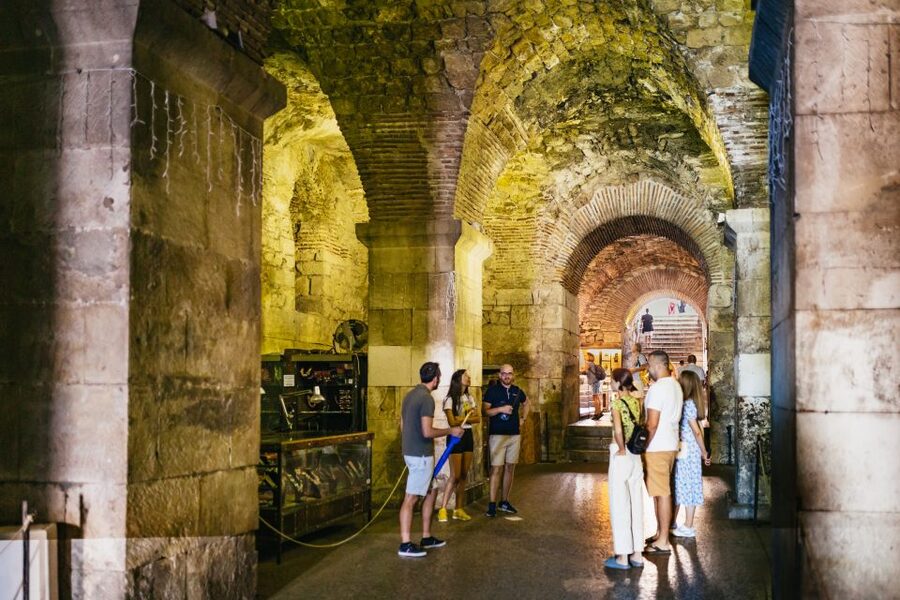
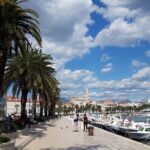
After palace and cathedral, you get a change of pace on the Riva promenade. This is where Split rewards you with easy sea-level perspective: you’ll walk along the waterfront with views toward Marjan Hill and the Adriatic Sea. It’s a good reset after indoor stonework and complex architecture.
The promenade also helps you connect the ruins to the city’s everyday life. You can see where the sea-facing layout would have mattered, and you feel how the palace zone sits naturally close to the harbor.
This section tends to be more relaxed, but it still fits the tour’s purpose. It’s not random walking; it’s the payoff that makes the earlier centuries feel real.


Time and pacing: 90 minutes to 6 hours changes your plan
The tour duration can range from 90 minutes to 6 hours, depending on starting times and the option you choose. That range matters for your schedule because Split’s Old Town is compact but lively, and you may want energy left for dinner and wandering.
A shorter tour is ideal if you’re staying in the city center and want the highlights fast. A longer format can work better if you like time for questions, slower photo stops, and optional add-ons.
One practical tip: if you’re trying to see the palace and then do other sights the same day, do this early. You’ll get an orientation boost that makes later stops easier and more satisfying.
Price and value: why $17 can be a bargain
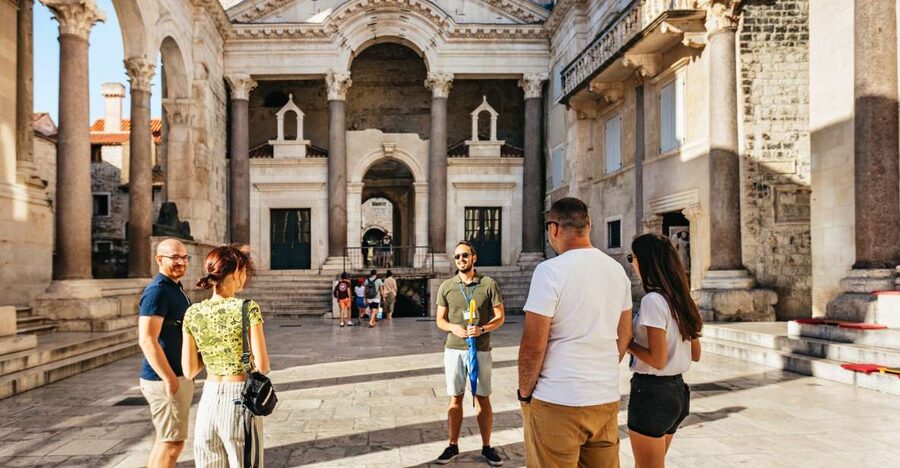
At $17 per person, this is priced like a value tour for a major historic site. You’re paying for more than walking: you’re paying for a local guide who turns architecture into meaning, plus guidance that helps you plan the rest of your time.
Here’s what makes the price feel fair:
- You get a local guide and a structured route, so you don’t spend your energy guessing what you’re seeing.
- The main stops include big anchors: Diocletian Palace remains, Saint Domnius Cathedral, and the Gregory of Nin story point.
- Optional wine tasting and food tasting can add extra value if you select those add-ons.
Not included: there’s no hotel pick-up. That’s common for walking tours, but it does change the value equation slightly. If your hotel is far from the palace area, factor in the time to reach the meeting point.
Guide experience: local storytelling that keeps the tour moving
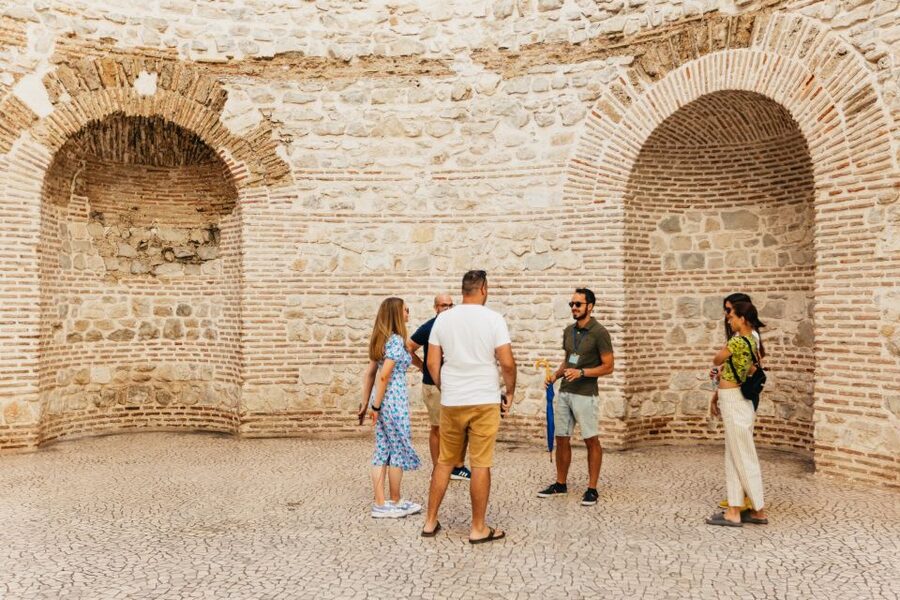
A lot of the best feedback centers on the guide. You’ll typically get a friendly, engaging style that mixes facts with humor, and you’ll often get answers when you ask questions mid-walk.
You may meet guides with names like Mia, Slavko, Antonia, Ante, Ivana, Frane, Martha, or Tino based on past departures. Some guides are Split locals and sometimes even connected to the palace area itself, which helps because they can explain what daily life around the monuments feels like.
This matters for your experience because Split can be confusing if you’re just following your own eyes. With the guide’s pacing and explanations, you’re more likely to leave with clarity instead of just photos.
What to wear and what to expect from the walk
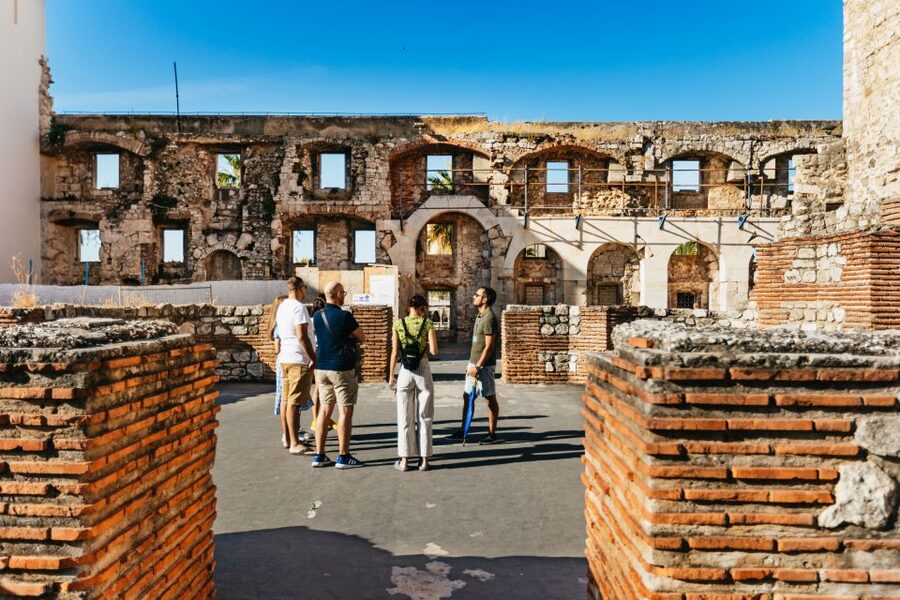
This is a walking tour that’s appropriate for all ages, but that doesn’t mean it’s effortless. Wear comfortable clothes, and expect uneven historic paths and a fair amount of standing.
If weather turns sour, your guide may adjust the flow to still get the tour done. Keep plans flexible and bring what you need for comfort, since you’ll be outside most of the time.
Accessibility note: it’s not suitable for wheelchair users, so if mobility is a concern, look for a different format.
Who should book this tour (and who should not)
Book this if you want a strong first contact with Split’s Old Town. It’s especially good for:
- First-timers who want the palace story made clear
- People who like architecture with context, not just sightseeing checklists
- Visitors who want guidance for what to do and where to go next in the city
Skip it or choose something else if:
- You need wheelchair accessibility
- You prefer completely unstructured wandering with no historical framing
Also, if you’re the type who loves learning while walking, you’ll likely enjoy the way each stop builds on the last. The palace details set up the cathedral, the cathedral ties into local religious history, and then the promenade provides the physical payoff with sea views.
Optional extras if you want to see more beyond Split
The core tour stays centered on Split’s palace-and-old-town spine. However, there’s mention of an optional add-on to Trogir, arranged as part of some experiences. If you’re open to a longer day and want another historic town feel, ask what add-ons are running for your chosen date and time.
FAQ
Where do we meet for the Split Old Town and Diocletian Palace walking tour?
Meeting point may vary depending on the option you book, but the tour description indicates you meet at the Golden Gate of the Diocletian Palace.
How long is the tour?
The duration ranges from 90 minutes to 6 hours, depending on the starting time and the option selected.
Is the tour wheelchair accessible?
No. The tour is not suitable for wheelchair users.
What’s included in the price?
Included items are a local tour guide and a walking tour. Wine tasting and food tasting are included only if you choose the option that adds them.
What languages are offered?
Live guided tours are available in English, Italian, Spanish, German, and French.
Is hotel pick-up included?
No. Hotel pick-up is not included.
Should you book this Split Old Town and Diocletian Palace tour?
Yes, if you want the quickest way to make Diocletian Palace and Split’s Old Town feel understandable. For $17, you get real context at the big touchpoints: the palace remains, Saint Domnius Cathedral, Gregory of Nin at Giardin Park, and the Riva promenade views.
If you can handle a good walk and you’re excited by history that connects buildings to stories, this is a smart move. If mobility is an issue, or you’d rather roam without structure, you may want to choose a different kind of tour.