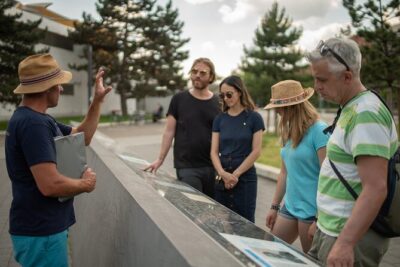
REVIEW · CAMBRIDGE MASSACHUSETTS
Cambridge: Harvard University Student-Guided Walking Tour
Book on GetYourGuide →Operated by The Hahvahd Tour · Bookable on GetYourGuide
Harvard in one compact walk is a treat. A student-guided stroll around the Harvard Square start point turns the campus from famous buildings into a real place with student rhythm and stories, like when guides such as Jonathan or Katherine bring the day-to-day feel into the conversation.
I love that you get both the classic photo stops and the human layer: Memorial Hall and Widener Library aren’t just landmarks, they’re explained through what student life is like nearby. One drawback to think about: it is mainly a walk-by experience, and you will not be settling into interiors during the tour, plus video recording is not allowed.
Key things to know before you go
- Student guide perspective: Hearing Harvard through a current student’s lens changes how the place clicks.
- Tight route, big highlights: The walk covers under 1 mile, but hits the major campus touchpoints.
- Harvard Square meetup is easy: Outside the Main Harvard Redline Subway Station, by The Harvard Shop.
- Landmarks you can locate fast: Johnston Gate, the John Harvard Statue, Memorial Hall, and Widener Library.
- Short and focused timing: About 70 minutes keeps you moving without frying your feet.
- Included map for staying power: You get an illustrated Harvard Square map to keep exploring after.
In This Review
- From Harvard Square to Harvard Yard: how the 70-minute walk really works
- Meet Your Student Guide: why the point of view matters
- Johnston Gate and the John Harvard Statue: fast orientation with meaning
- Memorial Hall and Widener Library: seeing scale without getting lost
- Harvard culture stories and a few useful campus secrets
- Price, pacing, and how to plan your day around the tour
- Should you book the Cambridge: Harvard University student-guided walking tour?
- FAQ
- How long is the Harvard University student-guided walking tour?
- Where do I meet the guide?
- What is the price per person?
- What’s included in the tour?
- Is there food or drinks included?
- What language is the tour guide?
- Is the tour wheelchair accessible?
- What should I bring?
- Can I record video during the tour?
From Harvard Square to Harvard Yard: how the 70-minute walk really works

This tour is built for momentum. You meet in the middle of Harvard Square at the Main Harvard Redline Subway Station area, right outside where it is easy to orient yourself, next to The Harvard Shop. Then you head into Harvard’s grounds and spend about 70 minutes walking a route that covers less than 1 mile.
That short distance matters. Harvard is big, and first-time visitors often spend too long wandering between sites they only sort of understand. Here, you move with a plan, so you see what most people come for without the stress of guessing where everything lines up. The walk also fits busy schedules. If you only have part of a day in Cambridge, this is a low-commitment way to add real context.
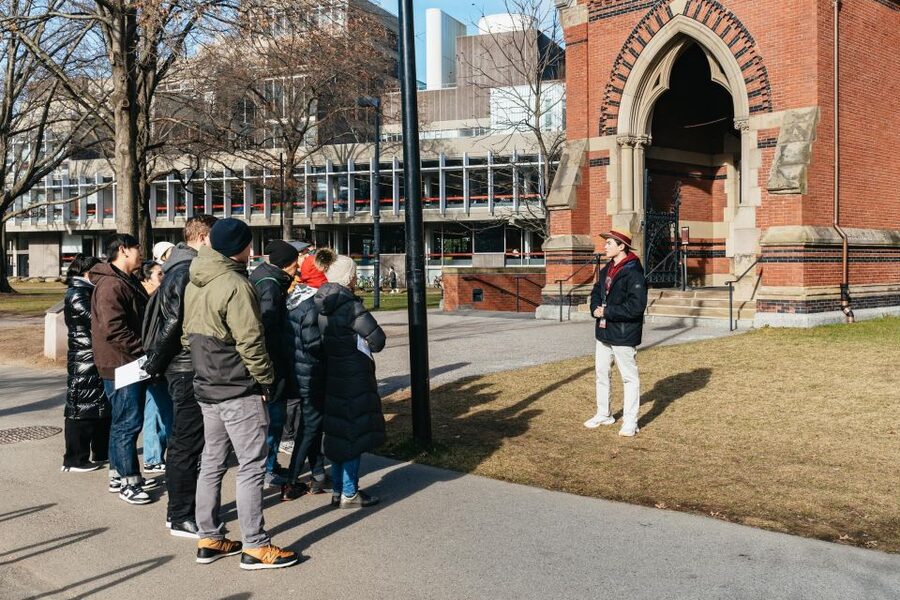
The pacing is also a big part of the experience. Because it is student-led and focused on explanation, you are not just checking boxes. You typically slow down for key sights, take in the architecture and layout, and listen to background that connects the buildings to campus culture. A few guides also keep things interactive, so you can ask questions rather than holding them until you reach a single final stop.
Practical tip: comfortable shoes are non-negotiable. Even with a less-than-1-mile route, you are on your feet on real campus ground where the time adds up. If you want the full benefit of the narration, try to stay close enough to hear well and to see what the guide is pointing out.
Meet Your Student Guide: why the point of view matters
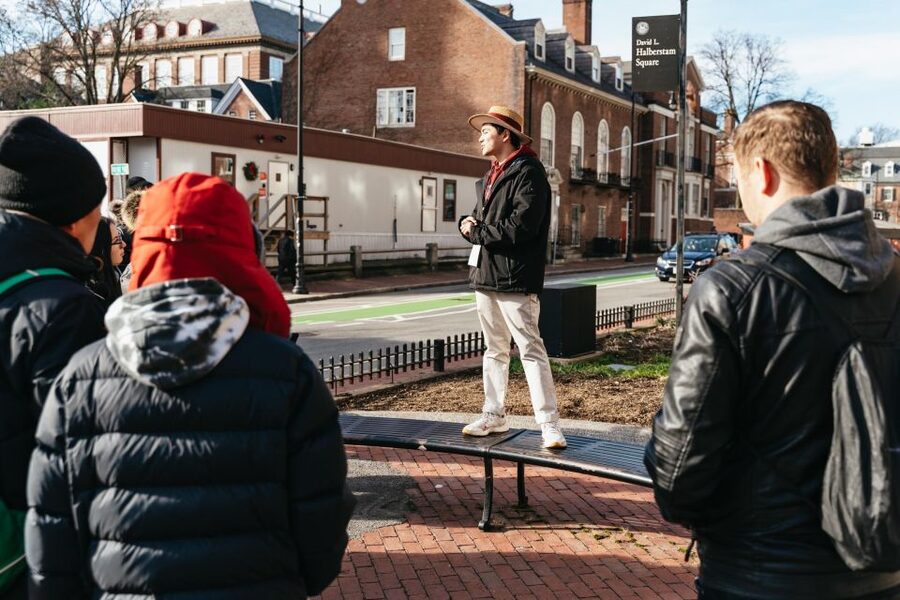
The star here is the guide: a student, leading in English, sharing Harvard from the inside. Guides rotate, so your experience will vary slightly depending on the person, but the theme stays consistent—this is Harvard explained through lived routines, not just public facts.
I like tours where the guide can answer the question behind every tourist’s smile: What is it actually like to be here? That is the value you get. Student guides tend to describe the feel of campus life—what routines look like, what traditions mean in practice, and how students think about the place they study in. You also hear anecdotes that make the campus story feel human, including how the university experience shows up in everyday moments.
You can also tell when the guide is comfortable with the material and enjoys the job. Many guides reported as engaging and funny, with a tone that fits a walking tour. Some guides even tailor the flow based on the group, making it feel less like a script and more like a conversation with someone who genuinely cares about their campus.
If you are the type who gets bored by long lectures while walking, this tour is designed to avoid that. The format is short, paced, and story-driven. You get history, but it is tethered to places you are literally standing in front of, which helps it stick.
One note to keep expectations realistic: since this is student-led, the tour is likely focused on what the guide can explain clearly within the time. You may not get encyclopedic details about every stone. What you do get is a grounded sense of Harvard as a working university community.
Johnston Gate and the John Harvard Statue: fast orientation with meaning
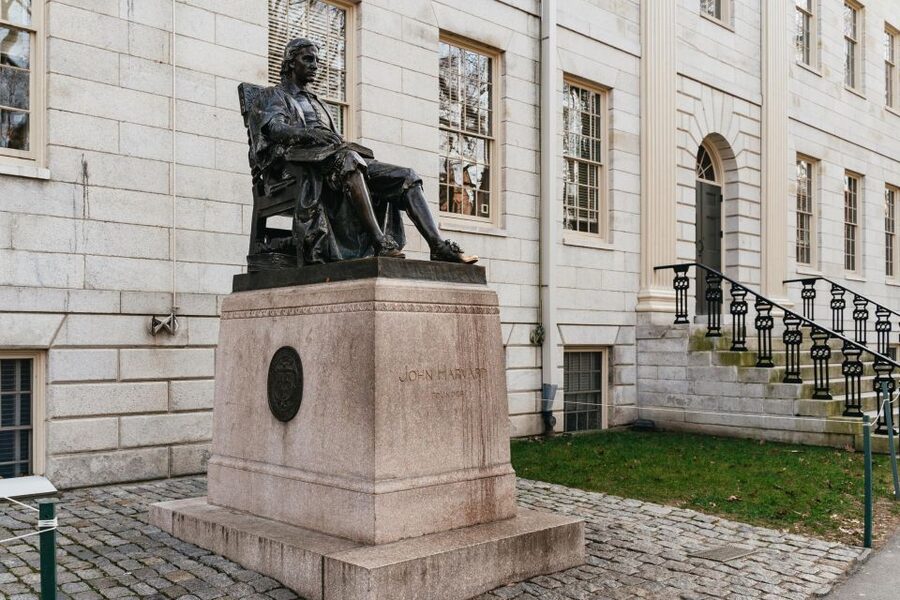
After the meetup, you start moving through Harvard Yard. Two early highlights help you orient quickly and understand how Harvard frames itself.
First is Johnston Gate, a prominent entry point that signals you are arriving in a campus space with rules, traditions, and visual symbolism. Instead of just passing it on the way to something else, you get a guide’s explanation that helps you read the gate as a threshold, not a random landmark.
Then you hit the John Harvard Statue, one of the most recognizable anchor images on campus. This is where a student guide can add a different kind of context. The statue is famous enough that photos are easy. The trick is learning why it matters and what kinds of meanings people connect to it in everyday campus talk. A student guide can also connect it to how the campus moves around the landmark—where people gather, how the area functions, and why it sits in the visual core of the place.
The practical value here is simple: once you understand these anchors, the rest of the campus feels more legible. You stop seeing the tour as a string of famous stops and start seeing a layout with logic.
Good to know: you cannot rely on hearing everything if there is noise nearby. If you want the full benefit, stand where you can listen comfortably without craning or constantly shifting. With campus activity around you, you will hear more if you stay positioned well from the start.
Memorial Hall and Widener Library: seeing scale without getting lost

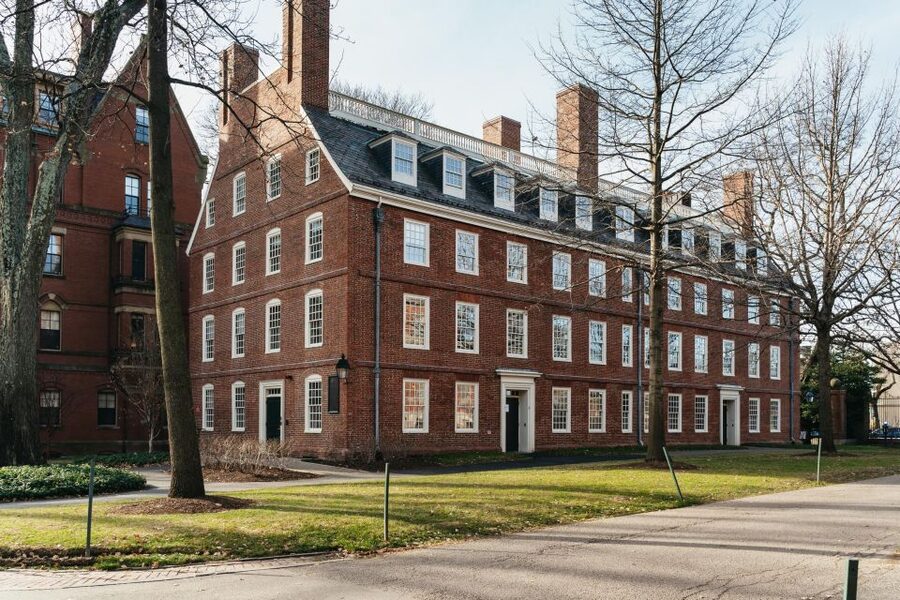
The tour’s next phase focuses on two heavy hitters: Memorial Hall and Widener Library. These stops are ideal for first-timers because they give you a sense of Harvard’s physical presence—how the campus communicates prestige through space, stone, and form.
What I like about these moments is that you are not just snapping a picture and moving on. The route is short, so the guide can spend time explaining what the landmark represents and how it fits into the broader Harvard story. You also get the practical angle: where these sites sit relative to other features of Harvard Yard, so later, if you return on your own, you can navigate with confidence.
Widener Library is especially useful as a mental map. Libraries are often the hardest part for visitors to place because they feel like “somewhere you go after you already know the campus.” But on this tour, the library becomes one of the landmarks you can locate instantly. That makes it easier to plan a self-guided return, whether you are curious about the building from the outside again or want to explore nearby streets at a slower pace later.
Memorial Hall works similarly. It is a classic Harvard image, but having it explained by a student turns it from a postcard into a piece of the campus identity. You come away with an understanding of how these spaces are used in campus life and how they show up in Harvard’s public face.
If you have been to other university campuses, you will notice a pattern: the students here often treat the campus as part of their routine, not a museum. That is what the tour tries to capture. You are walking the same kind of path students use, but with narration that fills in the blanks.
Harvard culture stories and a few useful campus secrets

One reason this tour earns strong ratings is that it does not only talk architecture. The point is to give you the insider angle on Harvard culture and daily life.
As you walk, your student guide shares Harvard history through personal experience. That means you hear things like how students interpret traditions, how the campus community thinks about prestige, and what kinds of experiences students expect to have along the way. You also learn that Harvard’s story includes famous figures who attended over the years. The tour frames those connections to help you understand why certain places get highlighted again and again.
You may also hear a few “Harvard secrets” in the sense of smaller details that most visitors miss. The tour description hints at surprises along the way, and in practice, that usually means the guide points out a feature, a visual detail, or a campus habit that you would not notice on your own.
This is where the walking format helps. It is hard to keep your attention when explanations float in the air. On this tour, the story lands right next to the sight it connects to. That is a big part of why the experience can feel smarter than a typical sightseeing walk.
Also, because the route is short, you get multiple mini-stories instead of one long lecture. That keeps the tour moving and makes it easier to remember key points.
If you are visiting during cold or wet weather, plan for it. The campus is outdoors and you are on a schedule. Bring weather-appropriate clothing and keep an eye on the ground underfoot. Comfort here improves your ability to listen.
Price, pacing, and how to plan your day around the tour
At $22 per person for about 70 minutes, this sits in a reasonable spot for a top-name institution tour experience. The value is not just the walking—it is the student-led angle, plus the included illustrated map of Harvard Square. For many visitors, that map becomes the practical souvenir that helps you keep exploring after the tour ends.
Here is how I think about the price:
- You are paying for guided context you would not get by wandering.
- You are paying for a student voice, which tends to answer the questions you actually have as a visitor.
- You are paying for time efficiency. One-mile-ish coverage with major landmarks means you do not burn half a day on transit and aimless loops.
The pacing also matters for value. A 70-minute tour is long enough to get real storytelling, but short enough that you still have energy to keep your day going afterward. And because the walk is under 1 mile, you are less likely to feel like you overbooked.
Plan your day like this:
- Book it early enough that you can use what you learn to explore on your own afterward.
- Wear shoes you would wear for a real city stroll, not just a museum-day walk.
- If you want extra time at Harvard later, consider keeping one extra block of time after the tour for your own wandering.
A small consideration to keep in mind: this tour is not presented as a building-entry experience. So if your top priority is going inside landmarks and touring interiors, you may feel slightly limited. The value here is outside viewpoints plus guide storytelling.
Should you book the Cambridge: Harvard University student-guided walking tour?

If you want the fastest path to understanding Harvard as a real place—through a student’s perspective—this is an easy yes. It is short, it hits major landmarks like Memorial Hall and Widener Library, and it gives you context you can carry as you wander Harvard Square afterward.
Book it if:
- You like tours where the guide explains what it feels like to live the culture, not just the facts.
- You want a guided route that prevents you from missing key sights.
- You have limited time and want a sensible plan.
Skip it or pair it differently if:
- Your priority is entering multiple buildings and spending time inside them.
- You are sensitive to not being able to record video, since that is part of the rules.
If you are visiting Cambridge for the first time, this tour is a strong orientation move. It helps you stop treating Harvard like a distant brand and start seeing it as a place with daily rhythms.
FAQ
How long is the Harvard University student-guided walking tour?
The tour lasts 70 minutes.
Where do I meet the guide?
Meet your guide in the middle of Harvard Square outside the Main Harvard Redline Subway Station next to The Harvard Shop.
What is the price per person?
The price is $22 per person.
What’s included in the tour?
It includes the walking tour, a student guide, and an illustrated map of Harvard Square.
Is there food or drinks included?
No. Food and drinks are not included.
What language is the tour guide?
The tour is guided in English.
Is the tour wheelchair accessible?
Yes, the route is wheelchair accessible.
What should I bring?
Bring comfortable shoes and weather-appropriate clothing.
Can I record video during the tour?
No, video recording is not allowed.