REVIEW · ROME
Rome: Small-Group City Highlights Moonlight Walking Tour
Book on GetYourGuide →Operated by Carpe Diem Tours · Bookable on GetYourGuide
Rome feels calmer after dark, and this small-group walk keeps the highlights within an easy, story-filled loop. I like how the pace stays relaxed, so you actually have time to read what you’re seeing.
I also love the timing. Trevi Fountain gets its quieter moment, and the Colosseum shows up lit under the moon instead of in the midday crush. Your guide ties the ancient world to the Rome you’re standing in.
The main thing to consider is simple: you’ll be on your feet at night for about two hours, and the route near the Colosseum can be affected by closures, so your exact finishing spot may vary.
In This Review
- Key Things to Know Before You Go
- Why This Rome Night Walk Works So Well
- What to Expect From the Route (Without Feeling Rushed)
- Piazza Navona and Bernini’s Four Rivers Fountain at Night
- Pantheon: A Fast Stop With Big Architectural Payoff
- Sant’Ignazio di Loyola and Galleria Sciarra: The Stops That Break the Pattern
- Trevi Fountain: Quiet Photos, Symbol Talk, and the Coin Moment
- Piazza Venezia, Capitoline Hill, and the Story From the Ground Up
- Via dei Fori Imperiali, Trajan’s Column, and the Forums’ Imperial Spine
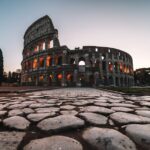
- The Colosseum Under Moonlight: What You’ll Actually See
- Price, Duration, and Value at $29 per Person
- Who This Night Tour Is Best For
- Should You Book the Rome Moonlight Walking Tour?
- FAQ
- How long is the Rome moonlight walking tour?
- Where do we meet for the tour?
- Which language are the tours offered in?
- Is the group private or small-group?
- What are the main sights included in the walk?
- Is entry to attractions included?
- Are food and drinks included?
- How much does it cost?
- What should I bring?
- Is there free cancellation?
Key Things to Know Before You Go
- Trevi Fountain at a quieter time: fewer crowds, better photos, and a guide who helps you understand the symbols
- Piazza Navona’s ancient layers: you’ll learn what used to be here and why the Four Rivers fountain matters
- Pantheon exterior focus: a short, high-impact stop where you’ll notice why the dome still puzzles architects
- Church stop plus a covered passage: Sant’Ignazio di Loyola and Galleria Sciarra add variety beyond the big-ticket squares
- Imperial Rome on foot: Via dei Fori Imperiali, Trajan’s Column, and the forum area give you the big-picture story
- Guides bring energy and practical tips: many guides mix history with fun facts and give helpful local recommendations
Why This Rome Night Walk Works So Well
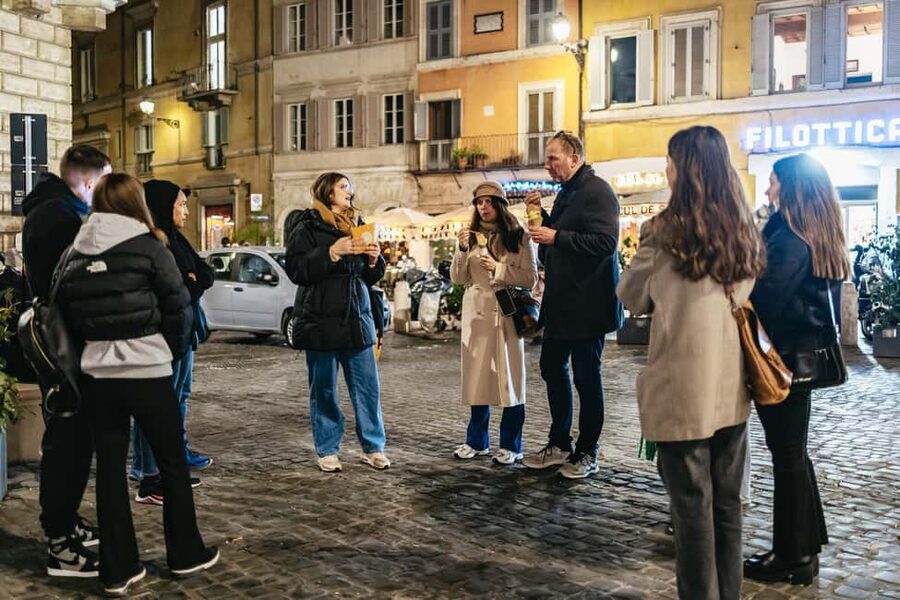
Rome at night has a different rhythm. Streets feel less frantic, and landmarks look like they belong to the city’s story instead of the tourist line.
This tour earns its keep by doing the heavy lifting for you: you get a guided route, you move at an easy pace, and you get context as you walk. At $29 for about two hours, the value is in the guidance—especially if it’s your first evening in Rome and you want the city to click fast.
And yes, the best part is that you’re not sprinting between stops. The walking plan keeps you from feeling like you’re only collecting photos. You’re learning what you’re looking at, then you get a moment to enjoy the view.
You can also read our reviews of more walking tours in Rome


What to Expect From the Route (Without Feeling Rushed)
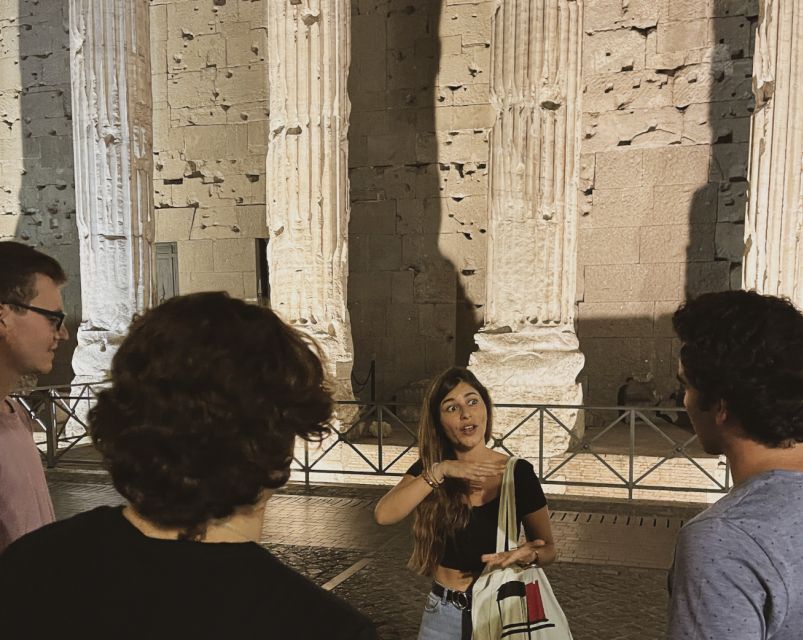
You’ll start from one of a few central meeting points that depend on the option you book—places like Piazza d’Aracoeli or Piazza di Pasquino. From there, the walk funnels you toward the classic sights, but it’s not a straight-line “see it, leave it” march.
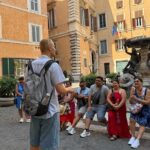
The tour runs for about two hours at a leisurely pace. Expect frequent brief pauses for explanation, plus time to look closely at key landmarks like Piazza Navona and Trevi Fountain.
A practical note: the Colosseum area can have access issues at times. One of the most common tour outcomes is still seeing the illuminated Colosseum from outside, but you should be prepared that your ending point might be outside the main gate area if the route is blocked.
Piazza Navona and Bernini’s Four Rivers Fountain at Night
Piazza Navona is the kind of place you think you already know—until you learn what’s underneath it. Your first guided stop is here, and you’ll hear how ancient Romans used the site for athletic contests, known as agones.
The centerpiece is Gian Lorenzo Bernini’s Fountain of the Four Rivers. At night, it looks even more sculptural, and the lighting makes the details easier to notice than in harsh daylight. The guide also connects the fountain’s symbols to the broader story of how Rome saw power and the world.
What I like for practical reasons: Piazza Navona is a big orientation point. Once you understand its layout and why it sits over an ancient venue, the rest of your walk feels less random.
Pantheon: A Fast Stop With Big Architectural Payoff
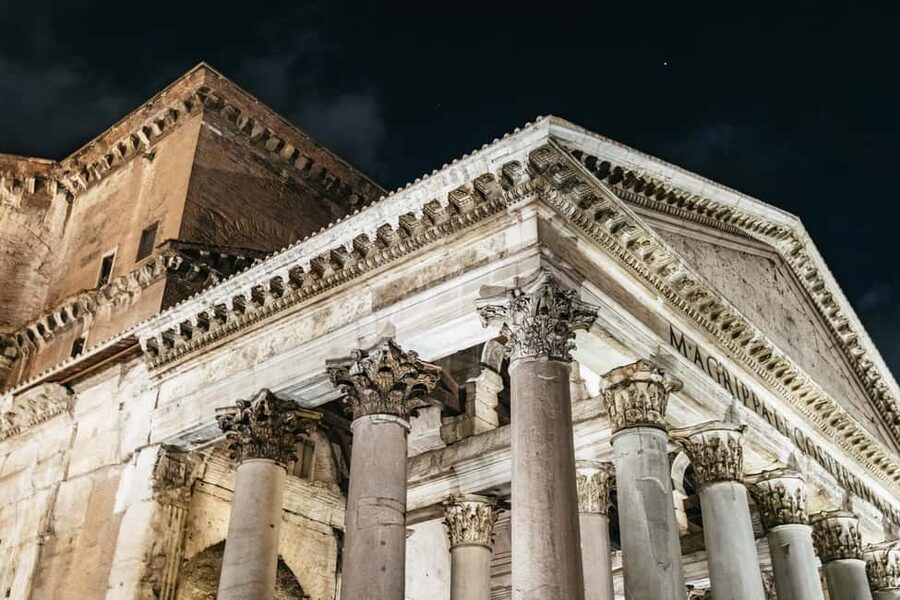
Next up is the Pantheon area—just a short pass, but with enough context to make it worth your attention. From here, you’ll be able to appreciate one of the Roman Empire’s best-preserved monuments.
The dome is the star: its unreinforced concrete structure still confuses architects, and you’ll hear why that matters. Even if you don’t go inside, the exterior view plus the explanation helps you understand how daring the engineering was.
If you’re the type who likes “one great thing per stop,” this fits. It’s brief, but it’s anchored in a detail you can remember long after you leave.
Sant’Ignazio di Loyola and Galleria Sciarra: The Stops That Break the Pattern
A night tour can feel like a loop of the same style of sights—squares, monuments, repeat. This one inserts two different kinds of stops to keep you from zoning out.
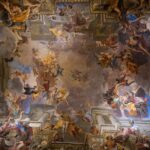
You’ll spend guided time at the Church of Sant’Ignazio di Loyola. You won’t just look; you’ll be told what to notice so the church stop doesn’t become a quick photo and move on.
Then there’s Galleria Sciarra. This is one of those Rome spaces that works like a breath of air from the street noise. Even if you’re not sure what it is, the guide helps you understand why it’s part of the city’s story and how it fits the area’s flow.
These two stops are especially good if you like your Rome a little less obvious and a bit more local.
You can also read our reviews of more city tours in Rome
Trevi Fountain: Quiet Photos, Symbol Talk, and the Coin Moment
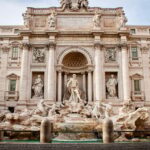
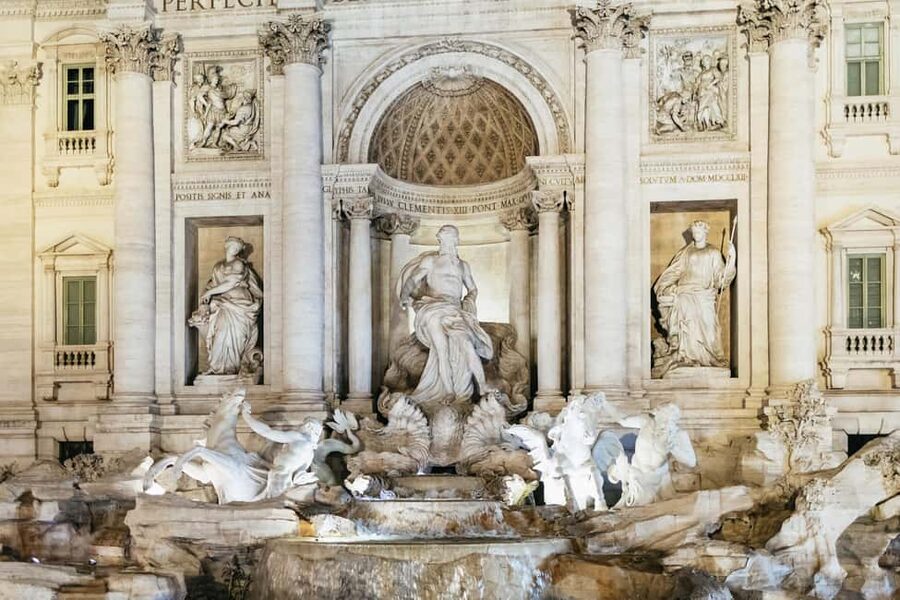
Trevi Fountain is the headline, but the tour treats it with respect. You visit at what’s described as the quietest time of day, which is exactly when the fountain stops being a crowded backdrop and starts being a monument you can study.
You’ll have time for photos in the moonlight. More important, your guide deciphers the fountain’s symbols so you’re not just staring at a baroque postcard.
And yes, there’s the coin ritual: you’ll toss a coin over your shoulder as part of the experience. It’s simple, but it adds a fun, memorable beat—especially when the fountain feels calmer than it does during peak hours.
One small caution: you’ll want to be ready for gentle crowd management around such a famous spot. The timing helps, but the area still draws attention.
Piazza Venezia, Capitoline Hill, and the Story From the Ground Up
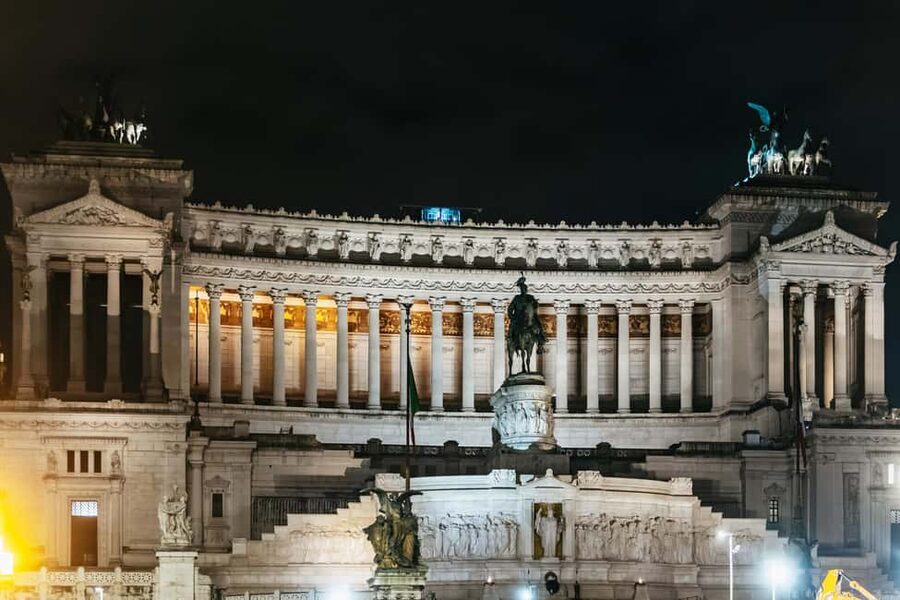
Piazza Venezia is where Rome starts feeling like a political map. Your guided stop here ties together views from the foot of the Capitoline Hill and the Altar of the Fatherland.
This isn’t just a look-and-go square. The guide explains why the area matters historically, and that changes how you see the big structures around you. Suddenly you’re not only noticing stone and scale; you’re placing events and power into your mental picture of the city.
If you’ve ever felt overwhelmed trying to connect Rome’s layers, this stop is a helpful way to organize the chaos.
Via dei Fori Imperiali, Trajan’s Column, and the Forums’ Imperial Spine
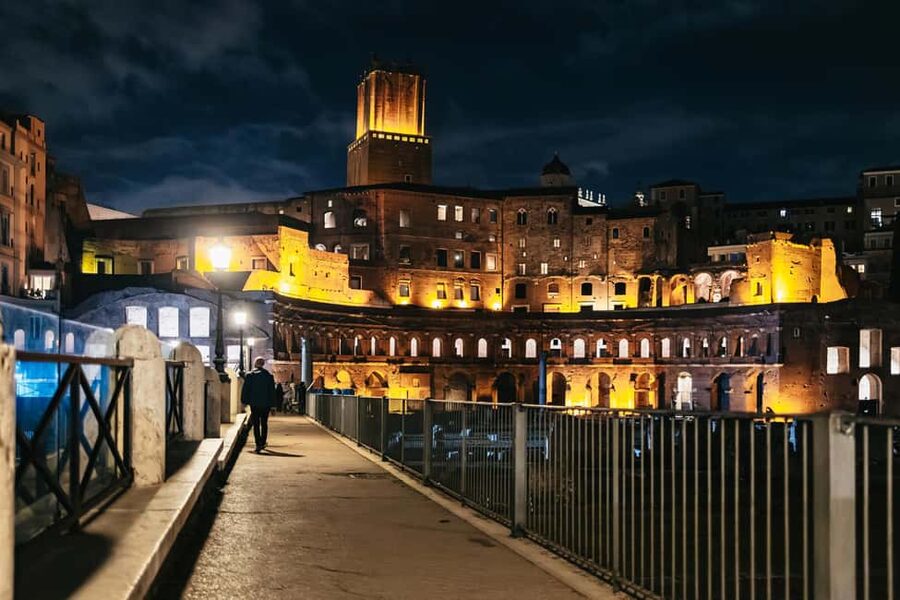
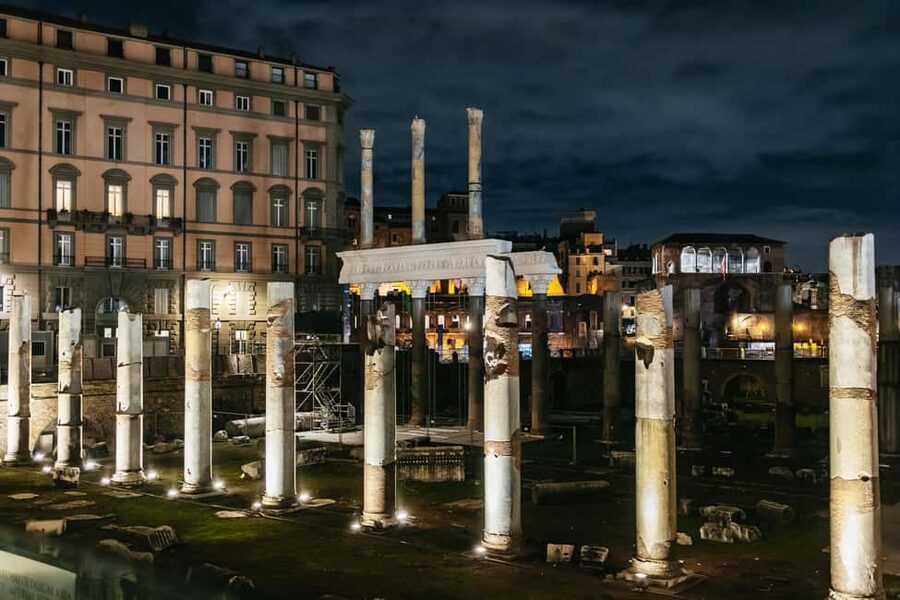
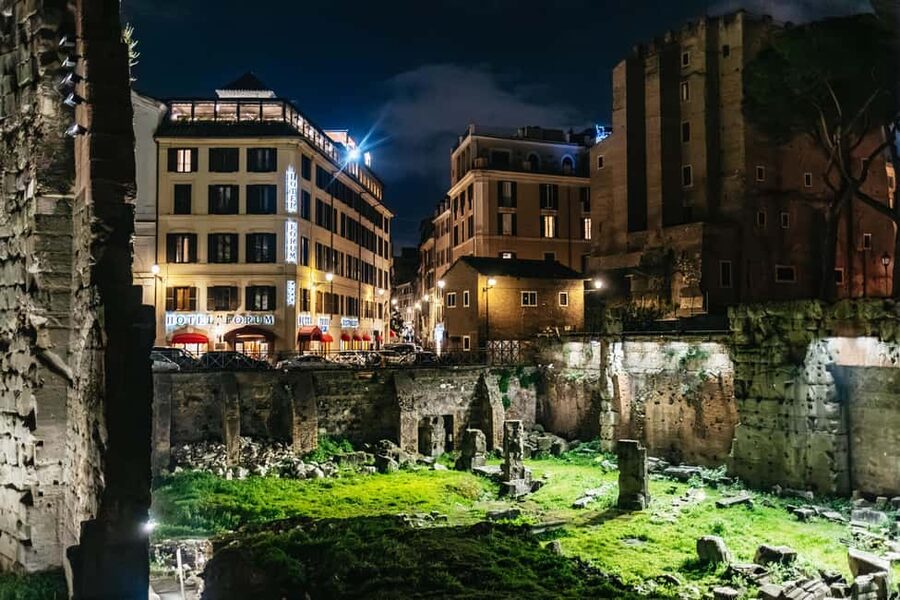
Now you move into a section that feels like walking through the bones of ancient Rome. Via dei Fori Imperiali is a wide boulevard that cuts through ancient sites, which makes it a rare chance to see how the modern city allows space for the old.
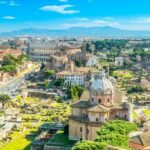
On the way, you pass Trajan’s Column and you’ll learn a bit about it. The walk continues along the forums associated with Trajan, Augustus, and Nerva, giving you an overview of the empire’s development and how each ruler left marks.
Even if you don’t memorize every name, you’ll come away with the big idea: Rome grew by building, then building over itself. Walking this stretch helps your brain connect monuments into a single line of history.
This is also one of the stops where the guide’s storytelling matters. When the explanation clicks, the street feels like a timeline.
The Colosseum Under Moonlight: What You’ll Actually See
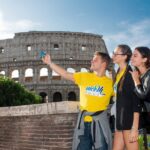
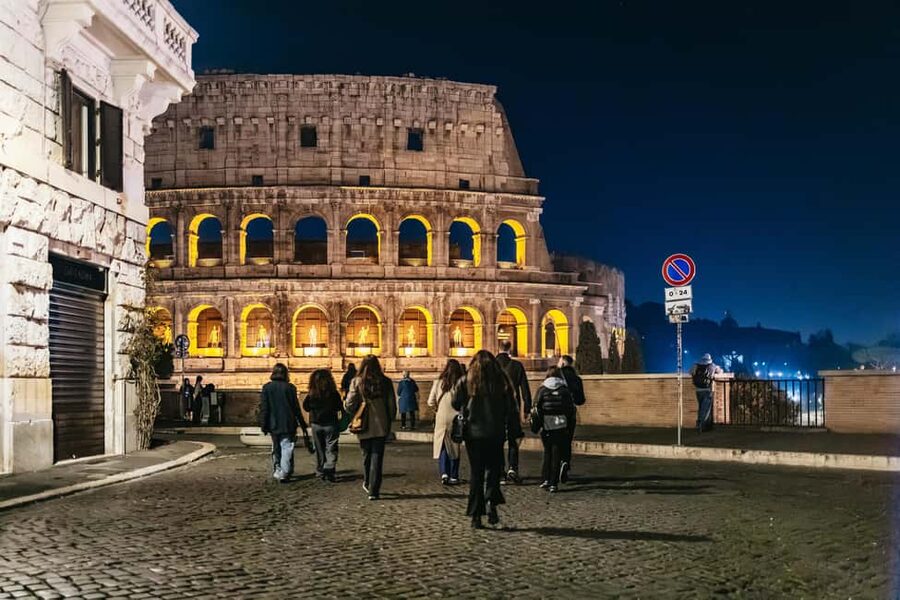
The tour ends outside the Colosseum, with the focus on the illuminated view under the night sky. That’s the emotional payoff: you finally see the building the way posters promise, but with space to look.
Your exact drop-off location can vary—Piazza del Colosseo or the Colosseum area itself. If access is limited, you may finish at a nearby point rather than right at the main entry path.
Either way, plan to treat the Colosseum like a moment, not a mission. Stand, look up, and let the size hit you. If you rush, you miss the point.
Price, Duration, and Value at $29 per Person
At $29 for about two hours, you’re not paying for museum entry. You’re paying for a guide-led route that hits the major landmarks plus a few quieter stops.
That’s good value if:
- it’s your first night in Rome and you want a fast orientation,
- you don’t want to spend the evening figuring out what to see and in what order,
- you like learning as you walk rather than collecting tickets and time slots.
It’s less ideal if you’re hunting for paid access inside buildings. Entry to attractions isn’t included, so if your priority is going in and spending time inside, you’ll still need separate plans.
For many people, the sweet spot is pairing this tour with daytime visits. You get the evening context, then you know what matters most when you return for entry later.
Who This Night Tour Is Best For
This tour is a strong match if you want a classic Rome highlights sequence without the stress. It’s especially good for:
- First-timers who want a practical map of central Rome,
- Couples and small groups who like asking questions,
- Anyone who prefers night photos and quieter viewing times.
If you’re a fitness-only walker who wants a brisk workout, you might find the pace too relaxed. But if you want stories, symbols, and a sense of direction, the pacing fits.
Should You Book the Rome Moonlight Walking Tour?
I’d book it if you want Rome to feel understandable in one evening. The route covers the landmarks people travel for—Piazza Navona, Trevi Fountain, Piazza Venezia, and the Colosseum—while also adding variety with Sant’Ignazio di Loyola and Galleria Sciarra.
The “make or break” factor is the guide. This tour often earns high marks because guides keep the group engaged, explain what you’re looking at clearly, and sometimes share extra follow-up materials like additional visit suggestions (for example, one guide shared a Google Drive document). Many guides also give practical food recommendations, including where to eat and where to skip.
Just go in knowing two practical truths: you’ll be on uneven streets for two hours, and Colosseum access can sometimes affect the end point. If you can roll with that, you’ll get a lot of Rome per minute—seen after dark, with context you can actually use.
FAQ
How long is the Rome moonlight walking tour?
It lasts about 2 hours.
Where do we meet for the tour?
The meeting point may vary depending on the option you book.
Which language are the tours offered in?
The live tour guide speaks English and Spanish.
Is the group private or small-group?
Private or small groups are available.
What are the main sights included in the walk?
You’ll visit or pass by landmarks including Piazza Navona, the Pantheon area, Trevi Fountain, Piazza Venezia, Trajan’s Column, Via dei Fori Imperiali, and you’ll end outside the Colosseum.
Is entry to attractions included?
No. Entry to attractions is not included.
Are food and drinks included?
No. Food and drinks are not included.
How much does it cost?
The price is $29 per person.
What should I bring?
Bring comfortable shoes and comfortable clothes.
Is there free cancellation?
Yes. Cancel up to 24 hours in advance for a full refund.