REVIEW · ROME
Rome: Jewish Ghetto Walking Tour
Book on GetYourGuide →Operated by Roman Vacations · Bookable on GetYourGuide
Rome has a quieter side. This Jewish Ghetto walk turns a neighborhood into a story you can actually follow on foot. I like the way guides (I’ve seen James and Angela praised for this) connect what’s still standing—arches, bridges, fountains—to what happened here over centuries, from ancient Rome to the modern day.
Two things I’d bet you’ll enjoy. First, the route stacks famous-but-often-missed sights like the Theater of Marcellus and the Portico d’Ottavia alongside the ghetto’s own landmarks. Second, you get a real food payoff: homemade kosher gelato (or coffee) at a gelateria during the walk.
One consideration: this tour is about seeing major sites from the outside. If you’re hoping for time inside the Great Synagogue, you may want to confirm that before you book.
In This Review
- Key moments worth marking
- Starting at Foro Traiano (Trajan’s Column) with Roman Vacations signage
- Theater of Marcellus: why this looks ancient for a reason
- Turtle Fountain in Piazza Mattei: romance at street level
- The Jewish Ghetto on foot: walls, survival, and what you can still see
- Portico d’Ottavia: ancient passageways you’ll recognize
- The tour’s gelato stop: the practical part your feet will thank you for
- Crossing to Tiber Island: the oldest functioning bridge and the WWII stories
- Who should book this Jewish Ghetto walking tour?
- Price and value: is $65 fair for 2.5 hours?
- Should you book this Rome Jewish Ghetto walking tour?
- FAQ
- Where do I meet for the tour?
- How long is the Rome Jewish Ghetto walking tour?
- How much does the tour cost?
- What’s included in the price?
- Do I need to buy extra food during the tour?
- Where does the tour end?
- Is the tour offered in English?
- What should I bring?
- Does the tour run in bad weather?
- Can I cancel and get a refund?
Key moments worth marking

- Start at Foro Traiano (Trajan’s Column) and get oriented in central Rome
- Theater of Marcellus + Portico d’Ottavia in one practical route of ancient Rome
- Fontana delle Tartarughe (Turtle Fountain) and the Piazza Mattei love story
- Wall remnants and the Great Synagogue area to understand centuries of restriction and resilience
- Kosher gelato or coffee stop that actually breaks up the walking
- Tiber Island finale with WWII hospital stories and Asclepius at a temple now used as a church
Starting at Foro Traiano (Trajan’s Column) with Roman Vacations signage
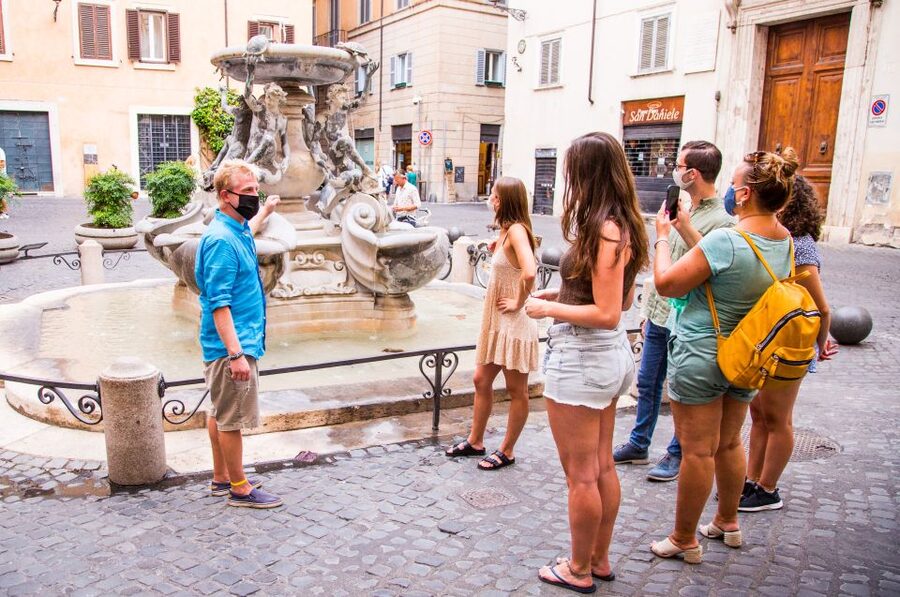
You begin at Foro Traiano, 84, and you’ll look for an orange Roman Vacations sign. It’s a smart starting point because you’re already in the Roman core. Before you move into the Jewish Ghetto area, you get the big picture: this isn’t just a list of monuments. It’s a neighborhood that kept changing, while still leaving traces you can point to.
One reason this tour works well is the guide format. Expect a live English guide who tells the story in a way that keeps the group moving and listening. Reviews highlight how guides like James, Angela, and Elena used anecdotes and clear explanations, and that matters on a 2.5-hour walk where the goal is steady comprehension, not a history lecture that makes your feet hate you.
You can also read our reviews of more walking tours in Rome


Theater of Marcellus: why this looks ancient for a reason
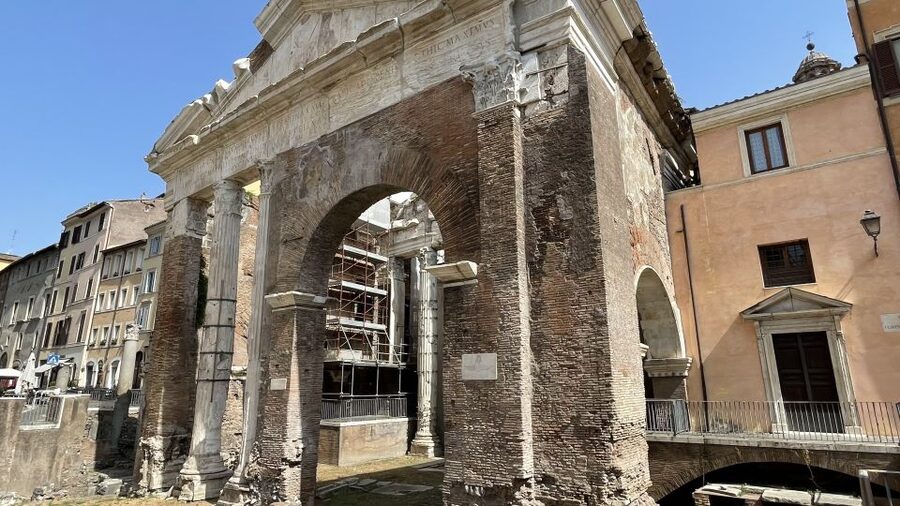
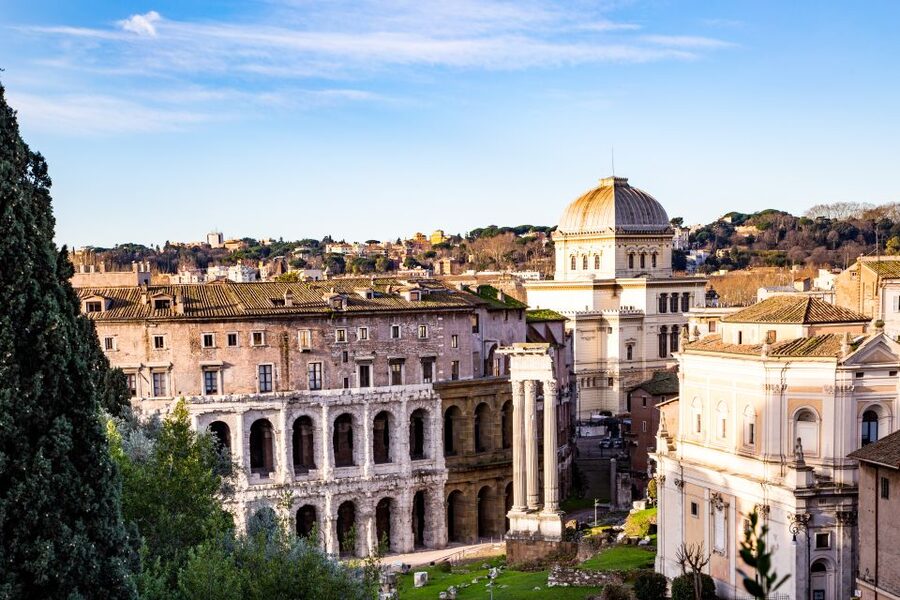
Your first major stop is the Theatre of Marcellus. It gets attention because it’s even older than the Colosseum, so it helps you calibrate what you’re looking at. This is where the walk starts to feel like Rome all at once: stone architecture, political power, and the daily rhythms of public life—before you shift into the ghetto’s world.
Practically, this stop is short, so you’re not stuck waiting around. The guide keeps it focused, and you get just enough context to understand why the theater still matters when you see it in the flow of the street today. If you like your history grounded in place, this first “anchor” sets the tone.
Turtle Fountain in Piazza Mattei: romance at street level

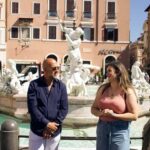
Next comes the Fontana delle Tartarughe (Turtle Fountain) in Piazza Mattei. This part is a break in mood—in a good way. You’re no longer only looking at massive public buildings and political Rome. You’re in a small square with a famous fountain, and the guide tells you the story of unrequited love tied to the site.
This is also a great spot for photos, because the fountain reads well even if you’re not a “gaze upward at monuments” person. It gives you a visual pause in the middle of the historical narrative, and that helps the later ghetto sections land harder. In short: Piazza Mattei gives the tour some human scale.
The Jewish Ghetto on foot: walls, survival, and what you can still see
Now you move into the neighborhood that makes this tour different. The walk focuses on one of Rome’s oldest Jewish neighborhoods, including how people lived through long, complicated periods of restriction and endurance. You’ll pass the Portico d’Ottavia and later the last remaining piece of wall that once kept the community in this area for centuries.
That wall-remnant moment is key. It’s small, but it helps you stop treating history like something sealed behind museum glass. The guide uses the physical remains to explain the human impact—how exclusion shaped daily life, how community identity persisted, and how Rome’s Jewish story stretches across a long timeline.
You’ll also pass by the Great Synagogue of Rome. The tour frames it within that larger story of resilience. One theme you’ll keep hearing is that the ghetto wasn’t only a setting. It was an experience—shaped by rules imposed from outside, but also by the community’s own continuity.
Portico d’Ottavia: ancient passageways you’ll recognize
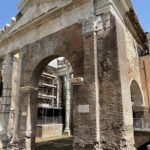
The Portico d’Ottavia stop is a quiet one, but it’s the kind that pays off later. Porticoes like this are easy to overlook if you’re only thinking about big “must-see” monuments. On this walk, you understand what these structures were for: movement, commerce, and public space that still echoes in the streets around you.
For many people, this is where the “I didn’t realize Rome had this layer” feeling starts. You see how Roman architecture keeps functioning, even when the neighborhood around it changes. It’s a reminder that Rome is not only preserved. It’s reused.




The tour’s gelato stop: the practical part your feet will thank you for
At some point you’ll be taken to a gelateria for homemade kosher gelato (or coffee, depending on what’s offered). This isn’t an afterthought. It’s timed in a way that helps you reset during a 2.5-hour walk.
I like these breaks because they keep energy steady for the rest of the route—especially if you’re doing other sightseeing the same day. It’s also a nice cultural detail, because the food tie-in fits the tour theme better than a random snack shop would.
If you’re the type who usually skips dessert to “save room,” don’t. This stop is part of the value of the $65 price, not just a bonus.
Crossing to Tiber Island: the oldest functioning bridge and the WWII stories
The finale starts when you cross the oldest functioning bridge in Rome to reach Tiber Island. That crossing is more than a transit moment. Your guide ties it into the larger flow of history, so you don’t just end up on an island and wonder why you’re there.
On Tiber Island, you’ll hear two standout stories. First, the hospital saving people during WWII—a reminder that 20th-century events also left their mark on this landscape. Second, the story of Asclepius at the temple, now used as a church. This is one of those “Rome keeps changing jobs” moments: ancient religious significance layered into a later Christian setting.
One practical note: churches sometimes require a cover for bare shoulders, so pack a light layer if your plan includes warmer weather and you’re wearing sleeveless tops.
Who should book this Jewish Ghetto walking tour?
This tour is a good fit if you want history tied to streets, not just indoor exhibits. You’ll enjoy it if you like guided storytelling, clear context, and a route that links major Roman landmarks to a neighborhood with a very specific past.
You might also like the pacing if you have teens or family members who get restless. Reviews consistently praise guides who kept teenagers engaged by telling the material like a story. And if your date is quiet, you may find the group size smaller than expected, even private, which makes questions easier.
If you’re mainly chasing museum-style experiences or you want guaranteed interior access to the synagogue, this may feel too much like an exterior walk. It’s designed for seeing the neighborhood and hearing the context, not for a long time inside multiple religious sites.
Price and value: is $65 fair for 2.5 hours?
At $65 per person for about 2.5 hours, the price makes sense when you look at what’s included: a live English guide plus kosher gelato or coffee. Walking tours that rely only on “here’s what you can read on a plaque” tend to cost less—but they also don’t teach the story in a way that makes the sites click.
Here, the value comes from the combination: location-rich route (Marcellus, Portico d’Ottavia, turtle fountain, ghetto landmarks, Tiber Island) plus guided narrative that connects them. If you love historical context and prefer learning from a human guide, this pricing feels in line with what you get.
Should you book this Rome Jewish Ghetto walking tour?
Yes—if you want a guided, place-based story of the Jewish Ghetto and you’re happy with an outdoor walking experience focused on major landmarks you can see right now. I’d book it if you appreciate thoughtful pacing, a guide who explains clearly, and a food stop that’s actually relevant.
I’d also make one small check before committing: if your top priority is interior time inside the Great Synagogue, you may want to confirm what access is included for your specific departure. Otherwise, you’ll get a smart, human-scale way to understand how Rome’s streets carry centuries.
FAQ
Where do I meet for the tour?
Meet at Foro Traiano, 84. Look for an orange Roman Vacations sign at the meeting point.
How long is the Rome Jewish Ghetto walking tour?
The tour lasts 2.5 hours.
How much does the tour cost?
The price is $65 per person.
What’s included in the price?
You get a live tour guide and kosher gelato or coffee.
Do I need to buy extra food during the tour?
Extra food and drinks are not included, so plan on only what’s provided with the tour.
Where does the tour end?
The tour concludes on Tiber Island.
Is the tour offered in English?
Yes, the guide provides the tour in English.
What should I bring?
Bring comfortable shoes, a sun hat, an umbrella, sunscreen, weather-appropriate clothing, and a reusable water bottle. Also bring a cover for bare shoulders inside churches.
Does the tour run in bad weather?
Yes. Tours proceed in all weather conditions.
Can I cancel and get a refund?
You can cancel up to 24 hours in advance for a full refund. Tours also cannot be delayed for late arrivals, and late arrivals or missed tours don’t receive refunds.