REVIEW · STOCKHOLM
Stockholm: Old Town Walking Tour, stories and secrets
Book on GetYourGuide →Operated by FikaTech · Bookable on GetYourGuide
Stockholm’s Old Town is made for slow walking. This Gamla Stan tour strings together medieval streets, royal landmarks, and story-heavy stops, all for a low $16. I especially like the focus on everyday details alongside monarch drama, and I love how the guide keeps the walk fun and question-friendly, like when Sara turns facts into a story you can actually picture. One drawback to plan around: it’s a 2-hour, on-your-feet route and it’s not suitable for wheelchair users or people with mobility impairments.
You’ll start at the Postmuseum and move through classic Old Town waypoints, from Stortorget’s open square energy to the quiet viewpoints by Riddarholmen. You end at Mynttorget, where the tour connects old street corners with the idea of freedom of speech and assembly that still matters. Come in with comfortable shoes, because this is a proper walking tour, not a sit-down sightseeing bus.
In This Review
- Key Points You’ll Care About
- Why This Stockholm Old Town Tour Works for First-Time Visitors
- Meeting at Postmuseum: The Easiest Start in Gamla Stan
- Runestone to Stortorget: The Medieval Power Center You’ll Remember
- Royal Palace Pass-By and Stockholm Cathedral Photo Stops
- Iron Boy and St George and the Dragon: Small Stops, Big Myth Energy
- Narrow Street Time: Österlånggatan, Järntorget, and Mårten Trotzigs Gränd
- German Church, Västerlånggatan, and the Walk Toward Riddarholmen
- House of Nobility and the Walk’s Meaningful Ending at Mynttorget
- Price and Value: What $16 Buys You in Two Hours
- Who Should Book This Stockholm Old Town Walk (and Who Might Skip It)
- My Quick Decision Guide: Should You Book It?
- FAQ
- FAQ
- Where does the tour start?
- What is the nearest subway station to the meeting point?
- How long is the walking tour?
- What language is the tour guide?
- What is included in the price?
- Is there a private group option?
- Where does the tour end?
- What should I bring?
- Is the tour suitable for wheelchair users or people with mobility impairments?
- Do I need to tip the guide?
Key Points You’ll Care About
- Start at Postmuseum (Lilla Nygatan 6) in Gamla Stan, by the Postal Museum entrance
- Two hours, on foot through medieval streets, with regular photo breaks and short walking legs
- Mynttorget finish links the walk to freedom of speech and assembly
- Royal and cathedral stops mix crown power, church influence, and the look of Old Town architecture
- Scenic Riddarholmen moments give you waterfront views plus stories of the area
- English live guide with strong storytelling and Q&A energy
Why This Stockholm Old Town Tour Works for First-Time Visitors
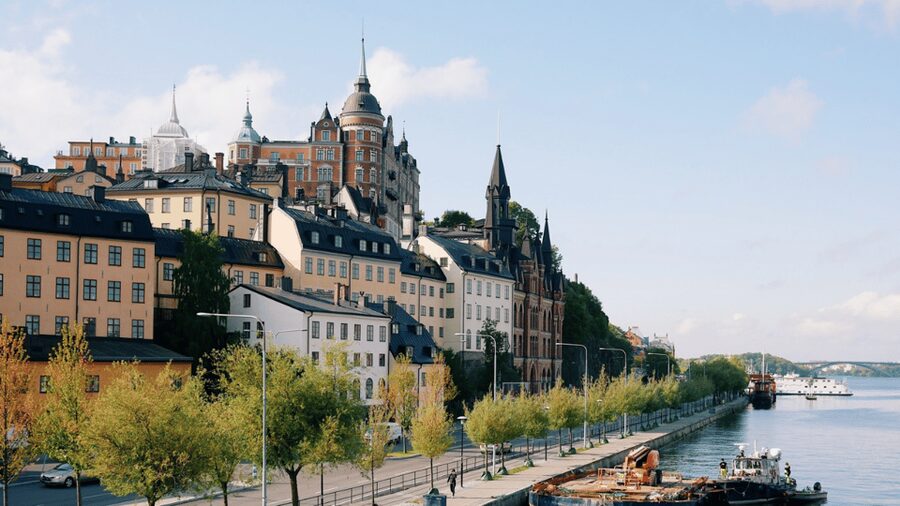
If you only have a day or two in Stockholm, you need your bearings fast. This tour is built for that: you cover the core of Gamla Stan without turning every stop into a separate ticket mission. After two hours, you’ll know what to point at—Stortorget, the big cathedral, the royal zone—so the rest of your trip feels less like guessing.
I also like that it doesn’t treat history like a list of names. The walk balances Swedish monarch upheavals with how people lived their daily lives, which helps the city feel human instead of distant. And the guide-led storytelling matters here; guides such as Sara are praised for being entertaining and for answering questions with clear, direct explanations.
The tradeoff is simple: this is not a grab-and-go photo sprint. You’re choosing a walk with stops and narration, and the route is designed around getting you from one story location to the next.
You can also read our reviews of more walking tours in Stockholm

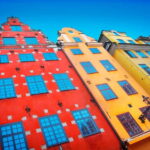
Meeting at Postmuseum: The Easiest Start in Gamla Stan
Your meeting point is right where you want to be: Postmuseum (Postal Museum) at Lilla Nygatan 6, in Gamla Stan. The guide waits in front of the entrance, and you’ll spot them by the official Get Your Guide logo at the meeting point. The nearest subway station listed is Gamla Stan, which is handy if you’re arriving by metro.
Arrive a few minutes early so you’re not doing the last-minute scramble across cobbled Old Town lanes. The tour starts promptly at the scheduled time, so being late can cut into the first stories you’re meant to hear early.
Bring comfortable walking shoes and a camera. The route includes several photo stops—like the royal area and key cathedral viewpoints—so having your camera ready saves you from stopping mid-sentence while you fumble with straps.
Runestone to Stortorget: The Medieval Power Center You’ll Remember
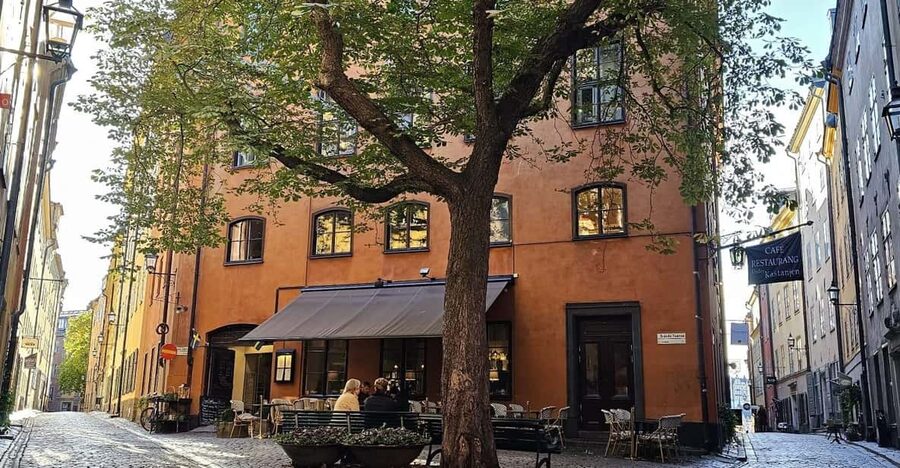
After you begin at Postmuseum, the first story lane heads you toward a runestone stop. This is a quick, focused segment, about 10 minutes walking and guided time, meant to set the tone: Stockholm didn’t start with royal palaces and big cathedrals. It started with stones, settlements, and markers people used to communicate across generations.
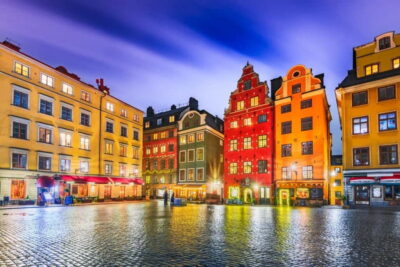
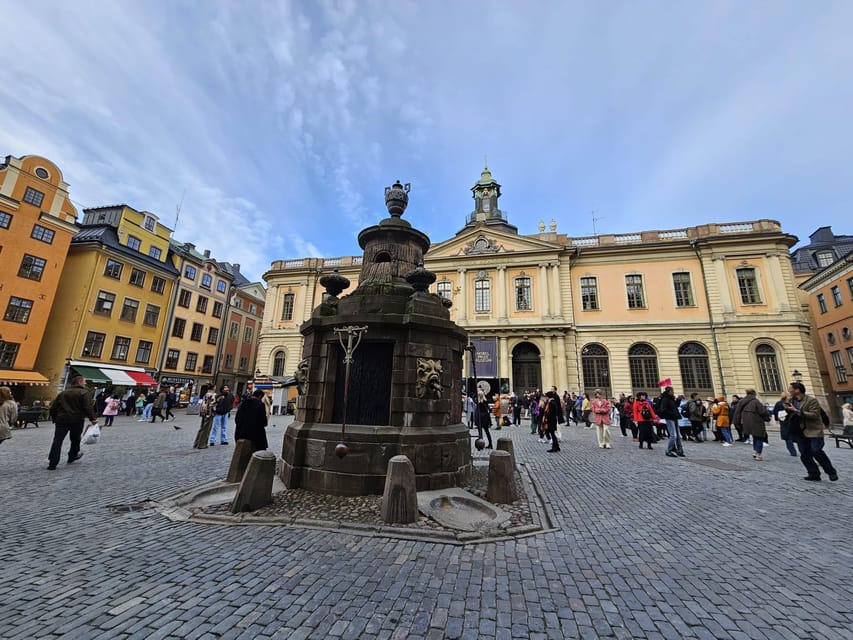
Next comes Stortorget, the central square you’ll keep seeing referenced all over Old Town. Here you’ll get a short guided sightseeing chunk, roughly 10 minutes, that helps you understand why this area matters. Squares like Stortorget are where the city’s “public life” shows—trade, announcements, and the kind of crowd energy that turns buildings into a backdrop for real events.
A practical note: Stortorget is a classic camera spot, but it’s also where you’ll likely feel the most pedestrian traffic. If your photos matter, aim for moments when the guide pauses you for explanations, since that’s when you can frame shots without rushing.
Royal Palace Pass-By and Stockholm Cathedral Photo Stops
You’ll then pass by the Royal Palace area for a photo stop. The time here is brief—around 10 minutes—but it’s a smart use of time because it orients you visually. Even if you don’t go inside on this walk, seeing where the power center sits gives the rest of the tour context.
From there, you’ll move to Stockholm Cathedral. You get photo opportunities plus guided sightseeing and walking time (about 10 minutes in one segment), and then the itinerary lists another cathedral-related stop shortly after. That repeat structure is useful: the first visit helps you clock the building and its role in the city, while the second gives you a chance to connect the architecture to the stories you’ve been hearing.
Cathedrals can feel like “just another church” unless someone ties them to the political and social world around them. This tour does that—pairing royal tension and everyday life—so you’re not only looking at stonework. You’re learning why the cathedral’s presence fits into Stockholm’s power structure and community rhythm.
Iron Boy and St George and the Dragon: Small Stops, Big Myth Energy
One of my favorite parts of this tour format is how it mixes major landmarks with quick legend markers. You’ll pause for the Iron Boy statue (the boy who watches the moon). The stop is short—about 5 minutes—but it’s the kind of quirky detail that makes a walking tour feel alive. It turns the Old Town into more than a collection of royal buildings.
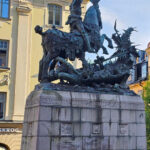
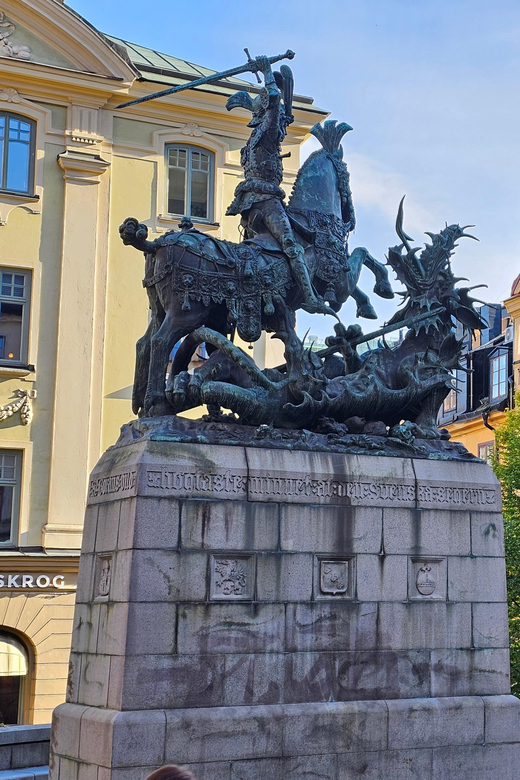
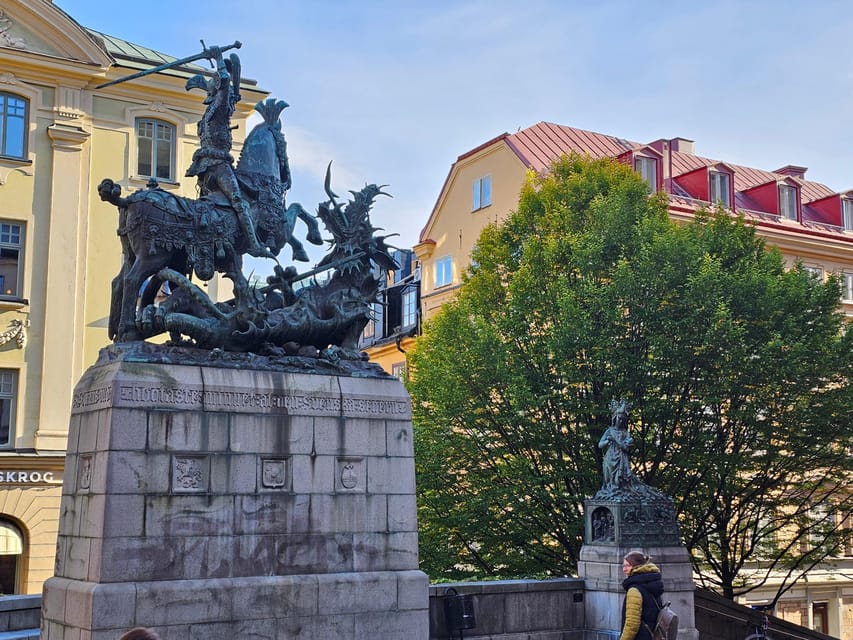
Right after that, you’ll head to St George and the Dragon. Again, this is a short walk and sightseeing moment, around 5 minutes. But statues like this are great for learning how stories travel through public spaces. You see a figure, you hear what it represents, and suddenly you understand why it got placed there in the first place.
If you love cities that show their personality in small doses, these are the stops to look forward to. They’re quick, memorable, and they break up the heavier royal-and-religious themes.





Narrow Street Time: Österlånggatan, Järntorget, and Mårten Trotzigs Gränd

Old Town architecture is often best understood at street level, not from a wide shot. This tour keeps you moving through that kind of detail, especially around Österlånggatan and Västerlånggatan, which you’ll pass through as shorter sightseeing sections (about 5 minutes each in the itinerary).
Then you’ll reach Järntorget, another short stop focused on viewing and walking through a key square-like area. The value here is timing: after seeing statues and major institutions, these street segments help you reconnect to how people actually navigate and live in the space.
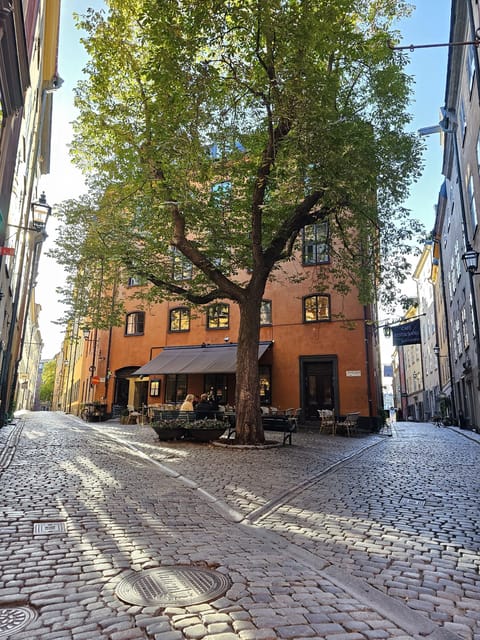
The standout street moment is Mårten Trotzigs Gränd. It’s a narrow passage, and the tour schedules a photo stop and sightseeing around 5 minutes. Narrow lanes like this are where Gamla Stan’s medieval feel gets real. You’ll notice how the city compresses space—light, sightlines, and movement—so your brain understands the Old Town as a lived-in network, not a theme park.
If it’s rainy or icy, slow down here. Even if the tour pace is steady, medieval lanes can test your footing.
German Church, Västerlånggatan, and the Walk Toward Riddarholmen
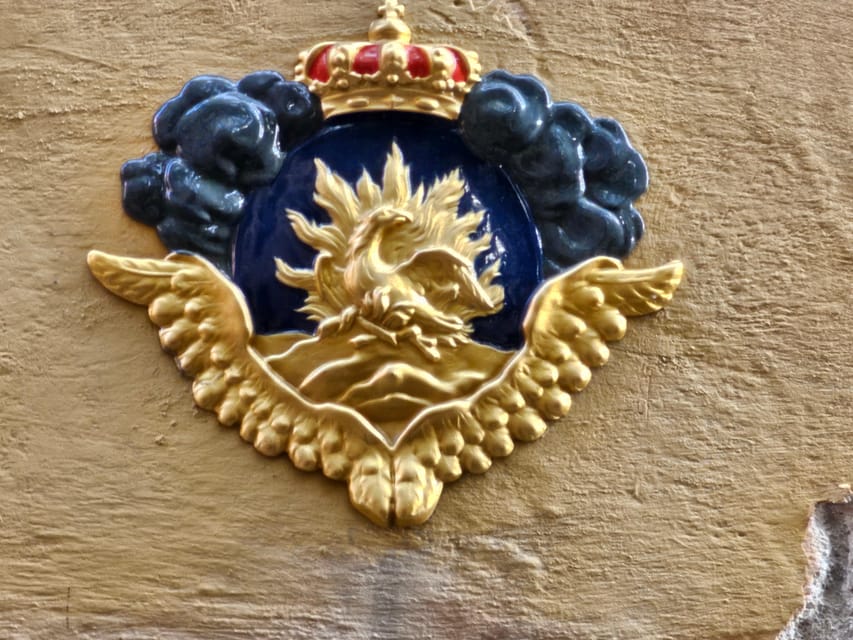
As you continue, you’ll pass by the German Church (listed as a pass-by stop with sightseeing around 5 minutes). That’s a good reminder that Old Town wasn’t only Swedish-led. It had international connections and different communities shaping the urban footprint.
Next up is Västerlånggatan, another short walking segment for sightseeing. Think of these longer “in-between” sections as the glue of the tour. They keep the history flowing while giving your legs a moment to settle after each concentrated landmark stop.
Then the route shifts to a major mood change: Riddarholmen. You’ll get sightseeing and scenic views on the way (about 5 minutes), followed by a photo stop and walking segment at Riddarholmen Church. This is the part where Stockholm’s water presence comes through more clearly, even if you never leave Old Town. The combination of waterfront angles and old stone buildings makes Stockholm feel like it’s holding its breath by the water.
House of Nobility and the Walk’s Meaningful Ending at Mynttorget
Near the end, the itinerary includes the House of Nobility area, listed as a pass-by stop. Short as it is, it adds one more layer: you’re not only seeing spiritual power (cathedrals) and royal power (palace zone), but also the social-political structure that sat beside them.
Finally, you finish at Mynttorget. The tour frames it as a symbol of freedom of speech and assembly, which is a clever ending. You start with medieval markers and squares, then close with an idea that’s relevant today. Even if you already know the basics of democracy, finishing there makes you see it as something practiced in public space, not just written about.
One detail to note for your planning: the description says the activity ends back at the meeting point, while the itinerary says it finishes at Mynttorget. Either way, you’re still in central Gamla Stan by the end, so you should be able to step into more exploration immediately.
Price and Value: What $16 Buys You in Two Hours
At $16 per person for a 2-hour walking tour, the value is strong—especially for a guided format where you’re getting both structure and storytelling. You’re not paying to be taken from one place to another with minimal context. You’re paying to understand what you’re seeing, and to see several core Old Town anchors in a compact timeframe.
The stops aren’t just random. The itinerary clusters big themes: early historical markers (like the runestone), civic centers (Stortorget and other squares), major institutions (royal zone and cathedral), legend statues (Iron Boy and St George), and the water-and-church feel of Riddarholmen. That mix helps you build a mental map quickly, which is where the “value” really shows during the rest of your days in Stockholm.
There’s also a human value angle: the operator notes that guides mainly rely on tips for their income, and you’re encouraged to tip at the end. It’s not hard to do, and if you get a guide who tells great stories and answers questions, it feels like the right kind of support.
Who Should Book This Stockholm Old Town Walk (and Who Might Skip It)
This tour is a great fit if you:
- want a guided Gamla Stan orientation rather than a pick-and-choose self-walk
- like history that connects to daily life, not only monarch dates
- enjoy photo stops paired with short narrative pauses
- prefer English live guidance and easy question time
It’s less ideal if you:
- need wheelchair access or mobility-friendly routes, since it’s not suitable for wheelchairs or mobility impairments
- hate walking and want long indoor breaks (this is an on-foot route)
If you’re visiting in a group or as a couple, the tour also lists private group availability, which can be helpful if you want a calmer pace or more tailored questions.
My Quick Decision Guide: Should You Book It?
Yes, you should book this Stockholm Old Town walking tour if you want to understand Gamla Stan in two hours and keep your first-day energy high. The price is low enough that you can treat it as orientation, and the stop selection is practical: squares, cathedral, royal zone, legend statues, and Riddarholmen views.
Before you go, do one thing: plan to wear comfortable shoes and accept that this is a walking tour with prompt start timing. If you’re good with that trade, you’ll leave with a smarter map in your head and a better sense of what those old stones are actually saying.
FAQ
FAQ
Where does the tour start?
The guide meets you in front of the Post Museum (Postmuseum) entrance at Lilla Nygatan 6, Stockholm, Gamla Stan.
What is the nearest subway station to the meeting point?
The nearest subway station listed is Gamla Stan.
How long is the walking tour?
The duration is 2 hours.
What language is the tour guide?
The tour is guided in English.
What is included in the price?
The included items are an English-speaking tour guide and stories and history of Stockholm.
Is there a private group option?
Yes, private group availability is listed.
Where does the tour end?
The itinerary states the finish is at Mynttorget, while the activity description also notes that the tour ends back at the meeting point.
What should I bring?
You should bring comfortable shoes, a camera, and weather-appropriate clothing.
Is the tour suitable for wheelchair users or people with mobility impairments?
No. It is not suitable for people with mobility impairments and it is not suitable for wheelchair users.
Do I need to tip the guide?
The information provided says the tour fee covers operational costs and that guides primarily rely on tips, so you’re kindly requested to consider tipping at the end of the tour.