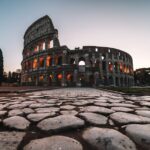
Rome changes after dark.
This guided walking tour strings together major center-stage sights—Piazza Venezia, the Pantheon, Trevi Fountain, Piazza Navona, and Trajan’s Column—so you see monuments in evening or nighttime light while your guide explains how the city actually got its layers. It’s an easy way to connect ancient Rome, the era of Italian unification, and even more recent political chatter without turning your day into a research project.
I love the stop-by-stop orientation: you don’t just glance at famous landmarks, you learn what to look for and why each square matters. I also like the guide style—people such as Tsi, Sila, Dan, Theo, and Alina have a reputation for clear storytelling and keeping the group moving at a good pace (with safety tips for busy areas).
One thing to plan for: the meeting point can be tricky to spot at the start. If you arrive late or blend into the crowd, it’s easy to lose the group, so give yourself a few extra minutes and be ready to contact the team if you can’t find them.
In This Review
- Key things to know before you go
- Why this Rome evening walk works so well
- Starting points: how to get lined up fast
- Monumento a Vittorio Emanuele II: the national spotlight stop
- Trevi Fountain: more than the postcard
- The Pantheon: 20 minutes that feel like more
- Piazza Navona after dark: a square that performs
- Trajan’s Column: the story of power told in stone
- The lesser-known moments: the tiny church and the illusion painting
- Guide style: what makes the experience feel worth $29
- Practical planning: shoes, pacing, and crowd reality
- Who should book this guided walk
- Should you book this Rome Highlights & Hidden Gems tour?
- FAQ
- How long is the Rome Highlights & Hidden Gems guided walking tour?
- How much does the tour cost?
- Where do I meet the guide?
- What are the main sights included?
- Is food included?
- What languages are offered?
- Is the tour private or small group?
- Where does the tour end?
- What should I wear or bring?
Key things to know before you go
- Two-and-a-half hours, built for the center: an efficient route through Rome’s most walkable historic core
- Evening-friendly views: monuments look great after sunset, when the light softens and crowds feel more manageable
- A mix of big icons and smaller surprises: you’ll also pass a very small church with a painted illusion
- History tied to places you can see: squares and monuments link to stories from unification to modern politics
- Guides who manage the group: expect guidance on pacing, crowd flow, and safety in busy zones
Why this Rome evening walk works so well
If you only have a short time in Rome, you need two things: good sight selection and smart context. This tour focuses on the core highlights in the historic center, but the real win is that the guide connects each place to what’s happening around it—politics, architecture, and everyday Roman life across centuries.
The timing matters too. Night or dusk lighting turns the usual photo spots into something calmer and more atmospheric. You still cover top monuments, but you’re not doing them at peak midday heat or peak daylight crowds.
You can also read our reviews of more walking tours in Rome


Starting points: how to get lined up fast
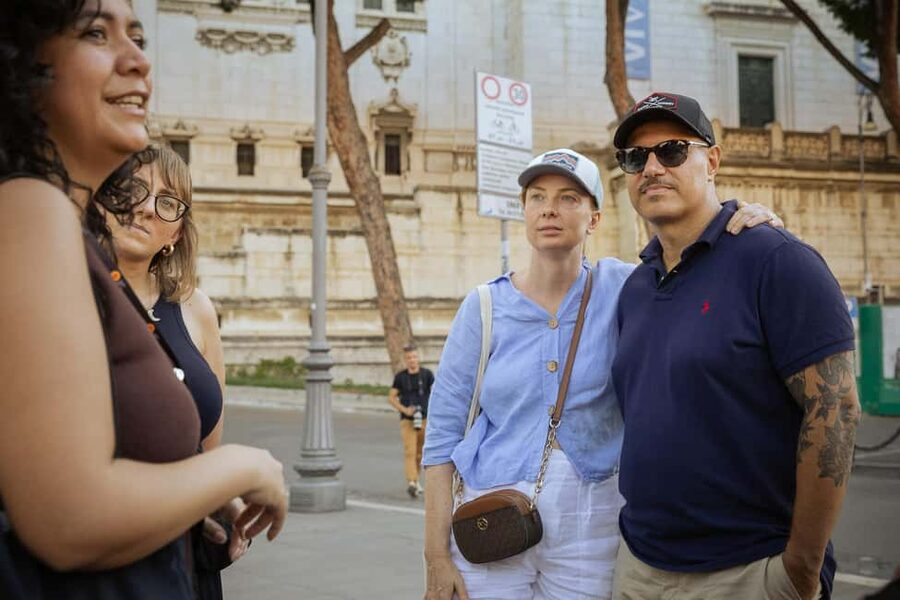
Your meeting point depends on the option you book. You may meet near Trajan’s Column or Piazza Navona, or you may start from Piazza d’Aracoeli or Piazza di Pasquino. That’s convenient because it can match where you’re staying, but it also means you should double-check your exact location before you head out.
A practical tip: arrive early and don’t just stare at the biggest landmark you can see. Several guides have been described as difficult to find at first, and the group can be easy to miss unless you’re actively looking for where they’re gathering.
Once you’re in the group, expect the guide to keep checking that everyone is accounted for, and to steer you through the crowds without making you feel rushed. A few people have also recommended making sure you can clearly hear the guide—so I’d position yourself where you’re not blocked by taller visitors or standing in a tight bottleneck.
Monumento a Vittorio Emanuele II: the national spotlight stop
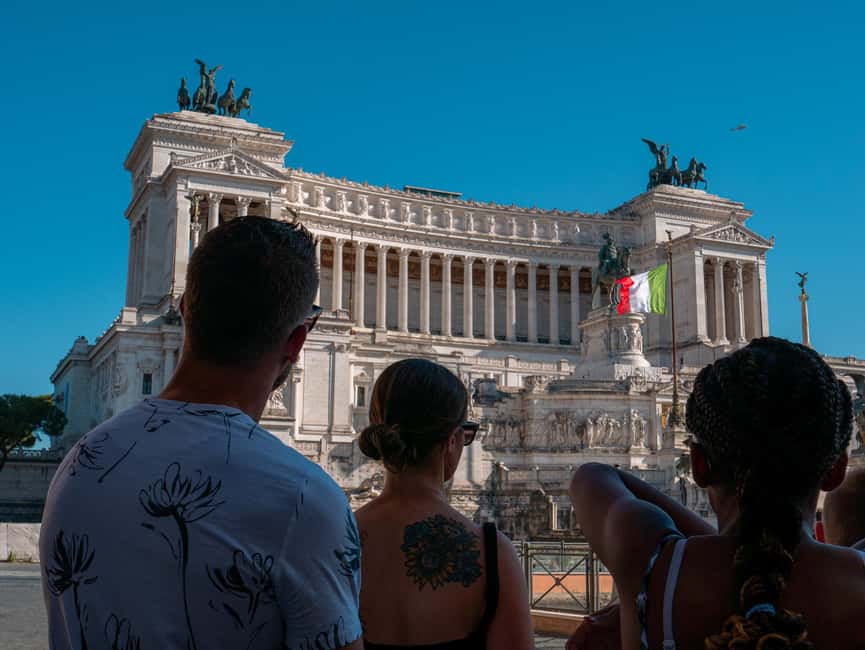
The walk often begins with the Monumento a Vittorio Emanuele II area—one of the most symbolic vantage points in central Rome. Even if you’ve seen photos, this is the kind of monument where a bit of orientation changes everything. The guide explains what the structure represents and how the area ties into the larger story of Italy’s identity and unification.
This is also a useful “warm-up” stop. In about 10 minutes, you get an early mental map: where you are, what kind of Rome you’re moving through, and which eras you’ll keep encountering on the route. You’ll hear connections between the grand public spaces and the political meaning behind them.
Watch out for the usual busy-spot problem: you’ll be near pedestrians who are stopping for photos, so give yourself a second to regroup before you move again. The guide’s job here is to prevent the group from fracturing.
Trevi Fountain: more than the postcard
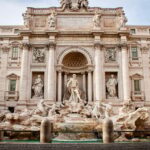
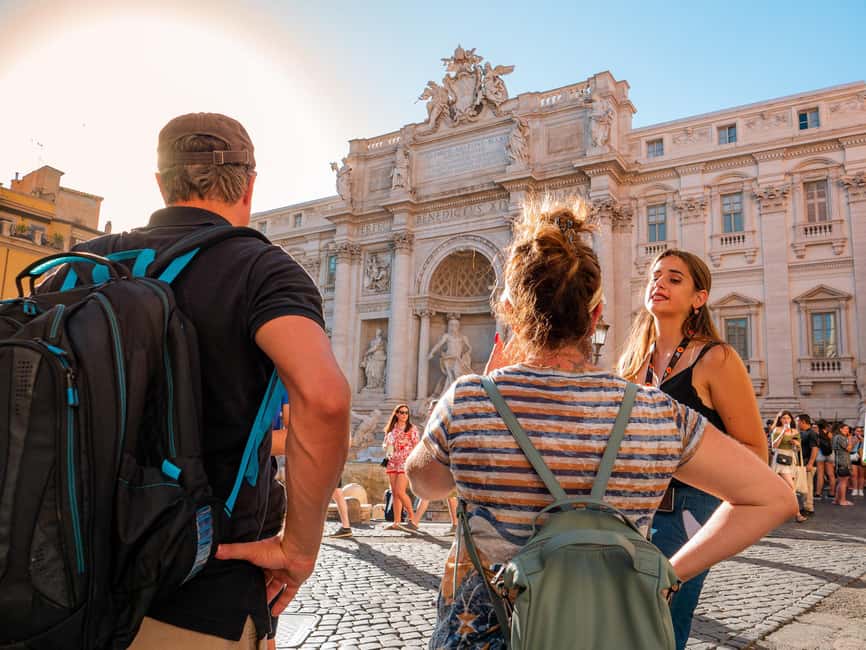
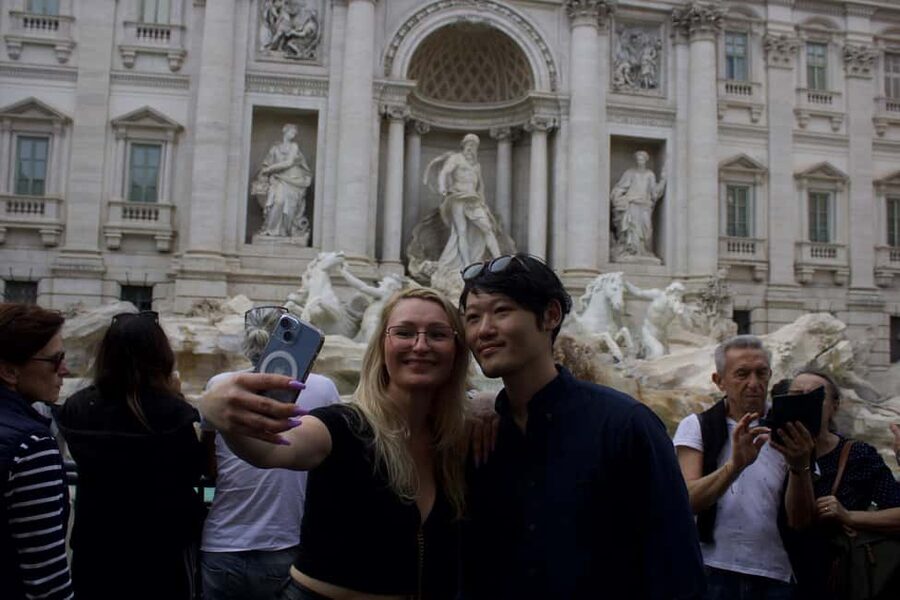
Next up is Trevi Fountain, typically around 15 minutes. Trevi is famous for a reason, but the value of this tour is that you’re not treated like a human camera tripod. You’ll get a guided look at the fountain’s story and the way it functions as a stage for Roman spectacle—past and present.
This is a great moment to slow down and notice details. From the street level, it’s easy to think you’re only looking at water and stone. With context, you see how the design communicates power, wealth, and public imagination. It’s also one of the best places to absorb the tour’s overall tone: history explained through places you can actually stand in.
One more practical note: Trevi can get crowded fast, especially near dusk when people pour in for photos. If the group gathers tightly, step toward the center of the action where you can hear the guide. That simple positioning can make the difference between enjoying the story and just catching fragments.
The Pantheon: 20 minutes that feel like more
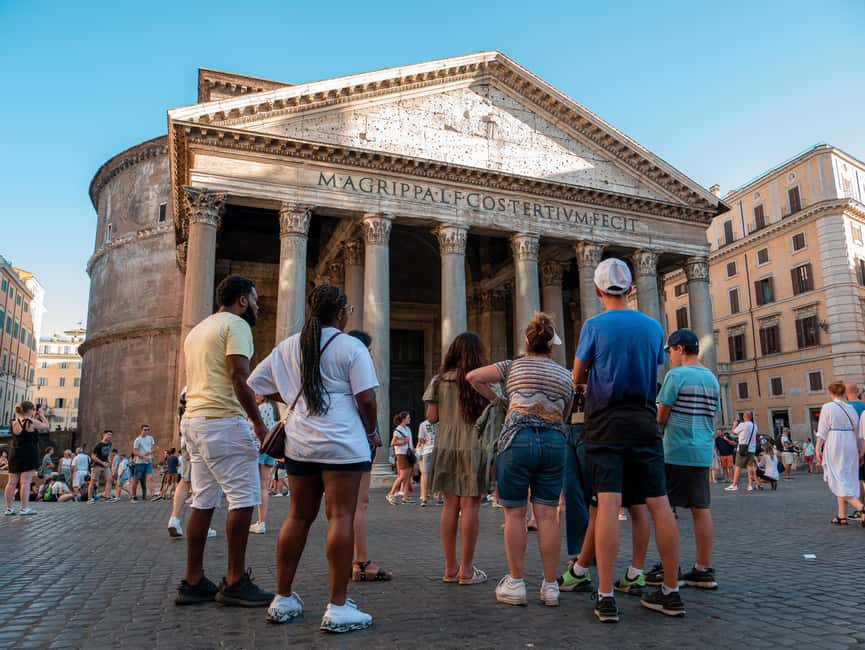
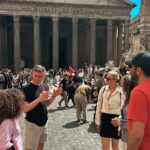
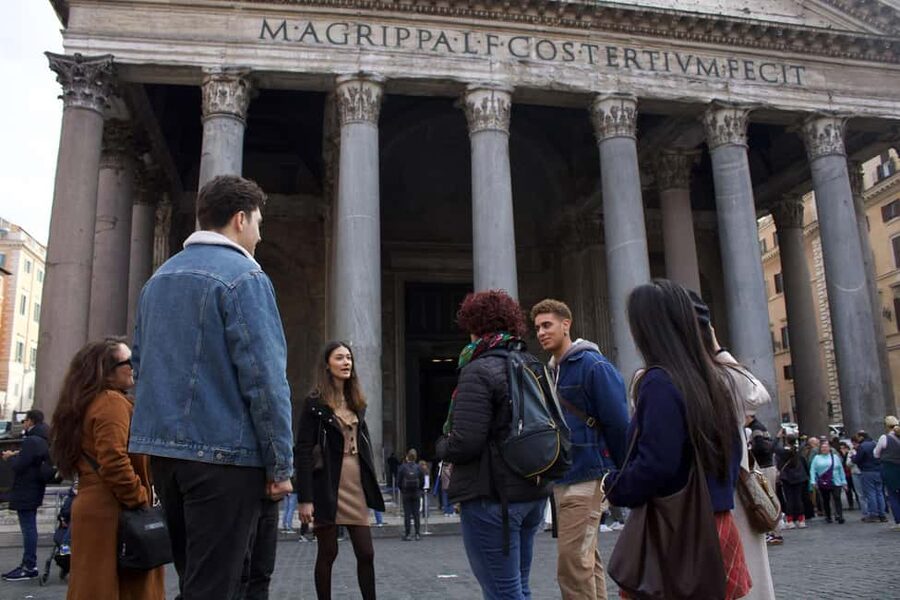
The Pantheon stop lasts about 20 minutes, and it’s one of the best return-on-time attractions in Rome. The outside is already impressive, but the guide’s explanations are what help the building click. You’ll hear how this monument fits into the longer arc of Roman architecture and why its design still feels startling.
This is also where the tour’s pacing shines. You’re not stuck for hours in a museum line. Instead, you get a focused guided moment—enough to understand what you’re seeing and to recognize key visual features when you look again on your own later.
If you’re the type who enjoys architecture and symbolism more than crowds and noise, the Pantheon is where you’ll probably feel the tour paying off. And since the route continues quickly to other major squares, you don’t waste time backtracking.
You can also read our reviews of more guided tours in Rome


Piazza Navona after dark: a square that performs
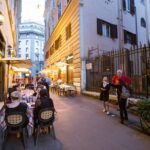
Piazza Navona is next, typically around 20 minutes. This is one of the city’s most theatrical spaces, and the evening timing is a big deal. Night lighting changes the mood of the square and makes the public setting feel even more dramatic.
The guide talks through the significance of the square, including how it connects to different chapters of Roman life. You’re getting more than a single landmark stop—you’re learning how major squares shaped the way Rome presented itself, celebrated power, and managed public life.
This is also a nice area to ask yourself what you’re seeing. When the group moves and you’re pointed toward specific visual cues, you’ll start noticing patterns: how streets funnel people in, how buildings frame views, and how the square functions like a stage.
Trajan’s Column: the story of power told in stone
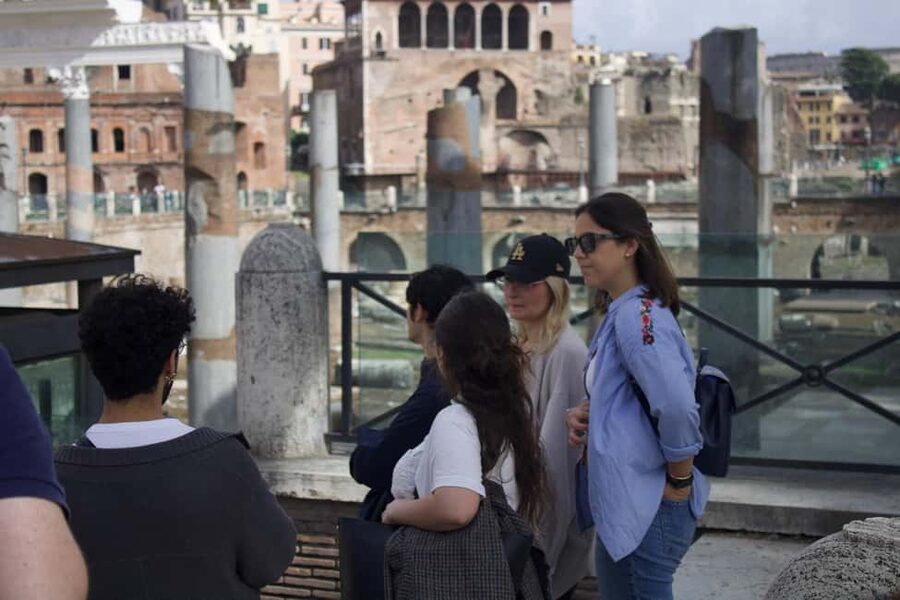
Trajan’s Column usually gets about 15 minutes on the route. This is the part of the walk that feels like turning a page—because the guide links what you see to what it meant politically and historically.
Even if you’ve never studied Roman history, you can follow along. The explanations tie the column to the idea of authority and messaging—how leaders used monuments to communicate legitimacy and control. It’s a strong contrast after the more open, lively squares you’ve already visited.
And it’s a good “bridge stop” for the rest of your evening. After Trajan’s Column, the tour often finishes near Piazza Navona or in the Colosseum area, depending on the option you chose. That means you can keep exploring without needing extra transport.
The lesser-known moments: the tiny church and the illusion painting
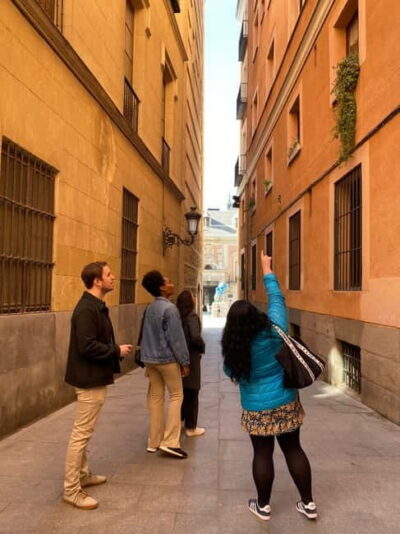
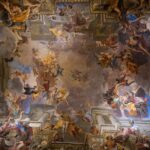
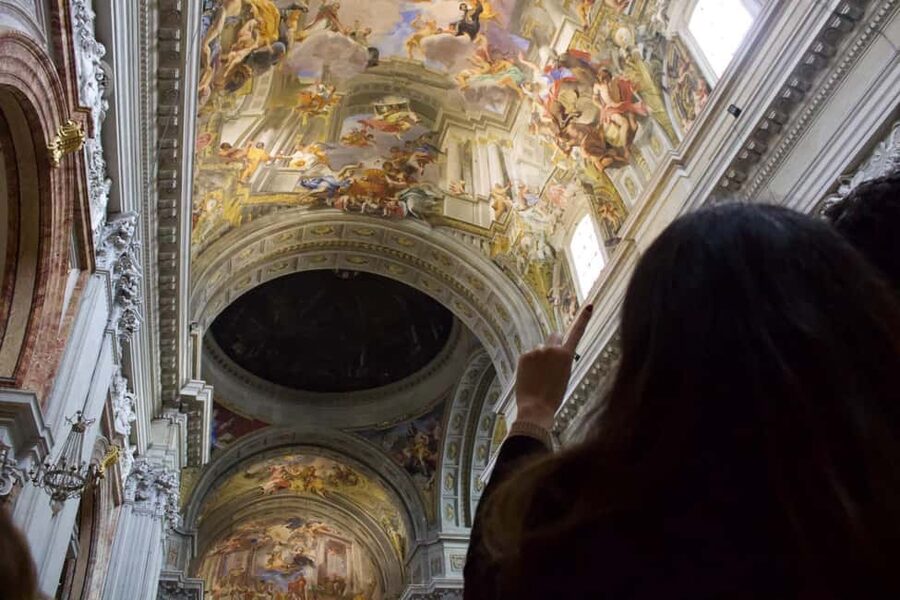
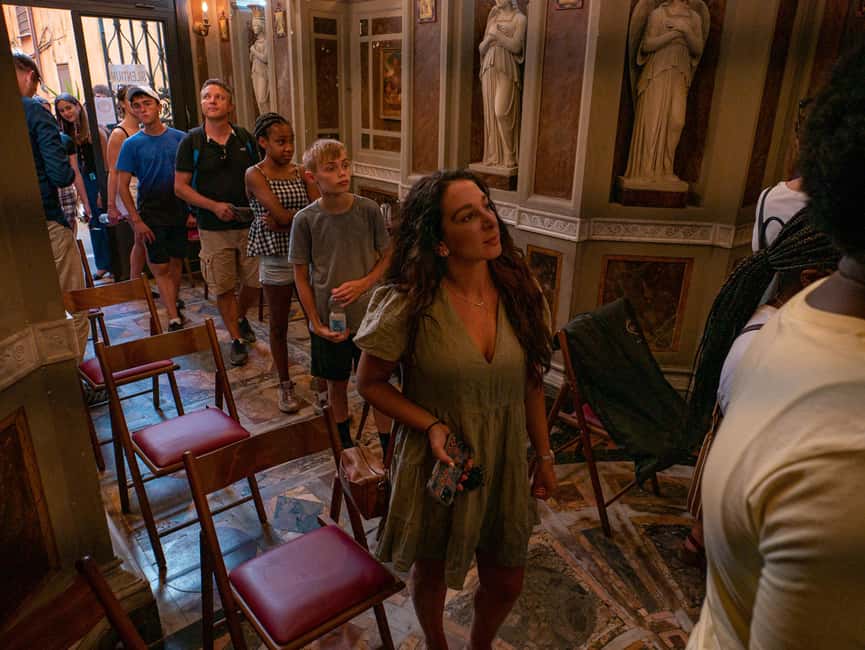
Rome is full of famous stops, but what makes this tour more fun is the texture you get between them. Along the way, you pass by smaller sites that many first-time visitors would miss on their own—like a very small church with a painted illusion.
This kind of stop changes how you look at the city. It reminds you that Rome isn’t just big monuments on a checklist; it’s also craft, hidden storytelling, and surprises tucked into everyday streets. When your guide points these things out, you start seeing details you’d otherwise walk right past.
You’ll also hear stories and scandals involving some of Rome’s more recent politicians. That mix—ancient stone next to modern political gossip—may sound odd until you realize Rome always runs on narrative. The guide makes the city feel like one long conversation, not separate eras in separate boxes.
Guide style: what makes the experience feel worth $29
This is where the tour earns its strong value. The listed price is $29 per person for about 2 to 2.5 hours of guided walking that hits multiple top-tier sights. In Rome, guided time has real cost, so the question is: do you get enough explanation and enough route efficiency to justify it?
Based on how guides like Tsi, Paulina, Sila, Dan, Theo, Sharon, and Anna have been described, the answer seems to be yes. People highlight a few repeated strengths:
- guides who clearly explain what you’re looking at, not just where to stand
- guides who keep the pace steady so you cover more than one “must-see” zone
- guides who check in on the group and answer questions
There’s also a safety element that matters in central Rome. Some guides explicitly warn about pickpockets and scammers—especially around crowded photo spots. That’s not paranoia; it’s basic street sense, and it makes the walk feel smoother.
One more practical point: a couple of people noted that hearing the guide can be tougher in busier sections, and they suggested radios. You might not get that, but you can solve most of the problem by staying close enough to hear without constantly craning your neck.
Practical planning: shoes, pacing, and crowd reality
This is a walking tour, so comfortable shoes are not optional. You’ll be on cobblestones and mixed surfaces, and you’ll want to move without thinking about your feet every five minutes.
Keep your expectations realistic about time. The duration is listed as 2 to 2.5 hours, but a good guide may slow down to handle questions and make sure the group is together. If you’re planning a reservation right after, give yourself a buffer.
Also plan for the meeting point factor. Since starting locations can vary and some gathering spots are visually confusing, you’ll enjoy the tour more if you treat the first 10 minutes as part of the adventure and not a stress event.
Who should book this guided walk
This tour is a great fit if:
- you want to see Rome’s biggest center highlights in a short window
- you like guided storytelling that connects places across eras
- you prefer night or dusk views over midday crowds
- you’d rather have a structured route than build one yourself
It may not be ideal if you want lots of solo time at each stop. The format is paced and guided, so you’ll be following the group and the explanation, not exploring freely for long stretches.
Should you book this Rome Highlights & Hidden Gems tour?
Yes, if your goal is efficient coverage with context. At $29, you’re paying for time with a local guide and for the route logic that gets you from Piazza Venezia-area monuments to Trevi, the Pantheon, Piazza Navona, and Trajan’s Column without wasting your whole evening on navigation.
Before you book, decide how you handle logistics. If meeting points stress you out, plan to arrive early and keep your eyes open for the group. Once you’re connected, this is the kind of walk that helps Rome click—big monuments, small surprises like the tiny church with an illusion painting, and stories that connect ancient Rome to modern Italy.
FAQ
How long is the Rome Highlights & Hidden Gems guided walking tour?
It runs for about 2 to 2.5 hours.
How much does the tour cost?
The price is $29 per person.
Where do I meet the guide?
The meeting point varies by option. You might meet at Trajan’s Column or Piazza Navona, or at one of these starting locations: Piazza d’Aracoeli or Piazza di Pasquino.
What are the main sights included?
The tour includes stops around Monumento a Vittorio Emanuele II, Trevi Fountain, the Pantheon, Piazza Navona, and Trajan’s Column, plus smaller stops and local stories along the way.
Is food included?
No. Food and drink are not included.
What languages are offered?
The live guide is available in English and Spanish.
Is the tour private or small group?
It offers private or small groups.
Where does the tour end?
Drop-off locations vary by option and can include Piazza Navona and the Colosseum area (including Piazza del Colosseo and a nearby address).
What should I wear or bring?
Wear comfortable shoes and comfortable clothes, since it’s a walking tour.