REVIEW · GUANAJUATO CITY
3-Hour Guided Walking Tour of Guanajuato
Book on Viator →Operated by Mariana Castillo · Bookable on Viator
History has a way of spilling into the streets. This 3-hour guided walk through Guanajuato connects mining-era politics, Catholic influence, and big independence milestones with the kind of street-level stories you actually remember. I especially like the pacing (with a considerate tempo for a hilly city) and the way the guide turns key stops into photo moments with binoculars and a magnifier. One thing to consider: you’ll be doing a fair amount of walking and hill climbing, so plan for moderate fitness and good shoes.
You also get a rare mix of “pretty places” and “why it matters.” Expect plaza lore, a famous romance legend, festival energy around the Cervantino connection, and museum stops that explain how Guanajuato shaped Mexico’s fight for independence. At $48.99 per person (with some admissions included and some not), it’s a value play if you want context fast and then freedom to explore on your own.
In This Review
- Key points at a glance
- Getting Your Bearings in Guanajuato’s Hill City
- Plaza de la Paz: Porfirista Influence and Mining’s Catholic Roots
- The Alley of the Kiss: A Legend About Love and Social Class
- Plaza de San Fernando: Festival Mysticism and a Cervantino Connection
- Mercado Hidalgo: Typical Food, Local Economy, and a Monument’s Meaning
- Alhóndiga de Granaditas: The Independence Battlepoint You Can’t Ignore
- Casa Diego Rivera Museum: Post-Revolution Education Through One Name
- University of Guanajuato: Jesuit Education, Student Traditions, and Architecture
- Binoculars, Magnifier, Album: Why the Small Details Matter
- Price and Value: What $48.99 Gets You (and What Costs Extra)
- The Real Logistics: Timing, Weather, and Getting There
- Who This Tour Fits Best
- Should You Book This Guanajuato Walking Tour?
- FAQ
- How long is the 3-Hour Guided Walking Tour of Guanajuato?
- What language is the tour offered in?
- Where does the tour start and end?
- How many people are in the group?
- Are museum tickets included?
- Is lunch included?
- What’s included in the tour besides the guide?
- What if weather is bad or the tour needs to be canceled?
- Is there a cancellation deadline?
Key points at a glance
- Hill-smart pacing: built for Guanajuato elevation and climbs, not a sprint through town
- Legend + architecture: the Alley of the Kiss story makes old streets feel personal
- Festival context: you’ll leave knowing where the Cervantino International Festival fits in
- Market reality: Mercado Hidalgo is used for food and local economic history, not just photos
- Independence milestone: the Alhóndiga de Granaditas stop adds real turning-point context
- Small group size (max 10): more room for questions and better guide attention
Getting Your Bearings in Guanajuato’s Hill City
This tour is a great “first good look” at Guanajuato, especially if you’re trying to understand the city without spending hours researching every square and museum. You start at Baratillo, Alameda, and you end near the University of Guanajuato’s Central Building steps, right where the downtown topography starts to make sense.
The route is walk-based, and that matters here. Guanajuato sits high and the streets go up and down. The tour is listed for moderate physical fitness, and the best results come when you wear supportive shoes and accept that this city is built on hills. The upside: views and photo angles feel earned.
One more practical detail: it’s offered in English, uses a mobile ticket, and the group stays small (up to 10). That combination usually means you’re not getting lost in noise, and you can actually hear the story at each stop.
You can also read our reviews of more walking tours in Guanajuato City

Plaza de la Paz: Porfirista Influence and Mining’s Catholic Roots
Your first stop is Plaza de la Paz, and it sets the tone for everything that follows. The guide ties together two forces that shaped Guanajuato for a long time: the Porfirista period influence and the strong Catholic influence that accompanied colonial and post-colonial life.
Why this is useful: Guanajuato looks like a postcard of colorful streets and dramatic buildings, but the deeper reason is political and economic. Starting with how power and belief interacted makes the later legends and museums feel less random. You’ll also hear about the origins of mining in the region, which is essential here because mining isn’t a side topic in Guanajuato—it’s the engine behind much of the city’s story.
How long you’ll be here: about 25 minutes. Admission is free for this stop, so you’re not losing time to tickets.
The Alley of the Kiss: A Legend About Love and Social Class
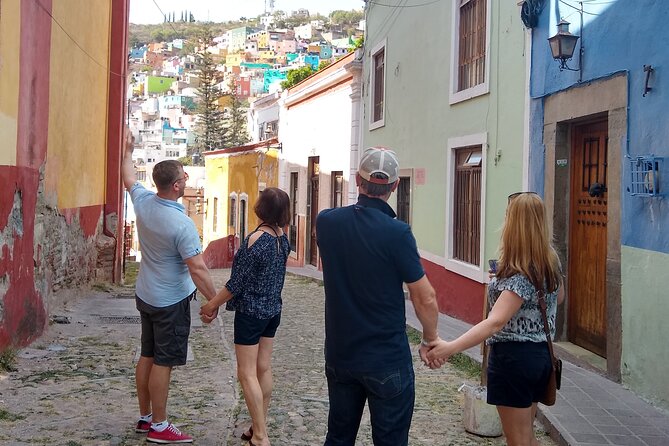
Next comes one of Guanajuato’s best-known legends, the Alley of the Kiss. This is where the tour shifts from historical framing to storytelling that feels made for the street.
The legend centers on two lovers separated by colonial-era social class differences. And the key point is how the guide presents it: the alley isn’t treated like a random photo spot. Instead, it becomes a way to talk about how societies controlled who could love whom, and how those rules echoed into the culture and architecture around you.
Expect about 15 minutes here. It’s short, but the payoff is big because you’ll start spotting symbolic details in the city with a new eye. It’s also a nice break between the more “lecture-like” history stops.
Plaza de San Fernando: Festival Mysticism and a Cervantino Connection

Plaza de San Fernando brings in the mood of Guanajuato—more bohemian, more lived-in, and more fun. The tour describes the magic and mysticism around a local festival, with a jovial atmosphere and the feeling that you’re walking through the city as it actually exists day to day.
This stop also helps you plan after the tour. You’ll get guidance on landmarks to visit next, and you’ll learn about the origins of one of Mexico’s major cultural events: the Cervantino International Festival.
Why this stop matters: a city festival can feel like “another thing to do” until someone connects it to the historical rhythm of the place. Here, the guide ties the festival energy to why the city gathers, celebrates, and keeps traditions alive. Afterward, you’ll be more likely to understand what you’re seeing instead of treating it like a show happening near you.
Time here is around 25 minutes, and admission is free.
Mercado Hidalgo: Typical Food, Local Economy, and a Monument’s Meaning
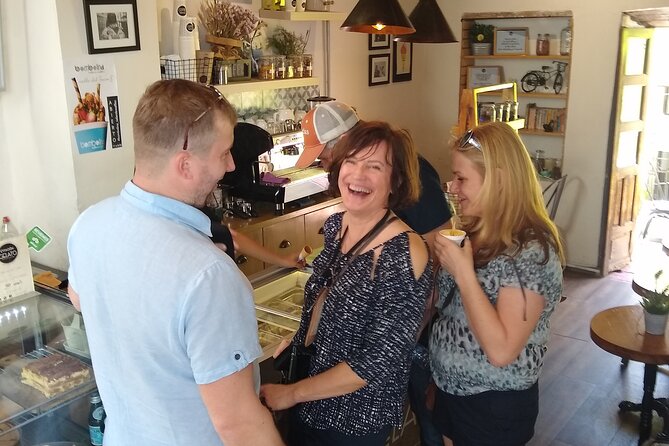
At Mercado Hidalgo, the tour turns practical. The focus is typical Guanajuato food and history you can connect directly to what people still eat and buy.
You’ll learn about the history and commemoration of a monument that’s the basis of the local economy. Even if you don’t catch every historical detail, this kind of stop changes how you move through the market. You’re not just browsing—you’re understanding why the market exists, what it reflects, and how Guanajuato’s money story shows up in everyday life.
Time is about 25 minutes, and again, admission is free at this stop.
One tip for your visit: if you’re hungry, don’t wait. Since lunch isn’t included later, Mercado Hidalgo is a smart place to keep your timing realistic. It’s easier to enjoy the museum stops when your energy isn’t running on fumes.
Alhóndiga de Granaditas: The Independence Battlepoint You Can’t Ignore
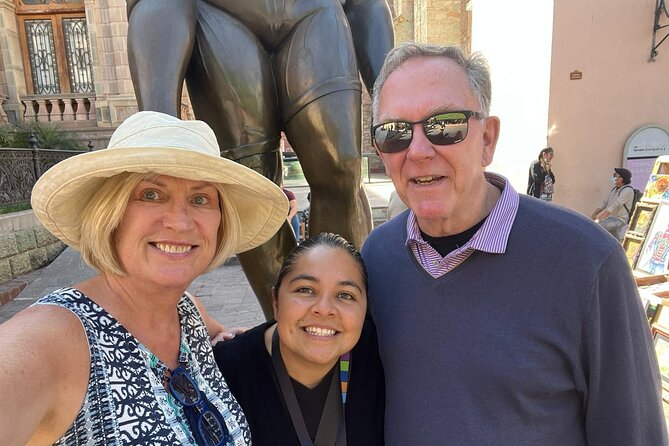
The tour’s most emotionally grounded moment is the stop at the Museo Regional de Guanajuato Alhóndiga de Granaditas. This is one of the deepest points on the route, and it earns the longer time—about 30 minutes.
The guide talks about the beginning of Mexico’s independence story, including the first battle for independence against the Spanish. You’ll also reflect on where the movement came from and how Guanajuato’s role as a mining town mattered in the broader economic impact of that era.
This is where the tour earns its weight. Museums can turn into “look at the plaques” fatigue, but this one is positioned as a thinking stop. The idea is to help you connect political conflict, economic pressure, and the people caught in between.
Important cost note: admission is not included for this museum stop. Plan for that extra expense if you want to see every part of the museum experience. If you’re budgeting tight, still consider going—this is the stop most likely to change how you understand Guanajuato beyond surface beauty.
Casa Diego Rivera Museum: Post-Revolution Education Through One Name
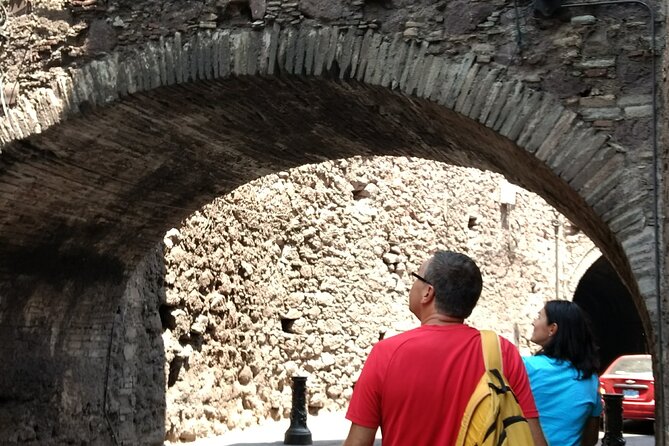
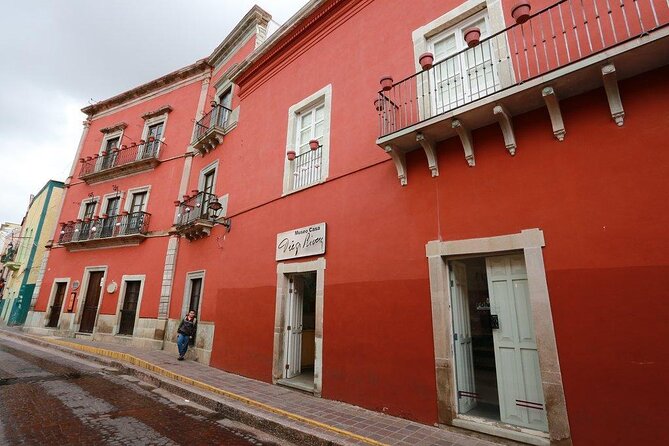
Next up is Museo Casa Diego Rivera, about 10 minutes on the tour. The time is brief, but the framing helps. The guide highlights events Diego Rivera was involved in, plus his participation in contemporary Mexican art and in the post-revolutionary educational system.
Why this is a smart add-on: Guanajuato isn’t just about colonial streets and battle years. It’s also part of Mexico’s modern cultural storyline. A quick stop here gives you a bridge from independence-era themes into later ideas about identity, education, and art.
Like the Alhóndiga, this is a museum stop with admission not included. If you’re the type who wants to linger, you might want to come back later with more time on your own.
University of Guanajuato: Jesuit Education, Student Traditions, and Architecture
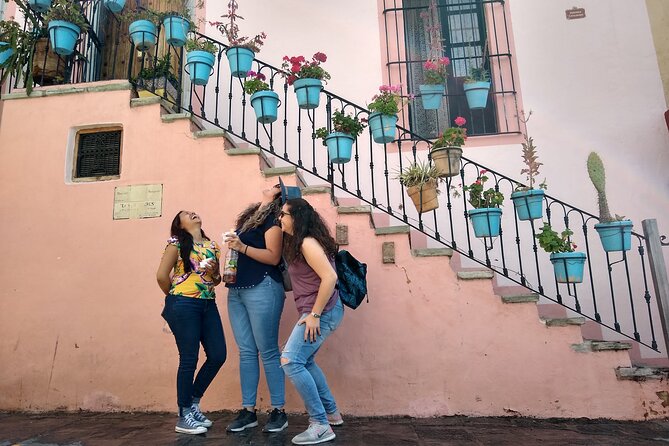
You finish at the University of Guanajuato, with a stop time around 25 minutes. The guide shares legends and events that helped shape the city’s Jesuit education, then brings the site to life through student body traditions and architecture.
This is a strong final chapter because the university buildings echo what you’ve learned throughout the walk: Guanajuato’s old wealth (mining), its religious influence, and its later role in education and society. Architecture becomes more than decoration—you start reading it like a timeline.
You’ll also end near the Central Building, which makes it easier to transition to your next plans without losing your bearings. It’s a good spot for a coffee pause after all the walking.
Binoculars, Magnifier, Album: Why the Small Details Matter
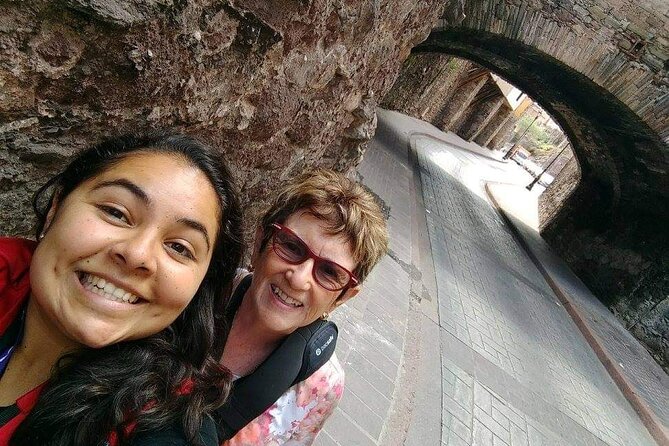
This isn’t just a route with talking. It includes binoculars, a magnifier, and an album. That might sound like extras, but it changes how you experience older cities.
- The binoculars help you spot details high on facades or across plazas that you might miss while staring at your feet.
- The magnifier encourages closer looking, which is a big deal in places where the best parts are carved, tiled, or tucked into corners.
- The album gives you a way to keep the visual references straight after the tour ends.
The small group size (max 10) also helps a lot. When the group stays intimate, the guide can adjust the pace and answer questions instead of rushing everyone to the next photo spot. In practice, that’s what makes the tour feel personal, not factory-made.
Price and Value: What $48.99 Gets You (and What Costs Extra)
At $48.99 per person, you’re paying for guided interpretation, time in key areas, and a curated mix of plazas, market culture, and museum context.
What’s included:
- Guided walking tour in English
- Binoculars, magnifier, album
- Discounts on other tours and activities
What isn’t included:
- Lunch and extra food/drinks
- Museum admissions at Museo Regional de Guanajuato Alhóndiga de Granaditas and Museo Casa Diego Rivera
So is it a good deal? For me, it’s best viewed like this: you’re buying saved effort. Instead of piecing together mining history, independence context, and legend lore from random signs, you get a guided story that connects the stops. If you plan a return trip to see museum exhibits more slowly, you also reduce the pressure to cram every last detail into the tour time.
Also, timing matters. The tour runs about 2.5 to 3 hours, which is ideal for a city where full-day exploring can swallow your entire schedule.
The Real Logistics: Timing, Weather, and Getting There
A few practical points that help your day go smoother:
- Confirmation comes at booking time.
- It’s near public transportation, so getting to Baratillo, Alameda is usually easier than hunting for a remote pickup.
- This experience requires good weather. If weather is poor, you’ll be offered a different date or a full refund.
- The group is limited to 10 travelers, which helps keep the experience comfortable.
If you’re traveling in cooler months, you might still want a light layer. Guanajuato mornings can feel crisp, and walking on hills gets your heart going fast enough that you’ll appreciate a jacket you can take off.
Who This Tour Fits Best
This is a great fit if you:
- want a fast, high-impact intro to Guanajuato
- like stories that connect history, religion, and street life
- enjoy architecture and want a guide to point out what matters
- want a small-group experience with time for questions
You might want to choose something else if:
- you dislike walking hills (even if the pace is considerate)
- you prefer fully museum-heavy plans and want long time inside each exhibit
- you have mobility limits that don’t pair well with uneven old-city sidewalks
Should You Book This Guanajuato Walking Tour?
If your goal is to understand Guanajuato in a few hours, I’d book it. The route is built to do more than show you pretty scenery. It connects mining-era power, Catholic influence, independence conflict, and modern cultural identity—so your later self-guided exploring won’t feel like aimless wandering.
Also, the guide team matters. Multiple accounts highlight guides such as Mariana Castillo, with others referenced as Mariana and Frda/Frida, and the common thread is that the tour feels engaging and tailored. That’s exactly what you want when the city is layered and the streets are busy with sensory overload.
Yes, there are museum admissions not included, and yes, you’ll walk and climb. But if you plan your shoes, your snack strategy, and your next meal timing, you’ll end the day with a much clearer picture of why Guanajuato looks the way it does—and why it became such a cultural magnet.
FAQ
How long is the 3-Hour Guided Walking Tour of Guanajuato?
It runs about 2 hours 30 minutes to 3 hours.
What language is the tour offered in?
The tour is offered in English.
Where does the tour start and end?
The start is Baratillo, Alameda, 36000 Guanajuato, Gto., Mexico. The tour ends at C. Pedro Lascurain de Retana 3, Zona Centro, 36000 Guanajuato, Gto., Mexico, near the University of Guanajuato central area.
How many people are in the group?
There’s a maximum of 10 travelers.
Are museum tickets included?
Not always. The tour includes free admission at several stops, but admission is not included for the Museo Regional de Guanajuato Alhóndiga de Granaditas and the Museo Casa Diego Rivera.
Is lunch included?
No. Lunch and additional food and beverages are not included.
What’s included in the tour besides the guide?
It includes binoculars, a magnifier, and an album, plus discounts on other tours and activities.
What if weather is bad or the tour needs to be canceled?
This experience requires good weather. If it’s canceled due to poor weather, you’ll be offered a different date or a full refund.
Is there a cancellation deadline?
Yes. You can get a free cancellation for up to 24 hours in advance of the start time for a full refund. If you cancel less than 24 hours before, the amount paid is not refunded.