REVIEW · DRESDEN
Dresden: Guided Walking Tour and Chocolate Museum Ticket
Book on GetYourGuide →Operated by Dresden Information · Bookable on GetYourGuide
Dresden, but make it chocolate and history. I like how the Old Town landmarks are woven into one compact route, so you leave with a clear sense of where everything sits and why it matters.
I also love the payoff after the walk: you get a ticket for the Chocolate Museum and time to taste German chocolate.
One possible catch: the walking guide is German and doesn’t accompany you inside the museum, so your museum experience is mostly self-paced.
In This Review
- Key Highlights You’ll Care About
- The $18 Value: Why This Combo Makes Sense
- Meeting Point, Start Smart, and What to Bring
- Walking Tour Route: How Dresden’s Story Gets Told in 90 Minutes
- Dresden Castle Area to Brühl’s Terrace (Where Power Looks Like Theater)
- Dresden Cathedral and the Big-Stage Views
- Taschenbergpalais and Augustus Bridge (A Shortcut to Photogenic Dresden)
- End Near the Frauenkirche (Because the Ending Matters)
- Iconic Landmarks You’ll Actually See Up Close
- The Chocolate Museum: From Dresden’s Sweet Reputation to Real Details
- Why Dresden Gets Called the Capital of Chocolate
- Anton Reiche’s Chocolate Molds: A Very Concrete Kind of Fascination
- First Chocolate Bars: The “How Would It Taste?” Moment
- Tasting Like a Local: What to Notice in Your Included Samples
- Timing Tips: Museum Hours and the 4 PM Tour Detail
- Who This Tour Fits Best (And Who Should Skip It)
- Things to Know So You Don’t Miss the Point
- Should You Book This Dresden Walking Tour + Chocolate Museum Ticket?
- FAQ
- FAQ
- How long is the guided walking tour?
- What’s included in the price?
- Is the chocolate museum visit guided?
- Can I use my museum ticket any time that day?
- What are the chocolate museum opening hours?
- What if I book the 4:00 PM walking tour?
- Where do I meet the guide?
- What language is the live walking guide?
- Does this experience skip the ticket line?
- Is it wheelchair accessible, and what about cancellations?
Key Highlights You’ll Care About

- Fast Old Town orientation in 1.5 hours with major sights grouped logically
- Real context beyond buildings, including the Peaceful Revolution of 1989 and reunification
- Iconic Dresden stops such as Frauenkirche, Semperoper, and Zwinger-area sights
- Skip-the-line Chocolate Museum entry plus an included tasting
- Anton Reiche chocolate molds and milk chocolate origins explained with museum-friendly clarity
The $18 Value: Why This Combo Makes Sense
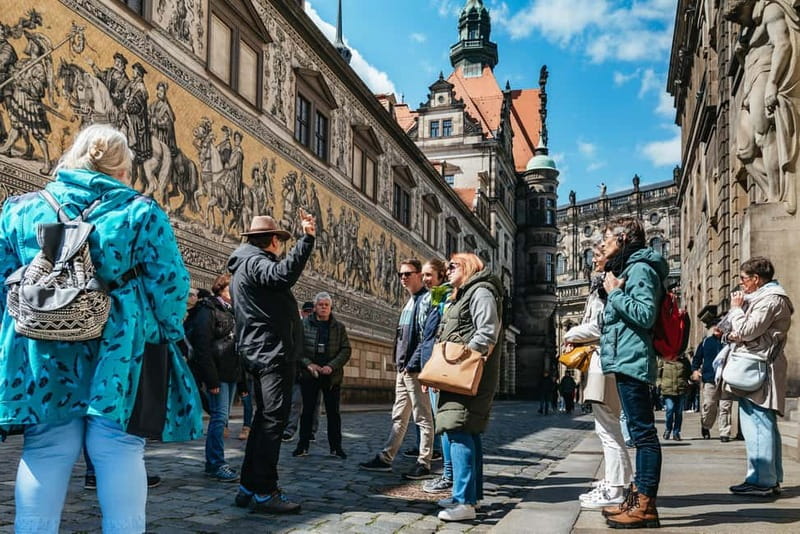
For around $18 per person, you’re essentially paying for two different parts of Dresden in one go: a guided walking tour of the historic core, and a Chocolate Museum ticket with tasting afterward. That pairing is the strength. Instead of doing “sights only” and then hunting for something fun later, you get a history primer first, and then the sweet reward.
Timing is also your friend here. The walking portion runs about 1.5 hours, which is perfect when you’re craving big-city landmarks without committing to a long day of structured sightseeing. And since the museum visit is flexible the same day, you can shape it around your energy level.
A few more Dresden tours and experiences worth a look

Meeting Point, Start Smart, and What to Bring
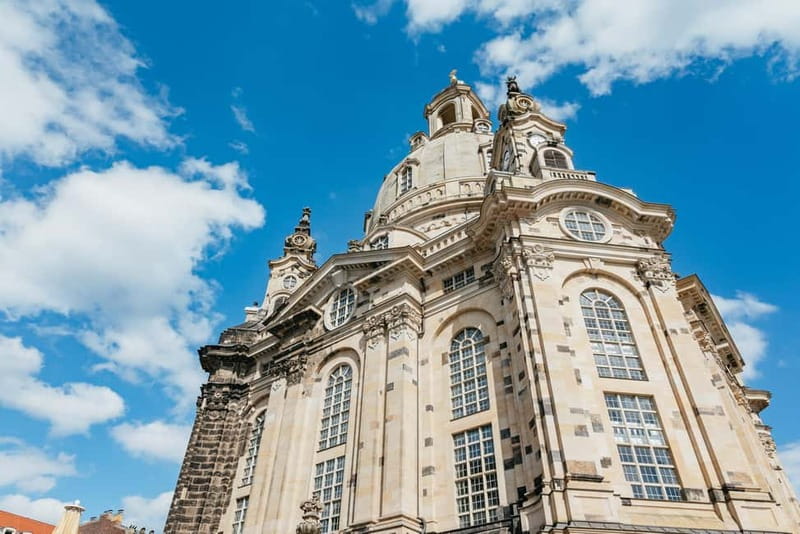
You’ll meet in the Untergeschoss of the QF Passage, at the seating area of Dresden Information. Arrive a few minutes early so you can get oriented fast and avoid that last-minute scramble.
The guide leads the walking portion, and it’s in German. If your German is rusty, don’t panic. The walking route focuses on very visible landmarks—when you can point and look up, a lot of the story still lands. The included tasting also helps keep things fun, not academic.
Also note: the experience is wheelchair accessible, which matters if you’re planning for uneven sidewalks or longer distances around the center.
Walking Tour Route: How Dresden’s Story Gets Told in 90 Minutes
This is a tour built for momentum. You start around major historic anchors, then move through Dresden’s classic viewing spots where Baroque architecture and later history show up clearly.
Dresden Castle Area to Brühl’s Terrace (Where Power Looks Like Theater)
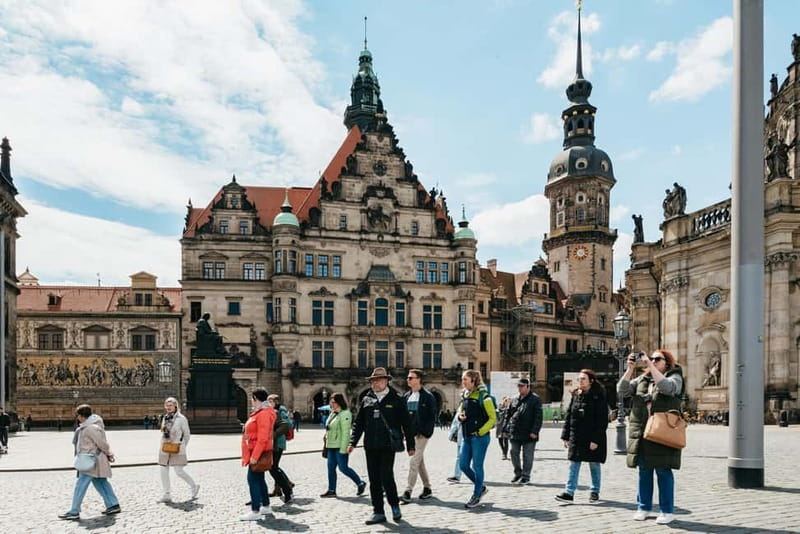
The walk begins at Dresden Castle. Even if you don’t go inside, the castle setting helps you frame what you’re seeing later. Dresden isn’t just pretty—this place was built to project status.
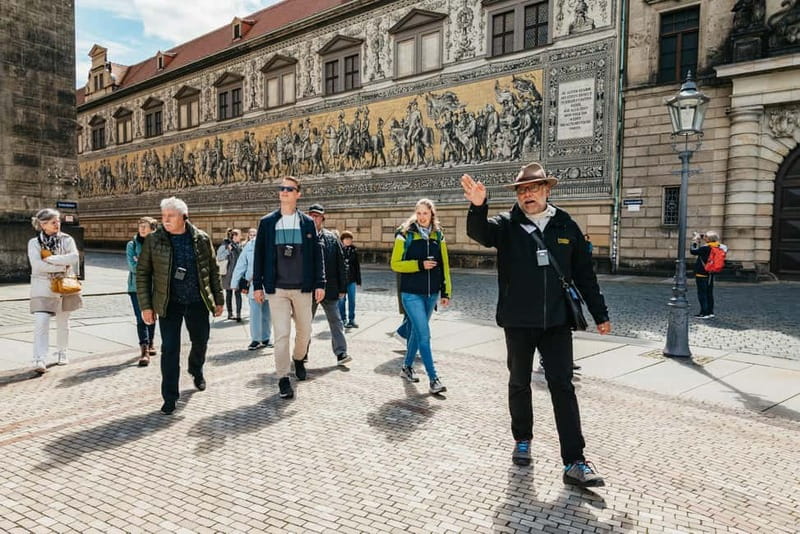
Then you head toward Brühl’s Terrace, including stops around the Procession of Princes and the Stallhof. Here’s why I think this part is so useful: it gives you a “logic map” for Dresden. Once you understand how these ceremonial spaces relate to the rest of the city, the architecture stops feeling random.
Dresden Cathedral and the Big-Stage Views
Next comes Dresden Cathedral. From there, the tour keeps steering you toward the famous “look at this” points—places where you can see why Dresden became a star of its era.
And that’s where the guide’s format helps. The tour is short, but you’re not bouncing around. You’re walked through the city’s timeline: Middle Ages, then Renaissance, then Baroque. In many cities, you’d need three separate stops to get that kind of overview. Here, you get it in one guided arc.
You can also read our reviews of more walking tours in Dresden

Taschenbergpalais and Augustus Bridge (A Shortcut to Photogenic Dresden)
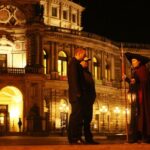
You’ll also pass Taschenbergpalais and Augustus Bridge. These are the kind of stops that let you connect the architectural dots with real “city movement” lines—bridge views and palace exteriors help you understand how people historically navigated and displayed wealth.
If you like taking photos but also want to know what you’re looking at, this section is a good balance: sight first, meaning second.
End Near the Frauenkirche (Because the Ending Matters)
The walk ends near Frauenkirche. This is a smart way to close, because it’s one of Dresden’s most recognizable symbols. It also helps set you up for the museum visit afterward—your day still has “history energy,” just with a sweet twist at the end.
Iconic Landmarks You’ll Actually See Up Close
A big selling point is that you don’t just hear about Dresden. You get eyes-on moments at the city’s headline attractions:
- Frauenkirche: the visual anchor near the end of your walk
- Semperoper: a key landmark tied to Dresden’s cultural prominence
- Zwinger (Baroque setting): the kind of baroque detail that makes you slow down, even in a fast-paced tour
What I like about this lineup is that it covers multiple angles of Dresden’s identity: religion, performance, and grandeur. And because you see them during an organized walk, you’re not trying to “work it out” on your own while your legs start to complain.
The Chocolate Museum: From Dresden’s Sweet Reputation to Real Details
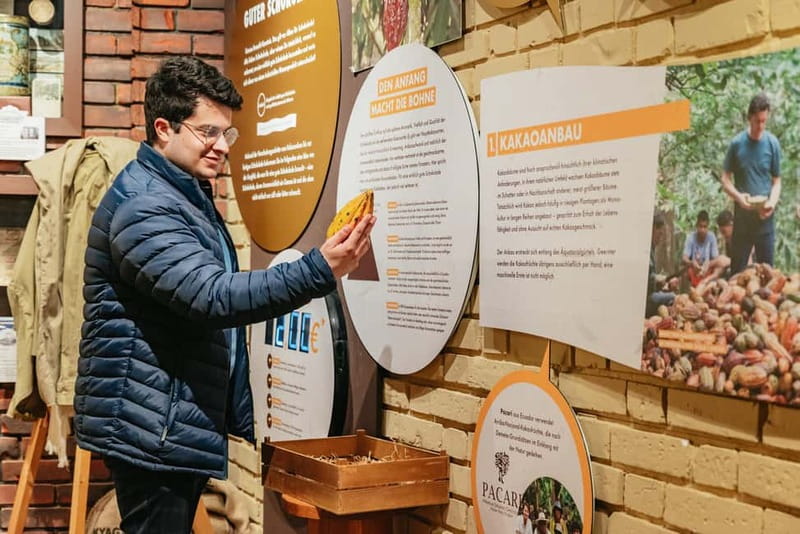
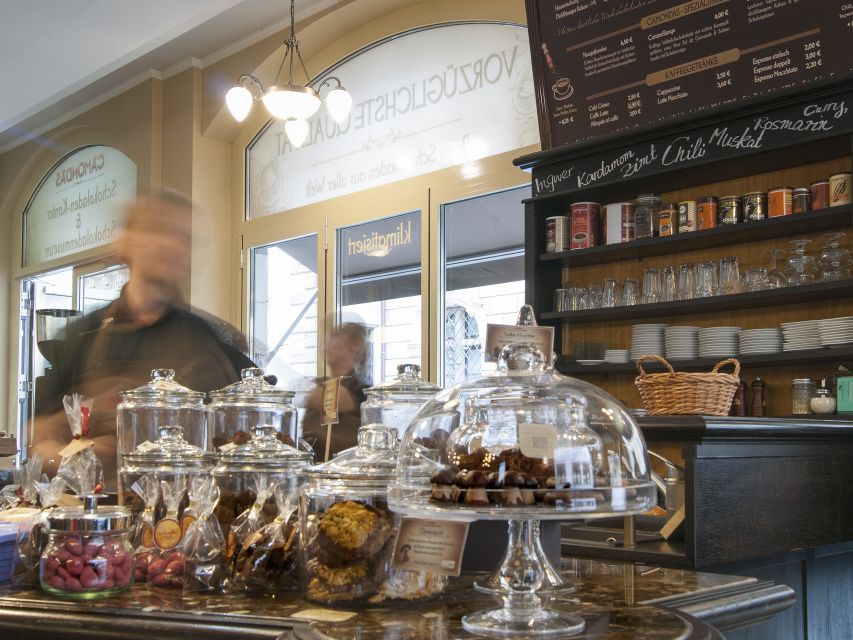
After the walking tour, you go your own way to the Dresden Chocolate Museum. The guide won’t accompany you, so go in with one mindset: you’re not getting a second lecture. You’re using what you learned outside to make the museum story stick.
The museum ticket isn’t just entry. It includes chocolate tasting, which is where the whole experience becomes memorable instead of just factual.
Why Dresden Gets Called the Capital of Chocolate
You’ll learn about Dresden’s former status as Germany’s capital of chocolate. That matters because it turns the museum from “a fun place” into a local story: why this city, why these products, and how chocolate became part of urban life.
There’s also a specific claim you’ll hear in the museum context: the origins of milk chocolate, said to have been invented in Dresden. Museums often say things like this carefully, so take it as a historic attribution rather than a casual trivia fact.
Anton Reiche’s Chocolate Molds: A Very Concrete Kind of Fascination
One of the standout museum details is the world’s largest collection of chocolate molds by Anton Reiche. That’s not just a display. It explains how chocolate was made and shaped—like seeing the behind-the-scenes engineering of something you usually treat as a product, not a craft.
And then you move from molds to the production story: the museum traces the long path from cocoa beans to finished chocolate. If you’ve ever wondered what makes one bar taste different from another, this gives you the vocabulary to notice it later.
First Chocolate Bars: The “How Would It Taste?” Moment
You’ll also hear about what the first chocolate bars may have tasted like. Even if you can’t recreate history in your mouth, this kind of perspective makes the tasting more interesting. You’re tasting in the shadow of the past, not just sampling sugar today.
Tasting Like a Local: What to Notice in Your Included Samples
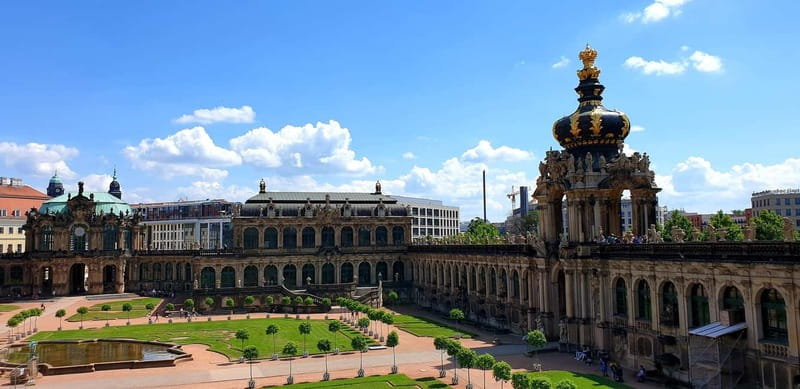
Your tasting is included, but you’ll get the most out of it if you treat it like a mini experience, not a freebie. Here’s how I’d do it:
Take a second before each sample and ask yourself:
- Is the chocolate more milk-forward or more chocolate-deep?
- Do you notice a smoother texture or a slightly sharper finish?
- Does it feel sweet first, then develop flavor, or is it mostly immediate sweetness?
This tour-museum combo is especially effective because you’re not just eating while you wander. You’re learning the components and the history of what makes good chocolate good, and then you taste right after. That “learn, then try” flow is why the museum portion lands.
Timing Tips: Museum Hours and the 4 PM Tour Detail
The chocolate museum is open daily from 11:00 AM to 6:00 PM. Since your voucher lets you enter the museum any time on the day of your tour, you can plan based on how the morning goes.
Here’s the key detail to avoid a frustrating mistake: if you choose the 4:00 PM walking tour, you should visit the museum on your own before the walking tour. Since the museum closes at 6:00 PM, doing the walk first could leave you with little time—or none—depending on how long the tour takes and how quickly you move.
If you want an easy day, I’d aim for a tour earlier in the afternoon or build buffer time so the museum doesn’t feel rushed.
Who This Tour Fits Best (And Who Should Skip It)
This works great for:
- You want major Dresden landmarks without spending a whole day on public transport
- You like history that connects time periods—Middle Ages to Renaissance to Baroque—without feeling lost
- You want a structured start to your day and a flexible finish with the museum
It may not be ideal if:
- You want the museum guided by the same person who leads the walk. The guide won’t stay with you in the Chocolate Museum, so you’ll be relying on the museum itself for explanations.
- You prefer a non-German-guided experience. The walking portion is German, and while the sites do the heavy lifting, the spoken narration is still in that language.
Things to Know So You Don’t Miss the Point
A few practical notes can make your day smoother:
- You’ll be told details about Dresden across major eras, including darker chapters and later turning points like the Peaceful Revolution of 1989 and Germany’s reunification. That context helps you interpret what you’re seeing instead of treating it like postcard scenery.
- The walking portion includes well-known Dresden names—Frauenkirche and Semperoper—but the route also includes less famous architectural stops that help the “story line” click.
- Because you get skip-the-ticket-line entry for the museum, you’re not spending time stuck at the counter while your schedule tightens.
Also, on a human level: guides for this kind of experience tend to bring energy. The best thing you can do is show up ready to walk, listen, and then reward yourself with chocolate right afterward.
Should You Book This Dresden Walking Tour + Chocolate Museum Ticket?
If you like city sights with context—and you’re excited about the story behind German chocolate—I’d book it. The value comes from the pairing: a guided orientation you can’t easily replicate on your own in 90 minutes, plus a museum visit that you can manage on your own schedule.
Skip it only if you strongly prefer a fully guided museum experience, or if German-language narration would limit your enjoyment too much. Otherwise, this is an efficient, sweet, and surprisingly thoughtful way to spend part of your day in Dresden.
FAQ
FAQ
How long is the guided walking tour?
The walking tour lasts about 1.5 hours.
What’s included in the price?
You get the guided walking tour, a ticket to the Dresden Chocolate Museum, and a chocolate tasting.
Is the chocolate museum visit guided?
No. After the walking tour, you visit the Chocolate Museum on your own. The guide does not accompany you.
Can I use my museum ticket any time that day?
Yes. You can use your voucher to enter the Chocolate Museum any time on the day of your walking tour, without prior notice.
What are the chocolate museum opening hours?
The Chocolate Museum is open daily from 11:00 AM to 6:00 PM. Check their website for any special closing times.
What if I book the 4:00 PM walking tour?
If you choose the walking tour at 4:00 PM, you should visit the Chocolate Museum on your own before the walking tour.
Where do I meet the guide?
Meet in the Untergeschoss of the QF Passage, in the seating area of Dresden Information.
What language is the live walking guide?
The live tour guide is German.
Does this experience skip the ticket line?
Yes. You can skip the ticket line for the museum.
Is it wheelchair accessible, and what about cancellations?
It is wheelchair accessible. Free cancellation is available up to 24 hours in advance for a full refund.