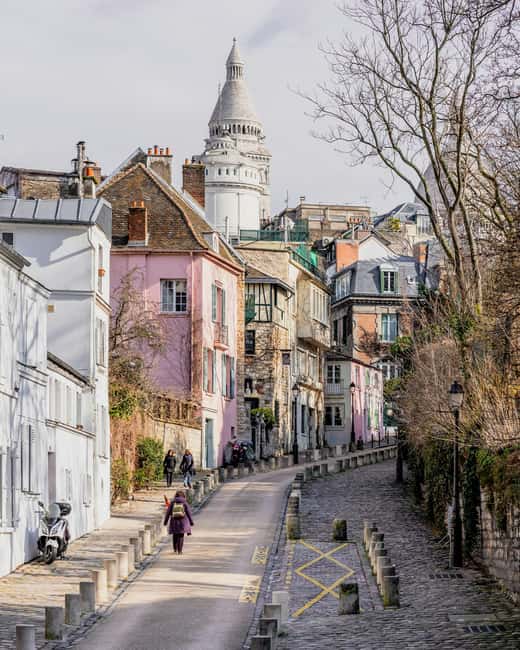
Montmartre rewards slow walking. In 90 minutes, you trace Van Gogh and Toulouse-Lautrec era landmarks, start at the I Love You Wall, and end with big Sacré-Cœur views.
I love the way this tour mixes art with real neighborhood details, like the Place du Tertre scene and the stories behind the hill. I also like the food-culture stop-in-the-middle approach, from cheese to charcuterie, which makes Montmartre feel like somewhere people actually eat.
One drawback: the route uses hills and narrow streets, so come with comfortable shoes and don’t assume it’s flat and easy.
In This Review
- Key Things You’ll Notice on This Montmartre Walk
- Where the Tour Starts at Saint-Jean de Montmartre (Rue des Abbesses)
- I Love You Wall: A Sweet, Modern Entry Point to Old Paris
- Moulin de la Galette, Renoir’s Trail, and the Streets That Inspired Art
- Rue des Abbesses: A Historic Street With Plenty of Character
- Montmartre’s Only Vineyard: The Contrarian Sight You’ll Remember
- Sacré-Cœur on the Hill: What to Notice Without Waiting in Lines
- Place du Tertre: Artists at Work (Not Just for Photos)
- La Bonne Franquette Ending: A Historic Table With Van Gogh and Monet Ties
- Price and Value: Why $41 Works for a 90-Minute Montmartre Tour
- Practical Tips So the Hill Doesn’t Beat You
- Who Should Book This Montmartre Tour (and Who Might Skip It)
- Should You Book This Montmartre Walk?
- FAQ
- Where is the meeting point for the Montmartre tour?
- How long is the walking tour?
- Is the tour only in English?
- What major sights will I see during the tour?
- Will I go inside Sacré-Cœur?
- Is food included?
- What should I wear or bring?
- Does the route include stairs?
- Is this tour wheelchair accessible?
- What is the cancellation policy?
Key Things You’ll Notice on This Montmartre Walk
- I Love You Wall in 300+ languages right at the start, so you get a fun hook before the art talk begins
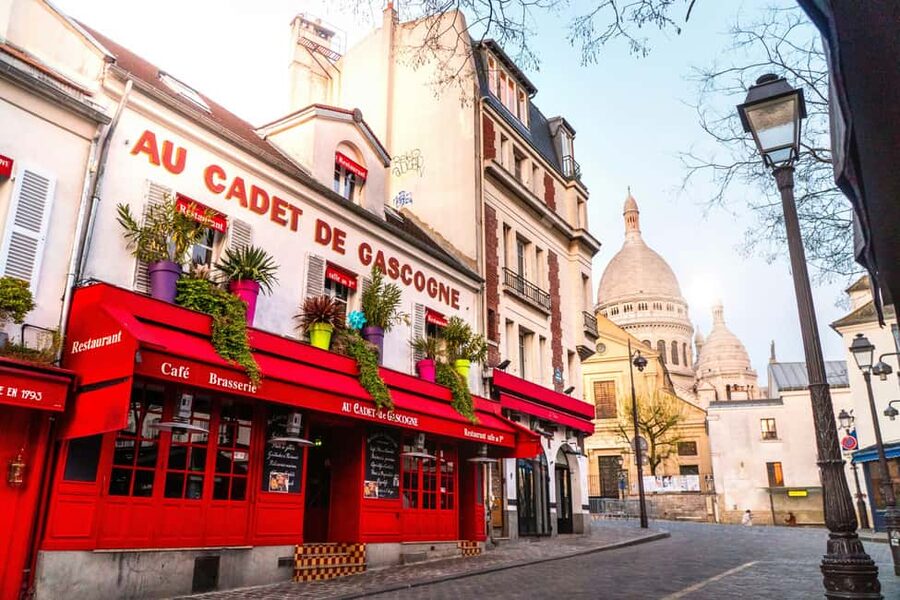
- Place du Tertre and its painters’ square where you can watch the craft side of Montmartre up close
- Paris’s last remaining vineyard during the walk, a detail you won’t see on most quick sightseeing routes
- Moulin de la Galette and the Renoir connection that links the streets to famous art history
- Sacré-Cœur viewpoints from street level with tips for what to notice before you enter on your own (if open)
Where the Tour Starts at Saint-Jean de Montmartre (Rue des Abbesses)
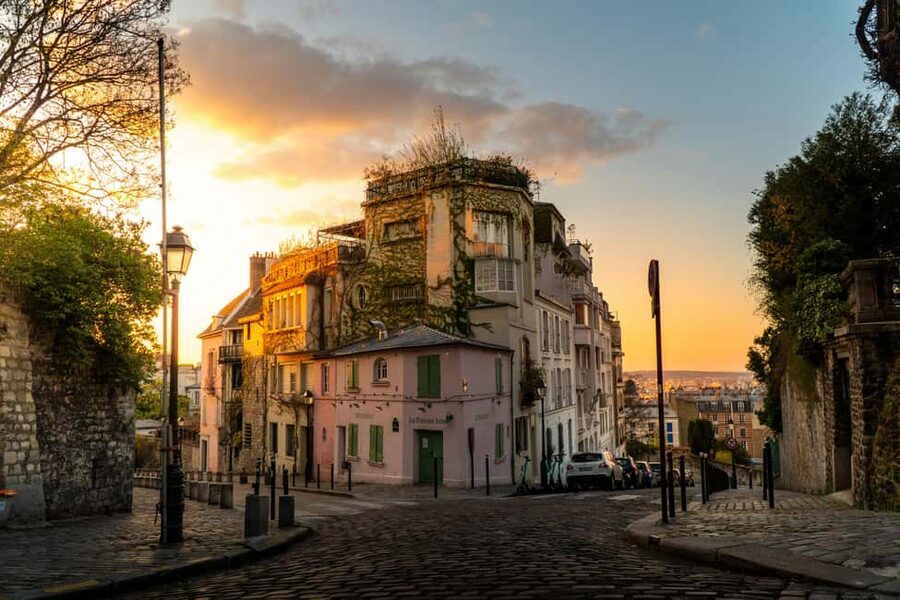
You’ll meet in front of Saint-Jean de Montmartre church at 19 Rue des Abbesses, 75018 Paris. Your guide holds an orange sign that says ExperienceFirst, so getting oriented is usually quick. If you like to avoid last-minute stress, paste the meeting address into Google Maps and aim to arrive a few minutes early.
This matters more than it sounds. Montmartre streets are narrow, and once you’re moving, you don’t want to be hunting for your group while the hill tugs at your legs. Starting at a clear landmark also sets you up to understand the neighborhood as a place, not just a checklist.
The tour wraps back at the same meeting point, so you don’t have to worry about ending somewhere unfamiliar. That makes it a smart pick if you’ve got other plans later and you want a clean, self-contained block of time.
You can also read our reviews of more walking tours in Paris



I Love You Wall: A Sweet, Modern Entry Point to Old Paris
Right after you start, you head toward the I Love You Wall, the one that spells I Love You in over 300 languages. It’s simple, but it works. It turns the energy on immediately and gives you a visual anchor before the tour gets into paintings, neighborhoods, and why Montmartre became an artist magnet.
This kind of opening is handy when you’re doing a walking tour. Your brain is still “landing” in a new place, and a playful landmark helps you shift from travel mode to exploring mode. From there, the streets start to make more sense, because you’re not just seeing random turns. You’re moving through areas tied to famous creative lives.
You’ll also be told what to pay attention to as you wander—so you can spot details you might otherwise miss, like odd art pieces and street corners that feel more like a studio than a sidewalk.
Moulin de la Galette, Renoir’s Trail, and the Streets That Inspired Art

As you walk, you’ll pass by Moulin de la Galette, a classic Montmartre landmark. It comes with an art-history link tied to Renoir, which gives the windmills-and-cafés vibe more meaning than a postcard.
This is one of the best parts of the tour: you get the “why” behind the scenery. Montmartre is full of surfaces that look pretty. The guide helps you connect those surfaces to the people and scenes that made the neighborhood famous to painters.
You’ll also move through Montmartre’s winding streets, and you’ll see a few unusual art stops along the way. These aren’t just decorative. They’re the reason Montmartre still feels like an artist neighborhood, even when crowds show up.
And yes, you’ll hear about the Van Gogh and Toulouse-Lautrec footsteps you’re following. The tour keeps the focus on how the artists’ world related to the streets around you, so the story doesn’t stay trapped in museums.
Rue des Abbesses: A Historic Street With Plenty of Character
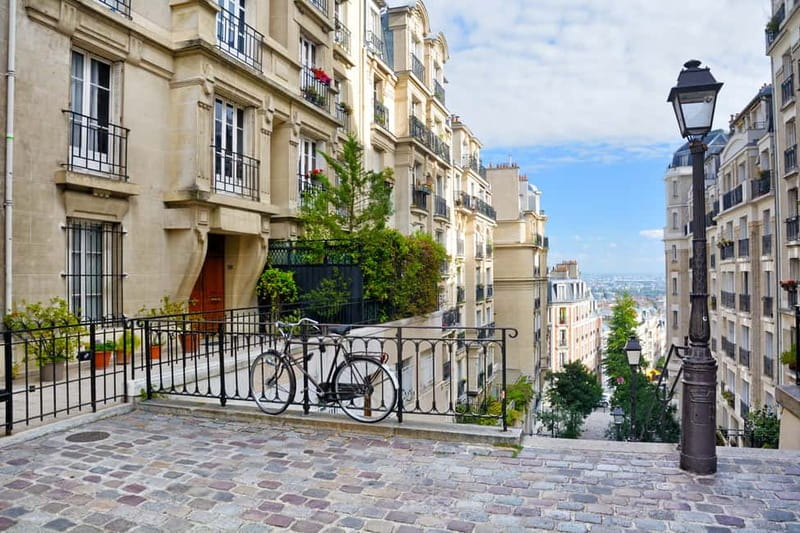
You’ll pass Rue des Abbesses, a historic street that often gets overshadowed by bigger names in Paris. Here, it feels like part of the neighborhood’s daily life—just with more art references than you’d expect on a normal walk.
What I like about this section is the pacing. You’re climbing and curving through Montmartre, but you’re also getting little moments to absorb the street feel: signage, terraces, and the way the hill changes what you see.
Also, your guide will point out pieces you might otherwise miss. That’s the whole trick with great local walking tours: the best payoff isn’t the headline monument. It’s spotting the small things that explain the place.
The tour avoids stairs, which helps, but the hills are real. If you’re sensitive to steep up-and-down walking, plan around it and take breaks when your body asks.
Montmartre’s Only Vineyard: The Contrarian Sight You’ll Remember
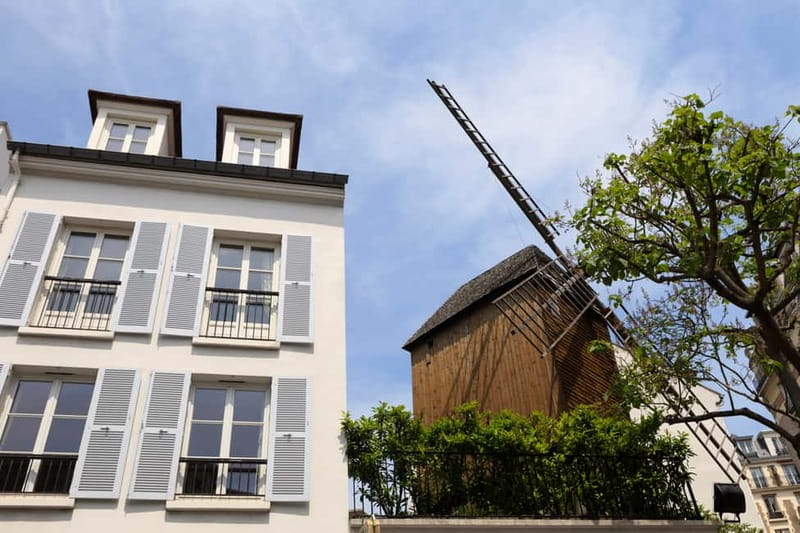
One stop that genuinely changes your perspective is the walk by the last remaining vineyard in Paris. It’s not a generic “photo spot.” It’s an actual surviving piece of the city’s agricultural past, sitting right inside an area people usually associate with art and nightlife.
If you’ve ever felt like Paris is all architecture and no surprises, this is your reset button. You’re walking through the same kinds of streets that influenced famous artists, but you’re also learning that Montmartre didn’t always look the way it does now.
The guide weaves in what this vineyard represents and why it’s significant. Even if you’re not the type who reads plaques slowly, this is the kind of stop that sticks in your memory. It’s a concrete detail that makes the neighborhood’s story feel more human.





Sacré-Cœur on the Hill: What to Notice Without Waiting in Lines
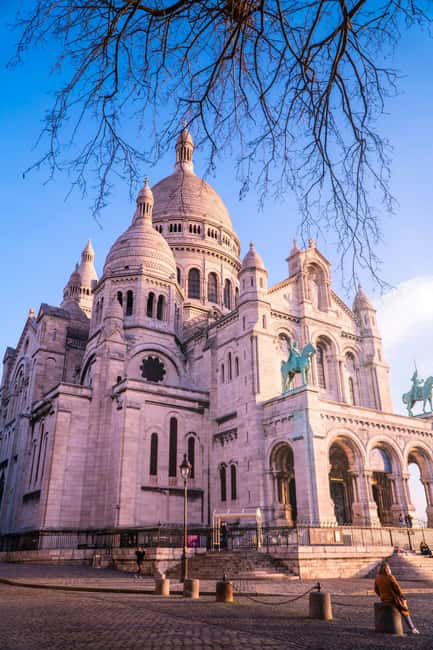
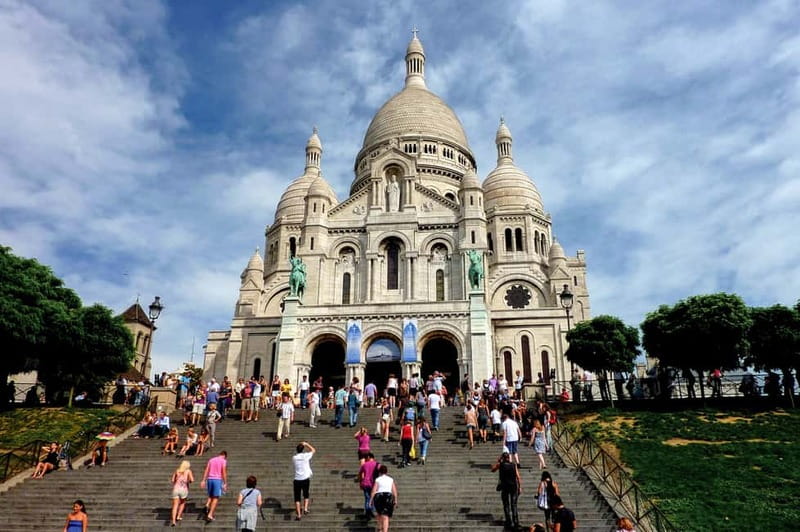
At the top, you’ll enjoy breathtaking views of Paris from the hill area around Sacré-Cœur Basilica. During the tour, you’ll mainly take in the basilica from the outside, while your guide explains the 19th-century architecture and what makes the structure visually striking.
This approach is great for value. You get the story and the best viewpoints without turning the tour into a queue-and-line exercise. Then, if the basilica is open, you’re welcome to explore on your own after the tour—free to enter when open.
What should you look for? Think about how the building dominates the hill, how light affects the façade, and how the viewpoint changes with each angle. Your guide’s exterior tips help you see more than the “big white church” impression.
It’s also a good moment to pause. The walking time is short—just 90 minutes—but the hill makes it feel longer. Sacré-Cœur is where the effort turns into payoff.
Place du Tertre: Artists at Work (Not Just for Photos)
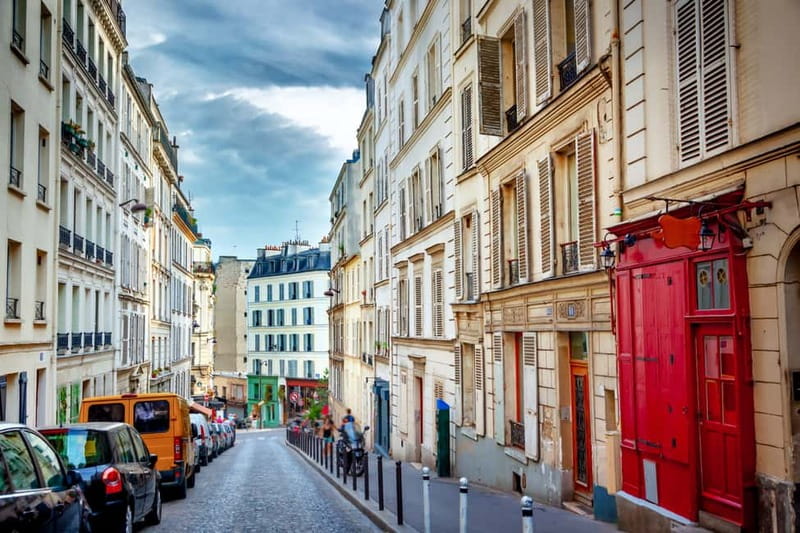
Once you’re back on the lower part of the hill, you’ll reach Place du Tertre, the famous square known for French artists. This is the place where you can watch creative people in a public setting, and it’s also where you’ll spot cozy terraces and the classic Montmartre vibe.
The guide also weaves in Parisian food talk here, including cheese and charcuterie. That may sound like a small detail, but it changes your experience. Instead of thinking only in art and landmarks, you’re learning how Montmartre “tastes.” It’s practical too: you’ll have an easier time choosing what to order later.
If you want the most out of this stop, linger for a few minutes. Move slowly around the square, then pick one place to pause and actually watch. Montmartre gives you theater-level scenery. The trick is to let yourself enjoy it like a real neighborhood, not a rushed photo stop.
La Bonne Franquette Ending: A Historic Table With Van Gogh and Monet Ties
The tour ends at La Bonne Franquette, a historic restaurant once frequented by Van Gogh and Monet. You don’t have to eat to enjoy it, but it’s a strong closing note because it ties artists to everyday life—food, conversation, and the kind of informal moments that help art happen.
The tour does not include food or drinks, so consider this your cue to plan your own meal. If you feel like it, step inside and see how the place fits the neighborhood story you’ve been learning about.
I like ending here because it gives you a next step. If Sacré-Cœur made you feel like you were at the top of Paris, La Bonne Franquette brings you back to earth. It’s the difference between seeing a view and actually living in the area for a few more hours.
Price and Value: Why $41 Works for a 90-Minute Montmartre Tour
At $41 per person for about 1.5 hours, this tour lands in the “doable without guilt” range. What you’re paying for isn’t just walking past sights. You’re paying for an English-speaking expert guide who explains what you’re seeing and helps you connect landmarks to the artistic legacy of the neighborhood.
The value boosts further because you get:
- Multiple big-name references (Moulin de la Galette, Sacré-Cœur, Place du Tertre) tied to context
- A standout detail you won’t get on most short routes (the last vineyard in Paris)
- Practical neighborhood info, including food culture tips
- Optional time to enter Sacré-Cœur yourself if it’s open (free when open)
The one trade-off: there’s no food or drinks included. If you want a full lunch or a wine stop, you’ll need to budget extra. Still, the tour gives you guidance so you’re not guessing what sounds good once you’re hungry.
For people who like guided storytelling but don’t want a long day, this is a sweet length. You get a complete neighborhood sweep without spending your whole afternoon climbing up and down.
Practical Tips So the Hill Doesn’t Beat You
This is an easy tour to love, but not to ignore physically. The route doesn’t include stairs, yet it still has hills and narrow, sometimes busy streets. If you’re even mildly unsure about your walking stamina, treat this as a gentle challenge and wear shoes you trust.
A few smart moves:
- Wear comfortable shoes with good grip. Montmartre sidewalks can be uneven.
- Bring water if it’s warm, even though the tour doesn’t include drinks.
- Plan to take it slow. The tour is short, so small pauses pay off.
Also, double-check your timing around Sacré-Cœur. The tour visits the exterior, and entry is free only when open. If it’s closed, you’ll still have the viewpoints and architecture explanations from outside.
Who Should Book This Montmartre Tour (and Who Might Skip It)
This walking tour fits you best if you want:
- A short Montmartre experience with art history plus real neighborhood stops
- Clear guidance on what you’re seeing at Sacré-Cœur, rather than just standing for photos
- A mix of famous sites and one unusual detail: the vineyard
- A guide who can tell stories with energy and keep the walk moving at a human pace
It might not fit as well if you need wheelchair access. The activity is not suitable for wheelchair users.
The review side of the experience also points to one strong theme: guides tend to be engaging, with plenty of local recommendations and a storytelling style that keeps people interested. Names you may see in prior tour groups include Linda, David, Sara, Heidi, Paula, Sam, and Eleanor, which is a fun hint that you’re likely to get a real person, not just a script.
Should You Book This Montmartre Walk?
I’d book it if you want a 1.5-hour Montmartre overview that mixes famous landmarks with less expected details like the vineyard and the food-culture talk. It’s also a strong choice if you’re not trying to spend the whole day climbing, because the tour avoids stairs and stays focused.
Skip it only if hills and busy narrow streets are hard for you. If that’s your situation, you’ll enjoy Montmartre more with a less demanding plan.
If you do book: show up with good shoes, be ready to look up at Sacré-Cœur, and don’t rush Place du Tertre. That’s where the neighborhood energy becomes real.
FAQ
Where is the meeting point for the Montmartre tour?
Meet in front of Saint-Jean de Montmartre church at 19 Rue des Abbesses, 75018 Paris. Your guide will be holding an orange sign that says ExperienceFirst.
How long is the walking tour?
The tour is listed as 1.5 hours (about 90 minutes). Starting times depend on availability.
Is the tour only in English?
Yes, the tour is run with an English-speaking guide.
What major sights will I see during the tour?
You’ll see the Place du Tertre area, Moulin de la Galette, Rue des Abbesses, Paris’s only remaining vineyard, and you’ll get hilltop views of Sacré-Cœur while learning about the basilica’s architecture.
Will I go inside Sacré-Cœur?
The tour passes by Sacré-Cœur Basilica exterior. It’s free to enter when open, and your guide shares tips if you want to go in on your own after the tour.
Is food included?
No. Food and drinks are not included.
What should I wear or bring?
Bring comfortable shoes. The route includes hills and narrow, sometimes busy streets.
Does the route include stairs?
The route doesn’t include stairs, but it does involve navigating hills and narrow streets.
Is this tour wheelchair accessible?
No, it is not suitable for wheelchair users.
What is the cancellation policy?
Free cancellation is available up to 24 hours in advance for a full refund. Reserve now and pay later options are also offered.