REVIEW · NEW YORK CITY
NYC Underground Subway Walking Tour
Book on Viator →Operated by Untapped New York · Bookable on Viator
Subway tunnels have secrets. This NYC underground walking tour pairs classic architecture stops with a real ride on the 6 train, including abandoned ghost stations, and it does it with earpieces so you don’t miss the guide’s details.
I like how the pacing stays human: it’s a small group (max 12) and you get time to ask questions, not just follow like a crowd. I also love the mix of themes, from early subway ideas near City Hall to the art you can spot at Union Square, plus the local lore you’d never guess just standing on the platform.
The main thing to consider is physical effort. Expect stairs and a good amount of walking, plus time underground where you may feel hotter or more crowded than you planned.
In This Review
- Key things you should know before you go
- Starting at 200 Broadway: why this location matters
- Earpieces in the tunnels: how to get the most out of the audio
- City Hall Park: where the story starts with visible remnants
- Municipal Building: why transit planning wasn’t just engineering
- Union Square station: art you’ll actually notice afterward
- The 6 train ride and the “ghost station” factor
- Views toward Brooklyn Bridge: the quick “above-ground” payoff
- Stairs, heat, and comfort: what to wear for a 2-hour mission
- Small group size and the guide factor: why it feels personal
- Price and value: is $39 fair for what you get?
- Who this tour is best for
- Should you book this NYC Underground Subway Walking Tour?
- FAQ
- FAQ
- How long is the NYC Underground Subway Walking Tour?
- Where does the tour start and where does it end?
- How much does it cost?
- What’s included in the tour price?
- Do I need a MetroCard?
- How big is the group?
- Is the tour offered in English?
- Are service animals allowed?
- Can I cancel for a full refund?
- Do I need tickets for the stops?
Key things you should know before you go
- Earpieces included: each person gets audio help, which matters in noisy stations.
- 6 train ride + ghost stations: you’re not just looking from above; you’re riding through abandoned stops.
- Small group (max 12): easier conversation, less rushing, more time for questions.
- Three standout areas on foot: City Hall Park remnants, Municipal Building context, and Union Square station art.
- Native New Yorker-led: guides bring local understanding to the tunnels, stations, and quirks of service.
Starting at 200 Broadway: why this location matters
This tour begins at 200 Broadway, right in Lower Manhattan, in the orbit of the Fulton Center area. That matters because you’re starting where a lot of transit lines and pedestrian flow collide. You don’t feel like you’re going out to a far-flung museum; you feel like you’re stepping into the working nervous system of the city.
You’ll also get a clear “orientation moment” early on. The experience is designed to help you understand what you’re seeing before you’re stuck trying to decode it all at once. If you’ve ever ridden the subway and thought, I know I’m on a route, but I don’t know why it looks like this, that’s exactly the gap this tour fills.
One more practical note: this is a mobile ticket experience. That’s useful in a city where paper tickets can feel like an extra step.
You can also read our reviews of more walking tours in New York City



Earpieces in the tunnels: how to get the most out of the audio
The biggest upgrade here is that you get earpieces. In subway spaces, sound bounces around, trains roar, and announcements compete with everything. When the earpieces work well, it’s night and day. You can hear the guide without having to lean in and squint at their mouth.
A couple of points so you don’t get caught off guard:
- Keep the earpiece snug and follow the guide’s instructions at the start.
- If you feel like you’re straining to hear, say something right away. Getting audio corrected early is the easiest fix.
- Wear comfortable shoes and keep one hand free when you move through stairs and station corridors.
The tour language is English, and that’s a real advantage for getting the history explained clearly while you’re still in motion.
City Hall Park: where the story starts with visible remnants
Stop 1 is City Hall Park, and the theme is the creation of the very first NYC subway station. What makes this stop special is that you’re not just hearing theory. You’re standing in a place where remnants are visible, tying the idea of early subway ambition to something you can actually see.
This is also where the tour helps you understand why the subway became such a major civic project, not just a transportation fix. You’ll connect the roots of the system with the shapes of stations and the way Lower Manhattan developed around transit.
You’ll spend about 15 minutes here. That’s enough time to absorb the context without turning the tour into a museum lecture. If you like history that connects to the street in front of you, this first stop does that job well.
The potential drawback: City Hall Park is in an active downtown area, so you’ll want to watch your footing when groups bunch up.
Municipal Building: why transit planning wasn’t just engineering
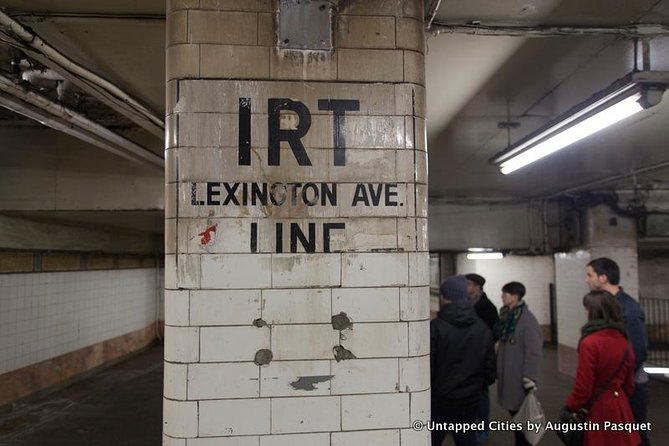
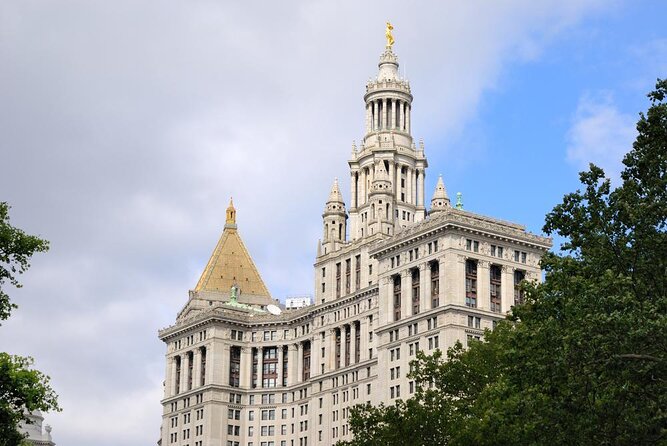
Next up is the Municipal Building stop. Here, the focus shifts from “how the subway works” to “how cities decide what to build.” You’ll learn about the importance of the building in the creation of the NYC subway system.
In plain terms: mass transit is political. It’s budget, priorities, design choices, and public arguments—plus the engineering. Standing near this building helps you picture how subway expansion wasn’t only driven by technical solutions. It was also driven by city leadership and the practical reality of getting trains under a dense urban grid.
This stop is shorter (around 10 minutes). That works because the tour keeps momentum. You’re not stuck in one place too long, but you still get the “why” behind the system’s evolution.
If you want a tour that treats the subway like a living civic project, this stop is one of the most satisfying parts.
Union Square station: art you’ll actually notice afterward
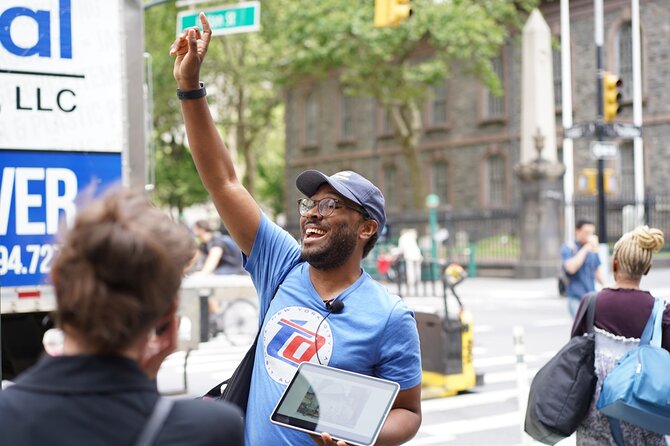
At Union Square, the tour spotlights the subway station’s surprising art installations. The key value here is perception. Tons of people pass through stations without really looking. This stop flips that. You learn what you’re looking at, and then you start noticing details on your way out.
Union Square is also an easy place to relate to, because it’s a busy station in a busy neighborhood. The art installations feel like a contrast: people rushing above and below, yet someone made space for beauty within the transit environment.
You’ll spend around 10 minutes at this stop. The time is tight enough to keep it energetic, but long enough to take photos and actually read what you’re seeing if the guide points it out clearly.
Consideration: this area can be crowded. If you’re sensitive to noise and bustle, keep your expectations realistic. The point is to see and understand the art in context, not to have a quiet gallery experience.






The 6 train ride and the “ghost station” factor
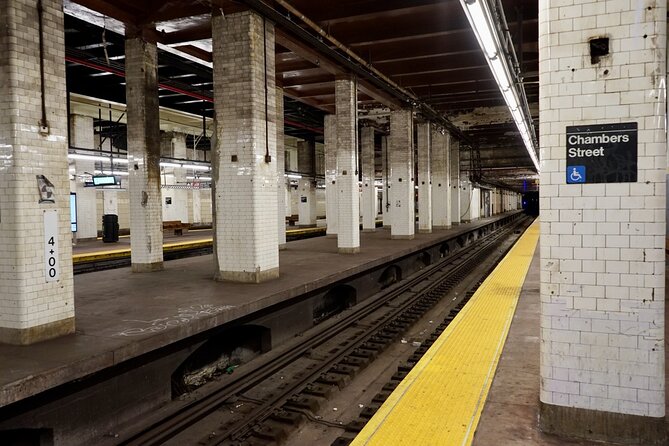
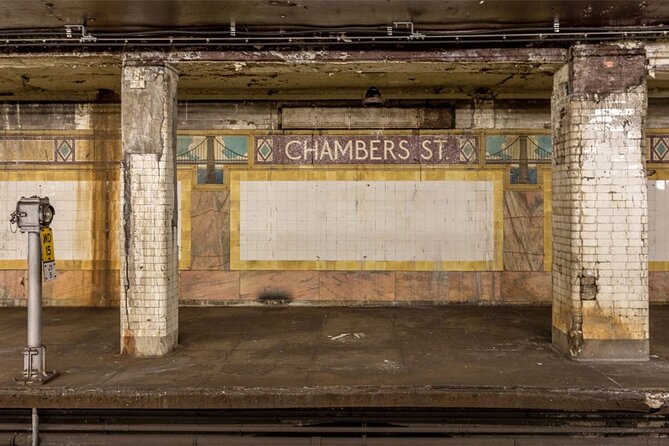
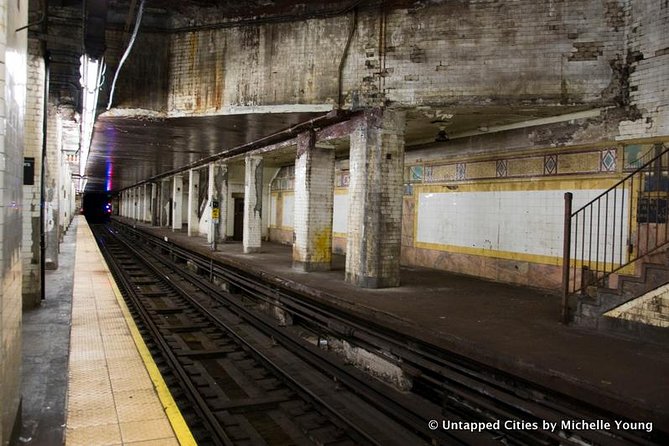
The headline experience is the ride on the 6 train through abandoned ghost stations. This is where the tour feels most like a behind-the-scenes story. You’re moving through the underground reality that many riders never notice, and the guide helps explain what you’re seeing and why it’s part of the system’s layered timeline.
Even if you’re not a train enthusiast, this section usually clicks because it changes your relationship with the city. Suddenly the subway isn’t just a way to get somewhere. It becomes a timeline under your feet.
What you can expect during the ride:
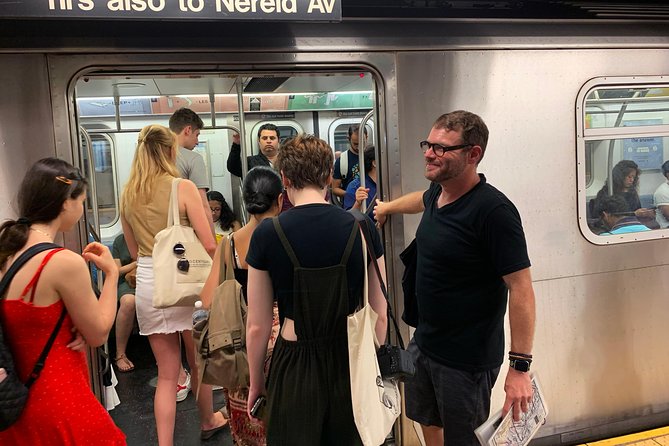
- You’ll likely spend time underground, where sound and crowding can be intense.
- The earpieces are especially important here since trains and station noise compete with the guide.
- You’ll be looking out for cues the guide calls attention to, so keep your eyes up when the group pauses or shifts position.
One drawback that shows up in feedback patterns for this kind of experience: the total time underground can feel long for some people. If heat, noise, or claustrophobia are issues for you, come prepared (more on that below).
Views toward Brooklyn Bridge: the quick “above-ground” payoff
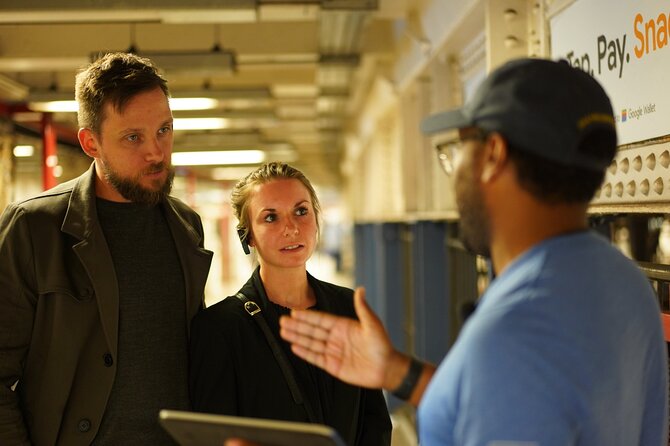
Early in the tour, you’ll get views toward Brooklyn—paired with the Brooklyn Bridge perspective mentioned as a highlight. This is a smart choice. After the intensity of subway geography, a visual glimpse of the skyline gives your brain a reset.
It also helps you build a mental map. When you later walk through stations and tunnels, it’s easier to understand how everything relates to the city above ground—especially if you’re the type who likes to orient yourself before you move.
This segment isn’t long, but it improves the overall story flow.
Stairs, heat, and comfort: what to wear for a 2-hour mission
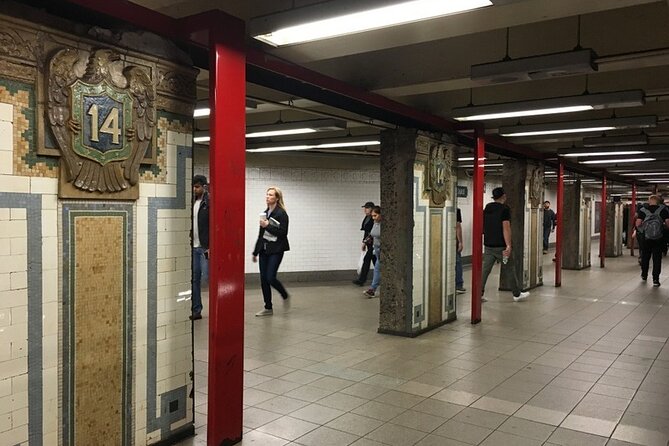
This tour runs about 2 hours. That time isn’t wasted, but it isn’t effortless either. Expect a fair bit of walking and stairs—the kind of stairs that don’t care about your travel plans.
Here’s how I’d prepare:
- Wear shoes you can walk in for 90 minutes without bargaining with your feet.
- If it’s warm, assume the subway environment can feel hot and stuffy.
- Bring a small water bottle if you’re the kind of person who runs dry during long walks.
- If you need to keep a steady pace, ask questions in the moments when the group pauses rather than while you’re climbing.
One more comfort tip: keep your phone secure and ready for quick photos. You don’t want to fumble with it while the group is moving between spaces.
In short, this is a walking-and-stairs tour that happens to include subway rides. Plan it like activity, not like a leisurely stroll.
Small group size and the guide factor: why it feels personal
The tour has a maximum group size of 12. That changes the tone. You can hear the guide, you can move with less chaos, and you’re more likely to get your questions answered without feeling like you’re interrupting a factory line.
In the feedback I saw reflected through guide names (like Pete and AJ, plus guides such as Cullen, Rayn, and Ryan), the common thread is energy and detail. These guides tend to connect system design to everyday rider experience, and they’re quick to handle the practical moments where people get confused.
You should still know that this tour covers a lot of content in a short amount of time. If you’re hoping for slow, quiet narration and long station stops, this might feel fast. If you want a structured route that makes you look at the subway differently by the end, it’s a strong fit.
Price and value: is $39 fair for what you get?
At $39 per person, you’re paying for three things that normally cost more separately: a guided route on foot, an organized subway component (including the 6 train ride segment), and earpieces so the guide can be heard.
Is it “cheap”? No. Is it reasonable for what’s packed into about 2 hours in one of the busiest transit systems on earth? Yes.
It’s especially good value if:
- You already ride the subway and want to understand why it looks the way it does.
- You’re traveling with someone who loves transit details or architecture.
- You like tours that change how you move through a city afterward.
If you’re only looking for basic sightseeing without getting into the structure and history of the subway, you might feel it’s more than you need. But if your curiosity runs toward how cities build and adapt, $39 buys a lot of focused attention in the underground.
One practical note on demand: this tour is commonly booked about 24 days in advance. If your dates are fixed, plan earlier rather than later.
Who this tour is best for
This experience is a great match if you:
- Want NYC subway history tied to real places you walk through.
- Like architecture and station details, including the art at Union Square.
- Enjoy a “see it, understand it, then ride it” format.
- Want a structured way to grasp the subway system’s complexity without getting lost on your own.
It might be less comfortable if you:
- Struggle with stairs or dislike being underground for stretches.
- Are extremely sensitive to sound and worry you might not hear well even with earpieces.
- Prefer totally flexible itineraries where you can wander at will.
Should you book this NYC Underground Subway Walking Tour?
If your ideal day includes a guided route, a chance to ride the subway with context, and a look at abandoned ghost stations on the 6 line, I think this is an easy yes at $39. The combination of earpieces, small group size, and the blend of City Hall Park, Municipal Building context, Union Square art, and a real train ride gives you more value than a typical “stand and listen” tour.
If you hate stairs or get uncomfortable underground, choose your timing carefully and wear the right shoes. Otherwise, you’ll likely come away with a new appreciation for how New York built (and keeps rebuilding) its underground world.
FAQ
FAQ
How long is the NYC Underground Subway Walking Tour?
It runs for about 2 hours (approx.).
Where does the tour start and where does it end?
It starts at 200 Broadway, New York, NY 10038, and it ends back at the meeting point.
How much does it cost?
The price is $39.00 per person.
What’s included in the tour price?
You get a guided walking tour with a native New Yorker, and earpieces are provided so you can hear the guide clearly.
Do I need a MetroCard?
Yes. A Metro Card (1 swipe) is not included.
How big is the group?
The tour has a maximum of 12 people.
Is the tour offered in English?
Yes, it’s offered in English.
Are service animals allowed?
Service animals are allowed.
Can I cancel for a full refund?
Yes. You can cancel up to 24 hours in advance for a full refund.
Do I need tickets for the stops?
City Hall Park is listed as free (Admission Ticket Free). The tour uses station areas and guided stops rather than paid admissions.