REVIEW · PARIS
Paris: French Revolution Walking Tour
Book on GetYourGuide →Operated by Mon Petit Paris · Bookable on GetYourGuide
Paris gets darker when you walk it. This French Revolution tour turns central Paris into a moving story, with conspiracy and street-level violence played out on real corners. You’ll get the events that changed everything—fast enough for a 2-hour walk, but detailed enough to feel like a proper hunt.
I especially love the way the guide brings scenes to life. Guides such as Louis and François (and others like Fran, Sam, Amber, Guillaume, and Ilan) are praised for clear English, steady pacing, and a first-person style that makes you feel closer to the moment.
The main thing to watch is that the route can feel not strictly chronological. It’s still coherent, but if you want every stop in exact date order, you may notice the story is organized for impact rather than textbook sequence.
In This Review
- Key Points That Make This Tour Worth Your Time
- Meeting Point: Find the Sphinx at Place du Châtelet
- What a “Treasure Hunt” Revolution Tour Means in Real Life
- The Big Theme: How 1789 Changed Paris
- Louis XVI, Marie Antoinette, and the Endgame of the Monarchy
- Conspiracy and Intrigue: The Story That Isn’t in the Textbook
- The Bastille Payoff: Pressure Builds, Then Breaks
- Stops and Streets: Churches, Marais Vibes, and Small History Clues
- Your Guide: Where the Tour Really Becomes a Story
- Timing and Comfort: A 2-Hour Walk With Real World Noise
- Price and Value: Is $46 Reasonable for Two Hours?
- Who This Tour Fits Best (And Who Might Prefer Something Else)
- Should You Book This Paris French Revolution Walk?
- FAQ
- Where does the tour meet?
- How long is the Paris French Revolution walking tour?
- Is the tour in English?
- Is hotel pickup included?
- What’s included in the price?
- Is the tour wheelchair accessible?
- What is the cost per person?
- Can I cancel and get a refund?
- Can I reserve without paying right away?
Key Points That Make This Tour Worth Your Time
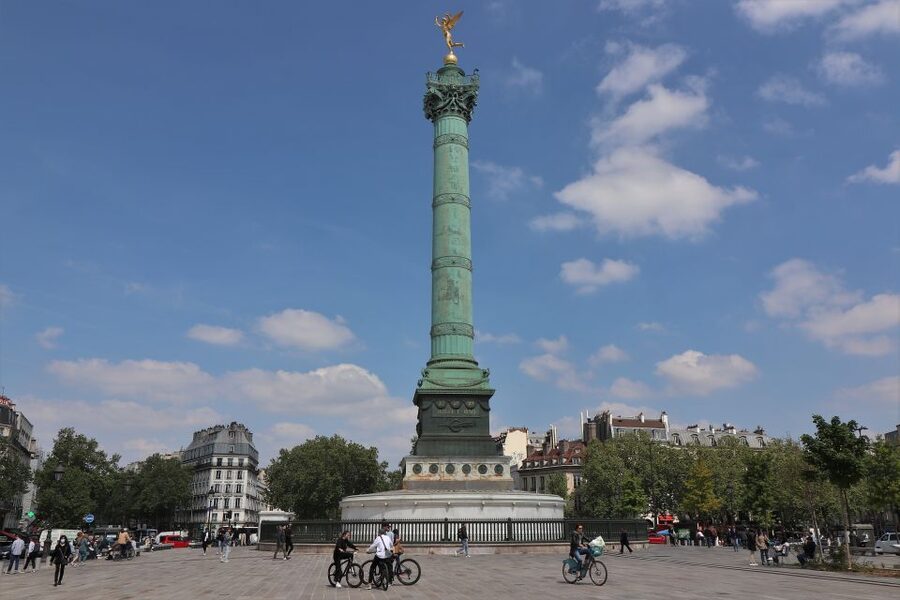
- Real places, not just names: you walk through the city where the Revolution’s turning points played out.
- English storytelling that stays clear: guides are consistently described as easy to hear, even with noisy streets.
- A story arc built for two hours: you don’t drown in dates; you get cause-and-effect momentum.
- Guillotine-era focus: you’ll hear what happened to Louis XVI and Marie Antoinette.
- Bastille build-up as a payoff: the ending pushes you toward the storming of the Bastille.
- Question-friendly hosts: guides often adjust to your curiosity without losing the thread.
Meeting Point: Find the Sphinx at Place du Châtelet
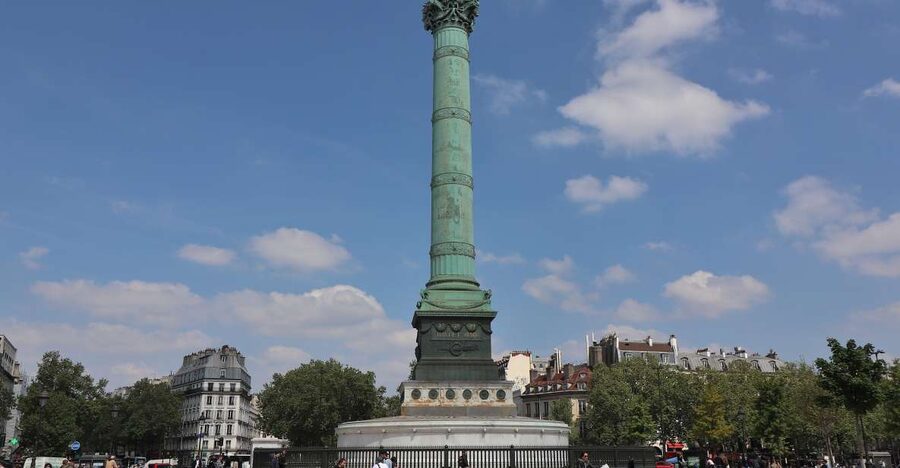
Your tour starts in front of the Fontaine au Sphinx on Place du Châtelet. It’s a handy meeting spot because it’s central and recognizable, but you still want to arrive a few minutes early so you can get settled before the group moves.
From this point, you’ll be walking through the “heart of Paris,” the kind of area where streets feel historic without needing special effects. The big value here: you’re not just looking at famous monuments from far away. You’re moving alongside the same urban fabric that shaped how people gathered, traveled, panicked, and plotted.
Practical tip: wear shoes you can walk in comfortably for the full 2 hours. This isn’t the kind of tour where you can stop every five minutes. It’s more like a story marathon with regular pauses.
You can also read our reviews of more walking tours in Paris



What a “Treasure Hunt” Revolution Tour Means in Real Life
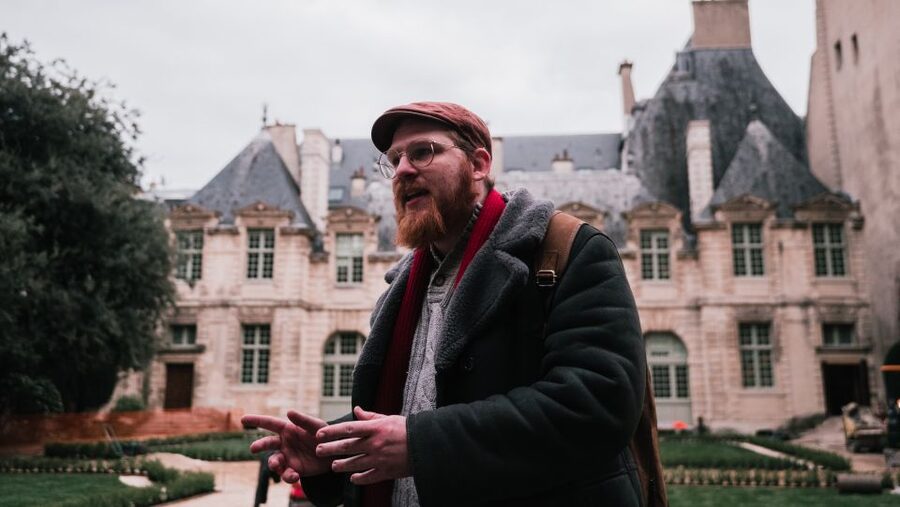
This tour doesn’t treat the French Revolution like a chapter in a school workbook. The experience is framed as a kind of treasure hunt across old stone streets—searching for small details and tucked-away context that turns big events into human-scale moments.
What that looks like during the walk:
- You’ll be guided to notice specific historical references tied to where you are.
- The guide uses a tight narrative to connect conspiracy, intrigue, mystery, and mass murder without making you feel lost.
- You’ll hear “bone-chilling” details about key events—especially the endgame of the monarchy—without it turning into pure shock value.
For you, the payoff is clarity. Instead of memorizing isolated facts, you start to see the Revolution as a chain reaction: court decisions, public pressure, rumor, and fear all feeding each other until violence becomes the language of politics.
The Big Theme: How 1789 Changed Paris
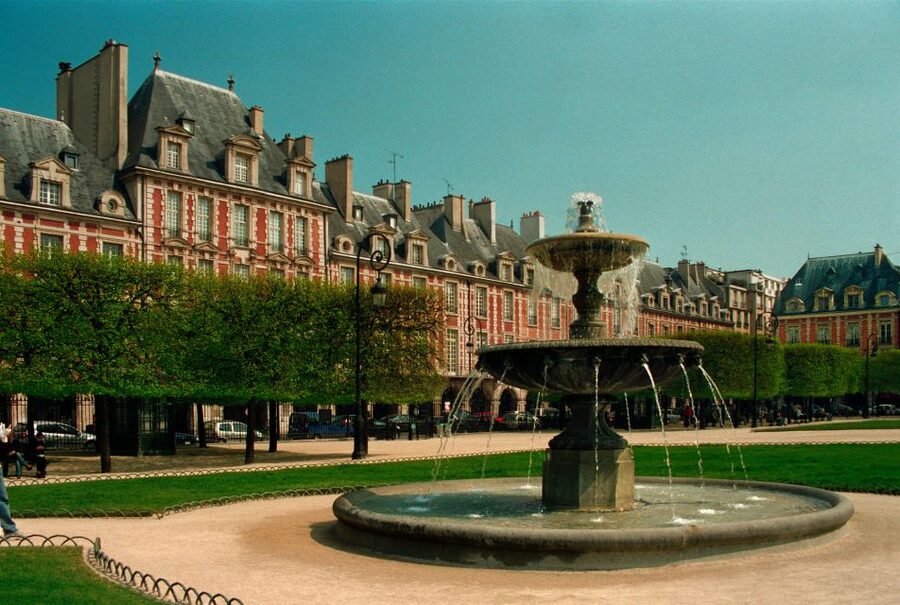
The heart of the tour is the question: How did the 1789 Revolution transform Paris? You’ll get the sense that the city’s streets weren’t just a backdrop. They were the stage where power got renegotiated in public—where ordinary people could become forces to be reckoned with.
You also get help understanding a Revolution isn’t one moment. It’s years compressed into a fast-moving story. That’s why a 2-hour walking format works: your guide can highlight turning points, then keep the rhythm so you finish with momentum instead of confusion.
One note worth keeping in mind: the tour can be dramatic. It’s aimed at making the human stakes feel real. If you’re sensitive to topics like executions and mass violence, you’ll want to mentally brace for darker material, since that’s part of the package.
Louis XVI, Marie Antoinette, and the Endgame of the Monarchy
A standout part of this tour is the focus on the guillotine-era turning points—specifically what’s described as when Louis XVI and Marie Antoinette met the blade. Even if you’ve read simplified versions of the story, hearing it tied to specific locations and narrative framing changes how it lands.
Here’s why this matters for your understanding:
- Executions weren’t just punishment; they were messaging. People were watching, learning, and adjusting their expectations of what was possible.
- The Revolution’s political logic moved quickly from accusation to irreversible consequence.
- When the monarchy falls, the city’s emotional center shifts too—crowds, pamphlets, and political clubs accelerate.
In a well-told Revolution story, the ending isn’t random. It’s the culmination of earlier tensions. Expect your guide to connect the dots so you don’t just hear what happened—you learn what led to it.
Conspiracy and Intrigue: The Story That Isn’t in the Textbook
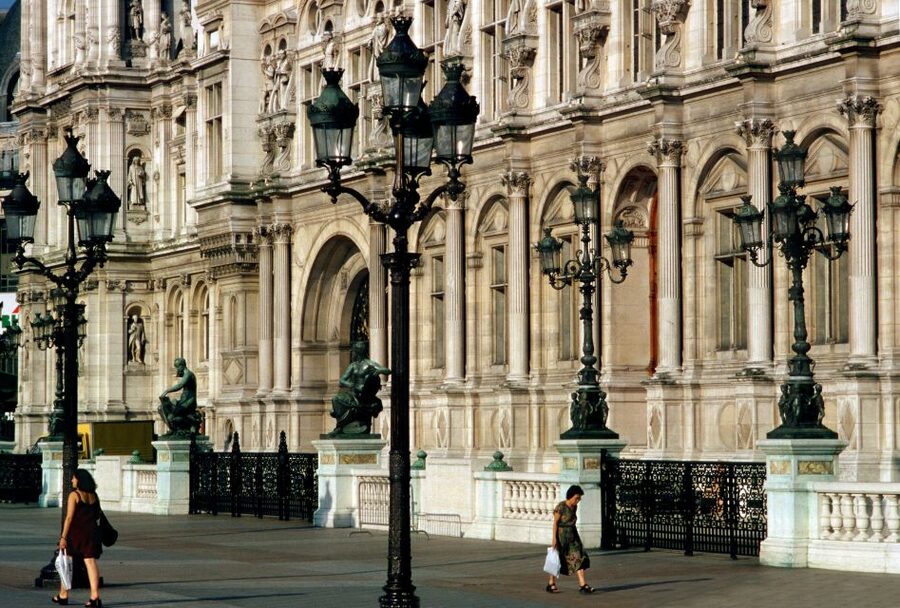
One of the tour’s most interesting angles is how it handles conspiracy and intrigue. The Revolution is often taught like a parade of leaders and dates. Here, the emphasis is on the uncertainty people lived with: plots, counter-plots, rumors, and shifting loyalties.
You can also expect references to a dark prophecy tied to the demise of a key revolutionary. The point isn’t to make it sound supernatural. It’s to show how fear, belief, and political timing can line up into something deadly.
If you’re the kind of person who likes explanations rather than pure spectacle, this is a major plus. Many guides described their narration as nuanced—bringing newer theories alongside older ideas so the Revolution feels complex, not simplified.





The Bastille Payoff: Pressure Builds, Then Breaks
The tour’s payoff is built around the road to the storming of the Bastille. You’ll get a day-by-day feel leading up to that moment, which is a smart way to handle such a massive event. Instead of treating Bastille as a single date to memorize, you understand it as an outcome of escalating pressure.
What makes the ending especially useful is how it resets your perspective. When you’ve been walking through smaller political moments and darker plots, the Bastille moment becomes the loud punctuation mark. You start to see why the crowd energy mattered and why the political climate was ready to snap.
If you’re traveling with teens or anyone who thinks history is boring, this is often the part that converts them. It’s not just facts—it’s cause, tension, and release.
Stops and Streets: Churches, Marais Vibes, and Small History Clues
Even without a giant list of landmark photos, the tour is designed around street-level recognition. You may pass through areas linked to the Revolution-era story, including streets people associate with the Marais, and you might notice churches and the way the Revolution impacted religious institutions and public life.
That kind of stop is valuable because it gives you context for what changed beyond politics—what changed for daily living, public authority, and social identity.
A practical consideration: with only 2 hours, you can’t cover every major site you might see on a first-time Paris map. Some bigger “this would be cool to add” locations may not get the same attention because the guide keeps the group moving and focuses on the Revolution story thread instead of a classic checklist.
Your Guide: Where the Tour Really Becomes a Story
This is a guide-led walking tour, and the guide quality is the whole engine. Across the different hosts named, you’ll see repeated themes: clear English, strong storytelling, and a comfort with answering questions.
A few guide traits you can count on:
- Clear speaking voice: helpful when you’re hearing French history in the middle of busy streets.
- Comfortable pacing: the tour is described as nicely paced, with time to keep up and a rhythm that works for most groups.
- First-person style: some guides frequently use first-person explanations, which can make the street scenes feel immediate.
- Nuance and accuracy: guides are described as balancing newer interpretations with older ones, instead of overselling one version.
Names you might encounter include Louis, François, Fran, Sam, Amber, Guillaume, and Ilan. The important thing for you isn’t the name on the schedule—it’s the result: you should leave understanding the Revolution as a real sequence of human choices.
Timing and Comfort: A 2-Hour Walk With Real World Noise
The duration is 2 hours, and that’s exactly the right length for this topic. You get enough time for a meaningful story arc, but not so long that you’re wandering in fatigue while trying to track centuries of events.
Still, plan like you’re on a concentrated city walk:
- The streets can be noisy, so keep your ears open and don’t drift.
- The group needs to stay together; if you stop to take lots of photos, expect to catch up.
- If your day includes a lot of museum time, you might want this tour earlier so your brain can handle details.
Some guides also incorporate a comfort break. Even if it isn’t guaranteed to match your exact needs, it’s smart to use the mid-walk moment to reset.
Price and Value: Is $46 Reasonable for Two Hours?
At $46 per person for a 2-hour guided walking tour, you’re paying mostly for two things: a live guide and an organized narrative that turns locations into meaning.
Here’s how I think about value for this particular tour:
- If you try to DIY the Revolution story, you’ll spend time figuring out where to go and how to connect events. The guide handles that linking for you.
- You’re getting a curated arc—from monarchy’s collapse and the guillotine to the mood shift toward Bastille—without needing to study for days.
- The best “value” sign is that the guide can compress complicated history into a story you can follow on foot.
So yes, it’s a fair price for what’s delivered. You’ll get your money’s worth most if you enjoy story-based history and want context you can’t easily pull from a plaque.
Who This Tour Fits Best (And Who Might Prefer Something Else)
This tour is a strong fit if you:
- Want history with a narrative instead of lecture style.
- Enjoy walking a city while learning what happened there.
- Like guides who answer questions and adjust to curiosity.
- Are okay with darker topics like executions and mass violence.
It also works well for mixed groups. One set of visitors included adults with teens, and the younger crowd still found it engaging. That suggests the tour’s pacing and story style are built to keep people with different attention spans on board.
You might consider an alternate approach if you:
- Need exact chronological sequencing as the top priority.
- Want to focus only on a few famous monuments rather than a story that moves across multiple street scenes.
- Prefer a gentler, less intense tone.
Should You Book This Paris French Revolution Walk?
If you’re choosing between doing Revolution history the “book” way or the “walking Paris” way, I’d pick this style of tour. The big reason is simple: it helps you feel the logic of what happened, not just memorize what happened.
Book it if you want an English-led, story-driven walk from Place du Châtelet with clear explanations, strong guide performance, and a payoff built around the road to Bastille. Skip it if you’re chasing a strictly chronological monument checklist or you want a lighter, less intense version of Revolution history.
FAQ
Where does the tour meet?
Meet your guide in front of the Fontaine au Sphinx on Place du Châtelet before the start of your tour.
How long is the Paris French Revolution walking tour?
It lasts 2 hours.
Is the tour in English?
Yes, the live tour guide speaks English.
Is hotel pickup included?
No, hotel pickup and drop-off are not included.
What’s included in the price?
The tour includes a walking tour and a guide.
Is the tour wheelchair accessible?
Yes, it is listed as wheelchair accessible.
What is the cost per person?
The price is $46 per person.
Can I cancel and get a refund?
Yes. You can cancel up to 24 hours in advance for a full refund.
Can I reserve without paying right away?
Yes. You can reserve now and pay later, with an option to book your spot without paying today.