
REVIEW · PARIS
Paris: Montmartre Highlights Walking Tour with a Local Guide
Book on GetYourGuide →Operated by Paris Tours Experiences · Bookable on GetYourGuide
Montmartre hits different at walking speed. This small-group tour strings together the neighborhood’s art history and street-level charm, starting under Sacré-Cœur and ending at Place du Tertre while you learn why this hill became Paris’s creative magnet. I love the way the guide ties famous names to specific corners you can actually point at, and I love the small group feel that keeps the pace friendly. One thing to consider: it’s not built for wheelchair users or people with mobility impairments, so you’ll want to plan for uneven sidewalks and lots of walking.
If you care about where the stories live, not just what the sights are called, this is a great fit. Expect a route that mixes big landmarks—like the Wall of Love and Bateau-Lavoir—with quieter passages, vineyards, courtyards, and old-school cabarets that many people miss on a quick first visit. Guides I met on this kind of route (like Yazid, Silvia, and Jean Baptiste) are known for making it feel personal, not like a checklist.
In This Review
- Key highlights you’ll actually remember
- Why this Montmartre tour feels worth $34
- Starting under Sacré-Cœur: Place Saint-Pierre and the view that sets the mood
- Stop 1: The Wall of Love is more than a photo wall
- Stop 2: Le Bateau-Lavoir and the artists you can almost feel nearby
- Stop 3: Moulin de la Galette—where the icon came from
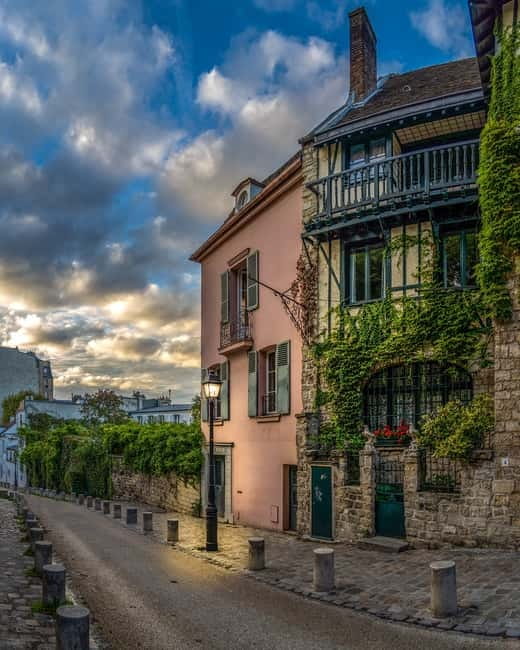
- Stop 4: Maison Rose—Montmartre’s most Instagram-friendly corner
- Stop 5: Turning into the side streets—vineyards, courtyards, and old cabarets
- Stop 6: Place du Tertre and Montmartre’s open-air artists
- Guides matter here: Yazid, Silvia, and Jean Baptiste’s different flavors
- What to watch for: the main downside is walking realities
- Who this tour is best for (and who should look elsewhere)
- Money question: what you’re really paying for
- Should you book the Montmartre Highlights Walking Tour?
- FAQ
- How long is the Montmartre highlights walking tour?
- Where does the tour start, and where does it end?
- Is this a small group tour?
- Is the tour in English?
- Is food included?
- Is it suitable for wheelchair users or people with mobility impairments?
Key highlights you’ll actually remember
- A hilltop start at Place Saint-Pierre right beneath Sacré-Cœur, with first stories and panoramic views
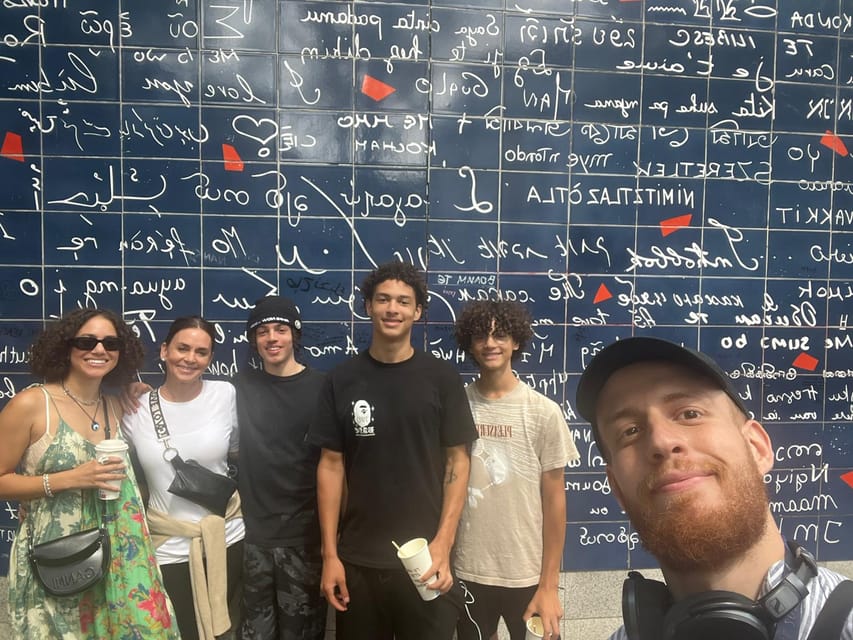
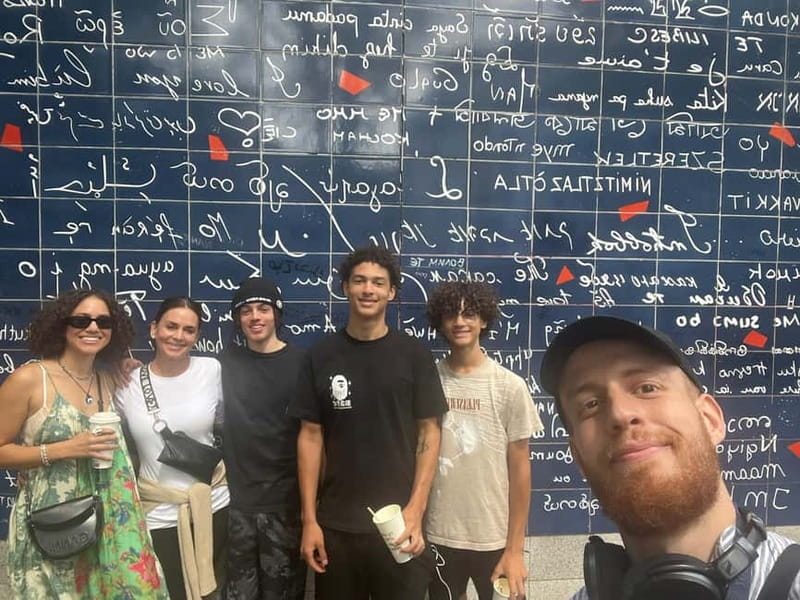
- The Wall of Love with 311 ways to say I love you hidden across dozens of languages
- Bateau-Lavoir, tied to modern art and the artists who worked there (Picasso, Modigliani, and more)
- Moulin de la Galette for photos and the link to impressionist-era imagination
- Maison Rose and Place du Tertre—classic photo stops plus open-air artists at the end
- Local storytelling with personality, including guide interaction and family pictures at different spots
Why this Montmartre tour feels worth $34
For Montmartre, price can be a trap. There are tours that skim the surface and tours that try to cram in too much. This one sits in a sweet spot: about 140 minutes for roughly 5–6 key stops, led by a live English-speaking local guide, and capped at a small group size (maximum 16). You’re paying for direction and context, not just for being walked from point A to point B.
At $34 per person, the value comes from three practical things:
First, you get a route with art-history anchors (Picasso’s world, modern art origins at Bateau-Lavoir, the mood around Moulin de la Galette) that you can’t easily reconstruct from a map. Second, you get a guide who can adapt the pace when your group has questions or wants to linger for photos. Third, you get a built-in reason to keep walking: the story keeps moving as the neighborhood changes from landmark-heavy to side-street Montmartre.
You can also read our reviews of more walking tours in Paris



Starting under Sacré-Cœur: Place Saint-Pierre and the view that sets the mood
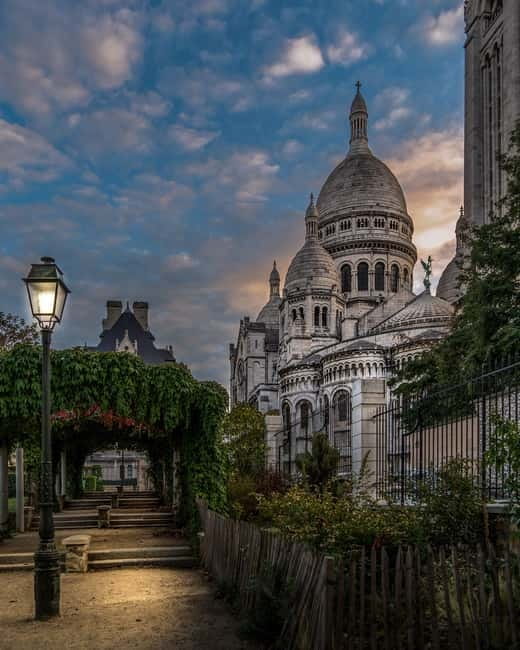
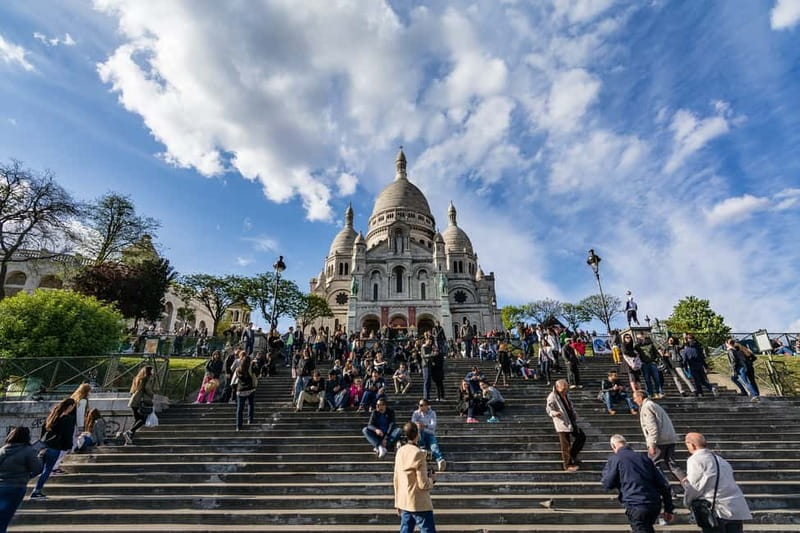
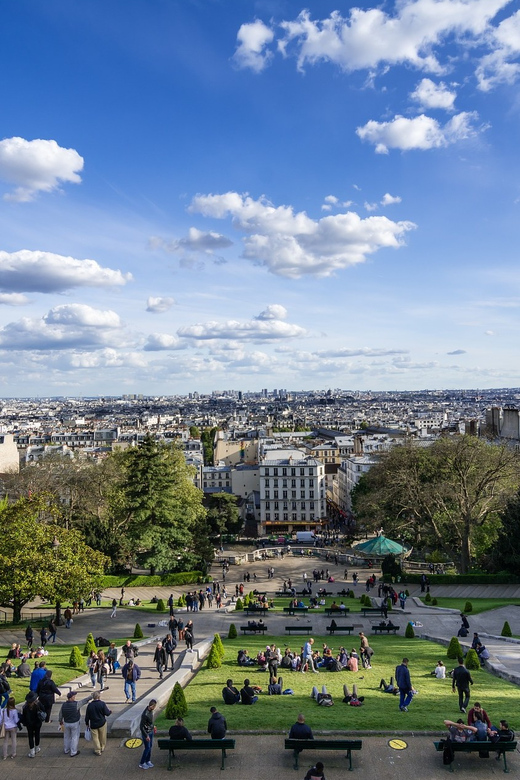
Your tour starts at Place Saint-Pierre, directly beneath Sacré-Cœur. This is smart, because you get the hilltop context early. Montmartre is all slopes, curves, and sightlines—if you begin at the bottom and wander upward without a plan, it’s easy to feel lost. Starting here helps you get your bearings fast.
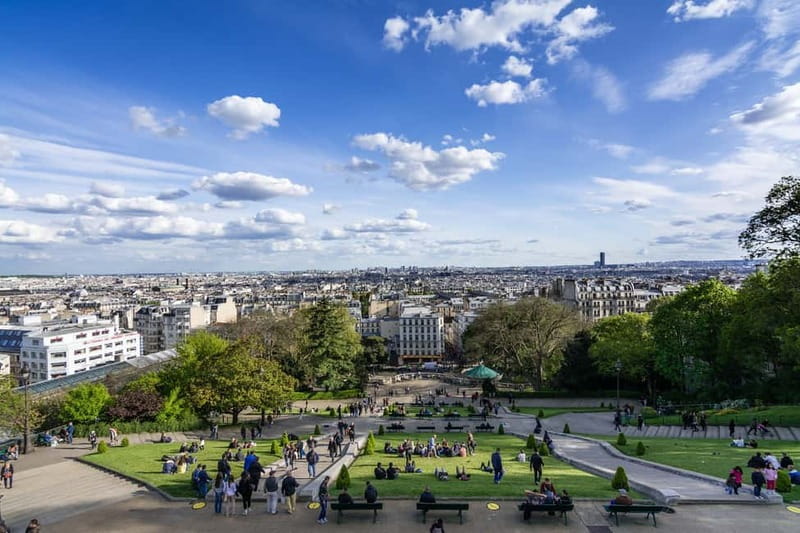
Your guide kicks things off with early Montmartre backstory and those panoramic views over Paris. It’s also where you learn how to read the neighborhood. Montmartre isn’t just a pretty postcard; it’s a place that attracted artists, rebels, singers, and eccentrics because of the atmosphere, the spaces, and the relative freedom to make art.
Practical note: it’s a walking tour. Comfortable shoes are essential. The sidewalks are uneven, and you’ll want to be steady when the route turns into cobbled lanes and quieter paths.
Stop 1: The Wall of Love is more than a photo wall
Next comes the Wall of Love, and yes, you’ll take photos. But the point of this stop is that it’s a modern symbol layered onto a neighborhood known for creative expression. The Wall of Love includes 311 ways to say I love you in dozens of languages, and your guide will explain how this detail fits into Montmartre’s long-running fascination with romance, art, and public display.
What I like about this stop is that it gives you a pause without killing momentum. After the open space and the view at the start, you get a dense, detail-oriented moment—perfect for people who love typography, symbolism, or just collecting meaningful shots.
If you’re traveling with kids, this is usually a crowd-pleaser because it’s playful, not technical.
Stop 2: Le Bateau-Lavoir and the artists you can almost feel nearby
Then you reach Le Bateau-Lavoir, one of the neighborhood’s biggest art-history stops. This is where the tour becomes genuinely useful for first-time visitors. Many people know Montmartre for its vibe; fewer understand why it became a modern-art magnet. Bateau-Lavoir helps connect the dots.
Your guide shows how this place connects to modern art and to artists who lived and painted there, including Picasso and Modigliani. You’ll also learn how Montmartre shaped those creatives and how they shaped the neighborhood back. That two-way relationship is the kind of context that makes your photos from Montmartre feel like scenes, not just scenery.
A possible drawback: this stop can turn into a “story heavy” moment, especially if your group has lots of questions. If you prefer minimal talking, just tell your guide early and ask for the short version so you still get time to soak it in.
Stop 3: Moulin de la Galette—where the icon came from
After Bateau-Lavoir, the tour moves toward Moulin de la Galette, the historic windmill that became an icon tied to impressionist painting. Your guide will set up what this meant in its day and why it became such a visual shorthand for Montmartre’s creative identity.
You’ll get a photo stop and guided time here (about 30 minutes total at this stage). This is a good place to slow down and look at the lines of the buildings around you. Montmartre’s charm isn’t only the famous windmill—it’s the way the neighborhood wraps around it.
If you’re a photographer, watch for the angles. The area is designed for views and silhouettes, especially when you’re shooting from slightly above street level.
You can also read our reviews of more guided tours in Paris






Stop 4: Maison Rose—Montmartre’s most Instagram-friendly corner
Next is La Maison Rose, another landmark that’s famous for being easy to photograph. Your guide uses it like a hinge in the story: you go from the art-world landmarks back into the neighborhood’s everyday texture, then you move on to lesser-known corners.
This is one of those stops where the “why” matters as much as the “what.” Your guide explains how these places fit into the artistic and eccentric culture Montmartre grew famous for—think revolution, resistance, art, music, and larger-than-life personalities.
You’ll also get a break time here. That matters because by the time you hit Maison Rose and Place du Tertre later, you’re already on the hill and your feet will be glad you don’t have to keep going nonstop.
Stop 5: Turning into the side streets—vineyards, courtyards, and old cabarets
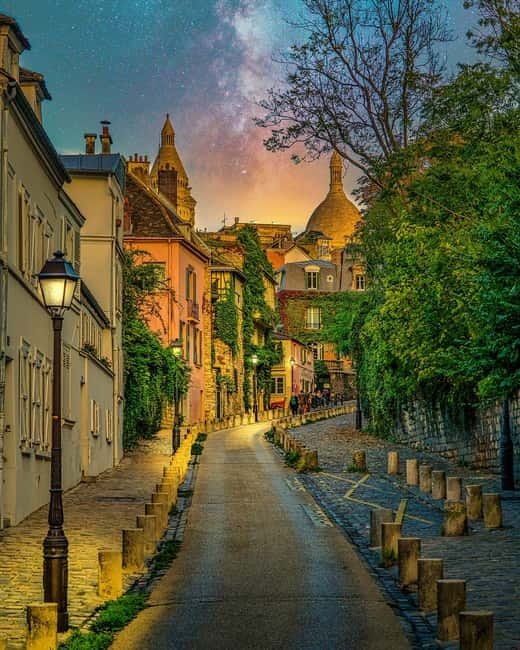
The best part of many Montmartre tours is what they leave out. This one intentionally spends time in the corners where the neighborhood feels lived-in. You’ll pass through and around quieter areas, including vineyards, peaceful courtyards, old cabarets, and hidden passageways.
Your guide brings these places to life with stories connected to figures you may already know—Van Gogh, Dalí, Toulouse-Lautrec, Edith Piaf, Dalida, Charles Aznavour, and others—plus the lesser-known characters that give Montmartre its edge. The result is that you stop seeing the neighborhood as one big set. You start seeing it as a chain of smaller worlds.
This is also where the guide’s personality really shows. I’ve seen guides on this style of tour use extra details and even small surprises to keep everyone engaged. On one version of this tour, Yazid is known for sharing a Chupa Chups lollipop moment (and connecting a yellow daisy logo to Dalí). Whether you remember the lollipop or just the story, the goal is the same: you leave feeling like Montmartre has a pulse.
Stop 6: Place du Tertre and Montmartre’s open-air artists
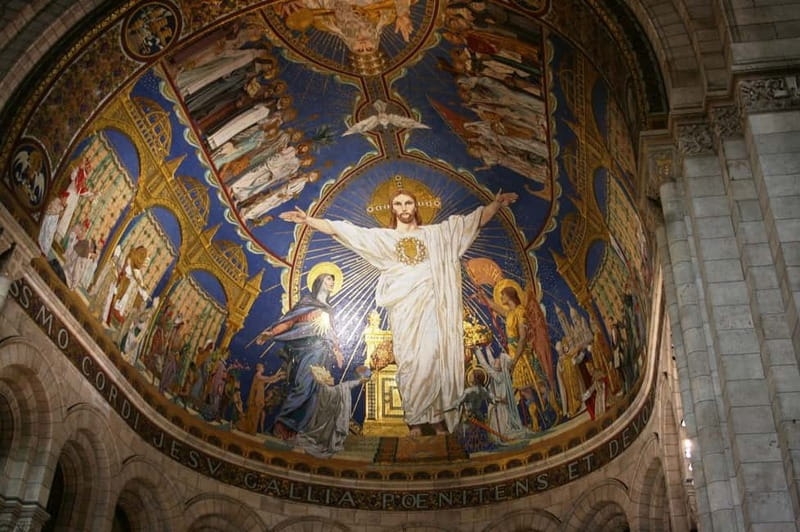
The tour ends at Place du Tertre, right near the basilica. This is where Montmartre becomes present-day again. Artists still paint in the open air, and you get time for photos as the tour wraps up (about 15 minutes at this final photo stop).
What I like about finishing here is that you can keep your momentum. Instead of ending miles away, you end in the exact kind of space that makes Montmartre feel real. The air is full of street-life energy, and your photos look like you’re still in the story.
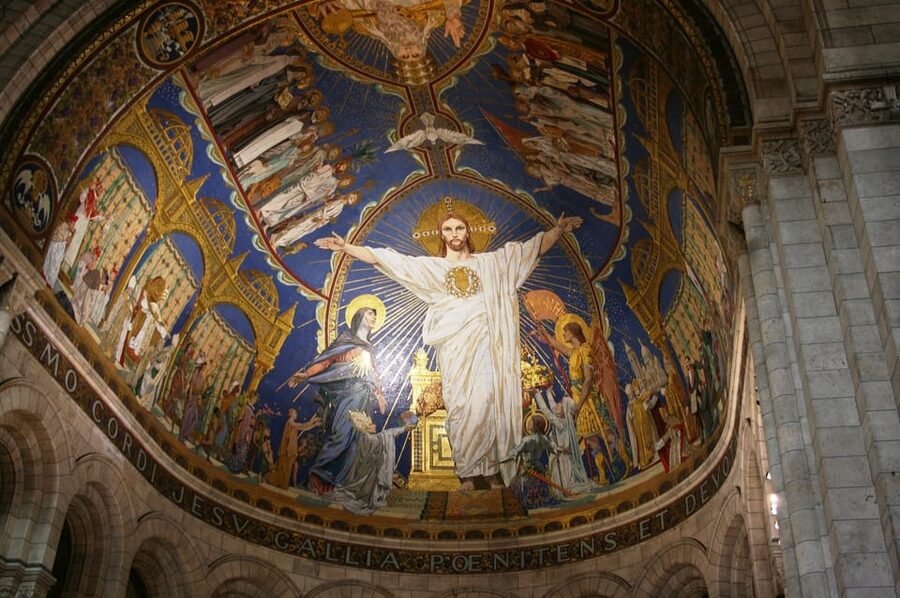
Your guide also gives tips for exploring Sacré-Cœur on your own—timed and positioned so it’s easier to do a visit inside after the walking portion finishes. That planning detail saves you time and helps you avoid awkward guesswork.
Guides matter here: Yazid, Silvia, and Jean Baptiste’s different flavors
One of the strongest signals from guide feedback is consistent: the best part is the storytelling craft. Guides like Yazid and Silvia are repeatedly praised for weaving together history, art, and music, and for keeping a lively pace without rushing people. Jean Baptiste (often called JB) is described as entertaining and easy to talk to, with an approach that makes you see Paris history through a more human lens.
If you’re picky about guide style, here’s what you can infer from the patterns: these guides don’t just recite facts. They connect people to places, answer questions, and help your group feel comfortable. Some even accommodate families, keeping the tour fun while still delivering substance.
Also, there’s a practical perk included: the guide takes family pictures at different spots. That’s handy because it usually means you won’t have to keep handing your camera to strangers to get a shot with everyone in it.
What to watch for: the main downside is walking realities
This tour isn’t marketed for wheelchair users or people with mobility impairments, and that’s not accidental. Montmartre’s streets are hilly and uneven. Even if your pace is fine, you still need the ability to walk comfortably for the full 140 minutes.
It’s also a small-group setup of up to 16, which is good for attention, but you’ll still share narrow lanes and photo spots. If you prefer lots of space and quiet, plan for that trade-off.
Finally, there’s no food included. If you’re the type who gets cranky when you skip a snack, do a quick plan:
- Bring water
- Consider a light bite before you meet
- Save a real meal for after, when you’ve earned it
Who this tour is best for (and who should look elsewhere)
You’ll love this tour if you:
- want Montmartre explained in plain terms
- care about art history connected to real streets
- enjoy photography but want context behind the best angles
- travel with kids and need a route that’s been adapted for them
You might want a different option if you:
- use a wheelchair or need mobility accommodations
- hate hills and uneven surfaces
- strongly prefer short talking stops with minimal group discussion
Money question: what you’re really paying for
At $34, you’re not paying “entry fees.” You’re paying for three things that are hard to DIY:
1) A guided sequence that makes Montmartre’s layout understandable fast
2) Stories that connect names to locations, like Picasso and modern art tied to Bateau-Lavoir
3) Timing and pacing, including the handoff to a later Sacré-Cœur visit
If you try to do this area on your own, you can still see the landmarks. But you’ll likely miss the connective tissue that turns a photo walk into a story you can retell.
Should you book the Montmartre Highlights Walking Tour?
I’d book this if you want a first-rate way to experience Montmartre without guessing. The route hits the major classics—Wall of Love, Bateau-Lavoir, Moulin de la Galette, Maison Rose, Place du Tertre—while still leaving room for quieter Montmartre texture. Add in the small group size, live English guide, and the included family photos, and it feels like a well-spent afternoon.
Book it especially if you like art, music, and the kind of history that explains why people behaved the way they did in that neighborhood. Just make sure you’re comfortable walking on uneven streets, since that’s the real limit here—not the attractions.
FAQ
How long is the Montmartre highlights walking tour?
The tour lasts about 140 minutes.
Where does the tour start, and where does it end?
It starts at Place Saint-Pierre, and the activity ends back at the meeting point.
Is this a small group tour?
Yes. The group size is small, with a maximum of 16 people.
Is the tour in English?
Yes. The live guide provides the tour in English.
Is food included?
No. Food is not included.
Is it suitable for wheelchair users or people with mobility impairments?
No. It is not suitable for wheelchair users or people with mobility impairments. Oversize luggage is also not allowed.