REVIEW · NEW YORK CITY
NYC: Fifth Ave Gilded Age Mansions Guided Walking Tour
Book on GetYourGuide →Operated by Untapped New York · Bookable on GetYourGuide
Fifth Avenue hides a whole mansion city. This 2-hour guided walk brings the Gilded Age to life with architectural details you can actually see today, plus stories that explain what happened behind the walls. I love how it mixes big landmarks with quieter in-between stops, and I especially like the headset system that keeps the guide’s voice clear while you look up at façades.
You should know one thing up front: it’s almost entirely outdoors, and you’ll walk about 1.3 miles. That’s not hard-core hiking, but it does mean you’ll want comfortable shoes and weather-ready layers, since the tour runs rain or shine.
In This Review
- Key things that make this tour worth your time
- Why the Gilded Age on Fifth Avenue still feels real
- The route in plain terms: 2 hours, ~1.3 miles, mostly outside
- Morning opener: Sherman Monument and the Pulitzer Fountain reset your eye
- Plaza Hotel, private clubs, and how wealth moved its address
- The Arsenal and the hunt for craftsmanship details
- Frick Collection area: art, power, and the mansion story behind it
- Albertine bookstore visit: a Gilded Age mansion you can step into
- Consulate, institutes, and how mansions became institutions
- Benjamin N. Duke House and the ending near the Met
- Price and value: what $39 buys you (and what it doesn’t)
- What to expect from the guide (and why it matters)
- Who this tour suits best
- Should you book this NYC Fifth Avenue mansion tour?
- FAQ
- How long is the NYC Fifth Avenue Gilded Age Mansions tour?
- Where do I meet the guide, and where does the tour end?
- How much walking is involved?
- Is the tour inside or outside?
- Does the tour run in bad weather?
- What’s included in the price?
Key things that make this tour worth your time
- Millionaire’s Row, explained street by street on Fifth Avenue, not in a slide deck
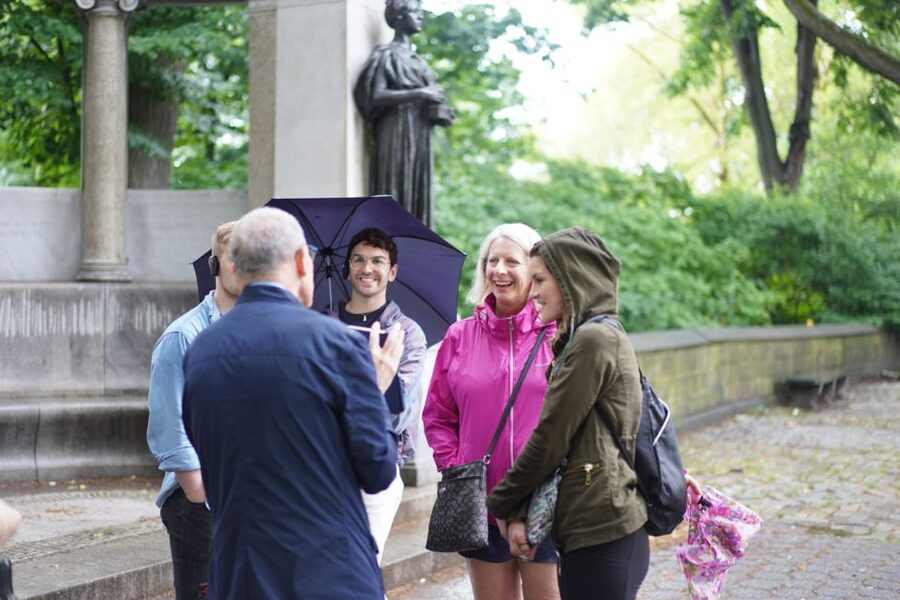
- Headsets provided, so you can hear the guide even when you’re a little farther back
- An interior stop inside a Gilded Age mansion (plus a bookstore housed in one)
- Frick Collection area stories that connect the art-and-wealth world to the buildings themselves
- Real-life repurposing of mansions into clubs, institutes, and cultural spaces as you walk
Why the Gilded Age on Fifth Avenue still feels real
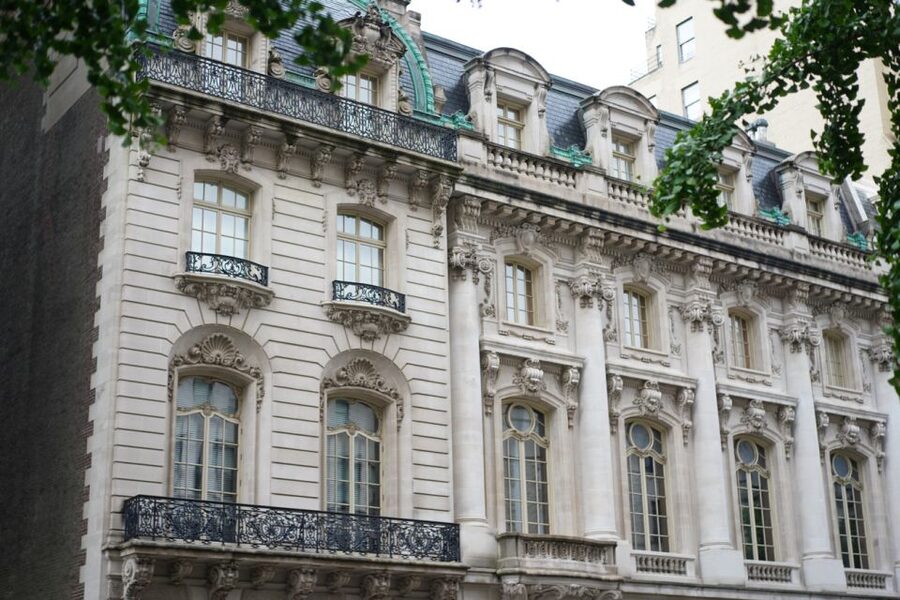
When people picture the Gilded Age, they imagine money and marble. This tour shows the other side: how a whole stretch of Fifth Avenue became a stage for power, taste, and status. You don’t just hear names of wealthy families—you learn what their homes were built to do, how they fit into the neighborhood plan of the time, and why so many grand buildings later got reused instead of disappearing.
What makes the experience practical is that the stories are tied to what you’re standing beside. Historical images show what’s gone, while the surviving architecture helps you read the past in the present. Even if you’ve walked Fifth Avenue a hundred times, you’ll likely start noticing shapes, entrances, and design choices the way the original owners would have.
You can also read our reviews of more walking tours in New York City


The route in plain terms: 2 hours, ~1.3 miles, mostly outside
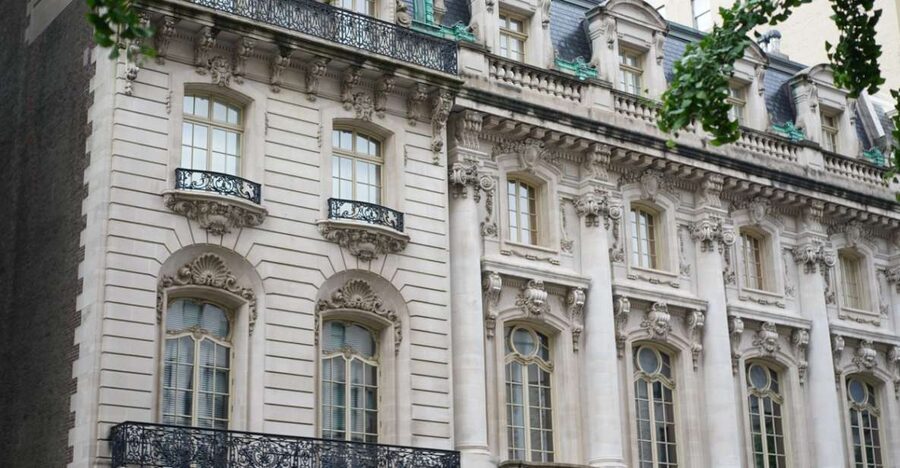
The tour starts at the gold statue of General William T. Sherman on horseback on 5th Ave between 59th and 60th St (the meeting address is listed as 764 Doris C Freedman Pl). The guide holds an Untapped New York sign, so you can spot the group fast.
You’ll finish near the Metropolitan Museum of Art at 5th Ave and 80th St. Along the way, you’re moving through a concentrated chunk of Upper Midtown and the Upper East Side edge—close enough that the day stays easy to manage, long enough that the history doesn’t feel rushed.
Most of the walking happens outdoors, so the “best” strategy is simple: layer up, bring water, and slow your breathing a bit at each photo stop so you can actually take in the details.
Morning opener: Sherman Monument and the Pulitzer Fountain reset your eye
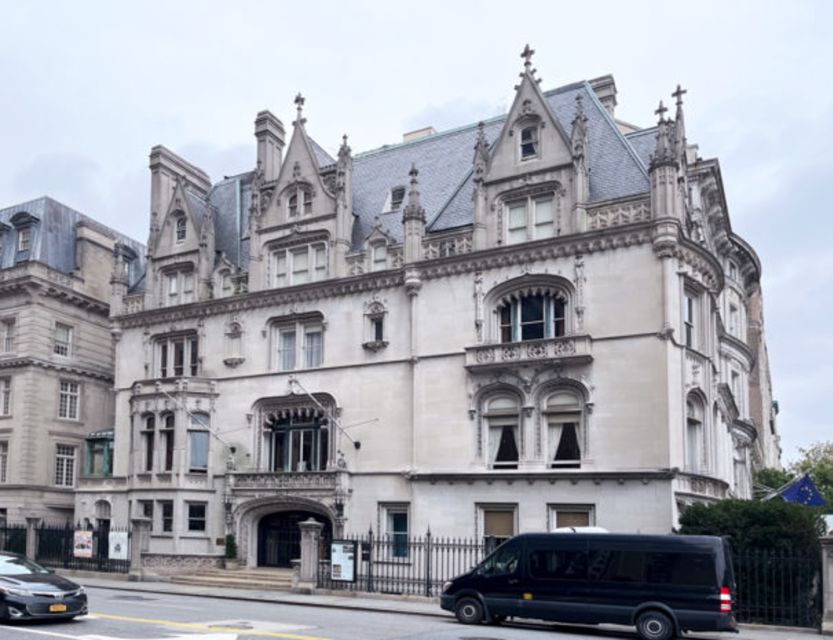
The first major moment is the General William Tecumseh Sherman Monument. It’s a strong way to start because it frames the avenue as a civic spine, not just a shopping strip. From there, the walk heads toward Grand Army Plaza for a stop at the Pulitzer Fountain.
This part of the tour works even if you’re not a hardcore history person. You get quick context on the avenue’s evolution and how the area’s public spaces helped define the surroundings for the private wealth that followed. It’s also where the guide’s pace matters: you’ll likely get a few chances to ask questions early, and use the headsets right away so you feel oriented.
Plaza Hotel, private clubs, and how wealth moved its address
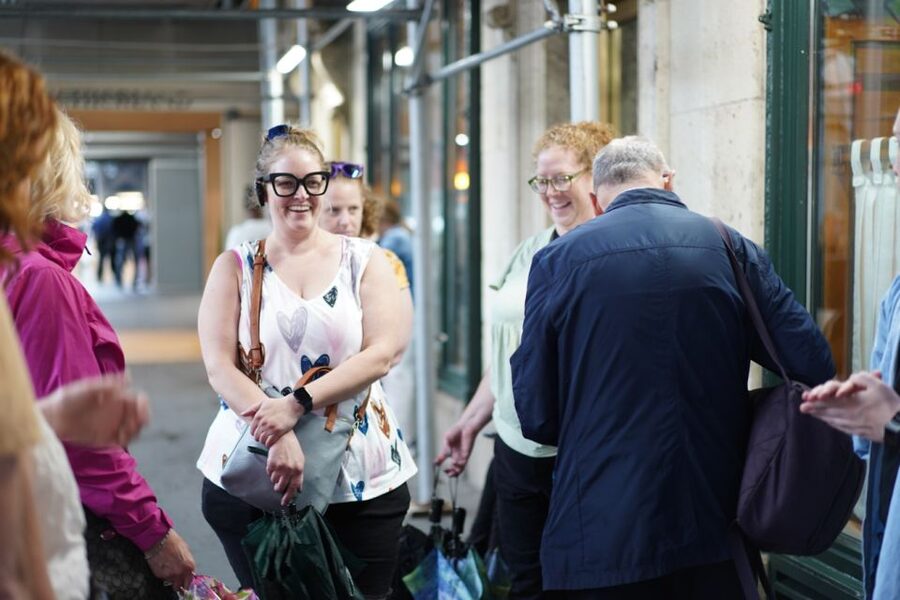
Next comes the shift from monuments to the world of elites. You pass by the Plaza Hotel, then roll into the cluster of institutions that once represented something closer to a residential life.
Two big stops along the way are the Metropolitan Club and the Knickerbocker Club. Watching the façades from the sidewalk, you start to see the theme: many mansions didn’t vanish—they transformed. Clubs and institutions took over spaces that were originally designed for private life, social power, and controlled access.
If you love architecture, this segment is where you’ll probably start connecting visual design to function. You’ll also get stories that help explain how the city’s wealthy ecosystem changed over time—who gained influence, who moved, and what buildings became once the original owners no longer needed them as personal residences.
The Arsenal and the hunt for craftsmanship details
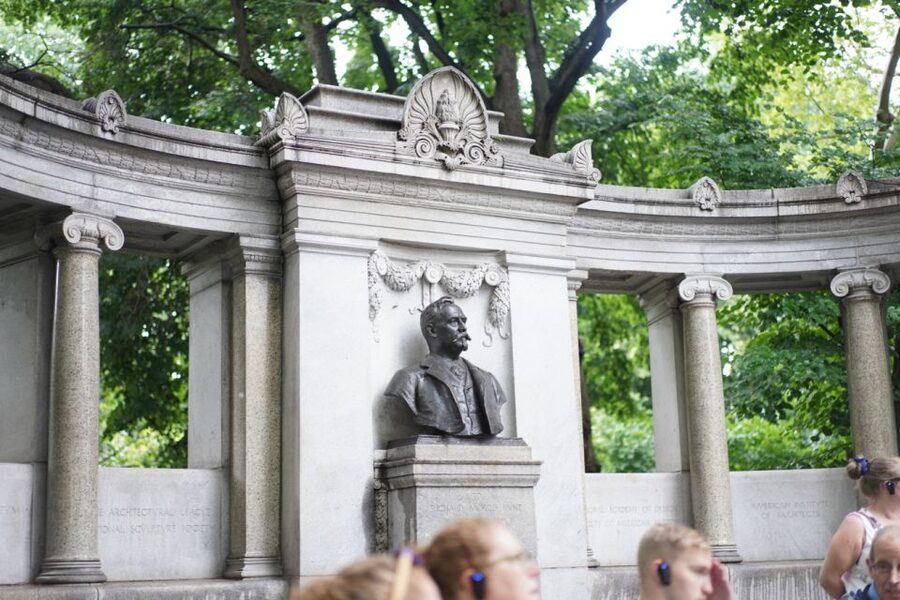
The tour continues with The Arsenal (a photo stop from the outside) and then the Richard Morris Hunt Memorial. Even from street level, these pauses matter because they widen your view beyond “rich people’s houses.”
Richard Morris Hunt is a key figure when you’re trying to understand why Fifth Avenue mansions looked the way they did. The tour uses these stops to connect design to the people behind it—architects, patrons, and the cultural push for style that signaled rank. This is the stretch where I like having headsets most, because the best details are easy to miss when you’re craning your neck and walking at the same time.
You can also read our reviews of more guided tours in New York City






Frick Collection area: art, power, and the mansion story behind it
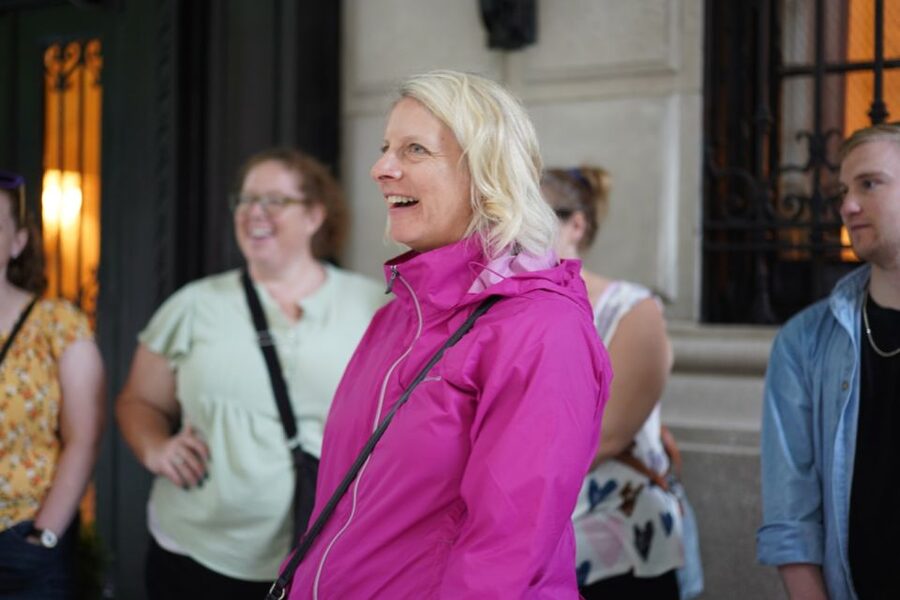
One of the most interesting segments is the stop around the Frick Collection. The tour highlights it as tied to Millionaire’s Row’s older surviving buildings, and it uses the Frick story to explain how wealth, collecting, and architecture blended.
You’ll also get practical context for what you’re seeing: why the building’s role mattered, how it connects to the larger Fifth Avenue mansion pattern, and how the Frick name became shorthand for a particular kind of refined authority. The tour’s approach is not just about listing facts. It’s about making the connection between the art world and the building world—so when you later look at collections in a museum, you understand the setting they grew out of.
This is also a strong spot for photos. The outside views are dramatic, and the guide’s historical images help you picture what used to be there even when it’s now gone.
Albertine bookstore visit: a Gilded Age mansion you can step into
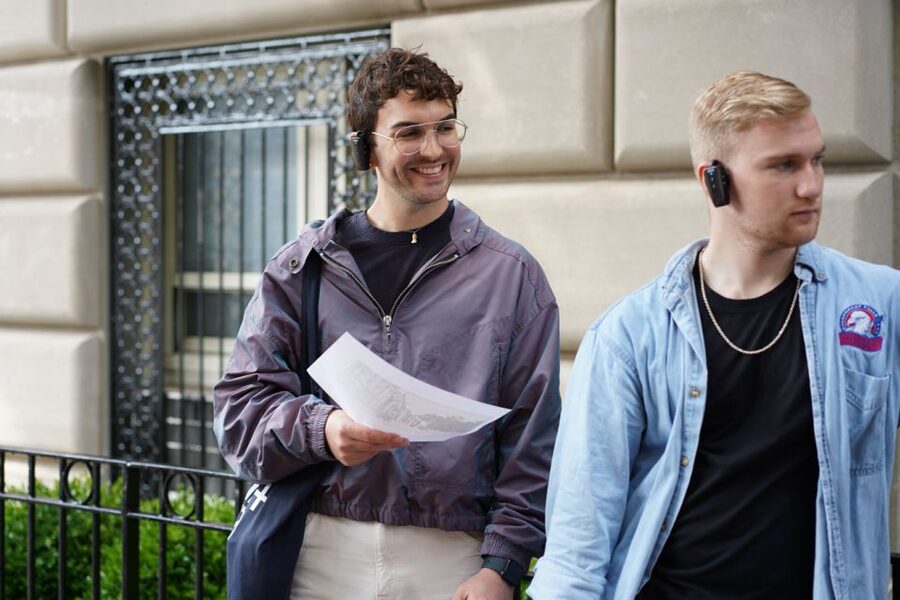
The itinerary includes a stop described as a charming bookstore inside a Gilded Age mansion, and the named stop is Albertine. This is where the tour changes gears from watching to entering.
Once inside, you can slow down and look for the quiet “giveaways” of old design—details that show the building wasn’t originally made to be a shop. It’s the kind of experience that makes the whole tour click: you understand that these were not generic mansions. They were shaped for a very specific kind of private life.
Practical tip: if you want photos, don’t rush your visit. The bookshop stop is one of the few moments you can actually stand still without feeling like you’re holding up the group. If you’re a reader, this is also a chance to leave with something small from the city besides photos.
Consulate, institutes, and how mansions became institutions
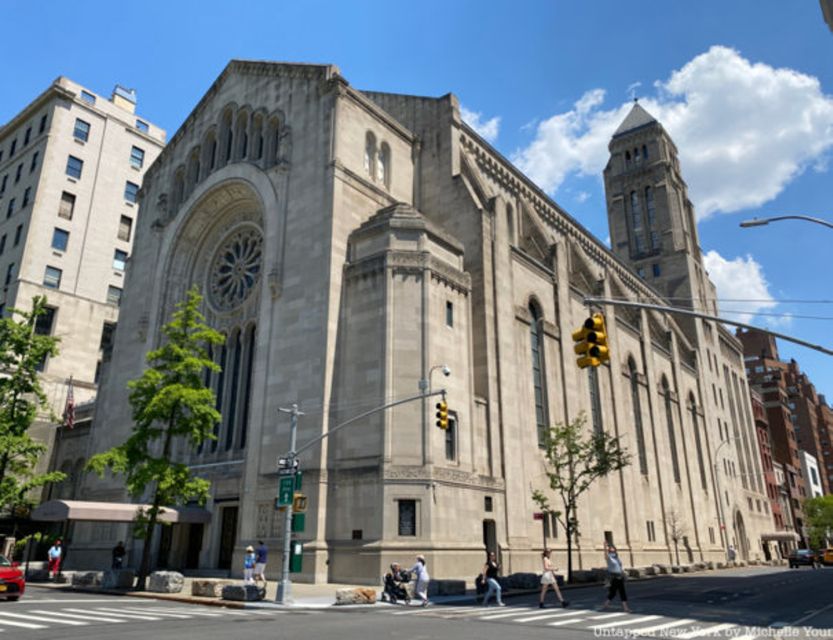
After Albertine, the tour keeps rolling through places that reflect the modern New York use of older buildings. You’ll pass the Consulate General of France, then move through stops tied to community and cultural institutions, including the Ukrainian Institute of America and the American Irish Historical Society.
This segment is valuable because it answers a question you might not even realize you had: what happens to all those mansions once the city shifts? Here, you see the answer in real time. Instead of just mourning what’s lost, you learn how buildings got repurposed, which communities they serve now, and why some structures endured longer than others.
You’ll likely notice how the tour frames these stops with an emphasis on continuity. The addresses change in function, but the streetscape still carries the original logic—scale, placement, and the prestige of a Fifth Avenue address.
Benjamin N. Duke House and the ending near the Met
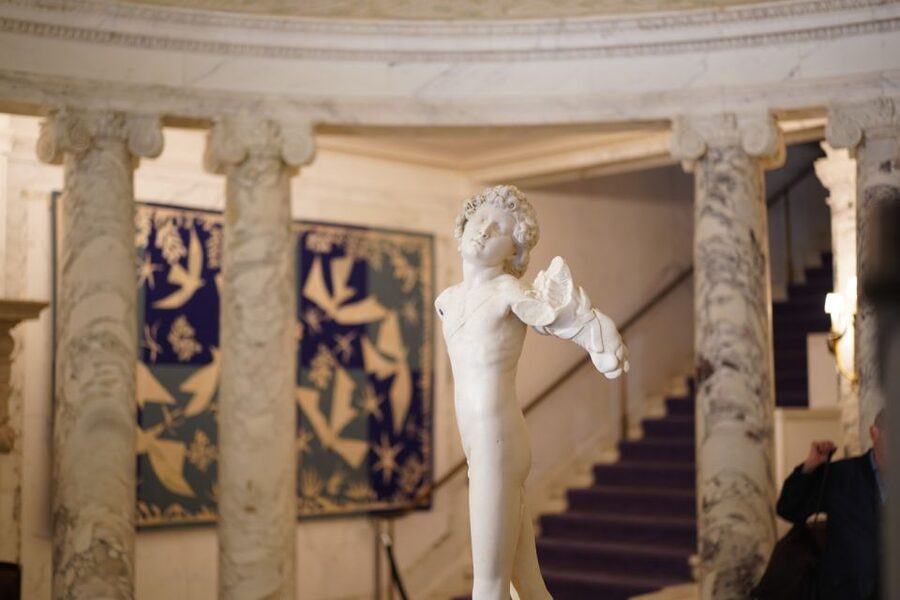
The final mansion stop is the Benjamin N. Duke House, highlighted as one of the last single-residence mansions on Fifth Avenue. That phrase matters. It’s the difference between a building being merely old and being unusually intact as a private-home concept.
As you wrap up, you’re brought to the edge of the Metropolitan Museum of Art. I like ending here for two reasons. First, you can stay in “museum mode” immediately if you want more art and objects after the architecture focus. Second, it helps the walk feel purposeful rather than ending abruptly on a generic block.
If you’re the type to plan your day in chunks, this is a good transition point. You’ve just spent two hours training your eye; now you can put that eye to work indoors.
Price and value: what $39 buys you (and what it doesn’t)
At $39 per person for a 2-hour walking tour, you’re paying for three concrete things:
- A local guide leading you from stop to stop with context tied to the street
- Headsets so you can actually follow the narration without straining your voice or craning constantly
- Access inside a Gilded Age mansion, plus an interior stop at Albertine as part of the route
This is not a long tour, and it’s not a transit-heavy day. It’s a focused way to spend a couple of hours getting a better read on Fifth Avenue than you’ll get by self-wandering. The price feels most justified if you care about architecture, or if you enjoy city storytelling where buildings are the main characters.
What it doesn’t include: you’ll still need to budget for your own drinks/snacks, and you should expect to keep moving on foot.
What to expect from the guide (and why it matters)
The tour runs with a live English guide led by a local New Yorker, and the most praised guides in the past have a common style: clear storytelling, good pacing, and room for questions. Names that show up in strong comments include Laura, Katy, Richard, Bill, Alexa, Bob, AJ, Hazel, Rosemary, and Victor.
Even if you get someone different, you can use their strengths as a guide yourself. The setup with headsets means you should feel comfortable asking follow-ups. When the guide shared extra “fun facts” and let groups ask questions, it made the walk feel less like a lecture and more like a guided conversation on the avenue itself.
Who this tour suits best
This tour is a strong match if you want:
- Fifth Avenue architecture with real street-level context
- A guided way to understand Millionaire’s Row without needing to map everything yourself
- A taste of mansion life through one interior access point
It’s also a good option for mixed-age groups, since the pace is described as well managed and the group experience works for people from teenagers to seniors. If you’re traveling with very young kids, you’ll likely find it easier to pass, mainly because it’s a lot of walking.
If mobility is a concern, it is listed as wheelchair accessible, but remember: accessibility doesn’t erase the fact that it’s still an outdoor walking route.
Should you book this NYC Fifth Avenue mansion tour?
I’d book it if you like the idea of learning the Gilded Age through buildings you can still see—then getting one real interior moment to anchor it all. The headsets, the Frick Collection area context, and the Albertine bookstore stop make it feel more than just an exterior photo walk.
Skip it if you hate walking, need a very low-step day, or you want a museum-style experience with lots of seated time. For a compact, high-impact Fifth Avenue day, though, this is the kind of tour that changes how you’ll look at the city afterward.
FAQ
How long is the NYC Fifth Avenue Gilded Age Mansions tour?
The tour lasts 2 hours.
Where do I meet the guide, and where does the tour end?
Meet at the gold statue of General William T. Sherman on horseback on 5th Ave between 59th and 60th St (764 Doris C Freedman Pl). The tour ends by the Metropolitan Museum of Art at 5th Ave and 80th St.
How much walking is involved?
The tour is almost entirely outdoors and covers about 1.3 miles on foot.
Is the tour inside or outside?
It’s almost entirely outdoors, with at least one interior visit included.
Does the tour run in bad weather?
Yes, it runs rain or shine.
What’s included in the price?
You get a guided walking tour with a live English guide, headsets to hear clearly, and access inside a Gilded Age mansion (with an English audio guide included as well).