REVIEW · NEW ORLEANS
New Orleans Treme’ Walking Tour
Book on Viator →Operated by French Quarter Phantoms · Bookable on Viator
There’s more to New Orleans than the French Quarter. This small-group Treme walking tour brings jazz and Black community history into focus through guided stops and music storytelling. I love how the walk connects big ideas to specific places, so the neighborhood feels real instead of like trivia.
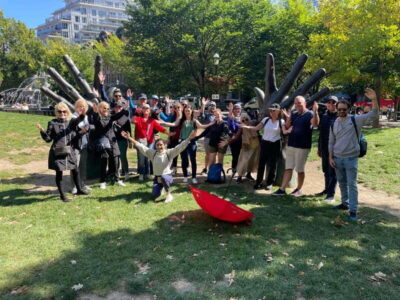
Two things I really like: the guided music interludes that help you hear the story behind jazz, and the serious landmark stops like St Augustine’s Church and the Tomb of the Unknown Slave. One heads-up: depending on the day, you may spend more early time in a park area than you expect, so go in ready for some seated statue-style context before the street walk.
In This Review
- Key Highlights You’ll Want to Know
- Why This Treme Walk Feels More Like a Neighborhood Visit
- Price and Time: Real Value for $20.50
- Meeting at Voodoo Lounge and What to Bring
- Stop-by-Stop: Storyville District and Jazz’s Early Shadow
- French Quarter Phantoms: The Setup for Understanding Treme
- Tour Treme’: Key Sites and the Human Side of History
- Congo Square: Drums, Markets, and Community Gatherings
- The Lost Sock at Rampart: Recording Studios and Rock ’n’ Roll Roots
- Guides Make the Difference: Names You’ll Hear Along the Way
- Who This Tour Suits Best (and Who Might Want Another Option)
- Smart Planning Tips for a Better Walk
- Should You Book This Treme Walking Tour?
- FAQ
- How much does the New Orleans Treme’ Walking Tour cost?
- How long is the tour?
- How big is the group?
- Where do I meet and where does the tour end?
- What’s included in the price?
- Is the ticket mobile?
- What language is the tour offered in?
- Does it run in the rain?
- Can I cancel for a full refund?
- Are food or alcoholic drinks included?
Key Highlights You’ll Want to Know
- Small group size (max 14) keeps the pace human and the Q&A actually works
- Music used as a teaching tool, with short selections tied to each site
- Landmark stops in Treme, including St Augustine’s Church and the Tomb of the Unknown Slave
- Congo Square is a featured stop with the community-and-drumming connection clearly explained
- A stop at Rampart’s Lost Sock area ties in early studio culture and major artists
- Mobile ticket + rain or shine makes it easy to plan around your day
Why This Treme Walk Feels More Like a Neighborhood Visit
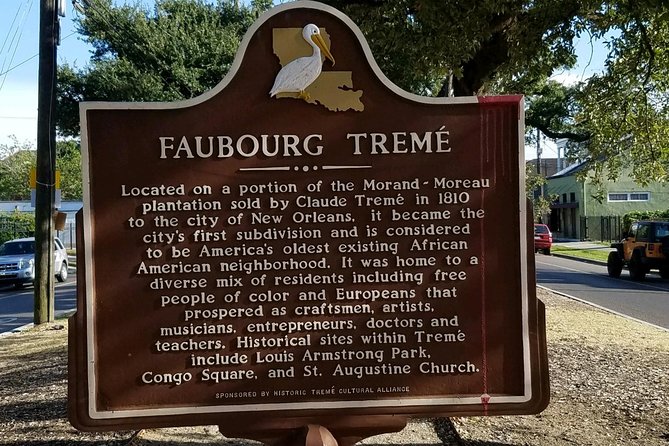
If your New Orleans plans lean toward music, this tour makes sense fast. Instead of treating Treme like a photo stop, you get guided context for how the community shaped jazz and Black culture over time.
What makes it especially useful is the way the guide connects themes to locations you can actually see. You’re not just learning dates. You’re learning why the place mattered.
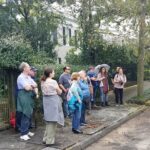
Also, you get the kind of pacing that’s hard to get on larger tours. With a maximum group of 14, you’re more likely to hear answers to questions and keep up without feeling rushed.
You can also read our reviews of more walking tours in New Orleans

Price and Time: Real Value for $20.50
At $20.50 per person for about 1 hour 45 minutes, this is priced like a solid “one smart add-on” to your trip. You’re paying mainly for a professional guide plus a set of historic sites you can’t easily piece together on your own.
Admission details are also part of the value picture. Several stops are listed as free, and Congo Square includes admission in the tour. That means you’re not just buying a lecture. You’re getting an organized route to places you’d likely want to visit anyway.
The tour starts at 10:30 am and runs rain or shine. If you like to keep evenings open for dinner and live music, this timing slots neatly into a full day.
Meeting at Voodoo Lounge and What to Bring
You’ll meet at Voodoo Lounge, 718 N Rampart St, New Orleans, LA 70116. The tour ends back at the same meeting point, which is a nice way to avoid extra walking or a separate pickup.
Bring comfortable shoes. This is a walk, and Treme’s streets and sidewalks can ask for good footing. You can bring your camera, and the guide is fine with photos. Just note the rule: no videotaping.
A practical planning tip: since drinks and snacks aren’t included, consider grabbing water beforehand. The tour includes at least one stop where you’ll likely have the option to buy something cool, but you’re still responsible for your own food and drinks.
If you’re traveling with a service animal, you’re covered. And the tour notes that most travelers can participate, including people who want an easier, guided route instead of wandering without context.
Stop-by-Stop: Storyville District and Jazz’s Early Shadow
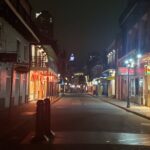
The first major stop focuses on the old Storyville District, describing the area’s role in early New Orleans-style jazz from 1897 to 1917. This wasn’t just a seedy side street in the guide’s telling. The point is how music, nightlife, and social life rubbed shoulders in ways that helped form the sound people later romanticized.
You’ll spend about 15 minutes at this stop, and it’s framed with a “what you’re seeing now” kind of awareness. That’s useful because Storyville is often misunderstood or oversimplified by visitors who only know jazz from album liner notes.
One small consideration: if you’re hoping for pure daytime “Treme streets only,” you may need to mentally shift gears early. This tour starts with that larger New Orleans story, then brings it back home to Treme.
French Quarter Phantoms: The Setup for Understanding Treme
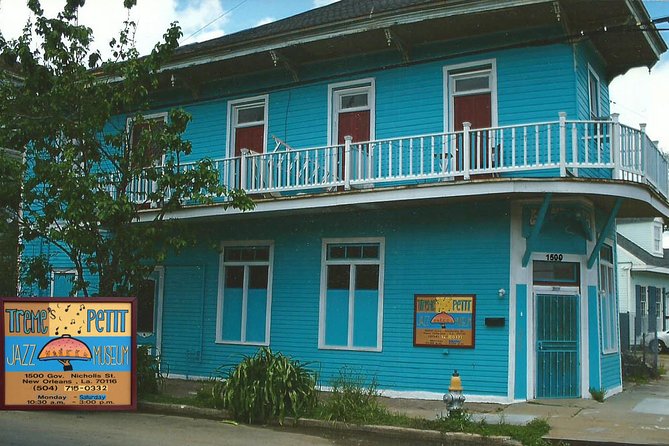
After Storyville, the tour moves into a short 10-minute segment that acts like a grounding point for Treme history. It’s the kind of stop that helps you connect dots without piling on too many details at once.
In practical terms, this is where you get your bearings and learn what to watch for as you walk. The guide is essentially setting the lens: what counts as important in Treme, and what you might otherwise miss.
If you’re the type who likes to understand a place before you “collect” photos, you’ll probably appreciate this.




Tour Treme’: Key Sites and the Human Side of History
The heart of the walk is the 50-minute stretch through Treme with multiple historic landmarks. This is where the tour earns its name in a very real way: you’re not only learning about jazz. You’re learning about the community that endured, built, and carried culture forward.
Two landmark stops stand out in the tour’s description:
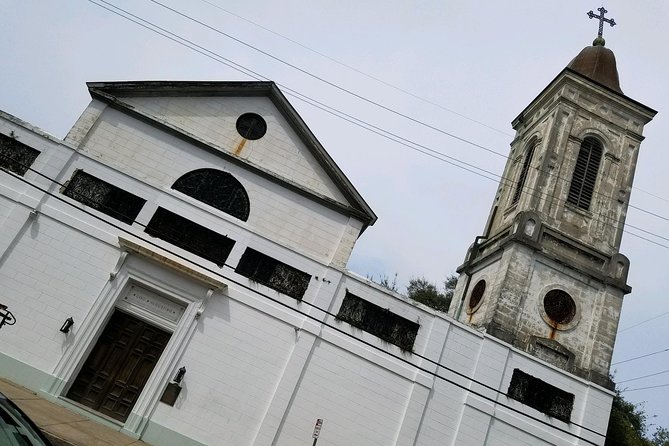
- St Augustine’s Church, presented as part of Treme’s identity and continuity
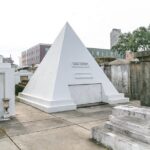
- The Tomb of the Unknown Slave, which brings a heavier, more direct thread into the story
This part matters because it refuses to treat history as something clean and distant. When the guide ties the sites to music and community life, you start to see why so much New Orleans culture didn’t happen in a vacuum.
The possible drawback here is pacing. You may get a lot of information in a limited time. That’s not a flaw; it’s the nature of a walking tour with landmark stops. Just plan to stay present and let the guide’s storytelling guide your attention.
Congo Square: Drums, Markets, and Community Gatherings
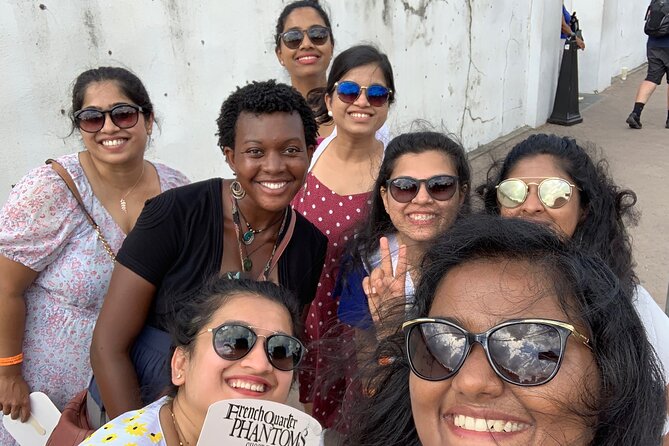
Then you hit Congo Square for about 15 minutes. The tour connects this space to the gatherings of enslaved and free people of color during the 19th century, including meetings, open markets, and African dance and drumming celebrations.
This is one of the best places on the route for understanding how culture travels through community life, not just performance stages. Jazz didn’t appear fully formed. The guide’s focus helps you see the ingredients: dance, rhythm, gathering, and shared tradition.
Congo Square is also listed with admission included, which is a straightforward value boost. You’re getting a guided visit tied to a meaningful place, not just a pass-by.
The Lost Sock at Rampart: Recording Studios and Rock ’n’ Roll Roots
The final stop focuses on a site connected with the Lost Sock @ Rampart area, described as a laundry and museum space and linked to the Rock ’n’ Roll Hall of Fame location.
The most compelling angle here is the connection to recording culture, including the former home of Cosimo’s J&M Recording Studio. The guide ties the location to major early recordings by artists like Fats Domino, Little Richard, and Professor Longhair.
This is where the tour gives you a bridge from neighborhood history to the music industry side of New Orleans. It helps you understand that the same community life you’re hearing about has a physical trail you can follow.
It also gives the tour a satisfying ending point: not only stories, but a sense of where sound was made.
Guides Make the Difference: Names You’ll Hear Along the Way
One of the strongest signals across the experience is how the guide presents the material. Many guides use music selections during different phases of the tour, and you can feel how that shapes the mood as you move from stop to stop.
In particular, guides mentioned by name include:
- Kweyou and Kwaku, praised for bringing Treme to life and using music to set the tone
- Claire, noted for clear storytelling and music-focused context
- Angelina/Angela and Erica, singled out for engaging, funny, and well-organized narration
- Erin, praised for not softening the story and keeping it human
- Eva, Pepe, and Nika/Nikka, highlighted for enthusiasm, strong Q&A, and weaving community and music together
If you’re a “tell me the story” kind of traveler, this tour is built for you. The guide approach is part of the product, and the fact that many visitors call it out suggests this isn’t a one-size script.
Who This Tour Suits Best (and Who Might Want Another Option)
This walk is a great fit for you if:
- you want Treme context without needing to study a book first
- you care about jazz history through real places
- you like guided storytelling with music, not just architecture photos
- you prefer smaller groups so questions don’t get lost
It might be less ideal if:
- you’re expecting a long, nonstop tour of street corners only
- you want an hour of pure residential walking right away
- you’re extremely time-sensitive and hate any pause for park-style explanations
That last point matters because at least some departures have a stronger early park presence. If you’re the type who gets restless when you’re not moving, plan to treat the first stretch as setup rather than delay.
Smart Planning Tips for a Better Walk
Here are a few practical moves that make the tour smoother:
- Wear shoes that handle uneven sidewalks
- Bring water, especially on hot days, since the tour runs outdoors and you handle your own drinks
- Use your camera for street scenes and landmark details, but remember no videotaping
- Keep a little flexibility in your schedule; rain or shine means the guide adapts to weather
If you’re traveling with seniors, the tour is described as an easy walk in at least one account you can use as a data point. Still, you should plan for an outdoor stroll of up to nearly two hours.
And yes, tip your guide. The experience quality is clearly tied to the narration, pacing, and the music choices.
Should You Book This Treme Walking Tour?
I’d book it if you want New Orleans music history connected to the actual people and places behind it. The combination of Treme landmarks, Congo Square, and a music-industry end stop makes the route feel like a full story, not a random collection of sights.
Also, at $20.50 with a professional guide and Congo Square admission included, it’s a strong value for a compact time window. You can fit it into a morning plan and still leave time for lunch and evening shows.
The only real decision point is your expectations for how much time you’ll spend in park or context areas versus pure neighborhood street walking. If you’re okay with a little setup before the streets, this tour is exactly the kind of addition that turns a familiar city into something you actually understand.
FAQ
How much does the New Orleans Treme’ Walking Tour cost?
It costs $20.50 per person.
How long is the tour?
The tour lasts about 1 hour 45 minutes.
How big is the group?
The tour has a maximum of 14 travelers.
Where do I meet and where does the tour end?
You meet at Voodoo Lounge, 718 N Rampart St, New Orleans, LA 70116 and the activity ends back at the meeting point.
What’s included in the price?
The tour includes a professional guide. Congo Square admission is included, while other listed stops are free.
Is the ticket mobile?
Yes, the tour uses a mobile ticket.
What language is the tour offered in?
It’s offered in English.
Does it run in the rain?
Yes, the tour runs rain or shine.
Can I cancel for a full refund?
Yes. You can cancel up to 24 hours in advance for a full refund. If you cancel less than 24 hours before the start time, the amount paid isn’t refunded.
Are food or alcoholic drinks included?
No. Alcoholic drinks and food are not included. Drinks may be available to purchase during the experience.