REVIEW · HAMBURG
Hamburg: Private Tour Red Light District Walking Tour
Book on GetYourGuide →Operated by Schoenes Hamburg · Bookable on GetYourGuide
St. Pauli has a way of making Hamburg feel like a different city. This private 2-hour walk focuses on the Reeperbahn and the Große Freiheit area, pairing street-level sights with stories about borders, bars, and famous performers. I like how the guide connects the “sinful side” to real neighborhood history, and I like the fact that you get practical context at each stop, not just scandal for its own sake. The main drawback is simple: this tour is not for kids and it can feel edgy, especially around nightlife streets.
Because it’s a private group with a professional guide (English or German), you move at a comfortable pace and you can ask questions as you go. You’re also paying for that guide-led structure: $460 per group (up to 15 people) for a short walk through a very specific slice of Hamburg. If you’re hoping for a hands-off, purely observational experience with zero human commentary, this may feel too guided for your taste.
In This Review
- Key highlights you’ll care about
- St. Pauli’s Reeperbahn walk: what you’re actually doing
- Price and group value: $460 per group up to 15
- Where you start: St. Pauli access points that keep it simple
- The opening orientation: 10 minutes that set the tone
- Reeperbahn: Hamburg’s famous street, explained street-by-street
- Davidwache police station: a reality check in a nightlife world
- Herbertstraße: desk-phone nightclubs and the rules you don’t see
- Hans-Albers-Platz to Große Freiheit: where music history hangs in the air
- Bars as landmarks: Silbersack Bar and Ritze Bar on the story map
- Don’t skip the odd details: borders, kings, and Germany’s first cinema
- What’s good for you: who this tour suits best
- Who might want something else
- Should you book this Hamburg St. Pauli red-light district walking tour?
- FAQ
- How long is the Hamburg St. Pauli red-light district private walking tour?
- Is this tour private, and what group size does it allow?
- What languages are available?
- Where does the tour start?
- Is the tour suitable for children?
- What’s included in the tour price?
- What is not included?
- Can I cancel or pay later?
Key highlights you’ll care about
- Reeperbahn orientation: you’ll understand what you’re seeing and why it got famous
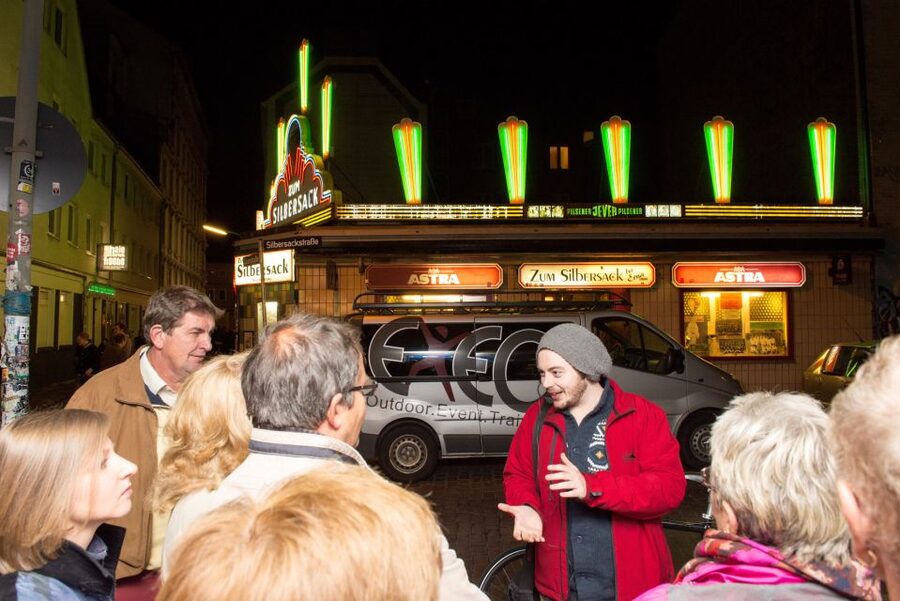
- Silbersack Bar and Ritze Bar: nightlife landmarks worked into the story of the district
- Davidwache police station: a key reality check on how order and nightlife coexist
- Herbertstraße from the outside: you’ll learn the rules behind the famous street
- Große Freiheit and Beatles roots: music history woven into the walk
- Local legends: Freddy Quinn, Hildegard Knef, and other names that shaped the street culture
St. Pauli’s Reeperbahn walk: what you’re actually doing
This tour is basically a guided key to St. Pauli. You’re not just walking past neon and doorways—you’re learning how this neighborhood became a magnet for nightlife, performers, and the curious. The best part is that the guide doesn’t treat it like a theme park. They connect the dots: Hamburg’s geography, the Danish border history with Altona, and why certain streets became synonymous with nightlife.
For you, that means you’ll get bearings fast. You’ll know what to look at, what to ignore, and what to ask about. And since it’s a private group, you’re less likely to feel rushed or pushed along.
One thing to be aware of: St. Pauli is both a nightlife district and a residential neighborhood. That tension is part of what makes the walk interesting, but it also means the streets can feel intense and crowded compared with quieter areas of Hamburg.
You can also read our reviews of more walking tours in Hamburg



Price and group value: $460 per group up to 15
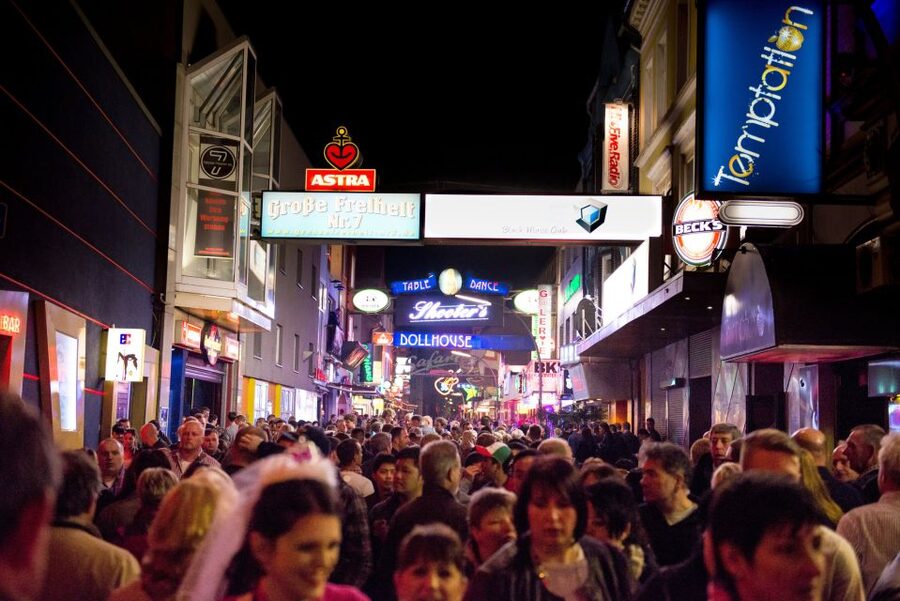
At $460 per group (up to 15 people) for about 2 hours, the value depends on your group size and what you expect from a guide. If you’re traveling with friends or you can fill the group limit, the per-person cost drops in a way that makes a lot of sense for Hamburg. You’re paying for a professional guide and a structured walking route through a sensitive, easily misunderstood area.
If you’re traveling as a small party and nobody else in your group is joining, you may feel the price more. Still, you’re not just paying to walk on a sidewalk. You’re paying for context at specific landmarks: Reeperbahn, the police station, Herbertstraße, and Große Freiheit, plus bar-related stories and performer history.
My practical take: if you want a quick, guided orientation to St. Pauli that hits the major beats without making you figure everything out yourself, this price is easier to justify. If you’d rather wander on your own and research later, you can do that too—but you’ll miss the explanations that make the sights click.
Where you start: St. Pauli access points that keep it simple
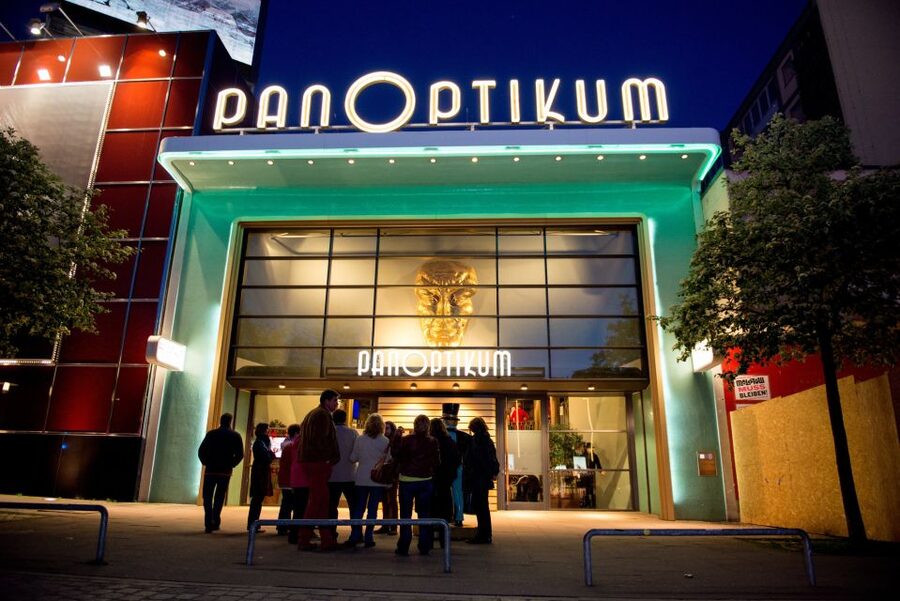
Your meeting point can vary depending on the option you book, but it’s all in the St. Pauli area. You might start near U St. Pauli or at liebe workshops, which helps you pick the most convenient spot based on where you’re coming from.
This matters because St. Pauli is not one “center.” It’s a neighborhood with multiple pull points: transit stops, nightlife streets, and side lanes. A nearby meeting point saves time and keeps you from cutting through areas you don’t need to walk.
The opening orientation: 10 minutes that set the tone
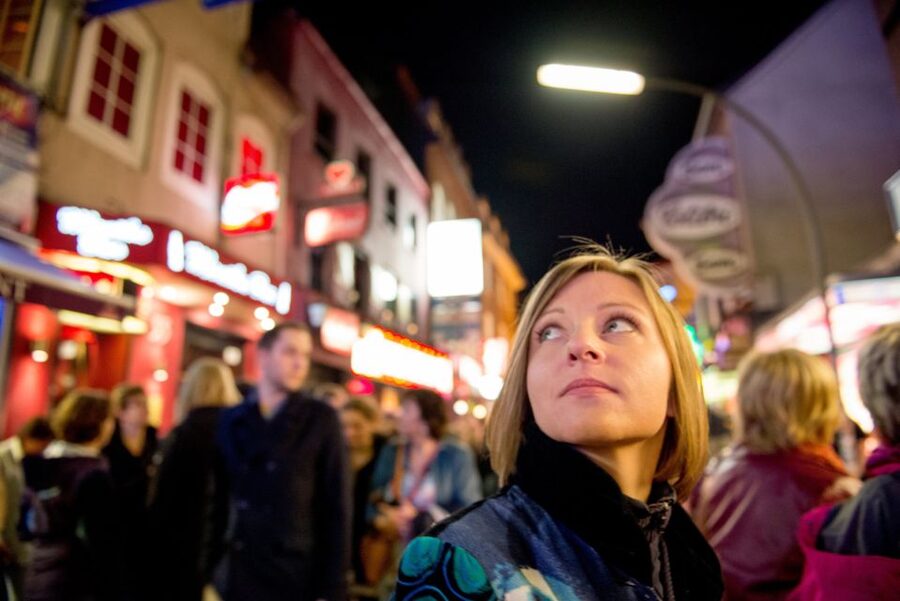
Right away, your guide gets you oriented and frames what you’re about to see. That early talk is more useful than it sounds. It helps you understand how the red-light district fits into St. Pauli’s broader identity—bars and cafes, yes, but also everyday neighborhood life.
This is also where you’ll start hearing the kinds of details that make the tour feel like more than sightseeing. For example, the guide covers the border that used to exist between St. Pauli and the formerly Danish city of Altona. They also mention how St. Pauli once had a king—an odd detail, but exactly the kind of story that turns a confusing area into something coherent.
You’ll leave the first stretch with a better sense of the map in your head, which makes the rest of the walk much easier to follow.
Reeperbahn: Hamburg’s famous street, explained street-by-street
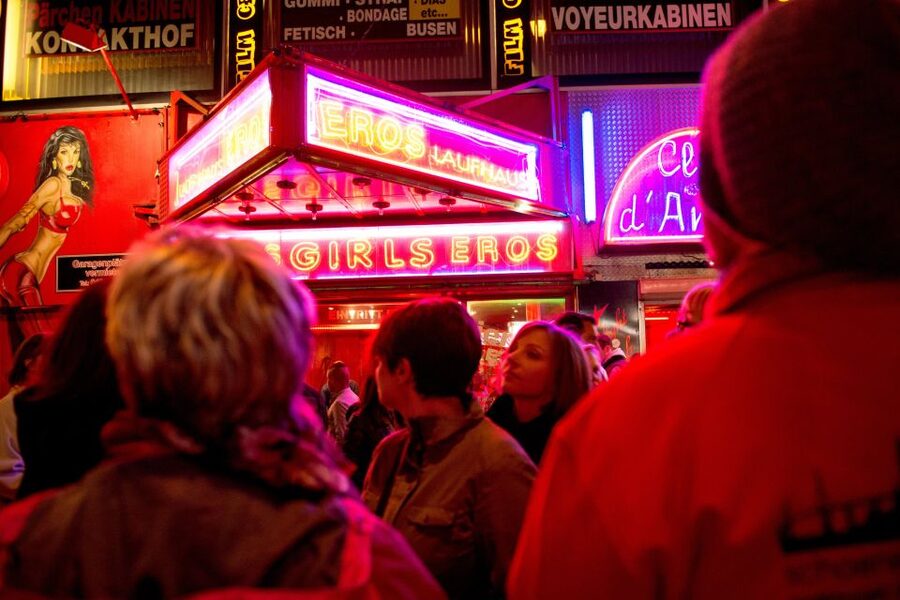
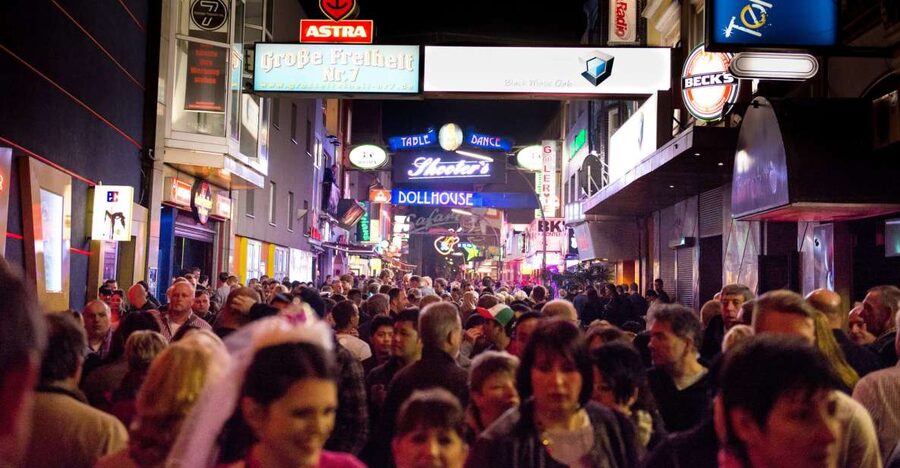
The bulk of the “wow factor” comes on the Reeperbahn. This is Hamburg’s infamous nightlife spine, and seeing it on foot with a guide changes the whole experience. From the sidewalks, the street can feel like pure spectacle. With a guide, it becomes a story of why crowds gather and how the district evolved.
The tour focuses on the Reeperbahn area and uses it as a jumping-off point for more than one layer of meaning. You’ll hear about the district’s role in nightlife culture and get pointed to places that function like landmarks, not just addresses. It’s a good way to understand why certain corners became famous while others stayed ordinary.
This stop is also where you’ll notice how the neighborhood feels different block to block. Some areas look built for nightlife; others look like normal streets. The contrast is part of the message: this isn’t a sealed-off zone, it’s integrated into the city.



Davidwache police station: a reality check in a nightlife world
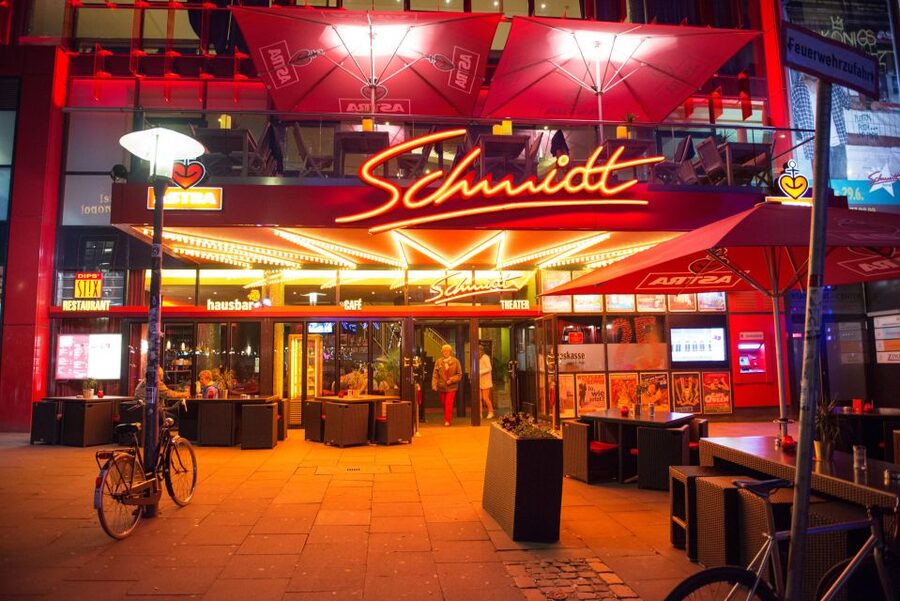
Next you visit the Davidwache police station. This is a smart inclusion because it prevents the tour from turning into one-note storytelling. Nightlife zones need rules, and a police station on the route forces you to think about how Hamburg manages the tension between public life and private behavior.
Even if you only get a short stop, it’s enough to ground the tour. You’re not only hearing about the “sinful side.” You’re also seeing where the neighborhood’s authority shows up—literally in the form of Davidwache.
For me, this is one of the best balance points on the walk. It keeps the tone realistic and helps you understand that St. Pauli’s identity isn’t just marketing. There’s a structure underneath the noise.
Herbertstraße: desk-phone nightclubs and the rules you don’t see
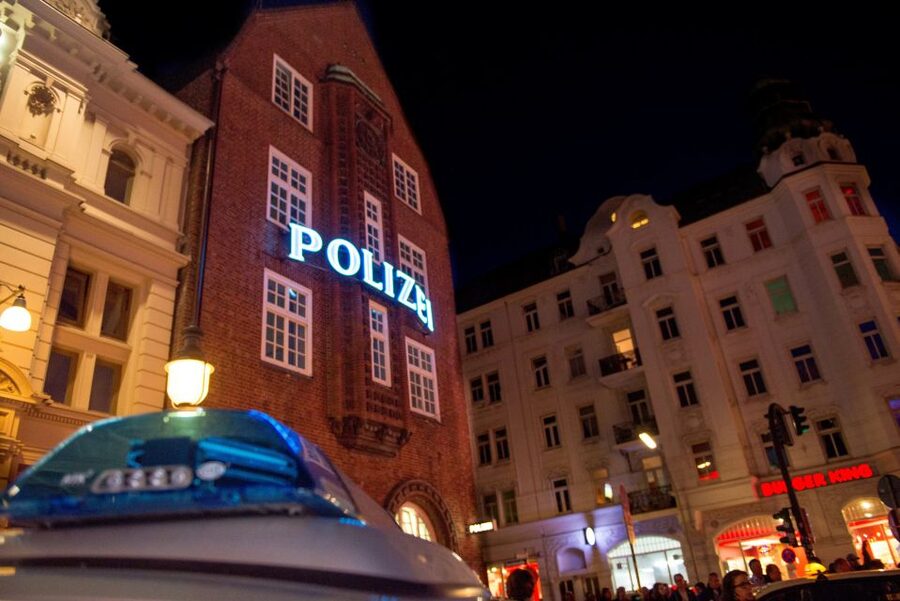
Herbertstraße is where the tour gets especially specific. You’ll hear about nightclubs with desk phones, see an air-raid shelter, and learn about the curiosities that awaited visitors—details that make the street feel like a living archive rather than a postcard.
One practical note: you’ll view Herbertstraße from the outside because women aren’t allowed to enter. That’s a big cultural detail, and it matters for how you experience the street. You don’t get the full inside view, but you do get the bigger picture of how rules shape what visitors can do and what the neighborhood expects from outsiders.
This segment is also where the guide’s storytelling style really helps. Herbertstraße can feel like one long strip to visitors. With the context on rules, past visitor culture, and physical features like the air-raid shelter, it becomes easier to understand what you’re looking at and why it exists.
Hans-Albers-Platz to Große Freiheit: where music history hangs in the air
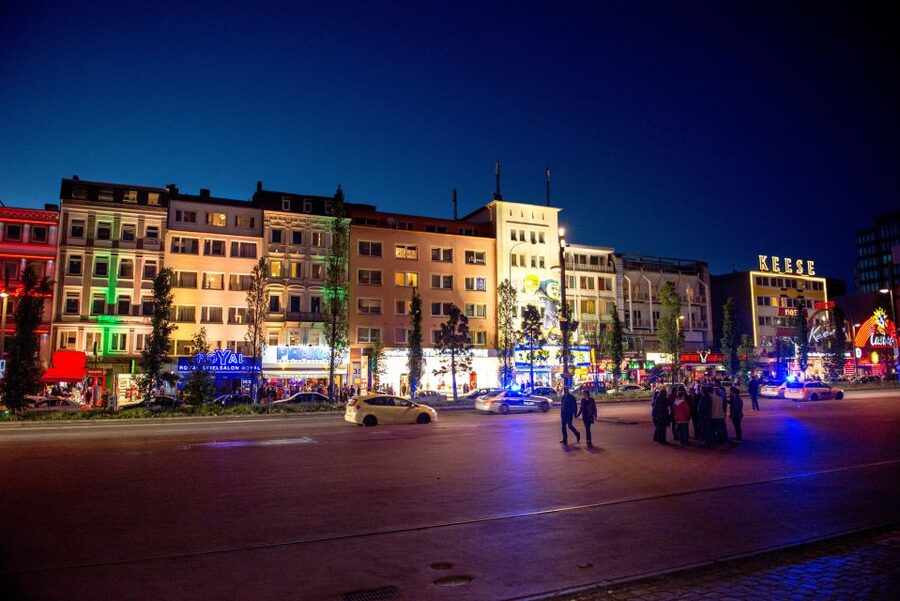
From Hans-Albers-Platz, you head toward Große Freiheit, and this is where St. Pauli’s pop-culture fame gets real. Große Freiheit is known for music history, and this tour highlights that connection in a way that feels grounded.
You’ll spend time around Große Freiheit, and the guide ties the area to the Beatles when they were first starting out. That makes the street feel less like a red-light cliché and more like a creative launchpad. You’re walking through a neighborhood where performers built momentum, not just where nightlife happened.
The tour also name-checks other figures tied to the street’s culture, including where Freddy Quinn was discovered and where Hildegard Knef fell off a bar stool. Those are exactly the kinds of stories that make you look up from your phone and start noticing the place as a stage.
If you care about music and performance history, this is the part of the walk that usually lands hardest.
Bars as landmarks: Silbersack Bar and Ritze Bar on the story map
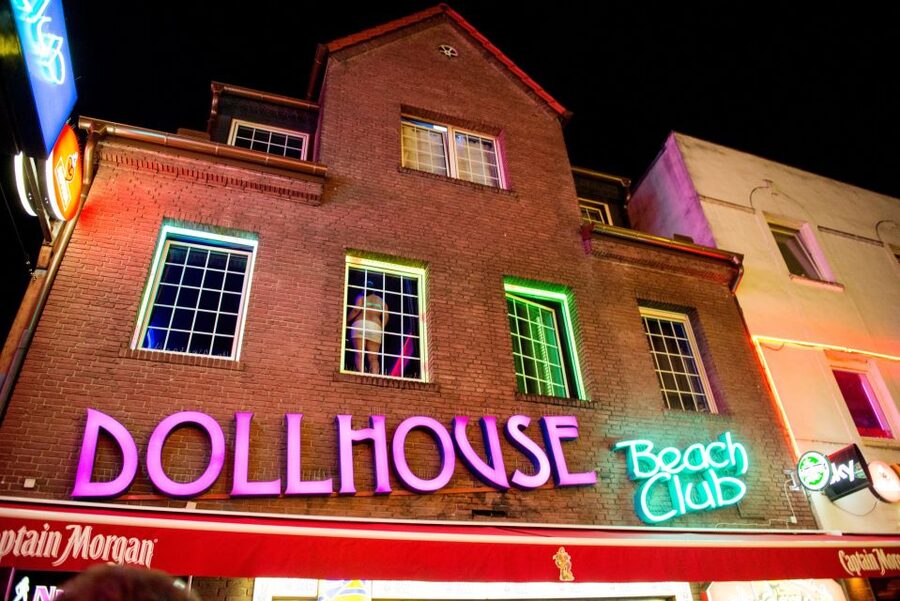
You’ll visit the Silbersack Bar and the Ritze Bar during the tour. These stops do two things well.
First, they give the walk a “human scale.” Instead of focusing only on street signs and big institutions, you also connect to the spaces where social life actually happens. Second, they help you understand the district through its hospitality and nightlife infrastructure, not just through its reputation.
It’s also a nice change of pace in a tour built around walking. You get moments where the guide can explain the role these places played in the neighborhood’s identity, and you can soak in the atmosphere without feeling like you’re missing the story.
Don’t skip the odd details: borders, kings, and Germany’s first cinema
One reason this tour feels better than a generic red-light district walk is that it’s willing to include the odd, specific stuff. You’ll learn about St. Pauli’s border past with Altona and hear why St. Pauli once had a king. Those facts might sound strange at first, but they help you understand the neighborhood’s long timeline and why its identity formed the way it did.
The tour also covers where Germany’s first movie theater was located and talks about the curiosities that awaited visitors there. That broadens the meaning of the neighborhood beyond adult nightlife. St. Pauli becomes a place where entertainment culture has been circulating for a long time.
For you, that turns the experience from just “what happens here now” into “how did this neighborhood become a place where people come for shows.” That’s the difference between a quick walk and something that actually sticks.
What’s good for you: who this tour suits best
This is a tour for adults who want context, not just a quick look at nightlife streets. It’s also a strong fit if you like street-level history and you enjoy learning about how neighborhoods develop—not through museum exhibits, but through sidewalks, buildings, and institutions.
It’s especially worth it if you:
- want a guided orientation of St. Pauli in a short time window
- care about the intersection of nightlife and performer history
- prefer a professional guide who can explain what you’re seeing as you see it
- are traveling with a group and want private pacing
Based on what’s shown in the tour’s guide ratings, the experience tends to work when you appreciate a friendly, competent guide style. Names that have come up include Paddy, Heike, and Katia—each described as informative and pleasant to spend time with.
Who might want something else
This tour is not suitable for children under 14, so plan accordingly. Also, if you’re strongly uncomfortable with adult nightlife areas or you’re expecting a tidy, “family museum” vibe, St. Pauli may feel too raw.
Finally, if you want deep museum-style history and artifacts, this walk is not built for that. It’s street history. It’s built for atmosphere, landmarks, and stories tied to specific corners.
Should you book this Hamburg St. Pauli red-light district walking tour?
Yes, if you want a short, guided way to understand Hamburg’s most famous nightlife neighborhood without getting lost in rumors. I think the value comes from the mix: Reeperbahn orientation, Davidwache reality check, Herbertstraße rules, and Große Freiheit music roots, all connected by a guide who can turn street scenes into something you understand.
Book it if:
- you like guided walking tours that explain what you’re seeing
- you’re interested in Beatles-era St. Pauli references and performer legends
- you want a private group experience that keeps the pace comfortable
Skip it if:
- you’re traveling with kids under 14
- you’d rather explore on your own with zero guided commentary
- you’re looking for quiet, purely cultural sights without nightlife intensity
FAQ
How long is the Hamburg St. Pauli red-light district private walking tour?
The tour lasts 2 hours.
Is this tour private, and what group size does it allow?
Yes, it’s a private group. The price is $460 per group up to 15 people.
What languages are available?
The live tour guide is available in English and German.
Where does the tour start?
The meeting point may vary depending on the option booked, with starting location options that include U St. Pauli and liebe workshops.
Is the tour suitable for children?
No. This tour is not suitable for children, and participants must be over the age of 14.
What’s included in the tour price?
Included are a professional tour guide and the walking tour.
What is not included?
Entrance fees and drinks are not included.
Can I cancel or pay later?
You get free cancellation up to 24 hours in advance for a full refund, and you can reserve now and pay later.
If you tell me your group size and your travel month, I can suggest the best starting option and a smart way to pair this with a low-stress Hamburg neighborhood plan.