REVIEW · NEW YORK CITY
Tribeca Architecture And History Walking Tour
Book on Viator →Operated by Metro Tours - Walking Tours of New York City · Bookable on Viator
Tribeca changes when you slow down on foot. This 2.5-hour walking tour strings together 300 years of Manhattan history through landmark buildings, street-level architecture, and the best kind of New York trivia. You’ll also hit the Ghostbusters Firehouse for that classic fan photo, but with real context behind the movie scene.
What I like most is how the guide turns building details into something you can actually picture. Guides such as Meghan Sara (and Megan) keep the pace lively, and they’ll often shape the tour around what your group cares about. I also love that you’re not just staring at facades: the route stacks up 15+ locations with photo stops and stories, so the neighborhood feels like it has a plot.
The main drawback is simple: it’s a walking tour, so you’ll want good weather and practical shoes. Also, there are no snacks included—so plan water, and maybe a quick bite before you start.
In This Review
- Key Things I’d Prioritize Before You Go
- Meeting at Tweed Courthouse: Starting Where the Lower Manhattan Story Begins
- TriBeCa’s 300-Year Arc: From Farmland to Fashioned Luxury Streets
- Spotting Architecture in Real Life: What You’ll See Along the Way
- Ghostbusters Firehouse (Engine Co. 8): Photo Op Plus a Real Story
- How the Tour Feels in Motion: Pace, Breaks, and Small-Group Energy
- What You Get Besides Sightseeing: Recommendation Guides and Practical Extras
- Price and Value: Is $50 a Good Use of Time?
- Who Should Book This Tribeca Walk?
- Should You Book? My Straight Answer
- FAQ
- How long is the Tribeca Architecture And History Walking Tour?
- Where does the tour start and end?
- How much does it cost?
- Is a mobile ticket used?
- Are snacks included?
- Is the tour dependent on weather?
Key Things I’d Prioritize Before You Go
- Expert-led stories, not textbook lectures: the guide uses architecture and history to tell a clear neighborhood story.
- Ghostbusters Firehouse with real-world meaning: you get the fan photo, plus why that building matters beyond the film.
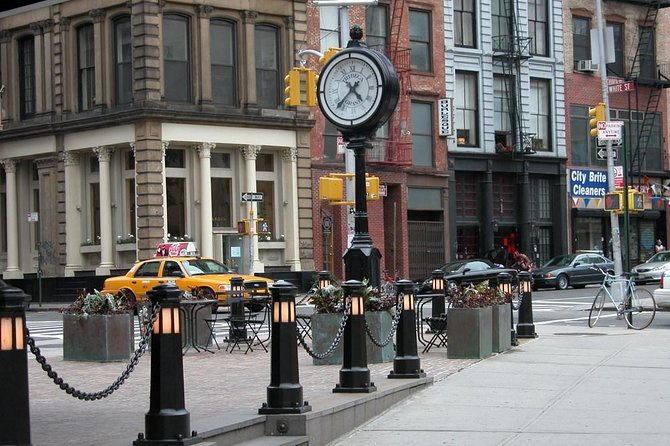
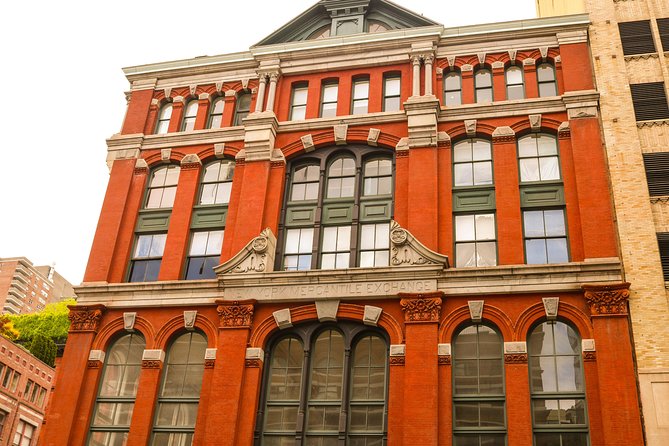
- Old-school architecture you can spot fast: you’ll see lots of period features like cast-iron-style buildings.
- Small group size (max 15): it feels manageable for questions and photo timing.
- Stops built for comfort: the tour includes breaks such as warm-up time and restroom planning, especially on hot days.
- A thoughtful finish in Tribeca Park: the walk ends at a park with history dating back to the early days of New York City.
Meeting at Tweed Courthouse: Starting Where the Lower Manhattan Story Begins
The tour begins at the Tweed Courthouse area, right at 52 Chambers St. That matters because it’s a strong “orientation” start: you’re already in the Lower Manhattan rhythm, where old civic buildings and newer development sit side by side.
The official start time is 11:00 am, and the experience runs about 2 hours 30 minutes. Expect a steady walk with multiple photo-and-story stops. With a maximum group size of 15, you’re not lost in a crowd, which helps if you want to ask follow-ups when a building detail catches your eye.
You can also read our reviews of more walking tours in New York City



TriBeCa’s 300-Year Arc: From Farmland to Fashioned Luxury Streets

The core of the tour is Tribeca itself, with more than 300 years of history folded into the blocks. The big idea you’ll leave with is how this area changed from farmland into one of New York’s most famous and expensive neighborhoods. The tour also connects the dots on how Tribeca got its name, so the place stops feeling like a brand label and starts sounding like a real location with origins.
What’s especially satisfying is that you don’t need an architecture background. You’ll still come away knowing what to notice: how neighborhoods evolve, what different building styles signal, and why certain landmarks became the backbone of the area’s identity.
You can also expect more than “sightseeing.” The route is designed around over 15 stops, and the guide keeps the story moving by pausing for pictures and then pulling you back into context. This is the kind of tour where you might glance at a doorway or window detail and then realize you’re looking at something with a reason behind it.
One more thing I appreciate: the guide often adjusts. If your group is more into design, pop culture, or plain old history, the tone can shift without the tour feeling scattered. That adaptability shows up in the way the guide customizes stops to match the group’s interests.
Spotting Architecture in Real Life: What You’ll See Along the Way
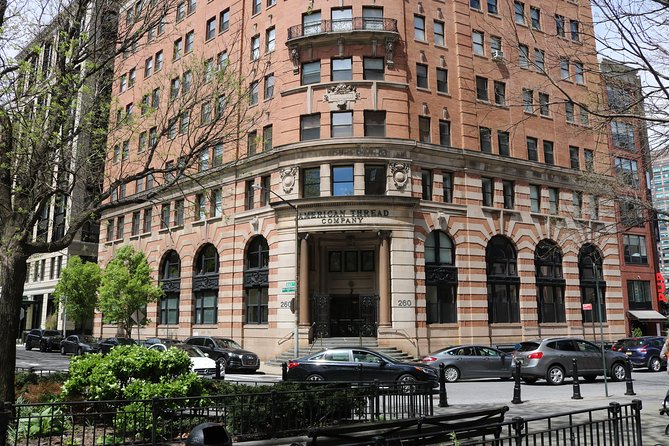
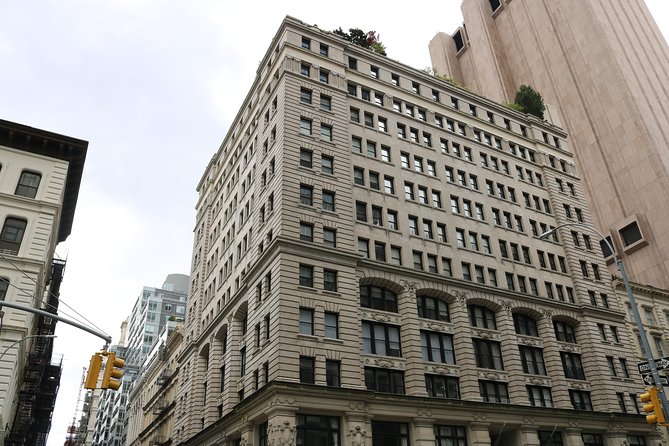
Even without a slide deck, the tour gives you practical “what to look for” skills. You’ll pass some of the area’s most beautiful and pricy buildings, but the guide steers your attention to features that most people would walk past.
A theme that comes up is older industrial-looking style, including cast-iron type buildings. It’s the kind of structure that can look decorative from far away, then gets fascinating up close once someone points out how it’s built and why it looks the way it does.
You may also get a brief interior moment at a building lobby as part of the experience. That can be a helpful change of pace, especially because you’ll spend a lot of time outdoors. And it’s a good reminder that “architecture” isn’t only the outside shell—sometimes it shows up in entrances, materials, and the way a public space is shaped.
Ghostbusters Firehouse (Engine Co. 8): Photo Op Plus a Real Story
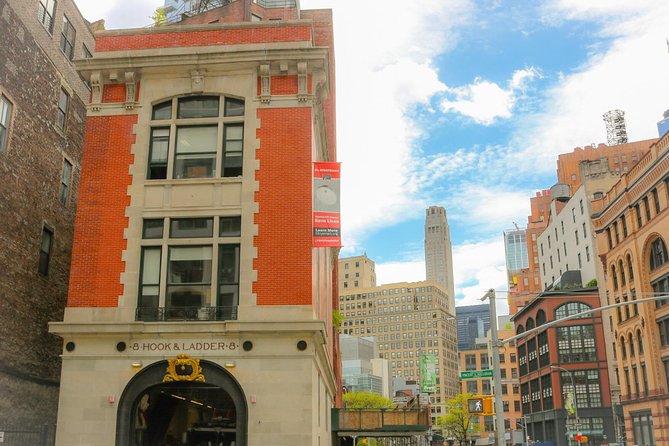
If there’s one stop people recognize immediately, it’s the Ghostbusters Firehouse, the Company 8 building. You’ll have about 10 minutes here, which is long enough to get your fan photo without turning it into a rushed sprint.
The best part is that the guide treats it like a starting point, not the whole event. You’ll learn how this firehouse is more than a movie prop, which is where the tour earns its keep. Instead of letting the pop culture reference be the end of the story, you get the neighborhood angle—how a building like this fits into the community fabric and why it remains visible in people’s minds.
This is also a great stop for first-timers because it gives you something instantly graspable. From there, the tour can move back into the slower, deeper architecture story with a little more momentum.
How the Tour Feels in Motion: Pace, Breaks, and Small-Group Energy
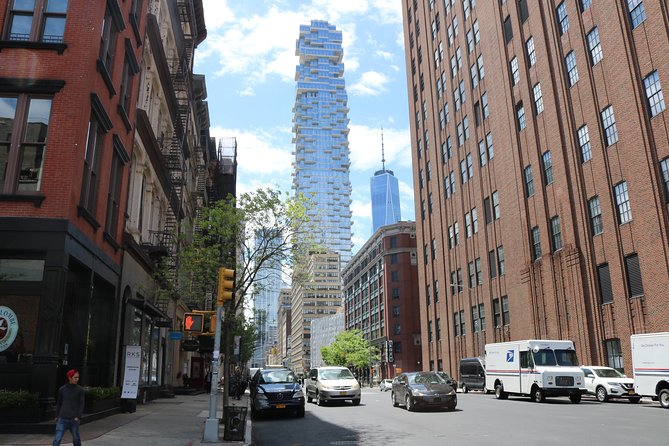
With an average duration of 2.5 hours, this isn’t a marathon walk. It’s long enough to cover meaningful ground and hit more than a few landmarks, but it doesn’t drag in a way that makes people start checking their phones.
The group size cap of 15 helps a lot. You can hear the guide, and it’s easier to pause for photos without losing the whole line. It also makes the tour better for families and teens, since the guide’s humor and pacing can hold attention.
Comfort-wise, the tour is designed with real-life conditions in mind. On hot days, the guide’s approach can include quick warm-up moments and restroom planning. In at least one case, the group experience included a small treat like lemonade found during the day—exactly the kind of practical detail that turns an “okay” walk into a memorable one.
Still, plan like you’re in New York. Bring water, wear shoes that can handle uneven sidewalk, and keep your schedule flexible for the weather.
You can also read our reviews of more historical tours in New York City

What You Get Besides Sightseeing: Recommendation Guides and Practical Extras
In addition to the guide-led tour, you’ll receive Manhattan Recommendation Guides. I like this because it takes the “now what?” problem out of your trip.
It’s the kind of bonus that can help you turn your walking loop into a weekend plan—where to eat, what to try next, and how to keep exploring without constantly Googling while you’re hungry.
Snacks aren’t included, though. So if you’re the type who gets cranky around the 2-hour mark, it’s smart to eat before the tour and then use the recommendations afterward.
Price and Value: Is $50 a Good Use of Time?
At $50 per person, this tour lands in the mid-range for NYC walking experiences. The value comes from three places:
First, you’re paying for expert storytelling tied to 15+ stops. Second, the tour connects architecture + Manhattan history in a way that’s meant to be understood quickly, even if you don’t usually care about design. Third, you get practical add-ons like the recommendation guides.
If you like self-guided wandering, this isn’t just a cheaper version of that. It’s more like a guided lens: you’ll notice buildings and street details differently afterward, and you’ll know what to look for when you walk the neighborhood again on your own.
Who Should Book This Tribeca Walk?
This tour is a great fit if you want a Lower Manhattan experience that feels more personal than a bus ride. It’s also a smart choice for locals who want a fresh angle on a familiar neighborhood, because the guide’s style pushes you to see details you’d normally ignore.
It’s also friendly to mixed groups. The tour’s format works for people who love history, people who care about buildings, and people who just want fun facts and a smooth pace—no architecture class required. If you’re bringing teens, this style tends to land well because it mixes humor and pop culture with actual neighborhood context.
Should You Book? My Straight Answer
Book it if you want to understand Tribeca instead of just walking through it. The combination of architecture-focused stops, a strong pop-culture anchor at the Ghostbusters Firehouse, and a lively guide (often Meghan Sara) makes the time feel well spent.
Skip it if you hate walking, can’t handle outdoor weather, or you’re hoping for snacks and long indoor visits. It’s a neighborhood walk first. The trade is simple: you get the streets and the stories, not a comfort-heavy itinerary.
FAQ
How long is the Tribeca Architecture And History Walking Tour?
It runs for about 2 hours 30 minutes.
Where does the tour start and end?
It starts at Tweed Courthouse, 52 Chambers St, and ends at 8 Beach St. The tour finishes in Tribeca Park.
How much does it cost?
The price is $50.00 per person.
Is a mobile ticket used?
Yes, the tour uses a mobile ticket.
Are snacks included?
No, snacks are not included.
Is the tour dependent on weather?
Yes. The experience requires good weather. If it’s canceled due to poor weather, you’ll be offered a different date or a full refund.