REVIEW · NEW YORK CITY
Central Park Walking Tour
Book on Viator →Operated by Custom NYC Tours · Bookable on Viator
Central Park is huge. This guided walk makes it feel doable, with Central Park highlights plus history and planning stories along a relaxed route. You’ll go at a leisurely pace all year, so the park’s look changes as the weather and foliage do their thing.
Two things I really like: the guide storytelling, often led by Jeremy, is funny and clear without turning into a lecture. And the small group size (max 15) keeps the walk easy to follow when you’re trying to take photos and ask questions at the same time.
One consideration: this walk doesn’t cover every corner of Central Park. It hits major landmarks and some deeper stops, but you’ll still want extra time on your own if you want the full park experience.
In This Review
- Key Points That Matter Before You Go
- Why This Central Park Walk Feels Like the Smart Option
- Starting at the Sherman Monument and Getting Your Bearings Fast
- The Main Central Park Portion: Highlights Plus Real Context
- Strawberry Fields: More Than a Famous Stop
- Bethesda Terrace and the Lake Views: The Part That Feels Movie-Perfect
- The Upper West Side Finish Near The Dakota: Keep the Day Going
- How the $35 Price Works for Real Value
- What the Tour Style Feels Like (Pace, Questions, and Group Energy)
- Best Times to Go (And What Changes With the Seasons)
- Who Should Book This Central Park Tour?
- Should You Book It? My Take
- FAQ
- How much does the Central Park Walking Tour cost?
- How long is the tour?
- What time does the tour start?
- Where do you meet and where does it end?
- What’s included in the price?
- Is hotel pickup or drop-off included?
- Do I need to buy a ticket or show something on my phone?
- What should I consider for walking and weather?
Key Points That Matter Before You Go

- Small group (up to 15): you get attention and time for questions, not just a quick herd-through.
- Set end point on the Upper West Side: the tour finishes near The Dakota, so you can keep exploring right away.
- Landmark mix: you’ll see famous spots like Strawberry Fields and Bethesda Terrace plus quieter park moments.
- A route without map stress: the guide leads so you can focus on views and details instead of navigation.
- 2.5 hours of walking at a leisurely pace: great for a first-time Central Park day, as long as you wear comfy shoes.
- Weather-dependent: it needs good weather, and the company will reschedule or refund if conditions are poor.
Why This Central Park Walk Feels Like the Smart Option
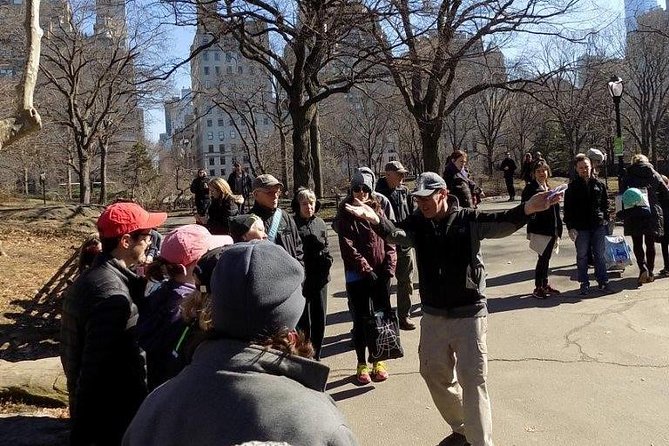
Central Park can overwhelm you fast. It’s iconic, but it’s also spread out, with paths that twist and change character block by block. This tour solves the biggest problem: you don’t have to decide where to go next, or keep checking a phone map while you’re standing in front of a thousand-decisions worth of scenery.
I like that the focus is on getting you to the park’s most story-filled places without rushing. You’ll be walking at a steady, leisurely pace, which matters because Central Park is made for wandering. The guide keeps the flow moving, but you’re not getting yanked along like a speed-walk. Instead, you’re stopping for key sights and learning what makes them significant—how this place was designed, how it evolved, and why it still feels special today.
This is also a good choice if you’re the type who enjoys small details. The walk isn’t just big-name photo spots. You’ll hear about famous locations like Strawberry Fields, but you’ll also pick up “wait, what am I looking at?” context—urban planning decisions, design features, and how different areas of the park work.
You can also read our reviews of more walking tours in New York City



Starting at the Sherman Monument and Getting Your Bearings Fast
The tour starts at the General William Tecumseh Sherman Monument (764 Doris C Freedman Pl) with a 10:00 am start time. If you’ve never stood inside the park before, that meeting point is a helpful anchor. It’s easy to identify, and it puts you on a route that quickly shifts from city energy into park calm.
One of the best parts of a guided start is the mental setup. Your guide doesn’t just list places. You get the “how to read Central Park” framing early, including the idea that this park was planned in a way that creates different scenes as you move through it. That makes every turn feel intentional instead of random.
The first stretch begins around Grand Army Plaza, which is a quick “welcome to Central Park” intro. It’s short, but it helps you transition from streets into parkland without feeling lost. If you’re trying to see Central Park efficiently on a half-day schedule, this early orientation is exactly what you want.
The Main Central Park Portion: Highlights Plus Real Context
After the opening moment at Grand Army Plaza, the heart of the experience is the central walking time through the park’s highlights. The walk is described as a detailed tour of Central Park, and that’s the right idea: you’re not skimming the park like it’s a checklist.
Expect a pace that supports both viewing and absorbing. Central Park looks different depending on the season—clear winter sightlines can feel dramatic, while warmer months bring more color and softer atmosphere. The guide’s explanations help you notice what you’d otherwise miss. You’ll also learn about design and feats of urban planning that created this city treasure, which gives the park more meaning than just pretty paths.
From what you’ll actually see along the route, this walk tends to cover the more famous and photogenic sections on the south-to-mid area of the park. Many guides build their storytelling around the major landmarks and then connect them to broader park themes, like how different zones serve different experiences—views, promenades, calm pockets, and spots people use for events.
One small practical note: Central Park has some hills and uneven walking terrain. The tour recommends comfortable shoes and a moderate fitness level, and that’s fair. Even if the pace is relaxed, you’re still walking inside a large park system, not strolling on perfectly flat pavement.
Strawberry Fields: More Than a Famous Stop
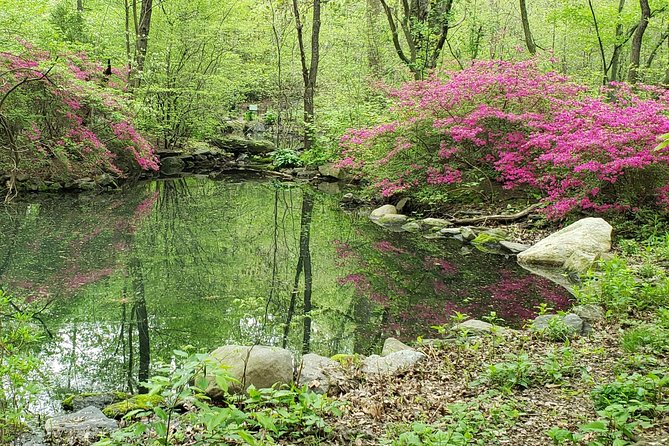
Strawberry Fields, the John Lennon Memorial area, is one of the shortest stops on paper—but it’s often the one people remember longest. You’ll spend about 10 minutes here, which means it’s a quick visit, not a long linger session.
What’s valuable about this stop is the combination of place and story. If you’ve seen photos online, you’ll still be hit with how grounded it feels in the real park setting. You get context from the guide, and it helps you understand why this memorial matters in the broader Central Park experience, not just as a distant tourist landmark.
This is also a good spot for a “slow down and look” pause. Even on a time-limited schedule, you’ll want a few minutes to take in the space around you. Bring your phone camera, of course, but also remember that the park is part of the frame. You’re not just photographing a monument; you’re viewing how it sits inside a living urban park.
Bethesda Terrace and the Lake Views: The Part That Feels Movie-Perfect
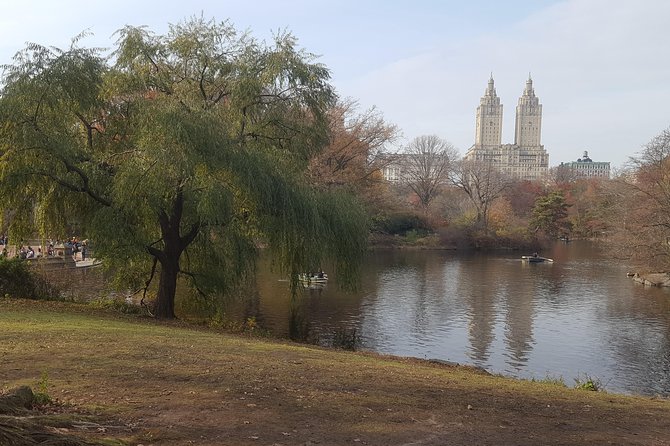
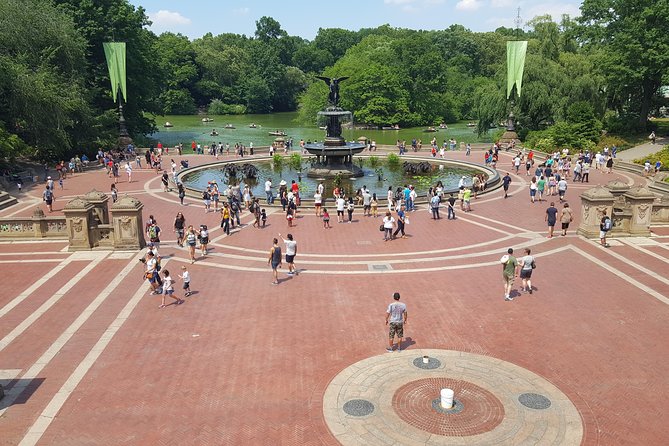
Bethesda Terrace is where Central Park often delivers its wow-factor. The tour includes about 10 minutes here, focused on the terrace by the lake.
This stop works because the design creates a sense of scale and balance. You’re standing at a point where the view feels structured—like the park designers wanted you to look out, breathe, and reset. Even if you’ve seen pictures, the terrace-to-water relationship is different in person. You feel the geometry. You notice the architectural details.
It’s also a practical photo stop. If you care about getting one or two “I’m in Central Park” shots that aren’t just random selfies, this is usually a top pick. The guide’s storytelling helps you look at what you’re seeing instead of just aiming at it.
One thing I’d plan for: restrooms at this general area can be a weak point. Some people have flagged the Bethesda Terrace bathrooms as unpleasant. If you need one during the walk, I strongly suggest timing it earlier or having a backup plan rather than counting on a smooth experience here.






The Upper West Side Finish Near The Dakota: Keep the Day Going
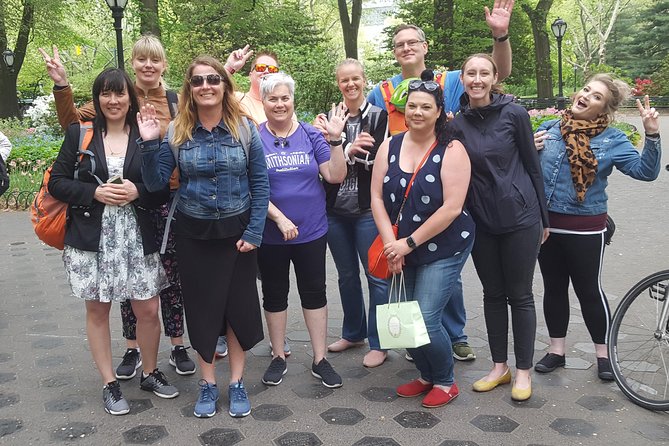
The tour ends on the Upper West Side at The Dakota (1 W 72nd St). That matters because Central Park is only part of the day. Finishing on the Upper West Side gives you an easy landing zone for your next move—coffee, a late lunch, strolling a neighborhood, or catching public transit.
You also get something important that many walking tours skip: free time to explore on your own right after the guided portion ends. That’s not just convenience. It’s your chance to turn what you learned into your own route choices. You can follow your instincts for another half hour or hour without feeling like you’re back at zero.
If you’re trying to avoid a stressful “get back to your hotel” scramble, this ending point is a nice design. You’re positioned to keep moving through a more residential-feeling part of Manhattan while still staying close to Central Park.
How the $35 Price Works for Real Value
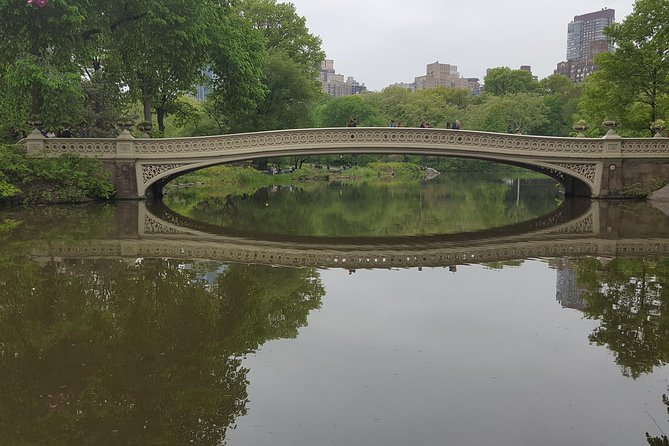
$35 per person for about 2.5 hours is a straightforward deal on paper, but here’s the real value: you’re buying time and clarity. Central Park’s biggest cost is not money—it’s decision fatigue. A guide gives you a planned route, a sensible pace, and the kind of context you won’t get from staring at buildings and bridges.
You’re also paying for a professional guide, which is the main included item. Nothing else is bundled besides the guidance and the experience itself. That means you should treat this as a “learn and walk” purchase, not a “transport and attractions included” package.
The tour is also small—maximum 15 travelers—which helps justify the price. When you’re in a smaller group, you get more interaction and less waiting. That’s a meaningful difference between a generic big-group walking tour and something that actually feels like a guided stroll.
What the Tour Style Feels Like (Pace, Questions, and Group Energy)
A lot of city walking tours fail when the guide can’t balance storytelling with movement. This one is set up for a leisurely walk, which helps the guide keep your attention without making it feel rushed.
In practice, the best versions of this tour come down to the guide’s tone. Many people mention Jeremy specifically for being a great storyteller and for mixing history with modern information. You’ll likely find that you can ask questions and get answers that connect back to what you’re looking at in the park.
The small group also changes the vibe. You’re not fighting for view lines. You’re not stuck at the back hoping the person ahead moves. That makes it easier to stop for pictures at the right moments and still keep the group together.
And yes, bring patience for weather. The experience requires good weather. When it’s canceled for poor conditions, you’ll be offered a different date or a full refund. That’s a useful heads-up for planning your Central Park day around forecasts.
Best Times to Go (And What Changes With the Seasons)
Central Park is not the same place twice. Even within a few months, the feel can shift—light, plant color, and even the way the park “frames” views. This tour is designed to work across the year, with the guide tailoring the experience to what you can see at the time.
If you’re visiting during late winter or early spring, pay attention to seasonal bloom timing. One person noted that end of March would have been better if they wanted specific cherry tree moments. It’s not a promise, but it’s a reminder that timing matters if you’re chasing certain visual highlights.
If you go in colder months, the park can feel more dramatic because visibility can be crisper and paths can look different under snow or ice conditions. If you go in warmer months, you’re more likely to experience softer color and a more active park atmosphere around your route.
In any season, your best move is practical: dress for the weather and keep your schedule flexible. A guide-led walk is great, but Central Park’s outdoors—so your day needs to match the skies.
Who Should Book This Central Park Tour?
This tour is a strong fit if you want:
- A first-time Central Park day that covers the most meaningful highlights without getting lost.
- A guided learning experience focused on history and urban planning in plain language.
- A small-group walking format with a professional guide you can ask questions.
- A convenient ending point on the Upper West Side, close to The Dakota.
It may not be the best fit if you’re the type who wants to explore the entire park at your own pace. The route is focused. You’ll see a lot, but not everything. Think of this as a smart sampler of Central Park’s best stories, then you build your own “after the tour” route.
Should You Book It? My Take
I’d book this Central Park walking tour if you care about two things: seeing the key places efficiently and understanding why the park is designed the way it is. For $35, you’re paying for a guided route, a relaxed pace, and a pro who can explain what you’re looking at while you walk.
I’d also book it if you want a low-stress plan. You show up at the Sherman Monument, you walk with a guide, and you finish near The Dakota with free time. That’s a clean structure for a busy NYC trip.
Just go in with the right expectation: Central Park is huge, and this is not a whole-park marathon. If you want to see it all, you’ll still need extra time on your own. If you want the best highlights with solid context in about 2.5 hours, this one makes a lot of sense.
FAQ
How much does the Central Park Walking Tour cost?
It costs $35.00 per person.
How long is the tour?
The tour lasts about 2 hours 30 minutes.
What time does the tour start?
The start time is 10:00 am.
Where do you meet and where does it end?
You meet at the General William Tecumseh Sherman Monument (764 Doris C Freedman Pl, New York, NY 10019) and end at The Dakota (1 W 72nd St, New York, NY 10023).
What’s included in the price?
The tour includes a professional guide.
Is hotel pickup or drop-off included?
No. Hotel pickup and drop-off are not included.
Do I need to buy a ticket or show something on my phone?
You’ll receive a mobile ticket.
What should I consider for walking and weather?
Comfortable shoes are recommended, and a moderate physical fitness level is suggested. The experience requires good weather; if it’s canceled due to poor weather, you’ll be offered a different date or a full refund.