REVIEW · LONDON
London Sightseeing Walking Tour with 30+ sights
Book on Viator →Operated by See The Sights Tours · Bookable on Viator
London can be overwhelming. This walking tour turns the chaos into a tight route of 30+ landmarks with built-in photo moments. You get City of London meets Westminster in one day, so you can “knock out” the main sights and still learn how they connect—from Roman-era streets to the modern skyline at the Shard. The main trade-off: it’s a long, mostly on-foot day, and the tour doesn’t include entry tickets to any sights.
I like that it’s designed for real orientation. Starting at St. Paul’s Station (Exit 2) makes it easy to jump in, and the ending at Buckingham Palace works well if you plan to keep exploring after the tour. The guides are also a standout, with guides like Mike, Carolina, Adam, Eric, Matt, and Andrew praised for keeping the group together and making group photos simple instead of awkward.
In This Review
- Key takeaways before you book this 30+ sights London walk
- The value: why a $26 walking tour makes sense in London
- Logistics that matter: meeting point, Tube ride, lunch, and the walking load
- St. Paul’s to Big Ben: the Westminster-to-City bridge you can actually follow
- Tower of London, Tower Bridge, and Parliament area: power, punishment, and the Thames
- Westminster Abbey and Downing Street: what to notice when you can’t enter
- The London Eye and the skyline checks: seeing the city in layers
- City of London stops: finance history without the museum time
- Royal parks, ceremonial streets, and the “in-between” pauses
- War memorials and justice buildings: the quiet stops that add weight
- Tower Bridge to Tower Hill lunch: what to do with your energy midday
- Sky Garden and other modern views: the best way to end the skyline story
- Photo tips that actually help during a fast-moving walk
- Who this London walking tour is best for
- Should you book this 30+ sights London sightseeing walking tour?
- FAQ
- What time does the tour start, and where do I meet?
- Does the tour include entry tickets to landmarks?
- How long is the walking tour?
- Is a Tube ride included?
- Where does the tour end?
- Is lunch included?
- What’s the cancellation policy?
Key takeaways before you book this 30+ sights London walk
- Two big areas in one day: the City of London and Westminster on the same route.
- Photo stops built into the pacing, including major skyline moments like Big Ben, Buckingham Palace, and the London Eye.
- No entry tickets, so you’re focused on the outside sights and quick context (save your tickets for later).
- One Tube ride is included, which helps you cover distance without turning it into a marathon.
- It ends at Buckingham Palace, so your afternoon plan should be nearby.
- Small-group feel with a maximum of 25 travelers.
The value: why a $26 walking tour makes sense in London
At about $26.35 per person for roughly 5 hours, the price is all about leverage. London’s top sights are spread out, and paid attractions can add up fast. This tour keeps costs down by staying outside, explaining what you’re looking at, and giving you practical pointers for what to ticket later.
You’re also not just “hiking for photos.” The route is built to connect themes: power and government around Westminster, civic wealth and finance in the City, and the Thames as the long-running backbone of the city. When the guide points out the why behind a building or street name, it changes how you see the same photo spots you’d otherwise just scroll past.
The one caution on value: since admission tickets aren’t included, you won’t walk into places like Westminster Abbey, the Tower of London, or Parliament. If you’re hoping for a full interior visit, you’ll need a separate plan.
You can also read our reviews of more walking tours in London



Logistics that matter: meeting point, Tube ride, lunch, and the walking load
This tour starts at 10:00 am at St. Paul’s Station (Exit 2). The meeting point is the top of the steps next to Caffe Nero, and the guide will be holding a yellow umbrella.
There’s also a Tube journey included. You’ll need an Oyster card, contactless payment card, or Apple/Google Pay for the Tube tap-in. The practical benefit here is simple: you’ll spend less time fighting London’s street grid and more time on landmark viewing.
Then there’s lunch. You’ll take a short break near Tower Hill, and lunch is at your own expense. In practice, this is your pressure valve during the day—use it to refuel and reset before you head toward Westminster.
How much walking? The tour covers about 5 miles, but the reviews include one report closer to 7 miles depending on pace and how long you spend at photo stops. Either way, treat this as a day for supportive shoes and a realistic expectation: you’ll be on your feet for hours.
St. Paul’s to Big Ben: the Westminster-to-City bridge you can actually follow
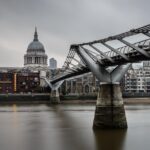
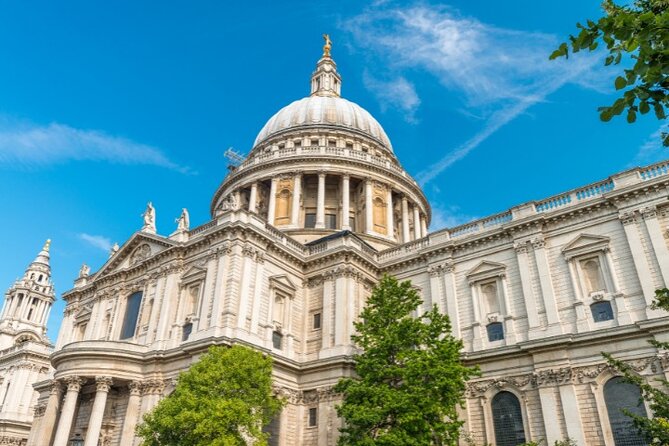
The route begins with St. Paul’s Cathedral, one of those places that instantly shows you why London looks the way it does. Even without entering, you’ll get context around Sir Christopher Wren’s design and why the dome sits so prominently in the skyline. If you’re the type who likes to read architecture like a story, you’ll appreciate this start.
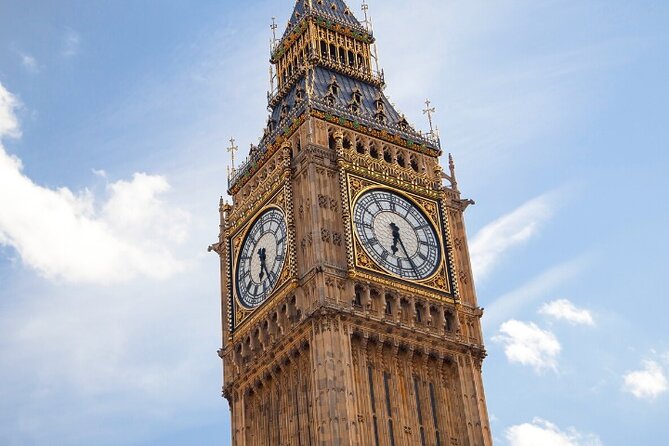
Next comes Big Ben (officially the Elizabeth Tower) next to the Houses of Parliament. It’s a straightforward photo moment on the outside, but the guide’s job is to connect it to what the tower represents and how it anchors the whole parliamentary area. This is one of the best stops for quick orientation because it’s visible and recognizable from so many directions.
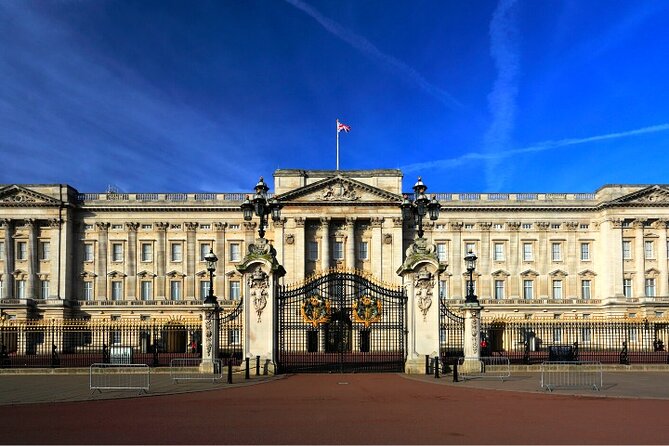
From there, you head to Buckingham Palace, where the key is realizing it’s more than a postcard. It’s the monarch’s London residence and a working site for state moments. The tour gives you enough time to photograph the facade and then move on before you lose energy.
Tower of London, Tower Bridge, and Parliament area: power, punishment, and the Thames
A major highlight stretch starts with the Tower of London. It’s been around for nearly 1,000 years, with roles that shifted from palace to prison, armory, and treasury. The famous part on the outside is the sense of layers—how the same space served totally different purposes across centuries.
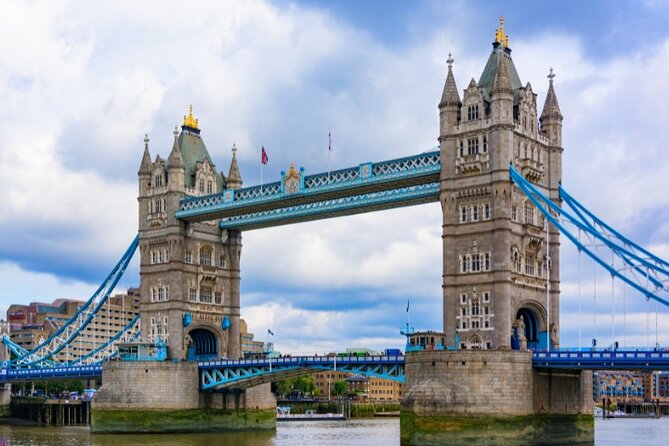
Then you’ll connect to Tower Bridge, the iconic Thames crossing near the Tower. Even if you’ve never lived in London, you’ll feel the geography here: the Thames is the spine, and these bridges are the joints.
Right after, you see the Houses of Parliament. Even from outside, it helps to know you’re looking at the home of the UK’s Parliament, including the House of Commons and House of Lords. It’s one of those stops where the guide’s commentary makes you look up and around instead of only back at your camera screen.
And if you want another Thames anchor, the tour includes London Bridge too—briefly. It’s a good moment for understanding how London’s river crossings keep evolving, including the modern bridge and the medieval history that people associate with it.
Westminster Abbey and Downing Street: what to notice when you can’t enter
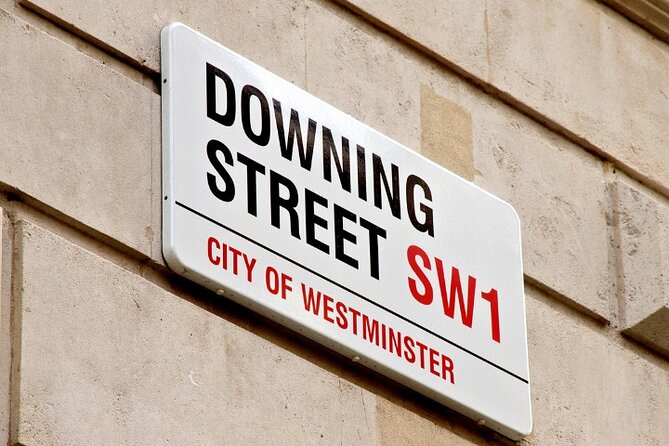
Two of the biggest names in British history show up on this walk: Westminster Abbey and 10 Downing Street.
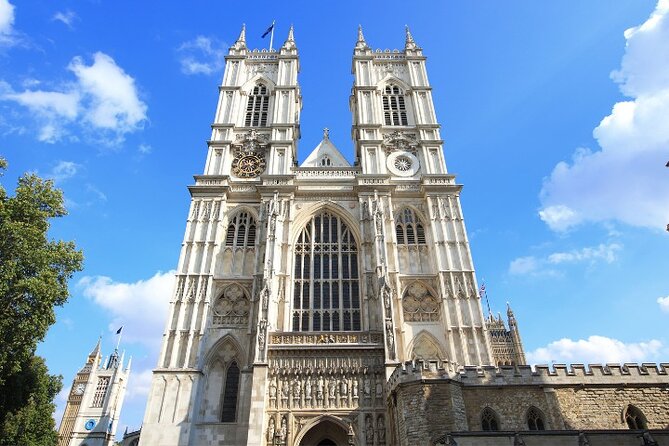
For Westminster Abbey, you’ll be taking in the Gothic style and learning why it’s tied to coronations dating back centuries. The practical angle: since you’re not entering, focus on sightlines—where the building sits in the surrounding streets—and details like stained-glass references and layout themes the guide points out.
Then there’s 10 Downing Street, the shorthand location for British government leadership. You won’t go inside, but you’ll get enough context to make the area feel like a working political machine rather than a film set.





The London Eye and the skyline checks: seeing the city in layers
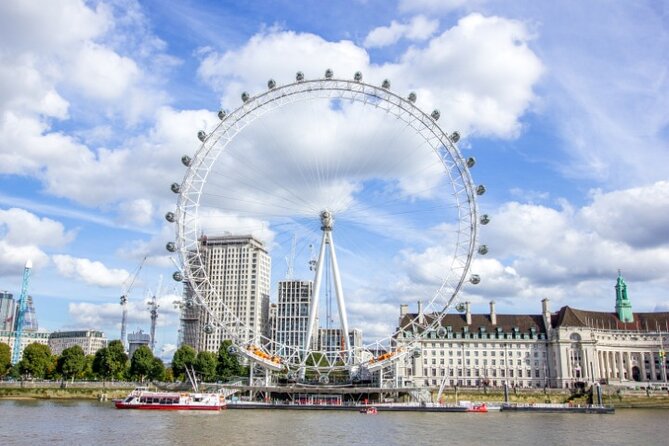
After Westminster, you’ll reach the London Eye. It’s a modern landmark, and the tour gives you a quick chance to line up views so you can later match them to what you learned. The value here is not waiting in queues—it’s knowing which landmarks you’re supposed to spot from a distance and how to connect them.
The tour also includes the Thames River itself as a viewing moment. Use it to take in the big idea: the city’s identity is shaped by the river’s transport role for centuries, and the landmarks keep repeating along its banks.
Finally, you’ll see the Shard in the mix. It’s London’s tallest skyscraper and a strong visual reminder that this route isn’t only about old stone. It’s also about how London keeps stacking new power and new ambition above older streets.
City of London stops: finance history without the museum time
Once the day shifts toward the City of London, it changes mood. The streets feel more “office district,” but the guide can make them feel like history with footnotes.
One stop to watch for is the Bank of England, sometimes called the Old Lady of Threadneedle Street. Even from outside, you’ll learn what the Bank does—money policy, currency, and stability—so you understand why this district matters.
You’ll also see the Royal Exchange, a historic commercial hub dating back to the 1500s. It’s one of those exterior stops where the guide’s framing helps you notice architectural details because they connect to trade power, not just style.
Add in Bloomberg and Bracken House, both modern architecture markers in the City, and you’ll start to get how the skyline has become a mix of old commerce and new money-tech.
Royal parks, ceremonial streets, and the “in-between” pauses
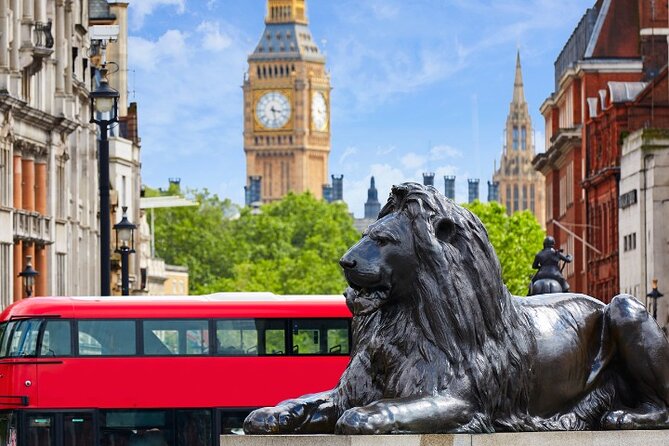
A big reason the tour works is that it doesn’t turn into a nonstop sprint of only major monuments. You get pauses that make the whole thing feel human.
There’s the Mall, the grand ceremonial avenue running between royal landmarks. Even without state events, it’s a strong straight-line view that helps you understand how official Britain moves through the city.
Then St James’s Park comes in with a calmer vibe—trees, gardens, and a lake—plus chances for animal spotting like pelicans and swans. This is a good reset moment if the day starts to feel long.
You’ll also see Clarence House, tied to King Charles III and his family, which helps tie royal geography to the present, not only the past.
War memorials and justice buildings: the quiet stops that add weight
Two types of stops can easily get skipped by people who only chase the loudest landmarks. This tour includes both.
The Cenotaph is a solemn war memorial tied to remembrance in the UK. It’s brief, but it lands because it’s not trying to be cheerful. If you pause for it instead of marching past, it gives the day emotional context.
You’ll also see the Women of World War II Memorial, focused on roles women played during the Second World War. It’s one of the stops that can feel easy to miss—until the guide explains it clearly and you realize how much this story deserves space.
For justice and government, there’s the UK Supreme Court, plus major Whitehall buildings like the Ministry of Defence and the Cabinet Office. These stops aren’t about interior access. They’re about understanding that the buildings you’re standing near aren’t decorative—they’re the machinery behind policy and law.
Tower Bridge to Tower Hill lunch: what to do with your energy midday
Your mid-tour lunch break is near Tower Hill. Use this time strategically.
First, decide what you’ll do after the tour if you want to ticket anything later. Since you won’t enter the major sights during the walk, this is your chance to map out which place you’ll prioritize: a palace interior, a church, or a fortress museum.
Second, recharge before you head into the Westminster-heavy leg. The afternoon portion includes more concentrated government and royal-area sights, so you’ll feel every step if you skip the reset.
Sky Garden and other modern views: the best way to end the skyline story
Near the end of the day, the tour includes Sky Garden, atop the Walkie Talkie building at 20 Fenchurch Street. This is a “modern London” contrast moment, and it’s useful because it shifts your perspective upward—literally and mentally.
You also get the London Bridge and river story earlier, so Sky Garden works as a capstone: you start with river geography and historic power, then end with an elevated city view concept.
Photo tips that actually help during a fast-moving walk
This tour is built around frequent photo opportunities, but you still need a plan so you don’t lose the group or waste time.
- Ask early for the guide to help with group shots. In the reviews, guides like Mike are singled out for offering to take pictures so it doesn’t feel awkward asking.
- Keep your phone ready while walking. The best angles often come from quick stops, not long setup.
- If you’re picky about landmark framing, aim to do your detailed photos first, then listen for the guide’s key point so the stop has meaning, not only visuals.
Who this London walking tour is best for
This is a strong fit if you want to:
- Get oriented fast and see the major hits in one day
- Learn how Westminster and the City connect through power, finance, and the Thames
- Prefer a guided walk over hopping between separate tickets and timed entries
It’s not a fit if you:
- Need lots of interior access (this tour does not enter sights)
- Want a gentle stroll. The walking distance is real, and it’s not suitable for guests with walking or mobility difficulties
- Travel with prams or strollers, since it’s not suitable for them
Should you book this 30+ sights London sightseeing walking tour?
Book it if you like structured sightseeing, photo stops, and a guide who helps you make sense of what you’re seeing outside. The value is strong because you’re paying for route intelligence, timing, and storytelling—not for entrance tickets you might not use in the right order.
Skip it if you want to spend a lot of time inside top attractions. This walk is best as a first-week orientation or a “London highlights audit,” then you return later for the places that match your interests.
If you’re deciding today, I’d book it early in your trip. With stops from St. Paul’s through Big Ben, Buckingham Palace, Westminster Abbey, and the City’s landmarks like the Bank of England, you’ll leave with a mental map you can actually act on for the rest of your London days.
FAQ
What time does the tour start, and where do I meet?
The tour starts at 10:00 am. Meet at St. Paul’s Station (Exit 2), at the top of the steps next to Caffe Nero. The guide will be holding a yellow umbrella.
Does the tour include entry tickets to landmarks?
No. Entrance tickets are not included, and the tour does not enter any sights or landmarks.
How long is the walking tour?
It runs about 5 hours (approx.).
Is a Tube ride included?
Yes. The tour includes one journey on the London Underground. You’ll need an Oyster card, contactless card, or Apple/Google Pay for each guest.
Where does the tour end?
The tour ends at Buckingham Palace (London SW1A 1AA).
Is lunch included?
No. There is a short lunch break near Tower Hill, and lunch is at your own expense.
What’s the cancellation policy?
You can cancel for a full refund up to 24 hours before the experience’s start time. If it’s canceled due to poor weather, you’ll be offered a different date or a full refund. If the minimum number of travelers isn’t met, you’ll get a different option or a full refund.