REVIEW · LONDON
London: Self-Guided Notting Hill Walking Tour with an APP
Book on GetYourGuide →Operated by Trippy Tour Guide · Bookable on GetYourGuide
Notting Hill, on your own terms. This self-guided walk uses the Trippy Tour Guide app to guide you street by street through one of London’s most camera-ready neighborhoods.
I love how the tour lines up film-famous photo spots, including the iconic blue door and the bookshop from the Hugh Grant movie. I also like that you get 20+ narration points while you wander, so you’re not just walking past pretty streets—you’re learning what you’re looking at as you go.
One thing to consider: the experience depends on your phone being ready. You’ll need strong Wi‑Fi to install and download the tour, and the audio is app-based (with an AI voice option) which can occasionally mix language output if you choose a non-English track.
In This Review
- Key highlights you’ll actually feel while walking
- Walking the Notting Hill set without a schedule
- Getting ready: headphones and a smartphone that won’t quit on you
- Notting Hill Gate to Pembridge Crescent: where the neighborhood sets the tone
- Simon Close and Denbigh Terrace: pretty, quieter streets for better photos
- Elgin Crescent and Lansdowne Crescent: the big-arch street moment
- Portobello Road plus movie photo stops: when your camera does the work
- Electric cinema: a classic screen feel on the way to the next streets
- Ormrod Court, St Luke’s Mews, and Powis Mews: the corners that feel like secrets
- Finishing at Westbourne Park Station: keep the momentum
- Price and value: why $14 works (if you’re set up right)
- Who this Notting Hill app walk is best for
- Should you book it?
- FAQ
- How long is the Notting Hill walking tour?
- How much does the tour cost?
- Where do I start the tour?
- Where does the tour end?
- What’s included in the tour price?
- Do I need headphones?
- Which languages are available for the audio?
- Is an in-person guide included?
- Do I need to download anything before I go?
- Are entry fees included for anything like cinema or shops?
Key highlights you’ll actually feel while walking
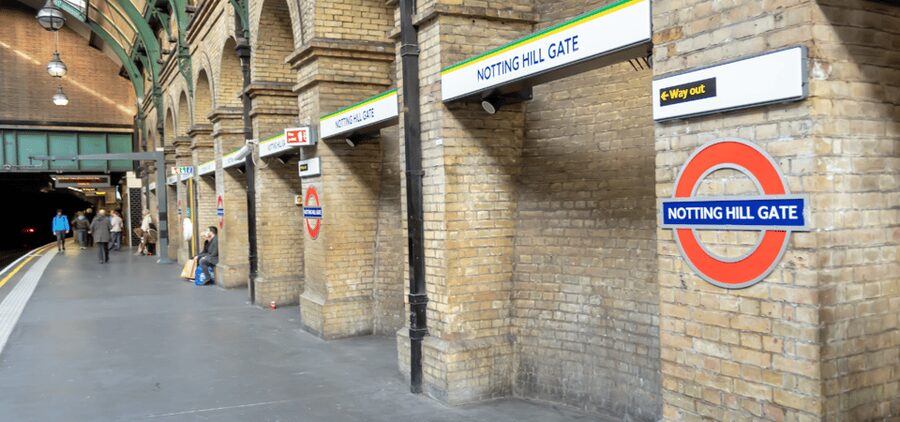
- Notting Hill Gate start + Westbourne Park Station finish makes it easy to keep moving instead of looping back
- Movie-moment photo stops like the blue door and the bookshop from the Hugh Grant film
- Portobello Road market area for that real-neighborhood energy and street-level color
- Electric cinema for a classic movie-theater vibe without needing timed entry tickets
- Quiet-to-busy street contrasts, from Simon Close to Elgin Crescent
- Control the audio with play, pause, replay, and rewind so you can match your pace
Walking the Notting Hill set without a schedule
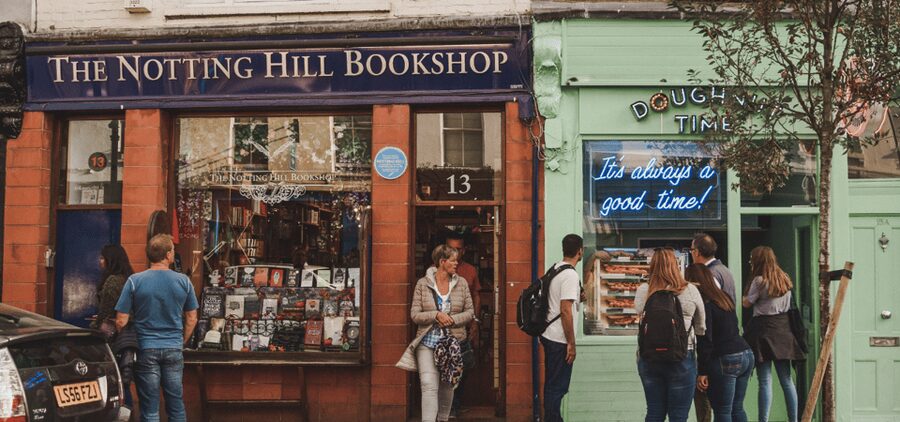
The biggest win here is freedom. You’re not joining a group with a leader telling you when to stop for photos. Instead, you launch the tour at the start point and the stories play automatically as you walk. If you want a longer pause at a viewpoint, you can. If you walk faster for a section, you can press ahead.
The tour is designed for a 2-hour stroll, which is a sweet spot in London. Long enough to feel like you did something meaningful, short enough that you won’t dread the clock. And because it’s guided by the Trippy Tour Guide app, the route is meant to feel intuitive—especially if you like following directions more than reading maps.
You’ll also get narration in English, Spanish, German, French, Italian, and Chinese. That matters more than you might think: when you’re standing in the street, hearing context in a language you’re comfortable with makes the sights land faster.
You can also read our reviews of more walking tours in London



Getting ready: headphones and a smartphone that won’t quit on you
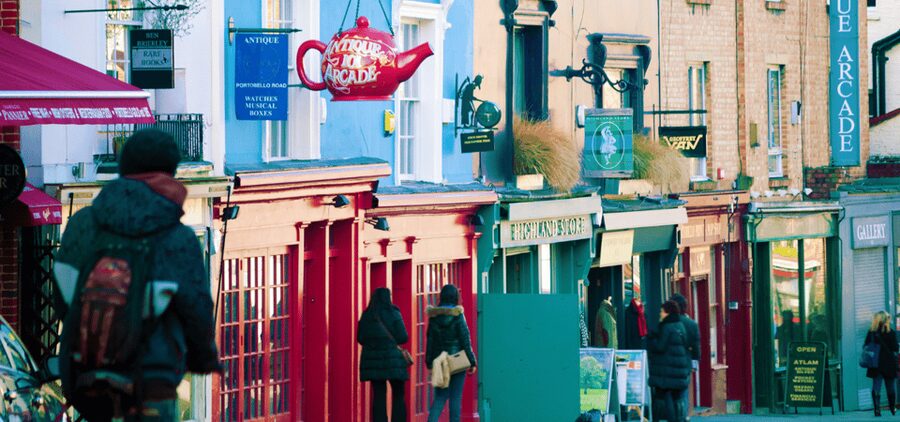
Before you head out, set yourself up so the tour feels smooth instead of stressful.
You’ll want:
- Headphones
- A charged smartphone
- The Trippy Tour Guide app downloaded and the tour loaded
- Water
The app instructions are clear: you must install the app and download the tour using Wi‑Fi. That’s the only part that can slow you down. Once you’re walking, the route is handled by the audio points and directions.
Also note that the tour isn’t tied to the GetYourGuide app. You’ll need the tour accessed through Trippy Tour Guide using the credentials sent to your email. So if you’re the type who deletes emails after booking, don’t do that here.
Notting Hill Gate to Pembridge Crescent: where the neighborhood sets the tone
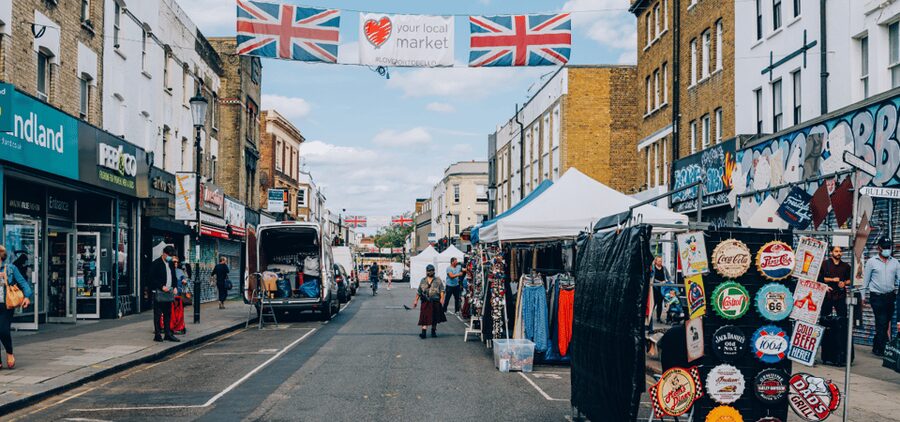
You start at Notting Hill Gate, a logical place to begin because it’s the kind of station-area hub where you can orient quickly. From there, the tour moves into the side streets where Notting Hill’s look shows up best.
Next comes Pembridge Cres, and this stretch is all about old-world charm. Think of it as the part of the walk where you stop moving for a second just to look at the buildings and street layout. If you like neighborhoods where the “where you are” feels as important as the “what you came to see,” this is a great early section to slow down.
This is also where self-guided tours shine. You’ll pass enough interesting facades that you may want to linger, and you can. The narration continues when you’re ready, not when a group decides it’s time.
Simon Close and Denbigh Terrace: pretty, quieter streets for better photos
After Pembridge Cres, you head toward Simon Close, described as quiet and pretty. This is the kind of street that rewards careful walking—small turns, calmer views, and a different feel from the more photographed areas.
Then Denbigh Terrace brings you to older, beautiful houses. Even if you’re not a “look at architecture” person, you’ll likely enjoy this stop because the street itself does the storytelling. The tour’s narration points are meant to add meaning to what you’re seeing, so you’re not just snapping photos—you’re understanding why these spots became famous.
Practical tip: bring your phone camera-ready. This route leans heavily on streetscapes and doorways, which means good light and patience help.
Elgin Crescent and Lansdowne Crescent: the big-arch street moment
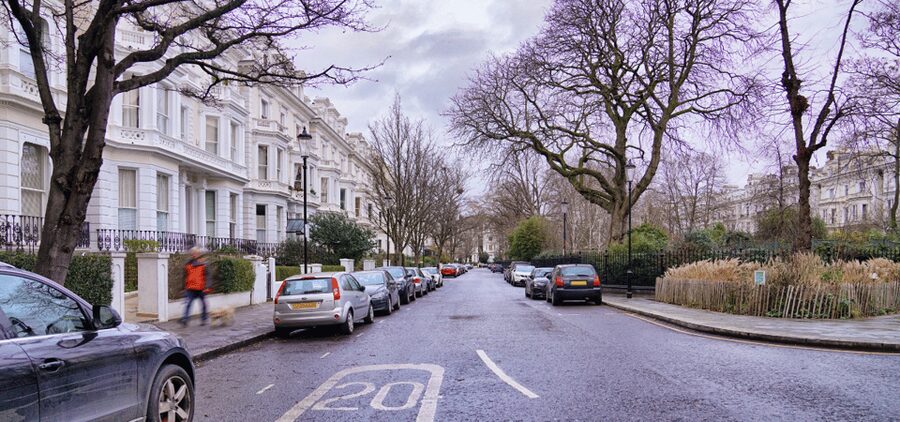
From the quieter lanes, the walk steps into busier, more iconic streets.
Elgin Crescent is described as colorful and busy. This is where you start to feel the district as a place where people live and pass through, not just a film set you’re visiting. If you want the neighborhood energy—shops, pedestrians, and street activity—this is where it’s easiest to get it.
Then the tour takes you to Lansdowne Crescent, known for big arches. Arches like this are perfect for photos because they frame the street in a way that makes your shots look intentional even when you’re just walking. It’s also a natural pause point. You’ll be close to lots of angles and you can take your time without disrupting a group pace.
You can also read our reviews of more guided tours in London






Portobello Road plus movie photo stops: when your camera does the work

One of the most useful parts of this tour is that it doesn’t treat Notting Hill like a string of random pretty streets. It adds key “arrive and notice” moments.
You’ll wander through Portobello Road, a bustling market hub, and it’s the contrast to the crescents and terraces. This stretch is where the walk turns into something more everyday: people browsing, casual chatter, and that market-street rhythm that’s hard to get from photos alone.
And yes, there are movie-related photo moments. The tour highlights snapping a photo by the iconic blue door or the bookshop from the Hugh Grant movie. If you’re coming for film fame, this is the part you’ll appreciate most because it’s planned into the route rather than being an afterthought.
A quick heads-up: entry fees aren’t included. So if there’s anything you want to step inside (shops or venues), treat it as a separate decision from the walk.
Electric cinema: a classic screen feel on the way to the next streets
The tour also points you toward Electric, calling out classic cinema. Even if you don’t go inside, the area around a recognizable cinema is often where you feel the movie theme most strongly—people looking up, posters, the sense that film culture matters here.
Since entry isn’t included, plan for this as a photo-and-street moment unless you decide on your own ticket. The real value is that the tour makes sure cinema isn’t just a distant memory. It’s part of your route.
Ormrod Court, St Luke’s Mews, and Powis Mews: the corners that feel like secrets

As you continue, the walk shifts into lanes and courts that feel more personal. Ormrod Court is called out for hidden spots, which is exactly the kind of thing I like in a self-guided route: you get a reason to turn down streets that most visitors would walk past without noticing.
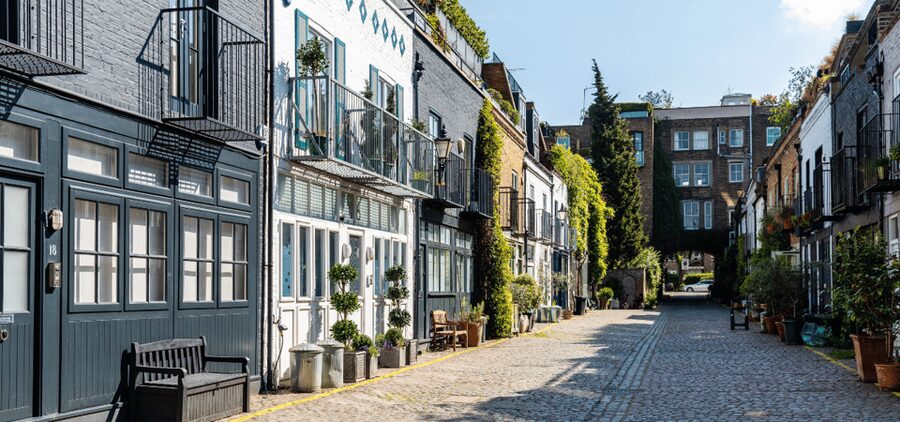
Then comes St Luke’s Mews, famous in movies and known for colorful houses. Mews streets can look charming in any neighborhood, but this one is specifically flagged as a movie-ready area. It’s a great place to take your time, because mews streets often reward short detours where the angle suddenly makes a great photo.
After that, Powis Mews brings the history-like atmosphere the tour aims for. You’re not being asked to study a museum label. You’re hearing stories in the setting where the details make sense. That’s a smart way to turn “pretty buildings” into something that sticks.
Finishing at Westbourne Park Station: keep the momentum
You end at Westbourne Park Station, and that’s a practical finish. Ending near transport means you can keep your day flowing instead of forcing a long walk back. It also helps you avoid that end-of-tour feeling where you’re tired and still trying to figure out directions.
By the time you reach the station, you’ll have seen:
- The quieter street sections (Simon Close, Denbigh Terrace)
- The more iconic crescents (Elgin Crescent, Lansdowne Crescent)
- The market area around Portobello Road
- The movie-themed spots and mews streets (blue door/bookshop, St Luke’s Mews, Powis Mews)
That mix is what makes the walk feel complete for a 2-hour format.
Price and value: why $14 works (if you’re set up right)
At $14 per person for a 2-hour audio-led walk, the value mainly comes from two things: content and control.
You get over 20 narration points, plus detailed directions to well-known locations and smaller spots. That’s a lot of “guided moments” for a low price. If you’re the type who likes to walk with context, the cost feels justified.
The other value is control. You can start, stop, replay, or rewind as you go. That makes the experience flexible if you pause for photos, stop to read, or get distracted by a storefront. For some travelers, that alone makes a self-guided format worth it compared with a rigid group tour.
The main caution is tech dependency. If you don’t want to troubleshoot Wi‑Fi or manage an app download, that’s where your $14 can start feeling like effort.
Who this Notting Hill app walk is best for
This tour is a strong fit if you:
- Like walking at your own pace
- Want movie-related photo stops without booking a full guided tour
- Prefer audio storytelling with the freedom to replay
- Enjoy street-level neighborhoods more than indoor attractions
It may be less ideal if you:
- Hate being dependent on your phone for directions
- Don’t plan ahead for downloading the tour on Wi‑Fi
- Are sensitive to AI voice narration quirks (in French, one audio issue described included the voice switching language for certain parts of the text)
Should you book it?
I’d book this Notting Hill walking tour if you want a low-cost, 2-hour way to see a lot of what makes the area memorable: crescents, mews lanes, Portobello Road, and the movie photo moments tied to the Hugh Grant film. The structure makes it feel like more than a stroll, but still flexible enough to enjoy London the way you like it.
Skip it if you’re arriving with weak connectivity, don’t want to download an app tour in advance, or you prefer a human guide for nuance. If your phone is charged and your headphones are ready, this is an easy yes.
FAQ
How long is the Notting Hill walking tour?
The tour lasts about 2 hours.
How much does the tour cost?
It costs $14 per person.
Where do I start the tour?
You start at Notting Hill Gate.
Where does the tour end?
The tour ends at Westbourne Park Station.
What’s included in the tour price?
The tour includes the Trippy Tour Guide app, over 20 narration points, and detailed directions.
Do I need headphones?
Yes. Headphones are listed as something to bring.
Which languages are available for the audio?
Audio is available in English, Spanish, German, French, Italian, and Chinese.
Is an in-person guide included?
No. This is self-guided, and there is no in-person guide included.
Do I need to download anything before I go?
Yes. You must install the app and download the tour using Wi‑Fi. Instructions and credentials come by email.
Are entry fees included for anything like cinema or shops?
No. Entry fees are not included.