REVIEW · CHARLESTON
Charleston: Old Walled City Historical Walking Tour
Book on GetYourGuide →Operated by Charleston Old Walled City Walking Tours · Bookable on GetYourGuide
Charleston teaches fast on cobblestones. This Old Walled City Historical Walking Tour turns the city’s dramatic past into an easy-to-follow walk, with a local perspective and stops tied to everything from colonial growth to major disasters. I especially liked the storytelling from long-time locals and how the walk threads big landmarks together into one clear timeline. One thing to plan for: it is a substantial walk in just two hours, so you’ll want comfortable shoes and a steady pace.
I went in expecting photos and trivia. I left with a sharper sense of how Charleston got shaped by trade, power, and repeated shocks from fires to storms to earthquakes. If you like history that has consequences and not just dates, this route will feel like money spent well.
In This Review
- Key highlights worth your attention
- Meeting at Meeting and Chalmers: Starting Where the Cobblestones Matter
- French Quarter to Charleston County: Getting the Colonial Timeline Straight
- Dock Street Theatre Stops: Art, Identity, and Street-Level Storytelling
- Old Exchange & Provost Dungeon: Where Law, Power, and Hard Truths Show Up
- Waterfront Park to Rainbow Row: Views That Make Disaster Feel Real
- Heyward-Washington House: The Planter-Era Lens on Everyday Life
- St. Michael’s Episcopal Church: Symbols on Tombstones and the City’s Faith
- Price and Pace: Is $30 Worth Two Hours on Cobbles?
- Who Should Book This Walled City Walk (and Who Might Skip It)
- Should You Book the Charleston Old Walled City Historical Walking Tour?
- FAQ
- How long is the Charleston Old Walled City Historical Walking Tour?
- What does the tour cost?
- Where do we meet for the tour?
- What language is the tour guide speaking?
- Is this tour a lot of walking?
- What should I bring?
- What are some of the stops on the tour?
- Can I cancel for a refund?
- Is there a pay-later option?
Key highlights worth your attention
- Local, multi-generation perspective: you may hear stories from a 7th-generation Charlestonian guide
- Major landmarks in a tight 2-hour loop: French Quarter, Dock Street Theatre, Rainbow Row, and more
- Big themes, not random facts: colonial roots, piracy, rice planters, and symbols you can spot
- Disasters are part of the plot: seven major fires, hurricanes, epidemics, sieges, bombardments, and a devastating earthquake
- Guides often keep it human: names you might meet include Al, Ed, Bruce, Eric Wright, Kent, and Alfie, with humor and detail
Meeting at Meeting and Chalmers: Starting Where the Cobblestones Matter

Your tour begins at the sidewalk corner of Meeting Street and Chalmers Street (yes, that cobblestone). This is a smart start. You’re already in the thick of the historic district, and the streets you walk are part of the show, not just a corridor between stops.
Within minutes, the guide usually does two important things. First, they frame the geography so you’re not just collecting landmarks. Second, they set the tone: Charleston is a city built by ambition, and then repeatedly tested by catastrophe. That combo is exactly what makes this walk work for first-timers.
Practical tip: the tour is paced for seeing and listening, so bring water and plan to take a photo when the group pauses. If you drift off, you’ll miss the story that makes each stop click.
You can also read our reviews of more walking tours in Charleston



French Quarter to Charleston County: Getting the Colonial Timeline Straight
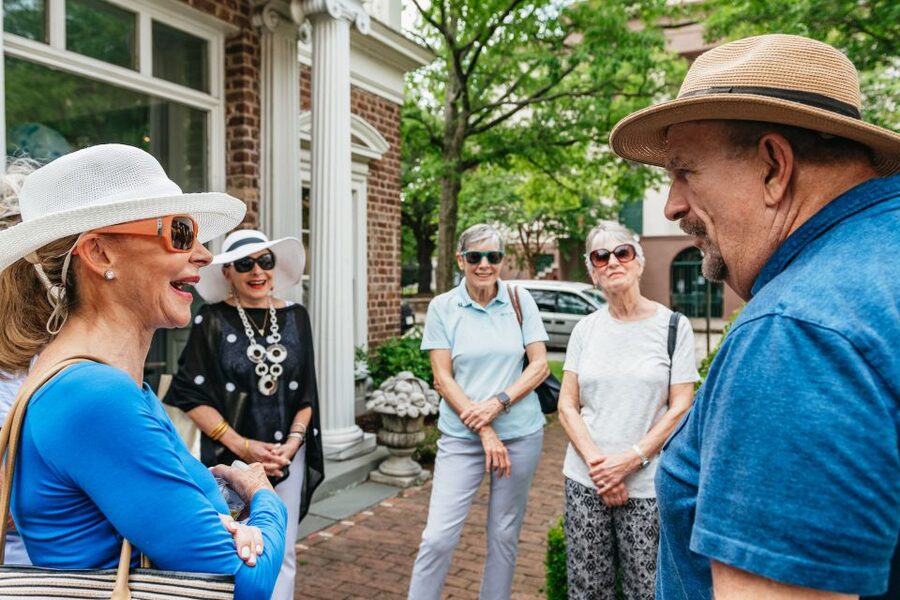
The opening stretch takes you through the French Quarter area, with a longer stop window that gives you time to absorb the setting. This isn’t just about pretty streets. The guide uses what you’re seeing—street layout, neighborhood character, and architecture cues—to explain how Charleston grew and why it looked the way it did.
Then you hit a Charleston County, South Carolina photo-and-sightseeing pause. It may feel like a quick stop, but it’s useful context. Charleston’s story isn’t only about events; it’s also about who had control and how the city organized itself as it expanded.
This early portion is where you decide if you’re in the right mood. If you enjoy a guided timeline—colonial roots, later eras, and the shifts in power—this section will make the rest of the walk easier to follow. If you prefer totally free wandering, you might feel a little shepherded here, since the guide is building the plot as you go.
Dock Street Theatre Stops: Art, Identity, and Street-Level Storytelling

Next up is Dock Street Theatre. The stop is short, but it’s a great example of how this tour connects culture to place. Even if you’re not thinking about theater, the point is that Charleston didn’t just survive; it also expressed itself.
What I liked about this stop is the way it keeps the walk from becoming only a parade of monuments. You get a sense of how public life shifted over time, and how different eras left their fingerprints on the city.
A small consideration: when you have lots of short stops, you have less time to linger on details at your own speed. If you’re the type who wants to read every plaque, you’ll need to be strategic—ask the guide one good question, then snap your photos and move.
Old Exchange & Provost Dungeon: Where Law, Power, and Hard Truths Show Up
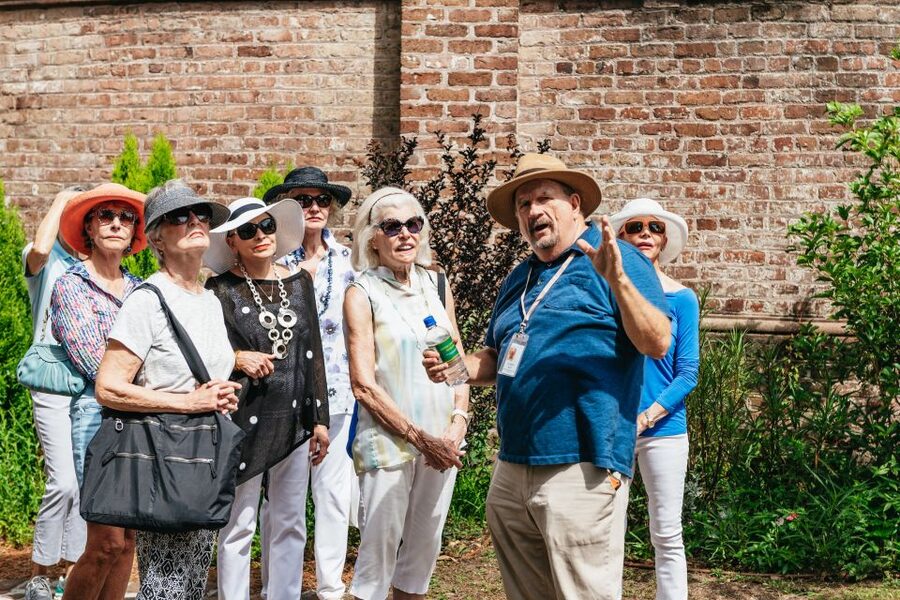
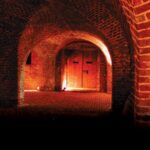
At Old Exchange & Provost Dungeon, the story tends to turn darker. This is where the tour earns its reputation for not skating around the tough topics. Charleston’s history includes sieges, bombardments, epidemics—and when you talk about punishment and control, you can feel how those events shaped daily life.
The guide also ties this stop to the way Charleston operated under pressure. You’re seeing a site connected with confinement and authority, and the guide’s job is to explain why that mattered to the city’s evolution.
From the outside, it can be tempting to treat this kind of stop like a quick history pit stop. On this walk, it usually lands better because the earlier parts have already built your sense of what Charleston was fighting over—money, power, and survival. By the time you reach this point, it’s less random and more like chapter three of the same book.
Waterfront Park to Rainbow Row: Views That Make Disaster Feel Real
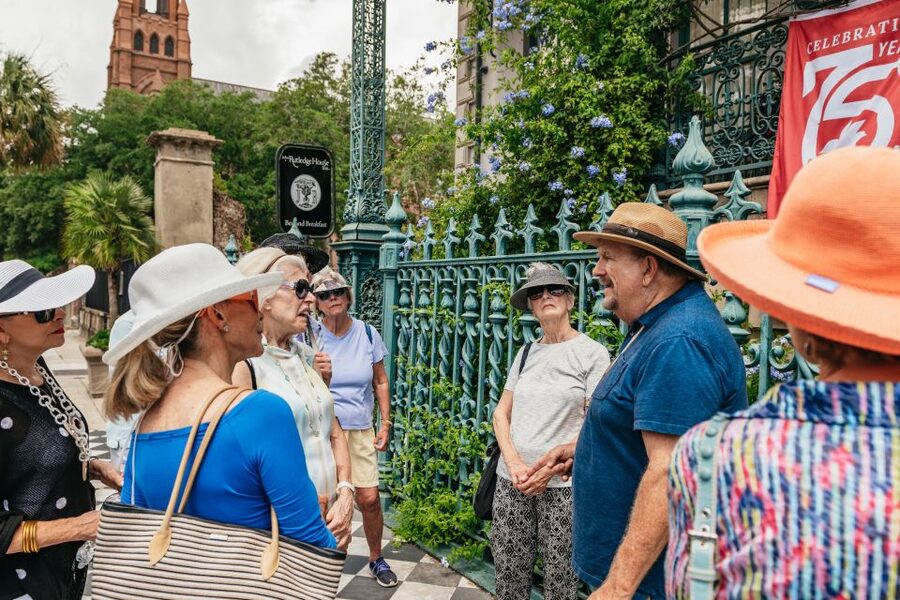
Then you move to Waterfront Park, which is ideal for a walking tour that includes disasters. Waterfront spaces make history tangible. Hurricanes and storms aren’t just mentions in a story when you’re standing near where water and trade would have mattered.
After that, you reach Rainbow Row for a quick but memorable pause. The houses are the star here, but the guide uses them for more than Instagram angles. The value is in how they explain what people were building during times of growth—and how that growth sat next to repeated ruin.
Here’s what makes this section work: the tour doesn’t treat disaster as a separate theme. The guide threads it into the normal rhythm of life and building in Charleston. That’s the difference between knowing a hurricane happened and understanding why a city kept having to rebuild.
If the weather is hot, this is also a good place to catch your breath. Even with short photo stops, the guide’s route choices can matter. One guest noted a guide adjusted the path to keep things cooler with more shade, which is worth keeping in mind on summer days.
You can also read our reviews of more city tours in Charleston


Heyward-Washington House: The Planter-Era Lens on Everyday Life
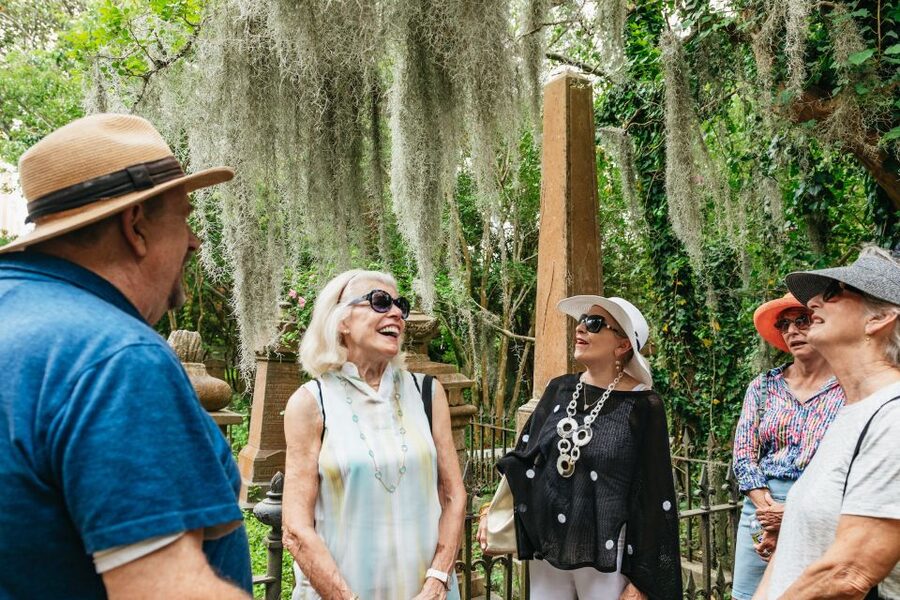
You’ll stop at the Heyward-Washington House next. This is where the tour widens from major events to the people and lifestyles behind them. It’s not only about who held power; it’s also about how that power shaped homes and domestic life.
The guide typically uses the pause here to explain why this period changed Charleston’s trajectory—especially the era tied to rice planters and the rise of wealth. You’ll get a better sense of what prosperity looked like on the ground, and how those choices created both stability and vulnerability.
This stop is short, so don’t expect a full museum-style experience. Instead, think of it as a focused snapshot: one house, one era, and enough detail to connect it to the bigger story you’ve been hearing all morning.
St. Michael’s Episcopal Church: Symbols on Tombstones and the City’s Faith
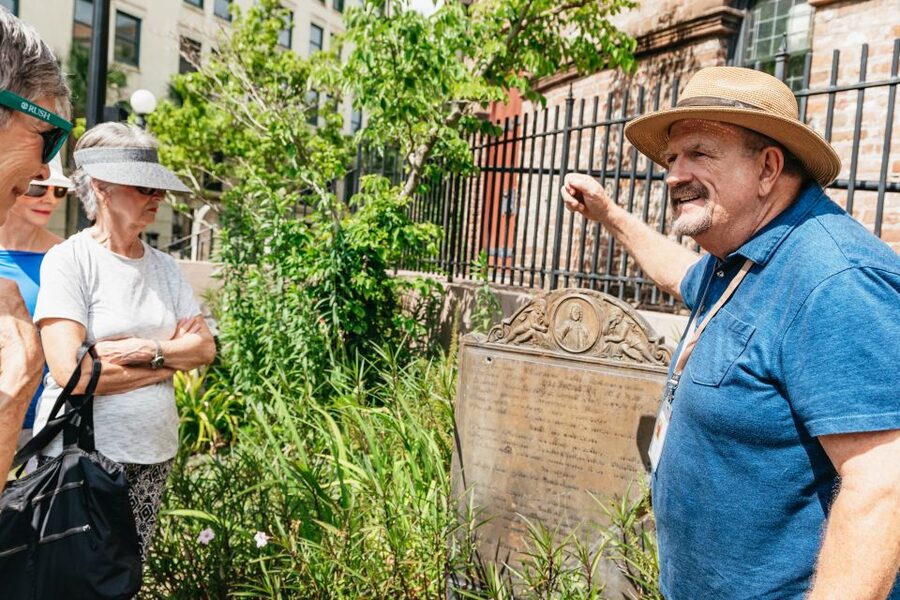
The final major landmark stop is St. Michael’s Episcopal Church. This is one of the strongest moments on the tour because church sites in Charleston often function like history archives. Here, you learn how to read what you’re seeing, including ancient symbols on tombstones.
That detail matters. It takes the cemetery and the church grounds from background scenery into something you can actually interpret. You also get a sense of how faith, community, and public memory worked together through hard times.
A quick caution: with any stop involving tombstones or detailed markers, your view can be blocked depending on the group flow. Move with the group, but if you spot a good angle, take it right away—then listen for what the guide is pointing out.
Price and Pace: Is $30 Worth Two Hours on Cobbles?
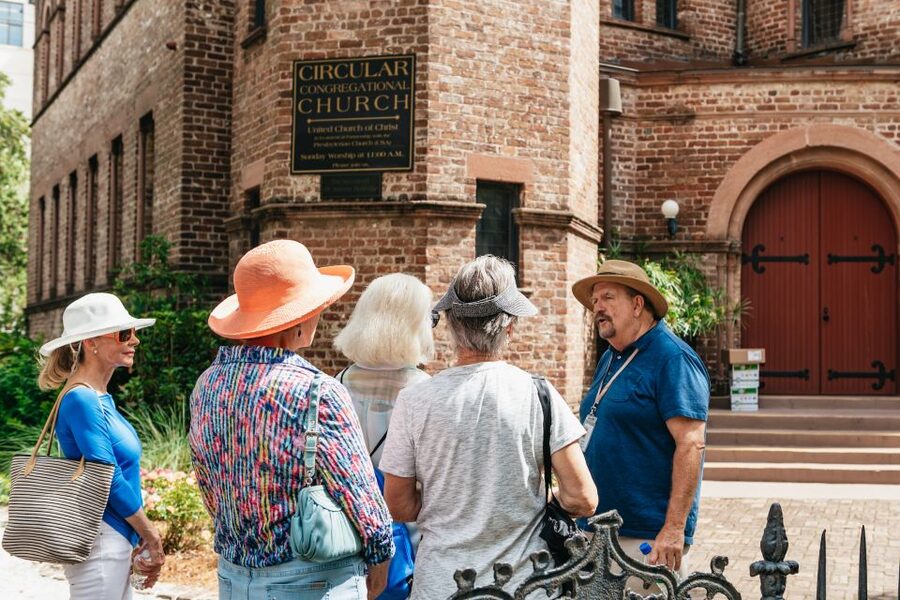
At $30 per person for about 2 hours, this tour is priced like a solid value. You’re paying for more than walking through pretty streets. You’re buying a guide who can tie together major eras and explain why a place matters, including the big disruptions that shaped Charleston’s layout and identity.
The pace is the main trade-off. It’s a compact schedule, and the guide may talk fast or pack a lot of detail into each stop. One guest wished the guide spoke a bit slower, while others praised how entertaining and humorous the storytelling was. Translation: you’ll get a full experience, but you might need to be ready to listen continuously.
What to bring makes a difference:
- Comfortable shoes for cobblestones
- Water
- Sunscreen
- Weather-appropriate clothing
If you’re traveling with kids or someone who gets tired quickly, it can help to position yourself where you can clearly hear the guide at each stop. Small groups can make that easier, and some departures have been described as very small, even close to private.
Who Should Book This Walled City Walk (and Who Might Skip It)
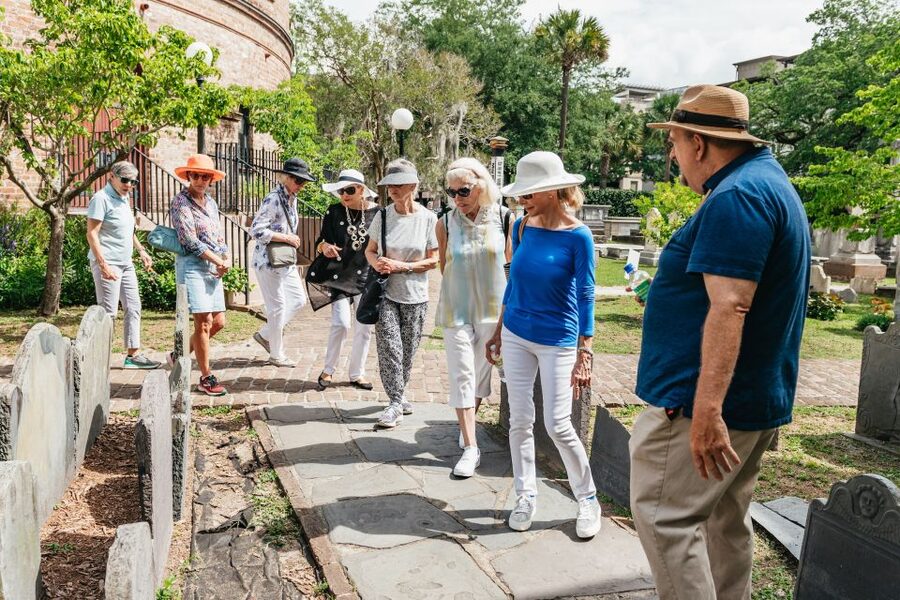
This is a great match if:
- you want a strong first-day orientation to Charleston’s historic district
- you like history that connects street scenes to real events
- you enjoy a guide who brings local stories, humor, and context
It may not be your best choice if:
- you hate walking steadily for two hours
- you prefer deep museum time over quick, high-impact stops
- you have trouble hearing in outdoor settings (the tour is outdoors and voice projection matters)
If you like to ask questions, you’ll likely enjoy this route even more. Several guide styles mentioned a willingness to tailor the experience and answer questions, including route adjustments for mobility needs in at least one case. Still, assume you’ll be moving the whole time, because the structure is built for covering key stops.
Should You Book the Charleston Old Walled City Historical Walking Tour?
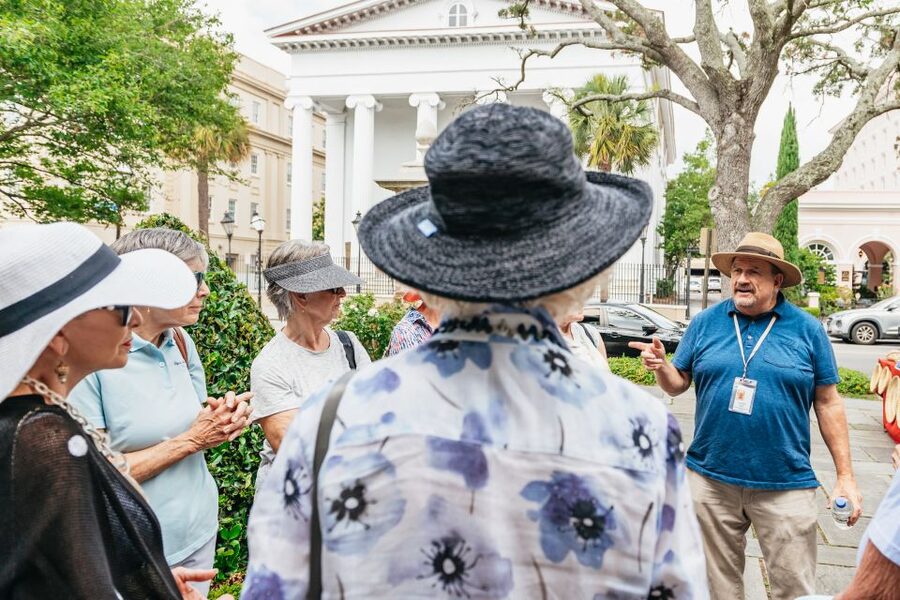
Yes, if you’re after a smart, guided introduction to Charleston that goes beyond surface sightseeing. For $30, you get a local-led walkthrough through major landmarks like Dock Street Theatre, Old Exchange & Provost Dungeon, Rainbow Row, Heyward-Washington House, and St. Michael’s Episcopal Church, with big themes that explain why Charleston looks the way it does today.
Book it especially if you want the city’s story told in a way you can actually remember. Bring good shoes, stay ready to listen, and treat each stop like a chapter—not a photo stop.
FAQ
How long is the Charleston Old Walled City Historical Walking Tour?
The tour runs for 2 hours.
What does the tour cost?
The price is $30 per person.
Where do we meet for the tour?
Meet on the sidewalk at the corner of Meeting Street and Chalmers Street (the cobblestone) in Charleston.
What language is the tour guide speaking?
The tour is offered in English.
Is this tour a lot of walking?
Yes. It involves a substantial amount of walking, so wear comfortable shoes.
What should I bring?
Bring comfortable shoes, sunscreen, water, and weather-appropriate clothing.
What are some of the stops on the tour?
Stops include French Quarter, Dock Street Theatre, Old Exchange & Provost Dungeon, Waterfront Park, Rainbow Row, Heyward-Washington House, and St. Michael’s Episcopal Church.
Can I cancel for a refund?
Yes. Free cancellation is available up to 24 hours in advance for a full refund.
Is there a pay-later option?
Yes. You can reserve now and pay later, with an option to pay nothing today.