REVIEW · NAIROBI
Nairobi: Historic and Modern Highlights Walking Tour
Book on GetYourGuide →Operated by Happy Tribe Travel · Bookable on GetYourGuide
One sentence worth of Nairobi is hard to find. This tour strings together historic landmarks and modern city life in a single, guided walk, with guides such as Jacqueline, Simon, and Sharon setting the tone early at the meeting spot. I especially like the hands-on cultural parts, like learning common Swahili words and tasting local food along the way. The main thing to consider is that you’re on foot for about three hours, and the route isn’t a good match if you have mobility limits.
My other big favorite is how the day avoids guesswork: you get practical “how to do Nairobi” help for shopping and money moments, plus added extras like shoe shine and a professional street-style photo. If you want a safe-feeling way to roam the center while still asking lots of questions, this is a strong way to start. The one possible drawback: it’s a group format, so timing can occasionally feel less exact than a private tour.
In This Review
- Key moments that make this tour worth it
- How this Nairobi walk feels from the first few minutes
- CJs meeting point, safety briefing, and getting oriented on Koinange Street
- Jeevanjee Gardens: a quick stop that sets the historical tone
- Nairobi City Market: shopping tips, a cooking class, and eating like it’s part of the culture
- Jamia Mosque, McMillan Memorial Library, Nation Centre: what you notice when someone explains
- Kenyatta Avenue and government buildings: watching Nairobi’s modern power centers
- Stanley Hotel, Askari Monument, Dedan Kimathi, and the memorial stops that make the streets feel personal
- Maasai Market and the fixed-price souvenir strategy
- Baus Optical Co Ltd area and Java House: breaks that don’t derail your learning
- Supreme Court passes and Nairobi Governor’s Office: quick looks that still change your perspective
- KICC helipad and rooftop views: why the finale is worth waiting for
- Holy Family Basilica clock tower and The Galton–Fenzi Memorial: small moments, easy photos
- Shoe shine, street-style photography, and why the included extras matter
- Languages and communication: English, Swahili, Spanish, and the Google Translate backup
- What you’ll spend energy on (and what you’ll save)
- Practical advice so the day goes smoothly
- Who should book this tour, and who should skip it
- Should you book this Nairobi Historic and Modern Highlights Walking Tour?
Key moments that make this tour worth it
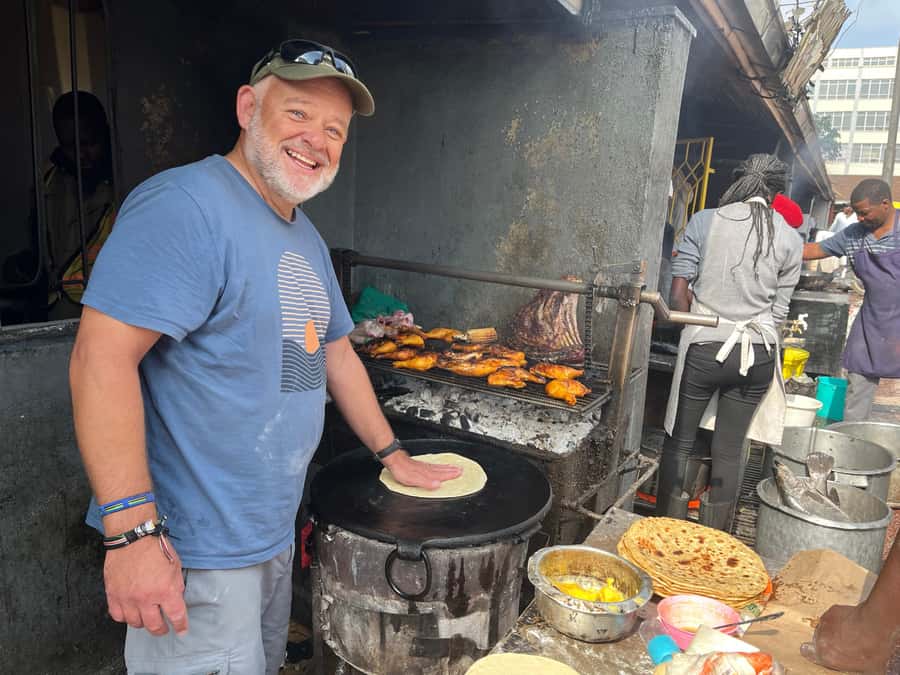
- City Market time with cooking + food tasting, not just a quick glance
- Swahili basics you can actually use on the street, plus a fun, low-pressure learning vibe
- Fruit salad snack included, and it’s treated as part of Kenya’s food story
- Fixed-price souvenir stops when you’d rather skip negotiating
- Shoe cleaning + street-style photo, small costs handled so you don’t miss the moment
- KICC rooftop/helipad views with real skyline energy and a cool breeze
How this Nairobi walk feels from the first few minutes

This tour is set up for your first-time Nairobi moment. It starts at CJs (a well-known restaurant) in a part of town the team flags as very safe, with a guide wearing a Happy Tribe cap or T-shirt so you can find them fast. Then you move into central Nairobi with a short safety briefing, which matters here because the city moves at a different speed than most tourists expect.
The pacing is designed for learning without feeling rushed. You get planned stops, but the guide also answers questions and adjusts the tempo to your group. That flexibility shows up again later when you’re shopping or taking photos.
CJs meeting point, safety briefing, and getting oriented on Koinange Street
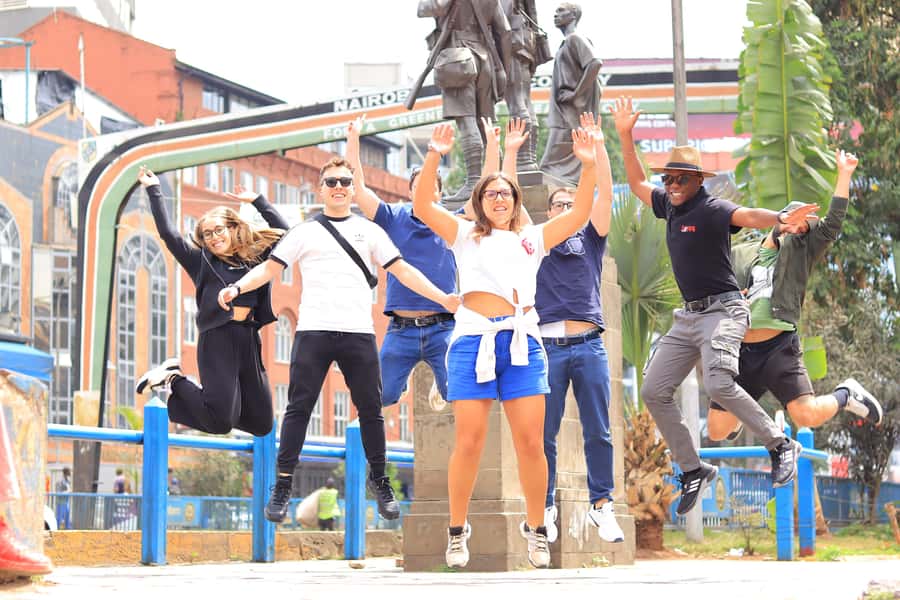
If you arrive and think, Okay, how do I even start?, this tour helps you get your bearings quickly. The meeting point is easy to reach, and the staff nearby can point you to the guide while you wait with the group.
Right away, you get a short safety briefing on Koinange Street. It’s not fear-based. It’s the kind of practical guidance that helps you stand, walk, and interact with less stress—especially around markets and crowded sidewalks.
Jeevanjee Gardens: a quick stop that sets the historical tone
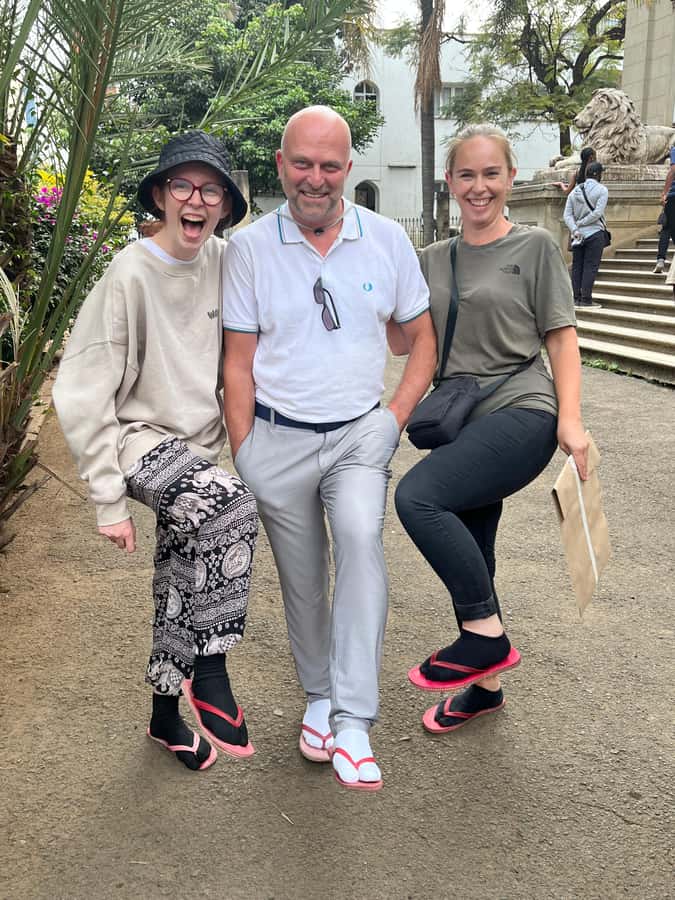
Jeevanjee Gardens is short, but it’s a smart early anchor. It signals that this isn’t just “look at buildings” sightseeing. The guide frames the city’s past and how it still shows up in daily life.
Because the stop is brief (about ten minutes), it works well if you’re jet-lagged or simply want momentum. You can take a few photos, get your orientation, and move on without the tour turning into a long museum-style moment.
Nairobi City Market: shopping tips, a cooking class, and eating like it’s part of the culture
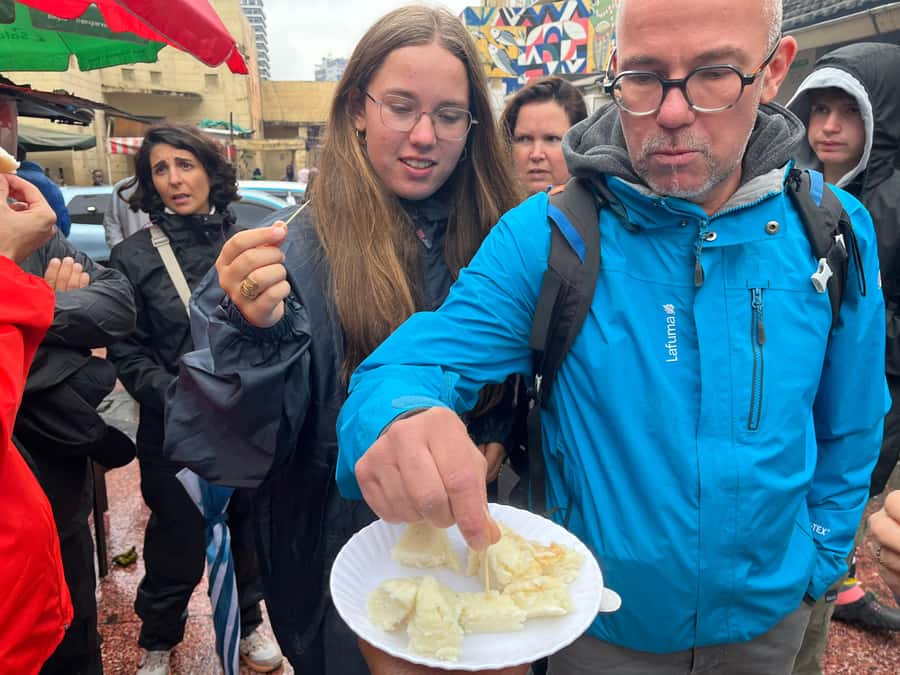
City Market is where the tour becomes real. You’re not only walking past shops—you’re learning how the market works and how people handle daily transactions. That’s valuable because it helps you understand the rhythm of Nairobi instead of treating it like a photo set.
Plan for a couple different layers here:
- Guided time for sightseeing and shopping
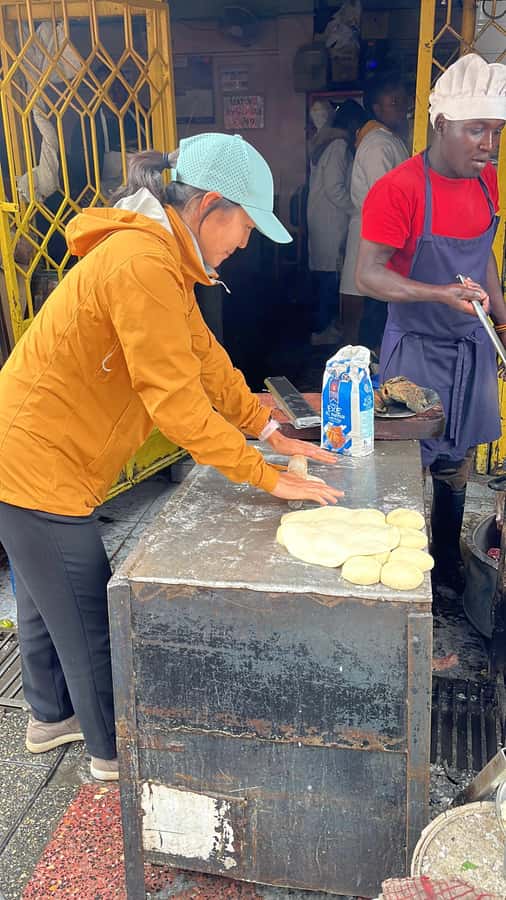
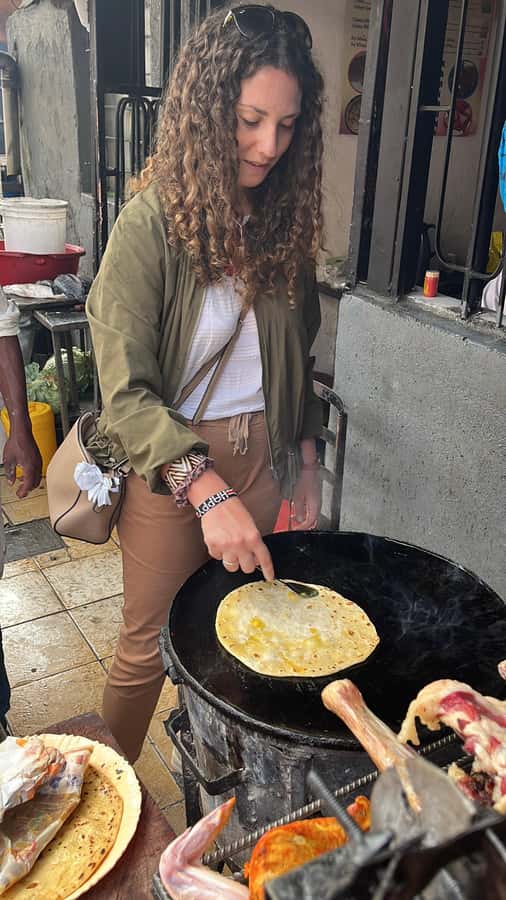
- A cooking class and food tasting segment
- Lots of chances to ask questions about what to buy and how to handle interactions
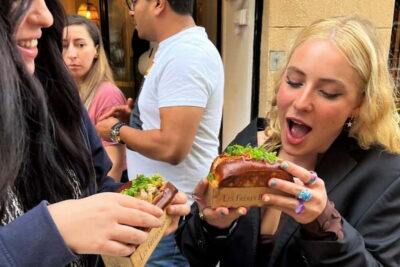
And yes, the food part matters. A fruit salad snack is included, and it’s treated as a safe, easy entry point into Kenya’s food culture. Some tours “promise food” and deliver a tiny bite. Here, the fruit salad is part of the structured experience, not an afterthought.
Jamia Mosque, McMillan Memorial Library, Nation Centre: what you notice when someone explains
After the market, the route shifts into civic and landmark territory—mosques, libraries, and major institutional buildings. Even if you’re not there for architecture nerd notes, the guide’s job is to connect what you’re seeing to Nairobi’s bigger story.
You’ll have short passes and stops—around five minutes at Jamia Mosque and quick sighting walks at places like McMillan Memorial Library and Nation Centre. This format is good for staying energized. It also gives you a clear sense of where Nairobi’s public life happens.
A practical tip: keep your camera ready, but don’t hide behind it. These spots work best when you pause, listen, and ask the one question you’re thinking about. The guide is set up to field questions in English, Swahili, and Spanish.
Kenyatta Avenue and government buildings: watching Nairobi’s modern power centers
Kenyatta Avenue is about scale and motion. You get a break time while still staying in the right part of town to see what Nairobi looks like when it’s running full speed.
The tour then passes key government landmarks, including Supreme Court and Parliament Buildings, plus nearby official offices. You won’t just read plaques. You’ll get context from the guide about how the city’s present connects to its past, and how values show up in public spaces.
This is one of the sections where you’ll feel the “historic and modern” promise in a concrete way. Even with short stops, it’s enough to help you understand why locals take pride in these civic spaces.
Stanley Hotel, Askari Monument, Dedan Kimathi, and the memorial stops that make the streets feel personal
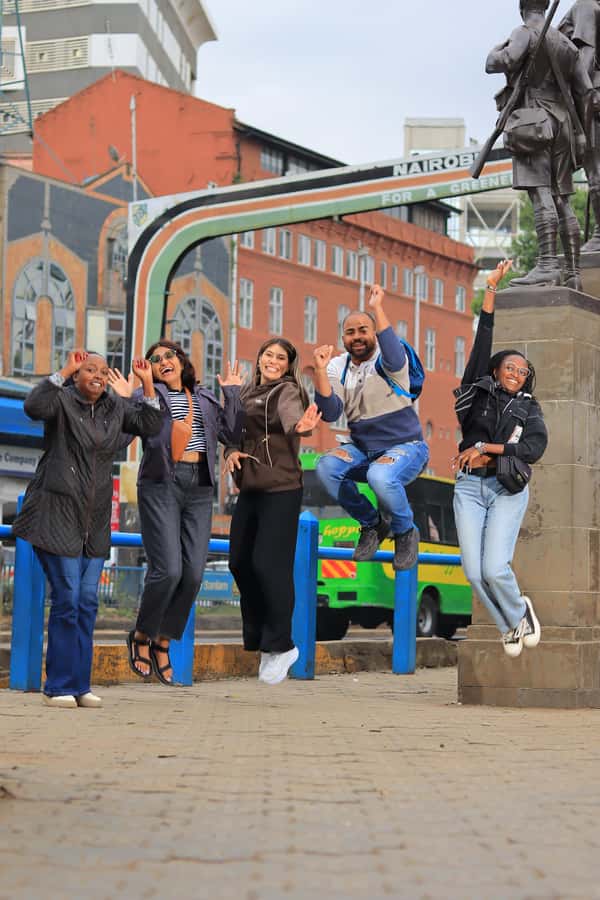
This walk doesn’t treat Nairobi’s monuments like background. You’ll see major names on the route, including the Sarova Stanley Nairobi hotel area and stops tied to Dedan Kimathi. You’ll also pass by the Askari Monument area and other memorials along the way.
What makes these stops work is the guide commentary. Even when the tour time at each place is brief, the explanation helps you connect the dots—why this spot matters, and how it’s remembered in the city.
If you’re the type who likes to understand what you’re looking at, you’ll enjoy this section. If you prefer only long photo stops, you might want to spend a little extra time during the breaks and coffee segment.
Maasai Market and the fixed-price souvenir strategy
Markets can go in two directions fast: either you feel confident and enjoy it, or you feel overwhelmed and leave disappointed. This tour tries to keep you in the first category.
You get “insider tricks” for shopping, including advice on how to negotiate when you want to. But there’s also a built-in escape hatch: the guide points out stores with fixed prices, including a souvenir option described as the cheapest fixed-price style shops (so you don’t burn energy haggling).
That’s a big value-add if you’re short on time. You get both approaches in one afternoon, and you don’t have to guess which shops are fair or convenient.
Baus Optical Co Ltd area and Java House: breaks that don’t derail your learning
There’s a shopping/stop at the Baus Optical Co Ltd head office area (near Hilton, on Mama Ngina Street). Even if you’re not shopping for eyewear, it’s another checkpoint in the route where you can reset your brain.
Then you hit Java House on Mama Ngina Street for a break. You’ll get coffee time as part of the planned rhythm—enough to cool down, slow your walking pace, and talk with the guide about Kenya beyond sightseeing.
One note: the tour description says additional food and drinks aren’t included. So treat coffee here as part of the stop experience, but don’t assume everything on the menu is free.
Supreme Court passes and Nairobi Governor’s Office: quick looks that still change your perspective
Some places on this route are pass-by moments—just a few minutes. Supreme Court and Nairobi Governor’s Office are in that category.
Even with quick stops, these moments do something important: they anchor you in the city’s decision-making places. That helps when you later look at Nairobi from above at KICC. From the rooftop, the city becomes more “readable” because you’ve already seen where authority and public systems sit on the map.
KICC helipad and rooftop views: why the finale is worth waiting for
This is the part you remember later. The tour includes time at KICC rooftop, with scenic views on the way and a planned break that lasts about half an hour.
You’ll get that cool breeze and skyline feeling that makes Nairobi look like a real capital, not just a stopover. It also ties back to what the guide has been teaching: Nairobi’s regions and how the city is organized.
Important practical note: KICC entry isn’t included. The time at KICC for views is part of the experience, but if any admission is charged for a specific level or viewing area, you’d likely pay that separately.
Holy Family Basilica clock tower and The Galton–Fenzi Memorial: small moments, easy photos
Near the end, you’ll pass by the Holy Family Basilica clock tower area and also catch The Galton–Fenzi Memorial for a quick look. These are short stops, which is good if you’re already walking with tired feet.
They’re also photo-friendly. The guide’s job here is to point out what to look for and keep the story connected, so your final minutes feel purposeful instead of rushed.
Shoe shine, street-style photography, and why the included extras matter
Two of the most praised parts of this tour aren’t the monuments. They’re the details that help you enjoy the moment.
You get a complimentary shoe shine from a local vendor. It sounds small, but it’s a practical reset when you’ve been walking in city dust or on uneven sidewalks. It also adds that local “someone’s working here” feel that you don’t get from big bus tours.
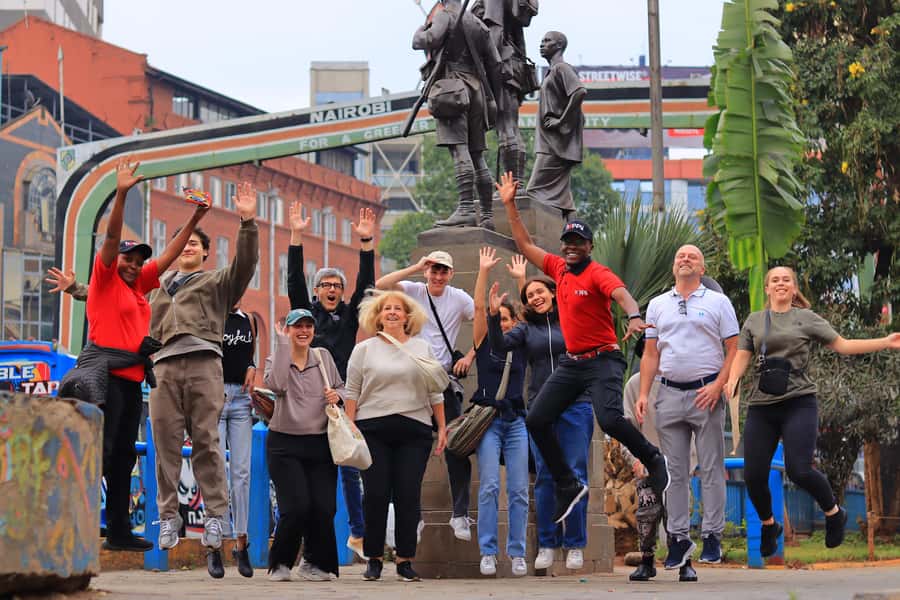
You also get a professional street-style photograph captured by an urban photographer. This is a nice trade: you’re not hunting for a random stranger to take your picture, and you’re not stuck with awkward angles.
And in the middle of all this, the guide teaches Swahili phrases you can use during interactions. People often remember the photo and the fruit salad. I think the Swahili practice is the best part for long-term travel value, because it makes your next street conversation easier.
Languages and communication: English, Swahili, Spanish, and the Google Translate backup
The guide can work in English, Swahili, and Spanish. If you don’t speak fluent English, the tour says they use Google Translate and that it works perfectly.
That matters because it keeps the tour from turning into a “silent walk.” You can still ask questions. And you can still get the story, not just the visuals.
What you’ll spend energy on (and what you’ll save)
This tour includes a lot of small costs that add up on your own. You get:
- Dasani bottled water
- Fruit salad snack
- A shoe shine
- A professional street-style photo
- WiFi hotspot
- Paid-for experiences like the local food segment
You’ll pay for additional food and drinks if you choose extras. And again, KICC entry isn’t included.
For a price of $23 per person and a three-hour format, I think the value is strong, especially if you want the guide to handle the “where to go, what to buy, and what to skip” part.
Practical advice so the day goes smoothly
Bring comfortable clothes and comfortable shoes. You’re walking in central Nairobi, and a good pair of shoes matters more than you expect.
Plan your expectations too:
- It’s a group tour, so you’ll move with the pace of the day’s group.
- If you book close to start time, you should message the company right away (the tour explicitly asks for that).
- Sunday morning can be dull because many shops are closed, while Sunday afternoon tends to feel more active with youth out filming, cycling, skateboarding, photography, and music videos.
If you’re sensitive to crowd energy, plan for that Sunday morning difference. If you like watching city life, Sunday afternoon can be a fun match.
Who should book this tour, and who should skip it
This is a good choice if you’re:
- In Nairobi for a short time and want a first look that mixes old and new
- Curious about how markets work and how people talk while shopping
- The kind of traveler who likes asking questions and learning a few real phrases
It may not fit if you have:
- Wheelchair needs or mobility impairments (the tour is not suitable for wheelchair users)
- A strict no-food-and-no-coffee expectation, since the route includes tastings and a coffee stop (even if additional items cost extra)
Also note what’s not allowed: pets, smoking, drones, alcohol and drugs, military-style clothing, and nudity.
Should you book this Nairobi Historic and Modern Highlights Walking Tour?
Yes—if you want a safe-feeling way to get your bearings in Nairobi CBD and still come away with more than photos. For $23 and about 3 hours, you’re getting a guided walk through key landmarks, Swahili practice, a fruit salad snack, plus included extras like shoe shine and a professional street-style photo.
Book it especially if you’re new to Nairobi and you’d rather not sort out markets, souvenir shopping, and local food on your own. If you’re tight on mobility or you only want long museum stops, you might prefer a different pace or a more tailored plan.