REVIEW · DRESDEN
Dresden: Complete Walking Tour with Frauenkirche Visit
Book on GetYourGuide →Operated by Erlebnistouren Dresden Renger · Bookable on GetYourGuide
Dresden starts making sense fast. This 2-hour walking tour zeroes in on the city’s most meaningful sights, with a Frauenkirche visit and clear headphone commentary that keeps you in sync with the story. You get a guided route through the old town’s landmarks and the Saxon Baroque districts without feeling rushed.
What I like most is how the guide turns big history into human-sized moments, with lively humor and smart context. I also love the setup: you hear the guide clearly through headsets, and the group stays small, limited to 10 people. One drawback to keep in mind: Frauenkirche access can sometimes be affected by on-site preparations, so entry isn’t always guaranteed on every day.
In This Review
- Key Highlights That Make This Tour Worth Your Time
- Where You Start in Neumarkt, and Why It Matters
- Getting Your Bearings: Stallhof, Fürstenzug, and Neumarkt
- Schlossplatz and the Catholic Hofkirche: Saxony’s Big Stories in One Walk
- Inside Frauenkirche: Altar, Murals, and the Crypt
- Theaterplatz, Royal Palace, and Semper Opera Views
- Brühlsche Terrasse: Elbe Views That Work Even on a Tight Schedule
- Zwinger District and Saxon Baroque Sculpture Stories
- Price and Value: Why $16 Can Make Sense Here
- The Guide Makes the Difference (Dagmar Renger)
- Who This Tour Fits Best
- Should You Book This Dresden Frauenkirche Walking Tour?
- FAQ
- How long is the Dresden walking tour?
- Where do I meet the guide?
- What time does the tour start?
- Is the Frauenkirche visit included?
- What’s included in the tour price?
- Are museum entries included for the Zwinger, Semper Opera, or the royal castle?
Key Highlights That Make This Tour Worth Your Time
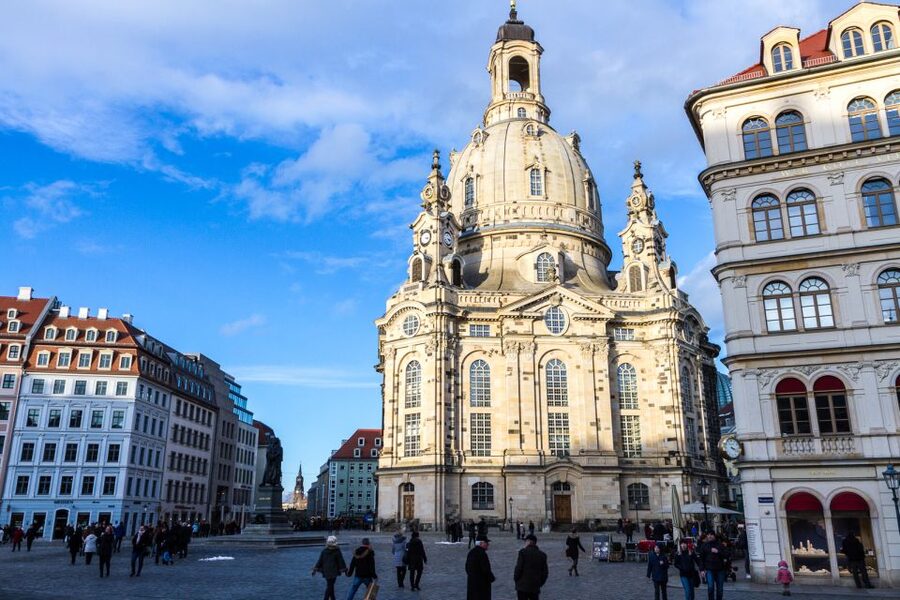
- Frauenkirche inside access with a clear explanation of the altar, murals, and the historic crypt
- Headsets included so you’re not stuck guessing what the guide is saying
- A guided walk connecting old town landmarks like Stallhof and Fürstenzug to wider Saxon history
- Stops built around the “Dresden story,” from Neumarkt and Hofkirche to Theaterplatz and Semper Opera
- The Zwinger District sculpture walk teaches what the figures meant back then and how they’re used now
- A small-group feel capped at 10 participants, which helps questions and pacing
Where You Start in Neumarkt, and Why It Matters
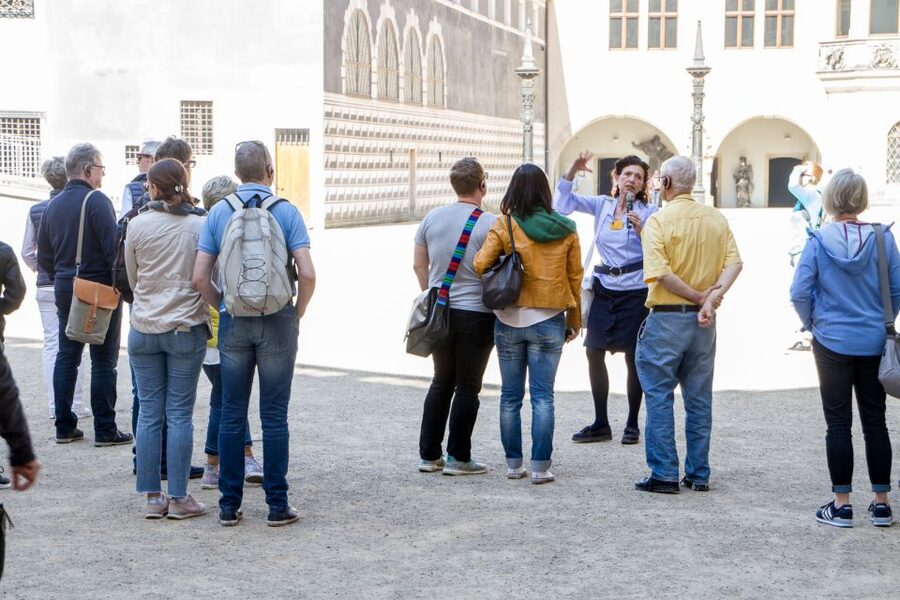
You’ll meet at Neumarkt 2 (QF Passage) at 10:30 AM, in front of the tourist information on the sub-level floor. The guide holds a sign marked Glanzlichter Dresdens, and it’s smart to arrive 5 to 10 minutes early so you’re not scrambling at the last second.
This start location is practical. Neumarkt is one of Dresden’s central “you can’t miss it” areas, which makes the tour easy to fit into a day plan. And because the group is small, you’ll usually get moving quickly once everyone checks in.
Headsets are a real quality-of-life upgrade here. You’re in German-speaking territory, but you’re not forced to play detective with volume and distance. That clarity makes it much easier to keep up when the guide starts connecting buildings to events.
You can also read our reviews of more walking tours in Dresden


Getting Your Bearings: Stallhof, Fürstenzug, and Neumarkt
Once you set off, the tour builds momentum by walking you through Dresden’s historic core in a logical rhythm. You’ll see Stallhof and Fürstenzug early on, then move through the area around Neumarkt—the kind of route that helps you understand where the city’s “power centers” sat.
Fürstenzug is the sort of landmark that begs for context. It’s not just something you look at; it becomes much more interesting when the guide explains why it’s there and how it fits Dresden’s historical identity. This tour’s value is that it treats the sights like chapters, not like isolated photos.
At Neumarkt, you also get the feeling of Dresden’s visual language—how architecture, public space, and monuments work together. If you want to leave Dresden knowing what you saw and why it matters, this “get your bearings” phase does a lot of the heavy lifting.
Schlossplatz and the Catholic Hofkirche: Saxony’s Big Stories in One Walk
Next comes Schlossplatz and the Catholic Hofkirche. Even if you don’t consider yourself a “church person,” this stop is useful because it connects faith, court life, and political identity in Saxony.
The guide’s approach matters here. Instead of dry facts, you’ll hear compelling stories about the heydays and current events—told with enough humor to keep you listening. You end up with a clearer picture of Dresden as a lived-in place, not just a museum city.
This portion of the walk also helps set up what you’ll experience later in the Frauenkirche. You’re basically getting the cultural background first, so the church visit lands with more meaning.
Inside Frauenkirche: Altar, Murals, and the Crypt
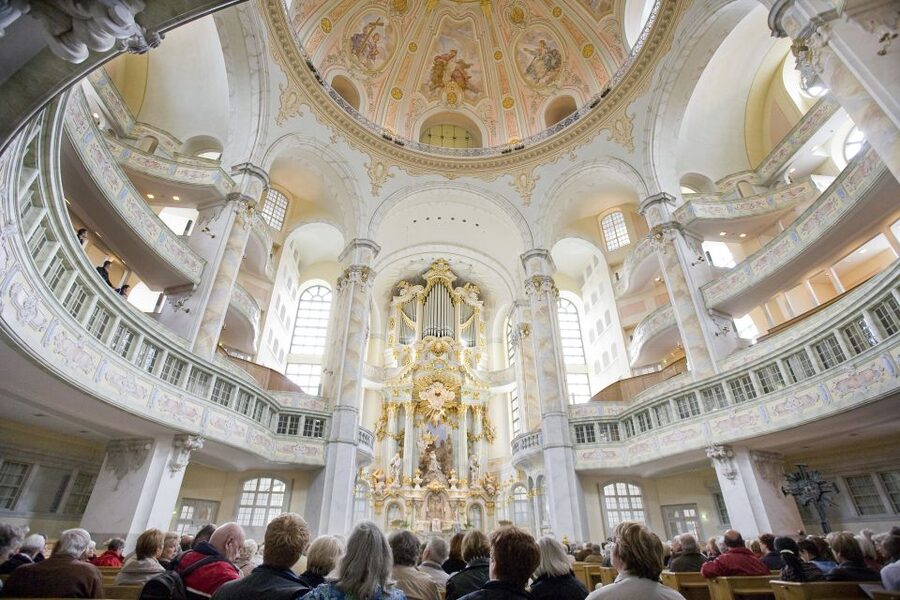
The most important moment is stepping inside the Frauenkirche (Church of our Lady). The tour doesn’t treat this as a quick stop-you-take-a-picture moment. You’ll learn about the altar, the stunning murals, and the historic crypt.
One thing I appreciate is that the guide focuses on what you can actually see. You’ll hear what to pay attention to—so your visit becomes more than just “this is beautiful.” It’s the difference between admiring a building and understanding what you’re looking at.
You’ll also see the unusual nave and hear about the baroque splendor that gives this church its distinctive feel. Then there’s mention of the impressive lower church, which is another reminder that this site isn’t a single-room highlight. It’s layered.
Important practical note: a documented issue can happen here. In at least some cases, Frauenkirche entry wasn’t possible due to ZDF preparations, so if you’re traveling around a media event schedule, it’s smart to be flexible in your expectations. If the entry is limited, the rest of the route still gives you a solid Dresden foundation.
Theaterplatz, Royal Palace, and Semper Opera Views
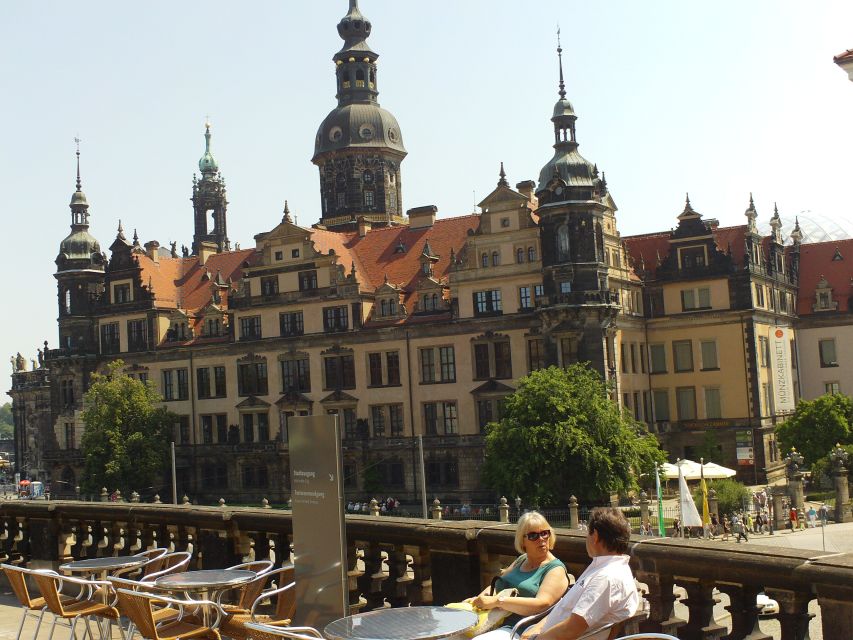
After the church, the tour shifts to Theaterplatz, with the Royal Palace and Semper Opera in your orbit. Even if you’re not going inside any museum portions, this area is key for understanding Dresden’s cultural ambitions.
This is also where the walk starts to feel more “city theater” and less “court and church.” The guide helps you connect these buildings to Dresden’s identity—how the court and its culture shaped what the city became known for.
You’ll likely find yourself slowing down during these moments. The sights are strong, but what makes them more than pretty backdrops is the story stitched between them.


Brühlsche Terrasse: Elbe Views That Work Even on a Tight Schedule
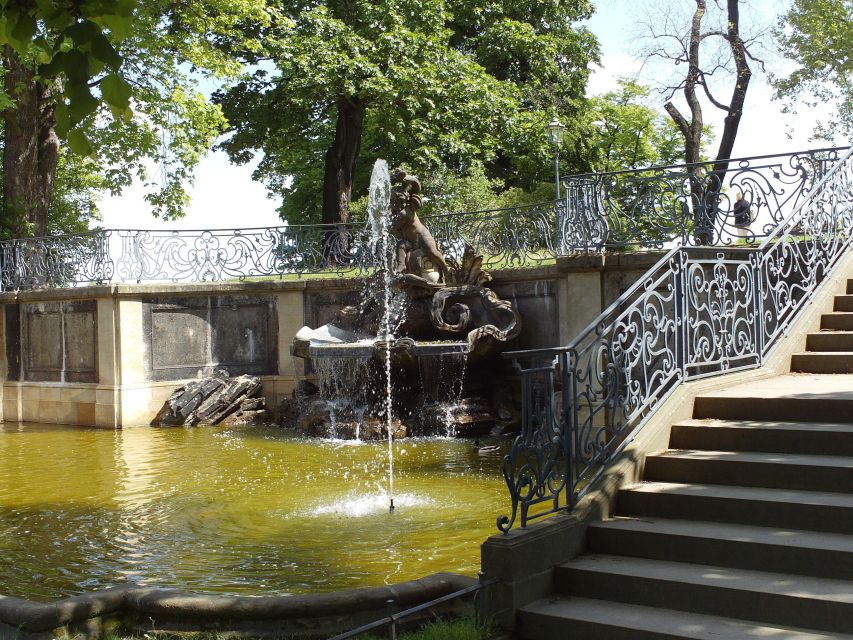
Next, you’ll cross Brühlsche Terrasse for views out toward the Elbe. This section is short, but it’s timed well: you get the outdoor payoff after concentrating on architecture and interiors.
What I like about this stop is how it gives you a break in pace without losing the tour’s thread. It’s a natural reset point, and it helps you “see the city” rather than only study buildings.
And because the tour is only 2 hours, these outdoor moments matter. They prevent the day from turning into a sequence of standing and listening with no scenery reward.
Zwinger District and Saxon Baroque Sculpture Stories
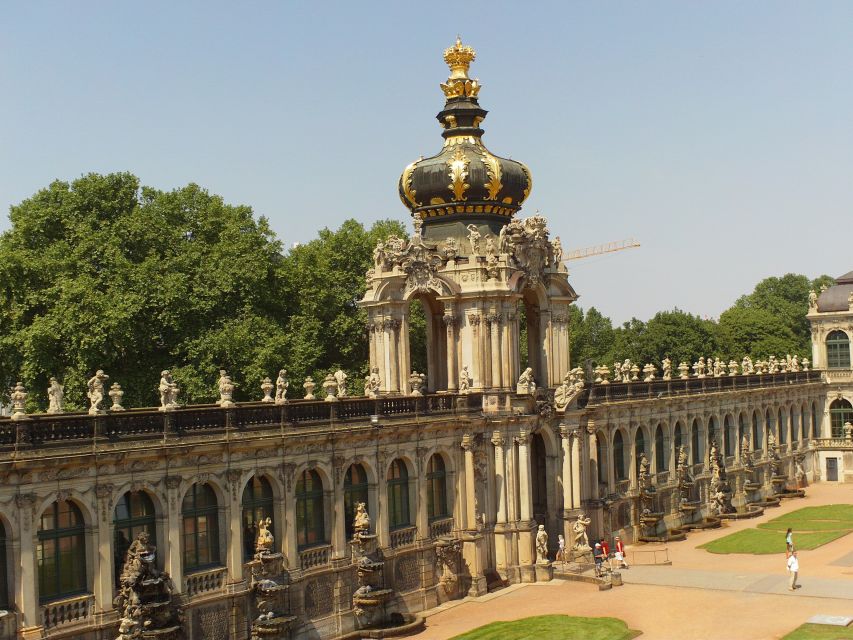
Then the tour moves into the Zwinger District to experience Saxon Baroque. This is where the guide’s storytelling really pays off because you’re looking at sandstone sculptures with historical meaning built in.
You’ll get up-close views and hear what many of the statue figures used to represent—plus how the court of Augustus the Strong shaped the festival culture around that era. The explanation makes the sculpture park feel like a set of real-life messages, not ornamental filler.
The tour also connects past and present by clarifying how the sculptures function now—as part of the district’s museum use. That “then-and-now” framing is a big reason people love this format: you don’t just learn what happened; you learn what still survives.
A practical caveat: entry to museums in the royal castle, Zwinger, or the Semper Opera isn’t included. That means you’ll focus on what you can see along the route and through the included visits (not full-ticket museum time). For many people, that’s fine. It keeps the schedule tight and the price manageable.
Price and Value: Why $16 Can Make Sense Here
At $16 per person for about 2 hours, this tour sits in the budget-friendly zone, especially because it includes a personal guide, headsets, and a postcard souvenir. The headsets alone can be worth it in a city where sound can be tricky around landmarks.
The best value isn’t just the price—it’s the structure. You’re not paying extra to drift. You’re getting a planned route that hits major identity points of Dresden: old town highlights, royal/court context, and a meaningful interior church visit.
Compare that to pay-and-wander sightseeing. If you already know you want a Frauenkirche visit plus a guided story around Dresden’s highlights, this is efficient. If you only want to see one building and leave, it may feel like too much. But for anyone who likes their sightseeing with direction, it’s a solid deal.
The Guide Makes the Difference (Dagmar Renger)
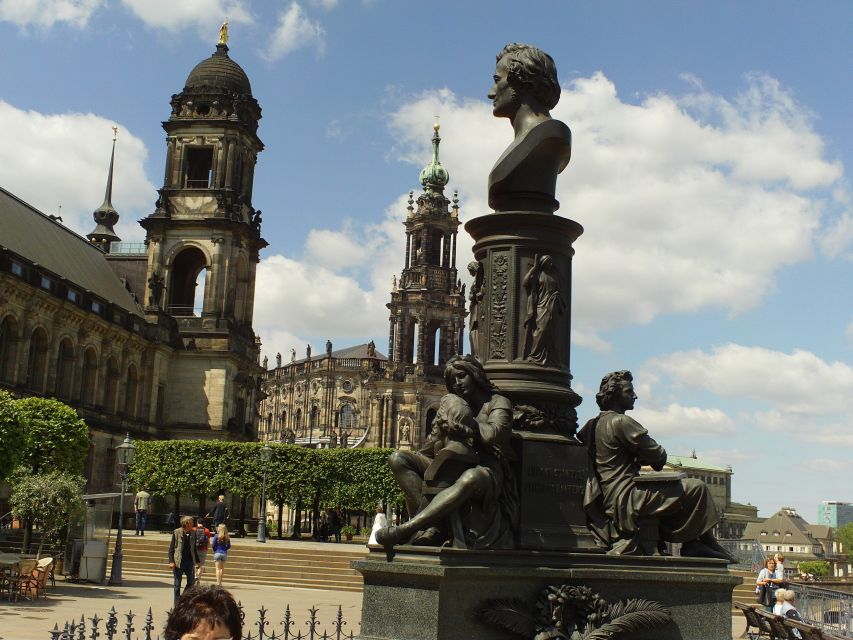
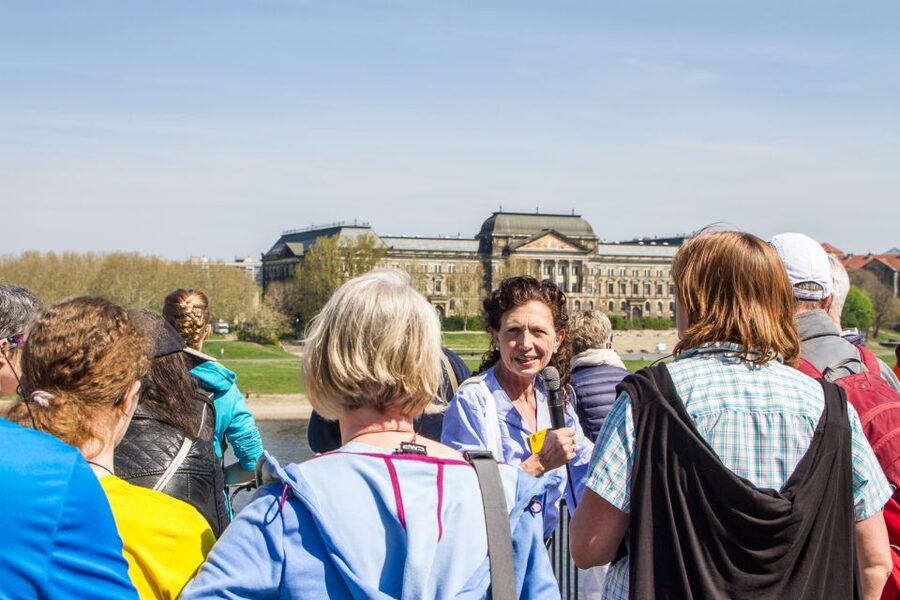
The experience leans hard on guide quality, and the evidence is pretty clear. Dagmar Renger has been noted as competent and funny, with a clear ability to answer questions. That combination matters because Dresden can feel like a lot at once: architecture, rulers, rebuilding, cultural shifts.
When a guide shows that kind of confidence and genuine affection for the city, it changes how you experience the walk. You stop treating the tour like a checklist and start noticing the links between stops: why one site matters, what it replaced, and how the city keeps telling its story.
Even with a tight schedule, a good guide keeps you engaged. Here, the humor isn’t decoration—it’s a delivery method that helps the history stick.
Who This Tour Fits Best
This tour is a strong fit if you:
- Want Frauenkirche plus key Dresden landmarks in one outing
- Prefer small groups and clear audio through headsets
- Like history explained in a way that feels like conversation, not a lecture
- Are time-limited and want a route that’s logically paced across old town and Saxon Baroque areas
It may not be the best fit if you’re mainly after deep museum time inside the palace, Zwinger, or Semper Opera. Those entries are not included, so you’d likely need separate ticket plans if museum interiors are your top priority.
Should You Book This Dresden Frauenkirche Walking Tour?
I’d book it if your goal is to get oriented and leave with a real sense of Dresden—why people love it, and what the city’s main landmarks are actually saying. The combination of Frauenkirche, headphone clarity, and a well-linked route through old town and Zwinger District is exactly the sort of practical “start here” experience that saves you time.
I’d think twice only if you have zero flexibility about the Frauenkirche entry itself. Since on-site preparations can sometimes affect access, it’s smart to plan your day with a little breathing room for that possibility.
FAQ
How long is the Dresden walking tour?
It lasts 2 hours.
Where do I meet the guide?
Meet at Neumarkt 2, 01067 Dresden, Germany, in front of the tourist information in the sub-level floor of the QF Passage.
What time does the tour start?
The tour starts at 10:30 AM.
Is the Frauenkirche visit included?
Yes, the tour includes stepping inside the Frauenkirche, though access can depend on on-site preparations.
What’s included in the tour price?
You get a personal guide, headsets to hear the guide clearly, and a postcard souvenir.
Are museum entries included for the Zwinger, Semper Opera, or the royal castle?
No. Entry to the museums in the royal castle, Zwinger, or the Semper Opera is not included.