REVIEW · BARCELONA
Barcelona: Old Town and Gothic Quarter Walking Tour
Book on GetYourGuide →Operated by In Out Barcelona Tours · Bookable on GetYourGuide
Old streets, big stories, zero museum fatigue. This walk through Barcelona’s Roman core and Gothic Quarter is interesting because it turns major landmarks into a simple route you can follow, with guides such as Alba and Omid keeping the details clear and human. I also like that you connect the past to what’s happening right now—La Rambla’s street scene and La Boqueria’s food culture sit right in the middle of the history walk.
One consideration: this is a proper walking tour. You’ll move through tight, foot-traffic-heavy areas, and the activity notes say no large bags, so plan to travel light and wear comfortable shoes.
In This Review
- Key highlights
- Planning Your 2.5–4 Hour Walk Through Barcelona’s Old Town
- Start at Plaça de Sant Jaume: Roman Forum Roots
- Roman Wall and Pati Llimona Baths: Ancient Daily Life
- Plaça del Rei and Palau Reial: Medieval Power and Columbus
- Barcelona Cathedral and Santa Maria del Mar: Catalan Gothic in Focus
- El Born Atmosphere: Cafes, Shops, and a Walkable Neighborhood Feel
- La Rambla and Street Life: Flower Stalls and Performers
- La Boqueria Market: 300+ Stalls of Catalan Food Culture
- Palau de la Música Catalana Pass-By: A Beautiful Outside Moment
- Price and Value: Is $21 Actually Fair?
- Who This Walking Tour Suits Best
- Should You Book This Barcelona Old Town and Gothic Quarter Tour?
- FAQ
- FAQ
- How long is the Barcelona Old Town and Gothic Quarter walking tour?
- What’s the price per person?
- Where does the tour start and end?
- What’s included in the tour?
- Is the tour private?
- How big is the group?
- What should I bring?
- Is there anything I can’t bring?
- What’s the cancellation policy?
Key highlights
- Small group size (max 15) helps you actually hear the guide and ask questions.
- Roman-to-medieval route starts at Plaça de Sant Jaume and links to surviving Roman walls and old bath stories.
- Catalan Gothic landmarks like Barcelona Cathedral and Santa Maria del Mar keep the architecture front and center.
- La Rambla + street life gives you the modern city atmosphere between the historic stops.
- La Boqueria market time lets you shop and snack across 300+ stalls of local products.
- El Born atmosphere gives you a neighborhood feel, not just a list of monuments.
Planning Your 2.5–4 Hour Walk Through Barcelona’s Old Town
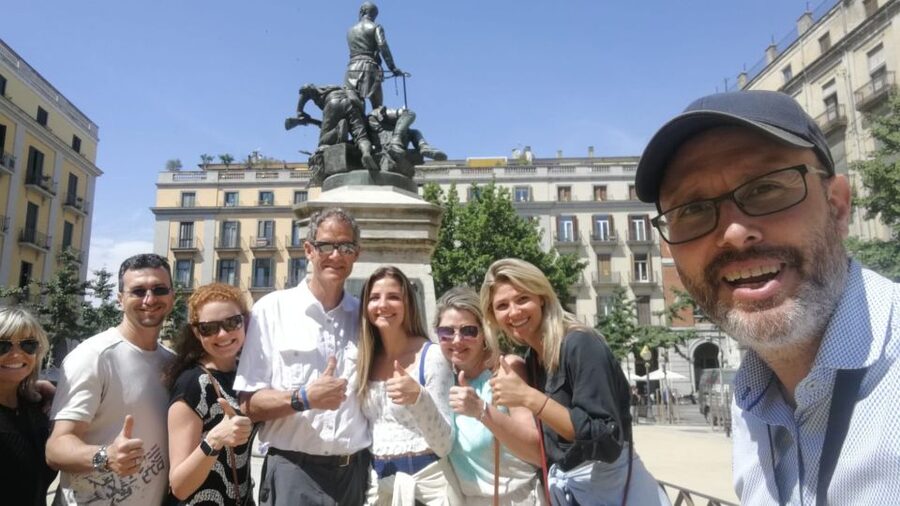
This is a compact, history-forward walking tour in the heart of Barcelona’s older districts. The timing usually lands around 2.5 hours, but it can run up to 4 hours, so check the departure length when you book. Either way, the pace is built for seeing a lot without spending your whole day stuck in one big indoor site.
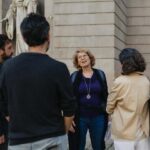
The guide setup is a big part of the value. You get an English and Spanish-speaking guide, and the group stays small (up to 15 people). That matters here because the Gothic streets reward attention—you’re looking at details, not just big façades.
Price is listed at about $21 per person, which is low for a guided walk that covers both architectural highlights and a major market stop like La Boqueria. The tradeoff is that you’re paying for guidance and interpretation, not for admission tickets or long indoor time. You’ll still want to budget for personal expenses if you snack or buy anything at the market.
You can also read our reviews of more walking tours in Barcelona


Start at Plaça de Sant Jaume: Roman Forum Roots
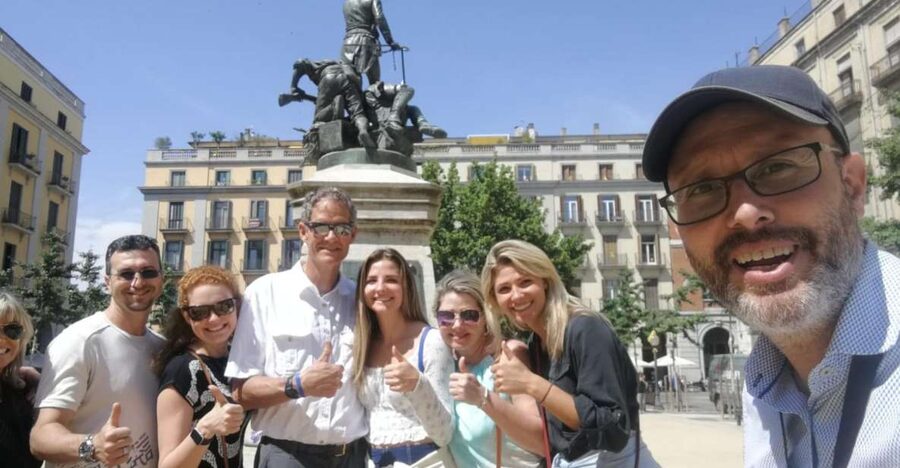
Your walk begins near Plaça de Sant Jaume, the political center that’s been in use for about 2,000 years. The point isn’t just that it used to matter—it’s that the square still functions like a civic stage. You’ll hear how the Roman Forum once stood here, and why that early power helped shape Barcelona’s identity.
This first segment is useful on a practical level. Even if Gothic Quarter streets look confusing at first, Plaça de Sant Jaume gives you a clear mental anchor. Once you understand where the Roman political heart was, the rest of the Old Town landmarks start to make more sense.
Expect a story-led start: instead of a lecture, it’s more like a guided orientation to the city’s “why,” including how Roman Barcelona’s footprint continues to influence what you see today.
Roman Wall and Pati Llimona Baths: Ancient Daily Life
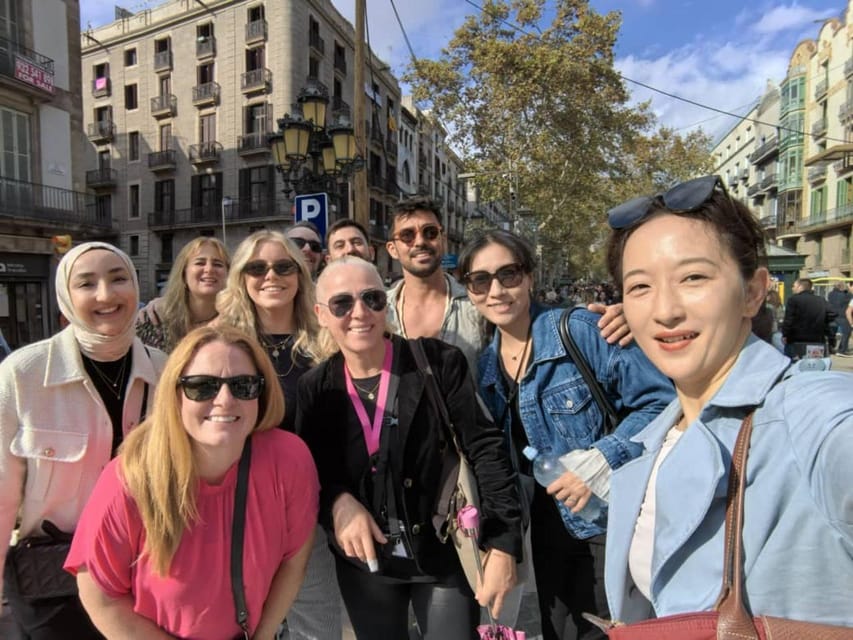
One highlight in the route is the walk along one of the best-preserved Roman walls in the world. That’s a strong draw on its own, but the guide’s job is to turn stone into everyday life.
You’ll also hear stories tied to the Roman baths of Pati Llimona, which helps you picture what this place felt like beyond monuments. It’s the kind of context that makes later stops click: once you see how Romans lived and built, medieval Barcelona feels less like a sudden reinvention and more like an evolution.
On the ground, this segment is also a relief. You’re not constantly searching for the “next big sight.” The Roman material gives you a grounded visual reference point, and the guide’s explanations do the rest.
Plaça del Rei and Palau Reial: Medieval Power and Columbus
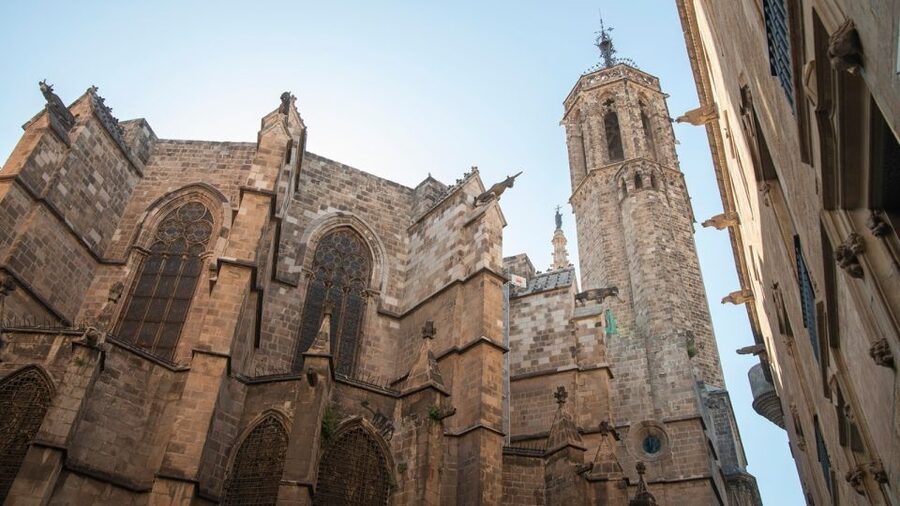
As you move into the Gothic Quarter, Plaça del Rei is a key moment. It’s framed as a space where medieval authority was on display, including the Palace of the Viceroy and the Palau Reial.
One of the most memorable stories tied to this area is about Christopher Columbus, who was famously welcomed by the Catholic Monarchs after his journey to the Americas. Whether you know the basics or not, this stop helps you connect Barcelona’s Gothic architecture to the wider political story happening in Spain at the time.
This section is also where the guide style really shows. Many guests highlight how guides keep explanations tight and story-driven, so you don’t lose the group or drift into information overload. One guide named Jose Carlos, for example, is singled out for mixing history with architecture and checking in with the group to match expectations.
Barcelona Cathedral and Santa Maria del Mar: Catalan Gothic in Focus
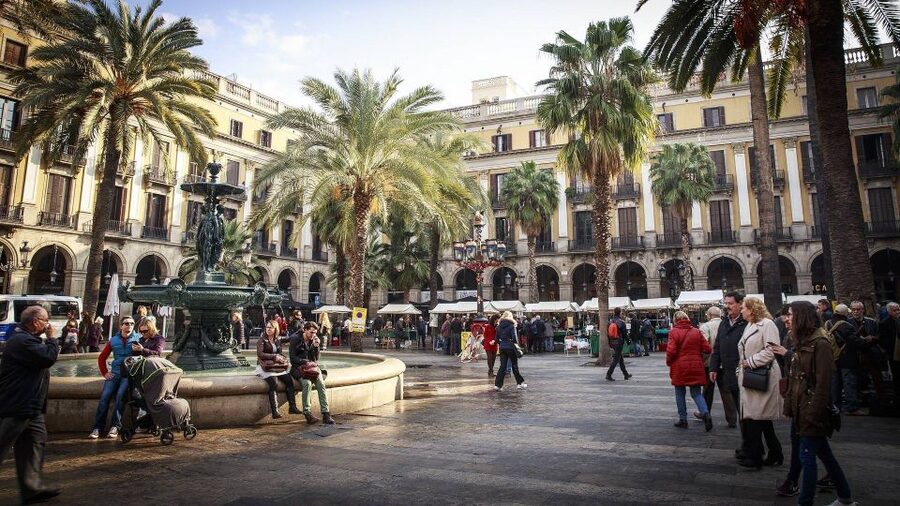
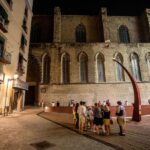
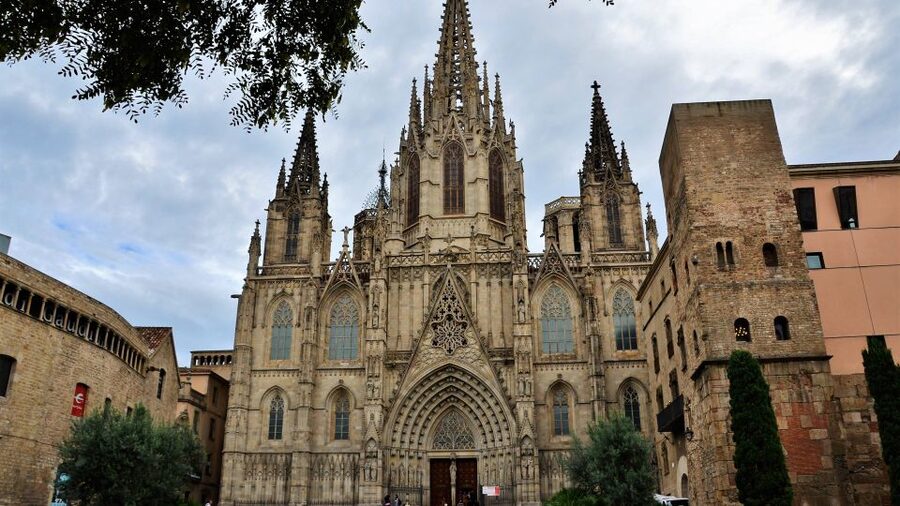
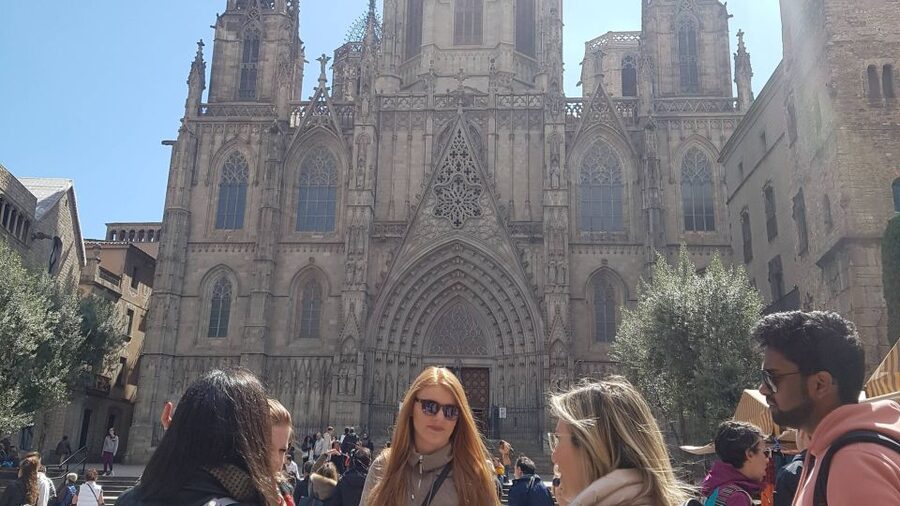
Two standout stops in the route are Barcelona Cathedral and Santa Maria del Mar (St. Mary of the Sea). Both are described as fine examples of Catalan Gothic architecture, but they give you different perspectives on the same style.
Barcelona Cathedral is your big-ticket Gothic landmark. Santa Maria del Mar is especially interesting because you’ll learn it was built in an incredibly short time, which points to medieval building power and organization. That “how did they manage that” angle is one of the reasons this stop feels more than just pretty stone. It’s a reminder that Gothic cathedrals weren’t only art projects—they were major engineering and logistics.
If you like asking questions, this is where you’ll get the most out of a guide. Santa Maria del Mar’s story and details tend to spark follow-ups about what the builders prioritized and what the city valued.



El Born Atmosphere: Cafes, Shops, and a Walkable Neighborhood Feel
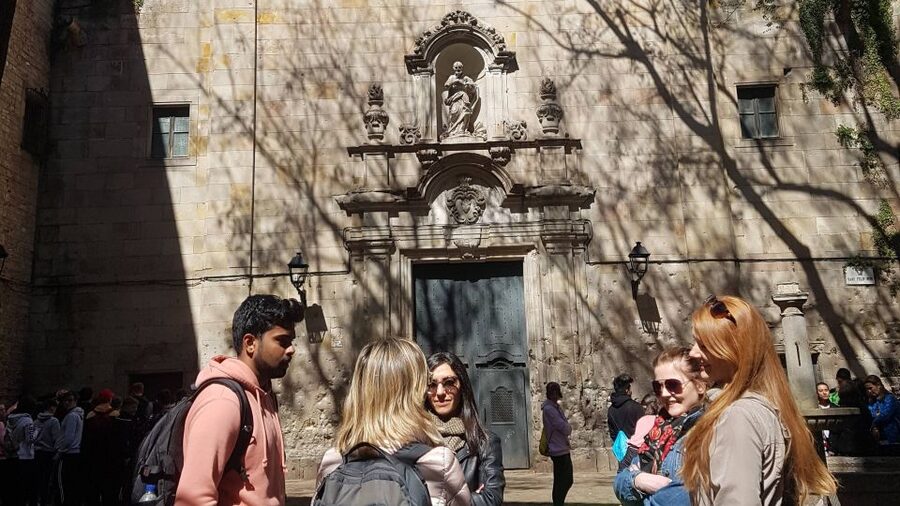
After the heavy-hitting monuments, the tour shifts into a more human scale through El Born. You’ll soak in the vibe with trendy cafes, boutique shops, and lively streets—still within the same history setting, but easier to breathe.
This is practical travel value. Barcelona can feel like one grand monument after another. El Born gives you a short mental reset, so you can absorb what you’ve seen without feeling like your brain is stuck on architecture mode.
It’s also a good time to let your guide connect the dots between past and present—how medieval streets became modern hangouts, and why the neighborhood still feels like Barcelona. If you’re a first-timer, this part helps you build a sense of where you might want to return for a self-guided stroll after the tour ends.
La Rambla and Street Life: Flower Stalls and Performers
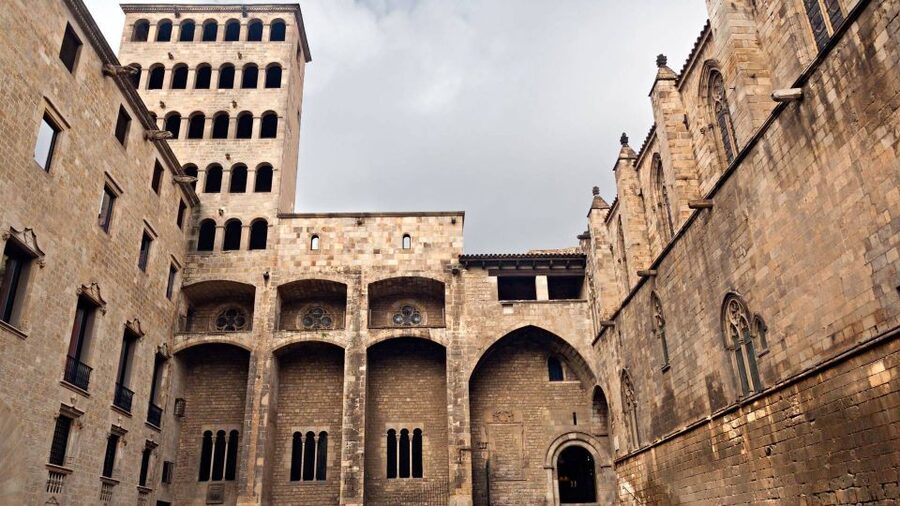
From El Born, the route moves toward La Rambla, Barcelona’s iconic boulevard. Along the way, you’ll pass the classic mix of flower stalls, street performers, and outdoor eateries.
This stretch can be polarizing if you expect calm. But for most people, La Rambla’s value on this tour is that it ties the historic core to the city’s daily rhythm. You’re not just walking from one monument to another; you’re also seeing how public space functions in modern Barcelona.
If you’re a photo person, La Rambla is good for quick shots. If you’re more of a story person, it’s good for perspective. Your guide can point out what’s symbolic versus what’s just there because people show up.
La Boqueria Market: 300+ Stalls of Catalan Food Culture
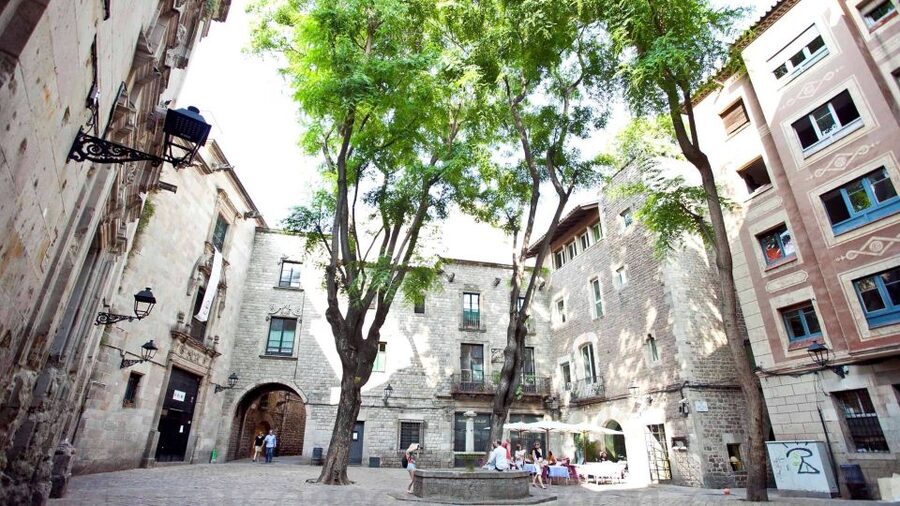
Then comes the big sensory moment: La Boqueria. The tour description notes over 300 stalls, offering local products and a real window into Catalan food culture.
Even if you don’t plan to buy much, this stop is worth it because it shows you what “local” looks like when it’s organized at market scale. You can browse, compare ingredients, and pick up flavor ideas for later meals around the city.
Just manage expectations. A market is not a calm gallery. Expect movement, noise, and a lot happening at once. That’s why this works best with a guide—you’re not wandering aimlessly. You get a sense of what to look for and how to think about the food beyond tasting the loudest thing you see.
If you do buy something, keep it simple: one snack, then keep walking. Your legs will thank you later, especially if you’re also planning to visit the rest of the Old Town on your own.
Palau de la Música Catalana Pass-By: A Beautiful Outside Moment
The tour also includes a pass-by of Palau de la Música Catalana. Even without going inside, seeing it on the route is useful because it broadens the architecture theme beyond the Gothic landmarks.
This stop is more about visual education than a long detour. It gives you a taste of how Barcelona’s design style evolved and how different it can look from one neighborhood pocket to the next.
If you already planned to see Palau de la Música Catalana later, this pass-by helps you understand why it’s often put on the must-see list in Barcelona itineraries.
Price and Value: Is $21 Actually Fair?
At around $21 per person, this tour is priced like a budget-friendly introduction, but it doesn’t feel cheap because you’re paying for three things:
First, you’re paying for a guide to connect Roman sites to medieval power to Gothic architecture in a way that’s easier than piecing together sources on your own.
Second, you’re getting a market component without committing to a full food tour. La Boqueria is built in, and the guide can help you navigate what’s worth your attention.
Third, the small group size (max 15) is a real quality lever. It’s easier to keep your bearings, hear the guide, and ask questions than it would be on a large bus-style tour.
Where it can feel less “all-inclusive” is also clear: the tour doesn’t include personal spending. If you want to snack heavily or do serious shopping at the market, that cost will add up fast. Think of the tour as paying for orientation and stories, then spend extra selectively.
Who This Walking Tour Suits Best
This tour is a smart choice if you want:
- A guided “first-timer” route through the Gothic Quarter and Old Town
- Strong architecture context that makes the buildings feel understandable
- A mix of history and modern street life, with La Rambla and La Boqueria built in
- A small group experience where you can ask questions and keep up
It may not be your best fit if you want long indoor time, low walking, or a slow pace. This is designed for people who like to see lots of streets on foot and prefer stories that match what they’re looking at right now.
Should You Book This Barcelona Old Town and Gothic Quarter Tour?
Yes, if you want a practical introduction to Barcelona’s older core. I’d book it especially if it’s one of your first days in the city and you want the places to make sense fast—Plaça de Sant Jaume, Roman wall remains, Plaça del Rei, the big Gothic sights, and then the street-and-market energy of La Rambla and La Boqueria.
I wouldn’t book it if you dislike walking through busy public areas or if you’re traveling with large luggage. Also, if you prefer very quiet sightseeing, this route’s street life component may feel a bit too lively.
FAQ
FAQ
How long is the Barcelona Old Town and Gothic Quarter walking tour?
It lasts about 2.5 to 4 hours, depending on the starting time and the specific departure.
What’s the price per person?
The price is listed at $21 per person.
Where does the tour start and end?
The meeting point may vary depending on the option booked. One listed starting option is the Movistar Centre. The tour finishes at Passeig del Born, 08003 Barcelona.
What’s included in the tour?
You get an English and Spanish-speaking guide.
Is the tour private?
It can be private group available, and the normal group size is kept small.
How big is the group?
It’s a small group tour with a maximum of 15 participants.
What should I bring?
Bring comfortable shoes.
Is there anything I can’t bring?
The activity notes say luggage or large bags are not allowed.
What’s the cancellation policy?
There is free cancellation up to 24 hours in advance for a full refund.