REVIEW · ATHENS
Acropolis monuments & Parthenon Walking Tour with Optional Acropolis Museum
Book on Viator →Operated by Athens Walks Tour Company · Bookable on Viator
Stone and sunlight, with a great guide. This Acropolis and Parthenon walking tour is a smart way to orient yourself in Athens fast, especially because it pairs a licensed guide with skip-the-line entry options and clear stories tied to the 5th-century BC monuments.
I also like the tight group size (max 20) and the built-in audio system, so you’re not stuck guessing what the guide is saying while you’re craning your neck for marble details. When guides like Lisa, Anna, and John D take the lead, the walk stays lively, and you get time to ask questions without losing the thread. The one drawback: it’s still a climb. There’s lots of standing and some steep, uneven paths, so moderate fitness and comfy shoes matter.
If you add the optional stop at the Acropolis Museum, you’ll see how the pieces connect. The tour then ends at the museum with that option, or at the Acropolis ruins if you keep it to the hill.
In This Review
- Key highlights worth planning around
- Why an early Acropolis start feels like the right move
- Meeting point, audio, and why group size changes everything
- The south slope warm-up: Dionysus and Herod Atticus before the temples
- Theatre of Dionysus Eleuthereus
- Odeon of Herod Atticus
- Propylaea and the disciplined entry into the Sacred Way
- Temple of Athena Nike: small structure, big attention
- The Parthenon stop: how to actually see what you paid for
- Erechtheion: the caryatids that make you slow down
- Acropolis visit wrap-up: how the climb becomes a coherent story
- Optional Acropolis Museum: seeing the rest of the “why”
- Price, tickets, and choosing the option that fits your situation
- Discount rules you should plan around
- Pacing, fitness, and what to wear on a hill that fights back
- Timing and weather: why your morning matters
- Who should book this Acropolis and Parthenon tour
- Should you book it?
- FAQ
- How long is the Acropolis monuments and Parthenon walking tour?
- Where does the tour start?
- Does the tour include the Acropolis Museum?
- Are entrance tickets included in the price?
- How many people are in the group?
- Is the Acropolis tour physically demanding?
- Are there discounts for younger visitors?
Key highlights worth planning around
- Skip-the-line touring with a licensed guide so the time you spend on the hill goes toward meaning, not waiting.
- Small groups of under 20 with an audio setup (whisper system or headphones) so your ears stay as focused as your eyes.
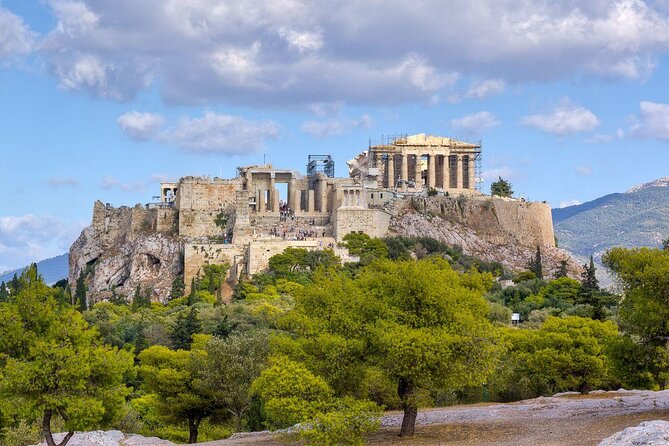
- A full route of famous structures: Theatre of Dionysus, Herod Atticus Odeon, Propylaea, Parthenon, Temple of Athena Nike, and the Erechtheion.
- The Erechtheion caryatids get their moment instead of being a quick glance.
- Optional Acropolis Museum (about 1 hour) to place the ruins in context after you’ve seen the big stones.
- Flexible tour times (in English) so it fits real vacation schedules, not just “tourist o’clock.”
Why an early Acropolis start feels like the right move

The Acropolis complex works best when you arrive with a plan. Going early means you’re there before the crowds fully gel, and you can take in the hilltop views without spending the first hour just trying to find the right angle. This tour typically runs about 4 hours, with an early meeting and a short walk to the Acropolis area.
You’ll also get a guided rhythm that helps a first-time visit feel less chaotic. Instead of bouncing between monuments like a tourist pinball, you follow a route that makes sense: theater culture on the slopes, then the ceremonial entry points, then the big-ticket temples.
The best part is that the guide’s stories aren’t just myths for entertainment. They’re aimed at helping you see why each structure looks the way it does, and what it meant to people living in Athens centuries ago.
You can also read our reviews of more walking tours in Athens



Meeting point, audio, and why group size changes everything
You meet at Porinou 5, Athina 117 42, Greece, a location convenient to public transport and close to the Acropolis area. There’s also Wi‑Fi available near the meeting point, which is useful if you need to check vouchers or map your next steps.
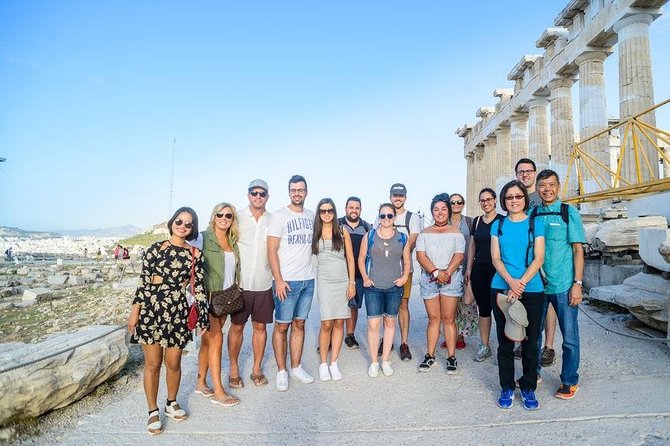
From there, you’re in a group of 20 or fewer, and the tour uses a guided audio system. The tour notes specify a whisper guide system for groups larger than 5, and people also highlight that the headphones make a real difference. Translation: you get to stand in the right spot, listen clearly, and keep your attention on details like inscriptions, architectural proportions, and the way statues are posed.
That matters because the Acropolis can be loud, visually intense, and crowded. With clear audio, the tour becomes a story you can follow instead of background narration while you hunt for the Parthenon.
The south slope warm-up: Dionysus and Herod Atticus before the temples
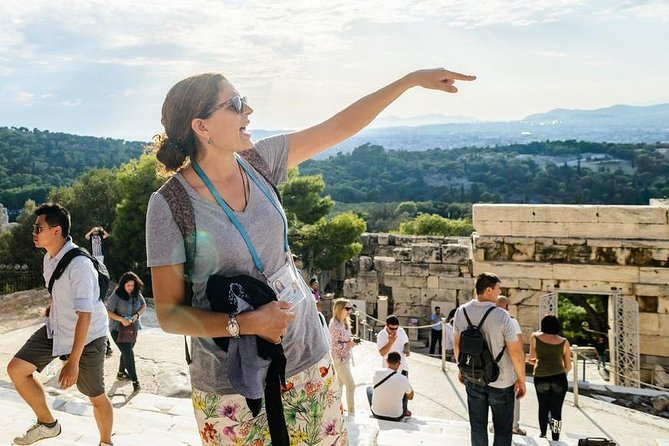
This tour doesn’t start by throwing you straight at the Parthenon. It begins with a “set the stage” warm-up: two major theater sites that anchor the hill’s cultural life.
Theatre of Dionysus Eleuthereus
You’ll stop at the Theatre of Dionysus Eleuthereus and spend around 15 minutes there. The location is on the south slope, and it’s tied to the City Dionysia festival. What I like about starting here is that it gives you a human entry point. Before you see temples meant for gods, you see a space where Athenians gathered for drama, civic ritual, and public performance.
The tour lists this stop as admission ticket free, which is handy if you’re saving energy for the main ticketed areas.
Odeon of Herod Atticus
Next comes the Herod Atticus Odeon, a stone Roman theater completed in 161 AD and renovated in 1950. Another 15-minute stop, also listed as free.
This is a good reminder that the Acropolis wasn’t frozen in time. Different eras used these spaces, rebuilt, and repurposed them. So when you later see older Greek foundations and later Roman touches, you’ll recognize the layering instead of feeling lost.






Propylaea and the disciplined entry into the Sacred Way
Once you move toward the main Acropolis entry, you hit Propylaea, the monumental gateway. The tour gives you about 15 minutes here and calls out how impressive these entry structures are for their age.
I find Propylaea is the moment where the visit stops being a collection of photos and starts feeling like a route with meaning. It’s the threshold. After this, the architecture starts working harder on your imagination: columns and alignments aren’t just decoration—they guide how you approach, where you look, and what you understand as important.
If you’re coming from street level, take a breath. The climb is real, but this gateway is what makes the climb feel worth it.
Temple of Athena Nike: small structure, big attention

The tour schedules time for the Temple of Athena Nike, commonly called the Temple of Victory. You’ll spend time seeing it from key angles, with the tour noting this area in a couple of segments and distinguishing ticket status at different points.
Why it’s worth pausing: this temple is often a favorite because it’s easier to appreciate in scale than the Parthenon. The guide can point out how the temple’s style connects to the broader Acropolis design language, including its ionic character (the tour notes it as an early fully Ionic temple on the hill).
Also, you’ll likely notice how much of your experience here depends on weather and light. Even on a straightforward visit, a bright morning helps you read architectural lines instead of only staring at massive stone blocks.
The Parthenon stop: how to actually see what you paid for
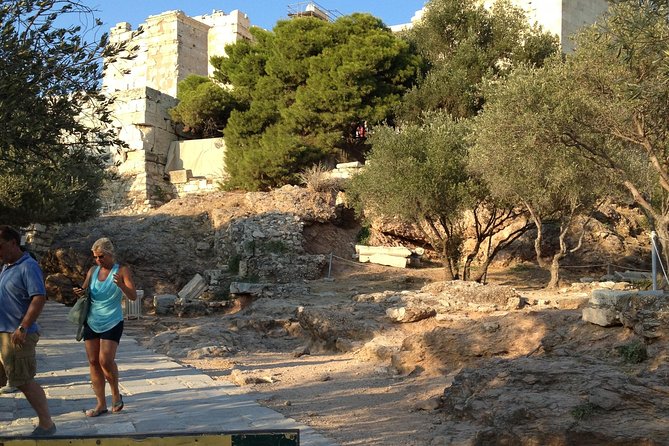
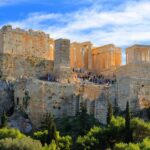
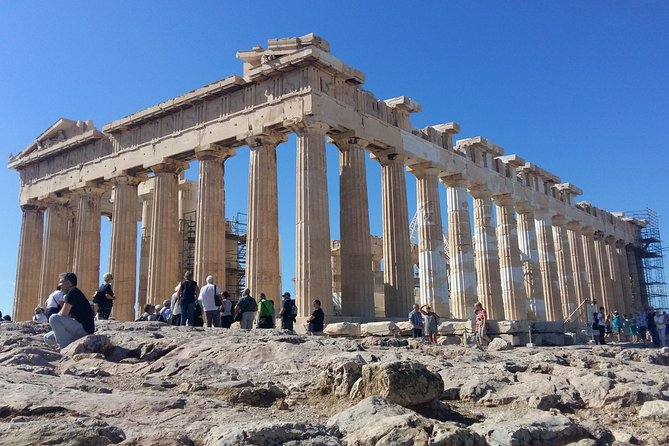
Then comes the Parthenon, the destination photo almost everyone comes for. The tour gives you about 30 minutes at the Parthenon area, and this is the portion where admission tickets are not included unless you chose the option with tickets.
Here’s the practical way to make this time work: don’t try to do everything at once. Use the guide’s story to orient yourself first, then look again. The guide’s job is to help you spot the “why” behind what you’re seeing—how the structure was designed, how it relates to Athena, and how the monuments fit together as a statement about Athens.
People consistently value this stage because a guide turns Parthenon viewing from sightseeing into understanding. You still get the wow factor, but you also leave with a mental map.
If you’re the type who loves details, focus on the edges and transitions: where one element ends and another begins. Those are often where the stories click.
Erechtheion: the caryatids that make you slow down
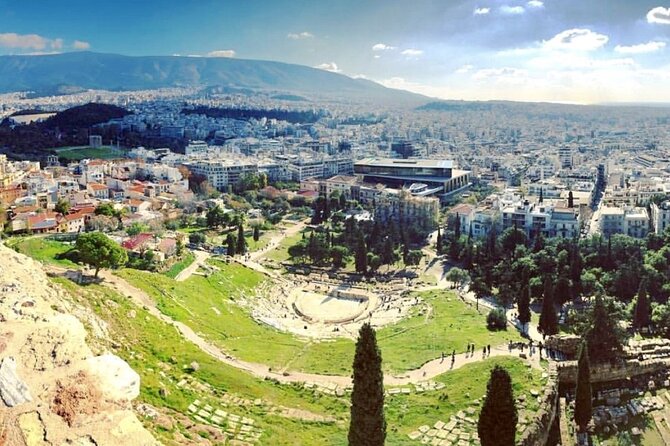
Next up is the Erechtheion, with special attention to the caryatid statues—the sculpted female figures used as supporting columns. The tour allots about 10 minutes for this stop.
The Erechtheion is one of those places where a quick visit can feel like you missed the point. With a guide, you get help noticing posture, placement, and why these figures became such an enduring image of Acropolis artistry.
This is also a good moment to reset after lots of uphill movement. Stand, look, breathe. Even if you’re not a “statue person,” you’ll usually find yourself staring a little longer after the explanation.
Acropolis visit wrap-up: how the climb becomes a coherent story
At the end of the ruins portion, you’re still on the hill for about 1 hour dedicated to the Acropolis overall, depending on timing and how the guide threads the route.
What I like about this structure is that you don’t feel rushed from one monument to another. Several guides keep the walk manageable in pace, and the audio helps you hear the story while you pause and look.
One practical note from the real-world experience of this kind of hill visit: plan on standing. The tour format works best when you’re willing to stop more than you walk. If you want a nonstop, moving-through-everything style of sightseeing, this may feel like more lesson time than you expected. If you want your photos to mean something, it’s a good fit.
Optional Acropolis Museum: seeing the rest of the “why”
If you choose the Acropolis Museum option, the tour adds about 1 more hour after the ruins, with the group ending at the museum (at Dionysiou Areopagitou 15). The museum option is described as a visit to Acropolis galleries, designed to show artifacts that clarify the story behind the monuments.
This is the upgrade that often makes the whole day feel like it has a final payoff. On the hill, you see the architecture. In the museum, you see the pieces and details that explain how those structures were used and what survived.
In plain terms: the museum helps your brain connect what you looked at outside with what you can’t fully understand just by staring at stones. If you care about sculpture, relief, or the story behind design choices, this add-on is usually the best use of extra time.
Price, tickets, and choosing the option that fits your situation
The tour price is listed at $42.33 per person, and what you get depends on which option you select. The tour includes a professional licensed guide and is designed to skip the line. It also includes entrance tickets only when you book with tickets.
If you didn’t choose the option with entrance tickets, the tour data notes you’ll need to purchase entry in advance online:
- Acropolis entry: €30 per adult from April 2025, and €10 per adult from November to March
- Acropolis Museum: €20 per adult from April 2025
That means the value question is really about time and convenience. Paying for the tour plus tickets usually buys you less hassle. Choosing the non-ticket option can save money if you already plan to buy tickets anyway, or if you qualify for discounts.
Discount rules you should plan around
The tour notes a few important eligibility points:
- EU citizens under 25: free Acropolis entrance
- Others under 25: 50% discount on Acropolis tickets
- You need IDs or passports for age-based pricing checks
- People under 18 should bring passports/IDs to reduce price entrance ticket access
If you’re eligible, you can often reduce overall cost and keep the tour as the “guide value” portion of your day.
Pacing, fitness, and what to wear on a hill that fights back
The tour is listed for travelers with moderate physical fitness. That matches what you’ll feel on the ground: standing, walking, and climbing paths, some of them steep.
The safest approach is to dress for effort:
- comfortable shoes
- hat
- sun cream
Also, bring water if you can. Not because the tour says you must, but because Athens sun and stone steps don’t care about good intentions.
And yes, the tour can be “lecture-heavy” at moments—my advice is to treat it like a guided walk with stops, not like a quick sight-seeing sprint. The audio helps you keep up even when the guide is explaining myths, architecture, and civic history.
Timing and weather: why your morning matters
This experience requires good weather. If it gets canceled due to poor weather, you’ll be offered a different date or a full refund. That’s not just fine print. On the Acropolis hill, wind, rain, and slick stone make everything harder, especially the uphill parts and the time spent standing for photos.
Since the tour meets early, it’s often easier to enjoy the sights without turning the day into a heat marathon. If you’re planning around a tight itinerary, pick the earliest time slot you can manage.
Also: the tour says it’s commonly booked around 45 days in advance, which is a sign to reserve earlier rather than waiting for the last week.
Who should book this Acropolis and Parthenon tour
This works best if you:
- are in Athens for the first time and want a map of the hill fast
- care about how Greek architecture and myth connect
- like guided pacing more than solo wandering
- want the Acropolis Museum option if you enjoy artifacts and context
It’s also a great choice if you’re a history fan who gets frustrated when a monument becomes only a photo opportunity. With the guide narration, you leave with a clearer sense of what you saw and why.
If you hate stairs, hate standing, or want a totally self-paced visit, you might prefer solo time. But if you can handle a moderate hill walk, this tour is a solid way to make your day feel “earned.”
Should you book it?
I’d book this tour if you want the Acropolis to feel understandable, not just impressive. The combination of licensed guide, small group size, and clear audio makes a big difference on a site where it’s easy to miss what matters.
If you’re deciding between the basic hill tour and adding the museum, I lean museum. The museum stop is where your brain usually gets the final connections between the Parthenon you saw outside and the artifacts you can study more closely indoors.
And if you qualify for discounts (like EU under 25), compare the ticket option you choose carefully. In those cases, the tour’s main value is the guided meaning and skip-the-line structure, not just the ticket price.
FAQ
How long is the Acropolis monuments and Parthenon walking tour?
The tour runs about 4 hours (approx.).
Where does the tour start?
You meet at Porinou 5, Athina 117 42, Greece.
Does the tour include the Acropolis Museum?
It depends on the option you choose. With the museum option, you’ll visit the Acropolis Museum and the tour ends there. Without it, you’ll end at the Acropolis monuments.
Are entrance tickets included in the price?
Tickets are included only if you select the option with entrance tickets. Otherwise, you need to purchase Acropolis and/or Acropolis Museum entry in advance online.
How many people are in the group?
The tour has a maximum of 20 travelers per guide.
Is the Acropolis tour physically demanding?
It’s listed for travelers with moderate physical fitness. Expect standing and walking, including steep climbs on some paths.
Are there discounts for younger visitors?
Yes. The tour notes that EU citizens under 25 get free Acropolis entrance. Others under 25 get a 50% discount. You’ll need an ID or passport for age verification. People under 18 should bring passports or IDs to help reduce entrance ticket pricing.