REVIEW · ATHENS
Athens: Guided Mythological Walking Tour
Book on GetYourGuide →Operated by Truevoyagers · Bookable on GetYourGuide
Athens turns into a myth map on foot. This 2-hour guided walking tour threads together famous (and a few not-so-famous) spots while your guide ties Greek gods, lovers, and punishments to what you’re seeing in the city. You’ll walk central Athens at a comfortable pace and hear the stories as explanations, not just entertainment.
I love the way the guide stories connect mythology to everyday Greek life, including social customs and what Athenians valued. I also like the “teach you to notice” approach—landmarks and architecture become clues, and names like Penelope (and also Christina in some guides) show up repeatedly in feedback for clear, engaging storytelling.
One consideration: this isn’t a quick, light bedtime-story walk. It’s information-heavy at times, and it skips archaeological entrances, so plan separate tickets if you want to go inside major sites.
In This Review
- Key things that make this tour worth your time
- Walking Athens Through Gods and Humans
- Korai 4 Meet-Up: Starting in the Right Place (and the Right Mood)
- Academy District to Syntagma Square: Where Learning Gets Visual
- Syntagma Square to Mitropoleos: Reading Pride, Power, and Consequences
- Plaka’s Streets: Satyrs, Nymphs, and the City as a Storyboard
- The City’s Social Life: Myths as Cultural Clues, Not Just Fantasy
- Small Groups, Personal Pace, and a Guide Who Actually Performs
- Finishing in Monastiraki: Turning Stories into Your Next Moves
- Who This Tour Is Best For (and Who Might Prefer Something Else)
- Is $47 a Good Deal for a 2-Hour Myth Walk?
- Should You Book This Athens Mythological Walking Tour?
- FAQ
- How long is the Athens Mythological Walking Tour?
- Where does the tour start?
- Is the tour guided in English?
- Are entrance tickets to archaeological sites included?
- Does the price include hotel pickup and drop-off?
- What is the cancellation policy?
Key things that make this tour worth your time

- Myths tied to real corners of Athens so the city feels like a story you can walk through
- Strong guiding in English, with guides like Penelope/Christina praised for clarity and humor
- Stops built for orientation through central Athens, from Korai toward Syntagma, Plaka, and Monastiraki
- A better Athens checklist: you’ll notice details you’d otherwise walk past
- Works for families with story-loving kids, but it can be dense for some
- Shade-aware pacing—guides help you manage hot-weather comfort
Walking Athens Through Gods and Humans
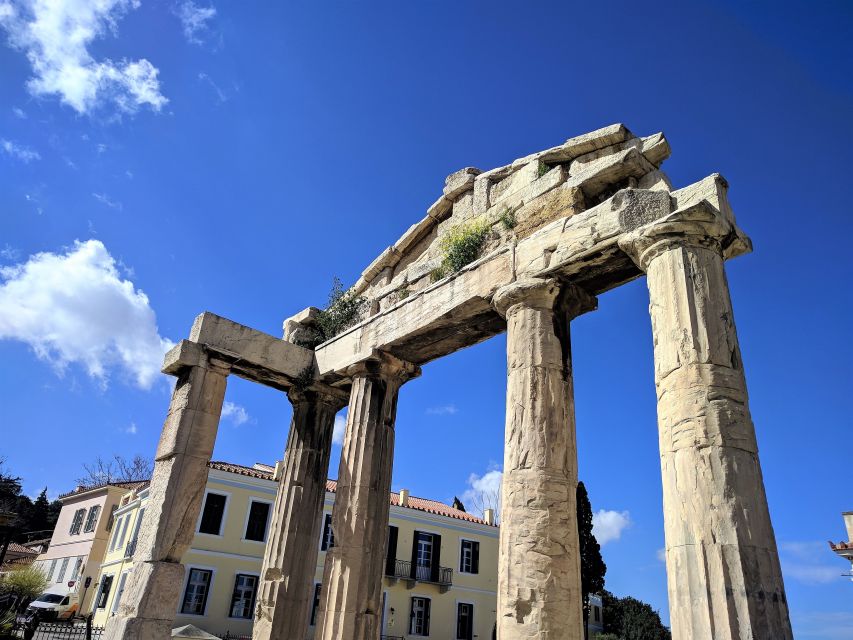
Athens has a talent for turning imagination into directions. On this tour, you don’t just hear myth names—you get the emotional engine behind them: jealousy, seduction, deception, pride, and the kind of punishment that makes modern Netflix plots look polite.
The value here is the link between mythology and place. The walk is short—about two hours—but it covers enough ground in central Athens that you start to see how ancient stories lived alongside daily life. That mix is why people keep saying they learned far more than they expected, even if they thought they already knew Greek myths.
You can also read our reviews of more walking tours in Athens



Korai 4 Meet-Up: Starting in the Right Place (and the Right Mood)

You begin at Korai 4, with the meeting point in front of Starbucks. It’s an easy anchor point for finding your guide, which matters because the walk is timed and smooth.
From that first moment, the tour sets a tone: you’re not waiting for a “myths segment.” The guide’s story-telling starts as soon as you’re moving, using what’s around you as prompts. If you like walking tours where you don’t have to guess what you’re supposed to look at, this style is for you.
Bring basic walking comfort—comfortable shoes and clothing that works for the weather. A few reviews also suggest practical extras like a hat and water, especially when the sun shows up strong.
Academy District to Syntagma Square: Where Learning Gets Visual

After the start, the route heads toward the Academy area and passes by the Academy of Athens. You spend around 20 minutes walking there, and the guide uses that setting to connect myth themes to the city’s identity. Even if you’re not a museum person, this is a useful way to understand why Athens keeps returning to the same cultural symbols.
Next, you pass the Numismatic Museum (about 15 minutes of walking in that stretch). The key idea isn’t coins or artifacts in a formal way—you’re using the stop as a visual bridge to how the Greeks used symbols to explain power, beliefs, and social identity. If you’re the type who likes “why did they care about this?” moments, you’ll appreciate the way these stories point toward deeper cultural habits.
Then there’s Akadimias (around 20 minutes). Streets like this are where a mythology tour can either feel random or feel guided. Here, the guide tends to keep the focus on how humans and gods interact in the myths—love, conflict, and consequences—so the walk stays coherent instead of turning into a list of roadside trivia.
You finish the march into Syntagma Square (about 20 minutes). This is an important psychological stop: it’s a major public space, which makes it great for re-orienting yourself. After myth talk and street-level history, Syntagma helps you connect the stories back to a modern map of Athens.
Syntagma Square to Mitropoleos: Reading Pride, Power, and Consequences
From Syntagma, you continue toward Mitropoleos (about 15 minutes). This segment tends to work best when you’re actively listening and looking. A mythology walk succeeds when it trains you to notice patterns—where stories would “live” in a real city.
Here, the tour’s themes sharpen: gods with human emotions, humans caught between pride and fate, and the way myths explain why people behave the way they do. The guide’s job is to make those connections feel logical, not forced. Many reviews praise the guide’s ability to keep the stories engaging while still packing in real context.
Mitropoleos also gives you a change in atmosphere. You’re still in central Athens, but you’re moving from big-stage viewpoints toward streets that feel more intimate. That shift matters because myth stories often feel most believable in the places where people actually lived and wandered.
Plaka’s Streets: Satyrs, Nymphs, and the City as a Storyboard
Now you enter the part most people picture when they think Athens: Plaka (about 30 minutes). Plaka is described as picturesque, and the route through it is where mythology often starts to feel like it’s part of the walking experience, not separate from it.
This stop leans into the playful and haunting sides of Greek myth. You’ll hear about the chasing and scheming of characters like satyrs and nymphs, plus the broader Zeus-and-the-gods thread. The tour presents these stories as more than supernatural drama—your guide frames them as reflections of how Greeks talked about desire, boundaries, and consequences.
The Plaka segment is also where the tour can feel a little more intense in content. One reviewer warns that this can be an in-depth experience, not a light, purely story-led stroll. If you want the myths with explanation—plus how they connect to philosophy and culture—you’ll likely love this part. If you want a quick highlights package, you might feel the density.
A practical note: if the day is hot, pay attention to how the guide manages comfort. Reviews mention guidance on staying in the shade and pacing breaks, which is exactly what you want on a two-hour walk. You’ll be glad you came prepared with water and a hat if you’re sensitive to sun.
You can also read our reviews of more guided tours in Athens





The City’s Social Life: Myths as Cultural Clues, Not Just Fantasy
One of the smartest parts of this tour is that mythology isn’t treated like a separate hobby. It’s used as a lens for understanding daily lives and social customs in Ancient Greece.
That’s why the walking route matters. You’re not bouncing randomly between monuments. You’re moving through central Athens in a way that helps the guide connect: gods influencing human behavior, human behavior shaping community norms, and storytelling becoming a kind of public education.
A lot of people arrive thinking they’ll hear a few famous myths. Many leave feeling they understand the social logic behind the stories—what Athenians might have meant when they wrote about gods acting jealous, loving, deceptive, or vengeful. It’s also a good way to see how myths can be both entertaining and instructional at the same time.
If you’re the type who likes asking questions, this tour’s format usually rewards it. Reviews mention plenty of opportunity to ask, especially when group size is small.
Small Groups, Personal Pace, and a Guide Who Actually Performs

A big theme in the feedback is the guide’s ability to hold attention. People repeatedly mention Penelope as an ambassador for Athens and credit her storytelling for making architecture and landmarks feel meaningful. Others mention Christina in similar terms.
What I like about this kind of guiding is how it changes your brain’s “city mode.” Instead of walking past buildings and statues, you start treating them like clues. That’s why a short walk can feel like it covers more than its distance.
Group size can also make the experience feel more personal. In low season, some bookings have been just two people on the tour, which naturally increases conversation and question time. Even when it’s not private, the tone tends to be interactive enough that you won’t feel like you’re being shouted at over a crowd.
Finishing in Monastiraki: Turning Stories into Your Next Moves
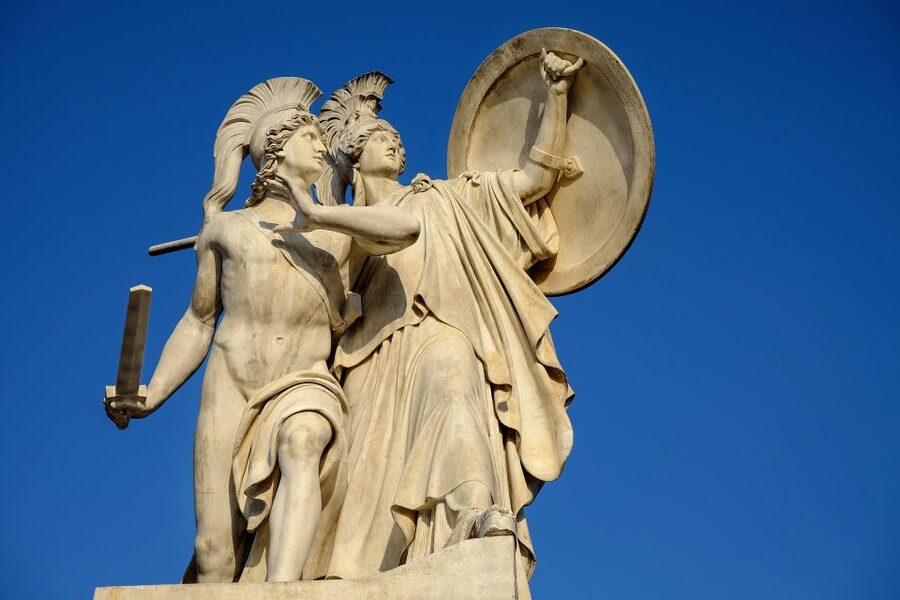
The walk ends in Monastiraki. That finishing point is useful because it drops you near a zone where you can keep exploring without feeling stranded. You can use what you learned right away—myth names and themes suddenly become part of how you read the city.
The tour also leaves you with a mental checklist. You stop seeing Athens as only “sites you’ve booked.” You start seeing it as a collection of story locations—places where myths would make sense to tell, retell, and remember.
If you plan to do other activities after, this is a strong way to set context. It can improve your experience of other sights later because you’ll have the mythology framework in your head already.
Who This Tour Is Best For (and Who Might Prefer Something Else)
This is a great fit if you:
- enjoy mythology that includes context, not just quick summaries
- like history and culture taught through story
- want to walk central Athens with a focus on what you’d miss on your own
- are traveling with kids who love stories (several families mention ages around 10 and up enjoying it)
It may be less perfect if you:
- want a light, casual “wander and chat” experience only
- expect entrances to major archaeological sites on this walk (entrances are not included)
- prefer short bursts over a denser set of explanations
One reviewer’s caution is worth taking seriously: this walk can be in depth. If you like that, great. If you’re not in the mood for a lot of myth detail in one sitting, you might want a simpler option.
Is $47 a Good Deal for a 2-Hour Myth Walk?
At $47 per person for two hours, the value comes down to what you actually get: guided storytelling from an expert guide, plus a structured way to see central Athens while learning how myths connect to place.
You don’t pay for entrance tickets as part of this experience. Since archaeological entrances and meals aren’t included, this isn’t meant to replace a museum day or a paid site visit. Instead, it’s priced like an interpretation experience: you’re buying the guidance, the story structure, and the “look closer” technique.
In practice, that means you get a lot of education for the time you spend walking. And if you end up in a small group, it can feel even better—more chances to ask questions and more attention from the guide.
Should You Book This Athens Mythological Walking Tour?
Book it if you want Athens with a narrative spine. This is the kind of tour that makes streets and buildings feel connected, where mythology isn’t a separate track—it’s a way to understand why the city looks the way it does and how stories shaped minds.
Skip it (or pair it differently) if you need major site entrances built in, or if you’re only looking for a breezy overview. Also be honest with yourself about depth: this walk can pack a lot of myth and cultural context into a short time.
If you like being taught to notice, and you’re excited by the human side of the gods—love, jealousy, deception, pride—this is an excellent way to start (or reboot) your Athens understanding.
FAQ
How long is the Athens Mythological Walking Tour?
The tour lasts 2 hours.
Where does the tour start?
You meet at Korai 4, in front of Starbucks.
Is the tour guided in English?
Yes. The tour includes a live guide in English.
Are entrance tickets to archaeological sites included?
No. Entrance to archaeological sites is not included.
Does the price include hotel pickup and drop-off?
No. Hotel pickup and drop-off are not included.
What is the cancellation policy?
You can cancel up to 24 hours in advance for a full refund.