REVIEW · ZAGREB
Zagreb: Restaurants, Food & Old Town Walking Tour
Book on Viator →Operated by Roundabout Travel · Bookable on Viator
Zagreb is a city best enjoyed by foot and with a full stomach. This small-group food, wine, and history walking tour strings together Old Town landmarks with real regional bites, from Istria to Zagreb and Zagorje, plus wine tastings and a sip of Croatian rakija. I like that it’s not just sightseeing—you actually get multiple chances to taste classic dishes as you move through the city.
The route is also smart: you start at Ban Jelačić Square (Jelačić plac), then work your way through the cathedral, markets, and Gradec side views before finishing with dessert wine. One thing to consider is the walking: expect cobblestones, hills, and stairs, so comfortable shoes really matter.
In This Review
- Key highlights to expect
- Ban Jelačić Square to European Square: start where the city breathes
- Istria cold bites at Ul. Augusta Cesarca 2: the appetizer that sets the tone
- Dolac Market (since 1930) to Zagreb warm starters: eat like a local
- Tkalčićeva Street and the Stone Gates: history you can feel in your legs
- Zagreb Cathedral and St Mark’s Square: two landmarks, two moods
- Gradec and the defense tower: the view is part of the lesson
- Uspinjača funicular ride and Strossmayer Promenade: pictures plus perspective
- Mesnička ul. 6 main dish: Zagreb and Zagorje on your plate
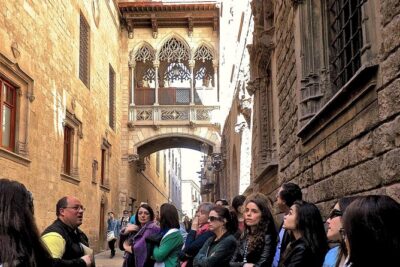
- Tunnel Grič and Bloody Bridge: the darker side of Zagreb
- Skalinska ul. 5 dessert and dessert wines: finish sweet, not stuffed
- Price and value: why $107.68 can make sense
- Who should book this tour (and who might not)
- Practical tips before you go
- Should you book the Zagreb Restaurants, Food & Old Town Walking Tour?
- FAQ
- What’s included in the tour?
- How many restaurants stops are there?
- What time does the tour start and where does it meet?
- How much walking is involved?
- Is there a gluten-free or vegan menu?
- If plans change, can I get a refund?
Key highlights to expect

- Small-group pacing (max 15) with time for questions and photo stops
- Four restaurant stops with multiple tastings, not just small samples
- Regional menu arc: Istria cold bites → Zagreb warm starters → Zagreb/Zagorje main → dessert wines
- Old Town landmarks on the same route: Dolac Market, Stone Gates, Cathedral, St Mark’s Square, Gradec
- Wine plus rakija to get a fuller sense of Croatian drinks beyond beer and coffee
- Afternoon timing starting at 4:00 pm, when the city can feel extra lively
Ban Jelačić Square to European Square: start where the city breathes
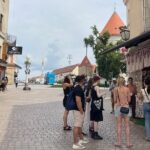
The tour kicks off at Trg J. Jelačića, the spot locals call Jelačić plac, right below the two historical cores of Zagreb: Kaptol and Gradec. This is the city’s “center of gravity,” where big events happen and where it’s easy to understand Zagreb’s layout fast.
A short walk later, you reach European Square, watched over by the cathedral. There’s also a miniature model of Zagreb here—handy if you want to keep the map in your head while you’re walking uphill and turning corners.
Why I like this opener: it gives you context before the food starts. Before you’re even at a restaurant, you already know what you’re looking at and why it matters, so the later stops land harder.
You can also read our reviews of more walking tours in Zagreb
Istria cold bites at Ul. Augusta Cesarca 2: the appetizer that sets the tone
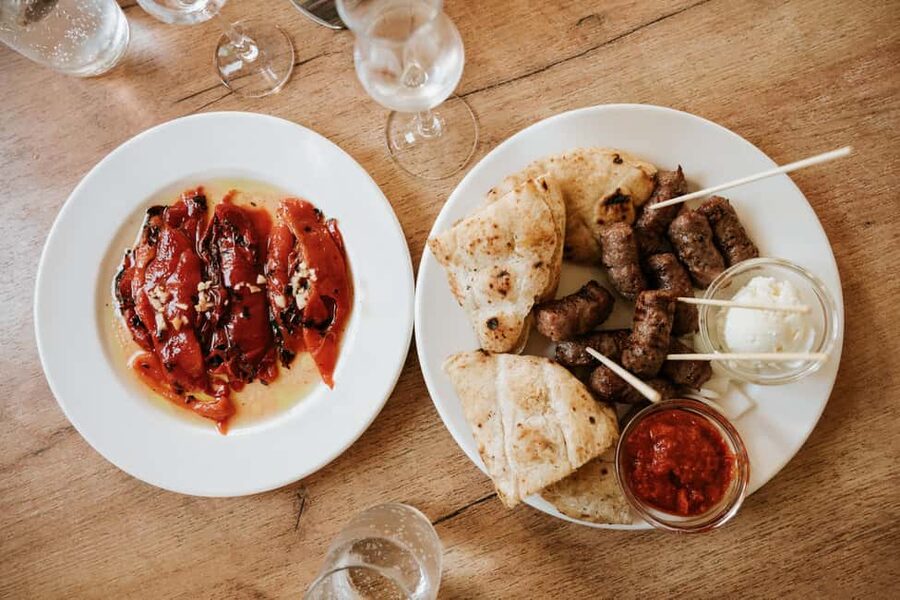
Your first tasting stop is at a restaurant on Ul. Augusta Cesarca (at Ul. Augusta Cesarca 2). Here you try a cold appetizer connected to Istria, one of Croatia’s best-known food regions. You’ll also get a wine tasting paired with that start, plus time to learn about Istrian culinary customs.
This matters because Zagreb’s cuisine isn’t one single style—it’s a mix of influences. Beginning with Istria gives you a contrast right away, so the tour doesn’t feel like the same flavor note repeated four times.
Possible drawback: if you’re sensitive to drinking wine early in the afternoon, decide in advance how slowly you’ll pace yourself. The tour does include “numerous dishes and glasses of wine,” so you may want water on standby.
Dolac Market (since 1930) to Zagreb warm starters: eat like a local
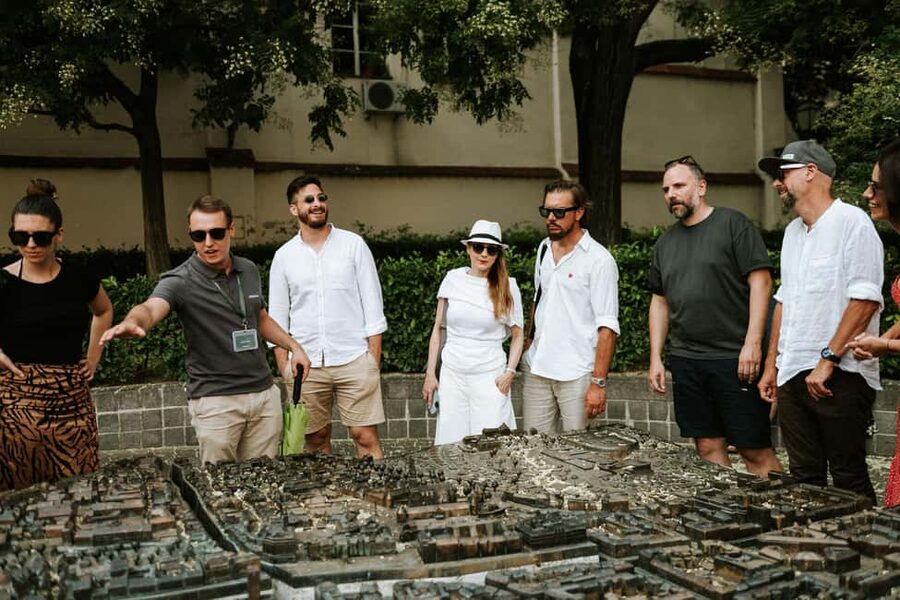
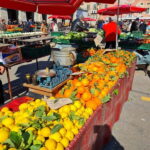
Next you walk to Dolac Market, a farmers market with a long presence in Zagreb. It’s both traditional and practical: you get an open-air feel plus a sheltered section right beside it, so it works through changing weather.
Right after the market stroll, you reach the second restaurant tasting stop at Dolac 2. This one focuses on warm appetizers from the Zagreb region, and it’s a real step up. By now you’re moving from “tasty introduction” into “okay, I’m definitely hungry.”
What’s smart here is that warm bites happen after you’ve seen the market atmosphere. You start connecting the food to the places that supply it—fruit, vegetables, and local staples—rather than tasting in a vacuum.
Tkalčićeva Street and the Stone Gates: history you can feel in your legs

After your second stop, the tour heads through Tkalčićeva Street, often described as the lively street where locals mix old and new. Expect cafes, smaller restaurants, and traditional shops along the way.
Then comes a quieter but dramatic shift: the Stone Gates. These were once part of Zagreb’s defense system (dating to the 13th century), and now they’re a place people visit with a more reflective mood, including praying and lighting candles. Even if you’re not religious, it’s a surprisingly calm pocket when you’re coming from the energy of the street market scene.
This is also where you start noticing the physical side of the tour. Between the cobblestones and the gentle uphill angles, you’re building momentum.
Zagreb Cathedral and St Mark’s Square: two landmarks, two moods
From the Stone Gates area, you move to the Zagreb Cathedral, a Roman Catholic church in Gothic style and one of Croatia’s tallest buildings. The two spires are visible from various parts of the city, so they act like a visual compass while you walk.
You’ll also hear about the cathedral’s treasury, which houses important religious documents and items. Even if you don’t go inside, it helps you understand why the cathedral is more than just a “pretty building.”
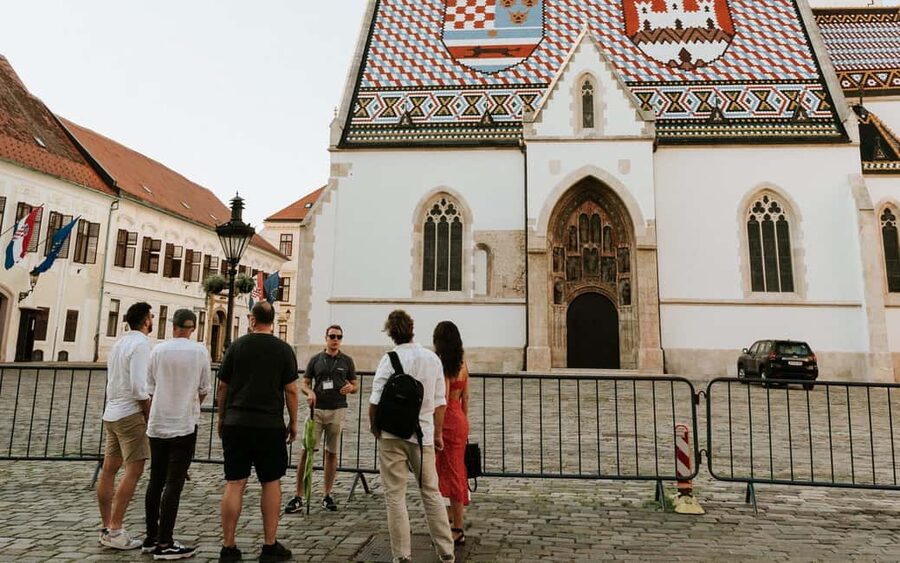
Next is St Mark’s Square, tied to the Croatian Parliament and the church that shares the square’s name. This stop gives you a political-and-cultural anchor point: Zagreb’s story isn’t only about medieval defense and markets—it’s also a modern civic center.
You can also read our reviews of more food & drink experiences in Zagreb

Gradec and the defense tower: the view is part of the lesson
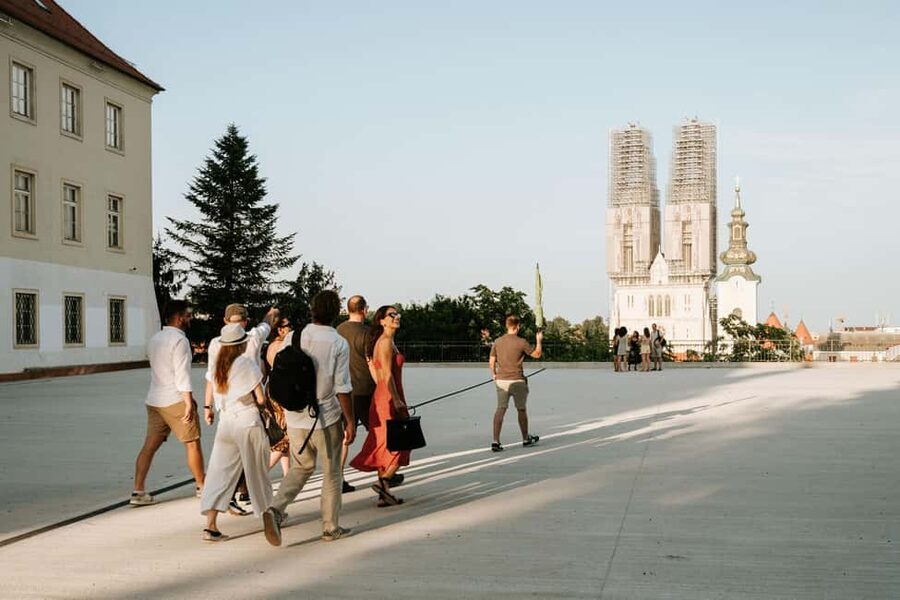
As you keep moving, you pass a defense tower on the Gradec side—one of the last remnants of Zagreb’s ancient defense system. Gradec’s hills and layout are a big reason the city developed the way it did, and this stop helps you read the skyline with more meaning.
This is also a point where photos start matter, because the city opens up. You’ll understand why people keep coming back to Gradec for that high vantage feeling.
Uspinjača funicular ride and Strossmayer Promenade: pictures plus perspective
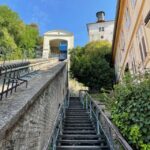
On the way to the next tasting, you pass the Uspinjača funicular, often noted as the world’s shortest funicular ride. It’s the kind of detail you’d miss if you only visited by bus, and it gives Zagreb a quirky charm.
Then you reach Strossmayer Promenade, an iconic spot for panoramic views. If you want an easy “wow” moment, this is it. You’ll be able to take those wide city photos where the streets look patterned rather than random.
I like that the tour makes room for this view before your third restaurant stop. Your brain resets. Then the tour can focus again on food and flavor instead of only motion and stair climbs.
Mesnička ul. 6 main dish: Zagreb and Zagorje on your plate

Your third restaurant stop is at Mesnička ul. 6. This is where the tour shifts from appetizers to a main dish specific to Zagreb and Zagorje. You’ll learn about local culinary culture and the way food traditions tie to place names and regional identity.
One bonus detail: the restaurant may offer sightseeing possibilities because it has historical replicas and fascinating pictures. That means your “meal break” isn’t just sit, eat, repeat. It’s more like you’re taking a short mini tour inside the restaurant setting too.
This is also a good moment to slow down your pacing. You’ve had wine earlier, then warm starters, then walking and views. By now, the tour is giving you enough food to feel properly taken care of—not just “tasted and left.”
Tunnel Grič and Bloody Bridge: the darker side of Zagreb
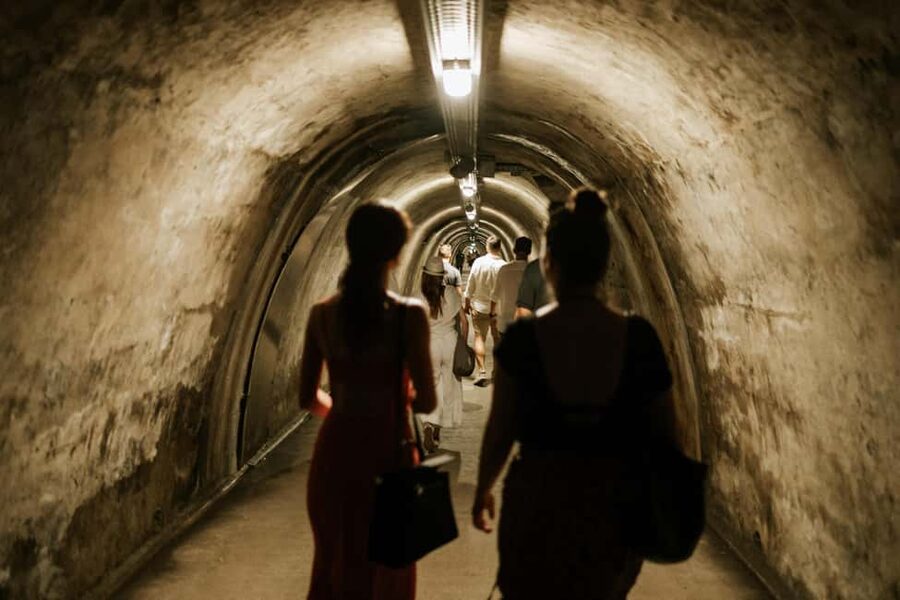
After the third stop, you pass Tunnel Grič, built during World War 2. It later served as a bomb shelter and then became a pedestrian tunnel and promenade. It’s one of those stops that reminds you Zagreb has layers: sunshine and markets on the surface, but also survival and history underneath.
Then comes the Bloody Bridge, connected to conflicts between Kaptol and Gradec. The bridge and the street name carry that past forward in a single dramatic label, and it makes the earlier defense-tower story feel more personal.
Even if you’re not into darker history, this portion adds balance. The tour doesn’t stay in postcard mode the entire time.
Skalinska ul. 5 dessert and dessert wines: finish sweet, not stuffed
The final tasting stop is at Skalinska ul. 5. Here you’ll get a regional dessert surprise, plus several regional wines meant for desserts. This finish works well because dessert wine is usually lighter than many full-bodied pours, and it helps you wrap up the tasting circuit without feeling like you’re still “on” from the earlier wine pacing.
This ending also feels logical after the walk through Gradec and Kaptol conflicts. You end with something gentle and celebratory—sweet flavors and a final pairing experience instead of more heavy bites.
Price and value: why $107.68 can make sense
The price is listed at $107.68 per person for about 3 to 4 hours. On paper, that might sound high for a walking tour. In practice, it’s easier to justify because you’re not paying only for a guide.
You’re paying for:
- a professional local guide
- food tastings across multiple classic stops (appetizers, a main, and dessert)
- wine tasting with several wine sorts
- rakija tasting (one Croatian brandy)
- a route that combines Old Town highlights with actual places you can’t easily plan on your own
If you tried to recreate this yourself, you’d still be paying for multiple meals plus several drinks plus transportation to get between them. The convenience of knowing where to go and what to order—paired with a guide who ties it back to the city—often feels like the real value.
Still, set expectations: this is not a light snack tour. Many people come away full, and that’s the point.
Who should book this tour (and who might not)
This tour is a strong fit if you’re:
- in Zagreb for a short time and want a fast layout + tasting combo
- excited about wine and Croatian regional food
- comfortable walking cobblestones and handling hills/stairs
It’s less ideal if you:
- need gluten-free options (there are no gluten-free menus listed)
- are looking for a fully vegan experience (it’s not recommended for vegans)
- hate walking enough that you’d prefer mostly flat, low-step routes
Vegetarians can request a vegetarian menu, which helps. If you have allergies or strict dietary requirements beyond vegetarian needs, your safest move is to ask before you go.
Practical tips before you go
If you want this tour to feel fun instead of exhausting, plan for the physical side:
- wear comfortable shoes (cobblestones and stairs are part of the deal)
- carry a light layer if weather turns, since the tour runs in all weather conditions
- go in with a strategy for wine: water breaks help, especially because the tastings span several stops
Also, start early in the “mindset” department. The best part of tours like this is connecting what’s on your plate to what you’re seeing outside. When you’re paying attention, landmarks like the Stone Gates or Cathedral aren’t just scenery—they become part of the food story.
One more real-world consideration: there was at least one reported case of a guide not arriving due to a booking-system technical issue, and a refund was issued afterward. That’s rare, but it’s a good reason to keep your confirmation info handy and stay reachable the afternoon of your tour.
Should you book the Zagreb Restaurants, Food & Old Town Walking Tour?
I’d book it if you want a balanced mix of Old Town walking + multiple Croatian tastings without doing the planning math. The format is ideal for first-timers because you get the big landmarks—Ban Jelačić Square, Dolac Market, Zagreb Cathedral, St Mark’s Square, and viewpoints from Gradec—then you keep returning to food and drink at key moments.
I would not book it if you need gluten-free, you require vegan options, or you really don’t want hills and stairs. If those conditions don’t apply, this is one of the more efficient ways to understand Zagreb through what people actually eat and drink.
FAQ
What’s included in the tour?
The tour includes a professional local guide, food tastings (several Croatian dishes), wine tasting (several Croatian wine sorts), and rakija tasting (1 Croatian brandy).
How many restaurants stops are there?
There are four food stops during the walk, ending at the last restaurant.
What time does the tour start and where does it meet?
It starts at 4:00 pm at Trg J. Jelačića in Gornji Grad – Medveščak, Zagreb, and it ends at the last restaurant on Ul. Ivana Tkalčića 16.
How much walking is involved?
You’ll be walking through central Zagreb and across areas with hills and stairs. The tour recommends comfortable clothing and shoes.
Is there a gluten-free or vegan menu?
There is no gluten-free menu listed, and the tour is not recommended for vegans. A vegetarian menu is available on request.
If plans change, can I get a refund?
Yes. You can cancel up to 24 hours in advance for a full refund. If you cancel less than 24 hours before the start time, the amount paid is not refunded.