REVIEW · CARTAGENA
Cartagena: Historic Center and Getsemaní Shared Walking Tour
Book on GetYourGuide →Operated by Nexperience · Bookable on GetYourGuide
Cartagena has a way of grabbing you fast, then not letting go. This shared walking tour strings together Historic Cartagena and Getsemaní in 150 minutes, with stories that connect conquest, colony, independence, and the social order that followed. I love how the route explains why the Walled City was built the way it was, and I love the way the ending in Getsemaní shifts from solemn history to street rhythm. One thing to consider: it’s a lot of outdoor walking, so you’ll want comfy shoes and to plan for heat and sun.
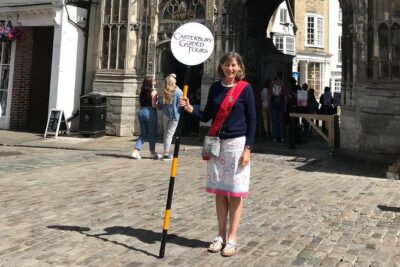
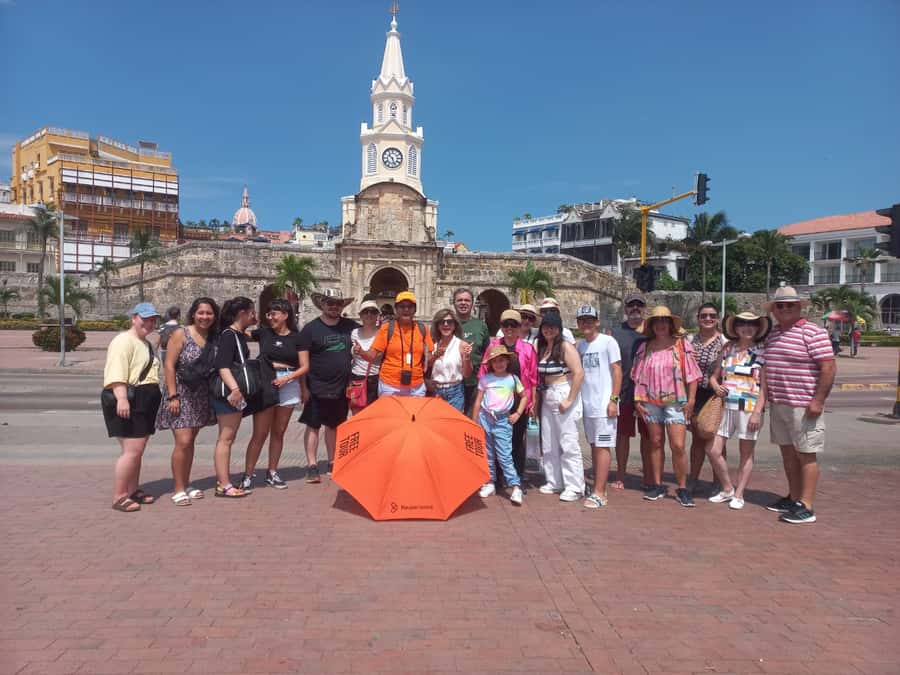
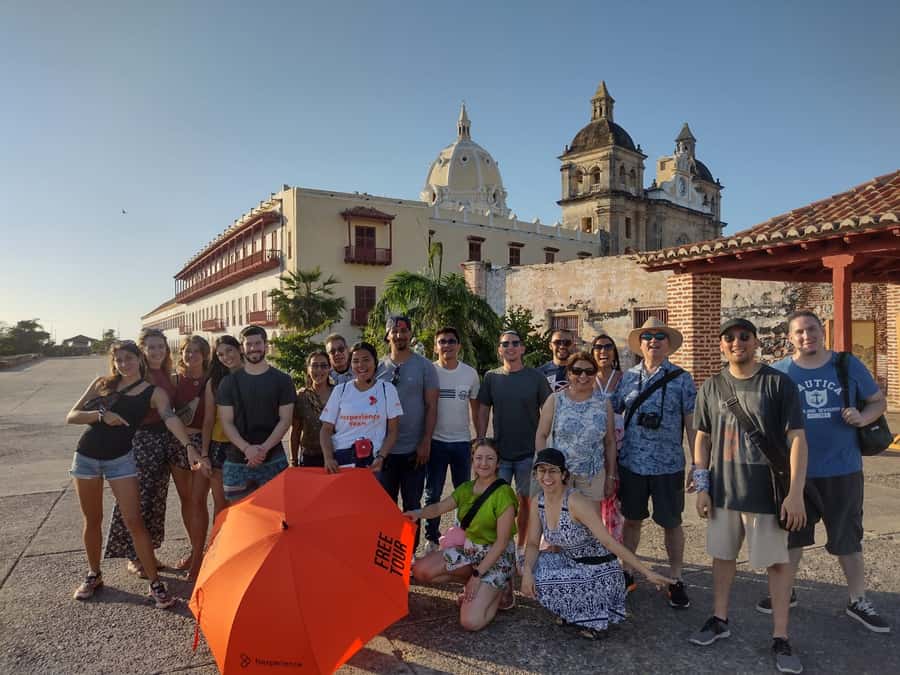
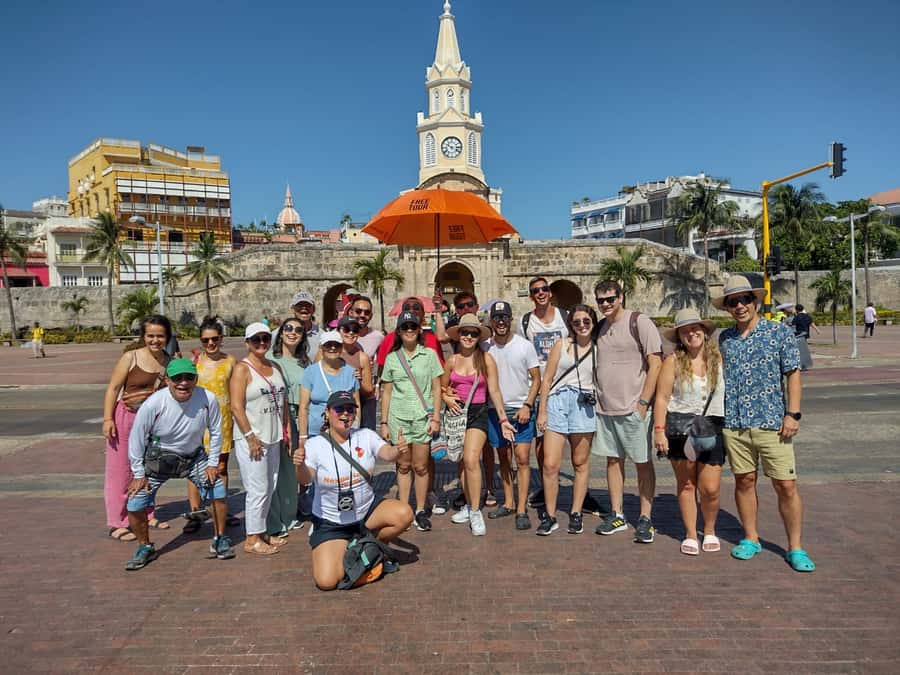
I also like that the guide angle is very local. People rave about guides like Álvaro David, Legacy, Dani, and Robert for keeping groups engaged, staying in shade, and answering practical questions about where to eat and what to see next. You’ll meet at Plaza Cervantes, and the easiest way to spot your group is the orange umbrella in front of the clock tower.
If you’re new to Cartagena, this is a smart way to get your bearings fast. You’ll leave with a clearer mental map of the city’s biggest landmarks and the culture behind them, not just postcard names.
In This Review
- Key things you should notice before you go
- Meeting at Plaza Cervantes: find the orange umbrella, then get oriented
- Historic Cartagena’s timeline: indigenous presence to conquest and colony
- Plaza del Esclavo to Porto Carrero: slavery mapped through street names
- Plaza de la Aduana, commerce, and the Municipal Hall angle
- Museums on the route: Modern Art, Gold Museum, and Emerald Museum
- San Pedro Claver and the Bay of Souls defenses: where religion meets human rights
- Plaza Bolívar and Centennial Park: a shade-and-animals reset
- Getsemaní’s cultural corridor: umbrellas, graffiti, and the salsa-champeta ending
- Price and pacing: what $12 gets you, and how to make it worth it
- Who should book this tour
- Should you book this shared walking tour?
- FAQ
- Where is the meeting point?
- How long is the tour?
- What languages does the tour operate in?
- Is the tour wheelchair accessible?
- What does the tour include?
- What areas of Cartagena do you visit?
- Is food or drinks included?
- Do I need to budget extra for tips?
- Can I cancel for a refund?
- What should I bring?
Key things you should notice before you go
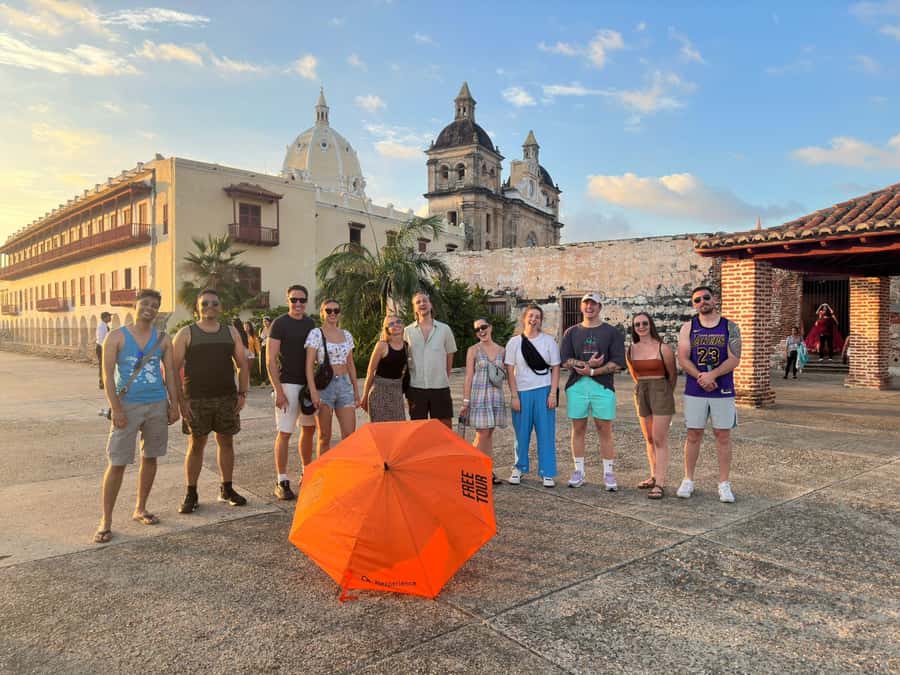
- Plaza Cervantes start point: easy to find, right by the clock tower and the Camellón de los Mártires.
- Slave-trade route told on the street: the tour marks places like Plaza del Esclavo, Porto Carrero, and Candilejo with context.
- Forts and piracy history at San Ignacio Bastion: you learn the defense logic behind the walls.
- Museums included in the story: modern, gold, and emerald collections show how Cartagena’s identity formed.
- Getsemaní ends with dancing: salsa and African champeta energy is part of the final moment.
- Shade breaks and real tips: many guides actively manage sun time and help with food and sights.
Meeting at Plaza Cervantes: find the orange umbrella, then get oriented
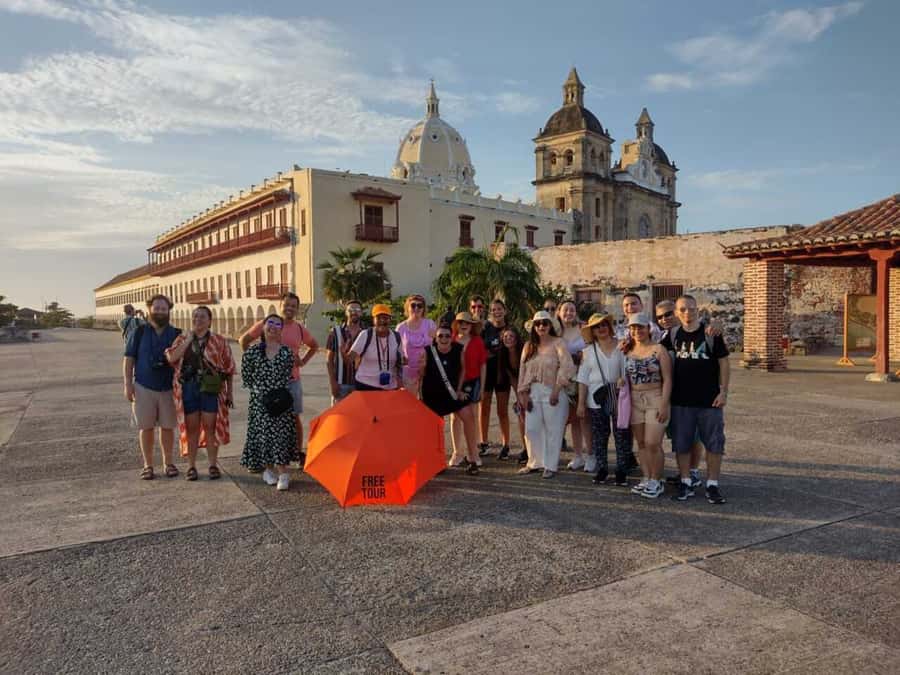
The tour begins at Plaza Cervantes, on the Camellón de los Mártires side, right in front of the clock tower. It’s simple: look for the orange umbrella. That tiny detail matters because Cartagena can feel like a maze until you’ve got a first visual anchor.
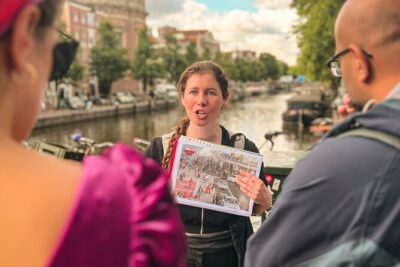
From the start, you’re not just walking—you’re learning how to read the city. The guide sets up the timeline early, beginning with the indigenous people who were in the area before and during the Spanish arrival. That early context helps everything that comes later land harder. When you’re standing in front of a wall, or a plaza name like Plaza del Esclavo, you’ll understand it as more than scenery.
Also, bring your basics: comfortable clothes and shoes, plus sunscreen. Reviews repeatedly point out that guides try to keep people shaded when possible, but the sun is still the sun. If you have the choice, pick a start time that keeps you away from the hottest hours.
You can also read our reviews of more walking tours in Cartagena

Historic Cartagena’s timeline: indigenous presence to conquest and colony
After you gather, the walk moves through the early layers of Cartagena’s story. You’ll hear about indigenous life and what changed when Europeans arrived. This part is valuable because it frames Cartagena as a crossroads, not just a Spanish backdrop.
Then the route starts guiding you through civic and symbolic landmarks. You’ll pass through areas tied to Cartagena’s Spanish-era urban structure, including the Golden Key of Cartagena / clock tower area, and then areas like Plaza del Ecuador. The tour also sets up the next stop with a name you’ll remember: Plaza del Esclavo, a clear lead-in to what came next in the city’s history.
Even if you’ve seen photos of the Walled City, this section helps you connect the dots: why certain plazas and streets exist, what power looked like, and how people moved through the city. The goal here isn’t to memorize dates. It’s to understand how a port city works—politically, economically, and socially.
One more practical note: this is a shared walking tour, so you’ll be listening in a group. If you like asking questions, it helps to speak up early. Many guides on this tour are comfortable bouncing back and forth with the group, and that makes the history feel less like a lecture.
Plaza del Esclavo to Porto Carrero: slavery mapped through street names
This is the part that gives the tour its emotional weight, and it’s handled with a specific kind of storytelling: location-based and direct. You’ll walk along a route described as part of the enslavement path, including streets like Porto Carrero and Candilejo, after you’ve been introduced to Plaza del Esclavo.
The tour also brings in named moments inside the narrative. Pedro de Heredía is part of the walk—your guide uses these references to explain how power and social life were organized.
What you’ll likely appreciate most is that the tour doesn’t hide behind generalities. You don’t just hear about slavery as a concept; you see how it shaped the city’s spaces. That includes the commercial side too. When the route reaches Portal de Los dulces, you’re shown the symbolism of female activity during the time of slavery, and the idea that descendants still carry traditions today.
From a value perspective, this is where the $12 really pays off. Without a local guide, it’s easy to walk past a street name and move on. With context, those names become a map of suffering and survival—and that changes how you see Cartagena forever.
Plaza de la Aduana, commerce, and the Municipal Hall angle
Next comes Plaza de la Aduana, tied to the commercialization of merchandise, including enslaved people. This stop matters because it explains the port-city machinery that kept the system running.
Along the way, you’ll see important civic architecture like the Municipal Hall. The point isn’t to make you admire buildings for building’s sake. The point is to show how administration and trade were connected. In a place like Cartagena, politics and commerce weren’t separate. They were the same engine in different rooms.
If you’re a “show me what I’m looking at” person, this section will work well for you. You’ll start noticing how plazas function like stages: people gather, authorities appear, business happens, and the city’s story becomes visible in everyday movement.
Museums on the route: Modern Art, Gold Museum, and Emerald Museum
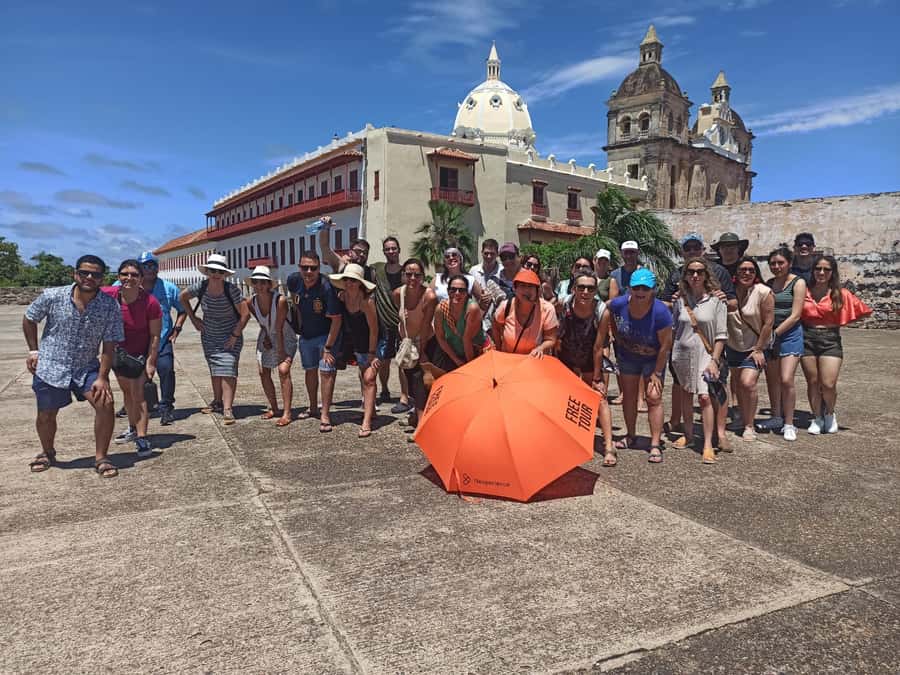
The tour weaves art into the walking story. It points out stops like the Museum of Modern Art, highlighting Caribbean and Latin American art from the 1950s. Then it moves into museum categories that many visitors hope to see later: the Gold Museum (with examples of indigenous pieces from the Colombian Caribbean) and the Emerald Museum, known for the stones considered among the most beautiful in the world and associated with celebrity fascination.
Even if you don’t spend hours inside museums on this walk, this coverage is useful. It gives you a short list of what’s worth your time if you want to go deeper after the tour. Think of it as museum “direction-setting,” not as a substitute for full museum visits.
This matters for planning: Cartagena can get expensive fast if you fall into museum-choice chaos. After this tour, you’ll have a stronger idea of what fits your interests—culture, indigenous heritage, or the way wealth and identity get displayed.
San Pedro Claver and the Bay of Souls defenses: where religion meets human rights
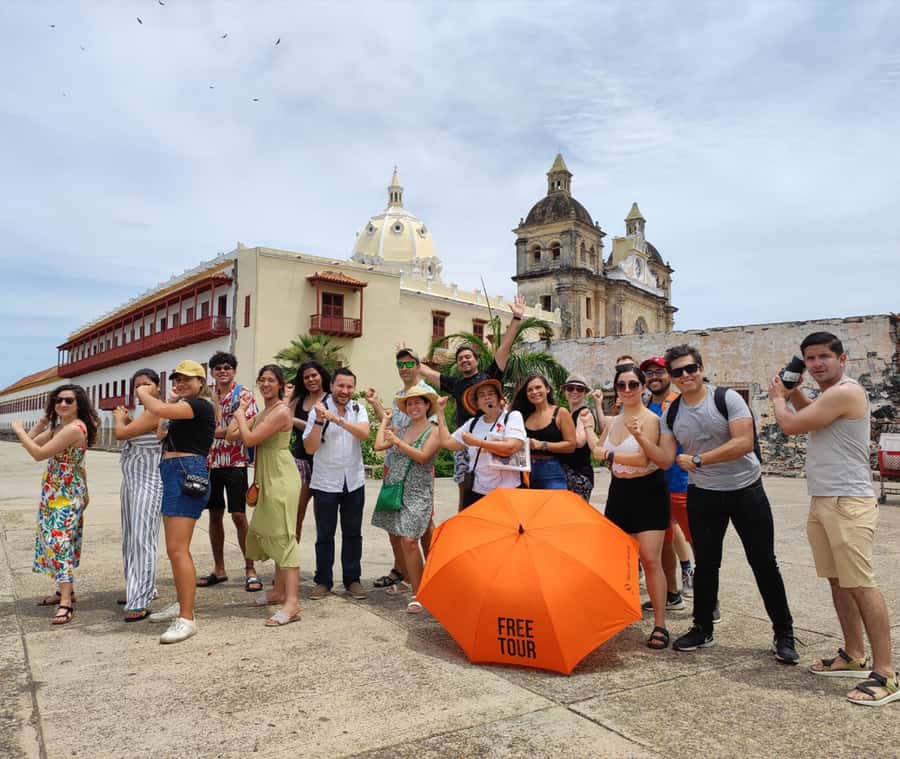
Then the walk shifts into a deeper moral and architectural focus at San Pedro Claver, often described as Slave of the Slaves. You’ll see the church and the museum-monastery that carries his name, and it’s presented as headquarters of human rights.
This part is important because it balances the earlier hardship with a story of advocacy and remembrance. In practical terms, it also gives you a pause during the route. It’s not just street-level history; you’re standing in space built for reflection.
After that, the tour heads toward San Ignacio Bastion. This fortress is explained as built to defend the Bay of Souls from pirate attacks. Your guide connects the bastion to wider Spanish military construction and strategy, including discussion of pirates and corsairs as part of the city’s defensive reality.
If you’ve ever wondered why Cartagena’s walls look the way they do—thick, structured, intentional—this is where you learn the “why.” It’s not just aesthetic. It’s strategy, geography, and the constant pressure of a sea-linked empire.
Plaza Bolívar and Centennial Park: a shade-and-animals reset
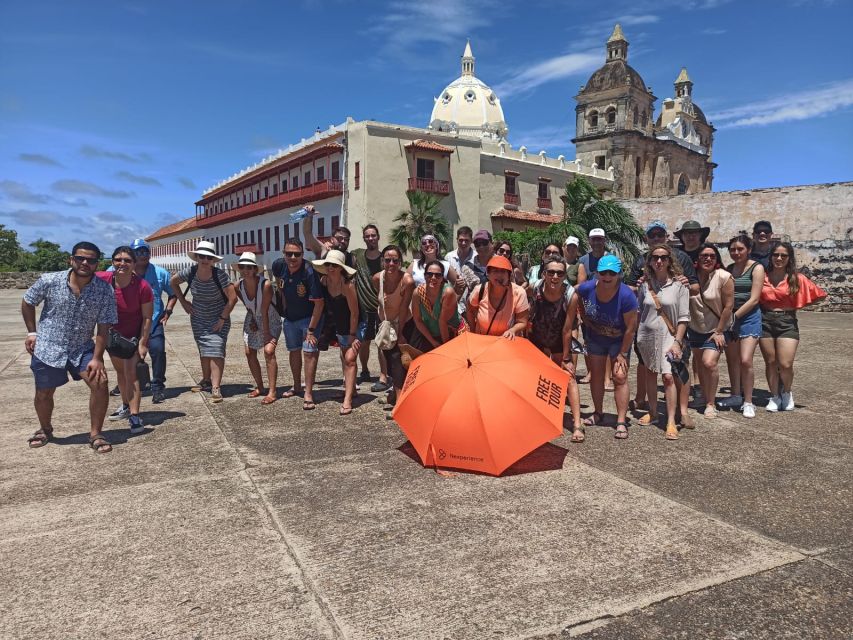
After fort talk, you move to Plaza Bolívar, in homage to a precursor of independence. It’s a breather moment. For many people, it’s the first time during the walk where the pace feels easier—time to reset before the city shifts again.
Then comes Centennial Park, described as one of Cartagena’s lungs. It’s also a relic of a Tropical Dry Forest, tied to the former railway station. That detail is useful: it means you’re not just getting a random park break. You’re seeing how older infrastructure and local ecology can overlap.
And yes, the park is where you may spot wildlife. In recent experiences, guides lead people to look out for sloths, squirrels, and iguanas. You might also see other animals like monkeys, based on what guides have pointed out in the field. The practical payoff: you get a walking break in shade, plus a reminder that Cartagena isn’t only buildings.
Bring your eyes, not just your camera. The difference is huge.
Getsemaní’s cultural corridor: umbrellas, graffiti, and the salsa-champeta ending
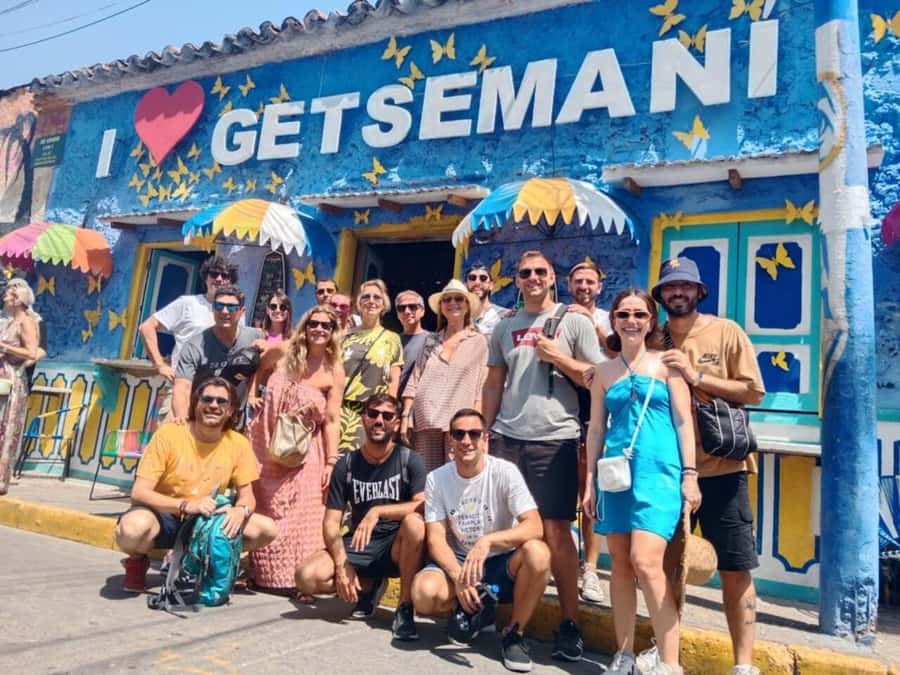
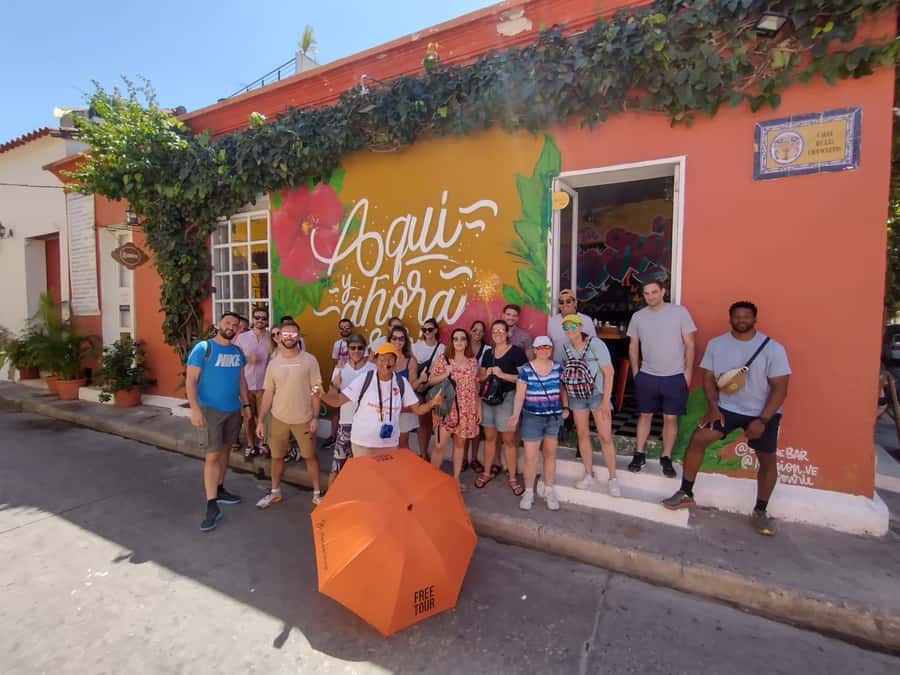
The final act is Getsemaní, and the tone changes. You’ll move through one of the neighborhood’s colorful cultural corridors, with umbrellas (as a symbol of advertisement), graffiti, and distinct local architecture.
This part is where you understand Cartagena as a living city. You’re not locked in the past—you’re seeing how people express identity now. The history you learned earlier has a modern echo here: a social order shaped by centuries of mixture, power shifts, and cultural survival.
The tour ends at Calle San Juan, via Callejón Ancho, to the sound of salsa and African champeta. This is also where many guides add interactive moments. Reviews mention that guides often encourage dancing during the route—sometimes several times—so don’t be shy if you’re up for it. Even if you don’t dance, watching is part of the experience.
If you’re worried the ending will feel rushed, it usually doesn’t, because the guide has built up to it. The music isn’t just entertainment. It’s the final explanation of the city’s rhythms, and why the “new social order” the tour mentions is visible in everyday life.
Price and pacing: what $12 gets you, and how to make it worth it
For $12 per person, you’re paying for a guided walk that covers two areas: the Walled City and Getsemaní. The biggest value isn’t just time—it’s guidance that helps you connect names to meaning. Places like Plaza del Esclavo, Plaza de la Aduana, San Pedro Claver, and San Ignacio Bastion are not “light” stops. Without context, you’d likely miss the point of half the route.
Another value piece: tips are included. The information you get also reduces the hidden costs. Many guides share practical suggestions—where to eat and what to prioritize next—which can save you money on bad choices.
Duration is about 150 minutes. That’s long enough for a real storyline, short enough that you’re not stuck for an entire day. Still, it’s not a museum marathon. You’ll cover highlights, not deep classroom lectures. If you want to go inside museums afterward, you’ll have a clearer shortlist.
Pacing is also tied to the guides’ style. Reviews specifically praise some guides for keeping big groups in shade and staying interactive. That matters in Cartagena because the weather can change your experience. When the guide works with the heat—finding calmer shaded streets—you’ll feel the difference.
If you hate rushing, aim to take this tour early in your visit. You’ll get context that makes later exploring less confusing.
Who should book this tour
This is a strong fit if you:
- Want a fast orientation to Cartagena’s Walled City and Getsemaní in one shared walk
- Like history but also want the culture side—music, local life, and how neighborhoods feel
- Appreciate context around tough topics, including slavery and human rights
- Enjoy interactive guides who may include salsa or champeta moments
You might consider a different style if you:
- Prefer long museum time over outdoor walking
- Want a purely “light and fun” tour with no heavy historical context
Should you book this shared walking tour?
Yes, you should book it if you want the most useful first step into Cartagena. The price-to-time ratio is excellent, but the real reason is the sequencing: you start with the origins, move into the street-level reality of slavery and commerce, then shift into defenses, faith, and finally end with Getsemaní street culture.
Do it early, wear comfortable shoes, and bring sunscreen. If dancing is your thing, lean into the music at the end. If you’re not a dancer, still take it in—you’ll understand Cartagena better than you would from photos alone.
FAQ
Where is the meeting point?
You meet at Plaza Cervantes – Camellón de los Mártires, in front of the clock tower. Look for the orange umbrella.
How long is the tour?
The walking tour is about 150 minutes.
What languages does the tour operate in?
The live guide offers English and Spanish.
Is the tour wheelchair accessible?
Yes, the tour is wheelchair accessible.
What does the tour include?
It includes a professional tour guide and tours in the Historic Center (Walled City) of Cartagena and Getsemaní. Tips are included.
What areas of Cartagena do you visit?
In the Historic Center you cover key sites such as areas around the clock tower, Plaza del Esclavo, Plaza de la Aduana, San Pedro Claver, and San Ignacio Bastion. In Getsemaní you walk through a cultural corridor and end near Calle San Juan.
Is food or drinks included?
No. Food and drinks are not included.
Do I need to budget extra for tips?
Tips are included in the price. The tour notes that you join a free walking tour where your tip is already paid.
Can I cancel for a refund?
Yes. You can cancel up to 24 hours in advance for a full refund.
What should I bring?
Wear comfortable shoes and clothes, and bring sunscreen. Weather-appropriate clothing helps too.