REVIEW · LONDON
The Beatles London Walking Tour
Book on GetYourGuide →Operated by BestTours · Bookable on GetYourGuide
Beatles sites are better on foot. On this 2–2.5 hour, $55 per person small-group walk, I love the stop at Paul McCartney’s Office and the big finale at Abbey Road for the wall signing and crossing photo. You’ll also learn how London fed the band’s sound and image, right block by block. One heads-up: the Abbey Road portion includes a short tube ride, and the tube station there isn’t accessible.
The pace feels focused, not rushed, because your guide ties music, film, and real street locations together as you move from Soho to Carnaby Street and beyond. Guides like Anna, Tim, Saleha, and Connor show up with stories, old photos on their phones, and practical tips for getting good pictures without turning your trip into a frantic scavenger hunt. Do bring comfortable shoes; this is proper walking.
In This Review
- Key things you’ll notice on the tour
- Walking Tour of Beatles London: how the streets tell the story
- Dominion Theatre start: the easiest way to begin
- Soho + West End stops: Denmark Street, Soho Square, and the theatre web
- Carnaby Street + London Palladium: style, pop culture, and the 60s “now”
- Paul McCartney’s office and the Yesterday origin point
- Film locations + Hey Jude recording: where music and cinema overlap
- Abbey Road finale: tube hop, wall signing, and zebra photo timing
- Guide style + pacing: why the small-group setup works
- Price and logistics: $55 for 2 to 2.5 hours of Beatles street time
- Who should book this Beatles London walking tour?
- Should you book?
- FAQ
- How long is the Beatles London walking tour?
- How much does the tour cost?
- Where do I meet the guide?
- Where does the tour finish?
- Is transportation included in the price?
- What can I do at Abbey Road?
- Is this a small-group tour?
- What languages are the guides available in?
- What should I bring?
- Are there any restrictions on what I can bring or do?
Key things you’ll notice on the tour
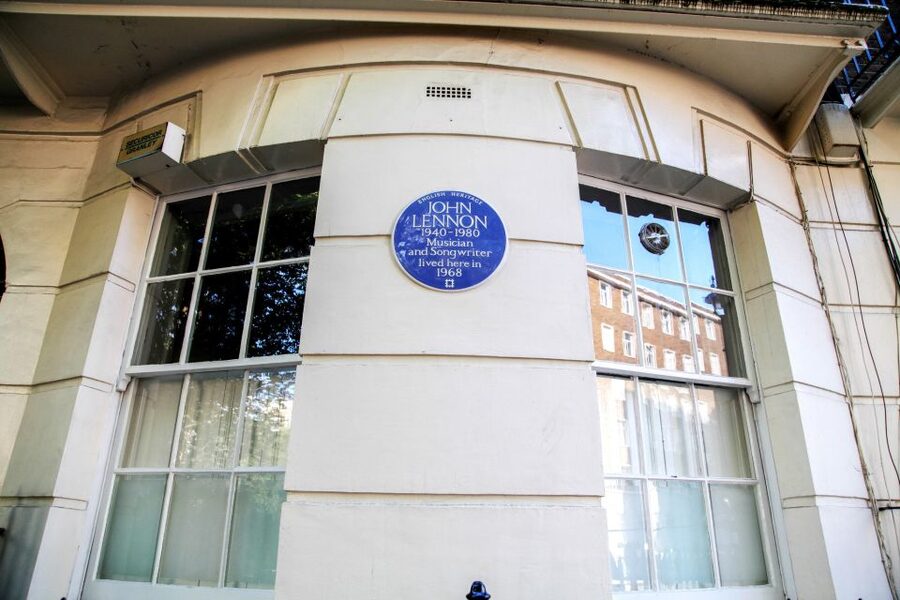
- Paul McCartney’s London trail includes his office and the spot tied to Yesterday
- Studio and film locations connect Beatles music to places used in films like A Hard Day’s Night and Help
- Carnaby Street + the swinging 60s vibe puts you in the middle of style and pop culture change
- Abbey Road sign-and-photo moment happens at the end, with timing that’s shaped by real-world crowds
- Small-group guide energy comes through in Q&A, humor, and lots of street-level context
- Punctual timing matters so the tour lands on schedule even when a stop is popular
Walking Tour of Beatles London: how the streets tell the story
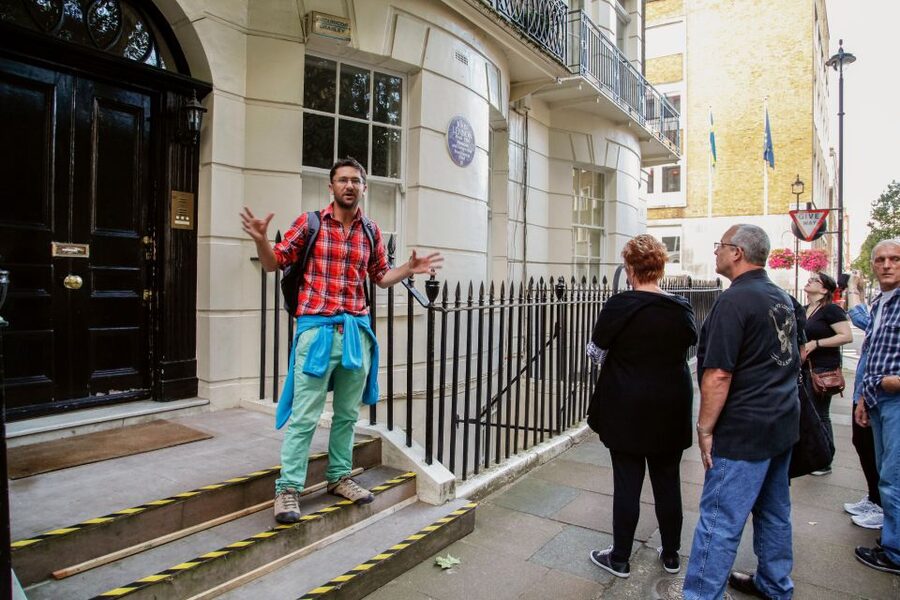
This tour works because it treats London like a character, not just a backdrop. You start in the West End, then shift into Soho and the classic pop-culture corridors where the band’s story feels close enough to touch. The guiding idea is simple: the Beatles didn’t pop out of nowhere. The city shaped them, and they left marks back in return.
What makes it fun is the mix. You’ll get the music side, but you’ll also see the film connections and the everyday London details that fans love. It’s not only about famous names; it’s about why these particular streets mattered at the time, and why they still matter now.
You can also read our reviews of more walking tours in London



Dominion Theatre start: the easiest way to begin
You meet at Dominion Theatre, right across from Tottenham Court Road tube station. It’s a smart starting spot because you can arrive easily and get your bearings fast before the walking begins.
Once you’re grouped up, the tone is set quickly: your guide frames what you’re about to see and explains how the stops connect to each other. That matters on a tour like this. If you’re jumping from site to site without a thread, you’ll forget what belongs to which song, film, or band moment. With a good guide, you leave with a map in your head, not a pile of photos.
Wear shoes you can stand in and walk in for real. One common theme from past guests is that the time flies, but the walking still adds up. The comfort piece isn’t optional—this is a shoes-first experience.
Soho + West End stops: Denmark Street, Soho Square, and the theatre web
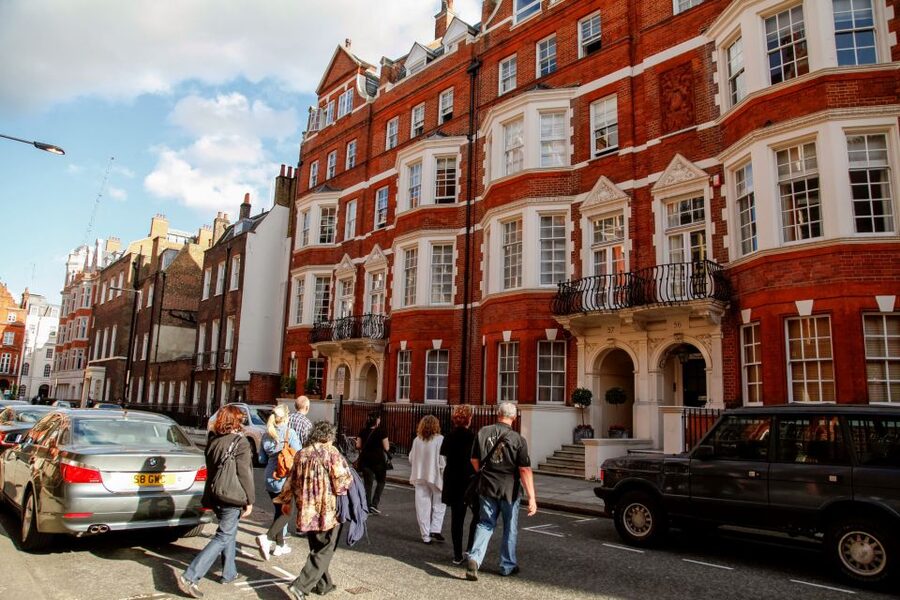
The tour’s early stretch is all about London’s creative nerve endings. You’ll hit Denmark Street, a classic music-adjacent area where the Beatles story connects to the broader scene around them. From there you move into Soho Square with the guide using the surrounding streets as a prompt for stories about the band’s rise and the kind of nightlife ecosystem that helped ideas travel fast.
You’ll also pass the former site of Trident Studios, plus key segments along Wardour Street and Prince of Wales Theatre. Even when you’re looking at something that’s no longer exactly the way it used to be, the guide points out what changed and what stayed in the character of the place.
If you like London beyond the postcard highlights—if you enjoy seeing the theatre-and-music mix that made the city feel like it was always generating its next big thing—this section is where it clicks. It’s also a good segment for snapping photos, because the group is moving and your guide is ready to point out the most direct angles.
Carnaby Street + London Palladium: style, pop culture, and the 60s “now”
Then you step into Carnaby Street, and the tone shifts. This is where the “swinging 60s” idea becomes real, because you’re in the shopping and style lane that turned fashion into a public conversation.
Next comes The London Palladium, a name that carries serious performance history. The guide uses these stops to connect the band’s fame to the media machine around them—who watched, where people gathered, and how mainstream entertainment amplified pop culture.
You’ll also move near Savile Row. This one is interesting because it’s a reminder that London style isn’t one thing. You get the contrast between the crisp, formal image associated with Savile Row and the youth-driven, trend-forward vibe tied to Carnaby Street. That contrast helps you understand how the Beatles could be both a youth phenomenon and a mass-culture headline.
This section is one of the main reasons the tour feels more than a checklist. It shows how the Beatles weren’t just musicians; they were part of an entire London shift.
Paul McCartney’s office and the Yesterday origin point
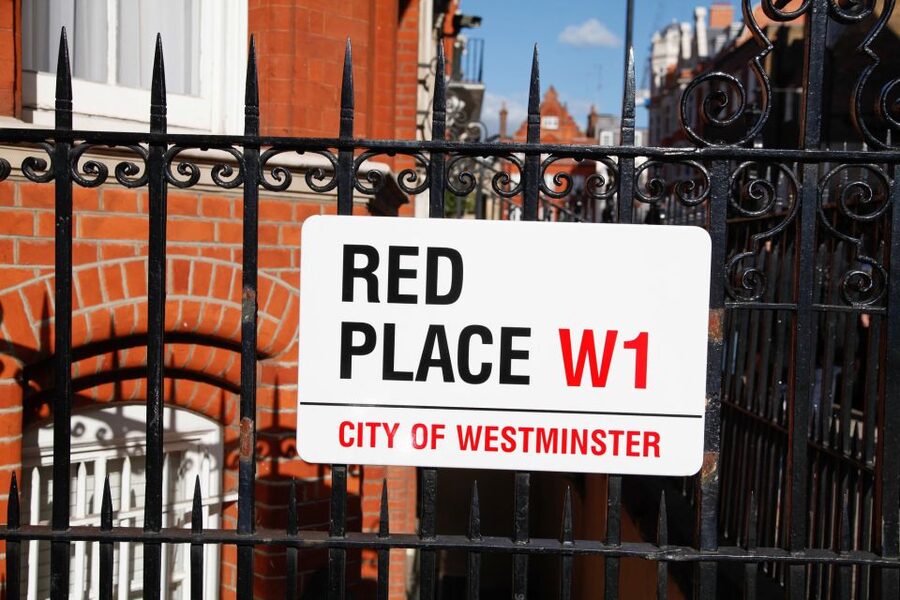
One of the strongest reasons to book is how directly the tour connects to Paul McCartney’s London life. You’ll see his London home and offices, and the guide also points out the building where Paul first played the melody of Yesterday for his mates.
For Beatles fans, this kind of stop hits differently than a generic “famous place.” It’s not just a location; it’s a moment in the song’s timeline. Even if you already know the album facts, the street context gives it a new layer—like you can picture the room and the conversation instead of only hearing the recording.
If you’re traveling with someone who isn’t a superfan, this portion still works. It turns the Beatles story into something personal and human: where creativity happened, who was around, and how London environments nudged ideas into songs.




Film locations + Hey Jude recording: where music and cinema overlap
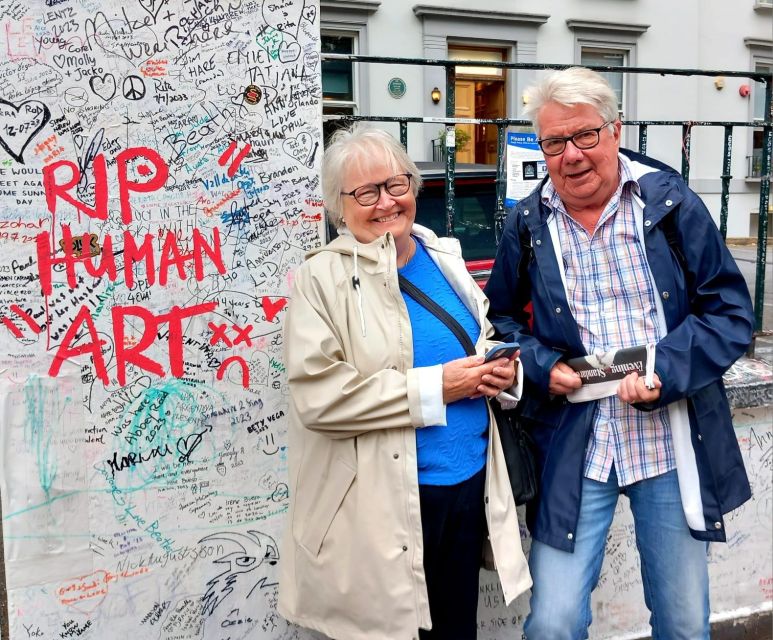
The tour doesn’t treat Beatles culture as only audio. You’ll also see film locations used in A Hard Day’s Night and Help! That’s a big deal if you’ve ever watched those movies and wondered where the shots came from. Here, the guide points out how the set-minded camera world mapped onto real London streets.
You’ll also visit the studio where Hey Jude was recorded and hear about the birthplace of Beatlemania—the point where the frenzy became a public event, not just fan excitement.
And there’s an extra pop-culture twist: the tour includes cinemas that hosted Harry Potter world premieres. You won’t need to be a Potter fan to enjoy this. It’s a neat example of how London entertainment keeps evolving while still stacking layers on top of older fame.
This section is best if you like your sightseeing with context. You get locations, yes, but you also get the explanation that connects them to songs, films, and the broader attention economy.
Abbey Road finale: tube hop, wall signing, and zebra photo timing
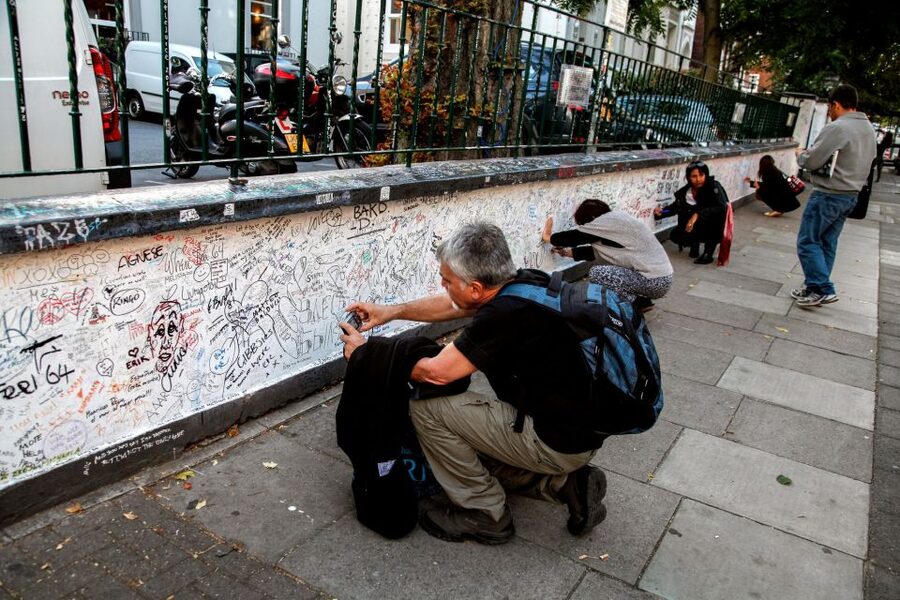
The last act is the Abbey Road stretch, and it’s built for the moment everyone remembers. You’ll do a short tube ride to reach it. Just know the tube station on this segment isn’t accessible, so if mobility is a concern, plan accordingly.
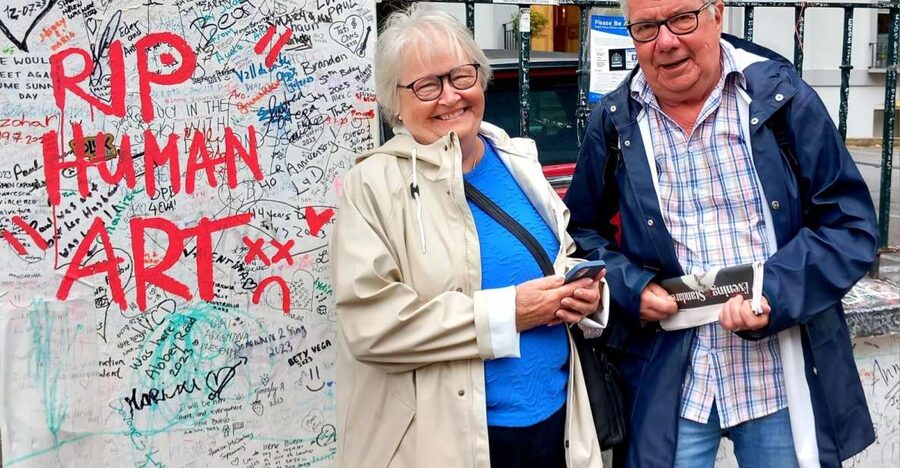
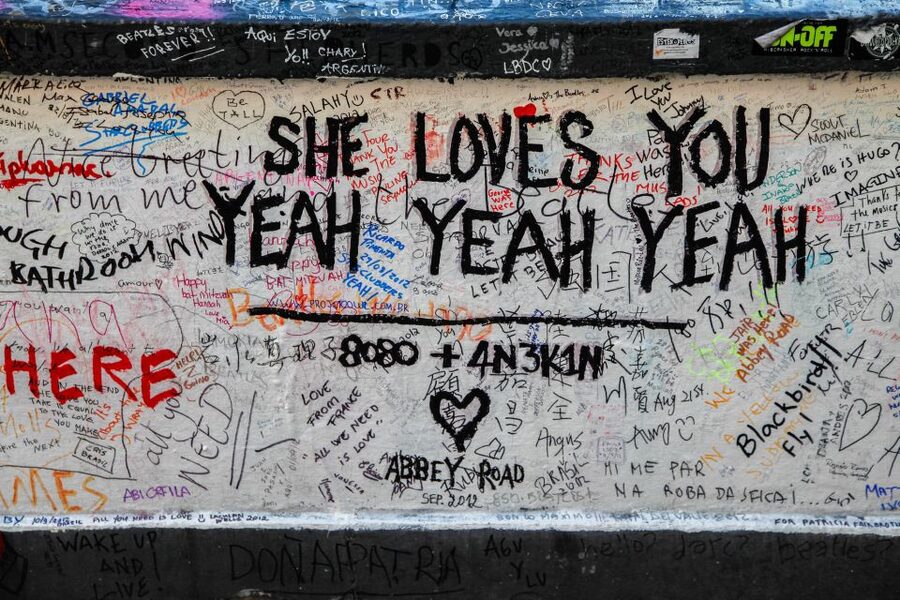
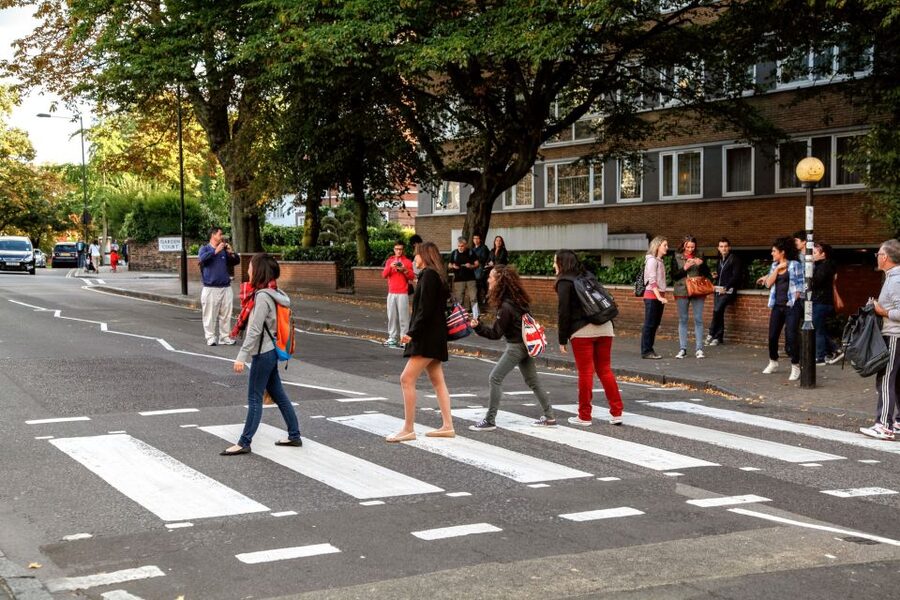
Once you arrive, you get the signature Beatles visit: the guide shows you where to sign the famous wall in front of Abbey Road Studios, and then you’ll have a chance to get a photo on the Abbey Road crossing. Timing here matters because it depends on what’s happening on the road at that moment—traffic and crowd flow can change fast.
Practical tip: aim for calm photos rather than sprinting for the perfect pose. Crowds build quickly at the crossing, and the goal is to get your shot without turning it into a tense game. A good guide will help you coordinate where to stand and when to cross for the cleanest picture.
This is also the segment where I like the tour’s pacing. It saves the emotional payoff for the end, after you’ve built enough context that Abbey Road doesn’t feel like a random tourist stop.
Guide style + pacing: why the small-group setup works
This tour’s biggest variable is your guide. The good ones bring the story to life without drowning you in trivia. Past guides you may encounter—like Anna, Tim, Saleha, and Connor—are consistently described as energetic, friendly, and tuned into how the group is doing.
A big plus is how guides handle the crowd-control reality of London. You’re not wandering on your own. You’re walking with someone who knows when to pause, where to stand for photos, and how to keep the day on track.
Punctuality matters here. The tour is designed to finish on time, even if a stop is especially engaging. If the group is moving slowly, the itinerary adjusts to protect the rest of the experience. That’s a rare quality in sightseeing, and it’s part of why the tour tends to feel smooth from start to finish.
Price and logistics: $55 for 2 to 2.5 hours of Beatles street time
At $55 per person for roughly 2 to 2.5 hours, you’re paying for more than walking. You’re paying for a professional guide and the street-level interpretation that connects locations to songs, studios, and film moments.
Transportation is not included, even though there’s a short tube ride for the Abbey Road part. So budget a bit extra for transit. This matters more than it sounds, because if you’re coming from another part of London, you don’t want to show up without a transit plan.
Also remember: it’s a walking tour. The value comes from how efficiently the guide moves you through key zones—so you see multiple “wow” places without spending your day transferring blindly between neighborhoods.
If you like reading music history on your own, you can. But the money makes sense when you want the connections explained in real time while you’re standing in the locations.
Who should book this Beatles London walking tour?
This one is a strong match if:
- You’re a Beatles fan who wants actual street locations tied to music and film
- You enjoy walking through Soho and classic London theatre/shopping areas
- You want a guide who helps with photos and keeps the group moving
It may not be the best fit if you:
- Have mobility limits. This tour is not suitable for wheelchair users, and it’s also flagged as not suitable for pregnant women or people with back problems
- Are traveling with large luggage. You can’t bring luggage or large bags, and there are rules around pets and smoking
In short: if you can handle a steady walk and you’re ready for a concentrated Beatles-and-London hit, you’ll likely love it.
Should you book?
Yes—if you want the Beatles story mapped onto real London, this tour delivers the most important payoff in the time you have. I especially like that it’s not only about Abbey Road. You get Paul’s places, recording and film connections, and the swing of 60s-era street culture in between.
Skip it only if walking is an issue for you or if the Abbey Road tube segment creates problems. Otherwise, it’s a great way to turn Beatles fandom into practical sightseeing you can repeat later when you’re editing your photos and telling stories back home.
FAQ
How long is the Beatles London walking tour?
The tour lasts between 2 and 2.5 hours, depending on the group’s walking pace.
How much does the tour cost?
The price is $55 per person.
Where do I meet the guide?
You meet at Dominion Theatre, across the street from Tottenham Court Road tube station.
Where does the tour finish?
The tour finishes at Abbey Road Studios.
Is transportation included in the price?
Transportation is not included. A short tube ride is required for the Abbey Road section.
What can I do at Abbey Road?
You can sign the famous wall in front of Abbey Road Studios, and you may also get a photo taken on the Abbey Road crossing (transport permitting).
Is this a small-group tour?
Yes. It runs as a private or small-group tour.
What languages are the guides available in?
Live guides are available in English and Russian.
What should I bring?
Comfortable shoes.
Are there any restrictions on what I can bring or do?
Pets, smoking, and luggage or large bags are not allowed.