REVIEW · LONDON
London: Winston Churchill and London in WWII Walking Tour
Book on GetYourGuide →Operated by Urban Saunters Ltd · Bookable on GetYourGuide
A city under siege has a different sound. This WWII-focused London walking tour makes Westminster feel like a living 1940s command center, not just postcard scenery. I especially like how the route ties Winston Churchill-era decisions to landmarks you already recognize, and how guides (like Nathan, Richard, Francis, and Rosie) bring the era to life with crisp storytelling and British humor. One thing to consider: the pace can be more “talking tour” than heavy walking, and the shorter end of the schedule may feel brief if you want lots of time at each stop.
In This Review
- Key highlights at a glance
- Westminster looks different when WWII is the lens
- Finding the meeting point by Westminster Station (Exit 2)
- The RAF memorial start: context before the sightseeing sprint
- Big Ben and the Houses of Parliament as wartime machinery
- Westminster Abbey and the Cenotaph: the personal side of loss
- Whitehall and the Ministry of War: where plans meet power
- 10 Downing Street: cabinet decisions in the real world
- Churchill’s War Rooms finish: explore on your own after the walk
- How long it really takes (and why it affects your expectations)
- Shared group vs private tour: pick the format that fits your style
- Price and value: what $39 buys you (and what it doesn’t)
- Who should book this Churchill and WWII Westminster walk
- Should you book this tour?
- FAQ
- Where is the meeting point?
- How long is the tour?
- Is it a private tour or a shared group tour?
- What landmarks will we see?
- Are entrance tickets included for places like Westminster Abbey or Churchill’s War Rooms?
- What should I bring?
- Is the tour suitable for people with mobility impairments?
- What is included in the price?
Key highlights at a glance
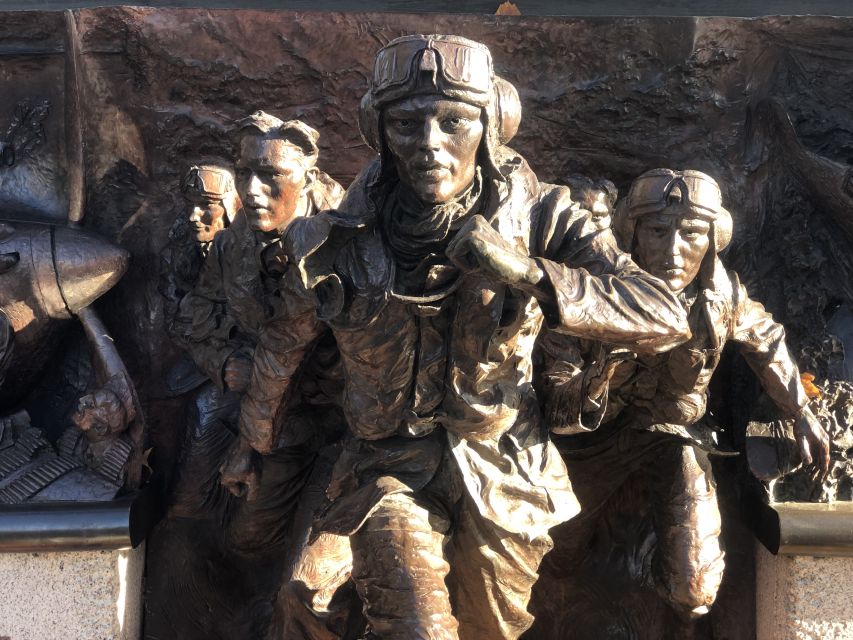
- Start at the RAF Battle of Britain memorial outside Westminster Station area, setting the WWII context immediately
- Big Ben and Parliament through a wartime lens, not just architecture appreciation
- Cenotaph and Westminster Abbey with a human angle, including the everyday cost of war
- Whitehall landmarks tied to planning and command, including the Ministry of War area
- Downing Street on the map of power, explained as part of cabinet decision-making
- Finish at Churchill’s War Rooms, where you can keep exploring on your own
Westminster looks different when WWII is the lens
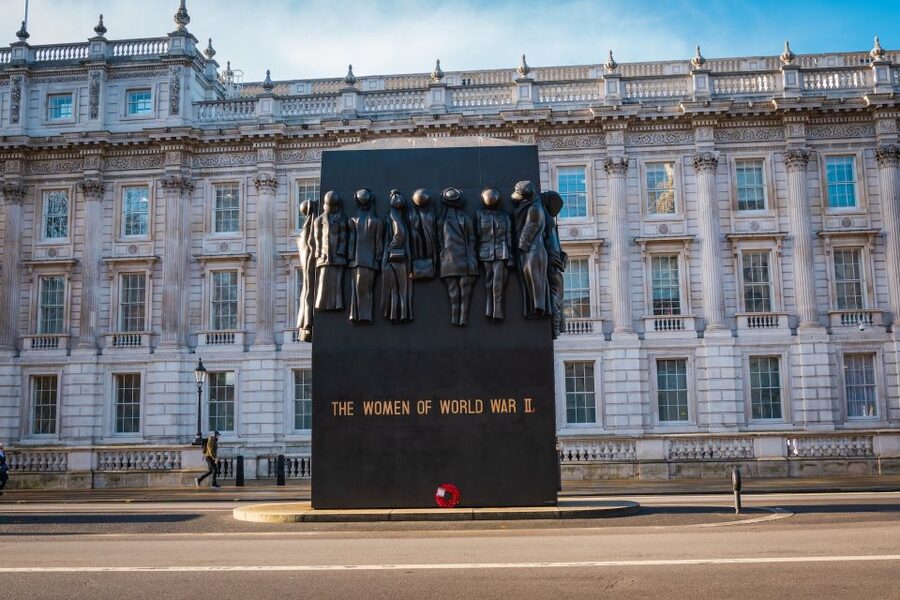
Westminster is one of those places where first-time visitors often rush for photos. This tour flips that instinct. You walk past the big symbols—Houses of Parliament, Big Ben, Westminster Abbey, Downing Street, and Whitehall—and then a guide gives you the wartime meaning of each one.
That’s the core value: you don’t just learn dates. You learn how Britain tried to keep itself running while London took hits. The tour’s best moments come when a landmark suddenly connects to a real role in the war effort: communication, planning, leadership, and public morale.
Also, the guides seem to care about storytelling quality. People mention guides who were entertaining and witty, and it shows in the way facts get attached to personalities—pilots, cabinet figures, and the kind of details you rarely find in plain museum labels.
One practical catch: you’re outside most of the time. Entrance tickets aren’t included for the named sights, so if you want interiors (or deeper exhibits), you’ll need to plan that separately.
You can also read our reviews of more walking tours in London



Finding the meeting point by Westminster Station (Exit 2)
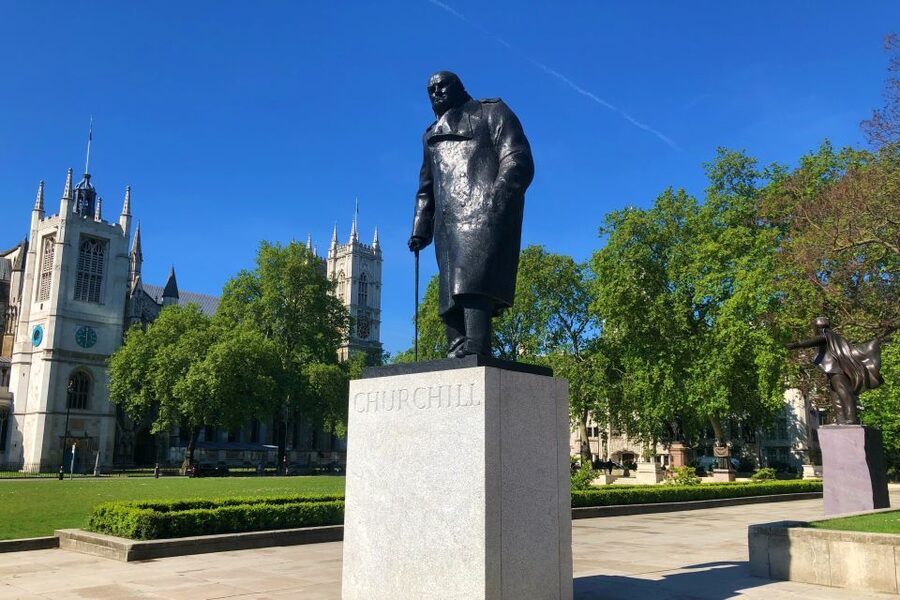
The meeting point is clear and specific, which matters in a busy area like Westminster.
Meet your guide by the Boadicea and Her Daughters Statue outside Westminster Station, Exit 2. The group meets at the top of the stairs next to that statue, on Victoria Embankment level. Your guide will be holding an Urban Saunters orange tour sign.
Plan to arrive a few minutes early. You’ll be on stairs right away, and the tour also doesn’t welcome large luggage. A small day bag is fine, but don’t show up with bulky stuff that slows you down at tight street corners.
The RAF memorial start: context before the sightseeing sprint
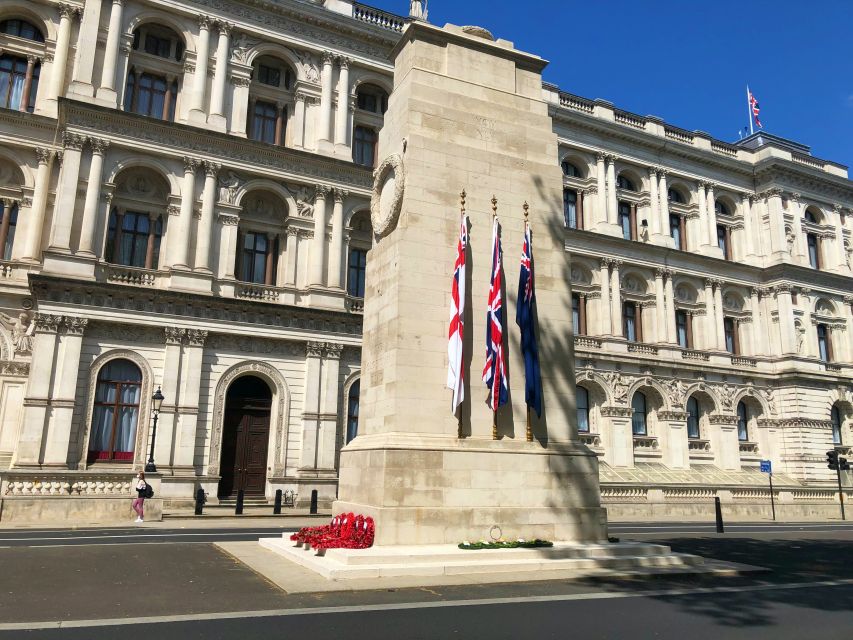
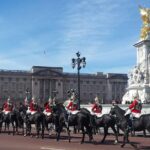
The tour begins outside the Monument to the RAF. That starting point is smart because it gives you the WWII frame before you hit the political landmarks.
From there, you get the sense of how the Battle of Britain and air defense shaped what Londoners saw, heard, and worried about. Guides use this opening to connect the city’s morale to the wider story of the war—so when you later stand near Parliament or the Cenotaph, it doesn’t feel like random sightseeing.
It also helps you orient: you’re about to walk a concentrated stretch where the landmarks are close enough to form a narrative. You don’t need a long transit plan or multiple days of transportation—this is a single London “story zone” around Westminster.
Big Ben and the Houses of Parliament as wartime machinery
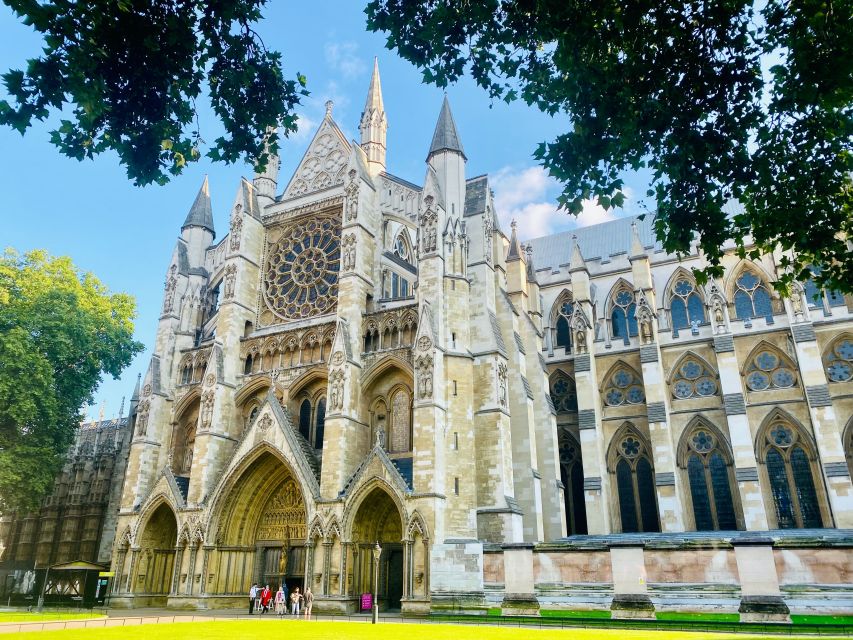
This is the heart of the walk, and it’s also where a good guide changes everything.
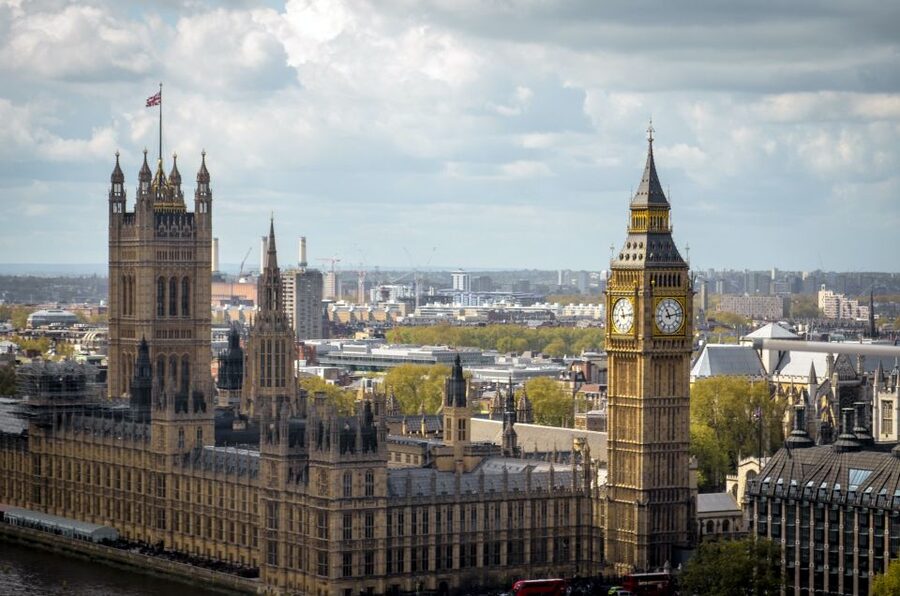
You’ll see Big Ben and the Houses of Parliament area, but the focus isn’t only on what the buildings look like. The tour explains how wartime Britain used Westminster’s political stage—how leadership and legislation mattered when the city was under pressure, and how the physical grandeur of the area sat beside the reality of fear, raids, and strain.
The best part here is how guides tie the landmark drama to people. Some guides reportedly added biographies of pilots and anecdotes you don’t usually get on quick sightseeing tours. That makes the story feel broader than just politics. It becomes the full wartime picture: leadership at the top, and the air war and public life that affected everyone.
Drawback to note: because you’re outside and moving along, you’ll mostly get viewpoint-style seeing. If you want to go inside major buildings, you’ll need separate tickets.
Westminster Abbey and the Cenotaph: the personal side of loss
Westminster Abbey is one of those iconic stops where it’s easy to treat it like a backdrop. This tour steers you differently. You’ll walk through the area with the Cenotaph and Westminster Abbey in mind as symbols of remembrance and sacrifice.
The guide perspective shifts you from “this is famous” to “this is where a nation processed grief.” That’s the sort of context that makes a stop feel respectful rather than rushed. It also helps you understand why memorial spaces in London matter so much—especially in a city that was repeatedly tested.
This is also where humor can soften the tone without turning it light. Several guides are described as bringing British wit into the telling. That balance is useful. You get seriousness, but you’re not stuck in a lecture.



Whitehall and the Ministry of War: where plans meet power
As you move along Whitehall, the tour sharpens into the machinery of command.
You’ll hear about the Ministry of War area and how Westminster’s surrounding offices and institutions fit into the daily logic of wartime decision-making. In plain terms: the buildings aren’t just landmarks. They represent the administrative spine that kept Britain coordinating.
This portion tends to work well for first-timers and repeat London visitors alike. If you’ve been to London before, you’ll still enjoy it because the tour forces you to notice the streets and façades with purpose. If you’re a history fan, you’ll like the way the guide connects strategy to places you can stand in front of.
A small practical note: the area is busy, and you’re walking in streets with pedestrians and traffic. Keep your eyes up, not on your phone. That also keeps you moving with the group.
10 Downing Street: cabinet decisions in the real world
Seeing 10 Downing Street from outside is the kind of London moment people expect. Here’s what makes it more interesting: the tour frames it as part of the WWII decision ecosystem.
You’re not just looking at an address. You’re learning how the cabinet functioned and how leadership worked under extreme conditions. The guide’s storytelling is what makes the connection stick—especially when they explain what people needed to decide, how urgently, and why that mattered to the city’s survival.
If you enjoy leadership stories or you like understanding how power works, this stop tends to land well. If you prefer battlefield history only, you might want to listen for the human chain—how decisions affected everyday life, not only military outcomes.
Churchill’s War Rooms finish: explore on your own after the walk
The tour ends outside Churchill’s War Rooms. Your guide will point you toward the next step and then leave you there to explore if you want.
Two key things to know:
- Entrance tickets aren’t included, so you’ll need to buy them separately if you want the interior exhibits.
- The War Rooms finish the tour’s story arc by shifting from city landmarks to the strategic underground world that supported leadership.
Guides are described as especially good at making the space feel frozen in time—strategic bunkers where Churchill and cabinet could conduct their WWII roles. Even if you don’t go in, the location adds weight to everything you heard earlier.
How long it really takes (and why it affects your expectations)
The duration runs from 1.5 to 3 hours, and it’s worth planning your day around that range.
In terms of effort, this isn’t a long hike. The route is concentrated around Westminster and Whitehall, so you’re walking a city-center loop. But it’s also described as more of a talking tour than a nonstop walking challenge. That’s good news if you like stories and detail. It’s less ideal if you want time to wander, take your own photo route, or sit down for stops.
If you’re booking with a tight schedule, aim for a longer duration if available, especially if you’re history-curious and expect questions. If you book the short version, you may feel the story gets cut off sooner than you hoped.
Comfort-wise, bring comfortable shoes. You’re on sidewalks and crossings, and you may spend time near memorial and landmark areas where the ground isn’t always smooth.
Shared group vs private tour: pick the format that fits your style
You can choose a shared group or a private walking tour.
A shared group can be great if you like meeting other visitors and you’re fine adapting your pace to the group. A private tour tends to work better if you want more back-and-forth and a deeper focus on your interests—especially if you’re there for WWII leadership details or you want the guide’s extra anecdotes.
From the way guides are described—story-first, fun, and attentive—either format can feel lively. The main difference is how much flexibility you get.
Price and value: what $39 buys you (and what it doesn’t)
At about $39 per person, this tour sits in a zone where you’re paying for the guide’s role: storytelling, interpretation, and walking you between major WWII landmarks in a tight area.
That value holds best if you want context. If you only want photos of Parliament and Big Ben, you could do it on your own in less time. But if you want your landmarks explained as part of how Britain coped with war—plus the extra personal stories that make history feel human—this is the kind of tour that justifies the cost.
What’s not included is also part of the value equation:
- Entrance tickets to the named monuments
- Entrance tickets to the Churchill War Rooms
- Food and drinks
- Hotel pickup/drop-off
So think of the $39 as paying for guided access to the story, not paid entry into every interior stop. If you’re planning to tour the War Rooms inside, budget for that ticket separately.
Who should book this Churchill and WWII Westminster walk
This tour is a strong fit if:
- you want a WWII London perspective that connects leadership, morale, and public life
- you like walking the city and letting a guide explain what you’re seeing
- you’re curious about Winston Churchill and how his world looked from street level
It’s also a good choice for families with older kids who enjoy history narration. One comment highlighted a 15-year-old staying engaged, which is a useful signal for pacing and storytelling style.
If you use a wheelchair or have mobility limitations, it may not work well. The tour is not listed as suitable for people with mobility impairments, and the meeting point involves stairs.
Should you book this tour?
I’d book it if you want a focused, story-driven Westminster experience that makes famous places feel like they mattered in wartime. The biggest strength here is the guide-led storytelling—people highlight named guides like Nathan, Richard, Francis, Amber, Babs, and Rosie, and they repeatedly point to humor, passion, and anecdotes that add texture beyond standard museum narration.
Skip it (or plan alternatives) if you’re expecting lots of included interior tickets or you want heavy walking time. Also consider booking a longer option if you know you’ll want to ask questions.
If you do book: wear comfy shoes, keep your day bag light, and go in ready to see Westminster as a wartime map, not just a set of landmarks.
FAQ
Where is the meeting point?
Meet your guide outside Westminster Station at Exit 2, by the Boadicea and Her Daughters Statue. The group meets at the top of the stairs next to the statue, and your guide will be holding an Urban Saunters orange tour sign.
How long is the tour?
The duration is listed as 1.5 to 3 hours.
Is it a private tour or a shared group tour?
You can choose between a shared group or a private walking tour.
What landmarks will we see?
You’ll pass by and learn about Westminster landmarks including Big Ben, Westminster Abbey, Downing Street, Whitehall, and areas associated with the WWII war effort such as the Ministry of War. The tour also starts at the RAF monument and finishes outside Churchill’s War Rooms.
Are entrance tickets included for places like Westminster Abbey or Churchill’s War Rooms?
No. Entrance tickets to the named monuments and Churchill’s War Rooms are not included.
What should I bring?
Bring comfortable shoes.
Is the tour suitable for people with mobility impairments?
No. The tour is not suitable for people with mobility impairments or wheelchair users.
What is included in the price?
You get a guided walking tour of Westminster and an English-speaking local expert guide.