REVIEW · NEW ORLEANS
New Orleans Food Walking Tour
Book on Viator →Operated by Taste of Nawlins Culinary History Tour · Bookable on Viator
Follow the smell of gumbo through the French Quarter. This 2-hour walking tour starts at 400 Royal St and trades Bourbon Street chaos for restaurant tastings and local stories tied to the area’s 300-year past.
I love the way the guide, Don or Raffle, turns each stop into food-and-place context you can actually use. I also love the tasting menu focus: gumbo, crawfish étouffée, jambalaya, red beans and rice, plus other local favorites.
The catch is sample-size portions and a sometimes-tight stop count, so if you come starving, you may still want a real dinner afterward.
In This Review
- Key highlights to know before you go
- Starting at 400 Royal St: how the tour sets the mood
- The “2 hours” promise: what you’ll feel on the walk
- Included tastings: gumbo, étouffée, jambalaya, and red beans
- French Quarter history you can see: architecture plus 300 years
- Creole cooking secrets and Cajun vs Creole clarity
- Don and Raffle’s guide style: funny stories with real restaurant connections
- The big tradeoff: small samples and varying stop counts
- Timing strategy for a 3:00 pm start
- Value for $44: what you’re really buying
- Who should book this New Orleans food walk
- Should you book Taste of Nawlins Culinary History Tour?
- FAQ
- Where does the tour start?
- What time does the tour begin, and how long is it?
- How much does the New Orleans Food Walking Tour cost?
- What’s included in the price?
- Are alcoholic drinks included?
- What foods will I taste?
- What if I have food allergies?
- How many people are on the tour?
- What happens if the weather is bad?
Key highlights to know before you go
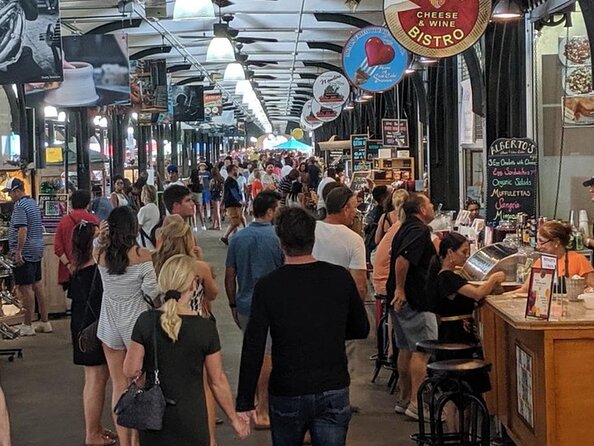
- French Quarter orientation with food at the center instead of wandering for snacks
- Classic Cajun and Creole bites like gumbo, crawfish étouffée, jambalaya, and red beans
- Guide energy matters, and both Don and Raffle are praised for fun, fast storytelling
- Small group size (max 14) keeps the pace social, not chaotic
- You skip alcohol in the package, which helps you taste more clearly (and stay mobile)
Starting at 400 Royal St: how the tour sets the mood
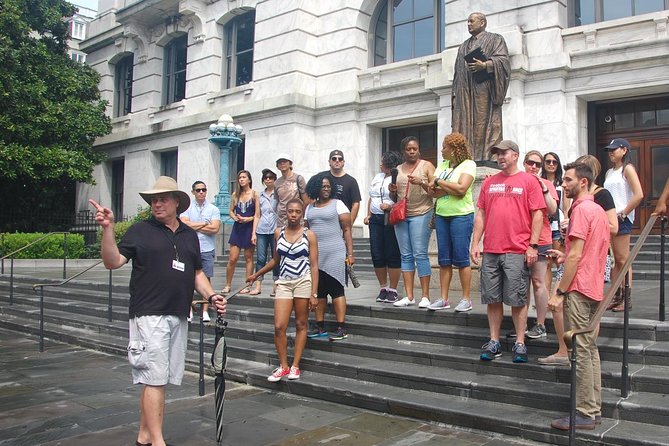
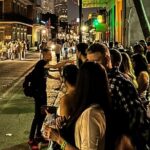
The tour meets at 400 Royal St, right in the French Quarter where the buildings do most of the talking. If you’ve never been, this is a smart way to get oriented fast: the walk stays focused on the neighborhood rather than sending you off into side streets without a plan.
It also starts at 3:00 pm and runs about 2 hours (approx.). That timing is useful. You’re not trying to cram everything into a late-night mission, and you’re still hungry enough to enjoy multiple tastings without feeling like you’re eating breakfast at 7 pm.
One small detail I appreciate: you come back to the same meeting point. That means you don’t end up stranded when you’re ready for a pause, a bathroom stop, or a quick reset before dinner.
You can also read our reviews of more walking tours in New Orleans


The “2 hours” promise: what you’ll feel on the walk
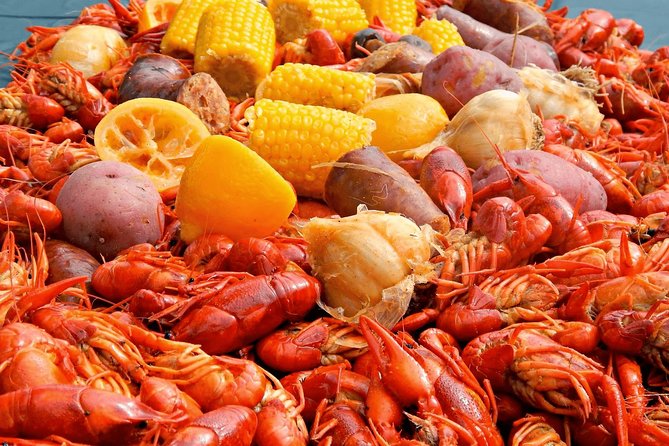
This isn’t a long-distance trek. It’s a short, structured stroll where the guide keeps moving you through the French Quarter while the food and stories anchor the whole experience.
Because the group is capped at 14 people, you’ll usually get a more human rhythm. You’re not just herded past restaurants; you can ask questions, and the guide can adjust pacing if someone needs a moment.
Still, plan your expectations around a walking-food format. You’re learning and tasting at the same time, so your job is simple:
- show up hungry, not empty
- wear comfortable shoes
- keep your water nearby
And since this experience requires good weather, don’t gamble on pouring rain and expect zero changes. If conditions are bad, you’ll be offered another date or a refund.
Included tastings: gumbo, étouffée, jambalaya, and red beans
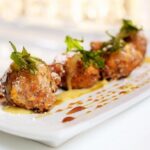
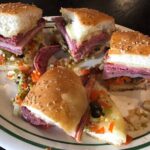
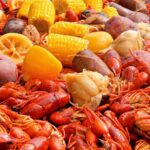
The food part is the point, and the tour keeps it classic. The sample menu includes:
- starters like gumbo and crawfish étouffée
- mains like jambalaya and red beans and rice
- plus other local favorites (the exact options can change)
A food tour is only worth your time if it teaches you how to recognize what makes New Orleans cooking New Orleans. The dishes on this walk do that job. Gumbo and étouffée give you the thick, seasoned comfort end of the spectrum. Jambalaya and red beans and rice show you the “big pot” logic that feeds a city.
Important expectation-setting: these are tastings, not full servings. Several people mention portions are small cups. That doesn’t automatically make the tour bad. It usually means you get variety and don’t waste the rest of your day feeling too full. But it can matter if you’re the type who needs a hearty plate to feel satisfied.
Alcohol isn’t included, but drinks are available to purchase. I’d treat this as a clarity move: skipping alcohol in your package usually helps you taste the spices and textures more clearly, and it keeps the tour easier if you’re bouncing around afterward.
French Quarter history you can see: architecture plus 300 years
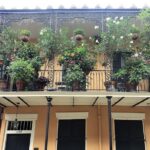
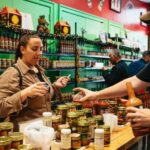
What makes this tour more than “three restaurants and a walk” is that the guide ties the food to the neighborhood. You’ll hear about the architecture of buildings and the French Quarter’s 300-year history as you move from one stop to the next.
That approach helps in two ways:
- It gives the dishes context. When you learn what made a style popular, the food makes more sense on the next menu you see.
- It helps you read the French Quarter without getting lost in trivia. You start noticing details in façades, street layout, and how long-standing restaurants fit into the scene.
The best part is how this history stays practical. Instead of lecturing, the guide brings it up right when you’re standing in front of the place and about to taste something connected to the story.
Creole cooking secrets and Cajun vs Creole clarity
One theme keeps showing up: the guide explains the difference between Creole and Cajun cooking while you’re tasting. That matters because in New Orleans, the labels can look simple, but the flavor logic behind them is not.
Here’s what you’ll walk away able to do:
- connect dishes to ingredients and technique (not just names)
- recognize patterns like spice level, sauce texture, and the “comfort” vs “day-to-day” feel
- understand how local history shaped what ends up on the table
Even if you’re not a kitchen person, that kind of explanation helps you order with confidence. You stop guessing, and you start choosing deliberately.
And if you’re a food nerd, great—you’ll likely enjoy the way the guide frames dish origins and cooking traditions as part of the city’s identity, not just background noise.
You can also read our reviews of more food & drink experiences in New Orleans
Don and Raffle’s guide style: funny stories with real restaurant connections
The guide experience is a big part of why this tour scores well. People consistently mention guides being funny, engaging, and able to connect the city to the food.
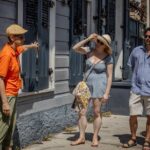
Two names stand out in the feedback: Don and Raffle. You’ll hear about their energy and how they work the room—calling out people and getting a warm welcome at restaurants. That kind of rapport matters. It often means you’re not just waiting awkwardly while a staff member fits you in between their regular service.
You also get recommendations. More than one person highlights that the guide’s suggestions helped them decide where else to eat after the tour. That turns the walk into a useful first-day tool, not just a one-and-done tasting.
One balancing note: some tastings happen on patios or louder dining areas. If it’s a noisy night, you may not catch every word. I’d treat the history as a bonus layer, not something that replaces your own senses. You’re there for food first.
The big tradeoff: small samples and varying stop counts
Let’s talk about the one drawback that can affect satisfaction: sample-size portions and the number of stops can vary.
Some people describe as few as three stops, while others mention four locations and also talk about smaller portions that fit the “tasting” format. On nights when the group moves quickly or restaurants offer smaller pours, you can end up feeling like you were hungry during parts of the tour.
This is where I’d plan smarter:
- If you’re doing this as your main meal, arrive hungry but expect to need extra food later.
- If you’re doing it as an appetizer-to-information event, it’s easier to feel satisfied because you’ll still choose dinner afterward.
- If you’re sensitive to loud environments, mentally prep for the fact that hearing long stories can be harder outdoors.
Also, if you know you’re visiting during a peak or special holiday period, the vibe can shift. The French Quarter gets louder; patio seating can be a party zone. That doesn’t mean the tour fails—it just means your best approach is to keep your expectations flexible.
Timing strategy for a 3:00 pm start
A 3:00 pm start is ideal for two travel styles:
- First-time French Quarter explorers who want a plan before dinner
- Food-focused travelers who want enough time afterward to hunt for a full plate
Since the tour lasts around two hours and ends back at the meeting point, you can line up your next move easily. If you want a more satisfying meal, look for dinner plans after the tour rather than assuming the tastings will fully replace your evening.
If you’re pairing this with other French Quarter sightseeing, I like that it works as a built-in anchor. Instead of bouncing between “look-see” stops, you’ll have a reason to move to specific corners and restaurants.
Value for $44: what you’re really buying
At $44 per person, the real value isn’t the price tag. It’s what’s bundled:
- food tastings at multiple French Quarter spots
- a professional guide who connects food to place and culture
You’re paying for access plus interpretation. Without a guide, you can absolutely eat well in the French Quarter. But you’d probably spend more time figuring out what’s authentic, what matters, and where to go next.
The small group size (max 14) also matters here. It supports the guide’s ability to tell stories, answer questions, and keep the experience moving without feeling like mass transit.
Alcohol isn’t part of the package, so your $44 is mainly about tasting and learning. If you’re trying to keep costs controlled, that’s a plus. If you’re expecting a full bar experience, you’ll need to budget extra.
For me, this pricing makes sense if you treat it like a curated introduction. If you’re looking for a meal that fills you up like dinner, you might feel shortchanged—especially if the stops lean toward smaller tastings.
Who should book this New Orleans food walk
This is a strong fit if:
- you’re visiting for the first time and want quick local orientation
- you care about Cajun and Creole cooking basics and want a guide to translate the labels
- you like sampling several classic dishes without committing to big plates right away
- you want a small-group French Quarter activity that works well even if you’re traveling solo (the vibe is described as welcoming for solo travelers)
It might be less ideal if:
- you need large portions to feel satisfied
- you hate listening-heavy tours and prefer pure eating time
- you have very specific food needs and haven’t shared them in advance
The good news: you can let the provider know about food allergies ahead of time. That’s the responsible move for taste and safety.
Should you book Taste of Nawlins Culinary History Tour?
I’d book it if you want your French Quarter day to include two things: tastings that help you choose where to eat next, and a guide who brings the city’s food culture into focus.
I wouldn’t book it if you’re expecting a full dinner with huge portions at a long list of stops. This works best as a learning-and-sampling event. Treat it like the start of your meal story, then follow through with a proper dinner afterward.
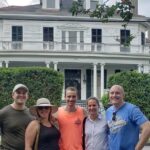
If you’re okay with small cups and you show up ready to taste and ask questions, this is a fun, practical way to experience the French Quarter through Cajun and Creole food—guided by locals like Don and Raffle, with enough personality to keep it moving.
FAQ
Where does the tour start?
The tour starts at 400 Royal St, New Orleans, LA 70130, USA.
What time does the tour begin, and how long is it?
The tour starts at 3:00 pm and lasts about 2 hours.
How much does the New Orleans Food Walking Tour cost?
It costs $44.00 per person.
What’s included in the price?
The price includes food tastings and a professional guide.
Are alcoholic drinks included?
No. Alcoholic drinks are not included, though they may be available to purchase.
What foods will I taste?
The sample menu includes gumbo, crawfish étouffée, jambalaya, and red beans and rice, plus other local favorites. The menu can change.
What if I have food allergies?
You should let the provider know about any food allergies ahead of time.
How many people are on the tour?
The tour has a maximum of 14 travelers.
What happens if the weather is bad?
This experience requires good weather. If it’s canceled due to poor weather, you’ll be offered a different date or a full refund. It also has free cancellation up to 24 hours in advance for a full refund.