REVIEW · PARIS
Paris: Ghosts, Legends & Mysteries Evening Walking Tour
Book on GetYourGuide →Operated by City Wonders Ltd. · Bookable on GetYourGuide
Most Paris sights look pretty in daylight. At night, the city turns sharp-edged and story-driven, right on foot. You’ll walk past places tied to torture and executions, hear grisly legends alongside major events, and end with a history stop that feels intensely real.
What I like most is the focus on specific locations and not just vague spooky talk. I also like that the guide stories blend famous names (Napoleon Bonaparte, Marie Antoinette, Henry IV) with grim crimes like serial killers, so it feels both theatrical and grounded.
One thing to consider: this is a night walking tour with uneven streets and real distances, and it’s not built for strollers or wheelchair access.
In This Review
- Key reasons this ghost and mystery walk works
- Paris at night: why this route feels different
- Start at the Henri IV statue on Pont Neuf (and get your bearings fast)
- Square du Vert-Galant: the Knights Templar story hits hard
- Passing the Louvre: a reminder of how close “dark” is to “famous”
- Saint-Germain-l’Auxerrois: the massacre scale is the lesson
- Fontaine de la Croix-du-Trahoir and the photo-stop moment
- Fontaine des Innocents: a grim landmark you can actually see
- St-Jacques Tower: where the city’s past looms
- Conciergerie: Marie Antoinette’s imprisonment makes it personal
- Île de la Cité and Palais de Justice: law, power, and consequence
- Price and walking value: what $15 buys you at night
- Who should book this Paris ghosts and mysteries walk
- Guides, storytelling style, and the group vibe
- Should you book Paris Ghosts, Legends & Mysteries?
- FAQ
- How long is the Paris Ghosts, Legends & Mysteries Evening Walking Tour?
- What does it cost?
- Where do I meet the guide?
- What’s the nearest metro station?
- What’s included in the price?
- What’s not included?
- What language is the tour in?
- Is the tour wheelchair accessible?
- Can I bring a stroller or baby carriage?
- What are some of the key stops?
- What’s the cancellation and payment option?
Key reasons this ghost and mystery walk works
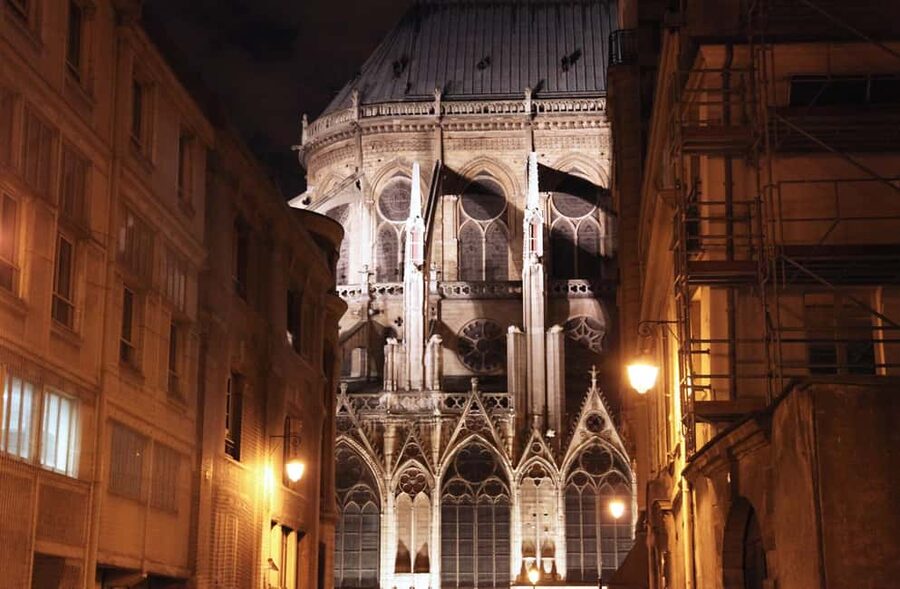
- Pont Neuf start point: easy to find, right where the stories begin to feel immediate
- Templar burning stop: you hear how religious power turned into punishment
- Massacre at Saint-Germain-l’Auxerrois: the scale of violence is part of the lesson
- Fontaines + photo breaks: you get visual landmarks, not just standing and listening
- Conciergerie visit: Marie Antoinette’s imprisonment makes the darkness feel personal
- St-Jacques Tower + Île de la Cité: law, punishment, and authority all cluster close by
Paris at night: why this route feels different
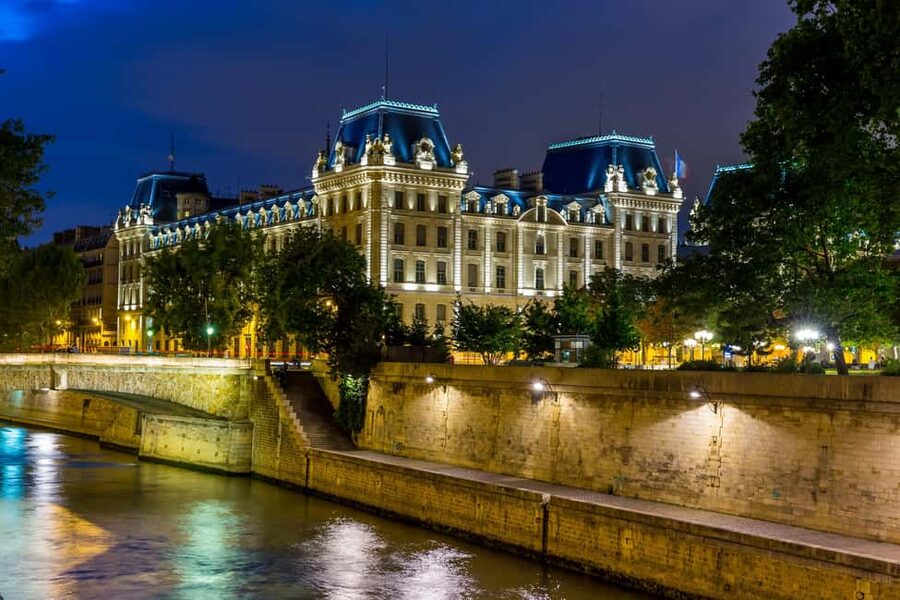
Paris is usually a “pretty picture” city. This walk is the other side of that coin. When streetlights hit stone and alley corners narrow, the history stops feeling like museum text and starts feeling like something that happened to real people in real streets.
This tour leans into the grim parts of the city’s past: torture and executions, disease that spread through crowded lower-class life, and the political chaos around a corrupt monarchy. It also adds a ghost-walk style approach—dark legends, ritual worship stories, and characters you might recognize from French history class.
If you want Paris at night that feels a bit like a crime drama, you’ll like the tone. If you want only light, PG sightseeing, you may find the subject matter too heavy.
You can also read our reviews of more walking tours in Paris



Start at the Henri IV statue on Pont Neuf (and get your bearings fast)
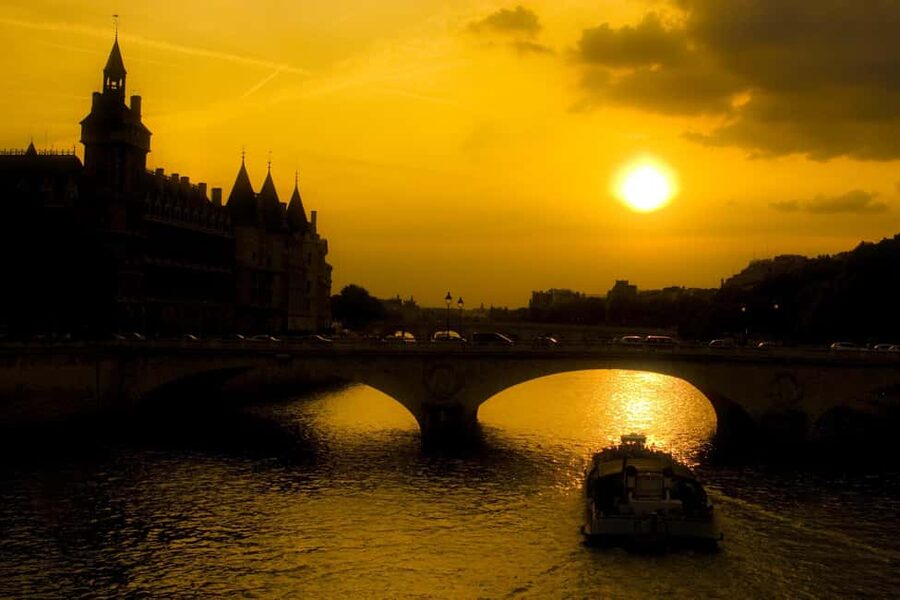
You meet at the equestrian statue of Henri IV in the middle of Pont Neuf, at the western end of Île de la Cité. It’s an ideal meeting point because you can orient yourself quickly: you know you’re at a bridge spine, not lost inside a maze of streets.
Practical tip: be there a few minutes early so you’re not crossing the bridge in the dark while trying to match your guide and group. Pont Neuf is central, but it can still get busy, especially near other nightlife crowds.
From there, the walk keeps you moving through the heart of Paris, which matters because the best parts of this experience are tied to “arrive, look around, then hear the story.” You can’t get the full effect if you arrive tired and rushed.
Square du Vert-Galant: the Knights Templar story hits hard
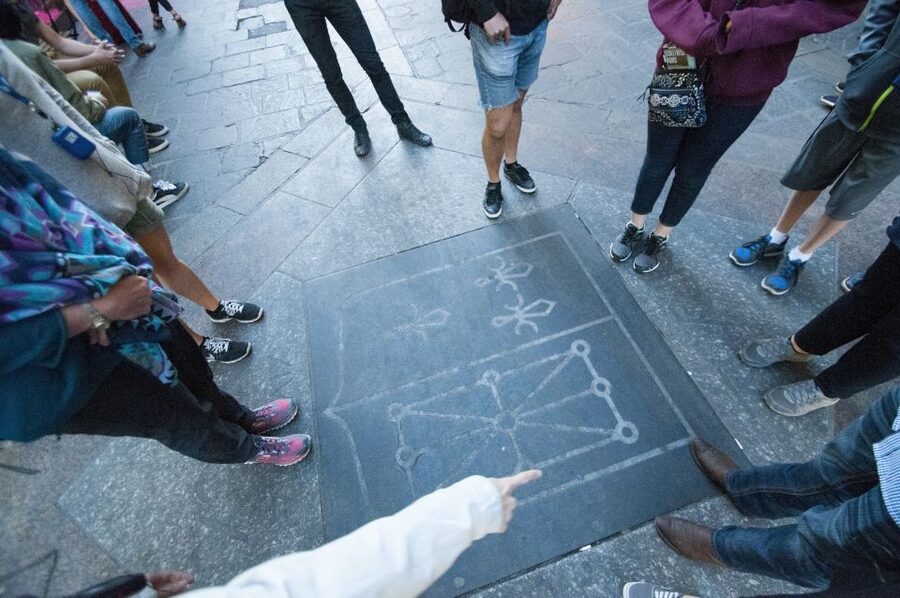
One of your first walking stops is Square du Vert-Galant. This is tied to Place de la Vert-Galant, where the last of the Knights Templar was burned at the stake.
What makes this stop work is how it changes your mental image of medieval “religious legend.” It’s not just a story about knights—it’s a story about power, punishment, and how an institution can become a target when politics shifts.
This is also a good moment to slow down and look at your surroundings. You’re hearing a major execution-related event while standing near a space that feels lively by day. That contrast is part of the shock value.
Passing the Louvre: a reminder of how close “dark” is to “famous”
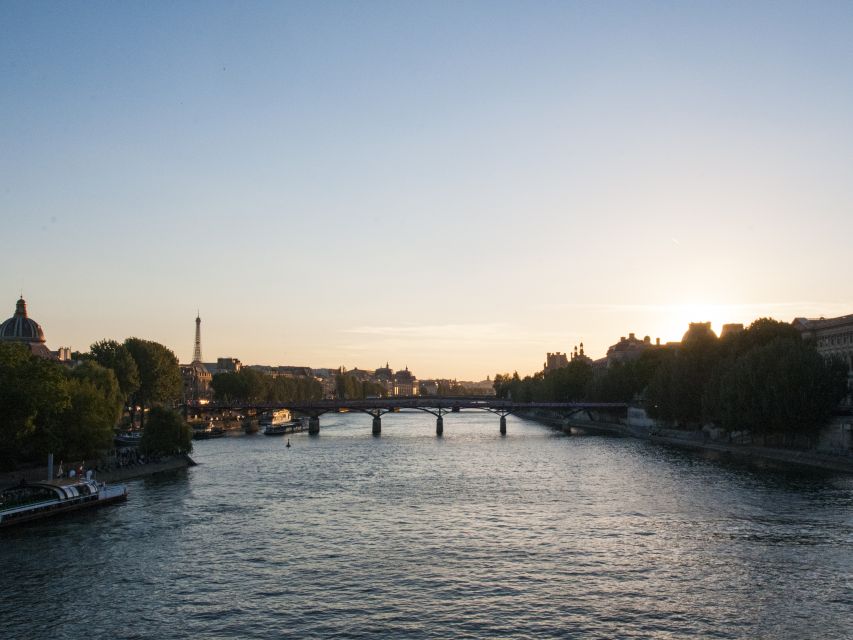
You’ll pass by the Louvre Museum. You don’t stop there for long, but that pass-by matters. It underlines how the city’s most famous art sits a short distance from streets with stories of death, disease, and punishment.
This is a common pattern in central Paris: grandeur and horror share the same map. The tour leans into that fact instead of hiding it.
If you’re the type who likes to see famous landmarks from the outside while your guide gives context, this will feel efficient. If you were hoping for more big-ticket stops, you’ll need to adjust your expectations: this isn’t a checklist tour.
Saint-Germain-l’Auxerrois: the massacre scale is the lesson
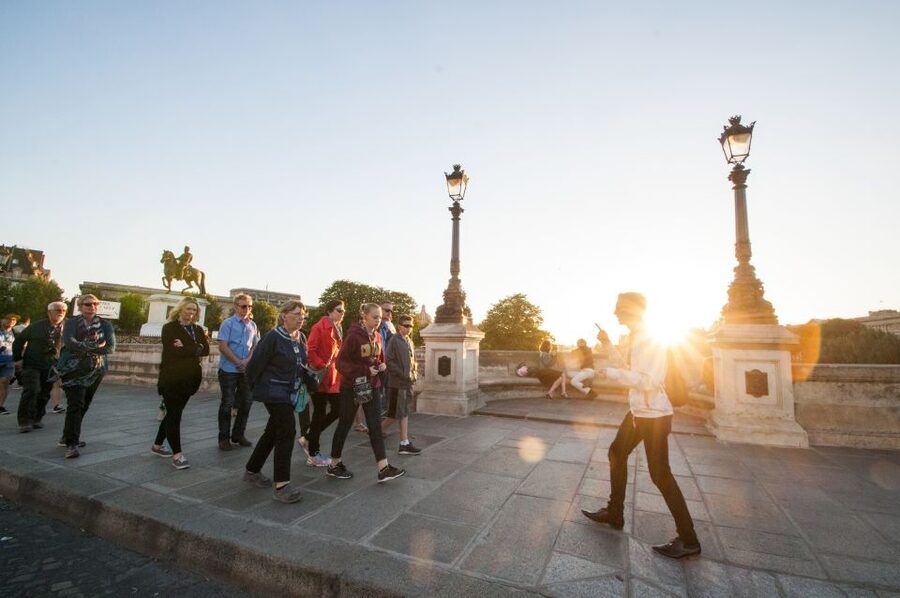
A guided stop takes you to Saint-Germain-l’Auxerrois. This is where the story centers on the St. Bartholomew’s Day Massacre, with estimates cited that around 30,000 people were killed.
This is one of the most “history-forward” parts of the evening. The guide’s job here isn’t just to tell you names—it’s to help you understand how fast violence can spread when politics, religion, and fear collide.
You’ll also get a sense of how church spaces in Paris were part of the public fabric, not just quiet buildings. Standing in that kind of place while hearing these stories makes it feel less like distant history and more like a warning about human nature.
You can also read our reviews of more evening experiences in Paris

Fontaine de la Croix-du-Trahoir and the photo-stop moment
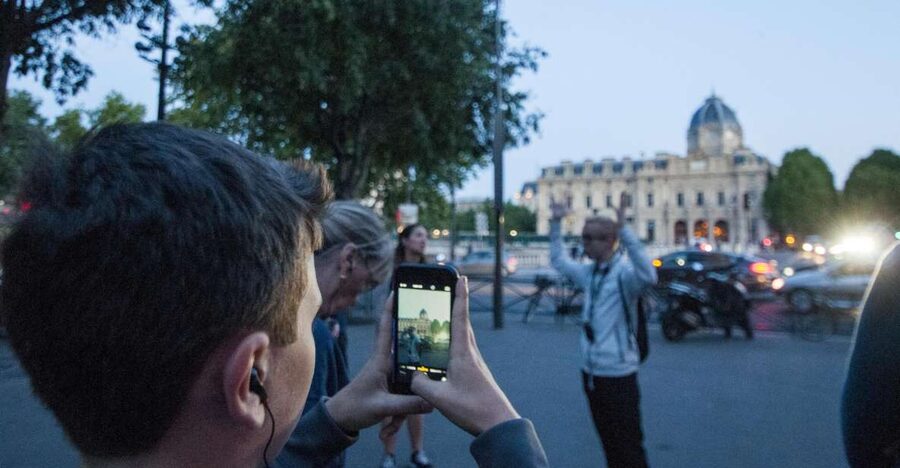
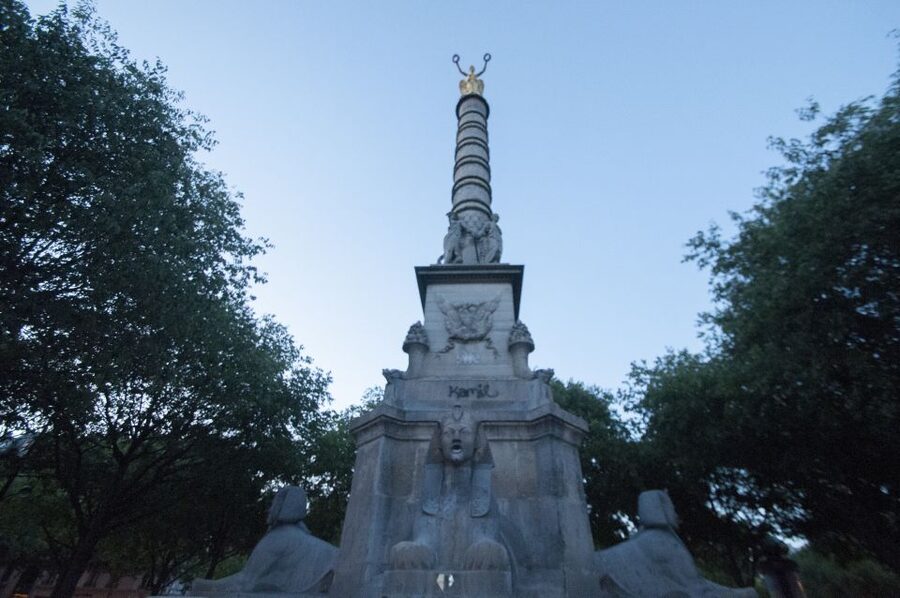
Next comes the Fontaine de la Croix-du-Trahoir, where you’ll have a photo stop plus guided story time. Small fountains in Paris can look like decoration until you connect them to events and local memory. That’s what the guide helps you do.
Why this matters for your experience: it breaks up the heavier stops with something more visual and lighter to hold in your mind. You’re still in the same dark theme, but the tour gives you a reset point.
If you take photos, this is the moment to do it. Your guide will likely keep the group moving at a comfortable pace, and you’ll want at least one clear shot while you’re standing still.
Fontaine des Innocents: a grim landmark you can actually see
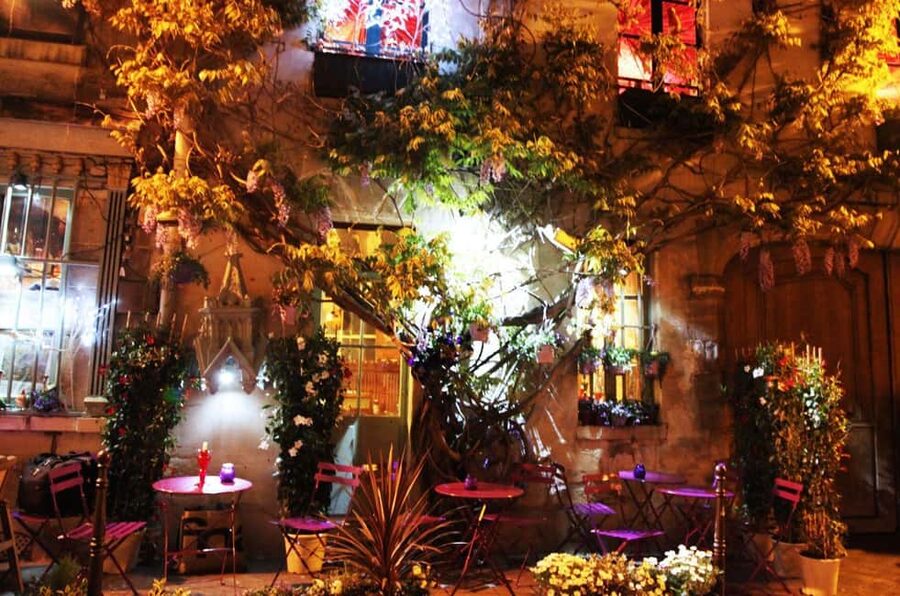
You visit the Fontaine des Innocents. This stop fits the tour’s goal perfectly: you see an iconic Paris structure, then hear why it ties into darker stories.
The value here is not just the fountain itself. It’s the idea that Paris has built-in reminders everywhere—water features, bridges, streets—that can carry uncomfortable meaning. You’ll walk away noticing these details for yourself on the rest of your trip.
St-Jacques Tower: where the city’s past looms
You’ll have another guided moment at Saint-Jacques Tower. It’s a place where you can feel the age of the city without needing a museum ticket.
This stop is also useful if you like atmosphere. Towers and high stone landmarks change how you interpret everything around them. You’ll start to see the routes and power centers the guide is pointing at—who held authority, who got targeted, and how punishment played out in public spaces.
If you’re prone to getting tired on walking tours, this is still a good stop because you can look around while your guide handles the story.
Conciergerie: Marie Antoinette’s imprisonment makes it personal
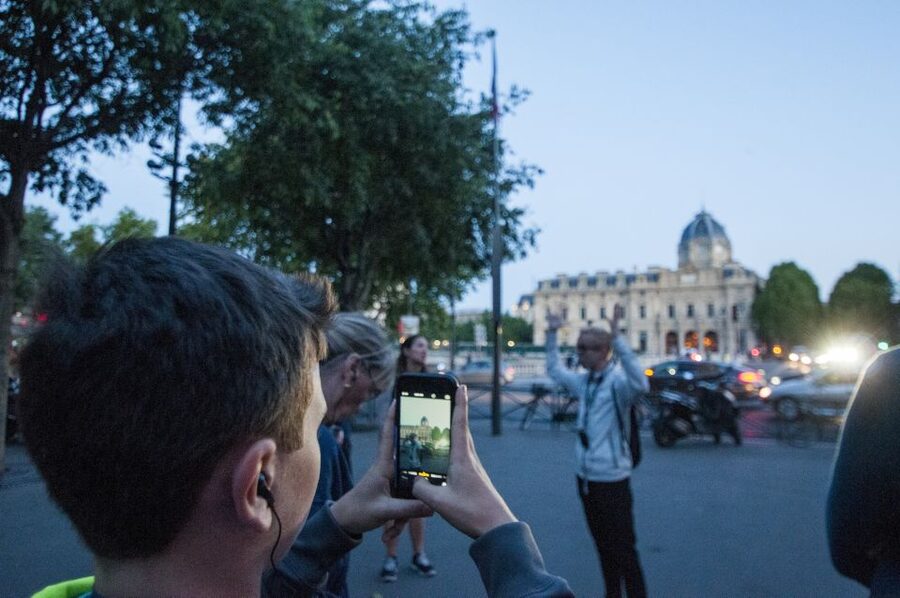
The Conciergerie is a major highlight. You get a visit and guided tour here, and this is the stop explicitly tied to Marie Antoinette’s imprisonment.
This is where the whole “ghosts and legends” framing turns into something grounded. You’re not only hearing about the city’s violent reputation—you’re hearing about a real person caught in the machinery of revolution and justice.
Even if the details you hear are uncomfortable, that’s part of why this tour is worth doing. Paris has plenty of romance. Here, you see how quickly romance can turn into trial, confinement, and punishment.
Île de la Cité and Palais de Justice: law, power, and consequence
You’ll reach Île de la Cité for a photo stop and a visit. Then you’ll walk and pass by the Palais de Justice, Paris.
This part works because it ties the evening together. The earlier stops focus on executions, massacres, and famous figures. Here, the route points to where law and authority operated—places that shaped the lives (and deaths) of ordinary people.
If you want to connect the dots between the stories you heard—Templars, massacres, monarchy—this is where you feel the city’s “system” instead of only the isolated events.
Price and walking value: what $15 buys you at night
This tour costs $15 per person for about 2 hours with an expert English-speaking guide. For central Paris evening entertainment, that’s strong value—especially because you’re paying for guided interpretation, not just access to a site.
What you should think about before you book is the type of value you want:
- If you want deep storytelling at low cost, this is a good deal.
- If you want lots of stops inside museums with long time in each place, the time may feel tighter.
Also, because it’s a walking tour, the “cost” is partly physical. Plan for cobblestones, curb cuts, and nighttime walking. Bring comfortable shoes and be ready to keep moving.
Who should book this Paris ghosts and mysteries walk
Book it if you:
- love dark legends but also want real historical anchors
- enjoy hearing famous figures placed in the street context where they lived, ruled, or were punished
- want an “at night” activity that’s not just another bar crawl
Skip it if you:
- need a wheelchair-friendly route (this one can’t accommodate wheelchairs)
- rely on strollers or baby carriages (those aren’t allowed)
- want a calm, low-walking evening
One more honest note: the pacing is meant to keep the story flowing. Some people like ghost walks because they’re mostly standing and chatting. This one is built around movement, and your feet will know it.
Guides, storytelling style, and the group vibe
The big strength is how the guide tells the stories. Many people highlight that guides are engaging, sometimes funny, and very clear with the historical thread. Names that have shown up with strong praise include Natalie, Aya, Sophia, Rimi, and Ami.
That matters because dark subject matter can get dull if it’s delivered like a lecture. Here, the guide’s job is to keep the group interested while staying focused on location-based facts. If you like a guided performance that still stays rooted in place, this is the right format.
Should you book Paris Ghosts, Legends & Mysteries?
Yes—if you want a memorable first-night (or second-night) experience that gives you a different lens on Paris. For $15 and two hours, you get a guided route that connects famous names like Marie Antoinette to real sites such as the Conciergerie, plus grim turning points tied to places around Île de la Cité and Saint-Germain-l’Auxerrois.
I’d only think twice if you’re sensitive to violent history or if you already have heavy walking planned that day. If your legs are fresh and you’re curious about the city’s darker side, this is exactly the kind of night activity that makes Paris feel bigger than the postcards.
FAQ
How long is the Paris Ghosts, Legends & Mysteries Evening Walking Tour?
The tour runs for about 2 hours.
What does it cost?
It’s listed at $15 per person.
Where do I meet the guide?
Meet at the equestrian statue of Henri IV in the middle of Pont Neuf at the western end of Île de la Cité.
What’s the nearest metro station?
The nearest metro stations listed are Pont Neuf (7) or Cité (4).
What’s included in the price?
You get an English-speaking expert guide.
What’s not included?
The tour does not include hotel pickup and drop-off.
What language is the tour in?
The tour is offered in English.
Is the tour wheelchair accessible?
No. It’s unable to accommodate wheelchairs or guests needing special assistance.
Can I bring a stroller or baby carriage?
No. Baby strollers and baby carriages are not allowed.
What are some of the key stops?
You’ll visit places including the Conciergerie (linked to Marie Antoinette) and see sites such as Saint-Germain-l’Auxerrois and Fontaine des Innocents.
What’s the cancellation and payment option?
You can cancel up to 24 hours in advance for a full refund, and there’s a reserve now, pay later option.