REVIEW · PORTO
Porto: Historic City Center Walking Tour
Book on GetYourGuide →Operated by Porto Xperience Tours · Bookable on GetYourGuide
Porto on foot feels like flipping through a photo album. This 3-hour historic city center tour puts you on a tight route to the big sights—from the cathedral area to São Bento Station’s famous azulejo tiles—while a local guide helps you understand how Porto became Porto. I like the focus on real neighborhoods (not just showy stops), and I like that the guide connects street corners to stories you can still see in the architecture. One consideration: it’s an active walking tour on uneven old streets, so bring solid shoes and expect a lot of on-your-feet time.
You’ll meet your guide near the cathedral (Terreiro da Sé SE), stroll through narrow lanes and tiled houses, pause for the major landmarks, then finish around Avenida dos Aliados. The tour runs in Spanish, English, German, Portuguese, and French, and it works well as a first visit plan because it gives you context fast—plus it ends in a lively central spot where it’s easy to keep exploring on your own.
In This Review
- Key highlights that make this walk worth it
- A 3-hour route that ties Porto’s streets to its stories
- Starting at Terreiro da Sé: quick orientation before you start wandering
- São Bento Station’s azulejo wall: a stop you should really slow down for
- A possible snag
- Avenida dos Aliados: where you regroup and reset
- Livraria Lello and the medieval street maze: where Porto gets personal
- The Douro River walk and hill neighborhoods: charming views without the pressure
- What to watch for
- Cordoaria’s Garden: a calmer finish with fragrant flowers
- Guide style and group size: what to expect in the real world
- What you should bring (and what you should leave behind)
- Price and value: is $33 a fair deal?
- Should you book this Porto historic city center walking tour?
- FAQ
- How long is the Porto Historic City Center Walking Tour?
- How much does the tour cost?
- Where does the tour meet?
- What are the main stops included in the tour?
- Is food and drinks included?
- What languages are the live guides available in?
- Is the tour private or small groups?
- Is free cancellation offered?
- Can I reserve now and pay later?
- What should I bring, and is luggage allowed?
Key highlights that make this walk worth it
- São Bento Station tiles: plan on time to actually look, not just snap photos
- A guide who tells Porto as a story: you’ll hear why places look the way they do
- Historic lanes and tiled facades: narrow streets, old wall remains, and craft shops
- Riverside energy on the Douro: you’ll walk beside the river and see hill neighborhoods like Pena Ventosa and Vitória Hill
- Livraria Lello stop: one of the best-known bookstores in Porto, right in the middle of the old city
A 3-hour route that ties Porto’s streets to its stories
This tour is built for a specific kind of traveler: you want a strong orientation in a short time. In three hours, you cover the city center’s most recognizable anchor points, but the experience isn’t just checklist sightseeing. The guide’s job is to help you connect what you see—tiles, medieval walls, hill neighborhoods, and formal avenues—to the way Porto has grown and changed.
At $33 per person, the value comes from the combination of (1) a guided route and (2) time spent at high-impact stops like São Bento Station and the historic lanes. If you were to do the same plan alone, you’d still need to figure out what’s worth noticing and where the connections are. Here, that context is already threaded into the walk.
You can also read our reviews of more walking tours in Porto



Starting at Terreiro da Sé: quick orientation before you start wandering
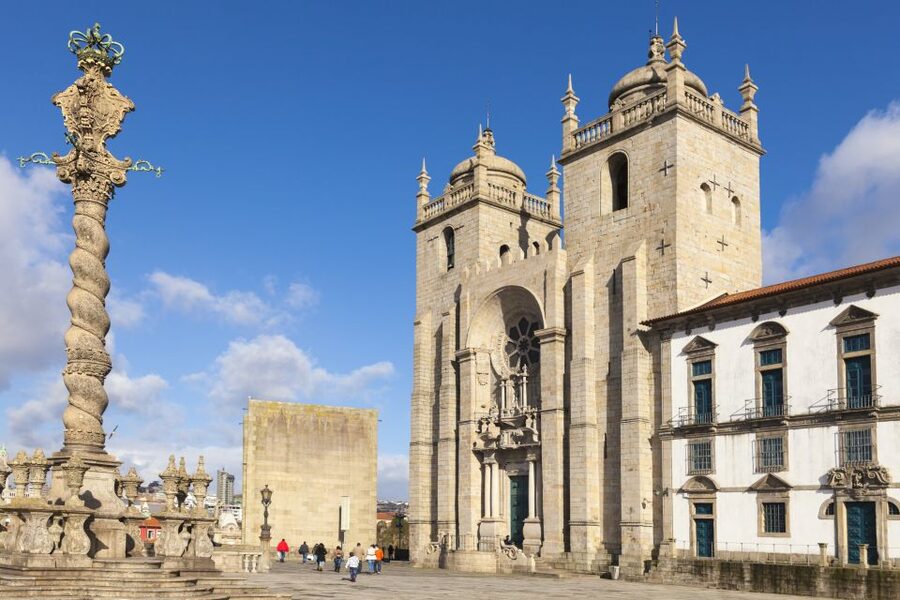
You’ll start around Terreiro da Sé SE, meeting your guide near the cathedral area. This is a smart place to begin because it puts you in the heart of the historic center right away. The tour doesn’t waste time with far-off logistics; it gets you moving through the old fabric of Porto.
The first stretch matters because it sets your rhythm for the day. Expect narrow streets where you’ll occasionally need to slow down to keep an eye out for small details—especially the tiled building fronts and the remnants of older city structure. This is also where you’ll start to feel the contrast between grand landmarks and the smaller, maze-like passages that connect them.
Practical note: this is not a tour for luggage. Large bags aren’t allowed, so travel light.
São Bento Station’s azulejo wall: a stop you should really slow down for
One of the most memorable parts is the visit to São Bento Train Station. The big draw is the wall of tiles—Porto’s visual identity, turned into something you can read from a distance. Even if you’ve seen photos before, it’s a very different experience in person. Up close, you notice the density of the artwork and how the station becomes both functional and decorative.
The tour gives you a guided look and a chance to understand what you’re seeing. That matters here, because without context it’s easy to treat it like a photo backdrop. With a guide, you’re more likely to clock the details and appreciate why these tiles are such a signature of Portuguese urban life.
A possible snag
São Bento is also a working station, so crowds and movement can change the feel of your stop. The tour keeps it efficient, but you’ll still want to plan on standing and looking for a bit—bring patience, and you’ll get more out of it.
Avenida dos Aliados: where you regroup and reset
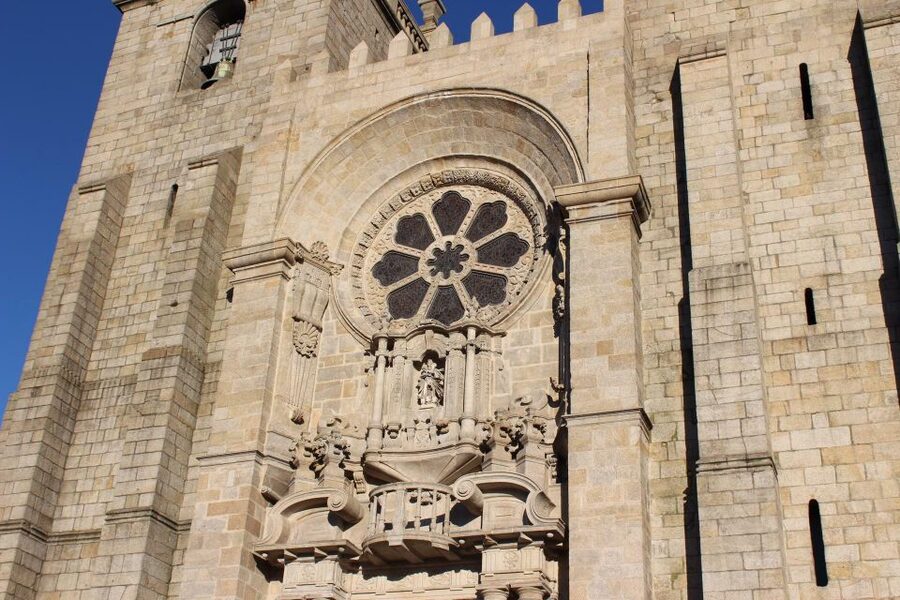
After you work through narrow streets and historic pockets, you reach Avenida dos Aliados—a major avenue that feels more open and formal than the lanes. It’s the kind of place where your brain finally goes, ah, now I understand the map.
On this tour, it’s both a checkpoint and a finish point. You’ll get a visit there during the walk, and you’ll end at the same central area. That’s convenient because it reduces the problem of figuring out where to head next. Once you’re done, you’re dropped in an easy-to-navigate spot for food, cafés, and continuing strolls.
The avenue also works as a contrast stop. Old Porto is made of twists and tight turns; Aliados gives you a wider view of how different the city center can feel within minutes.
You can also read our reviews of more city tours in Porto


Livraria Lello and the medieval street maze: where Porto gets personal
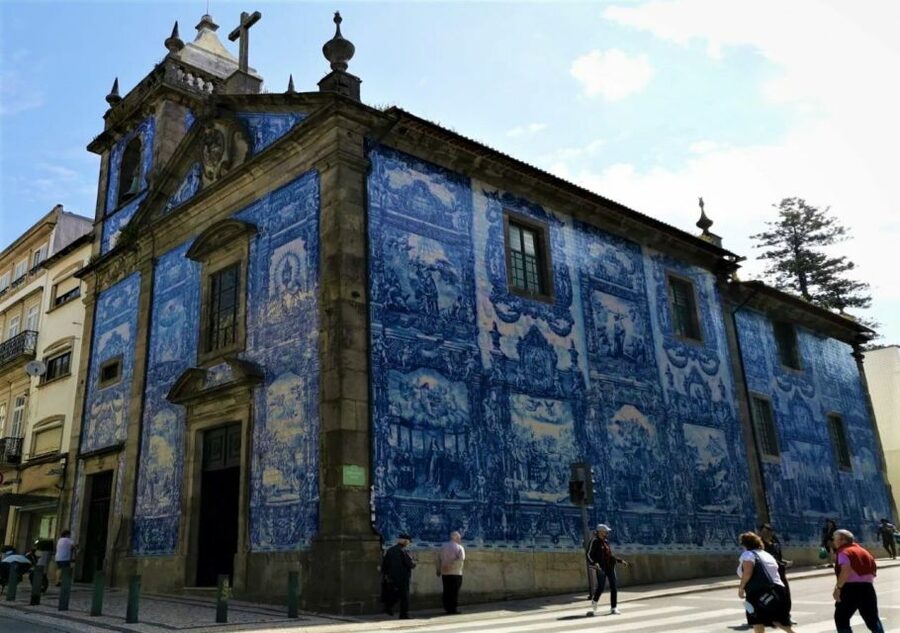
A big chunk of the charm is simply moving through the older neighborhood. You’ll pass through historic streets with tight turns, and you’ll see the remains of medieval city walls—a reminder that this area evolved over centuries and wasn’t built all at once.
Then comes the Livraria Lello stop. The tour frames it as one of the world’s most beautiful bookstores, and the practical reason for including it is location. You’re not making a detour; you’re visiting it in the middle of the old-city walking flow, so it feels like part of the neighborhood rather than a standalone attraction.
As you go, you may also spot:
- Tiled houses with striking facades
- Artistic shops focused on local crafts
- Passages that feel like mini corridors through history
The reason this section works so well is simple: it gives you Porto at walking speed. When you’re between major sights, that’s when you start noticing the character—like the way tilework repeats across building fronts, or how craft shops cluster in areas where foot traffic is naturally high.
The Douro River walk and hill neighborhoods: charming views without the pressure

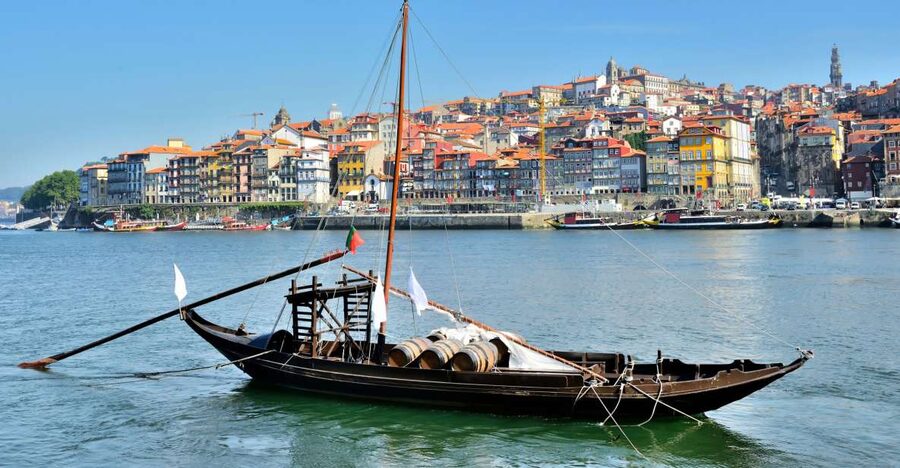
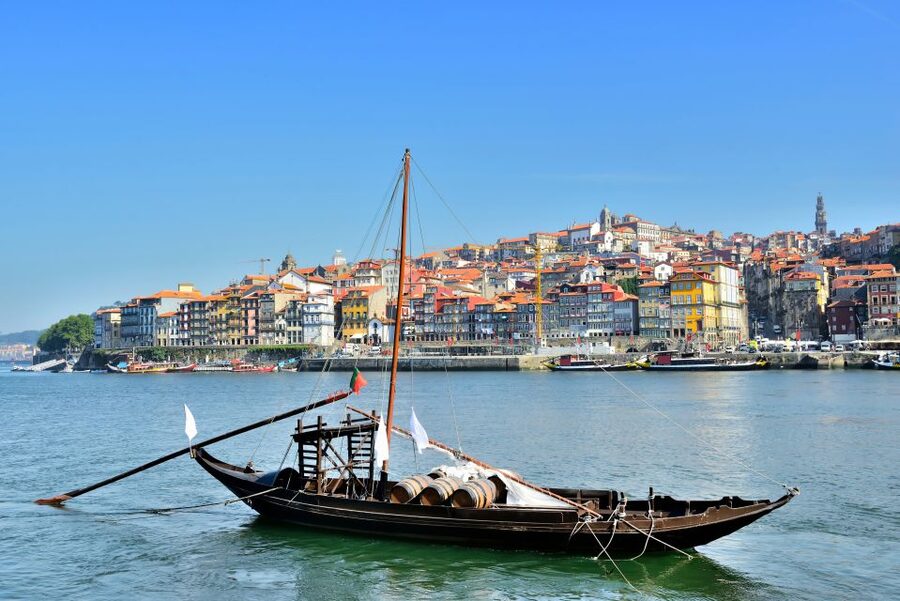
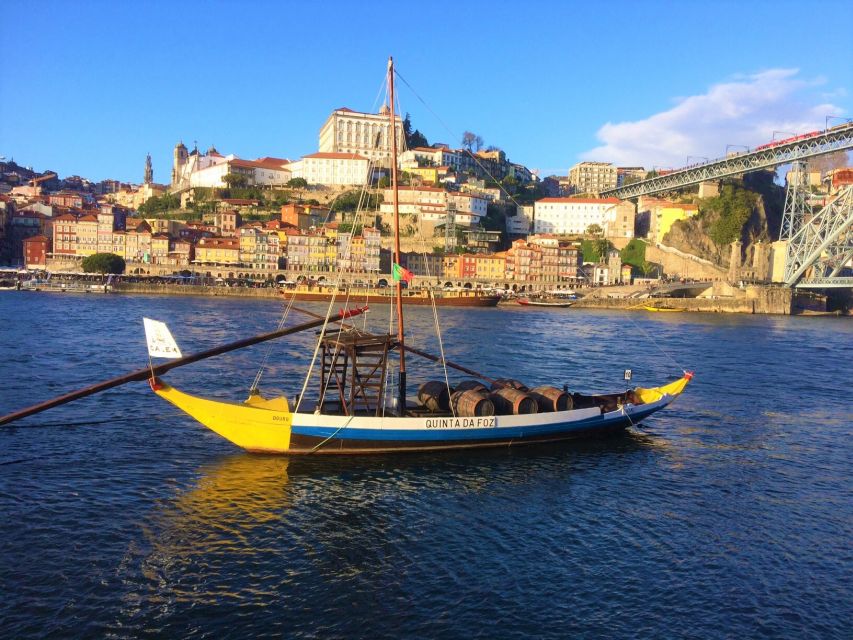
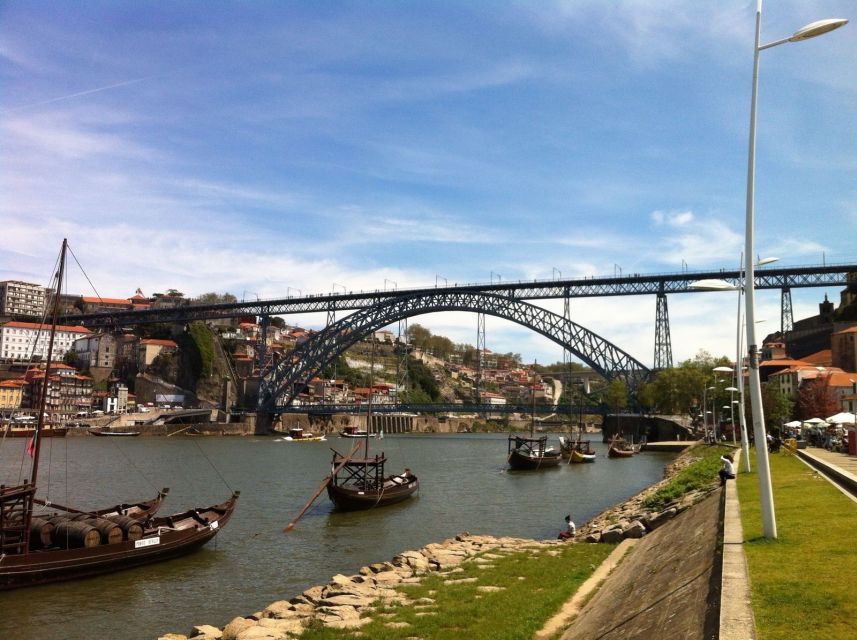
Another key part of the experience is walking beside the River Douro and discovering nearby areas such as Pena Ventosa and Vitória Hill. This is where Porto shifts from “look at monuments” to “feel the geography.” Hills and river access shape how neighborhoods sit and how people move through the city.
You also get the sense of the day-to-day Porto vibe—especially around areas like Ribeira, which the tour highlights for its hustle and bustle. Even if you don’t plan to spend hours there afterward, a riverside stretch gives you context for why Porto’s center has always been a meeting point.
What to watch for
This part of the walk can involve more physical effort than the flat-street moments. If you’re visiting in warmer weather, wear breathable clothes and take the small pauses your guide offers—those breaks make the whole tour more comfortable.
Cordoaria’s Garden: a calmer finish with fragrant flowers
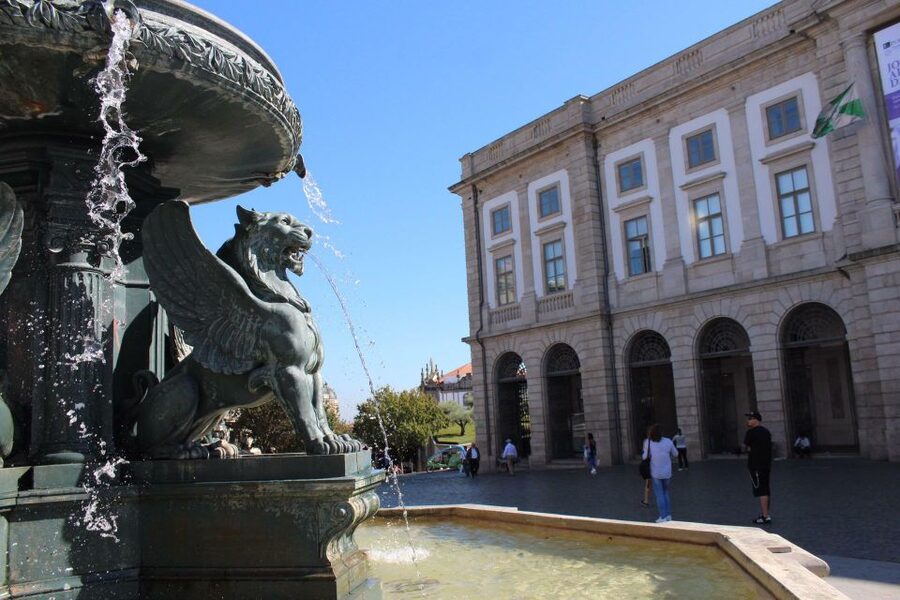
The tour includes Cordoaria’s Garden, a guided stop that’s described as 19th-century gardens with fragrant flowers. This is a nice palate cleanser after hours of streets and sights. Even if you’re not the type to slow down in parks at home, gardens like this are useful on a city walk because they let your mind reset.
And it helps that you finish the tour near Avenida dos Aliados. You’re not stuck wandering back to your start point. You end in a central zone where it’s easier to turn the walk into a full day, whether you want more riverside time, a museum detour, or a relaxed café break.
Guide style and group size: what to expect in the real world
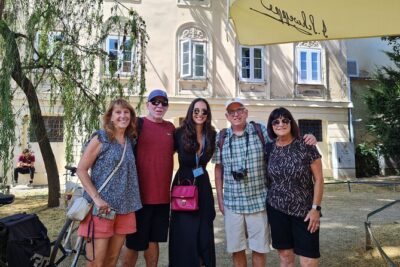
This tour runs with a live guide, available in Spanish, English, German, Portuguese, and French. The big theme in the experience is guide energy—people consistently highlight guides who bring stories, answer questions, and keep the pace friendly.
You might get a guide such as Barbara, praised for being enthusiastic and easy to talk to, or Daniel, noted for being informative and engaging. There are other strong names tied to this walk too—Ricardo, Pedro, Mia, Melissa, Magda, Marta, Ana, and Rosa—and the consistent thread is that the guide treats the walk like a guided storytelling route, not a lecture.
Group size matters. Small groups and private options are available, and that usually translates to better hearing and easier visibility when the guide points something out. One real-life issue that can come up is simply not spotting your guide quickly at the start. If you’re booking a departure time when lots of tours cluster near the cathedral square, arrive a few minutes early and keep an eye out for your guide’s group.
What you should bring (and what you should leave behind)
Come prepared for a walking route through older streets. The essentials:
- Comfortable shoes
- Comfortable clothes
And leave the heavy stuff:
- No luggage or large bags
Also, this tour isn’t suitable for people with mobility impairments. The combination of uneven streets and pacing means it’s not built for wheelchairs or reduced mobility, based on what the activity specifies.
Price and value: is $33 a fair deal?
Let’s talk value honestly. At $33 per person for about 3 hours, you’re paying for a guided route that hits multiple major center landmarks in one coherent plan. The inclusion list matters: you get a guide, plus visits tied to São Bento Train Station, the historical neighborhood, and Avenida dos Aliados.
If you’re the kind of traveler who enjoys learning while walking, this price usually makes sense because the guide helps you notice details you’d miss alone—especially at São Bento, where the tiles are the main event. If you’re mostly in scan-and-go mode and you don’t want a guide, you might find the cost less appealing.
But as an orientation tool for Porto, it’s a strong first-day option. It’s hard to beat a short guided walk that helps you plan what to do next without spending hours researching.
Should you book this Porto historic city center walking tour?
Book it if:
- You want a first-time Porto orientation and a tight route through the most important center sites
- You care about understanding what you’re seeing, not just collecting photos
- You like small-street walking plus major-photo stops like São Bento Station
Skip it (or at least rethink) if:
- You need a low-walking, step-free route
- You’re traveling with luggage or bulky bags
- You’d rather wander without a structured guide
My practical take: if you have only a day (or half a day) to get your bearings, this is the kind of tour that saves you time later. It gets you out of confusion fast, helps you see Porto’s character in tiles and street patterns, and ends you in a central location where you can keep the day going.
FAQ
How long is the Porto Historic City Center Walking Tour?
The tour lasts 3 hours.
How much does the tour cost?
The price is listed as $33 per person.
Where does the tour meet?
The meeting point may vary depending on the option booked, but it is associated with the Terreiro da Sé SE area near the cathedral.
What are the main stops included in the tour?
The included stops are São Bento Train Station, the historical neighborhood, and Aliados Avenue (Avenida dos Aliados).
Is food and drinks included?
No. Food and drinks are not included.
What languages are the live guides available in?
The live tour guide is available in Spanish, English, German, Portuguese, and French.
Is the tour private or small groups?
Private or small groups are available.
Is free cancellation offered?
Yes. You can cancel up to 24 hours in advance for a full refund.
Can I reserve now and pay later?
Yes. The option is reserve now & pay later, with payment not due today.
What should I bring, and is luggage allowed?
Bring comfortable shoes and comfortable clothes. Luggage or large bags are not allowed.