REVIEW · BELFAST
Belfast: A History of Terror Walking Tour
Book on GetYourGuide →Operated by DC Tours · Bookable on GetYourGuide
This walk puts Belfast in context. What I like most is the 800 years of context and the audio headsets that keep the story clear even when Belfast weather turns. The main consideration: it is English-only, so you’ll want a solid level of English to catch all the detail.
You start right where the story of modern Belfast feels official and grounded: the front gates of Belfast City Hall on Donegall Square North. The route is only about 1.5 miles, and it’s flat city-centre walking—so this is about mental stamina, not hill climbing. Over 2.5 hours, you move through major locations tied to the Troubles, then end with reflection on how peace and reconciliation have changed Belfast.
I also appreciate that this is not sensational. The framing is balanced and empathetic, with human stories alongside the political timeline. That mix makes it a tour for people who want answers to the why, not just a few photos and a quick pass through the city.
In This Review
- Key highlights to know before you go
- What makes this Belfast walk hit harder than “just sightseeing”
- Belfast City Hall to the Forgotten Troubles Memorial: how the route works
- Stop-by-stop: what you’ll actually see and learn
- Stop 1: Belfast City Hall as your starting point
- Stop 2: A major Troubles-era bombing or attack site
- Stop 3: Another city-centre attack location
- Stop 4: Yet another bombing/attack stop in the centre
- Stop 5: Former security cordon location
- Stop 6: Another former security cordon stop
- Stop 7: A further security-related location
- Stop 8: Memorial and reflection points
- Stop 9: Forgotten Troubles Memorial
- Stop 10: Closing reflection on peace and regeneration
- The guides at DC Tours: local perspective plus careful balance
- Emotional weight, but respectful pacing
- Price and value: what $35 gets you in Belfast City Centre
- Weather, language, and who this tour fits best
- Should you book? My practical call
- FAQ
- How long is the Belfast History of Terror walking tour?
- Where do I meet for the tour?
- What does the tour cost?
- Is the tour wheelchair accessible?
- What language is the tour in?
- What should I wear or bring?
- Is it suitable for children?
- What if it rains?
Key highlights to know before you go
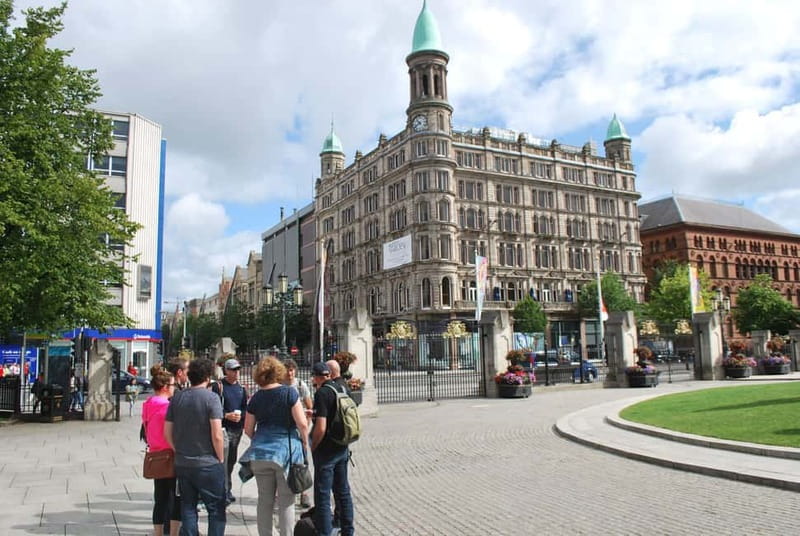
- City Hall start, strong historical grounding that explains how centuries of divisions fed into the Troubles in the 1960s
- Audio headsets included, so you can actually follow the guide at every stop
- Major Troubles-era sites in the city centre, explained with the civilian impact front and center
- Former security cordon locations, helping you picture daily life under fear and control
- Forgotten Troubles Memorial, with a focus on challenges that didn’t disappear overnight
- Local, trained guides at DC Tours, delivering the story with clarity and sensitivity
What makes this Belfast walk hit harder than “just sightseeing”
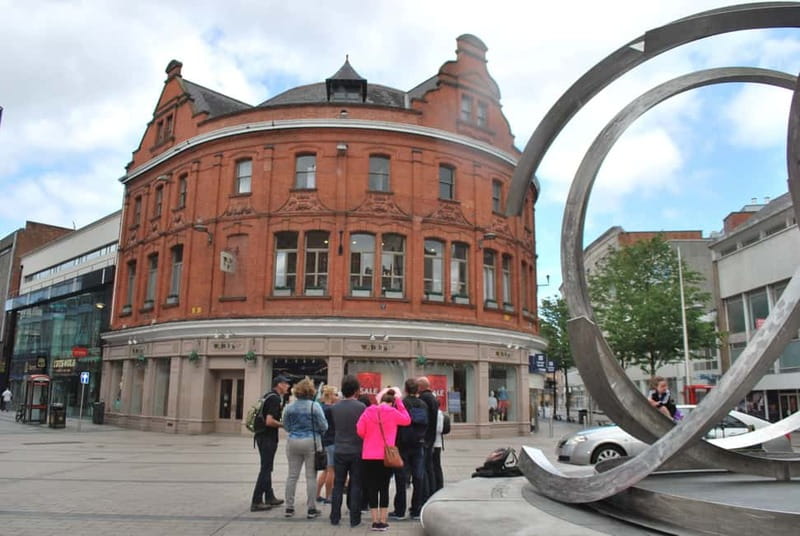
If you only do highlights tours in Belfast, you’ll miss the logic underneath the headlines. This one is built like a guided lesson, using the city streets as your timeline. You’ll hear why Belfast became a centre of conflict, how political and religious divisions grew, and how those pressures turned into violence that shaped normal routines.
The tone matters here. The tour keeps things balanced and careful, so the goal is understanding—not shock. You’ll get context about the roles of the British Army, paramilitary groups, and the police, but the emphasis stays on human consequences: civilians, businesses, and public spaces that had to function while fear sat close by.
And yes, there’s some light touch too—small moments of humour that don’t erase the seriousness, but help the story stay human. That balance is one reason people leave saying they feel they finally “get” Belfast beyond stereotypes.
You can also read our reviews of more walking tours in Belfast

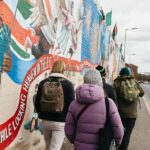
Belfast City Hall to the Forgotten Troubles Memorial: how the route works
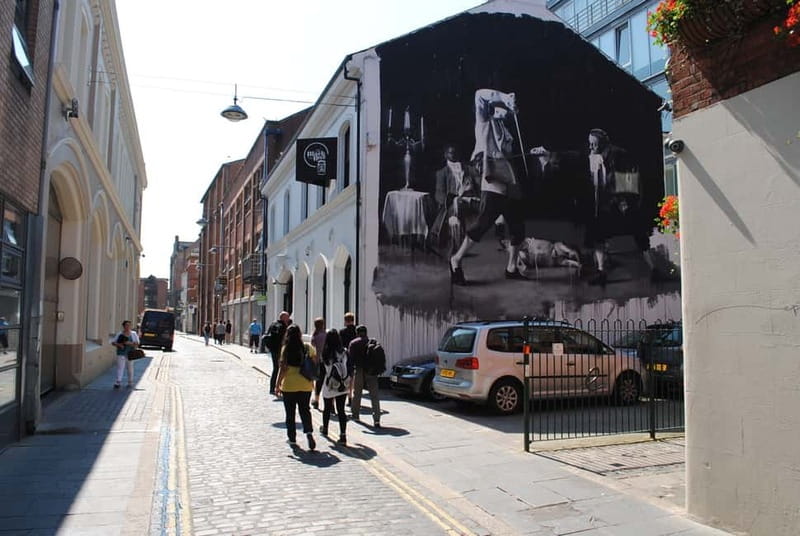
This tour is 2.5 hours long, centered on a walk of about 1.5 miles. That’s a sweet spot for most schedules: long enough to build understanding, short enough that you still have energy for dinner after. The city centre is completely flat, with no hills or steps involved, which makes it easier if you have mobility limits.
You’ll also get audio headsets, which is a big deal on busy sidewalks. It means you’re not forced to constantly crane your neck or miss key parts when you stop for photos. You can listen and focus—exactly what you want for a tour about events that require attention.
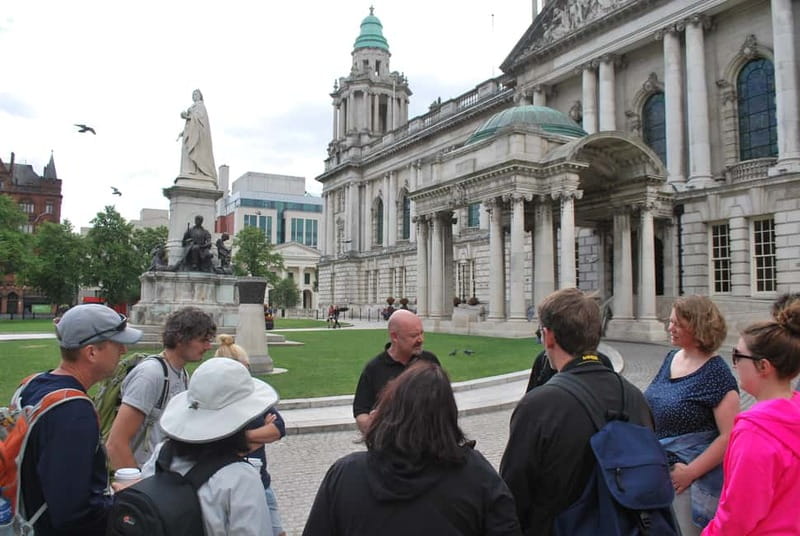
Meeting point is clear: the front gates of Belfast City Hall, Donegall Square North. Arrive about 10 minutes early, because you’ll want a calm start before the guide sets the scene and begins placing you on the timeline.
Stop-by-stop: what you’ll actually see and learn
The full walk includes 10 stops across the city centre. Some stops are about major attacks and bombings; others are about the security environment that surrounded everyday life; and the later part shifts toward remembrance and reconciliation. Since several sites are described in the tour plan as city-centre locations (rather than museum interiors), you’ll often be standing in the open—watching the city function the way it does now while the guide explains what life and fear looked like then.
Stop 1: Belfast City Hall as your starting point
City Hall isn’t just a landmark. It’s a natural way to begin because it signals governance, public life, and the idea that politics affects real streets. You’ll get the introduction and historical context here—how centuries of division can set the stage for conflict that looks sudden from a distance, but isn’t.
What makes this stop useful: it helps you build the “why” before the “what,” which makes later stories easier to follow without getting lost.
Stop 2: A major Troubles-era bombing or attack site
From there, you move to city-centre locations tied to major bombings and attacks. The goal isn’t to sensationalize damage. It’s to connect those incidents to civilian impact—what happened to businesses, public spaces, and the sense of safety in daily routines.
Practical tip: keep your phone away for a minute. This is one of those tours where listening first helps the photos make sense later.
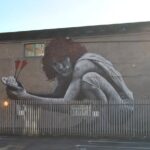
Stop 3: Another city-centre attack location
You’ll revisit the pattern: explain the event, then connect it back to how fear shaped normal life. By the time you’re at the next attack site, you should already feel the guide weaving the broader cause-and-effect threads.
Potential drawback: if you are sensitive to violent history, plan a mental slow-down at this point. The tour handles topics thoughtfully, but the subject matter is heavy.
Stop 4: Yet another bombing/attack stop in the centre
This is where repetition helps, not because the story repeats, but because the guide keeps bringing you back to the human reality. Expect emphasis on how political violence spills into ordinary civilian life and changes the tone of public space.
If you’re a first-time visitor to Northern Ireland history, this section is the one that teaches you how the Troubles stopped being a distant conflict and became Belfast’s lived environment.
Stop 5: Former security cordon location
Now the tour shifts to the security layer: cordons, restrictions, and the way control can become part of the scenery. You’ll stand where the guide describes security presence, then link it to how fear and control coexisted with the idea of normalcy.
Why this matters: lots of people remember events, but fewer people picture how constant security shaped movement, routine, and stress.
Stop 6: Another former security cordon stop
This stop builds your picture of what it meant to live under tension for years. You’ll hear how fear shaped how people acted, how the city tried to keep functioning, and how everyday life didn’t pause even when violence escalated.
If you’re walking with family or friends: this section is where it helps to stay close, since you’ll likely want to look at the guide and the street context together.
Stop 7: A further security-related location
You’ll keep connecting the dots between the security system and the violence cycle. The tour’s balanced approach helps you understand why multiple groups are part of the story—without turning the walk into a shouting match between arguments.
Tone check: the guide stays empathetic, with survivor stories and personal insight offered in a careful way.
Stop 8: Memorial and reflection points
At this stage, the tour begins to steer toward reflection—how remembrance works in a city where conflict wasn’t only historical. You’ll hear how Belfast moved from sustained unrest toward peace and reconciliation.
This stop helps if you’re trying to understand not just what happened, but what comes after: how a city learns to live with legacies you can’t simply erase.
Stop 9: Forgotten Troubles Memorial
One of the standout moments is visiting the Forgotten Troubles Memorial. The guide uses it as a chance to talk about challenges that still face the community. That forward-looking reminder keeps the story from feeling like a finished chapter.
If you’ve ever visited a memorial and felt it was just about the past, this one is different in the way it points to ongoing impact.
Stop 10: Closing reflection on peace and regeneration
The final stop ties it together: how peace was achieved through the peace process and how Belfast has regenerated since then. You’ll leave with a clearer sense of what peace looks like in a post-conflict city—practical, uneven, and still shaped by what happened earlier.
And if you want one honest takeaway: the tour doesn’t paint reconciliation as instant. It explains it as a process, with real costs along the way.
The guides at DC Tours: local perspective plus careful balance
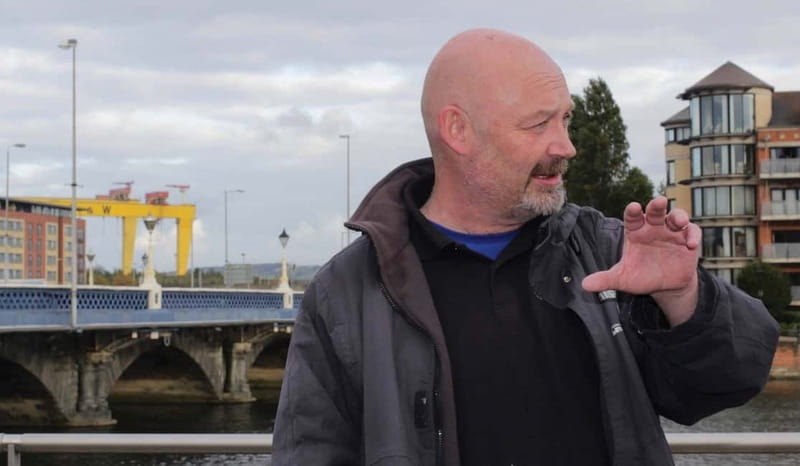
The biggest reason this tour earns such a high rating is the way it’s taught. DC Tours is locally owned, and the guides are trained to present Belfast’s past with balance, clarity, and sensitivity.
You may hear from guides such as James, Eugene, Anne, Mylie, Jim, Chris, Rory, Roisin, Steve, Paul, Miles, or Finn. Different voices, same approach: local insight, strong historical context, and an emphasis on fairness. In a conflict like this, that matters. It’s easy to get pulled into one narrative—this tour tries to keep multiple pieces of the puzzle in view.
Also worth noting: the audio headsets help the guide’s pacing land. When you can clearly hear every name, date reference, and explanation, you feel less like you’re getting facts and more like you’re building understanding.
Emotional weight, but respectful pacing
This is a tour about violence, fear, and political division. Even with careful storytelling, you should expect moments that feel emotional. A few stops center survivor stories and personal insight, and those parts can land hard because they put faces to what happened.
The pacing is built to keep you steady: short enough to finish within 2.5 hours, with enough stop points that you don’t feel rushed. You also walk a flat route, which helps if your brain is already working overtime.
Practical advice: wear comfortable shoes, and take a moment to breathe during the memorial and reflection segments. If you go in expecting only a history lesson, you might miss how much the human side shapes the whole message.
Price and value: what $35 gets you in Belfast City Centre
At $35 per person, this is priced like a serious guided experience, not a casual stroll. For your money, you get:
- A local expert guide delivering the story with sensitivity
- Audio headsets so you don’t lose key parts on the move
- A full 2.5-hour guided route that uses the city centre as the classroom
- A balanced interpretation that links causes, key events, and reconciliation
I think the value is strongest for people who come to Belfast with questions. If you already know the Troubles timeline well, you may feel like you could piece it together with a guidebook. But if you don’t, a trained guide gives you the structure that stops the subject from feeling like a random list of events.
And because the walking portion is only about 1.5 miles on flat ground, the “cost” isn’t physical effort. It’s time and attention—exactly what you’re paying for.
Weather, language, and who this tour fits best
This tour runs regardless of weather. Belfast can do its thing—rain and wind included—so plan for it. A waterproof jacket is recommended, and warm clothing is strongly suggested if you’re visiting in winter. Also, bring comfortable shoes. The route is flat, but you still want your feet to be happy.
Language requirement is straightforward: it’s only available in English, and you’ll need a good standard to fully appreciate the information the guide shares.
Who it suits:
- Adults and teens who want modern Irish history with real context
- People who prefer thoughtful storytelling over sensational details
- Visitors looking to understand Belfast beyond headlines and stereotypes
Who might want to skip it:
- Children under 12 (the tour isn’t suitable for that age group)
- Anyone who is very uncomfortable with discussion of political violence and its human impacts
Should you book? My practical call
Book this tour if you want to understand Belfast, not just pass through it. The mix of long-term context, the city-centre locations, and the shift toward peace and reconciliation creates a story arc you can carry with you after you leave.
Skip it if you’re mainly seeking casual sightseeing, or if your English isn’t strong enough to follow careful detail in real time. Also think twice if violent history would seriously disrupt your day, even when it’s handled with respect.
If you’re on the fence, here’s the simplest test: if you care about the why behind Belfast’s Troubles—and what peace and regeneration actually mean—this is one of the most worthwhile ways to spend 2.5 hours in the city.
FAQ
How long is the Belfast History of Terror walking tour?
The tour lasts about 2.5 hours.
Where do I meet for the tour?
Meet at the front gates of Belfast City Hall, Donegall Square North, Belfast.
What does the tour cost?
The price is $35 per person.
Is the tour wheelchair accessible?
Yes, the tour is wheelchair accessible. The walking route is flat city-centre terrain (about 1.5 miles).
What language is the tour in?
The tour is only available in English.
What should I wear or bring?
Wear comfortable shoes and weather-appropriate clothing. A waterproof jacket is recommended if rain is likely, and warm clothing is strongly recommended in winter.
Is it suitable for children?
No. The tour is not suitable for children under 12.
What if it rains?
The tour runs regardless of the weather, so dress for rain and cold if needed.