REVIEW · MANCHESTER
Manchester: Morning or Afternoon City Walking Tour
Book on GetYourGuide →Operated by Walking Tours In · Bookable on GetYourGuide
Manchester changes fast on foot. This 1.5-hour walk is a practical way to connect the city’s past and present, from Roman and Viking footsteps to today’s music, street art, and LGBTQ+ scenes. I also like how a local guide stitches the stops together so you understand why each place matters, even when you’re just passing by on your own.
The loop hits a lot of recognizable landmarks, including St Peter’s Square and the Royal Exchange Theatre, plus areas like the Northern Quarter and Gay Village. One consideration: the route is built around major sights, so you may not see everything you’d pick if you were chasing Roman connections in specific neighborhoods like Castlefield, and some streets (especially around Piccadilly) may feel less pleasant depending on the day.
In This Review
- Key things I’d highlight before you go
- Meet outside Manchester Central Library and get oriented fast
- St Peter’s Square: where the whole city feeling starts
- Royal Exchange Theatre: the shift from market life to modern Manchester
- Mediaeval Quarter, plus the story of Vikings and Romans
- Street art and suffragettes: how the city speaks through people
- Gay Village and Northern Quarter: culture you can walk through
- Hidden treasures, but make it practical
- How long it takes, and what pace to expect
- Wheelchair accessible, but bring the basics
- Price and value: what $18.86 buys you
- The one drawback to take seriously: the route won’t match every history obsession
- Who this tour suits best
- Should you book this Manchester walking tour?
- FAQ
- How long is the Manchester city walking tour?
- Where do I meet the guide?
- What sights are included on the walk?
- Is the tour rain or shine?
- What language is the tour guide?
- What should I bring?
- Is there free cancellation?
Key things I’d highlight before you go
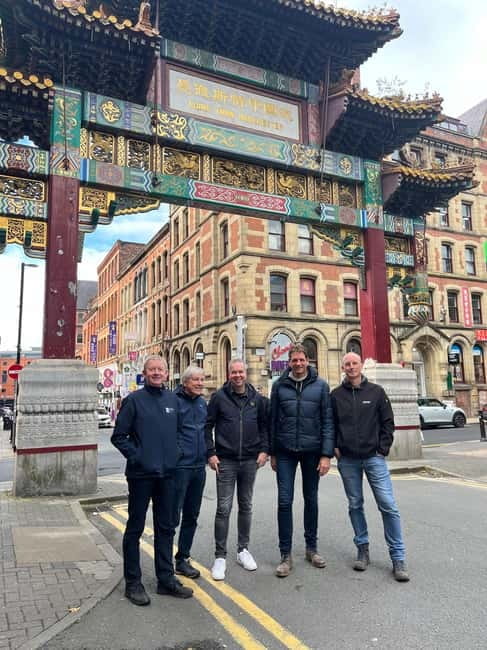
- A tight 1.5-hour route that covers central Manchester without feeling like a marathon
- A real local guide who keeps the story moving and answers questions along the way
- St Peter’s Square and Royal Exchange Theatre as your early anchor points
- Street art stops that help you notice what Manchester is saying through murals and walls
- Gay Village and Northern Quarter for a quick snapshot of modern culture and nightlife energy
- Rain-or-shine walking with the right mindset: plan for weather and wear proper shoes
Meet outside Manchester Central Library and get oriented fast
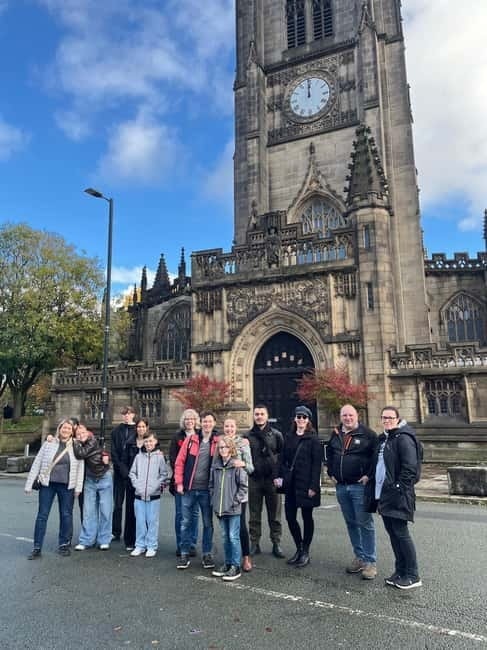
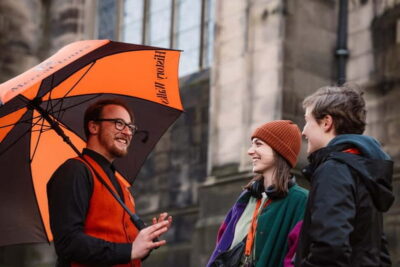
You’ll start at a very clear spot: outside the main entrance of Manchester Central Library. Your guide will be easy to spot in a bright orange jacket and/or lanyard, and you’ll head out together from there.
This kind of meeting point matters more than people think. Central libraries and big civic entrances are hard to mess up, and they help you settle into the tour quickly. Since it’s a live guide experience in English, it also means you can ask questions early, before you’ve walked too far.
The tour ends back at the meeting point. That’s a small detail, but it helps if you want to get to another plan afterward, like brunch, a museum visit, or hopping on public transport without backtracking.
You can also read our reviews of more walking tours in Manchester



St Peter’s Square: where the whole city feeling starts
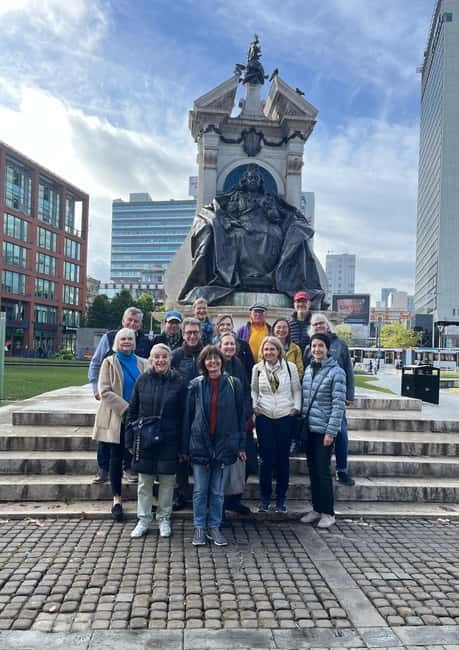
The first major stop on your walk is St Peter’s Square, a central public space that works like a hub. Even if you don’t know the dates yet, you’ll understand the city’s rhythm here: crowds move through, buildings loom, and the square gives you a reference point for the rest of the route.
What I like about starting here is that it sets context fast. Your guide can connect earlier Manchester foundations to what you’re seeing now—so later stops don’t feel like random sightseeing stops lined up in a row. This is where the tour’s tone becomes clear: Manchester isn’t a single story. It’s a sequence of eras layered on top of each other.
And because it’s a walking tour, you get that advantage you miss with buses: you can look up, glance around, and notice the way streets funnel people toward major buildings.
Royal Exchange Theatre: the shift from market life to modern Manchester
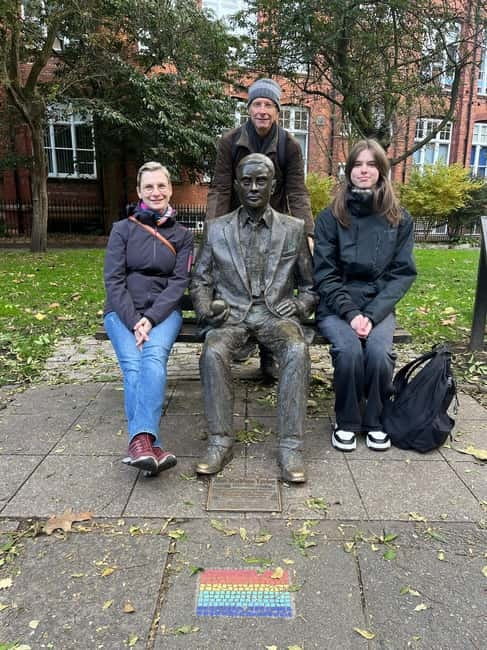
Next up is the Royal Exchange Theatre. It’s a strong stop for two reasons. First, it’s visually striking in the central city. Second, it’s a useful bridge between Manchester’s older economic life and the creative city you see today.
Your guide’s job here is to explain why the area developed the way it did, and how the industrial boom shaped what stands where. If you’ve ever wondered why Manchester feels so different from, say, nearby towns, this stop is a good place to get an answer you can actually use.
One practical tip: take a moment at this stage to slow down and look around before you keep moving. Royal Exchange is the kind of place where architecture and street alignment give you clues about how the city grew.
Mediaeval Quarter, plus the story of Vikings and Romans
The tour includes the Mediaeval Quarter, and it’s there for more than photo ops. This is where you start hearing how Manchester’s earlier chapters show up in the city layout and street logic.
The highlights also call out walking in the footsteps of Vikings and Romans, which means the guide is likely linking legends and earlier foundations to things you can still spot at street level. You’re not expected to become an expert on the spot. You’re expected to leave with a clearer mental map of why central Manchester looks the way it does.
If you love history, this part gives you enough details to follow up later on your own. If you don’t, it still works because the guide ties it to what you’re physically standing near—so the story doesn’t float away from reality.
A good mindset here: watch how stories connect, not just the individual facts. When the guide explains how one era led to another, you’ll start noticing patterns in the city as you walk.
Street art and suffragettes: how the city speaks through people
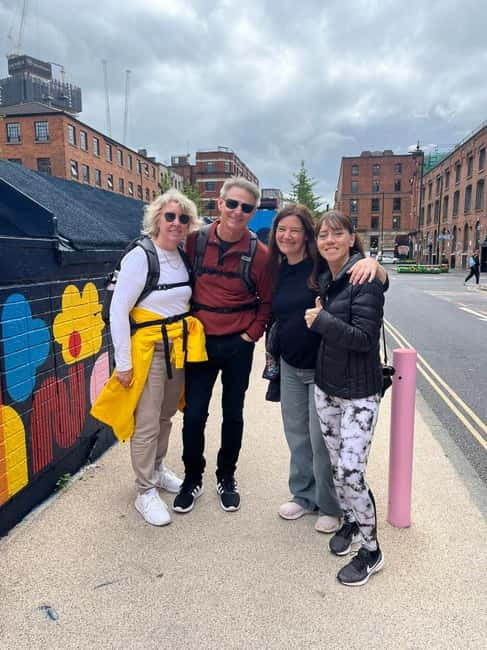
One of the best sections of this tour is the blend of social change and modern creative expression. You’ll see stops related to street art, and the tour also focuses on major people and movements like the fight for women’s rights.
This is the part where Manchester feels less like a history lecture and more like a living timeline. Street art connects to working-class identity, neighborhood pride, and modern cultural commentary. The suffragettes angle connects the dots between public protest and long-term change.
I also like that the tour frames these topics as parts of a city identity. Manchester didn’t just become what it is by luck. It grew through conflict, ideas, and community energy—then those threads show up again later in music and LGBTQ+ life.
If you enjoy learning about the city through art rather than only buildings, you’ll probably feel this as one of the tour’s most memorable sections.
Gay Village and Northern Quarter: culture you can walk through
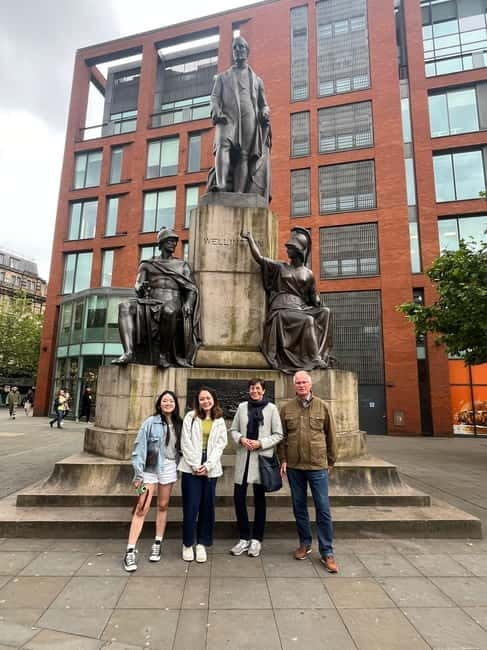
Two of the tour’s listed highlights are Gay Village and the Northern Quarter. Together, they give you a quick but meaningful cross-section of modern Manchester: style, nightlife, creativity, and the confidence of communities that shaped the city’s current reputation.
Gay Village works as more than an entertainment stop. The tour connects it to the broader LGBTQ+ scenes of today, which helps you understand why this area has a distinct vibe and how it fits into Manchester’s wider cultural story.
Then the walk moves into the Northern Quarter, an area people often visit for independent shops, street energy, and creative atmosphere. Even if you don’t plan to stay out late, it’s valuable as a neighborhood snapshot. You can feel the way the city changes tone as you shift from one quarter to the next.
This section is where your guide’s personality really helps. Names like Dave, David, Rebecca, and Sam come up with consistent themes: warm energy, humor, and an ability to make you feel like you’re getting a local’s perspective rather than reading a script. The result is you’ll likely remember the vibe, not just the stops.
Hidden treasures, but make it practical
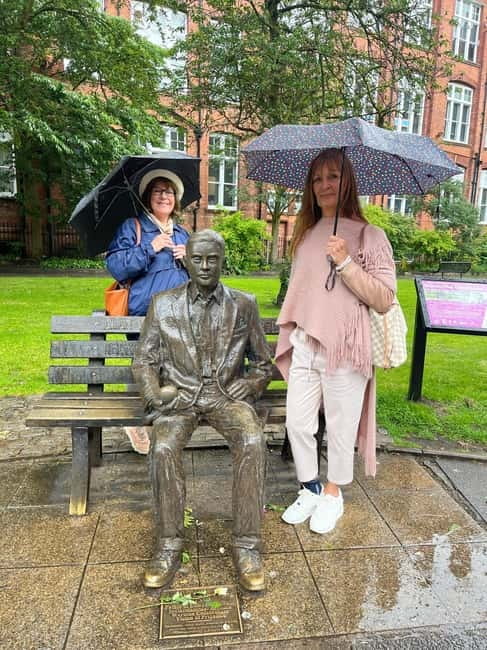
The tour promises “hidden treasures” and includes additional smaller stops along the way. The useful way to think about this is simple: you’re not only ticking off big attractions. Your guide is also pointing you toward lesser-known corners and small visual details that help the city feel personal.
This is also where walking tours beat guidebooks. A book can tell you what exists. A good guide tells you what to look for and why it’s worth noticing.
One balanced note from the experience itself: because the route aims to cover key sights in a short window, you might not cover every niche area you’d choose if you were planning a deep history day. Still, you’ll leave with enough leads to explore further on your next walk.
How long it takes, and what pace to expect
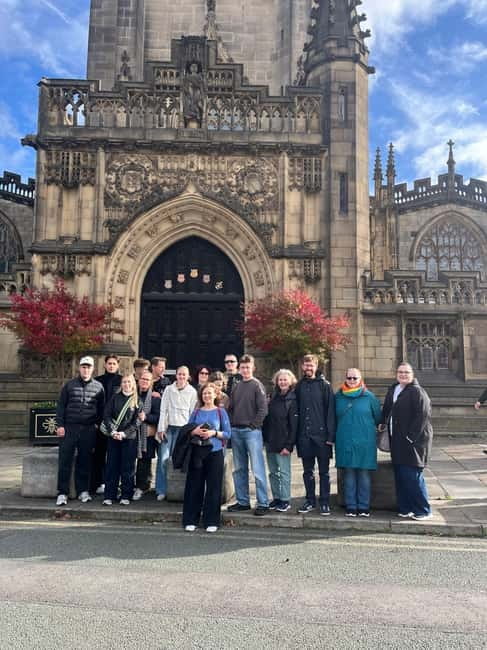
The tour lasts 1.5 hours, and you can choose a morning or afternoon time by checking availability. For most visitors, 90 minutes is a sweet spot: long enough to cover multiple neighborhoods, short enough that you don’t feel stuck.
Wear comfortable shoes. The city is walkable, but this is still a city center with pavement, crossings, and real traffic. One of the practical strengths mentioned in the feedback is that the guides help keep the group together and maintain safety through busier streets.
Also plan for weather. This tour runs rain or shine, so bring clothing that won’t leave you miserable midway through. If the forecast looks rough, prioritize traction and comfort over fashion.
Wheelchair accessible, but bring the basics
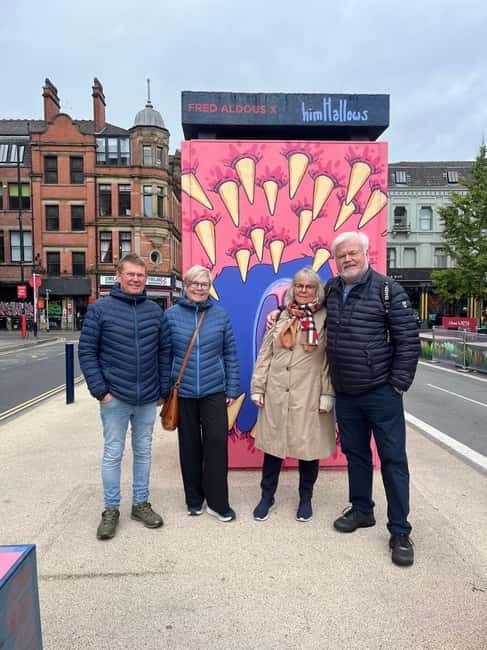
The tour is listed as wheelchair accessible. That’s a big plus for anyone who needs step-free routes or easier movement than typical sightseeing.
Your best move is still to come prepared. The tour instruction is to bring comfortable shoes and weather-appropriate clothing. If you’re using mobility equipment, it’s worth taking a moment before you meet to plan your comfort for steady walking over city surfaces.
Price and value: what $18.86 buys you
At $18.86 per person, you’re paying for one thing: time with a local guide, in a guided walking format that strings together major landmarks and cultural neighborhoods in about 90 minutes.
That can be good value because you don’t have to spend your first day in Manchester trying to figure out what’s worth seeing. You get orientation plus context—especially useful if it’s your first visit or you only have half a day.
It’s also smart for families and solo travelers. You don’t need to coordinate schedules with multiple museums. You just follow the guide, ask questions, and use the rest of your day to go deeper where you care most.
One more value angle: since the tour includes the local guide and nothing else is listed as being required, you aren’t locked into ticketed attractions. That keeps it flexible if your schedule changes.
The one drawback to take seriously: the route won’t match every history obsession
This walking loop is built for broad appeal, not for covering every single Manchester chapter. That’s why one concern you might encounter is route emphasis.
If you’re specifically chasing Roman connections, you may find the walk doesn’t focus on the exact parts of the city you’d choose for a Roman-heavy day. And if you’re sensitive to street cleanliness or don’t like busy, gritty stretches, the route may pass through areas you’d rather skip—especially around Piccadilly.
Here’s the honest way to handle that: do this tour early, learn what you like, then choose your follow-up neighborhood based on your own preferences. The tour works best as a first filter for your interests.
Who this tour suits best
This is a great fit if you want:
- A fast orientation to central Manchester
- A clear storyline connecting industrial-era changes to modern culture
- An easy way to see multiple districts without planning a complex route
It’s also a smart choice if you enjoy social history alongside street-level sights. The tour doesn’t only chase famous buildings. It also connects Manchester’s identity to movements like women’s rights and to how art and community shaped what you see today.
Should you book this Manchester walking tour?
Yes, I’d book it if you want a solid, guided overview of Manchester in a short window. The $18.86 price is reasonable for the amount of ground covered and for the value of having a local guide connect eras for you—especially if you don’t want to spend your day assembling a route from scratch.
I would hesitate only if you’re chasing very specific history stops (for example, you want a Roman-focused itinerary) or you know you’ll be unhappy walking through busier, less pleasant stretches. In that case, use this tour as the first pass, then switch to a more targeted self-guided walk afterward.
FAQ
How long is the Manchester city walking tour?
The tour lasts 1.5 hours.
Where do I meet the guide?
Meet your guide outside the main entrance of Manchester Central Library. They will be wearing a bright orange jacket and/or lanyard.
What sights are included on the walk?
The tour includes St Peter’s Square, Royal Exchange Theatre, Mediaeval Quarter, Street Art, Gay Village, Northern Quarter, and other smaller stops.
Is the tour rain or shine?
Yes, the tour runs rain or shine.
What language is the tour guide?
The live tour guide speaks English.
What should I bring?
Bring comfortable shoes and weather-appropriate clothing.
Is there free cancellation?
Yes. You can cancel up to 24 hours in advance for a full refund.