REVIEW · HIROSHIMA
Hiroshima: Food and Culture Guided Walking Tour with Dinner
Book on GetYourGuide →Operated by Pinpoint Traveler · Bookable on GetYourGuide
Three counters. One unforgettable Hiroshima night.
I love the tachinomi style here: you stand at small counters, eat shareable plates, and watch locals turn dinner into social time. I also like the night-walk route through Hondori Shopping Street and Nagarekawa-dori, because it shows the fun side of Hiroshima beyond the big sights.
The one thing to consider is the pace. You’ll move through each stop pretty quickly (typically under 30 minutes), and alcohol is only part of the plan if you’re 20+—though non-alcoholic drinks are available too.
In This Review
- Key things I’d plan around
- The value: dinner plus a local night out, not just a food stop
- Where the night starts (and how to make it easy on yourself)
- Hondori Shopping Street: the short walk that sets the mood
- Tachinomi stop #1: your first small-plate lesson
- Tachinomi stop #2: variety is the point, not “one big meal”
- Nagarekawa-dori: the walkway between your next round
- Tachinomi stop #3: the finish strong, with one more drink and more stories
- Drinks included: how to choose without overthinking it
- The dish mix: what “at least 10 different dishes” really means
- Allergies and eating restrictions: what you can expect (and what you should do)
- Small-group feel: why the guide matters more than the route
- Price check: does $94 make sense?
- Practical tips so you enjoy every stop
- Who should book this Hiroshima food and culture tour
- Should you book this tour or not?
- FAQ
- Where do we meet?
- How long is the tour?
- How many restaurants and dishes are included?
- What drinks are included, and what about extra drinks?
- Are non-alcoholic drinks available?
- Can the tour accommodate dietary restrictions or allergies?
- What are the age requirements?
- What if I’m traveling solo?
Key things I’d plan around
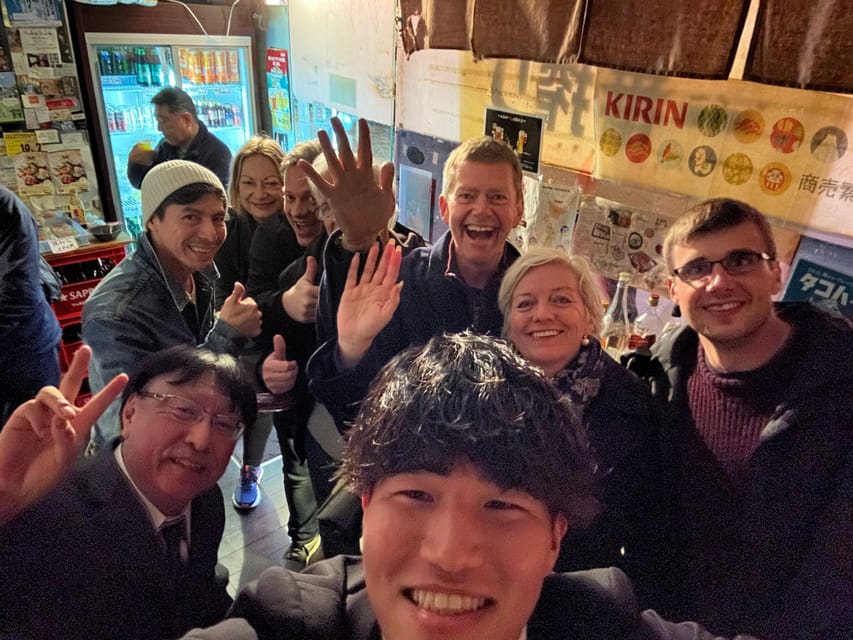
Tachinomi counters at 3 different spots for small-plate variety
At least 10 different dishes over 3 hours spanning seafood, tempura, grilled, steamed, and slow-simmered bites
Three drinks included (1 per restaurant) alcoholic or non-alcoholic, then add-ons are extra
A real “after-dark” walk through Hondori and Nagarekawa-dori with shopping and entertainment energy
Guide-led ordering and reservations—people talk about how smooth it feels with hosts like Ken/Kensuke or Alex
The value: dinner plus a local night out, not just a food stop
This tour is priced like a budget-minded dinner, but it plays out like a mini night out with structure. For $94, you’re getting enough food for what feels like a full meal across three restaurant stops, plus three drinks included (one at each place). That matters in Hiroshima, where you can easily spend more than you expect if you bounce between places on your own and end up ordering fewer dishes.
The other big value is your guide. In small, counter-style spots, the difference between eating okay and eating well is often ordering what locals actually want. People consistently praise how guides handled the plan—keeping the flow moving, getting reservations when needed, and helping the group land on a good mix of dishes and drinks.
You can also read our reviews of more walking tours in Hiroshima
Where the night starts (and how to make it easy on yourself)
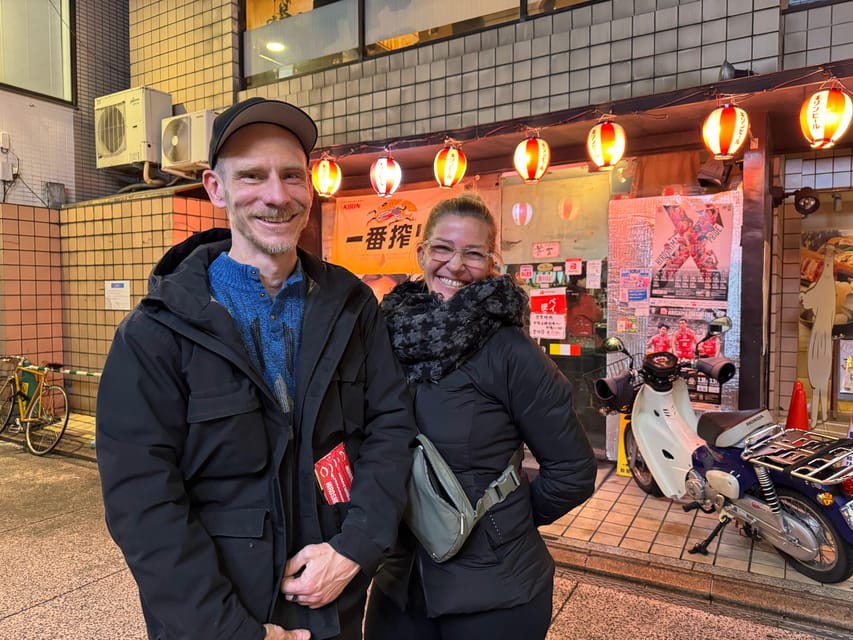
You meet outside Don Quijote at Hiroshima Hatchobori. It’s an easy landmark, and it’s also a good preview of the vibe: bright, busy, and very “Japan at night.”
The tour runs about 3 hours with walking segments and three ~30-minute restaurant stops. There’s no hotel pickup, so plan to get there yourself a bit early. Wear shoes you’re comfortable standing in—tachinomi usually means counter seating, and even when one stop has seats, you’re still moving and eating on a short clock.
Hondori Shopping Street: the short walk that sets the mood
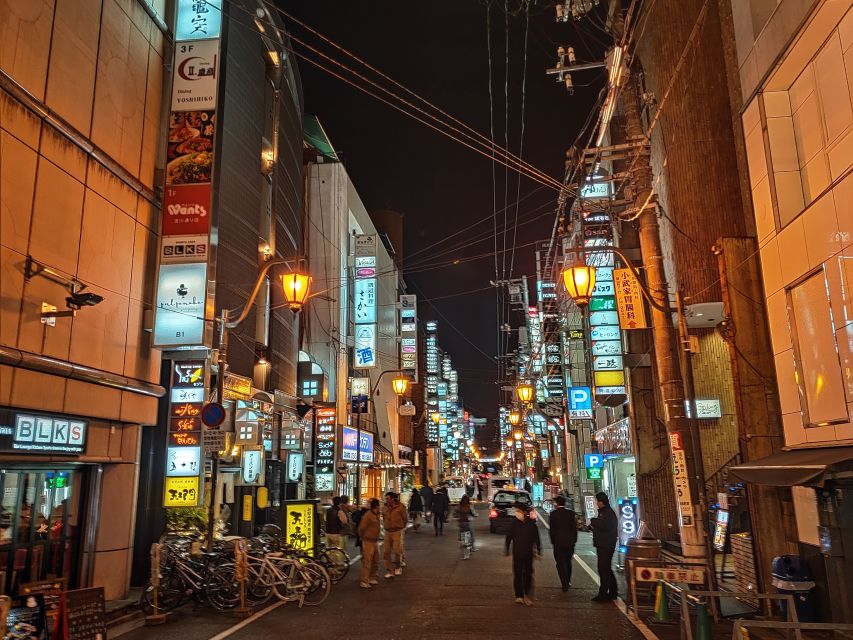
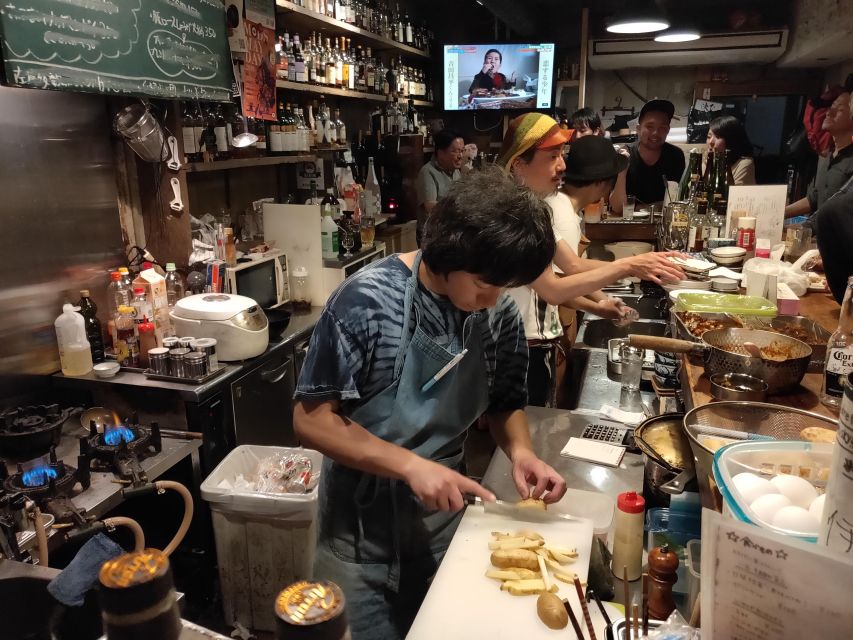
The first walk segment is on Hiroshima Hondori Shopping Street. This is where you see everyday shopping life at night, not just street scenery. Expect a mix of storefronts, people out for casual fun, and that “we’re here to snack and hang” energy that makes Japan nights feel different from day tours.
This part is practical too. When you’re about to eat your way through small restaurants, you want your stomach ready and your bearings set. That Hondori start helps you feel the neighborhoods before you commit to the counters.
Tachinomi stop #1: your first small-plate lesson
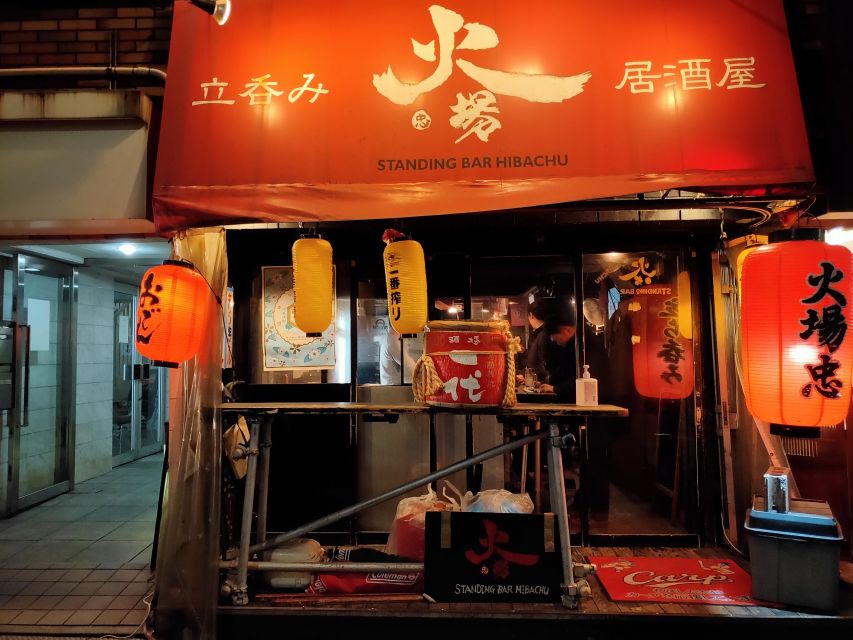
Your first restaurant stop is set up for casual eating: tachinomi-style counter culture, where you socialize while you nibble. Usually you’re standing at a counter or table area, and you’ll spend around 30 minutes there.
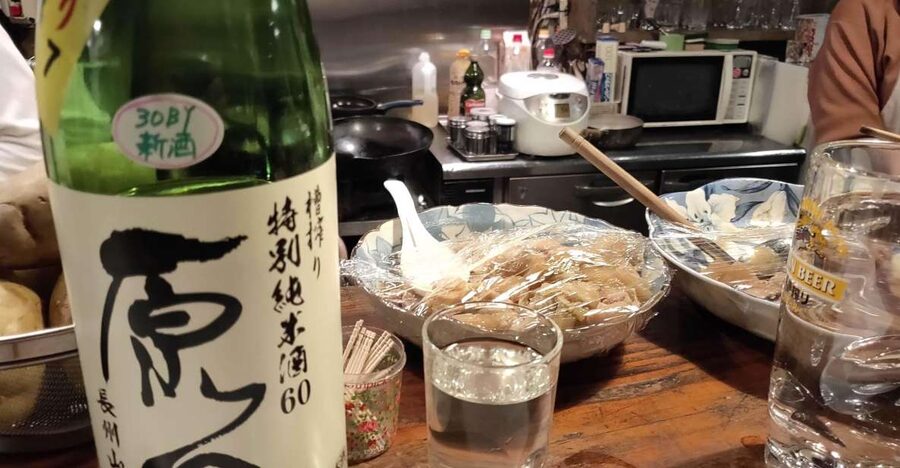
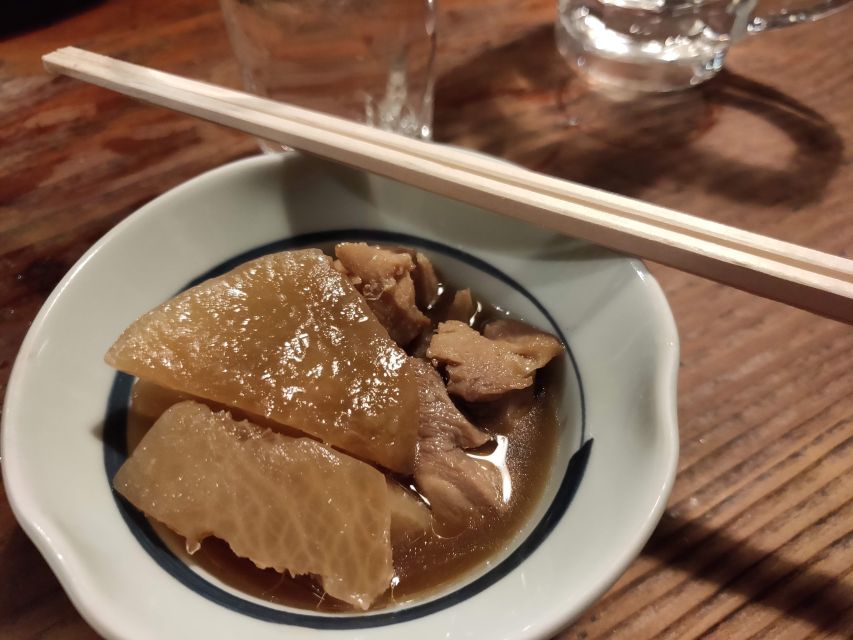
What you’re actually tasting tends to be a mix of the best “Japanese comfort snack” categories—think fresh seafood, tempura, grilled items, steamed bites, and slow-simmered flavors. You’re not locked into one dish, either. The whole tour is built to make you try enough different things that you learn your own preferences fast.
The drink here is one of your three included choices. If you want to keep it light, you can choose a non-alcoholic option and still get the full food experience. Either way, use the drink to settle in; the biggest learning curve is ordering pace, not language.
Tachinomi stop #2: variety is the point, not “one big meal”
The middle stop keeps the rhythm. You’ll be in another local restaurant for about 30 minutes, with another included drink and a new batch of small plates.
This is where the tour really becomes a “Hiroshima food education.” You’ll likely see more local specialties pop up during the night, and reviews often call out okonomiyaki as a standout highlight. Even if you’re not sure you want it, this is one of the few chances on a short stay to try a regional classic alongside seafood and other savory dishes.
Also, a quick note: because the menu is a sample and restaurants can change what they have available, the exact dishes can vary by season and availability. That’s normal here. The format is consistent—small plates, multiple courses, short stop time.

Nagarekawa-dori: the walkway between your next round
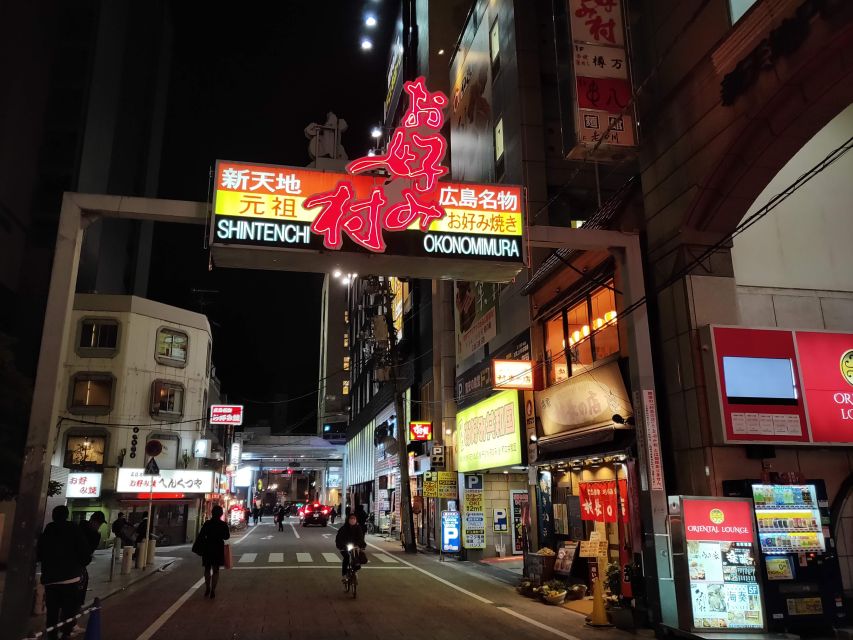
After stop two, you walk along Nagarekawa-dori. This segment isn’t long, but it’s useful. It breaks up the eating, gives you a chance to regroup, and keeps you moving through different parts of the city’s nightlife.
If you’re the type who gets “tour-fatigued” after too much indoor sitting, the short walk between restaurants helps. You’ll still be hungry when you arrive, and you won’t feel like you’re eating nonstop for three hours.
Tachinomi stop #3: the finish strong, with one more drink and more stories
Your last restaurant stop is again about 30 minutes. By now, the group usually feels looser—people know how the counters work, they’ve seen how others are ordering, and it’s easier to say yes to something you’ve never tried.
This is often where the energy peaks. Some guides and restaurants share extra personality with the table—one guest described meeting an owner with an ex-sumo background and getting photos or an autograph as part of the conversation. You can’t count on that exact moment every time, but it fits the general pattern: your guide is bringing you into neighborhood places where the staff actually talk to you, not just serve food.
Food-wise, this is also where it helps to have a flexible mindset. The tour serves a mix of seafood, fried and crisp textures, grilled flavors, and softer steamed or simmered dishes. You don’t need to love everything. You just need to keep trying, because you’ll probably find a few new favorites.
Drinks included: how to choose without overthinking it
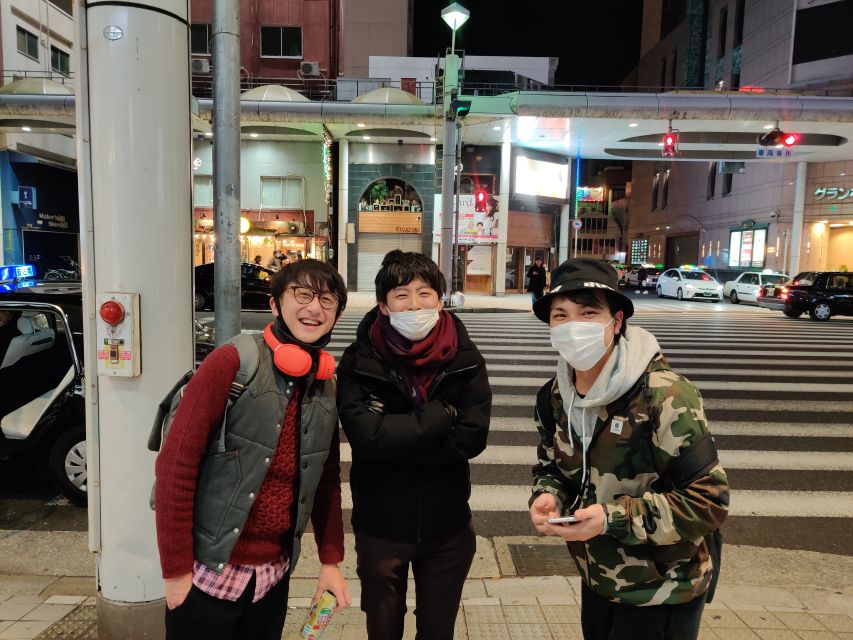
You get three drinks included—one at each restaurant. You can pick alcoholic or non-alcoholic options. If you’re drinking alcohol, remember Japan’s minimum drinking age is 20.
What about extra drinks? Additional drinks tend to run around 500 yen each, and you pay directly to the restaurant. So I’d treat the included drinks as your baseline, then decide on extras only if you’re still enjoying the meal and the conversation.
If you prefer a clear plan, choose one drink per stop that matches the food. For example, a lighter non-alcoholic drink can help you reset between strong savory plates. If you do want sake or beer, pace yourself—three included drinks can be enough without needing add-ons.
The dish mix: what “at least 10 different dishes” really means
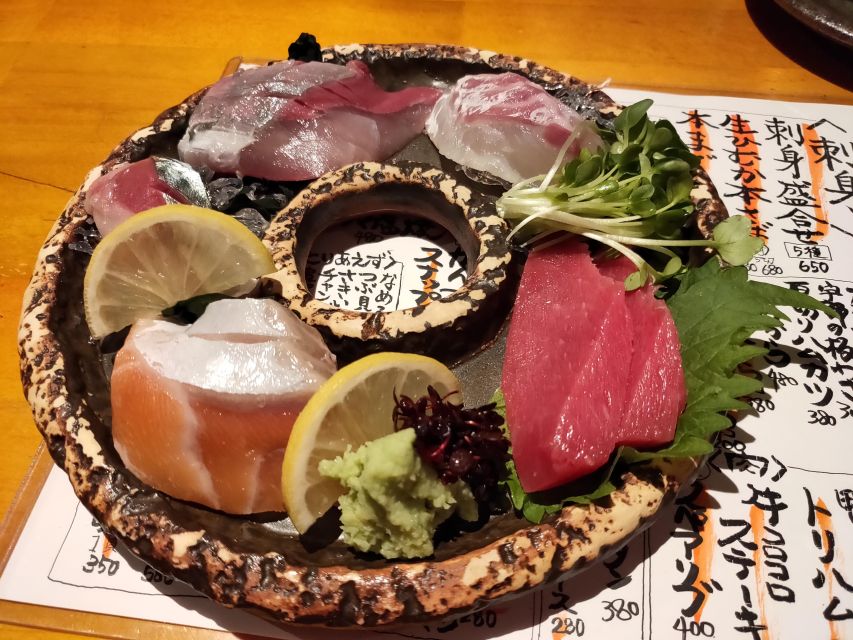
The promise here is at least ten different dishes across the night. In practice, that’s a lot of variety for a short tour.
Here’s why that matters for you:
- You’re tasting multiple cooking styles, not just repeating the same flavor profile.
- You can find what clicks—seafood, crispy tempura, grilled saltiness, or the comfort of simmered sauces—without gambling on one full dish.
Also, tachinomi-style meals often mean “small enough to try, satisfying enough to feel full.” You’re not doing a formal multi-course sit-down. You’re doing a paced set of snack-sized plates that add up fast.
Allergies and eating restrictions: what you can expect (and what you should do)
This tour says the local partner will do their best to accommodate eating restrictions and preferences. That’s good news, but your job is still to speak up clearly.
I’d message your needs ahead of time if the platform lets you. Then, once you’re with the guide, repeat your restrictions calmly at the start of the night so the guide can communicate with the restaurants. People mention that allergy needs were handled well, including getting dishes you could safely eat, so it’s worth taking the chance if that’s your situation.
Small-group feel: why the guide matters more than the route
The route is good—Hondori, Nagarekawa-dori, and three local restaurants. But the reason people rate this so highly is the human part.
Guides like Ken or Kensuke (and sometimes Alex, depending on the group) show up as attentive hosts. Guests repeatedly mention the guide being friendly, organizing reservations so you don’t waste time, and making the group feel comfortable stepping into local places.
If you’re worried about being the only non-Japanese speaker in a counter restaurant, don’t. That’s exactly what this tour is designed for. Your guide helps you order, handles the flow, and turns small awkward moments into normal dinner conversation.
Price check: does $94 make sense?
Here’s the clean math: $94 for about 3 hours, three restaurant stops, a full dinner’s worth of food, and three drinks included. Then you add walking, a guide who speaks English and Japanese, and the fact you’re eating at places you might hesitate to enter on your own.
Could you do it cheaper by buying separate snacks across town? Sure. But you’ll likely spend more time searching, and you might end up ordering fewer distinct dishes. This tour gives you a fixed structure: enough variety to learn Hiroshima food fast, with drinking and ordering handled for you.
And if you’re traveling in a couple or a small group, the value gets better because the guide’s attention stretches further. Even solo, you’ll usually pay a fair rate; there’s a specific solo-traveler policy if the minimum group size isn’t met (you can choose an alternate date, a 3000 yen solo supplement, or a full refund).
Practical tips so you enjoy every stop
Keep these small moves in mind and the night stays fun:
- Bring cash for extra drinks (about 500 yen per additional drink is typical).
- Eat a light lunch or skip a heavy lunch. This tour aims to be a full dinner.
- Go in ready to try unfamiliar things. That’s where the best moments tend to happen.
- If alcohol isn’t for you, choose non-alcoholic drinks at each stop and let the food do the heavy lifting.
- Don’t wear shoes that hate standing. Tachinomi is standing-friendly by design.
Who should book this Hiroshima food and culture tour
This is a great fit if you:
- Want a short, guided way to eat like a local in Hiroshima
- Like walking neighborhoods at night and finding small places you’d skip alone
- Enjoy variety—seafood, tempura, grilled, steamed, and simmered flavors
- Prefer a guide who helps you order confidently in Japanese settings
It may not be ideal if you need:
- A long sit-down meal (each stop is quick)
- A tour for kids under 13 (it’s not suitable)
Should you book this tour or not?
If you’re in Hiroshima for a couple days and want one night that feels like real local eating, I’d book it. The format does what it promises: three tachinomi stops, a big spread of dishes, and three drinks included, all guided through active shopping and nightlife streets like Hondori and Nagarekawa-dori.
Skip it only if you strongly dislike standing counter dining or you want a slow-paced, restaurant-by-restaurant tasting with long rests. For everyone else, this is one of the most efficient ways to turn one evening into multiple meals worth of memories.
FAQ
Where do we meet?
We meet on the street right in front of Don Quijote Hiroshima Hatchobori store.
How long is the tour?
It lasts about 3 hours.
How many restaurants and dishes are included?
You stop at three different local restaurants. You’ll be served at least ten different dishes across the evening.
What drinks are included, and what about extra drinks?
You get three drinks included, one at each restaurant. Additional drinks typically cost around 500 yen each and are paid directly to the restaurant.
Are non-alcoholic drinks available?
Yes. Non-alcoholic options are available for the included drinks.
Can the tour accommodate dietary restrictions or allergies?
The local partner will do their best to accommodate eating restrictions and preferences. Let them know so the guide can order accordingly.
What are the age requirements?
Participants must be 13+. The minimum drinking age in Japan is 20.
What if I’m traveling solo?
The tour aims not to charge more for solo travelers, but if the minimum of 2 guests isn’t met, you’ll be offered one of these: an alternate date, a 3000 yen solo supplement, or a full refund.