REVIEW · HIROSHIMA
Hiroshima Historical Walking Tour – Why A-Bomb was Dropped
Book on GetYourGuide →Operated by Localized Walking & Food Tours · Bookable on GetYourGuide
Starting Hiroshima with the right questions matters. This guided walk links World War II strategy to what you see today at Gokoku Shrine, Hiroshima Castle, and the Peace Memorial area. I like that the route isn’t just a sad stop-by-stop march, it builds the story step-by-step.
What I really appreciated was how the guide keeps the pacing human: enough time at each landmark to ask questions and get context, not just photos. I also love the ending logic, finishing at the Peace Memorial Museum so you can keep the thread going right after the walk.
One thing to consider: this is a heavy topic. If you’re the type who wants a lighter sightseeing day, you may find it emotionally intense even with the clear, guided explanations.
In This Review
- Key highlights to look for on this walk
- Why This Hiroshima Walk Matters: Strategy, Choice, and What Remains
- Gokoku Shrine Meeting Point: Starting at the Wartime Footnote
- Hiroshima Castle in 20 Minutes: Reading Power Through Brick, Stone, and Placement
- A Short 10-Minute Stop Where the Guide Sets the City’s Mood
- Hiroshima Gate Park: The Breather Before the Memorial Weight
- Atomic Bomb Dome in 20 Minutes: What to Look For When You Stop
- Peace Memorial Park for 30 Minutes: The City’s Message in Stone, Water, and Names
- Finishing at the Peace Memorial Museum: Keep the Thread Going
- Price, Time, and Value of a 150-Minute Guided Story
- Who This Tour Fits Best (and Who Might Skip It)
- My Booking Verdict: Should You Do This?
- FAQ
- Where does the tour meet?
- What sites does the walk include?
- How long is the Hiroshima Historical Walking Tour?
- How much does it cost?
- Is the tour offered in English?
- What’s included in the price?
- What if I need to cancel?
- Can I book and pay later?
- Is the tour wheelchair accessible?
Key highlights to look for on this walk
- Gokoku Shrine start sets a perspective on wartime duty before you reach the memorial zone
- Hiroshima Castle visit + photo stop gives you visual context in about 20 minutes
- Hiroshima Gate Park pause helps you reset and get ready for what comes next
- Atomic Bomb Dome guided visit gives you what to notice when you stop and look
- Peace Memorial Park focus connects tragedy to Hiroshima’s ongoing message of peace
- Finish at the Peace Memorial Museum helps you continue immediately, while details are fresh
Why This Hiroshima Walk Matters: Strategy, Choice, and What Remains
This tour is built around a simple, uncomfortable question: why was an atomic bomb dropped on Hiroshima? You won’t get a vague answer. You’ll get a structured explanation that ties military importance and the decision-making around targets to the city you’re standing in now.
The value here is the sequence. Starting at Gokoku Shrine and moving through Hiroshima’s landmarks before the Peace Memorial zone helps you understand Hiroshima beyond the headlines. By the time you reach the Atomic Bomb Dome and Peace Memorial Park, the place makes more sense, and the memorials land with more weight.
You can also read our reviews of more walking tours in Hiroshima
Gokoku Shrine Meeting Point: Starting at the Wartime Footnote
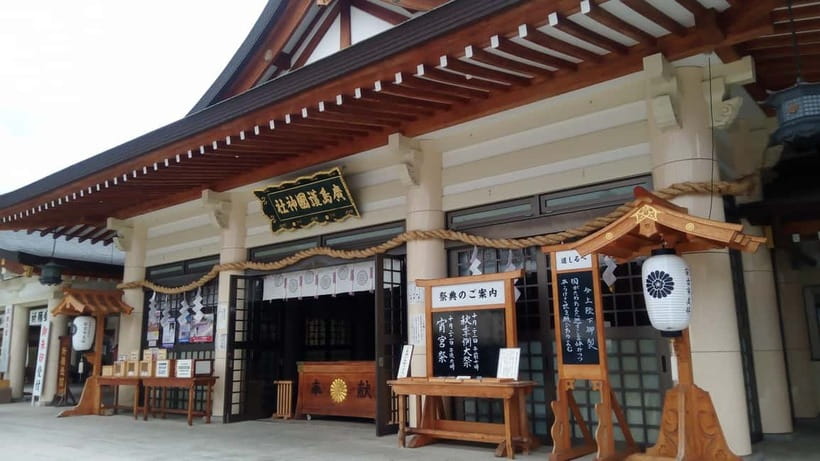
You start in front of Hiroshima Gokoku-jinja Torii Gate, near the main hall. That matters. Shrines in Japan often signal respect, memory, and duty, not just religion. Here, it becomes a starting point for discussing how Hiroshima fit into wartime life.
Your guide frames what you’re seeing in plain language: what the shrine represents and how it connects to the human cost and the era’s thinking. You’ll also get a feel for the city’s tone before stepping into the memorial spaces, which can be useful if you want to understand Hiroshima’s story without whiplash.
Practical tip: take a second to stand back from the gate and absorb the area. Your guide’s talk will connect the surroundings to the bigger arc of the day.
Hiroshima Castle in 20 Minutes: Reading Power Through Brick, Stone, and Placement
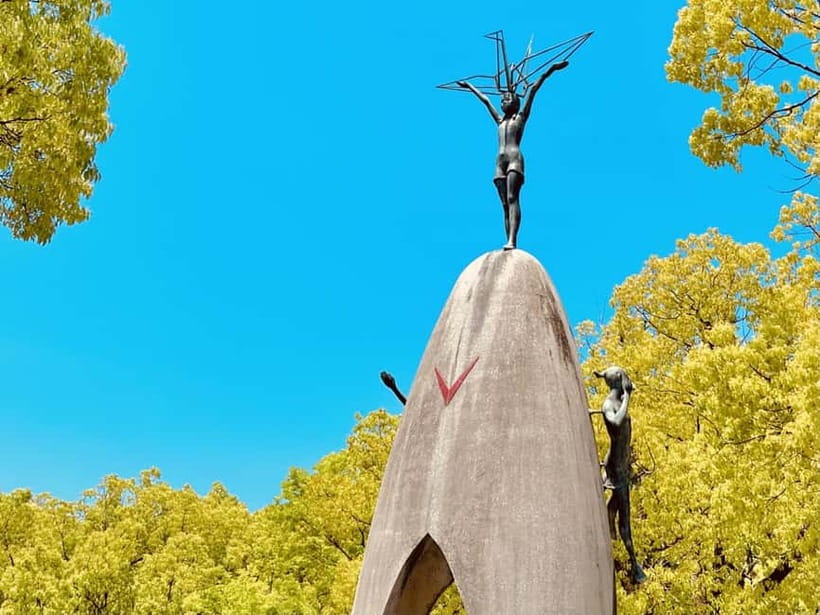
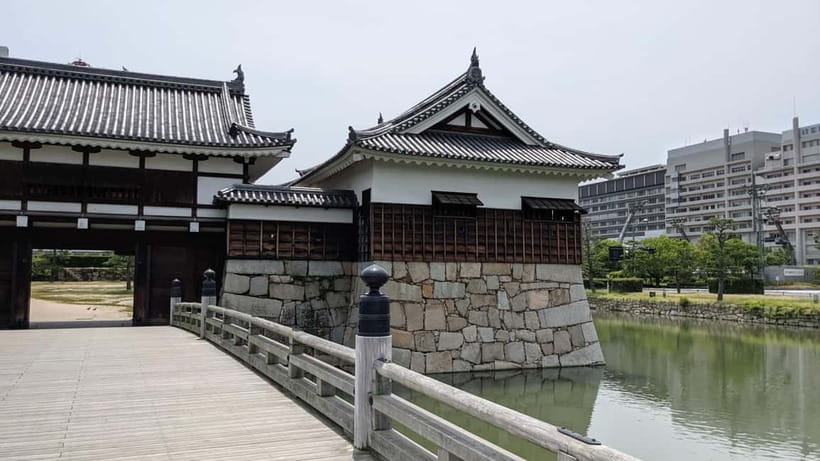
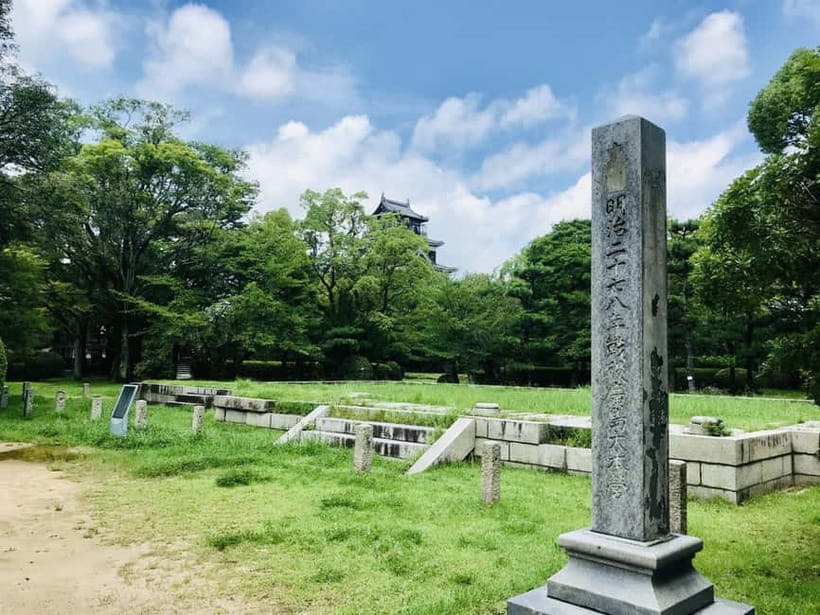
Next up is Hiroshima Castle. You get a photo stop plus a guided visit that’s timed tightly at about 20 minutes. That time box is actually helpful. It keeps the walk moving, but you still get enough direction to understand what you’re looking at.
The big takeaway isn’t just the castle itself. It’s how Hiroshima’s geography and role made it a meaningful target in World War II. Even if you’ve seen other castles in Japan, this one feels different because the guide keeps the conversation anchored to the city’s military significance.
If you like photography, this is one of your best windows. You’ll get a chance to pause and frame shots before the route turns more solemn.
A Short 10-Minute Stop Where the Guide Sets the City’s Mood
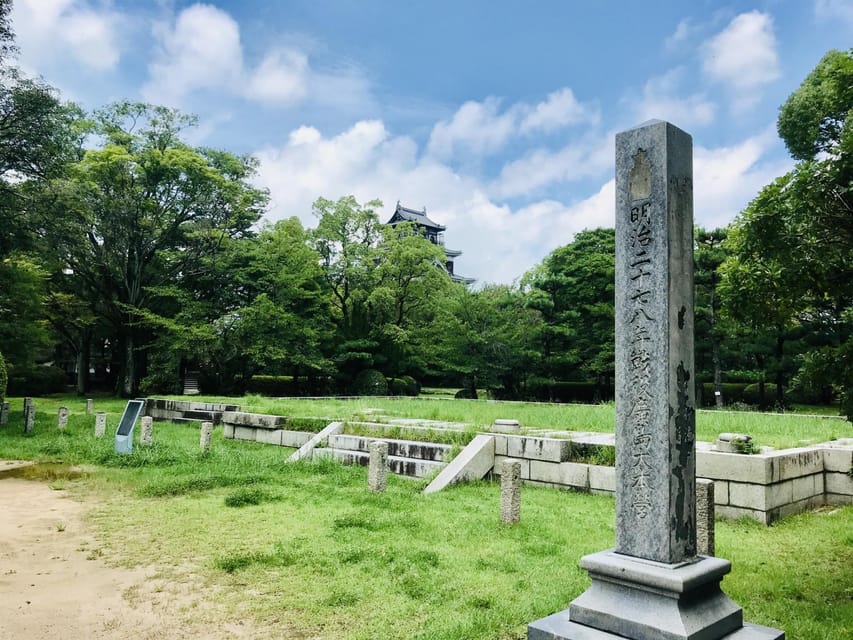
There’s a brief segment in the middle of the walk—about 10 minutes—where the guide uses the streetscape to connect ideas. The exact landmark can shift slightly depending on the day and route flow, but the purpose stays the same: give you local context so the memorial zone hits harder.
Some routes for this tour include stops around Hiroshima Orizuru Tower, where you might see origami cranes float down (a detail several guides have used to bring the message of peace into the story). You may also see mentions of Hiroshima Prefectural Industrial Promotion Hall as part of the wider city context.
Keep your expectations flexible here. The guide is using a short window to keep you oriented—both geographically and emotionally—so the next hour doesn’t feel like a jump.
Hiroshima Gate Park: The Breather Before the Memorial Weight
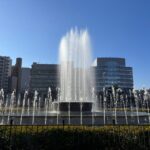
Then you reach Hiroshima Gate Park, where you’ll spend about 30 minutes with guided time. This is a smart pacing choice. Gate parks and open stretches in the memorial area help you slow down, catch your bearings, and prepare for what’s ahead.
Your guide uses this portion to connect the earlier wartime context to the aftermath you’re about to see. This is where the tour starts turning from explanation into reflection, without losing clarity.
Practical tip: if you’re sensitive to crowds or want a quieter moment for photos, this is often where you can take a breather before the busiest memorial spots.
You can also read our reviews of more historical tours in Hiroshima
Atomic Bomb Dome in 20 Minutes: What to Look For When You Stop
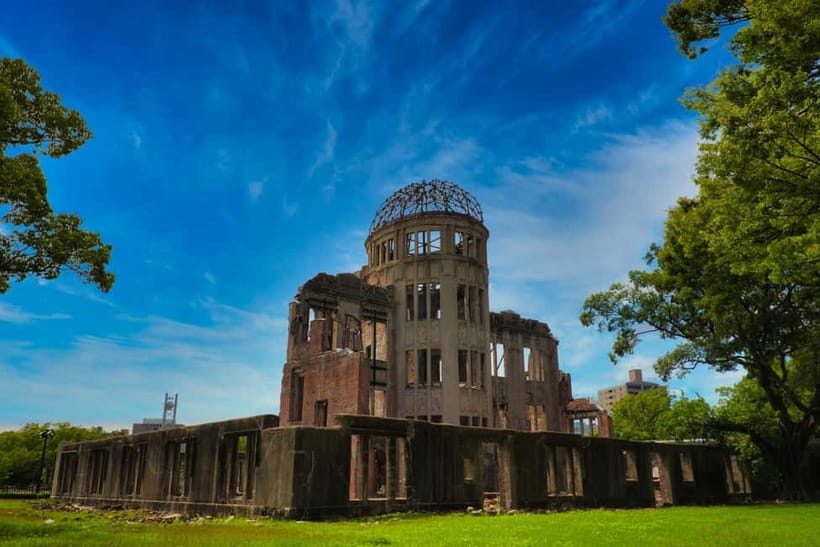
The Atomic Bomb Dome is one of the world’s most recognizable reminders of what happened on August 6, 1945. Here, you get about 20 minutes for a guided visit, which is just enough time to do two things well: look and listen.
I like the way the guide slows the moment down without turning it into a lecture you can’t breathe in. You’ll hear how the Dome is treated today and how it functions in memory—less as a random ruin, more as a deliberate survivor of history that keeps speaking.
Photography advice that’s actually useful: don’t rush your camera. Spend your first minute simply looking from a few angles. Then take a couple of photos once your mind has the place in focus.
Peace Memorial Park for 30 Minutes: The City’s Message in Stone, Water, and Names
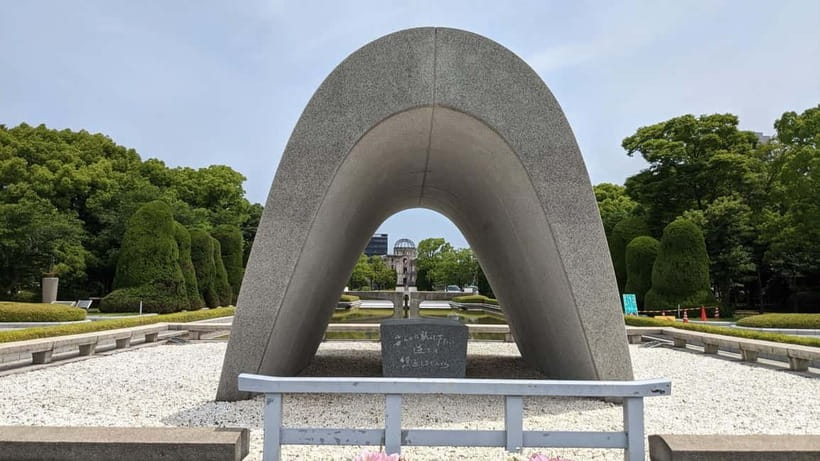
Next is Hiroshima Peace Memorial Park, with guided time of about 30 minutes. This is the emotional center of the tour, and it’s where the tour earns its meaning.
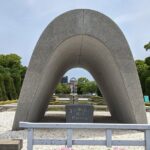
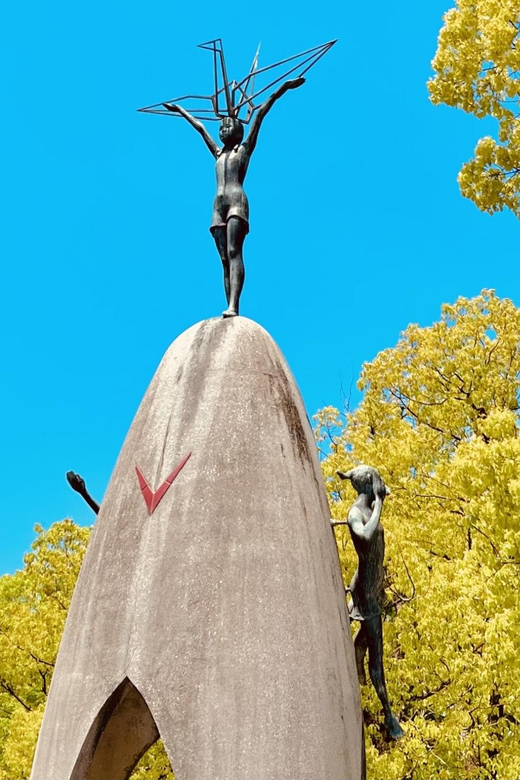
The guide ties earlier context—why Hiroshima mattered during the war—into what the memorial says now. You’re also likely to hear about children’s memorial elements, including the Children’s Peace Monument, which is especially moving when paired with the origami-crane themes that show up in Hiroshima’s peace messaging.
This part works best if you let it. You don’t need to force tears or act emotional. Just give the space a fair shot. When you’ve already heard the “why” behind the bomb, the park doesn’t feel like generic remembrance. It feels like Hiroshima’s argument against repeating the logic that led to the bombing.
Finishing at the Peace Memorial Museum: Keep the Thread Going
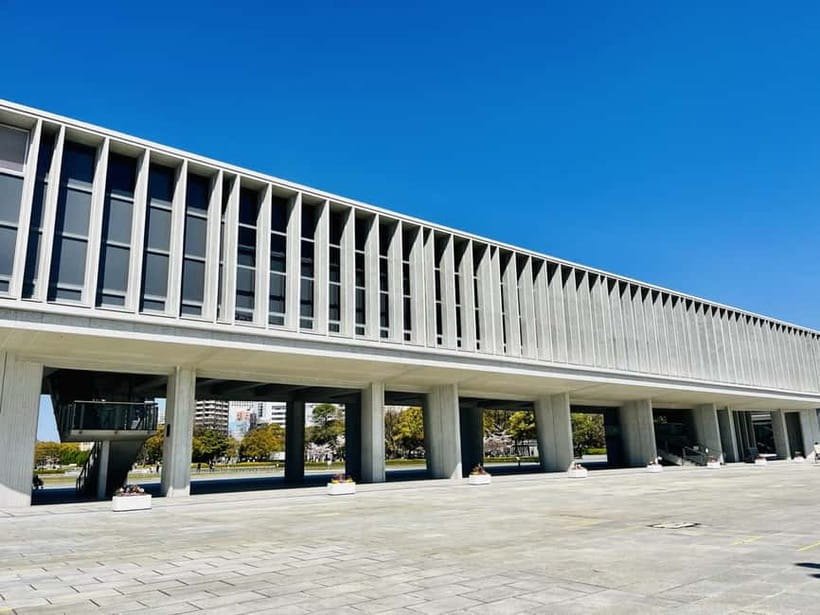
The tour ends at the Hiroshima Peace Memorial Museum. That finish point is a big practical plus. You don’t have to leave the tour, get distracted by lunch plans, and then try to reassemble the story later.
Think of the walk as the map and the museum as the deep file. The guide’s explanations make museum panels, photographs, and artifacts easier to follow. You’ll likely understand connections faster because your brain already has a timeline in place.
If you’re visiting the museum the same day, plan to give it time. Even if you’re a fast reader, a peace museum isn’t the place for speed.
Price, Time, and Value of a 150-Minute Guided Story
At $35 per person for 150 minutes with a live English-speaking guide, this is priced like a solid “context add-on” rather than a full-day sightseeing package. And that’s exactly what it is.
Here’s the value math that matters: you’re not just paying for movement between sites. You’re paying for the guided structure that turns multiple landmarks into one coherent explanation. Many self-guided Hiroshima visits turn into a pile of impressions. This tour tries to turn impressions into understanding.
Also, it’s the kind of length that fits real travel days. Two and a half hours is long enough to build context, but short enough that you can still handle the museum afterward.
If you’re on a first trip to Hiroshima and you plan to visit Peace Memorial Park anyway, this tour is a strong way to make the rest of your day hit harder for the right reasons.
Who This Tour Fits Best (and Who Might Skip It)
This is a good fit if you:
- want the story behind why Hiroshima was targeted, not only what happened afterward
- plan to visit the Peace Memorial Museum and want the museum to make more sense fast
- like asking questions and getting answers in English while you walk
This may be less ideal if you:
- prefer light, casual city sightseeing
- want a strictly factual visit with minimal emotional framing
- need a very upbeat day to balance a trip
One more practical note: because the topic is emotionally heavy, bring a steady mindset. This works best when you let the guide lead, rather than trying to “power through” on autopilot.
My Booking Verdict: Should You Do This?
Yes, I’d book it if you’re going to Hiroshima for the history and the meaning of the memorials. The biggest reason is the structure: the tour guides your brain from wartime context at Gokoku Shrine and Hiroshima Castle to the Peace Memorial zone with a clear through-line.
If you’ve only got one guided experience in Hiroshima, this is one of the best bets for making the day feel connected instead of scattered. And the finish at the Peace Memorial Museum is a smart move that saves you from trying to piece it together later.
FAQ
Where does the tour meet?
The meeting point is in front of Hiroshima Gokoku-jinja Torii Gate, near the main hall.
What sites does the walk include?
The tour focuses on Gokoku Shrine, Hiroshima Castle, Hiroshima Gate Park, Atomic Bomb Dome, and Hiroshima Peace Memorial Park, and it finishes at the Hiroshima Peace Memorial Museum.
How long is the Hiroshima Historical Walking Tour?
The duration is 150 minutes.
How much does it cost?
The price is listed as $35 per person.
Is the tour offered in English?
Yes. It’s a live tour guide in English.
What’s included in the price?
A guided tour is included.
What if I need to cancel?
Free cancellation is available up to 24 hours in advance for a full refund.
Can I book and pay later?
Yes. You can reserve now & pay later.
Is the tour wheelchair accessible?
The tour is listed as wheelchair accessible.