REVIEW · HIROSHIMA
Hiroshima City 4hr Private Walking Tour with Licensed Guide
Book on Viator →Operated by Japan Guide Agency · Bookable on Viator
Hiroshima hits hard, and this tour helps you process it. This 4-hour private walking experience is built for slow, clear understanding—starting at Peace Memorial Park, then shifting to gardens and a castle so you can breathe without losing the context.
I love the licensed English guide format because it’s genuinely personal: you can ask questions on the spot, and guides like Kyoko and Yuko are praised for clear explanations and smart pacing. I also like the balance of stops: Peace Memorial Museum time alongside Shukkeien and Hiroshima Castle keeps the day meaningful, not just heavy.
The main drawback? It’s a walking tour with lots of outdoor time, and Hiroshima heat can be real—so plan for breaks, water, and comfortable shoes.
In This Review
- Key highlights that make this tour worth your time
- Why this private 4-hour walk works so well in Hiroshima
- Meeting your guide: pickup on foot and a pace that won’t bully you
- Peace Memorial Museum and Peace Park: the stop you should treat like the main event
- What to expect as you walk the memorial area
- Hiroshima Castle: the contrast that helps the day feel human
- Shukkeien Garden: calm, design, and a little surprise
- Extras that make good guides stand out (tram help, okonomiyaki, small culture stops)
- Price and value: what $122.70 per person buys you in real terms
- Who should book this tour (and who might want a different plan)
- Tips to get the best day from this tour
- Should you book Hiroshima City 4hr Private Walking Tour with Licensed Guide?
Key highlights that make this tour worth your time
- Pickup by foot in Hiroshima: meet your guide nearby and get moving fast
- Licensed English-speaking guide who can tailor the pace to your questions
- Peace Memorial Museum focus for understanding what happened and why it matters
- Hiroshima Castle plus Shukkeien for contrast: history and calm in one half-day
- Small human moments that good guides add, from tram help to okonomiyaki stops or origami cranes
- Truly private touring: only your group, so you control the flow
Why this private 4-hour walk works so well in Hiroshima
Hiroshima can be emotionally intense. You don’t need a scripted, rushed route. You need time to stand, read, and ask the questions that pop into your head as you go.
This tour is built around that idea. It’s only for your group, with a licensed guide who can steer the day at a human pace. You’ll cover a focused set of sights—rather than trying to sprint through everything that’s important.
The other smart part is the rhythm. Peace Memorial Park is the core. Then you transition to Hiroshima Castle and Shukkeien Garden, which helps you process the day instead of just collecting photos.
You can also read our reviews of more walking tours in Hiroshima
Meeting your guide: pickup on foot and a pace that won’t bully you
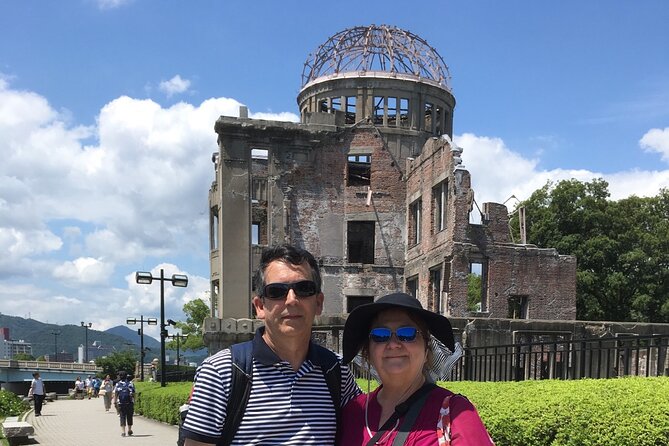
This is a walking tour, and pickup is done on foot within a designated area in Hiroshima. That sounds simple, but it matters. You avoid the hassle of coordinating cars, and you start your day immediately with a local in charge of the route.
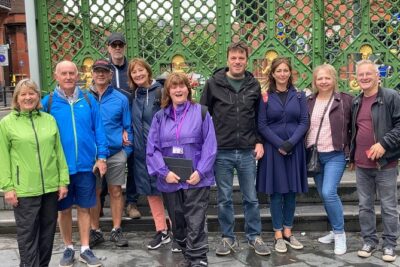
Most of the time, the guide meeting is straightforward. Guides in reviews mention meeting people at key arrival points like stations and cruise docks, then guiding them onward with clear directions and help with transport like trams when needed.
Pacing is a big deal on this kind of tour. Multiple guides are praised for adjusting on the fly—whether it’s pausing when it gets too hot, slowing down for kids, or reworking the order when timing gets tight. That flexibility is one of the best reasons to book private here.
Practical advice: wear shoes you trust. You’ll be moving most of the day, and the museum portion can make your feet less forgiving because you’re standing and walking around exhibits and grounds.
Peace Memorial Museum and Peace Park: the stop you should treat like the main event
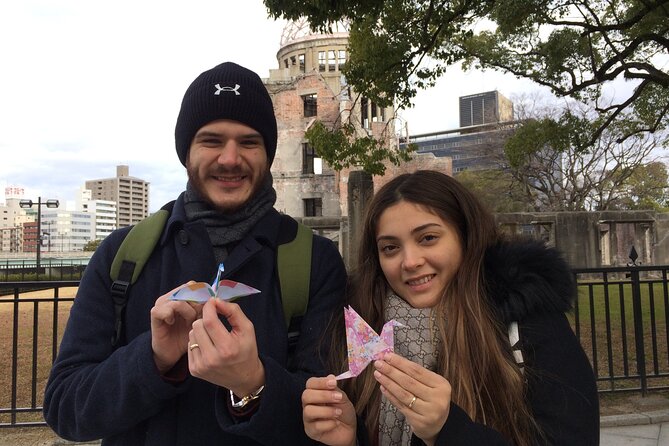
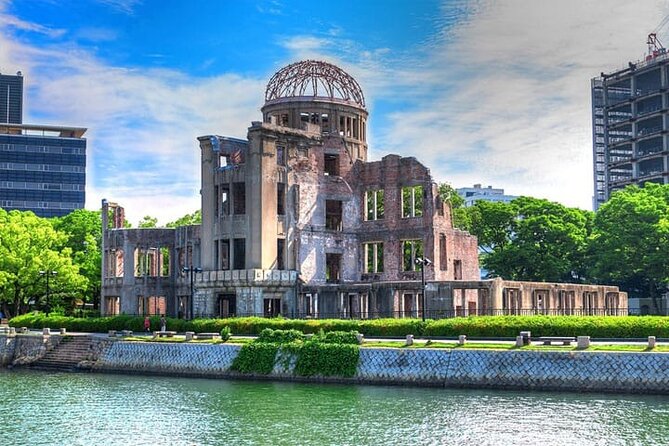
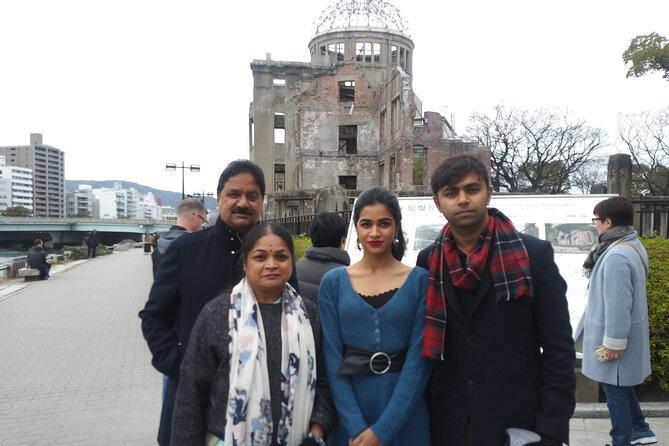
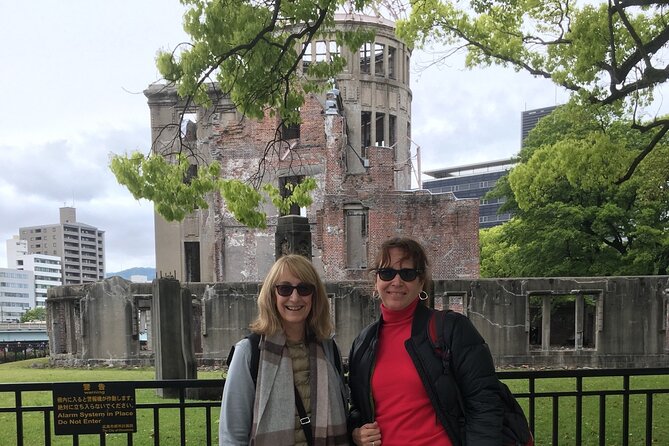
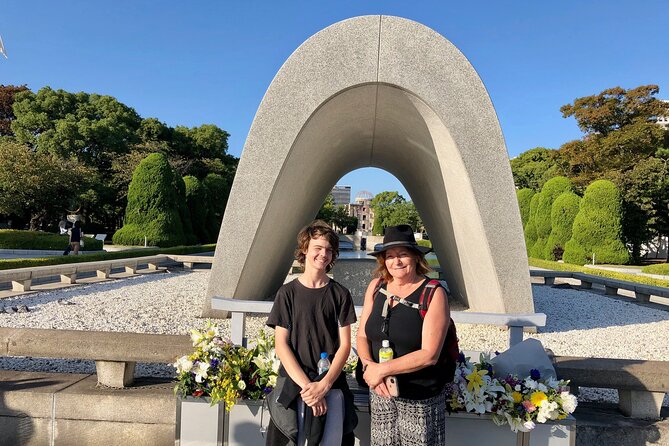
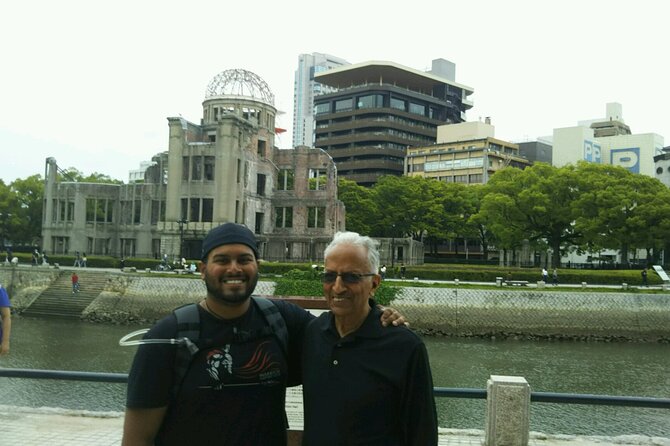
Peace Memorial Park and the Hiroshima Peace Memorial Museum set the tone. This is where you move from general history into lived reality—what happened on August 6, 1945, what the aftermath meant, and how Hiroshima remembers.
This tour gives you a dedicated chunk of time here (about an hour). That’s enough to read the big elements without turning it into a blur. And because you’re with a guide, you’re not stuck guessing what to focus on.
Here’s what I think makes this stop work with a private guide: you can ask questions that don’t fit neatly into a group tour schedule. People in Hiroshima have different ways of explaining the same events, and a good guide helps you connect the dots without turning it into a lecture.
Also, the emotional weight is real. You may want short breaks to reset. Some guides in reviews are specifically noted for knowing when to pause, rest, and get through intense parts with care.
If you’re sensitive to heavy topics, this is still a strong choice—but don’t overbook the rest of your day. Let your brain catch up after.
What to expect as you walk the memorial area
You’ll be moving through outdoor spaces around Peace Memorial Park, then into the museum. Plan for a mix of reading, quiet time, and guided explanation. There may also be connections made to nearby memorial landmarks in the area (some guides weave in viewpoints around the Peace Park zone as they guide the flow).
Hiroshima Castle: the contrast that helps the day feel human
After the museum, Hiroshima Castle adds a different kind of story. It’s a classic urban castle look—the main keep is five stories—and it’s known as the Carp Castle.
Why does this stop matter after Peace Memorial Park? Contrast. You’re shifting from devastation and remembrance to Hiroshima’s longer timeline, including recovery and city identity. It gives the day a shape: pain, reflection, then a sense of continuity.
Time here is also about an hour. That’s enough to walk, look closely, and absorb what the guide points out. If you’re the type who likes context—how a city rebuilds its public symbols—this is a good fit.
One practical note: castle weather can be similar to the rest of the day—meaning if the forecast is hot, you’ll want that water bottle and hat ready. The upside is that castle areas can feel less emotionally dense than the museum, so your body tends to relax a bit.

Shukkeien Garden: calm, design, and a little surprise
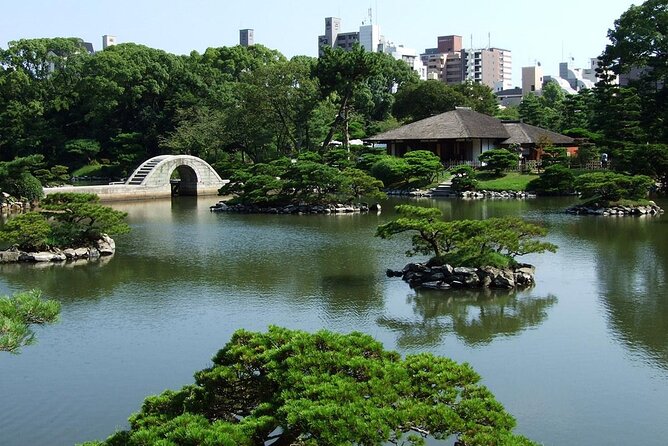
Shukkeien is a Japanese garden that’s often described as one of Japan’s notable historic parks and a national scenic spot. In plain terms, it’s a place to slow down after a heavy visit.
Your time here is about an hour. This is long enough to see the main garden rhythm—paths, views, and the way the landscape guides your eyes. It’s also a chance to let your mind reset, because your brain needs a break after reading about tragedy.
What makes this stop especially fun is that guides sometimes pull in small, memorable details. One review called out watching turtles together at Shukkeien. That’s the kind of moment that turns a pretty garden into something you’ll remember.
If you like gardens, you’ll enjoy the contrast. If you don’t usually care about gardens, you might still appreciate the timing. This is one of the few ways the tour gives you relief without losing the historical thread.
Extras that make good guides stand out (tram help, okonomiyaki, small culture stops)
The core itinerary is Peace Memorial Park/Museum, Hiroshima Castle, and Shukkeien. But the real magic often happens in the glue between stops—how the guide handles logistics and adds local touches.
Across reviews, you’ll see patterns:
- Help with transport planning, like figuring out tram routes and buying tickets
- Comfort-driven timing, such as stopping when heat becomes too intense
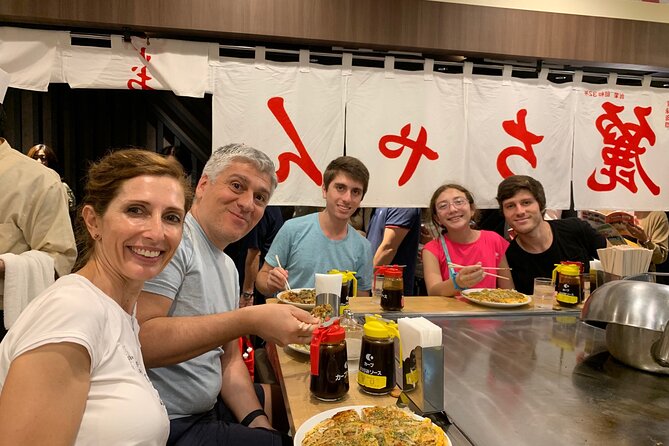
- Food suggestions, including Hiroshima-style okonomiyaki as a mid-tour break
And yes, some guides add small culture moments. Erika is mentioned for teaching origami cranes, and Yuko is noted for folding origami during the day. Even if you’re not the artsy type, these moments can turn a serious day into something more balanced.
If you’re traveling with kids or multiple generations, these extras can matter more than the sightseeing itself. They keep energy steady and reduce stress, which makes the history land better.
Price and value: what $122.70 per person buys you in real terms
At $122.70 per person for a private 4-hour walking tour, this isn’t the cheapest way to see Hiroshima. But it’s also not priced like a luxury car-and-driver tour.
Here’s what you’re really paying for:
- A licensed English-speaking guide
- A private setup where your group isn’t competing for time
- A guided experience designed for heavy context (so you get explanations, not just locations)
- Help with practical navigation, including transport tips
Entrance fees and transportation aren’t included. That matters for budgeting. You’ll want to plan extra money for museum/castle/garden admissions and for your lunch. But because your guide helps with logistics, you’re less likely to waste time figuring things out yourself.
When I weigh value for a history-heavy destination like Hiroshima, I focus on one question: do I come away understanding more than I could on my own with an app? Based on the consistently strong guide feedback—people praising guides like Kyoko, Mari, Yuko, Tomoyo, Sei, and Kahori—this tour tends to deliver that extra layer.
Who should book this tour (and who might want a different plan)
This is a strong match if you:
- Want a private experience with time to ask questions
- Know Hiroshima’s story is complex and you want help making sense of it
- Prefer walking with a clear, guided route rather than solo wandering
- Like having contrast built into your itinerary (memorials plus gardens/castle)
It might not be ideal if:
- You want a mostly relaxed, low-walking sightseeing day
- You’re avoiding emotional content right now. The tour centers on Peace Memorial Park and the museum, so it’s not light.
- Your group needs step-free or fully seated time throughout. The format is walking, with outdoor exposure.
If you’re traveling with grandparents, teens, or mixed-age families, private format is often a lifesaver because the guide can manage pacing and comfort.
Tips to get the best day from this tour
A few things will make your half-day smoother:
- Wear comfortable walking shoes. You’ll thank yourself later.
- Bring water, especially if your start time lands you in hotter hours.
- Consider choosing the time of day when your group has the most energy for museum reading.
- If lunch matters, plan a simple food strategy. Some guides route you toward Hiroshima specialties like okonomiyaki, but lunch itself isn’t included—so you’ll still need to handle that part.
One more tip: write down questions as they pop into your head while you walk. A private guide can answer better when you have specific prompts.
Should you book Hiroshima City 4hr Private Walking Tour with Licensed Guide?
Book it if you want a private, licensed-guided Hiroshima that helps you understand what you’re seeing, not just where you’re standing. The Peace Memorial Museum stop is the heart of the day, and the guide-driven explanation is a big part of why people feel the experience sticks with them.
Skip it or consider a different style if you’re trying to minimize walking or you’re not ready for a heavy, emotionally focused tour today.
If you’re aiming for the best balance—real understanding plus a calm reset at Shukkeien and a city-story shift at Hiroshima Castle—this is a smart choice.