REVIEW · HIROSHIMA
Miyajima Half-day Trip Historical Walking Tour
Book on Viator →Operated by MagicalTrip Inc. · Bookable on Viator
The first time you see Miyajima’s Otorii, it stops time. This half-day walking tour is built around the island’s spiritual sights, photo chances, and a local oyster lunch, with a guide to connect the stories to what you’re seeing. You spend less time guessing and more time moving with a plan.
I also like the small group size (up to six people). It keeps the pace sane, and it makes it easier to ask questions while you’re walking and photographing.
One thing to consider: you’ll be on your feet for hours, and Miyajima can mean stairs and humid weather. Bring water, wear shoes you can trust, and plan for slower moments if you’re sensitive to heat.
In This Review
- Key points before you go
- Why a Miyajima walking tour feels different with a guide
- Price and value: what $109.43 really covers
- From Miyajimaguchi to Miyajima: ferry views and a clean start
- The Otorii and Itsukushima coast walk: where your camera should be ready
- Itsukushima Shrine: Heian-era architecture that makes sense at eye level
- Daishoin Temple: Buddhism storytelling, statues, and a workout in polite form
- Momijidani Park and Senjokaku: quick stops with clear purpose
- Miyajima Omotesando: oyster lunch, momiji dumplings, and real island snacks
- Group size, guide style, and why “small” changes the whole day
- Best time for this tour: heat matters more than you think
- Should you book this Miyajima half-day historical walking tour?
- FAQ
- How long is the Miyajima Half-day Historical Walking Tour?
- Where does the tour start and where does it end?
- Is the ferry to Miyajima included in the price?
- What is included in the tour price?
- What sites are included on the walk?
- What kind of ticket do I get?
- Is the group size small?
- Is lunch included, and what does it include?
- Are vegetarian or vegan meals available?
- Can the tour accommodate gluten-free meals or allergies?
Key points before you go
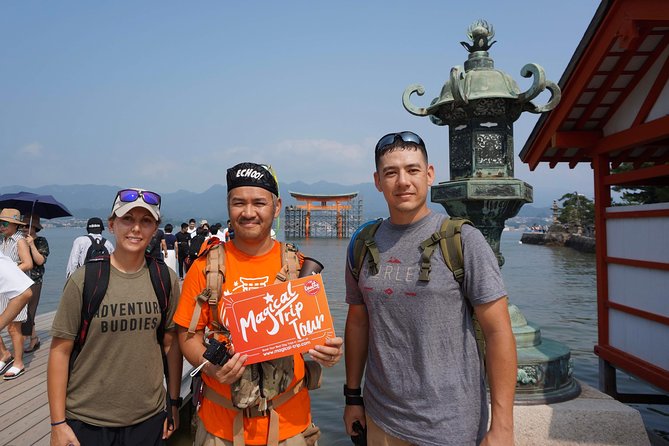
- Up to 6 people keeps this from feeling rushed or chaotic.
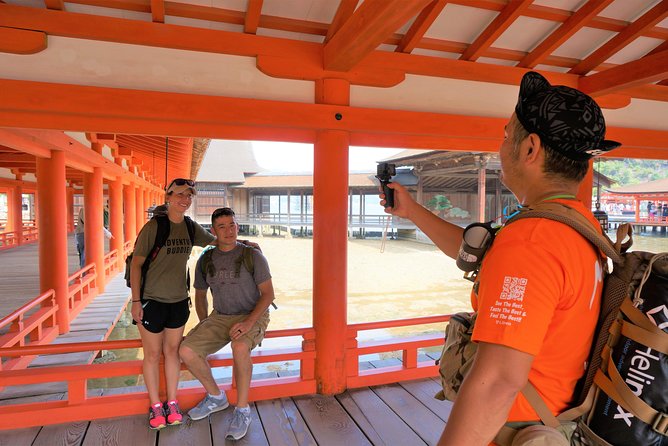
- Guide photos included, so you can focus on framing the Otorii and shrine views.
- Oyster-and-momiji lunch gives you the island flavor without hunting for it.
- Itsukushima Shrine and Daishoin Temple add both Shinto and Buddhist context.
- Ferry is extra (500 yen round-trip), so budget that early.
Why a Miyajima walking tour feels different with a guide
Miyajima isn’t just a pretty postcard. It’s a working place of worship and tradition, where the architecture and even the walking paths make sense only when someone explains the logic. With a guided route, you get a clearer sense of why the island looks the way it does and how people relate to it daily.
I like how the tour’s structure is simple: shrine, temple, viewpoints, and food, in an order that reduces backtracking. You’ll also get a practical photo advantage. Even if you’re an experienced photographer, it’s helpful when someone points out the angles that show the Otorii and the shrine in their best light.
You’ll also notice something else: the guide isn’t just listing facts. The route is designed to let you connect spirituality, history, and daily life through the places you’re walking through.
You can also read our reviews of more walking tours in Hiroshima
Price and value: what $109.43 really covers
At $109.43 per person, this isn’t the cheapest way to do Miyajima. But it is one of the more “time-efficient” ways to do it, especially if you want more than a quick photo sprint.
Here’s what’s included:
- Entrance fees for the shrines/temples and museum stops on the tour
- A certified guide (MagicalTrip)
- Tour photos
- A Hiroshima local lunch
What’s not included:
- The ferry from Hiroshima to Miyajima: 500 yen round-trip
That extra ferry fee is small, but it matters for budgeting. The bigger value is that the guide handles the flow. You’re not trying to stitch together tickets, entrances, and an efficient route while also timing your ferry and dealing with crowds.
If you’re the type who enjoys history and food as part of the experience (not as an add-on), this price usually feels fair.
From Miyajimaguchi to Miyajima: ferry views and a clean start
The tour starts at 1-chōme-3-26 Miyajimaguchi, Hatsukaichi, Hiroshima 739-0411, Japan, and it ends back at the same meeting point. The location is near public transportation, so you’re not locked into taxis.
After meeting, you board a ferry to Miyajima. The boat ride is more than travel time. It’s your first chance to get that “this is the island” view of the Seto Inland Sea and the iconic Otorii silhouette from the water.
Timing-wise, the first stretch includes the ferry and the start of your walking flow. That matters because Miyajima has a way of pulling you toward the main sights first. Doing it with a plan helps you see more than just the most famous stop.
Practical tip: if it’s warm, use the ferry as your hydration moment. You’ll appreciate it later when you’re walking and climbing.
The Otorii and Itsukushima coast walk: where your camera should be ready
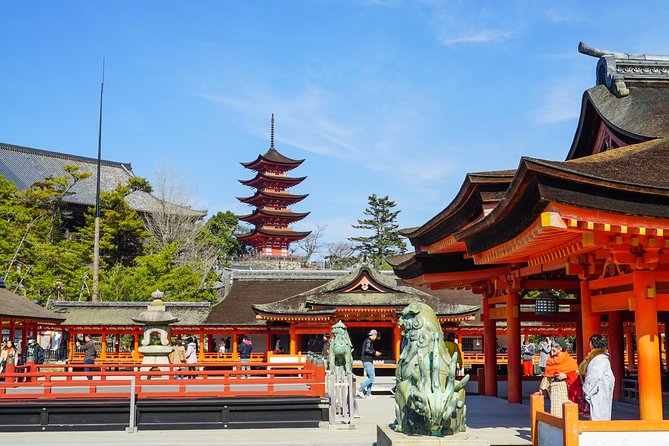
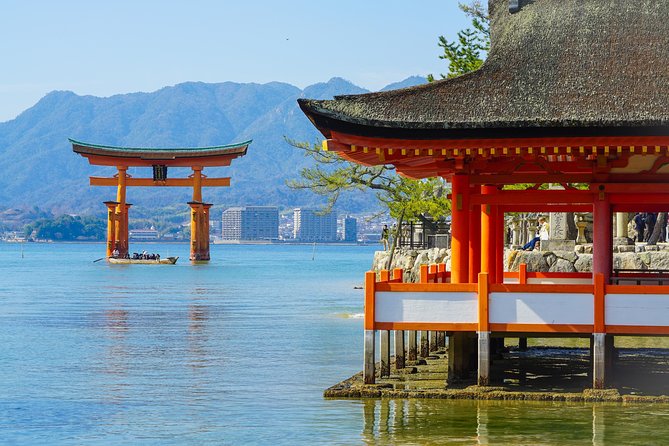
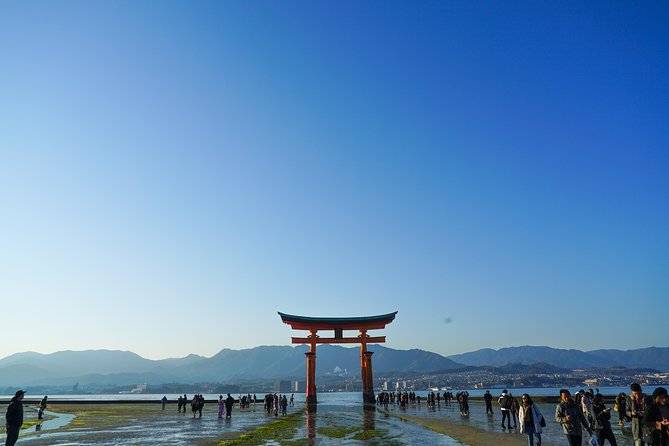
One of the best parts of this tour is how it gets you to the Otorii area through the coastal walking route. You’ll stroll along the coast, then proceed toward Itsukushima Shrine. The Otorii gate is the symbol everyone comes for, but the real win is how you reach it—slowly enough to notice details, fast enough to keep moving.
Photo-wise, this is your main “get it right” zone. The tour specifically has you keep your camera ready because the views are that kind of memorable.
A quick reality check: Miyajima’s shoreline experience can change with the tide. On days when conditions allow, you may find yourself closer to the gate area than you expected from standard photos. Even if you can’t get right up to it, you’ll still get great angles from the walking paths.
Potential drawback: if the weather is hot or muggy, the coast walk can feel longer than the clock says. Build in your own pace. Pause when you need to, and don’t feel rushed just because you’re with a small group.
Itsukushima Shrine: Heian-era architecture that makes sense at eye level
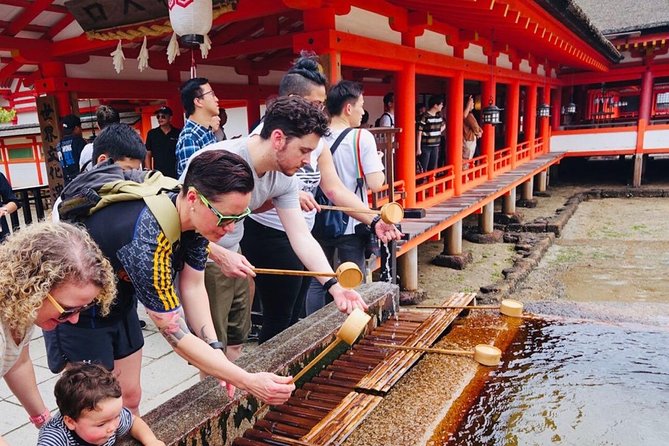
Itsukushima Shrine is the big spiritual centerpiece you’re working toward. The tour gives you time not just to pass by, but to actually look. You’ll walk, take photos with the shrine as a backdrop, and hear how the site’s distinctive design connects to the tides.
A key detail: the shrine architecture dates to the Heian period (794–1192). The point isn’t to memorize dates. It’s to understand why the buildings look resilient and why the site feels made for this coastal setting. When you hear that explanation while you’re standing there, it clicks.
Admission is included on the tour, so you’re not doing extra money math on-site. You can focus on the atmosphere: shrine structures, tide-influenced design, and that calm feeling that makes people slow down.
If you love photography, give yourself a few tries from slightly different spots. The shrine is one of those places where moving a few steps can change your entire composition.
You can also read our reviews of more historical tours in Hiroshima
Daishoin Temple: Buddhism storytelling, statues, and a workout in polite form
Next up is Daishō-in Temple, where your guide explains Buddhism and points out the significance of the statues. This is a nice contrast after the Shinto-heavy Itsukushima area. You’re seeing another spiritual layer of Miyajima, and the explanation helps you understand what you’re looking at beyond “pretty structures.”
The tour time here is shorter than the shrine area—about 30 minutes. Still, this stop is often where people feel the terrain. Daishoin is known for stairways and climbs, so wear real walking shoes. If you need breaks, this is a good place to take them, because you can lose steam fast when you’re out of rhythm.
Why it’s worth it: the Buddhist context turns the rest of the island into a fuller picture. Miyajima starts to feel less like a checklist and more like a living spiritual landscape—one where different traditions share the same island stage.
Momijidani Park and Senjokaku: quick stops with clear purpose

After Daishoin, the tour shifts toward viewpoint-style experiences.
At Momijidani Park, you get time for photos. This stop is brief, but it helps break up the heavier shrine-and-temple segments. Think of it as your scenic breather.
Then comes Senjokaku, where the guide explains what you’re seeing. The place is commonly known as the main hall of Itsukushima Shrine’s terminal shrine, Toyokuni Shrine. Hearing that while you’re there gives the buildings more meaning than a random name on a map.
This portion of the tour is timed around momentum. You’re not spending half a day stuck in one spot. You’re collecting moments, then moving on while the island still feels fresh.
Possible drawback: because these stops are short, you’ll want to pay attention early. If you drift or stop too long for photos at one spot, you can feel rushed at the next.
Miyajima Omotesando: oyster lunch, momiji dumplings, and real island snacks
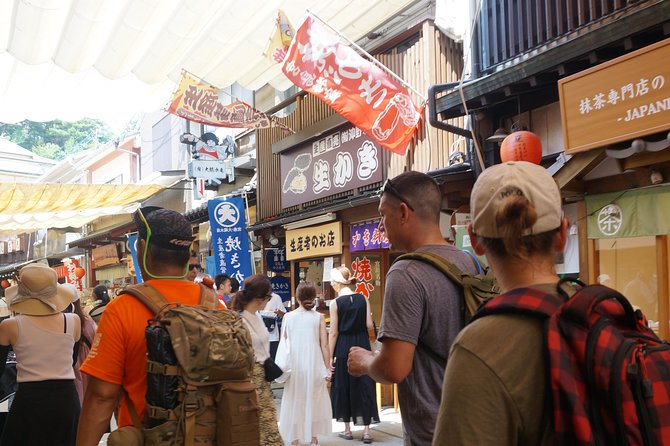
The final major chunk is Miyajima Omotesando Shopping Street, where the tour leans into food. You’ll have about an hour here for street food and snacks.
Lunch is included and centered on Hiroshima local flavors—oysters (fresh or grilled, depending on what’s served) and momiji dumplings. This is one of the smartest parts of the tour value. You get local specialties without having to guess what’s good, where it is, or whether the wait will eat your schedule.
A few important food notes you should know up front:
- Vegetarian and vegan lunch options exist but are limited
- Gluten-free lunch is not available
- The tour can’t guarantee allergy-free meals since food is prepared in kitchens not under MagicalTrip control
- If you have dietary needs or allergies, you need to inform them at least one day ahead; day-of requests may not be accommodated
If you’re flexible, this lunch is a highlight. If you have strict dietary needs, plan carefully and double-check your ability to eat what’s offered.
Optional snacks and drinks at the shopping street are not included, so bring a little spending money if you want extra oysters, drinks, or desserts beyond the included meal.
Group size, guide style, and why “small” changes the whole day
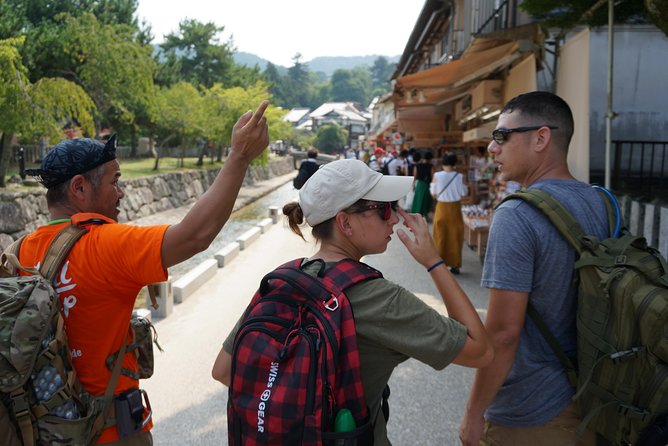
With a maximum of six people, the tour has an easy rhythm. You’re not fighting for attention at every stop, and you’re less likely to feel lost in a crowd. You also get more personalized photo support, since tour photos are included.
You’ll also see patterns in the guide style: many of the guides who run this tour are praised for being friendly, for taking time with questions, and for managing walking pace—especially around stairs. Names that have shown up include Hiro, Mariko, Meri, Eri, Yuji, Kaori, Hika, and Shun. You might meet one of these guide personalities, or you might not, but the common thread is a human scale that keeps the day from feeling mechanical.
This matters if you want more than photos. If you enjoy asking why a statue matters or why a place feels the way it does, a small group makes that possible.
Best time for this tour: heat matters more than you think
Miyajima is famous, so you’ll likely go when it’s busy. The trade-off is weather. Summer in Japan can be extremely hot and humid, with highs reaching extreme temperatures. The tour explicitly recommends bringing water and wearing a hat to prevent heat stroke.
Even if you’re visiting outside summer, pack for variability. Japan’s climate can swing hard. Bring layers if you’re going in cooler months, but also don’t forget sun protection and hydration.
My practical advice:
- Wear breathable clothing you can move in
- Use comfortable shoes for stairs and uneven paths
- Plan to slow down if you feel overheated
A half-day sounds short, but Miyajima’s walking adds up fast. A smart pace beats hero mode.
Should you book this Miyajima half-day historical walking tour?
Book it if you want Miyajima’s big spiritual sites plus local food, without turning the day into a navigation puzzle. The value is strongest if you care about meaning—why the Otorii matters, how Itsukushima Shrine connects to its coastal design, and how Daishoin Temple adds the Buddhist layer. The included lunch with oysters and momiji dumplings is also a real convenience win.
Skip it (or at least rethink) if:
- You have strict dietary requirements and can’t handle limited vegetarian/vegan options or the no-gluten policy
- You hate stairs and know you’ll struggle with walking for about 5.5 hours total
- You want maximum freedom to wander without a set order
If your goal is a guided, efficient, photo-friendly Miyajima day that still feels personal, this is a solid choice.
FAQ
How long is the Miyajima Half-day Historical Walking Tour?
The tour lasts about 5 hours 30 minutes.
Where does the tour start and where does it end?
It starts at 1-chōme-3-26 Miyajimaguchi, Hatsukaichi, Hiroshima 739-0411, Japan, and it ends back at the same meeting point.
Is the ferry to Miyajima included in the price?
No. The ferry fee is 500 yen round-trip and is not included.
What is included in the tour price?
Entrance fees to the shrines, temples, and museum stops on the tour, a certified guide by MagicalTrip, tour photos, and a Hiroshima local lunch.
What sites are included on the walk?
You’ll visit Miyajima, walk along the coast near the Otorii gate, see Itsukushima Shrine, visit Daishoin Temple, stop at Momijidani Park, go to Senjokaku, and spend time at Miyajima Omotesando Shopping Street.
What kind of ticket do I get?
You receive a mobile ticket.
Is the group size small?
Yes. This tour has a maximum of 6 travelers.
Is lunch included, and what does it include?
Lunch is included and features Hiroshima local food, including oysters (fresh or grilled) and momiji dumplings.
Are vegetarian or vegan meals available?
Vegetarian and vegan lunch options are available but limited. You should inform the provider at least one day before the tour for any dietary requests.
Can the tour accommodate gluten-free meals or allergies?
Gluten-free lunch is not available. The tour also cannot guarantee allergy-free meals, since food is prepared in kitchens that do not belong to MagicalTrip, and substitutions may not be possible.