REVIEW · BRUGES
Bruges: Small Group Boat Cruise and Guided Walking Tour
Book on GetYourGuide →Operated by City Tours Belgium · Bookable on GetYourGuide
Bruges looks different from the canals. This small-group outing strings together a guided walk through the medieval core, a 40-minute canal cruise, and a chocolate tasting stop, so you get both stories and scenery without wasting half your day.
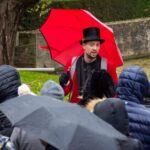
I especially like the way the route hits the Basilica of the Holy Blood and then ends at the Beguinage at Ten Wijngaerde, giving you a full arc from grand history to quiet courtyard life. I also like the human touch: guides such as Fabianne, Frank, Patrick, and Joseph are repeatedly praised for humor and keeping the pace comfortable. The one real drawback is that it is not suitable for people with mobility impairments, and weather can make the canal segment feel colder than it looks.
In This Review
- Why This Bruges Walking + Boat Combo Works So Well
- Key Highlights You Should Plan Around
- Where You Meet in Bruges (and Why It Matters)
- The First Stretch: Markt, Market Square, and a Legend-Ready Welcome
- Basilica of the Holy Blood: The Short Stop That Still Feels Important
- Vismarkt Fish Market and the Columns You Can Actually See
- The Canal Cruise: Where the Swans and Bridges Steal the Show
- Rosary Quay Chocolate Stop: Small Time, Big Flavor Variety
- Four Horsemen of the Apocalypse: Golden Statues and City Power
- Bonifacius Bridge: The Romantic Photo Moment That Still Has Context
- Gruuthusemuseum: Palace-Scale Architecture in a Measured Time Slot
- Church of Our Lady: A Key Religious Landmark Without the Museum Full-Day Risk
- Halve Maan Brewery: A Cultural Stop That Breaks the Historic Loop
- Beguinage and the Ending at Ten Wijngaerde: Peaceful, Garden-Like, and Memorable
- Price and Value: Why $51 Can Feel Like a Bargain
- Who This Tour Fits Best (and Who Should Skip It)
- Practical Tips So You Enjoy Every Segment
- Should You Book This Bruges Small-Group Tour?
- FAQ
- What is the duration of the Bruges tour?
- Where do you meet for the tour?
- What does the tour include?
- How long is the boat cruise?
- Is there a food or chocolate stop?
- Which sights are covered on the walking portion?
- What languages are available for the live guide?
- What should I bring to the tour?
- Is the tour suitable for people with mobility impairments?
- Are there flexible booking and cancellation terms?
Why This Bruges Walking + Boat Combo Works So Well
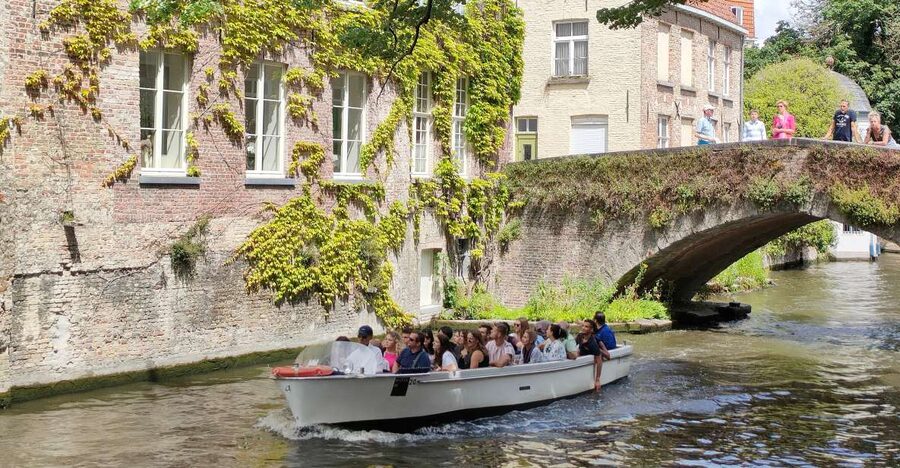
This is a smart “first day in Bruges” plan because it mixes three ways of understanding a city: on foot, by landmarks, and from the water. You start in the busy heart of town, learn what you’re seeing, then switch to the canals when your eyes start craving a wider view.
The best part is the pacing. The walk is structured with short guided stops, so you’re not stuck in long museum queues or trapped in one location. Then the boat gives you a reset: you sit down, the captain drives, and Bruges rolls past in a way that photos never fully capture—ivy on facades, narrow bridges, and the calm bend of waterways.
If you go in expecting a deep museum day, you’ll be disappointed. If you want a guided orientation that makes the rest of Bruges click, this tour is built for that.
Key Highlights You Should Plan Around
- Basilica of the Holy Blood: a 12th-century must-see in the historic core
- Fish Market Vismarkt: the visual wow of a market area with 126 columns
- Canal cruise near the Beguinage: chance to spot swans from the boat
- Chocolate tasting on the Rosary Quay: artisanal samples with multiple fillings and shapes
- Bonifacius Bridge + Beguinage Ten Wijngaerde: iconic romance ending with a peaceful garden mood
You can also read our reviews of more walking tours in Bruges
Where You Meet in Bruges (and Why It Matters)
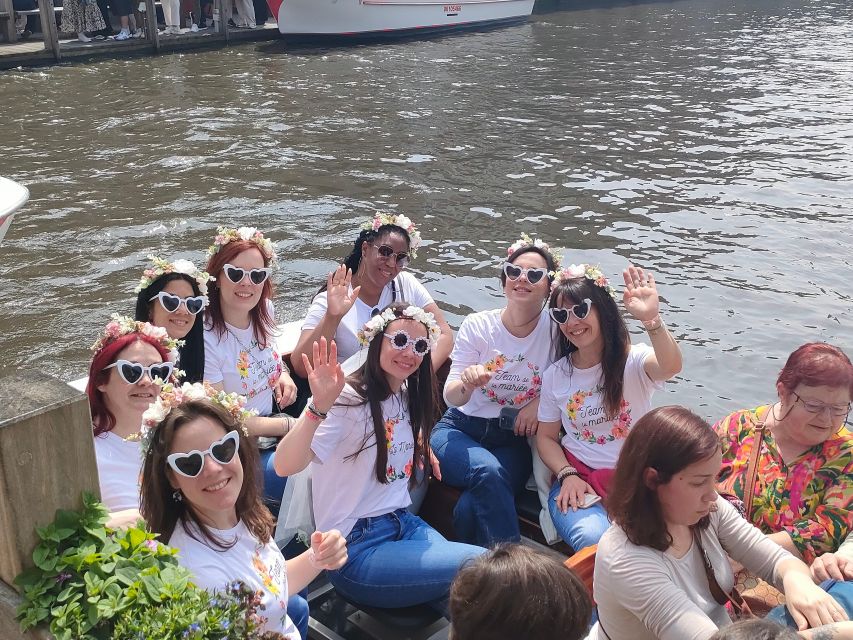
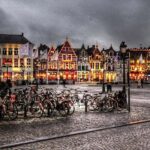
Meeting point options can vary depending on what you book, but the tour is designed around the Market square area. Expect to gather near the Historium on the Markt/Market square area, so you’ll be starting right in the thick of Bruges’ historic center.
Why this matters: it keeps your first steps simple. You don’t need to figure out transit or hunt for a side street meeting point. Bruges is compact, but the cobblestones and crowds can still slow you down—starting in the middle helps the schedule feel easy.
This tour runs about 150 minutes total, and starting times can vary, so check availability for your preferred day. Wear comfortable shoes, because even with short guided segments, you’ll still cover ground on uneven surfaces.
The First Stretch: Markt, Market Square, and a Legend-Ready Welcome
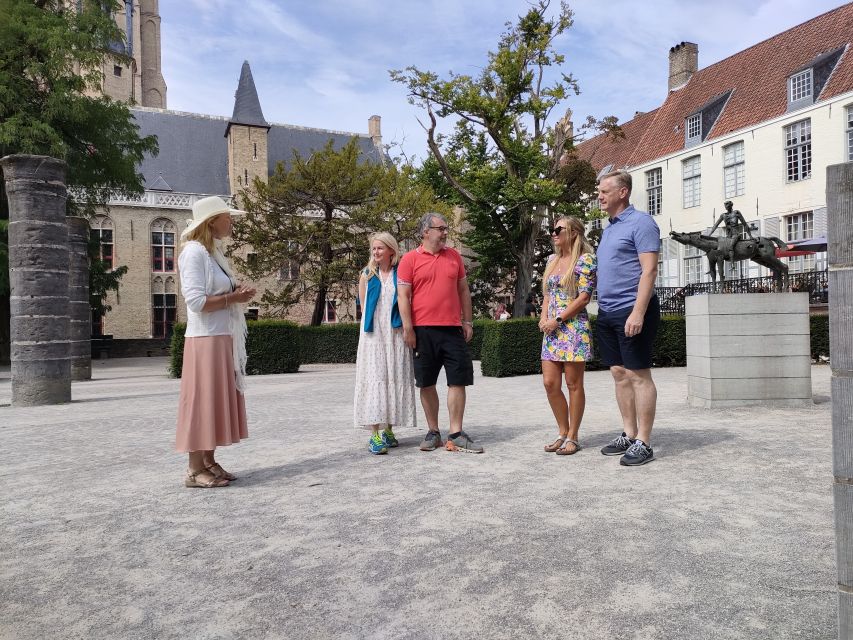
Your guided time begins at Markt (including options like Markt 1 and Brugge Markt). You’ll start with a short orientation—about 20 minutes—to set the scene. This is the part that helps everything later make sense.
During this opening, your guide points out the city’s key “story locations.” You’ll hear local context and legends tied to what you’re about to see. You’ll also get a practical sense of how Bruges is laid out: where the historic core concentrates, where the water fits into the layout, and which sights are worth prioritizing if you only have one full day.
From here, the tour quickly pulls you into the medieval highlights rather than spending time on modern streets.
Basilica of the Holy Blood: The Short Stop That Still Feels Important
Next comes the Basilica of the Holy Blood, with about 15 minutes of guided time. This is one of those Bruges stops where you’ll want to look up as much as forward. Your guide will connect what you’re seeing to the city’s long-running religious and civic importance.
Even though the stop is brief, it’s scheduled early enough that you’re still fully in “Bruges discovery mode.” If you’re a first-timer, this is a strong anchor: it gives you an idea of what kind of old-world power and devotion runs beneath the city’s postcard look.
Practical note: the tour expects you to keep moving, so it’s not a slow-paced photo session. If you love details, bring a quick photo plan—snap first impressions, then come back later on your own if you want longer time inside or around the building.
Vismarkt Fish Market and the Columns You Can Actually See
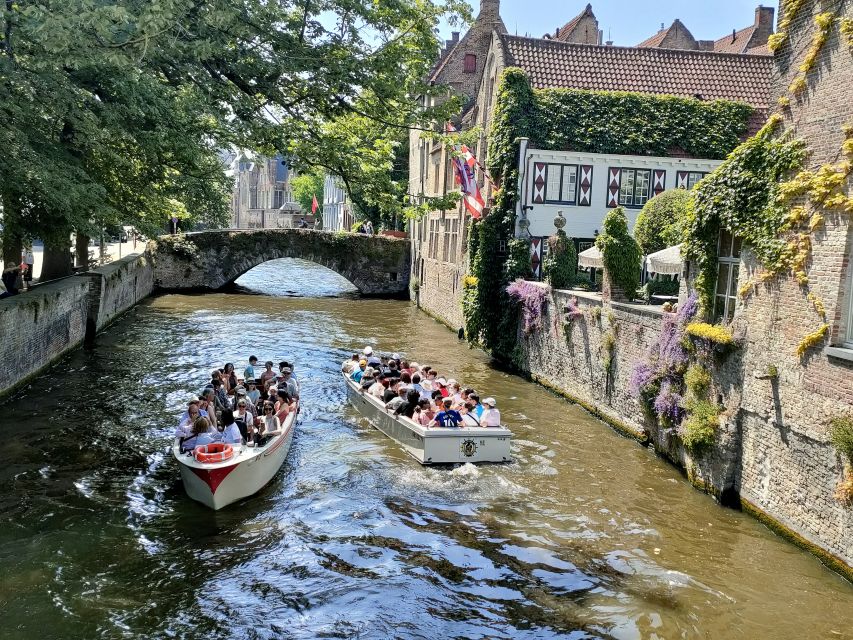
After the basilica, the tour heads to the old fish market area: Fish Market Vismarkt, including a stop for about 10 minutes. One of the most eye-catching details your guide will point out is the market’s 126 columns.
This is exactly the kind of Bruges detail that’s hard to appreciate without context. From street level, columns like this can look like architecture for architecture’s sake. With a guide explaining what the space was for—and why that matters—you suddenly see it as a working urban engine, not just a decorative feature.
You also get a moment at Huidenvettersplein for around 5 minutes, which keeps the walking rhythm moving while still feeding you with small visual payoffs.
You can also read our reviews of more boat tours in Bruges
The Canal Cruise: Where the Swans and Bridges Steal the Show
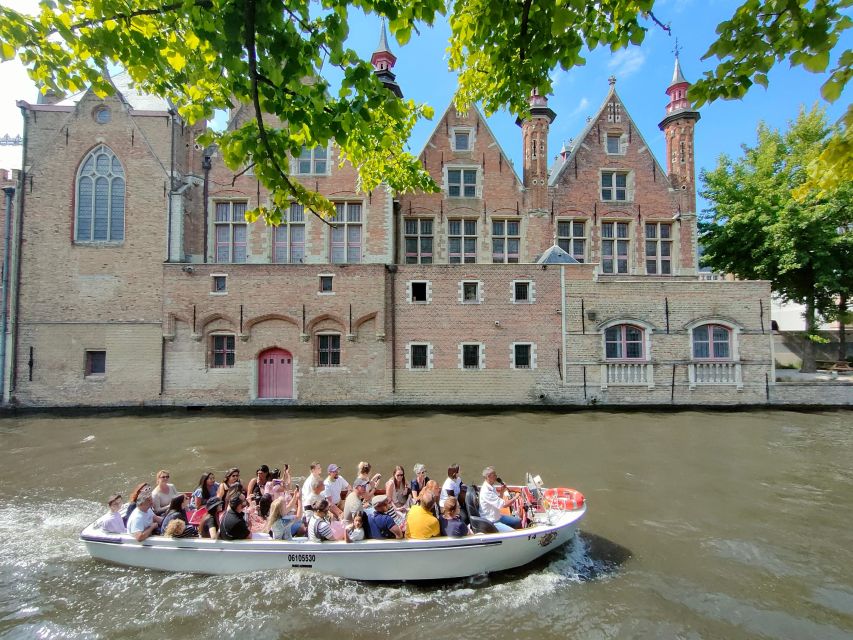
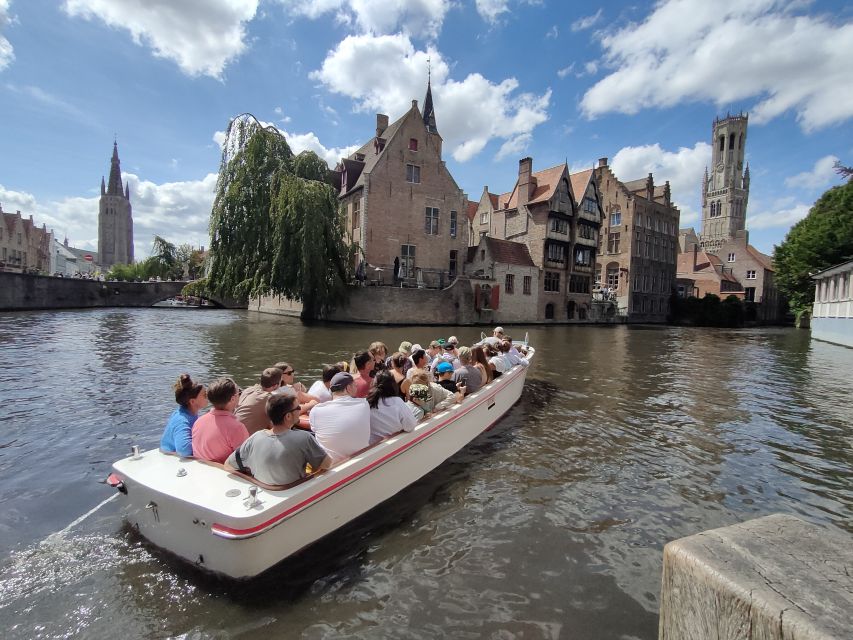
Then comes the highlight switch: you board the boat at the quay and take a 40-minute cruise. This is the part that breaks up the walking fatigue and gives you a new Bruges viewpoint.
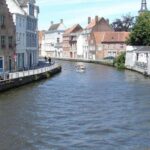
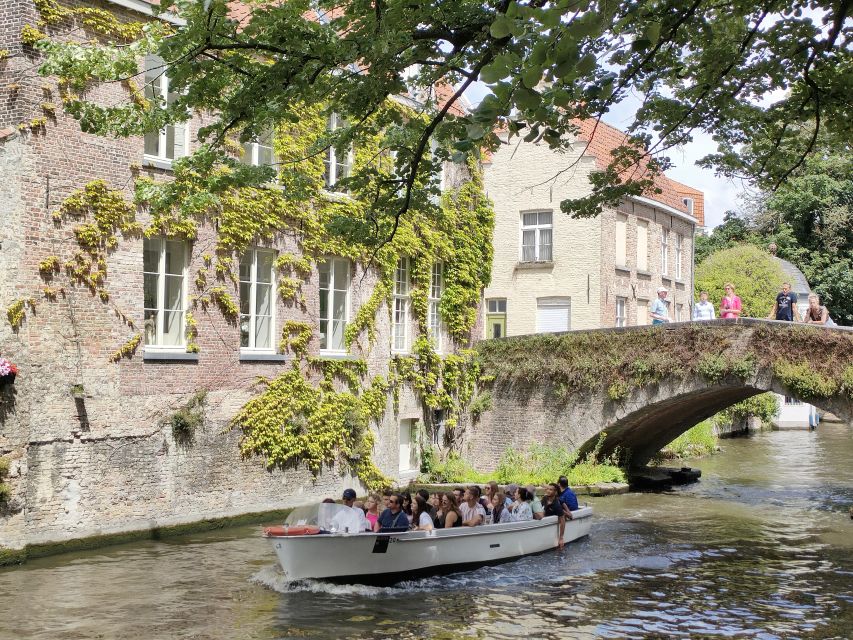
Expect commentary from the captain and a ride along the canals where you pass ivy-covered facades and go under bridges. From water level, the facades feel taller, and the city feels older. Your eyes also get a calmer task: instead of reading cobblestones, you track curves in the canal and recognize landmarks as they slide into view.
There’s a specific charm built into this section: you may spot swans next to the boat near the Beguinage area. That alone turns an ordinary ride into a memory.
If you’re going in cool months, bundle up. One thing you’ll notice from real-world experience is that rain or cold can make the canal portion less comfortable. The tour runs outside during the walk and the boat segment, so plan like it’s Belgium: quick temperature drops happen fast.
Rosary Quay Chocolate Stop: Small Time, Big Flavor Variety
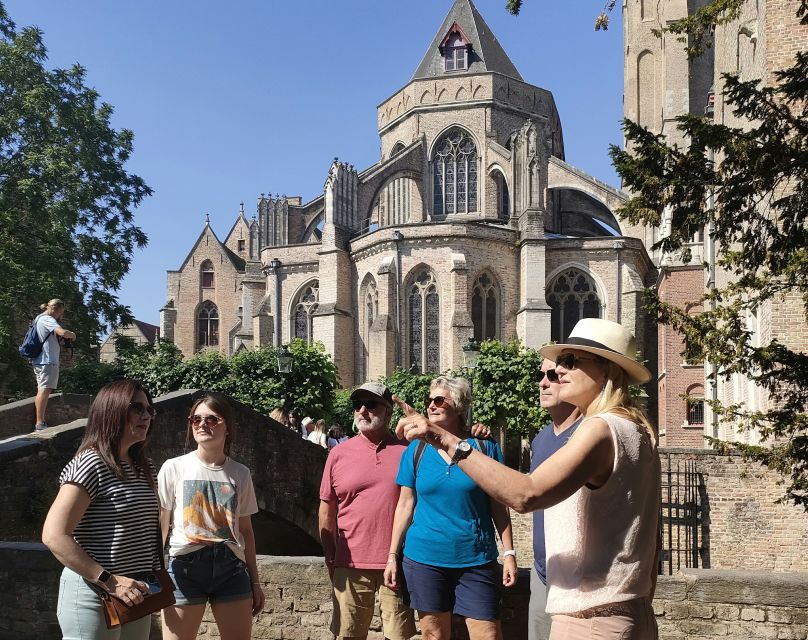
After the boat, you walk along the Rosary Quay and enter a chocolate shop for about 10 minutes of food tasting. This is not a full dessert meal. It’s a structured sampling, which is why it works well inside a walking schedule.
You’ll taste artisanal chocolate—and you’re meant to notice the variety: different fillings and shapes, all “fresh” in the sense that you’re tasting what the shop offers that day. For a city tour, this is a good fit because it’s memorable and repeatable later. You taste a few styles, then if you want more, you’ll know what you actually like.
One trade-off: if your goal is shopping and taking your time with boxes, 10 minutes can feel tight. I’d treat the tasting as your “flavor scouting.” Make your buying decision after the tour, when you can browse without a schedule.
Four Horsemen of the Apocalypse: Golden Statues and City Power
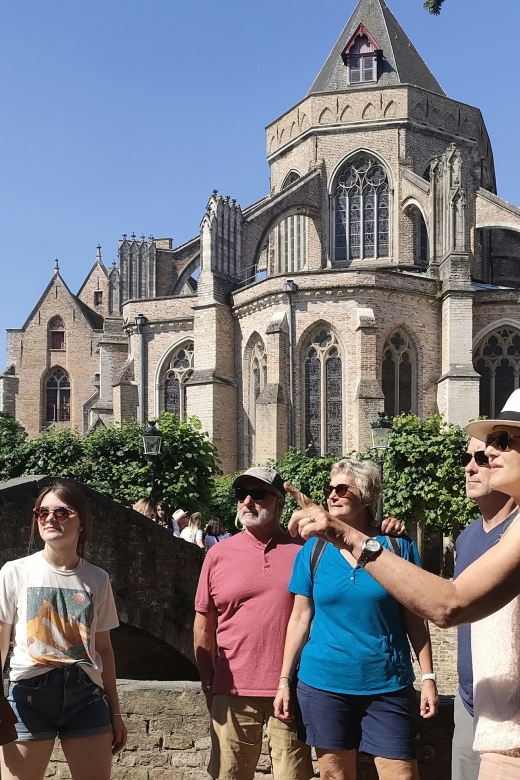
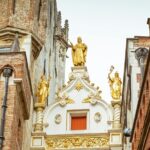
Next you move to the Four Horsemen of the Apocalypse with about 10 minutes of guided time. Your guide will connect these figures to a notable facade on an impressive courthouse area, including the feel of golden statues that Bruges does so well.
Why this stop matters: it’s a reminder that Bruges isn’t only soft romance and canal views. The city also has a darker edge in its symbolism—ideas of judgment, authority, and public messaging built into architectural ornament.
It’s also a visually strong pause in the tour. If you’re at the point where you’re starting to feel “I’ve seen a lot of buildings,” this kind of landmark breaks the pattern.
Bonifacius Bridge: The Romantic Photo Moment That Still Has Context
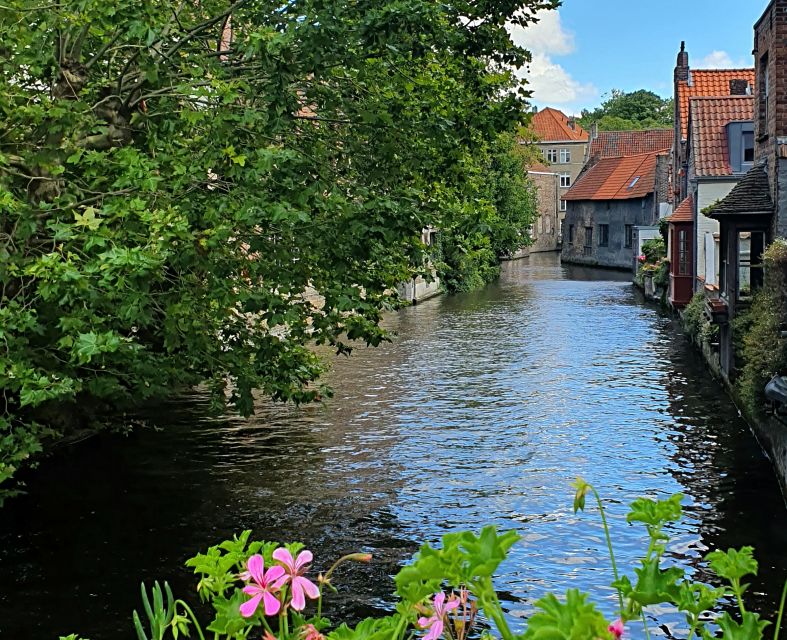
You’ll get to Bonifacius Bridge for about 5 minutes. Yes, it’s famously photogenic. But the best use of this stop is what the guide adds: the story behind why this bridge looks the way it does and why people associate it with Bruges’ romantic image.
Even in a short time slot, the guide’s context helps you slow down. You stop seeing it as just a picture backdrop and start noticing the details that make the bridge a Bruges signature.
Gruuthusemuseum: Palace-Scale Architecture in a Measured Time Slot
The route then includes the Gruuthusemuseum (about 10 minutes of guided time). This is where the tour adds variety: you shift from street corners and facades into a more “palace power” vibe.
You don’t have long enough here to read every room like a museum visit, but you do get a guided introduction that can help you decide if you want to come back later for deeper exploration. If you’re the type who loves a quick architectural primer before committing to a longer visit, this stop hits the sweet spot.
Church of Our Lady: A Key Religious Landmark Without the Museum Full-Day Risk
After Gruuthuse, the tour heads to the Church of Our Lady with about 10 minutes guided. Like the basilica, this is a major spiritual anchor in Bruges.
The brief time works because the tour’s purpose is orientation. You’re learning what to notice, not trying to cover every detail. If you want deeper time inside, you’ll now know it’s worth it.
If you’re visiting in cold weather, remember churches can be lively with other visitors. Keep your “quiet look” mindset. This stop is short, so focus on the big visual cues your guide points out rather than trying to see everything at once.
Halve Maan Brewery: A Cultural Stop That Breaks the Historic Loop
Next is Halve Maan brewery for about 10 minutes guided. This section adds a different angle: Bruges is historic, yes, but it’s also a living place with modern craft industries right in the old city.
Even without a long visit, the guide’s commentary can help you understand why this matters. It’s a nice change of pace from churches and courthouses, and it keeps the tour from feeling like a checklist.
Beguinage and the Ending at Ten Wijngaerde: Peaceful, Garden-Like, and Memorable
The final stretch is the Beguinage, with about 15 minutes of guided time, finishing at Beguinage Ten Wijngaerde.
This is where the tour takes a deliberate turn: instead of more grand architecture, you step into a calmer, enclosed feeling. You’ll hear about a hidden garden tied to an almshouse-like setting—something many people don’t expect to find in Bruges once they think they’ve seen everything.
Why I like this ending for you: it gives Bruges an emotional finish. After canals, bridges, statues, and churches, the beguinage setting feels like a breath of air. You leave the tour with a distinct memory you can build on later when you explore the city at your own speed.
Price and Value: Why $51 Can Feel Like a Bargain
At about $51 per person for roughly 150 minutes, the real value comes from the mix of included elements:
- A live local guide across multiple landmark clusters
- A boat trip with a captain
- A chocolate tasting stop
For a city like Bruges, where self-guided wandering can turn into lots of “photo first, story later,” this package pays off because it compresses context into a short time. You’re not paying just for transportation or just for a walk. You’re paying for interpretation—plus the canal experience you’d otherwise have to schedule separately.
The only time the price feels less “wow” is if you plan to rush through everything on your own anyway. If you’re the type who wants to understand what you’re seeing, this costs less than the alternative of buying separate tickets and still missing the local storytelling.
Who This Tour Fits Best (and Who Should Skip It)
This tour is a strong fit for:
- First-timers who want a clear orientation quickly
- People who like guided history but don’t want a full museum day
- Chocolate lovers who enjoy a structured tasting
- Families, since multiple guides have been praised for keeping the energy upbeat and patient with kids
- Anyone who wants Bruges from both street level and canal level
Skip it (or look for an alternative) if:
- You have mobility limitations, because it is not suitable for people with mobility impairments
- You get cold easily, since the walk and canal cruise are outdoors and weather can affect comfort
- You want lots of shopping time at the chocolate shop, because the tasting is brief
Practical Tips So You Enjoy Every Segment
Bring comfortable shoes. Bruges rewards good footwear more than good luck. Pack warm clothing, even if the morning looks mild. Add an umbrella and rain gear because the itinerary includes outdoor canal time.
If you care about photos, aim for the big visual anchors: the basilica exterior, the Vismarkt columns, the canal bridges, Bonifacius Bridge, and the beguinage courtyards. The tour moves, so decide early where you want your “stop and frame” moments.
Also, do this earlier in your visit if you can. Getting the city explained first makes later wandering feel less random and more like you’re reading a map with your eyes.
Should You Book This Bruges Small-Group Tour?
Book it if you want a time-efficient Bruges overview that mixes canals, landmark history, and chocolate in one smooth afternoon. The tour’s structure makes it easy to get your bearings fast, especially because it ends at Ten Wijngaerde when your brain is ready for a calmer final mood.
Consider a different option if you need step-free routes or longer downtime for physical comfort. And if you’re traveling in rough weather, dress for it. The cruise is part of the magic, but it’s still outdoors.
Overall: if you’re spending a limited amount of time in Bruges, this is one of the best ways to turn a short visit into a meaningful one.
FAQ
What is the duration of the Bruges tour?
The tour lasts about 150 minutes.
Where do you meet for the tour?
Meeting point may vary depending on the option booked, but it’s centered around the Historium area on the Market square. You should confirm the exact start point when booking.
What does the tour include?
It includes a tour guide, a boat trip (with a captain), and a chocolate tasting.
How long is the boat cruise?
The canal cruise portion is about 40 minutes.
Is there a food or chocolate stop?
Yes. You enter a chocolate shop for a chocolate tasting (about 10 minutes).
Which sights are covered on the walking portion?
You’ll see highlights such as the Basilica of the Holy Blood, the Fish Market (Vismarkt), the Four Horsemen of the Apocalypse, Bonifacius Bridge, the Gruuthusemuseum, the Church of Our Lady, and the Beguinage area ending at Ten Wijngaerde.
What languages are available for the live guide?
The live guide is offered in German, English, French, and Dutch.
What should I bring to the tour?
Wear comfortable shoes. Bring warm clothing, an umbrella, and rain gear.
Is the tour suitable for people with mobility impairments?
No, it is not suitable for people with mobility impairments.
Are there flexible booking and cancellation terms?
Free cancellation is available up to 24 hours in advance for a full refund. You can also reserve and pay later, depending on the option shown.