REVIEW · STOCKHOLM
Stockholm: Old Town Walking Tour
Book on GetYourGuide →Operated by Tours of Stockholm · Bookable on GetYourGuide
Gamla Stan makes medieval Stockholm feel real. On this Old Town walking tour, I love how the stories stick to real street-level details, and I also love the big-ticket sights like the Royal Castle tied to the same era. One catch: it’s a steady 2-hour walk, so if you hate being outside in cold wind or rain, plan on layers and sensible shoes.
What makes it work is the guide. I’ve seen how different guides bring the past to life with clear English, patient answers, and time for photos, whether it was Sarah on a small two-person outing or Sofia when the pace felt calm even in winter. Still, if you get a group situation where a person keeps pulling the conversation away, the tour timing can feel slightly less even than you’d hope.
You’ll meet at Kindstugatan 1, right under the big chestnut tree, then get walked through Gamla stan as the city’s older heart. Expect legend stops that go beyond postcard history, like the Stockholm Blood Bath story, the cannonball wedged in a house façade, and the tale of St. George and the Dragon.
In This Review
- Key takeaways before you go
- Entering Gamla stan like it’s the 1500s
- Where you start: Kindstugatan and the chestnut tree
- Royal Castle and Royal Palace: the power center story
- Stockholm Blood Bath and the cannonball façade detail
- St. George and the Dragon: myth meets city space
- How the 2 hours usually feel: pace, photos, and cold weather reality
- Price and value: is $50 worth it?
- Who this tour fits best (and who might want something else)
- Should you book this Old Town walking tour?
- FAQ
- How long is the Stockholm Old Town walking tour?
- Where does the tour meet?
- What language is the tour in?
- What does the tour include?
- How much does it cost?
- What are the main highlights?
- Which attractions are mentioned during the tour?
- Is there free cancellation?
- Can I reserve without paying right away?
- Is it a walking tour?
Key takeaways before you go
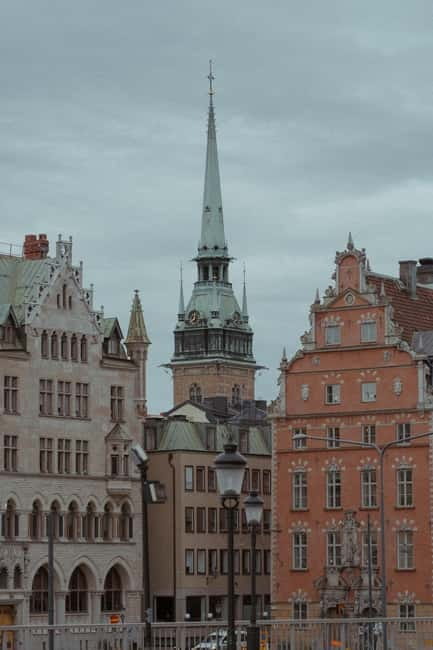
- Gamla stan storytelling: You’ll learn medieval-to-early-modern Stockholm through street scenes, not museum lecturing.
- Royal highlights: The Royal Castle and Royal Palace connections make the tour feel larger than a small neighborhood walk.
- Real oddball details: The cannonball in a façade gives you a concrete physical clue for the stories.
- Blood Bath context: You’ll hear what set the stage for one of Stockholm’s most notorious episodes.
- St George legend: The tour ties a famous myth into what you’re seeing on the ground.
- English live guide: It’s led in English by a professional guide, with lots of room for questions.
Entering Gamla stan like it’s the 1500s
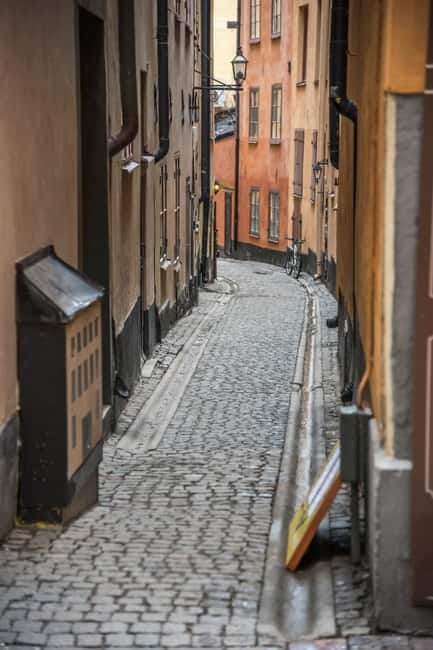
Old Town in Stockholm is called Gamla stan for a reason. It’s the part of the city that still feels like the core, and that matters because the tour is built around cause-and-effect storytelling. You’re not just seeing buildings. You’re learning how power, fear, and everyday life shaped the streets.
The big promise here is time travel. The medieval angle is front and center, with the tour’s tales stretching into later centuries as you move through the area. Even if you’ve read a little about Sweden before, this kind of walk helps you connect names and events to locations you can actually picture.
And it’s not all doom and war. The best moments are when the guide points out specific details that make the past feel tangible. A cannonball lodged in a façade is the sort of thing you’d miss on your own, and it instantly turns a generic “old building” into evidence.
You can also read our reviews of more walking tours in Stockholm


Where you start: Kindstugatan and the chestnut tree
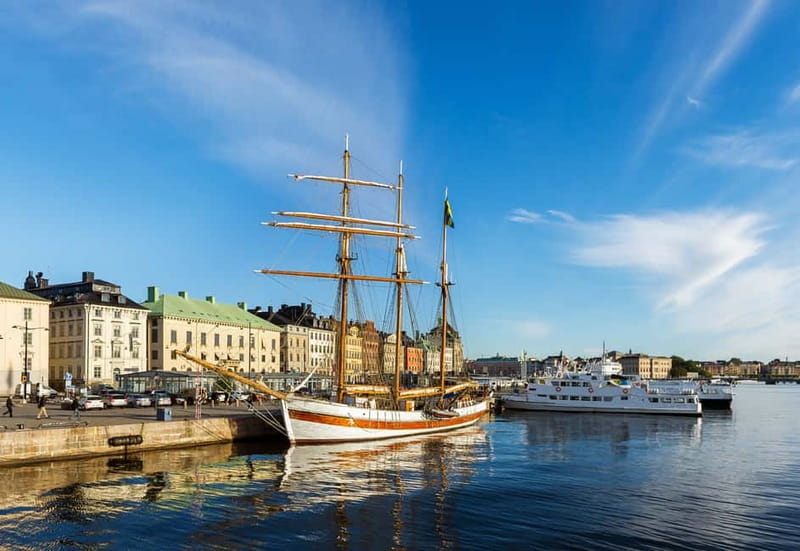
Logistics are simple, but don’t wing it. Your guide meets at Kindstugatan 1, 111 31 Stockholm, right underneath the big chestnut tree. That landmark is your anchor point, especially because Gamla stan streets can twist and overlap fast.
I recommend you arrive a bit early and use that time to do two practical things:
1) Confirm you’re at the right side of the street.
2) Get water and a quick warm-up drink if you want one before the walking starts.
If you’re traveling in winter, this first moment matters. Waiting around dressed for walking but standing still can make the “2-hour walk” feel longer. Starting on time helps you stay comfortable.
Royal Castle and Royal Palace: the power center story
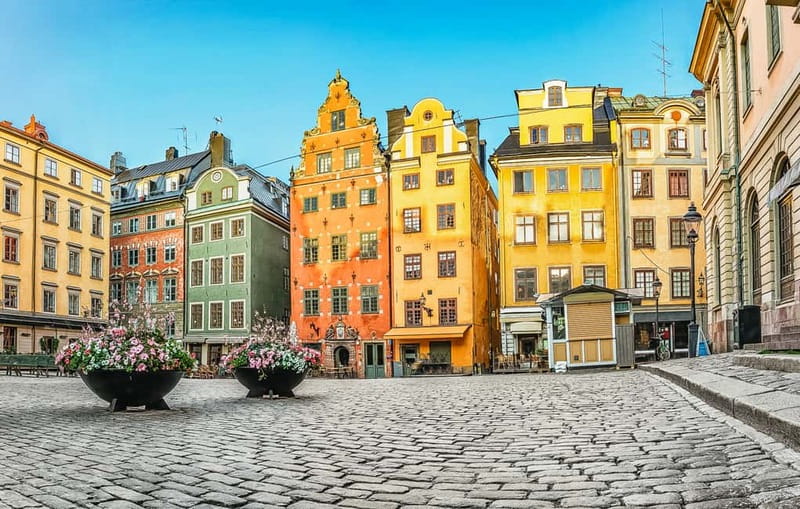
The tour’s headline sights include the Royal Castle, and it also references the 17th-century Baroque Royal Palace in the context of what you’re seeing in Old Town. That pairing is smart for two reasons.
First, the Royal Castle gives you the medieval anchor. It’s the kind of place where you expect royal life, court power, and political drama. Second, linking it to the Baroque Royal Palace helps you understand that this area didn’t freeze in time. Stockholm’s ruling image evolved, but the historic core stayed relevant.
How to get the most from this section: treat it like a conversation between eras. When the guide talks about nobles, princesses, dukes, and governance, try to picture how those roles would play out on the streets you’re standing on. That mental map is what turns “I saw a castle” into “I understand why this neighborhood mattered.”
Stockholm Blood Bath and the cannonball façade detail
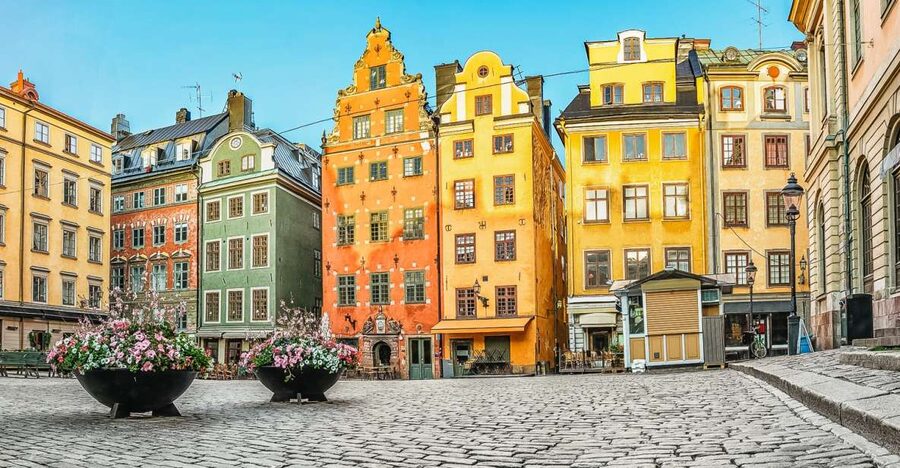
This tour leans into the dramatic side of history. You’ll hear about the Stockholm Blood Bath, one of those events that people remember because it’s violent and decisive. What’s useful on a walking tour is context: the guide frames the story so it doesn’t feel like a random horror headline.
Then you get a physical detail that makes the story feel grounded: a cannonball wedged in the façade of a house. That kind of object is valuable for your memory. It’s hard to forget a street-level artifact, and it gives you a “yes, something happened here” anchor.
What I like about this part is the balance between story and observation. You’re learning facts, but you’re also learning how to look:
- Watch for where the guide directs your attention.
- Notice how the building detail ties back to the event being discussed.
- Ask questions if anything sounds unclear, because this is the section where clarification turns the story from scary to meaningful.
One potential drawback: if you prefer lighter historical themes, the Blood Bath material may feel intense. You can still enjoy the architecture and the legends, but you’ll be walking through darker chapters.
St. George and the Dragon: myth meets city space
The legend of St. George and the Dragon shows up on this tour, and it’s more than a fun story. Myth like this often gets connected to symbols people use to explain courage, danger, and morality. On a walking route, you can actually see where symbols and references would have sat in daily life.
This is also one of the “wait, I didn’t know that” moments. Even if you’ve heard the St. George story before, hearing it tied to Old Town sites changes the way you process it. Suddenly it’s not just a generic legend. It becomes a thread in Stockholm’s cultural memory.
If you’re a first-timer, this section helps you shift from facts to atmosphere. It’s the kind of stop that makes you feel like you’re inside the neighborhood’s storybook, not just passing through it.





How the 2 hours usually feel: pace, photos, and cold weather reality
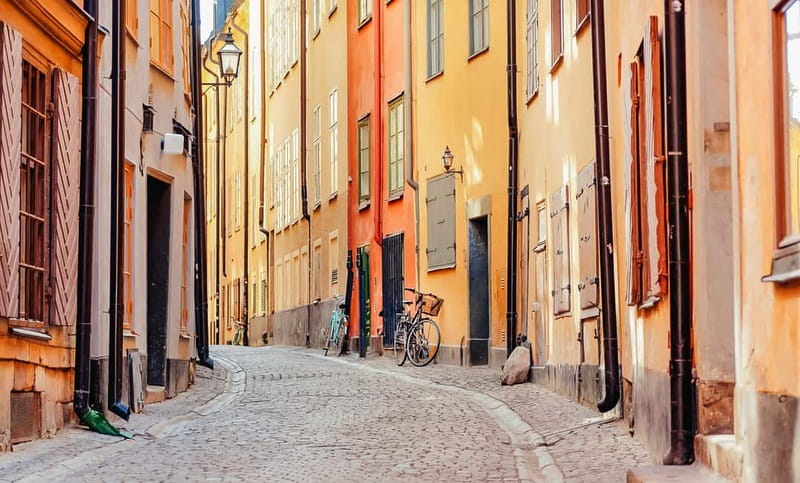
The tour runs 2 hours, walking through Gamla stan. That time window is ideal if you want an organized overview without spending half a day in transit and waiting.
In practice, you’ll likely get:
- Enough time to hear full stories at each major stop.
- Enough pauses to take photos when the guide allows it.
- A steady walking rhythm that doesn’t turn the tour into a long queue of stops.
One pattern I’ve picked up from real-world experiences: guides vary a bit in how much they answer deeply, but most keep the tour moving while still welcoming questions. Sarah, for example, was praised for pacing and answering at length, and guides like Nadia were praised for excellent English and great accessibility for people with hearing needs. That’s a good sign if you’re worried about not catching every word.
Cold weather matters too. On a tour like this, “out of control” means wind and rain can make it harder to enjoy your surroundings even when the guide is great. Dress like you’ll be outside the entire time. If you’re the type who dislikes cold hands, bring gloves. Simple stuff, big comfort.
Price and value: is $50 worth it?
At $50 per person for 2 hours, the question is what you’re paying for. You’re not paying for entry tickets. You’re paying for a professional guide who can connect:
- what you see,
- what it meant,
- and how it fits into Swedish history.
In a place like Gamla stan, that connection is the value. Without guidance, you can walk the same streets and still miss the stories that give the buildings meaning. With a guide, even small details like the cannonball become memorable.
It also helps that the tour is in English, and it’s led live. If you’re visiting for a short time, a guided walk like this is often the fastest way to get your bearings. You’ll leave with a clearer mental map of Old Town, plus specific legends and episodes to revisit later when you’re wandering on your own.
And the flexibility is practical: you can reserve and pay later, which helps if your plans might shift. If you want to keep your itinerary flexible, that reduces stress.
Who this tour fits best (and who might want something else)
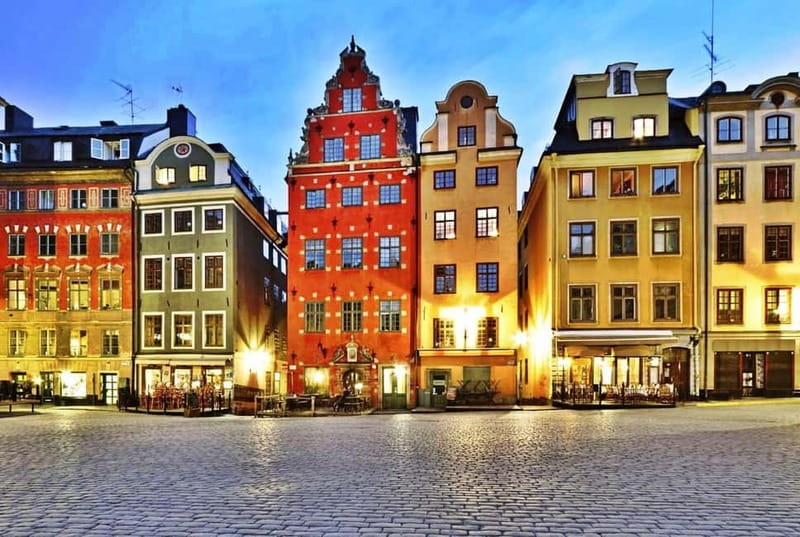
This is a great choice if you want a first-time orientation to Old Town that doesn’t stay on the surface. It’s especially good for:
- History lovers who like story-based context.
- First-timers who want a quick but meaningful overview.
- Families when you want an adult-guided route that still feels like storytelling (some guides have been praised for keeping it family-friendly).
- People who like asking questions. Several guides were praised for patient answers and allowing time for questions and photos.
It may be less ideal if you:
- Prefer museum-style learning with seating and controlled temperatures.
- Want a slow walk with long breaks in cafés.
- Dislike darker historical topics like the Blood Bath.
Should you book this Old Town walking tour?
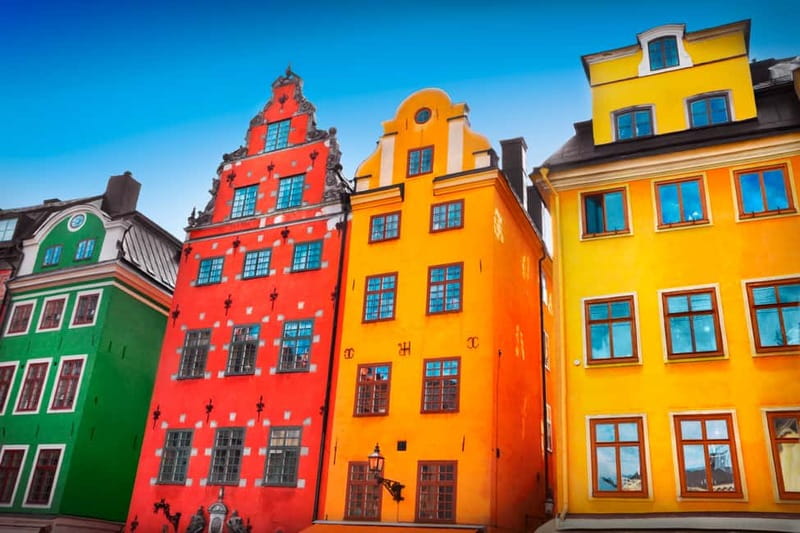
Yes, if you want Stockholm’s medieval edge in a manageable time frame. For $50, you’re buying a guided narrative that turns Gamla stan into something you can understand, not just something you can photograph. The Royal Castle and Royal Palace connections give you scale, and the cannonball and Blood Bath stories give you those unforgettable, look-at-this-right-here moments. Add the St. George legend, and you get a tour that feels like myth and history are sharing the same street.
If you hate walking in cold weather, adjust your expectations and dress for it. And if you’re someone who likes quiet, unhurried wandering with lots of time sitting down, you might want a different style of outing.
If you match the vibe, this is one of the best ways to get your bearings fast and leave with stories you’ll remember long after the castle towers fade behind you.
FAQ
How long is the Stockholm Old Town walking tour?
It lasts 2 hours.
Where does the tour meet?
The meeting point is Kindstugatan 1, 111 31 Stockholm, and the guide meets right underneath the big chestnut tree.
What language is the tour in?
The tour is a live guide in English.
What does the tour include?
It includes a professional tour guide.
How much does it cost?
The price is $50 per person.
What are the main highlights?
You’ll focus on Stockholm’s fascinating history, see the Royal Castle, and explore the Old Town area known as Gamla stan, including references to earlier centuries.
Which attractions are mentioned during the tour?
Key sights and story points include the Royal Castle, the Baroque Royal Palace area, the Stockholm Blood Bath, a cannonball wedged in a house façade, and the legend of St. George and the Dragon.
Is there free cancellation?
Yes. You can cancel up to 24 hours in advance for a full refund.
Can I reserve without paying right away?
Yes. The option listed is Reserve now & pay later, so you can book and pay later.
Is it a walking tour?
Yes. It’s described as a walking tour through Stockholm’s Old Town (Gamla stan).