REVIEW · STOCKHOLM
Best of Stockholm Walking Tour-3 Hours, Small Group max 10 people
Book on Viator →Operated by Amitylux · Bookable on Viator
Stockholm makes sense on foot. This 3-hour small-group walk links the postcard Old Town to royal and Nobel-era stories, with stops spaced for photos and questions as you go. You’ll spend real time in Stortorget, then move outward for views you’d miss if you only rushed between must-sees.
I also love how the experience leans on a strong local guide. Names like August, Berna, Lise, Zenid, and Michael show up again and again in the guide praise for clear explanations, humor, and the calm way they handle tricky weather.
One possible drawback: you’re not going inside the main attractions here. You’ll see key buildings up close and learn the stories around them, but no paid entry tickets are included, so expect mostly exterior viewing and brief stops.
In This Review
- Key things to know before you go
- Why this 3-hour route works so well in Stockholm
- Meeting at Centralplan 15 and how the pacing feels on the street
- Stortorget Square: more than colorful buildings
- Royal Palace sights: official residence from the outside
- St. George and the dragon: Stockholm’s legend you’ll keep seeing
- Stockholm City Hall and the Nobel Prize connection
- Mårten Trotzigs gränd: the narrow alley with big character
- Riddarholmen and the quiet side of Gamla Stan
- Storkyrkan Cathedral: legend in stone and sculpture
- Nobel Prize Museum stop: how prizes get decided (without paying for a museum day)
- Royal Opera House: a graceful finish to a history-heavy walk
- Price and value: what you get for $49.10
- What to expect from the guide style (and why it shows up in the results)
- Tips to make your walk smoother (especially in cold or uneven weather)
- Should you book this Stockholm walking tour?
- FAQ
- Do I need to buy tickets to the attractions?
- How long is the walk?
- Is the tour group small?
- What’s included in the price?
- Where do we meet?
- Can I cancel for a refund?
Key things to know before you go
- Small group (max 10) means more chances to ask questions and get tailored tips.
- No attraction entry: plan on exterior views, orientation, and short photo moments instead.
- Old Town focus: Stortorget and narrow lanes like Mårten Trotzigs gränd bring Gamla Stan to life.
- Royal + civic symbols: the Royal Palace, St. George statue, and Stockholm City Hall all connect through legend and power.
- Nobel Prize Museum stop helps you understand how the prizes fit Swedish culture, without committing to museum time.
- Weather-ready walking: icy or uneven pavement can be part of the day, so sturdy shoes matter.
Why this 3-hour route works so well in Stockholm
If it’s your first time in Stockholm, you’ll like this format. Three hours is long enough to pick up how the city is laid out, and short enough that you don’t feel like you’ve been “stuck on a tour” all day. The walk concentrates on a compact slice of the center, so you get big sights and a clear sense of what to do next.
The best part is how the route ties themes together. You’re not just seeing buildings. You’re learning why St. George matters, why the City Hall matters, and how Nobel fits into Sweden’s public identity. That makes the sights feel connected, instead of like a checklist.
The small-group size helps, too. When you can actually hear your guide and ask questions, you start noticing the details—small symbols on facades, the meaning behind statues, and why the city keeps repeating certain stories.
You can also read our reviews of more walking tours in Stockholm

Meeting at Centralplan 15 and how the pacing feels on the street
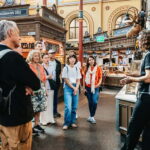
You start at Centralplan 15, 111 20 Stockholm, and end somewhere in central Stockholm. Because you’re walking the whole time, the day’s flow depends on finding the meeting point quickly and keeping a steady pace. I’d treat this like a timed visit: if you arrive late, you don’t just miss minutes—you miss the early context your guide will use all afternoon.
The duration is listed as about three hours, but practical reality matters. Short photo stops, crowd movement, and the weather can add a little time. One review note you should take seriously: plan your day with a little flexibility, and wear shoes that handle uneven Old Town surfaces.
If it’s cold (or you’re walking in slick winter light), you’ll be glad you packed for grip. Guests have praised guides for being patient and attentive on icy footing. That kind of real-world care can turn a potentially stressful walk into something easy.
Stortorget Square: more than colorful buildings
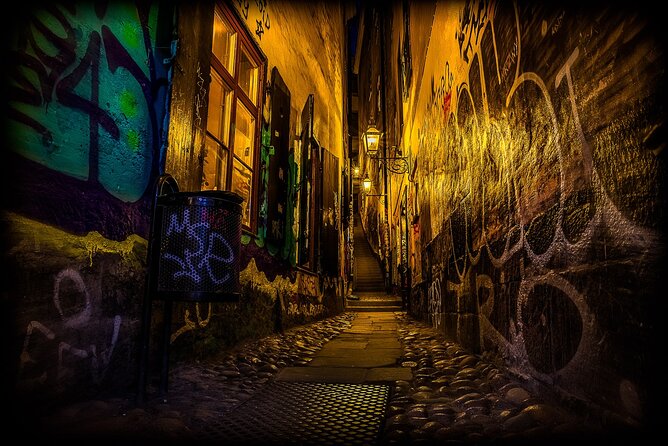
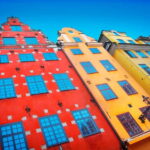
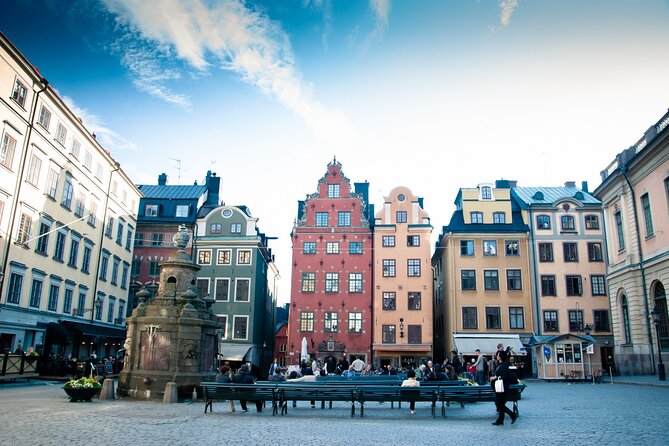
You kick off at Stortorget, the main square in the Old Town. This is where the city’s story feels physical: the buildings are colorful, the streets are tight, and it’s easy to imagine trade, politics, and everyday life happening right here. Your guide will help you look past the pretty facades and understand what you’re seeing.
One reason Stortorget is such a great starting point is that it gives you a reference frame. Once you understand what this square represents, the rest of the route makes sense—why certain landmarks cluster together and why legends keep reappearing.
You’ll get about an hour here, which is enough time to slow down. Use it for photos, but also for “orientation mode.” I like to stand still for a minute and let the guide’s explanation settle before I start walking again. It makes the next stops hit harder.
Royal Palace sights: official residence from the outside
Next comes the Royal Palace, the official residence of the King of Sweden. Since entry isn’t included, you’ll focus on the outside atmosphere: scale, placement, and the ceremonial weight of the complex.
You only spend around 30 minutes, so this isn’t a deep museum day. Think of it as a guided introduction to royal power as it appears in architecture and public space. Your guide’s stories will help you connect the palace to the broader legends you’ll see later—especially the St. George theme.
Then the tour loops back to the palace area again for a short stop. That’s a smart choice for a walking tour. Getting another angle later helps you spot details you miss the first time, and it also helps the timing work if the group needs a breather.
St. George and the dragon: Stockholm’s legend you’ll keep seeing
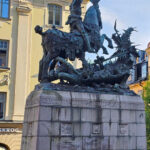
The tour includes a quick stop at the Statue of St. George, showing the battle between St. George and the dragon. It’s only a few minutes, but it sets up a pattern: Swedish symbolism isn’t random, and St. George pops up again at key moments.
Later, you’ll connect that statue story with what’s housed at Storkyrkan (St. George and the dragon sculpture). If you’re the type who likes “aha” moments, this is the stop chain that creates them. You’ll start noticing that the same legend appears in different settings—public art, sacred space, and civic identity.



Stockholm City Hall and the Nobel Prize connection
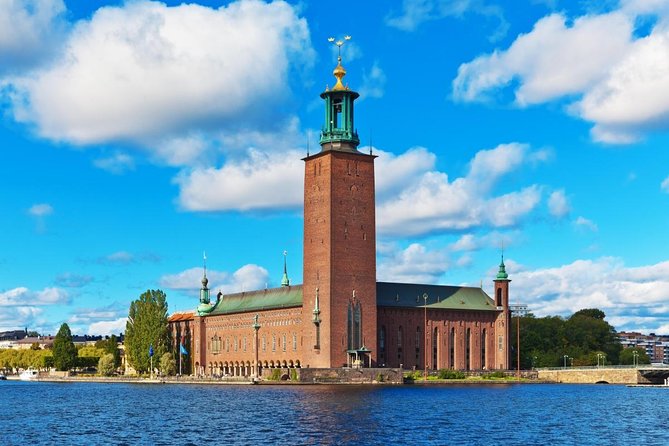
The big civic moment is Stockholm City Hall, capped by three golden crowns. Even without entering, it’s an arresting sight, and your guide will explain why it’s treated as a symbol of Sweden—part ceremony, part national branding.
You’ll spend about 15 minutes here. That’s enough time to get a feel for the building and to understand how it links to the Nobel Prize tradition. Nobel isn’t presented as abstract prestige; it’s shown as something Swedish society made visible through place and event.
This part of the walk is especially good if you want context for when you later read about Nobel winners. The tour helps you see why Nobel has such a strong cultural position—because Sweden built a public stage around it.
Mårten Trotzigs gränd: the narrow alley with big character
Then you shift from grand symbols to street-level charm at Mårten Trotzigs gränd, known as Stockholm’s narrowest alley. This is short—around 5 minutes—but it’s one of those stops that resets your brain. After wide squares and big facades, you get something physical: a twist of street, a squeeze of space, and the sense of living history.
This is also a great place to take photos because the perspective is so dramatic. If you try to rush through this, you’ll miss the effect. Stand where the alley starts, look down it, then move a few steps so your camera has a different angle. A good guide will point out where the view lands best.
Riddarholmen and the quiet side of Gamla Stan
The next stop is Riddarholmen, the Knights Islet. You’ll spend only about 5 minutes here, but it’s a meaningful pause. This is a different mood than the busiest square. The water-side setting helps you understand Stockholm’s “island city” identity without needing to ride a boat.
Your guide will likely connect this spot to the history of how Gamla Stan was founded, and you’ll also hear how the island’s palace story came early. Even from the outside, this is where Stockholm starts to feel less like a set of monuments and more like a living city shaped by geography.
If you like short scenic breaks—this is one of them. It’s brief, but it’s the kind of “breath and look” pause that makes the later Nobel and opera stops feel more enjoyable.
Storkyrkan Cathedral: legend in stone and sculpture
You’ll visit Storkyrkan (St. George’s Cathedral / Storkyrka) with a focus on the St. George and dragon sculpture. The stop is short—about 5 minutes—and since entry isn’t specified as included, expect exterior orientation and quick viewing moments.
What makes Storkyrkan work in this tour is the storytelling continuity. You’ve already seen St. George once as a statue outside, so now you learn why the legend is also tied to the church. That connection makes the earlier stop feel more purposeful.
Even if you’re not a “church person,” this is worth the quick stop. It’s one of the clearest ways to understand how legends travel from street art to sacred space in Stockholm.
Nobel Prize Museum stop: how prizes get decided (without paying for a museum day)
Next is a stop at the Nobel Prize Museum, also associated with the Swedish Academy, where the literature prize is decided. You’ll spend around 10 minutes, and again, it’s not presented as a museum entry experience.
That limitation can actually be an advantage for some visitors. If you’ve got limited time, you get the key idea—Nobel isn’t just awards; it’s tied to Swedish institutions and culture. Then you can decide later if you want a separate, longer museum visit on your own.
This is the kind of stop that pairs well with future planning. After the walk, you’ll know what to look for if you do choose to spend time inside the museum—especially the literature angle tied to the Academy.
Royal Opera House: a graceful finish to a history-heavy walk
The tour ends with a final pass at the Royal Swedish Opera (around 15 minutes). You’ll get a good look at the building and its place in Stockholm’s cultural map.
This is a smart final move for two reasons. One, it shifts the mood from medieval Old Town and civic symbols to modern cultural life. Two, it’s a good “last photo” anchor before you head off to whatever comes next—dinner, a café, or a self-guided wander.
If you’re the type who needs an ending sight to feel satisfied, this will help. The Opera stop gives you a classy finish without turning the day into an all-day production.
Price and value: what you get for $49.10
At $49.10 per person for about three hours, the value comes from three main things: time, focus, and group size.
First, you get a guided walk through a cluster of major landmarks without spending your day navigating. That convenience matters in Stockholm’s Old Town, where streets can look simple on a map and still feel confusing on foot.
Second, you’re paying for interpretation, not tickets. Since you’re not entering the attractions, the money goes into the stories that make the buildings meaningful. If you enjoy context—why a statue exists, why a square matters, why Nobel is tied to Swedish identity—this model works well.
Third, the small group max of 10 keeps the pace humane. You can ask questions, and you don’t feel like you’re being rushed past key sights. That kind of interaction is often the difference between a “nice walk” and a memorable one.
What to expect from the guide style (and why it shows up in the results)
This tour tends to be praised for guide performance, and the pattern is consistent. People mention guides like August and Berna for being patient, funny, and able to answer questions clearly. Others highlight how Lise or Zenid keeps the walk lively with stories that connect Sweden’s past and present.
In practical terms, here’s what that means for you: you’re not just listening to dates. You’re getting explanations that help you notice things. And on days when the ground is slippery, guides have been noted for staying alert and helping guests feel steady.
If you want to maximize your experience, show up ready to ask one question early. Ask about what to look for at City Hall. Ask how St. George ties across locations. A good guide will use your curiosity to sharpen the rest of the route.
Tips to make your walk smoother (especially in cold or uneven weather)
Wear shoes with grip. Old Town streets can be rough, and weather can make them worse. If you’re going in winter or shoulder season, layer up and bring something for your hands.
Bring a charged phone/camera. You’ll get multiple photo moments, and some stops are short, so you’ll want to be ready. If you’re traveling in a group, consider who holds the camera so nobody loses time during the explanations.
And keep your day flexible. Even a well-run three-hour walk can feel longer if you slow down for photos or if you need extra seconds at a viewpoint. Plan your next activity with that in mind, and you’ll feel less rushed and more relaxed.
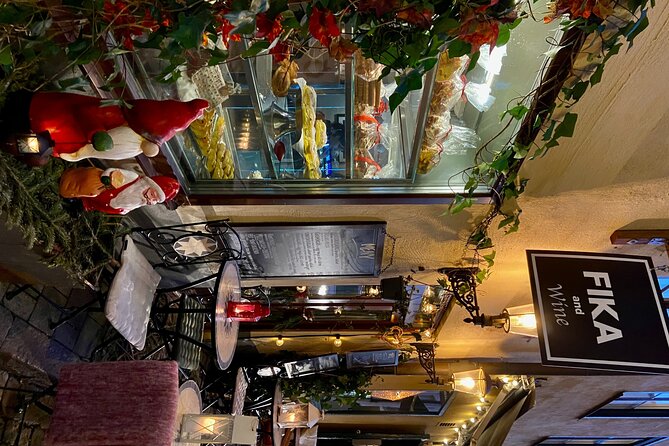
If you’re curious about food, a fully planned “food tour” isn’t what this is. Still, guides have been known to suggest fika spots, and some have even guided people toward a bakery stop. If that’s your style, just ask your guide if there’s a good place nearby for a quick coffee break.
Should you book this Stockholm walking tour?
You should book it if you want a first-pass orientation that still feels meaningful. This is ideal for you if you’re short on time, like walking city highlights, and enjoy hearing how legends, royal symbols, and Nobel-era culture connect.
Skip it if you specifically want ticketed museum time or long indoor visits. Since the emphasis is on seeing the sights from outside and learning the background, you may feel like you wanted more museum depth.
If you’re deciding between doing nothing but solo sightseeing and doing a guided intro, I’d lean guided here. Stockholm rewards attention to detail, and this route is built to teach you what to notice—so your next hours in town feel smarter and more enjoyable.
FAQ
Do I need to buy tickets to the attractions?
No. The tour notes that attractions are not entered and that tickets are not included.
How long is the walk?
It’s scheduled for about 3 hours.
Is the tour group small?
Yes. It’s a small group with a maximum of 10 travelers.
What’s included in the price?
You get an English-speaking local guide and the small-group public walking tour. The mobile ticket is also part of the experience.
Where do we meet?
The start point is Centralplan 15, 111 20 Stockholm.
Can I cancel for a refund?
Yes. Free cancellation is available if you cancel at least 24 hours in advance for a full refund.