REVIEW · WROCLAW
Wrocław: Old Town and Ostrów Tumski Walking Tour in English
Book on GetYourGuide →Operated by Walkative Tours · Bookable on GetYourGuide
Wrocław’s bridge count sets the pace. This English walking tour pairs the Old Town Town Hall’s Gothic drama with the Ostrów Tumski cathedrals on the city’s oldest island, all explained by local voices and story-first history. I like how the guide keeps the big picture clear—why Wrocław has changed hands so often, and how that shapes what you see today.
One thing to plan for: it’s a 150-minute walk that can feel longer in real life, and the cobblestones add up—so bring comfy shoes and expect to be on your feet.
In This Review
- Key things you’ll enjoy on this Wrocław tour
- Starting at the Fredro Statue: getting your bearings in Wrocław’s Market Square
- Old Town Gothic: the Town Hall and why Wrocław looks the way it does
- A quick Market Hall break: practical time inside a busy schedule
- Crossing toward Ostrów Tumski: the bridge game that makes the route click
- Ostrów Tumski cathedrals: oldest Wrocław, seen in stone
- Why the city’s name is confusing: Wrocław pronunciation, explained
- The local guide factor: humour, pacing, and real conversation
- Price and value: does $19 per person pay off?
- Who should book this walking tour?
- Should you book Wrocław Old Town and Ostrów Tumski in English?
- FAQ
- Where does the tour meet?
- How long is the walking tour?
- Is the tour in English?
- What’s included in the price?
- What is not included?
- What does the tour cover?
- How much does it cost?
- Do I need to pay right away?
- Can I cancel if my plans change?
- Is the tour wheelchair accessible?
- What should I bring?
Key things you’ll enjoy on this Wrocław tour
- Meeting at the Fredro Statue in the Market Square, then getting bearings fast in the main hub
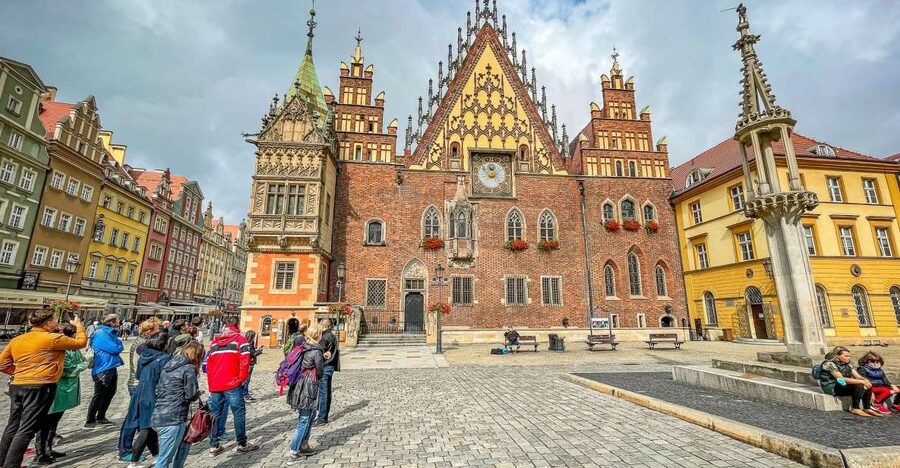
- Gothic Town Hall details in the Old Town, explained in plain, human terms
- Counting bridges as you cross toward Ostrów Tumski—part orientation, part fun challenge
- Ostrów Tumski’s cathedrals, where the city’s oldest layers are easiest to picture
- Learning how to pronounce Wrocław, plus why the name confuses people in the first place
Starting at the Fredro Statue: getting your bearings in Wrocław’s Market Square
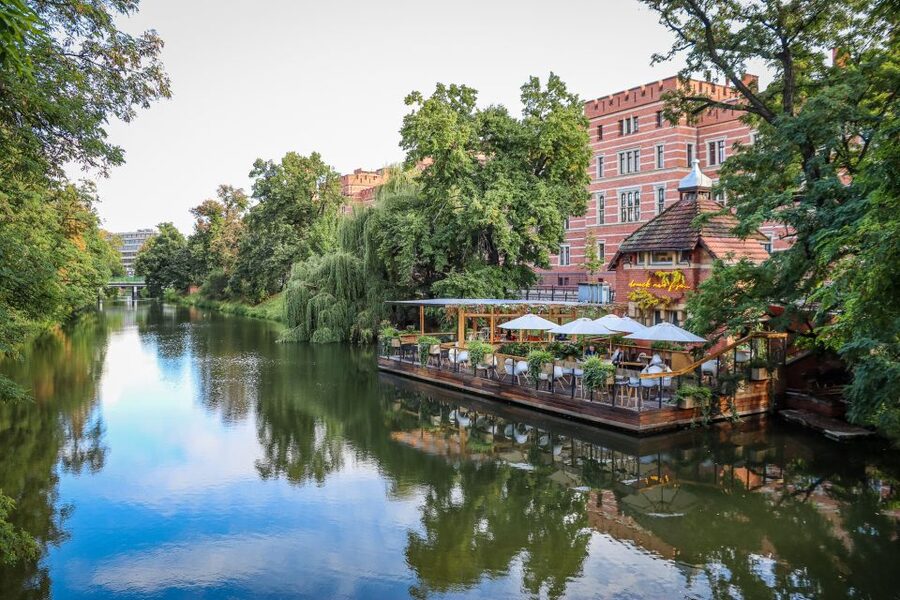
You’ll meet your guide in the Market Square right in front of the Fredro Statue. It’s a smart start point because the square is where Old Town life concentrates, and you can orient yourself quickly before you head toward the cathedral island.
This tour has a clear goal: give you a working map of the city, then fill it with meaning. That’s why the first minutes matter. When your guide starts with the streets and landmarks around the Rynek area, you’re less likely to feel like you’re just hopping between photos.
You can also read our reviews of more walking tours in Wroclaw

Old Town Gothic: the Town Hall and why Wrocław looks the way it does
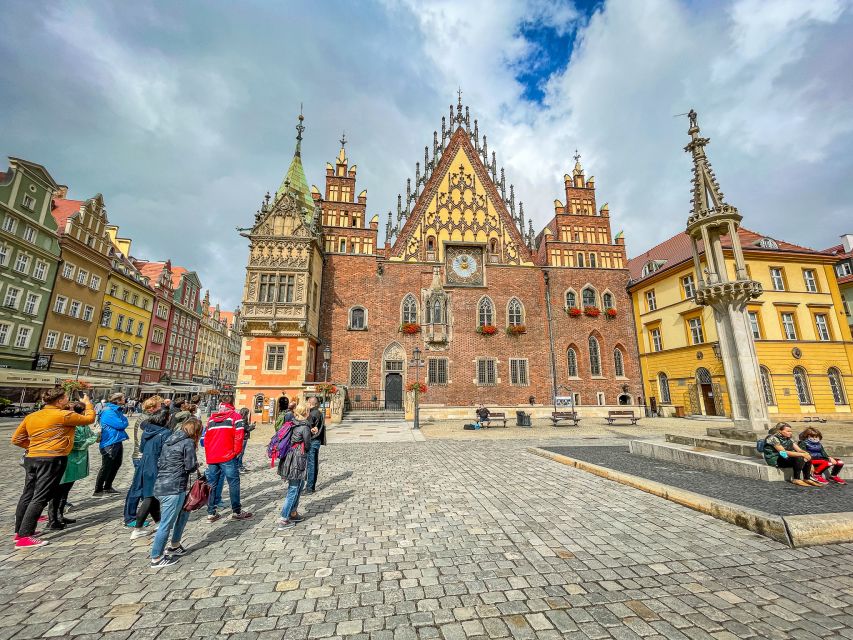
One of the main stops is the imposing Town Hall in the Old Town. The way your guide frames it is key: you’re not just looking at a big building—you’re learning how power, trade, and politics show up in stone and street layout.
You’ll also get the sense that Wrocław isn’t a single story. Professor Norman Davies—quoted as calling the city the Microcosm—helps explain why. Wrocław sits in the middle of Europe and has repeatedly belonged to different states, so wars, religious conflict, and economic booms have all left visible traces. Your guide turns that complicated timeline into something you can actually connect to what’s around you.
A couple of extra Old Town-style highlights can also show up in the route. For example, guides often tie in local folklore and small “city character” items like the dwarves/gnomes you can spot in the center and the kinds of odd historical notes people only learn when someone points them out.
If you like history, this is history with feet on the ground. If you don’t, it still works because it stays anchored to buildings you can see.
A quick Market Hall break: practical time inside a busy schedule
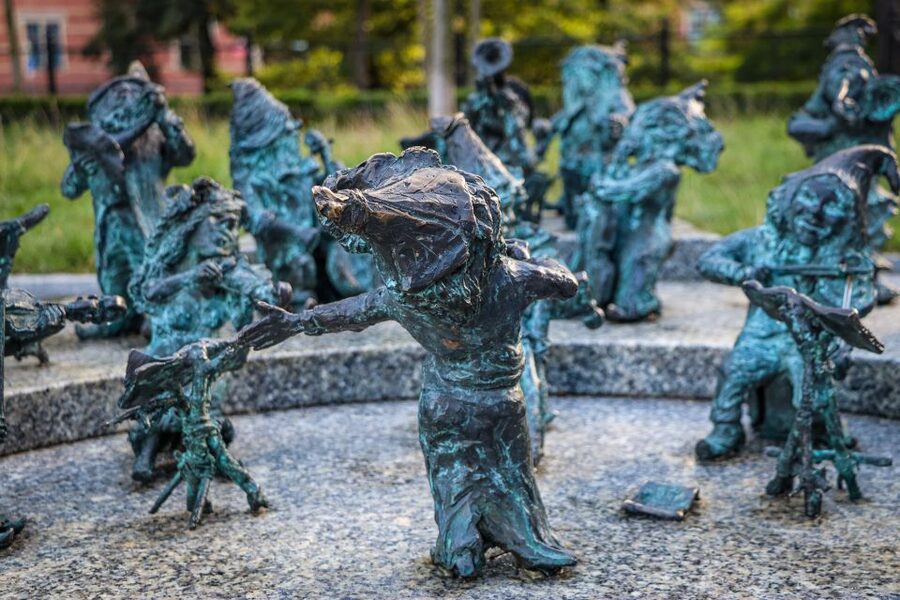
At some point during the Old Town segment, you get a short break around the Market Hall area—handy for stretching, grabbing a snack, or simply resetting your attention. One review specifically calls out about a 15-minute window for a bathroom and quick shopping.
That matters more than you might think. A 150-minute walking tour can go from enjoyable to exhausting fast if you don’t build in micro-pauses. This schedule gives you that breathing space while you’re still close to the center.
Dress for comfort. The tour moves through real streets, and several guides earn praise for keeping pace steady, not rushed, even when the group is larger.
Crossing toward Ostrów Tumski: the bridge game that makes the route click
Wrocław is famous for water and bridges, and this tour uses that to help you understand the city. You’ll be stepping onto Ostrów Tumski island while your guide counts the bridges along the way—so instead of passively walking, you’re tracking the city’s layout in a way that sticks.
That “bridge count” bit is more than a gimmick. It helps you grasp something basic: Wrocław doesn’t read as one continuous street grid. It reads as connected islands and crossings. Once you notice that, the whole center feels easier to navigate after your tour ends.
Your guide also uses this transition time to keep the story moving. The city’s past is long and complex—over 1,000 years—and the tour doesn’t try to squeeze everything into one lecture. The walking rhythm gives the timeline places to land.
Ostrów Tumski cathedrals: oldest Wrocław, seen in stone
Ostrów Tumski is the oldest part of Wrocław, and the tour builds toward it intentionally. As you arrive, the mood shifts from “pretty Old Town square” to “this is where the city’s roots took hold.”
You’ll see cathedrals on Ostrów Tumski island, and the guide’s job is to help you read what you’re looking at—especially the mix of religious significance and how centuries of change show up in the city’s built environment.
This portion is often where the tour feels most meaningful for first-timers. It’s not just architecture; it’s perspective. You’re getting a sense of how the city’s identity formed long before the modern skyline and modern districts, and how later political changes layered onto that older foundation.
Why the city’s name is confusing: Wrocław pronunciation, explained
A standout included highlight is learning why the name is confusing and how to pronounce Wrocław properly. That’s the kind of detail that turns a trip from “I saw things” into “I can actually talk about what I saw.”
You’ll also hear the reasoning behind the confusion, not just the phonetics. Guides on this route are praised for teaching pronunciation in a clear way, so you don’t leave feeling like you need a cheat sheet to order a coffee or ask for directions.
The local guide factor: humour, pacing, and real conversation
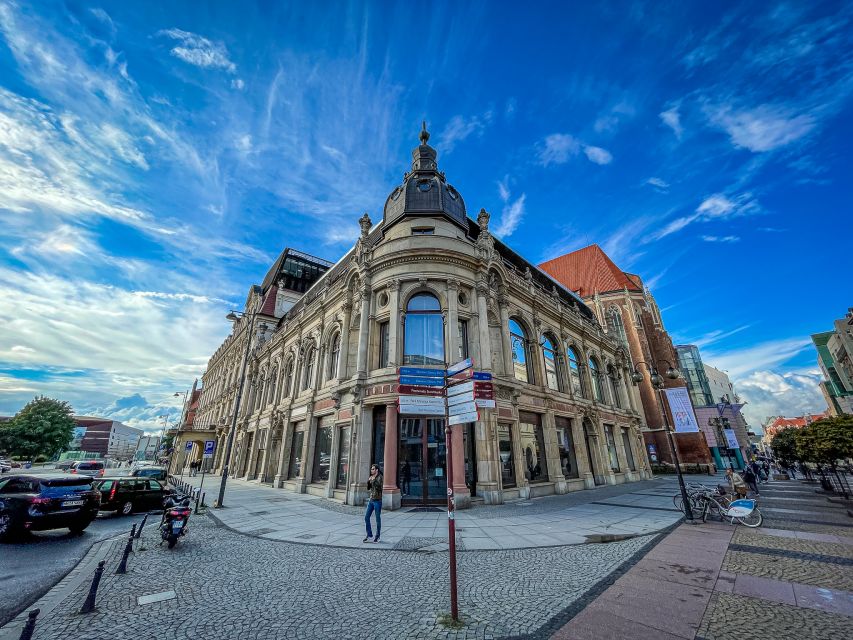
A lot of the praise focuses on how guides lead this tour. Names that come up often include Daniel, Łukasz, Adam, Justyna, Zuzanna, Michał, Simon, and others. The common thread isn’t just that they know facts—it’s that they make the city feel personal.
You’ll notice a few practical guiding styles:
- Clear explanations that connect architecture to events
- Humour that keeps the pace light, especially when the topic turns serious
- A route that’s not frantic, which helps if you’re traveling with older relatives or you just don’t want to sprint between stops
There’s also a recurring “don’t worry, you’re covered” vibe. Guides tend to answer questions on the spot, and some give extra recommendations for places to eat and explore after the tour.
One practical caution from experience-style feedback: the sound level can vary if you’re in a big group, and hearing everything might be easier if you can position yourself well. If you struggle in group settings, consider bringing your own solution (like personal hearing support) so you don’t miss key points.
Price and value: does $19 per person pay off?
At $19 per person for about 150 minutes, this tour prices itself like a solid orientation—especially because transportation isn’t included. You’re paying for the guide and the route, not for getting shuttled around.
Here’s how that value holds up:
- You cover two major zones: the Old Town core and Ostrów Tumski island.
- You get English narration, which can be the difference between “I walked through” and “I understood what I saw.”
- You also get included explanations that are hard to replicate on your own—like the city’s complicated timeline and the pronunciation lesson.
One more detail affects how you should think about the cost. The tour is described as part of a general pay-what-you-wish style format, where the amount you pay covers a reservation fee and the guide’s payment. In plain terms: the advertised price isn’t the whole story of how you reward the guide, so if you enjoy the tour, you can reflect that with extra at the end.
If you want a self-guided walk, you can do that. If you want your first Wrocław day to make sense quickly, this price is easier to justify.
Who should book this walking tour?
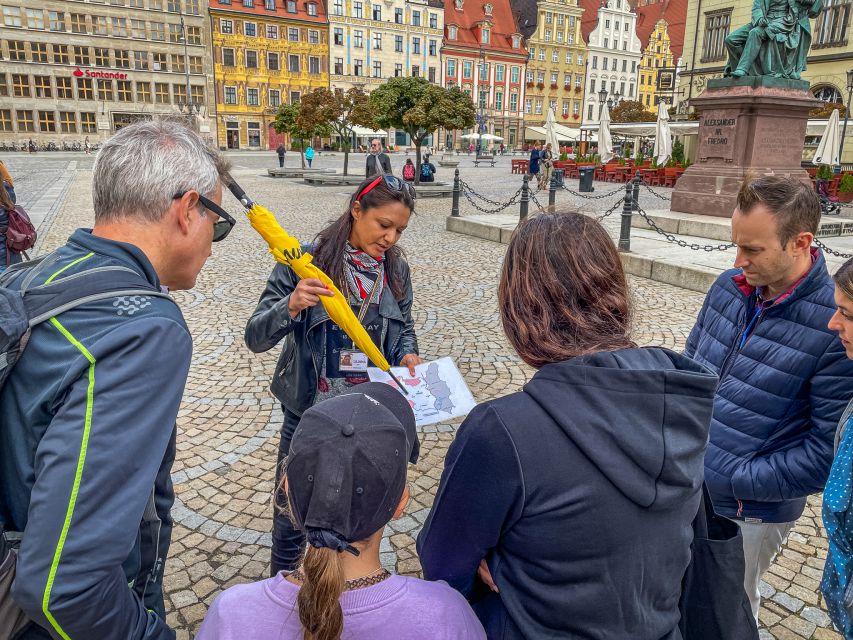
This is a great fit if:
- You want a first-time orientation to Wrocław’s main landmarks
- You enjoy history that connects to buildings, not just dates
- You like guides who mix serious context with humour
- You want the practical win of learning how to say Wrocław correctly
It’s also a smart choice if you’re short on time. At 150 minutes, you get a concentrated overview of the Old Town and Ostrów Tumski without needing half a day or a separate ticketed plan.
Should you book Wrocław Old Town and Ostrów Tumski in English?
I’d book it if you want your trip to start with clarity. The best part is the combination: Town Hall Gothic architecture, then the shift to Ostrów Tumski cathedrals plus bridges that help you understand the city’s layout. Add in the pronunciation lesson, and you leave with real trip usefulness, not just photos.
Skip it (or plan around it) if you have limited tolerance for long walking on cobblestones, since the route can feel like more than the headline time. Also, if you know you struggle hearing in group settings, try to stand where the guide’s voice carries best.
If you’re the kind of traveler who likes walking while someone turns a complicated city story into something you can grasp, this tour is one of the better ways to spend a first afternoon in Wrocław.
FAQ
Where does the tour meet?
Meet your Walkative! guide in front of the Fredro Statue in the Market Square.
How long is the walking tour?
The duration is 150 minutes.
Is the tour in English?
Yes, the tour is in English with a live guide.
What’s included in the price?
An English-speaking guide and a walking tour are included.
What is not included?
Transportation is not included.
What does the tour cover?
You’ll see highlights in the Old Town, including the Town Hall, then step onto Ostrów Tumski island to count bridges and visit cathedrals.
How much does it cost?
The price is $19 per person.
Do I need to pay right away?
There’s an option to reserve now and pay later.
Can I cancel if my plans change?
Free cancellation is available up to 24 hours in advance for a full refund.
Is the tour wheelchair accessible?
Yes, the tour is wheelchair accessible.
What should I bring?
Bring weather-appropriate clothing, since it’s an outdoor walking experience.