REVIEW · LONDON
Secret Old London Walking Tour
Book on GetYourGuide →Operated by Fun London Tours · Bookable on GetYourGuide
London’s darkest corners are walkable. This Secret Old London Walking Tour threads medieval churchyards, plague memories, and execution-site storytelling through parts of the City most people never bother to see. You start at Barbican and end up somewhere you’ll never forget.
I love the way the best guides—like Rosie, Jess, Pepe, and Jeremy—use crisp, passionate stories to make the past feel close without getting lost in dates. I also love the stops that feel cinematic but are very real: the medieval St Bartholomew the Great churchyard, the Blitz-damaged church shell, and the Roman theatre perimeter.
One thing to consider: this is an adult-leaning tour with execution and plague themes. If you want only light sightseeing, the subject matter may feel intense for a walking tour.
In This Review
- Key Highlights You’ll Actually Notice
- Starting at Barbican: The City Shifts Gears Fast
- What you’ll want on day-of
- Charterhouse Square and the Black Death Contrast
- The trade-off
- Smithfield: Jousts, Executions, and William Wallace Energy
- A practical note
- St Bartholomew the Great: Film-Famous, Street-Level Real
- Who this stop will hit hardest
- Blitz Damage and a Bombed-Out Church Shell
- Consideration for your mood
- Finding the Roman Amphitheatre Perimeter
- Why I think you’ll remember this
- How the 1.5 Hours Feel on Your Feet
- Footwear and behavior rules that affect your day
- Price and Value: What $26 Buys You in London Time
- Who Should Book This Tour—and Who Should Skip It
- Accessibility
- Should You Book the Secret Old London Walking Tour?
- FAQ
- Where is the meeting point?
- How long is the tour?
- How much does it cost?
- What language is the guide?
- Is the tour wheelchair accessible?
- Is there a minimum age?
- Are pets allowed?
- Is luggage or large bags allowed?
- Is video recording allowed?
Key Highlights You’ll Actually Notice
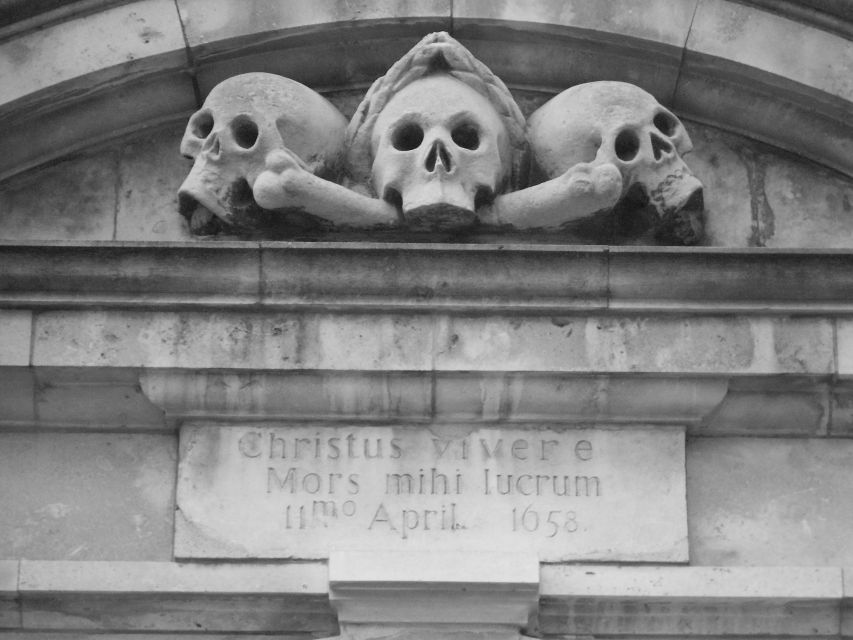
- A medieval churchyard atmosphere that feels calmer than it should, given what happened nearby
- An unexpected memorial story tied to heroic self-sacrifice
- Execution-site imagination for Smithfield, including stories linked to William Wallace
- St Bartholomew the Great as your anchor stop, famous in films yet lived-in in tone
- Blitz damage you can stand inside, not just read about
- A Roman amphitheatre perimeter hunt, locating where London’s Roman era left traces
Starting at Barbican: The City Shifts Gears Fast
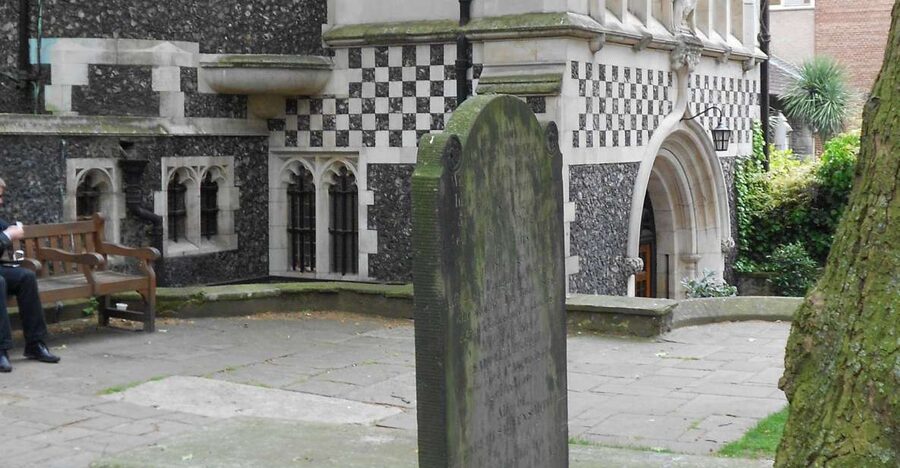
You meet outside Barbican Underground Station, then step straight into the City of London’s older rhythm. The first stretch matters because it sets the tone: this isn’t a “look at buildings” walk. It’s a “look at places where people lived, suffered, and died” walk—told with enough clarity that you don’t feel overwhelmed.
What I like right away is how quickly you go from modern London into medieval-and-Tudor atmosphere. You’re walking streets that have held steady long enough to make your brain do that fun travel trick: imagining footsteps that aren’t yours.
You can also read our reviews of more walking tours in London



What you’ll want on day-of
Wear comfortable shoes. You’ll be on foot long enough that squishy shoes won’t matter unless they actually support you. Also, plan to handle your own drinks since refreshments aren’t included.
Charterhouse Square and the Black Death Contrast
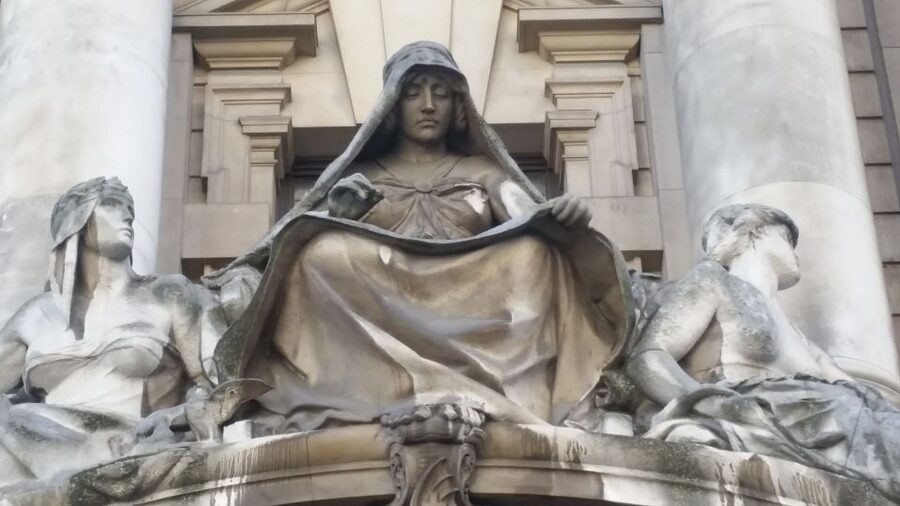
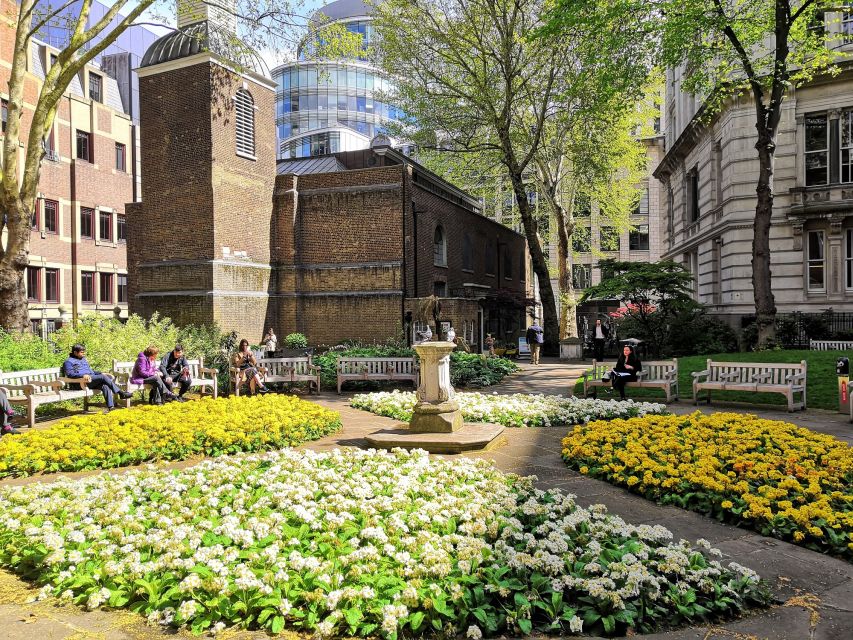
Your walk heads toward Charterhouse Square, and the contrast is the point. The space is peaceful now, but it was tied to the darkest days of the Black Death, when the area served as a dumping ground.
This stop works because it forces you to notice how quickly cities erase pain—then remember it anyway. A square with trees and calm paths can carry weight you’d never guess from a quick glance.
I also love that this part of London isn’t packaged like a museum. You’re in the open air, surrounded by the city’s usual flow, while a guide connects that flow to a medieval reality.
The trade-off
You’ll need a little mental switch from “scenic sightseeing” to “place-based storytelling.” If you’re expecting only pretty views, Charterhouse Square may feel heavy.
Smithfield: Jousts, Executions, and William Wallace Energy
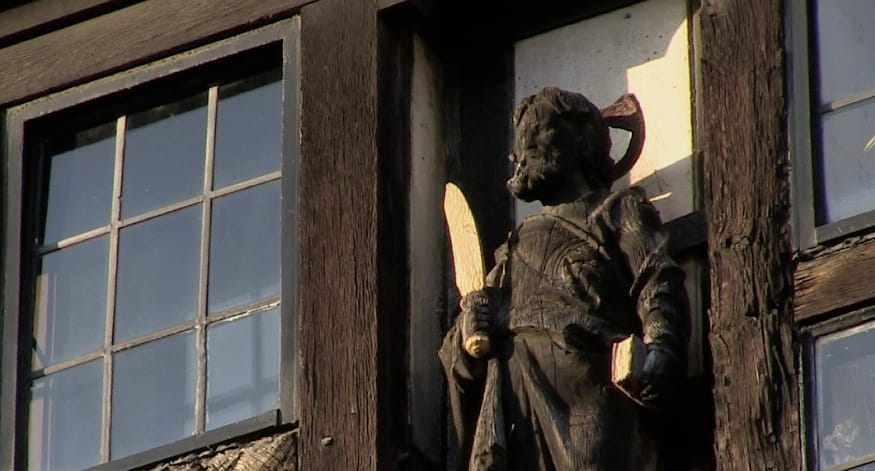
Next comes Smithfield, an open space that has seen medieval jousts—and also the grim reality of public punishment. This is one of the tour’s headline areas for a reason: it’s tied to some of London’s most notorious execution history.
The guide helps you picture what happened there: the fear, the noise, the pressure of an enormous moment that no one in the crowd could escape. The tour info specifically points you toward stories connected to William Wallace, and that detail tends to stick because it’s already wrapped in pop-culture familiarity for many visitors.
You get more than one layer here. Smithfield isn’t only “execution site.” It’s a place where the medieval city’s entertainment and its brutality sat side by side.






A practical note
If Smithfield is a must-do because of one particular figure (like William Wallace), keep your expectations flexible. One review note suggested the emphasis might vary by guide. The area is still the same, but the exact weight of each story can shift.
St Bartholomew the Great: Film-Famous, Street-Level Real
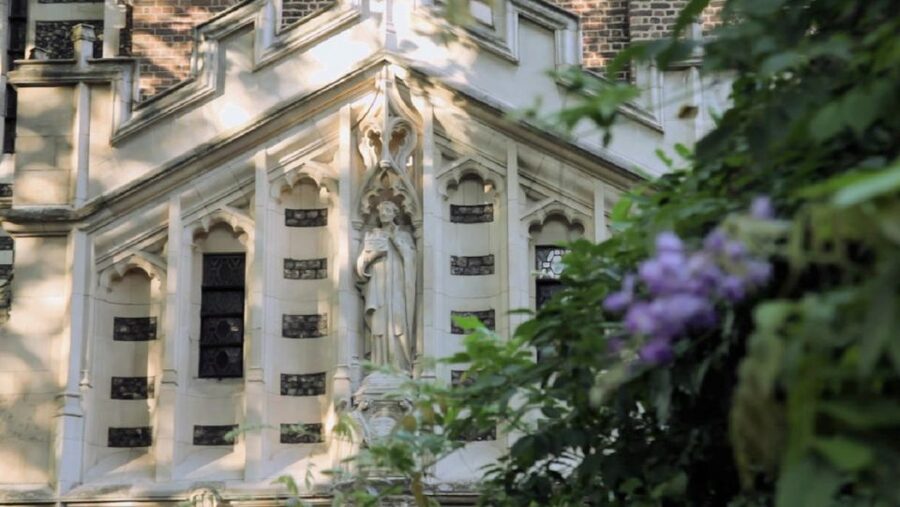
Between the plague-site mood and the execution-site reality sits St Bartholomew the Great, and this is a major highlight. It’s an outstanding medieval church used in movies such as Four Weddings and a Funeral and tied to Sherlock Holmes.
But the best part isn’t just recognizing it from screens. It’s the churchyard atmosphere—the feeling of stone and time holding you in place for a moment. Your guide’s job here is to make the building legible: what to look at, what it suggests about medieval life, and why this church became such a central landmark.
I like that the tour doesn’t treat St Bartholomew’s like a photo-op. You’re meant to stand and absorb. You’ll leave with the sense that the church is more than a set piece—it’s a living part of the City’s memory.
Who this stop will hit hardest
If you enjoy architecture, religious history, and the way buildings reflect politics and everyday life, St Bartholomew’s is the anchor.
Blitz Damage and a Bombed-Out Church Shell
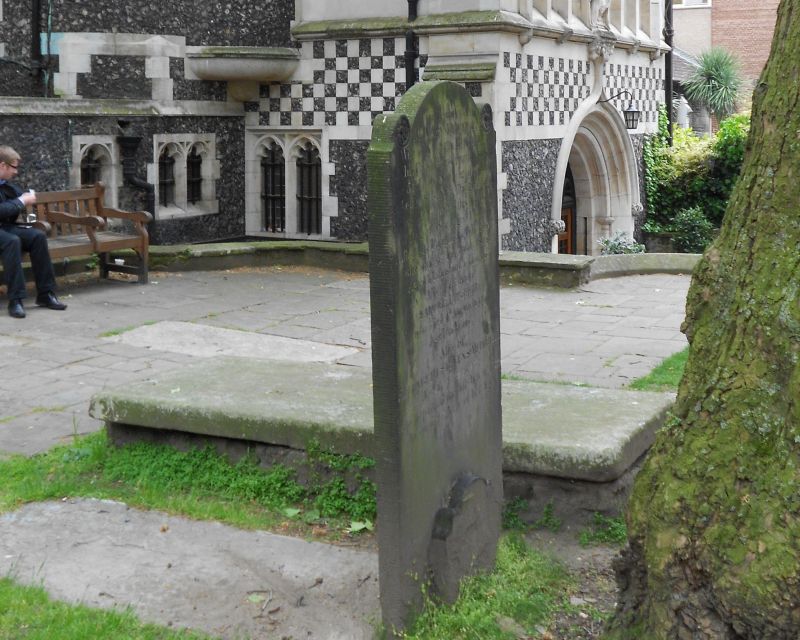
One of the most memorable moments on this walk is seeing the shell of a church destroyed in the Blitz. This is where London’s 20th-century history interrupts the medieval storyline—and it shouldn’t be skipped.
Standing in the aftermath changes your perception. Medieval suffering is long-distance on paper; Blitz ruins feel immediate because they’re within living memory for the city. The guide’s storytelling helps you connect the ruin to people’s real stakes: survival, grief, and the stubborn effort to rebuild.
You’ll also pass through a park with a memorial that’s described as especially touching, including a story tied to heroic self sacrifice. That pairing—ruins plus commemoration—works well on foot. It slows you down in a useful way.
Consideration for your mood
This isn’t gory “shock value.” It’s a guided walk through human loss. If you prefer light history, pick a different outing. If you want meaning, you’ll likely enjoy how the tour handles it.
Finding the Roman Amphitheatre Perimeter
Then you shift again—from churches and executions back to ancient London. The tour includes a stop at the location of the city’s long lost Roman amphitheatre, where you’re helped to locate the perimeter.
This is a clever kind of sightseeing. Instead of only pointing out what’s still standing, the guide helps you understand where the shape used to be. You start reading the ground the way Romans once did, even if the arena itself is mostly gone.
It’s a small shift, but it changes the whole walk. You stop thinking of London as a single timeline and start seeing it as layered cities stacked on cities.
Why I think you’ll remember this
Walking tours can become “name-dropping exercises.” This one uses the Roman stop to teach you a method: look for edges, alignments, and clues—then let the story fill in what’s missing.
How the 1.5 Hours Feel on Your Feet
The duration is 1.5 hours, which is a sweet spot for a subject this intense. You get enough time to make the key places meaningful without turning it into a full afternoon seminar.
Pace is a big deal on a walking tour. Many people called the pace great, and guides like Jess and Pepe were praised for making it engaging. One note did mention that on colder days, you might spend more time looking at pictures than moving around, which can be annoying if you’re trying to stay warm.
My practical advice: dress for the weather you’ll actually face, not the forecast your app promises. Bring layers, even in mild seasons.
Footwear and behavior rules that affect your day
- No luggage or large bags
- No pets (guide dogs allowed)
- No video recording
Those rules matter because they keep the group manageable and make it easier to stop in tight spaces. It’s also why the tour can move quickly without constant bottlenecks.
Price and Value: What $26 Buys You in London Time
At $26 per person for a guided 1.5-hour walk, you’re paying mainly for three things: access to lesser-seen corners, a story thread that connects them, and a guide who can explain why the details matter.
The value is strongest if you like history that’s tied to specific locations. If you’d rather read a generic overview of London’s timeline, you might feel this is too focused. But if you enjoy turning streets into context—plague to executions to church architecture to Roman traces—$26 often feels like a bargain.
Two small “not included” points to plan for:
- Refreshments aren’t provided, so you may want a bottle of water before you start
- This is a walking experience, so your comfort depends on your shoes and the weather
Who Should Book This Tour—and Who Should Skip It
This is best for people who want atmosphere and for those who can handle darker stories with respect. If you’re into architecture, politics, and the way language and institutions shape daily life, you’ll likely enjoy how guides bring those angles into the same walk.
It’s also a solid choice if you’re visiting London for the first time or if you live here and want to feel like a tourist. Several people even said they learned new things in familiar areas, which tells me the tour isn’t just repeating the obvious landmarks.
Accessibility
The tour is listed as wheelchair accessible, and it’s suitable for people over 12.
Should You Book the Secret Old London Walking Tour?
I’d book it if you like walking tours that teach you how to look—places with real layers, not just quick sightseeing. The mix of medieval churchyard, plague context, execution-site storytelling, Blitz ruins, and a Roman amphitheatre perimeter gives you variety without blowing the time limit.
Skip it if you want a cheerful, light history stroll. This one asks you to face the harsh parts of the city’s past, and that can be emotionally intense, even when it’s handled thoughtfully.
If you do book, go in wearing comfortable shoes and a curious mindset. This is the kind of London outing that leaves you walking home and noticing something you would’ve missed before.
FAQ
Where is the meeting point?
You meet outside Barbican Underground Station.
How long is the tour?
The tour lasts 1.5 hours.
How much does it cost?
The price is $26 per person.
What language is the guide?
The tour is conducted by a live English tour guide.
Is the tour wheelchair accessible?
Yes, the tour is listed as wheelchair accessible.
Is there a minimum age?
It’s suitable for people over 12.
Are pets allowed?
Pets are not allowed, except for guide dogs.
Is luggage or large bags allowed?
No. Luggage or large bags are not allowed.
Is video recording allowed?
No. Video recording is not allowed.