REVIEW · GENOA
Genoa Food, Wine Tasting & History Walking Tour
Book on Viator →Operated by GenovaTourMyLand.it · Bookable on Viator
Columbus shows up early, then the food takes over. This Genoa walk pairs big, photo-worthy landmarks with real Genovese bites and quick history so you get the why behind the flavors. I especially like the small-group feel and the way the tastings stay practical (food you can actually eat while walking).
One thing to plan for: it’s mostly an outdoor street-food style route, so Genoa’s hills, plus heat or humidity, can make the experience more tiring than a sit-down tasting.
In This Review
- Key Points to Know Before You Go
- The Best Part: A Short Tour That Actually Makes Genoa Click
- Where You Start: Casa di Cristoforo Colombo Sets the Tone
- Palazzo Ducale: Genoa’s Power Past, Explained Without Lecture Mode
- San Lorenzo Cathedral: The Church Stop That Actually Feels Like Part of Town Life
- Palazzo San Giorgio and the Fresco Factor
- The Street-Food Part: What You Actually Taste (and Why It Matters)
- Focaccia and Farinata: Two Flavors That Explain a Lot
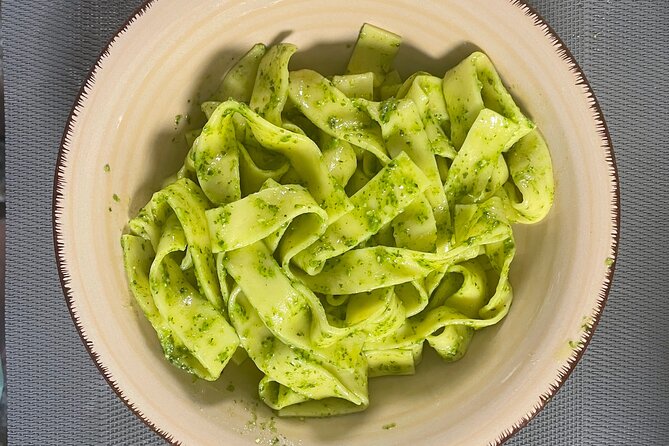
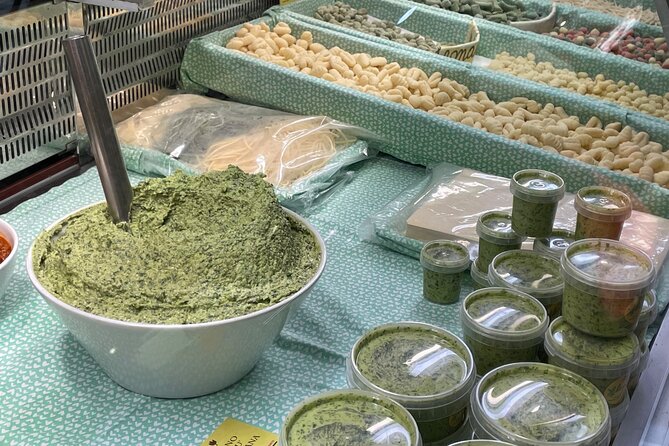
- Pesto: Familiar, But With Genoa’s Logic Behind It
- Panera: The Sweet Stop You’ll Remember
- Pesce fritto: Tasty, but Be Honest About Your Stomach
- Wine Tasting: Two Ligurian Wines, Focused on Local Story
- Walking in Genoa: Hills, Heat, and the Pace You’ll Feel
- Guide Experience: Expect Personality and Real Local Love
- Price and Value: Is $71.38 Reasonable?
- Who This Tour Fits Best (and Who Might Reconsider)
- My Bottom Line: Should You Book This Genoa Food, Wine, and History Walk?
- FAQ
- How long is the Genoa food, wine, and history walking tour?
- What food and wine are included?
- Where does the tour start and end?
- Is hotel pickup included?
- What languages is the guide available in?
- What if the weather is bad?
Key Points to Know Before You Go
- Start at Casa di Cristoforo Colombo so the tour has momentum from minute one
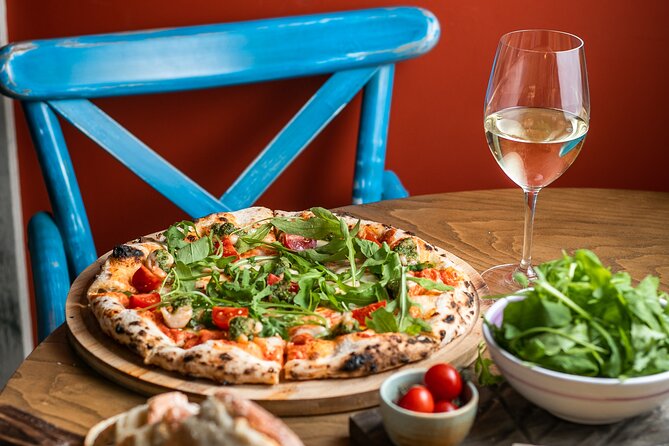
- 5 classic Genoese tastings (focaccia, farinata, pesto, panera, pesce fritto) plus 2 Ligurian wines
- Small groups (max 15) make it easier to ask questions and keep a good pace
- Iconic sights on foot: Palazzo Ducale, San Lorenzo Cathedral, Palazzo San Giorgio
- Diet flexibility: vegan, vegetarian, family-friendly, and even pet-friendly (menu adapts)
- Street-food format means expect standing, snacking, and walking between stops
The Best Part: A Short Tour That Actually Makes Genoa Click
This is one of those tours that’s built for limited time. In about 2 hours, you get both the “what” (food and wine) and the “why” (how Genoa got its money, art, and food traditions). The route links major monuments with the kinds of snacks Genoa people grab on the street.
I like that the experience doesn’t try to be a sit-down restaurant meal. You’ll taste things you can recognize later in markets and bakeries, and you’ll understand what to look for. If you like wandering cities with purpose, this hits that sweet spot.
The small group size matters too. With a max of 15 travelers, it’s easier for the guide to manage questions, dietary changes, and the timing between tastings. You’re not stuck watching other people eat while you wait your turn.
You can also read our reviews of more walking tours in Genoa
Where You Start: Casa di Cristoforo Colombo Sets the Tone
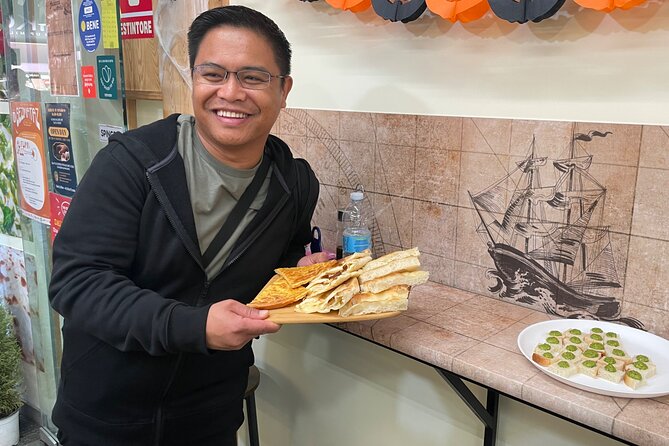
The meeting point is Casa di Cristoforo Colombo, Vico Dritto di Ponticello, 37. Starting here is smart because Columbus isn’t just a famous name on a postcard. Genoa has a long relationship with maritime power and trade, and the tour uses that energy to frame what you’ll see next.
Before you even get to the first major palazzo, you get oriented: where the city’s power shows up in architecture, and how Genoa’s identity shows up in food. It’s a good “first hour” strategy because it keeps you from feeling like you’re just collecting sights.
Also, you finish in a different area: Via Garibaldi. That’s useful if you want to keep exploring afterward without doubling back.
Palazzo Ducale: Genoa’s Power Past, Explained Without Lecture Mode
One of your key stops is Palazzo Ducale, described as the seat of power in ancient Genoa. This is where the tour’s history angle feels most relevant to modern life.
You’re not just looking at pretty stone. You’ll understand how governance and wealth shaped the city’s neighborhoods and public buildings. And when the guide connects that to Genoa’s food culture, it makes the tastings feel less random. You start to see Genoa as a place where trade brought ingredients in, and where status influenced dining habits and recipes.
Practical note: Palazzo Ducale and the surrounding area are great for photos, but also expect tight sight lines as you move with the group. Wear shoes you trust, and don’t plan on perfect selfies at every corner.
San Lorenzo Cathedral: The Church Stop That Actually Feels Like Part of Town Life
Next up is San Lorenzo Cathedral, the most important church in Genoa. This stop tends to land well because cathedrals in Genoa often act like cultural anchors. You’re learning the city’s story in a place people have gathered for centuries.
What I like here is the balance: it’s not only about big architecture. It’s about how Genoa’s history shows up in daily identity. The guide’s job is to connect the dots between the city’s power buildings and its spiritual center.
If you’re the type who gets a little restless on history-only tours, this one keeps moving with enough variety—church, palazzo, then food—so you don’t feel stuck in any one mode for too long.
Palazzo San Giorgio and the Fresco Factor
The tour then heads to Palazzo San Giorgio, noted for its magnificent fresco. Frescoes can be easy to overlook if you’re not told where to look, so the guide’s framing matters. You’re more likely to notice the artistic details instead of just moving past them quickly.
This is also a turning point in the route. You shift from the broad themes of power and faith into something more personal: the city’s noble streets and how the palazzi reflect wealth, taste, and influence.
Expect more than just a photo stop. You’ll get context—why these buildings matter and how Genoa’s elite culture contributed to the city’s reputation.
The Street-Food Part: What You Actually Taste (and Why It Matters)
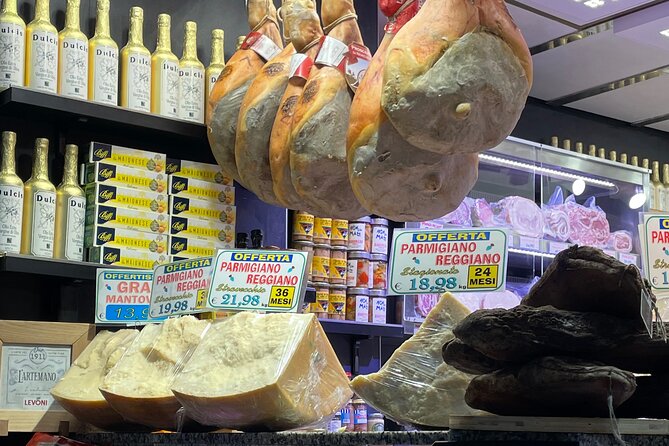
Here’s the lineup, built around classic Genovese flavors:
- Focaccia
- Farinata
- Pesto
- Panera
- Pesce fritto
This matters because it’s not a random “Italian sampler.” These are the kinds of foods that define Genoa’s identity—especially the street-style logic of quick, shareable bites.
Focaccia and Farinata: Two Flavors That Explain a Lot
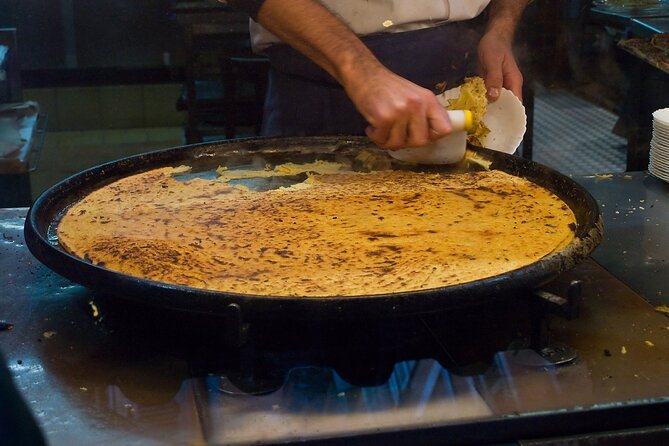
Focaccia is the obvious crowd-pleaser. But the tour also includes farinata, which is where Genoa’s character really shows. If you’ve never tried it, you’re in for something hearty and savory. It’s the kind of food that makes you understand why local meals feel so confident and simple at the same time.
Pesto: Familiar, But With Genoa’s Logic Behind It
You’ll taste pesto as part of the menu. The value here isn’t just the flavor—it’s the story the guide ties to how Genoa treats ingredients and traditions. Pesto isn’t a generic Italian sauce in this context; it’s a local signature.
Panera: The Sweet Stop You’ll Remember
Panera is included, and on tours like this it often becomes the moment people realize they’re going to leave comfortably full. It’s one of those foods that feels very regional once you taste it.
Pesce fritto: Tasty, but Be Honest About Your Stomach
Pesce fritto is part of the tastings. It’s a classic for a reason: fried fish tastes great in the moment. But Genoa is hilly and active, and fried foods can hit differently after you walk a lot.
If you’re sensitive to heavy, fried dishes, that’s your heads-up. Plan to drink water during the tour and consider asking what’s possible if fried food doesn’t sit well for you.
Wine Tasting: Two Ligurian Wines, Focused on Local Story
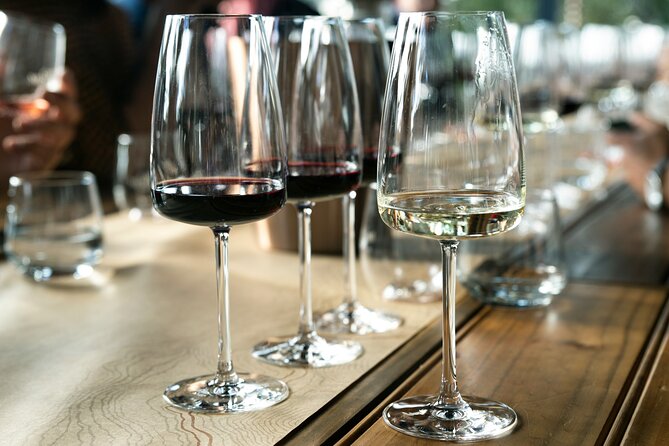
You’ll also have 2 Ligurian wines. The way the tasting is set up is more “welcome to local producers” than a long sommelier-style lecture. The guide’s role is to explain what you’re drinking and how it fits into Ligurian culture.
This is a good approach for most people. If you’re a serious wine nerd hoping for deep production-method talk, you might find it lighter than expected. But if you want something enjoyable that helps you order with confidence later, it works well.
The wine stops also tend to feel like a palate reset after the food. It’s a nice pacing tool: salt, starch, herbal pesto, then wine to bring you back to neutral.
Walking in Genoa: Hills, Heat, and the Pace You’ll Feel
This is a walking tour, and Genoa doesn’t do flat ground. One of the practical realities of the route is the up-and-down of the city.
That means:
- Comfortable shoes matter more than you think.
- If it’s hot, plan for it. You may find it tougher to eat quickly when you’re warm and moving.
- A good guide keeps breaks and pacing realistic.
The overall pace is generally described as good, with time to rest and water along the way. Still, if you’re traveling with limited stamina, I’d mentally treat this like a city-walk with scheduled snack stops—not a gentle stroll.
Guide Experience: Expect Personality and Real Local Love
Many people associate this tour with a guide named Lorenzo. You’ll likely feel that local style in the way he connects the sights to the food. The tour is built around conversation—history is explained in the same breath as what you’re eating.
I’ve also seen reference to Franco as a guide name on this same experience type. The key takeaway for you: expect the guide to be central to the value. If you enjoy asking questions and getting stories, you’ll probably get more out of this than if you prefer silence and just a checklist.
Price and Value: Is $71.38 Reasonable?
At $71.38 per person for about 2 hours, the value mostly comes from what’s included, not just the fact that it’s guided.
You’re getting:
- 2 hours with a local guide
- 5 typical dishes from Genoa
- 2 Ligurian wines
- Menu flexibility for different needs (vegan, vegetarian, and more)
That combination is the real bargain math. You’re basically buying a curated “taste of Genoa” plus sight context in a compact timeframe. And because the group is capped at 15, it’s not a giant cattle-line experience.
What’s not included is hotel pickup and drop-off, so you’re responsible for getting to the meeting point at Casa di Cristoforo Colombo. If you’re already planning to walk or use public transit, that’s not a problem.
Also, it runs best in good weather. If the weather forces a change, you’ll be offered another date or a full refund.
Who This Tour Fits Best (and Who Might Reconsider)
This tour is ideal if:
- You want a first-day or last-day activity in Genoa to learn quickly.
- You like street-food style tastings more than sit-down meals.
- You want history and food together, not one or the other.
- You need diet flexibility. The menu adapts for vegan, vegetarian, family, and even pet-friendly needs.
You might rethink it if:
- You’re expecting a table-based tasting menu at each stop. This is designed for eating while moving outdoors.
- Seafood or fried foods don’t agree with you. Pesce fritto is included, and while it’s delicious, it’s the most likely item to cause regret later if you’re sensitive.
My Bottom Line: Should You Book This Genoa Food, Wine, and History Walk?
If you’re short on time, want a high-impact overview, and enjoy learning while you eat, this is a strong booking. The mix of Palazzo Ducale, San Lorenzo Cathedral, and Palazzo San Giorgio, paired with five Genoese tastings and two Ligurian wines, gives you both meaning and flavor.
Book it especially if you like walking with a guide who turns landmarks into stories you can carry into the rest of your day. Just go in knowing it’s a walking street-food tour. Wear good shoes, expect some hills, and you’ll be well set to enjoy Genoa the way locals experience it.
FAQ
How long is the Genoa food, wine, and history walking tour?
It runs for about 2 hours.
What food and wine are included?
You’ll taste 5 typical Genoese dishes: focaccia, farinata, pesto, panera, and pesce fritto, plus 2 Ligurian wines.
Where does the tour start and end?
It starts at Casa di Cristoforo Colombo, Vico Dritto di Ponticello, 37, 16121 Genova GE, Italy and ends at Via Garibaldi, Genova GE, Italy.
Is hotel pickup included?
No. Hotel pickup and drop-off are not included.
What languages is the guide available in?
The in-person guide is available in English, Spanish, and Italian.
What if the weather is bad?
The experience requires good weather. If it’s canceled due to poor weather, you’ll be offered another date or a full refund.