REVIEW · ROME
Rome: Ghostly Nighttime Walking Tour
Book on GetYourGuide →Operated by Carpe Diem Tours · Bookable on GetYourGuide
Rome at night has a different volume, and this tour uses it. You’ll wander famous spots with a dark-history lens, where ghostly legends sit right next to executions, murders, and the kind of church-and-empire stories that feel uncomfortably real. The best part is how the route is paced so you avoid the worst heat and daytime crowds while still seeing big-name landmarks.
I especially love the way the guides keep things interactive and engaging, with clear English storytelling and lots of detail. Names you’ll hear in past tour feedback include Maham, Dinara, Domenica, Sara, Diletta, and Cayie, and they’re repeatedly praised for energy and story clarity. One thing to consider: this is more history-and-grim-facts than straight-up jump-scare paranormal, so if you want pure ghost thrills, you might find it a bit more factual than spooky.
In This Review
- Key Things to Know Before You Go
- Why Rome Feels Better at Night on a Ghost Walk
- Price and Time: Is $28 Worth Two Hours on Foot?
- Meeting at Campo de’ Fiori: Finding Your Guide Fast
- The Route, Stop by Stop: What You’ll See and Why It Matters
- Stop 1: Giordano Bruno Monument
- Stop 2: The Giordano Bruno Statue
- Stop 3: Piazza Farnese
- Stop 4: Madonna della Pietà (Madonnelle)
- Stop 5: Ponte Sisto
- Stop 6: Fountain of the Mask
- Stop 7: Chiesa di Santa Maria dell’Orazione e morte
- Stop 8: Santa Maria in Monserrato degli Spagnoli
- Stop 9: Castel Sant’Angelo (Along the way)
- Stop 10: Finish at Castel Sant’Angelo
- What the Guides Do Well (And Why People Keep Recommending It)
- How Ghostly Is It: More History Than Paranormal
- Practical Tips for a Comfortable Night Walk
- Who Should Book This (And Who Might Skip It)
- Should You Book This Rome Ghostly Night Walking Tour?
- FAQ
- How much does the Rome Ghostly Nighttime Walking Tour cost?
- How long is the tour?
- What times does the tour start?
- What language is the tour guide?
- Where do I meet the guide?
- Where does the tour end?
- What should I bring?
- Is there a private group option?
- Is free cancellation available?
- Can I reserve without paying today?
Key Things to Know Before You Go
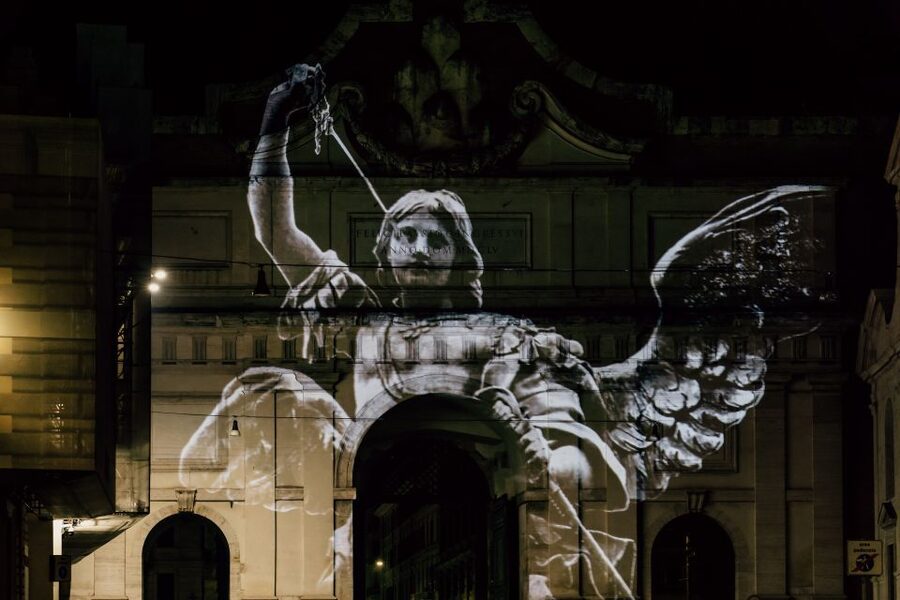
- Giordano Bruno start point in Campo de’ Fiori: easy to spot, with a guide holding an iPad or red sign
- 2 hours means you get a full night walk without committing your whole evening
- Major landmarks in the route, including Campo de’ Fiori, Ponte Sisto, and Castel Sant’Angelo
- Dark content, but guided: expect murders, executions, and stories tied to famous figures
- English live guide with a strong reputation for clear, engaging narration
- Practical nighttime fun: you’ll see Rome after dark while avoiding daytime heat and crowds
Why Rome Feels Better at Night on a Ghost Walk
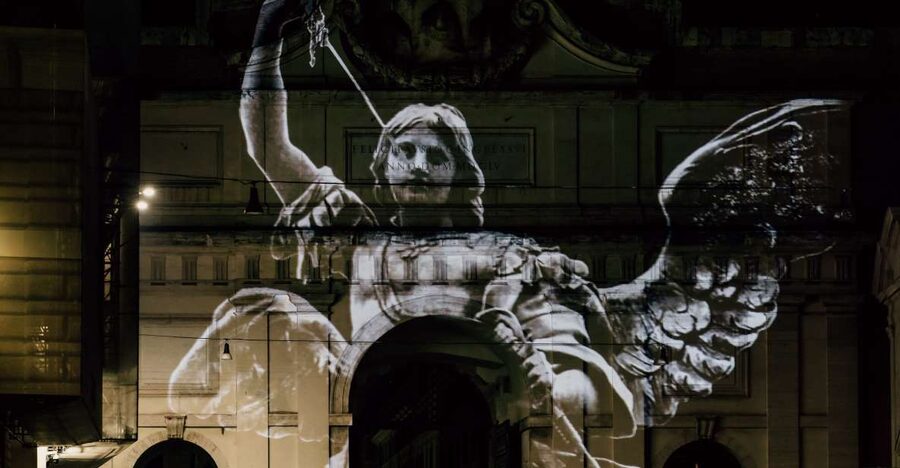
If you’ve ever tried Rome in full daylight, you know it can turn into a sprint. This kind of night tour flips the pace. You get the same famous streets and landmarks, but with cooler temperatures and less shoulder-to-shoulder crowding.
What makes this experience more than just a spooky stroll is the framing. Instead of treating Rome like a museum you pass through, you’re walking it like a stage set from its darker chapters. One moment you’re near a grand bridge area; the next, you’re hearing stories about popes, emperors, and other historical names that still haunt the city’s reputation.
And yes, it’s designed to be a little uncomfortable in a fun way. The promise is that after the walk, you’ll never look at Rome’s squares, churches, and bridges the same way again.
You can also read our reviews of more walking tours in Rome


Price and Time: Is $28 Worth Two Hours on Foot?
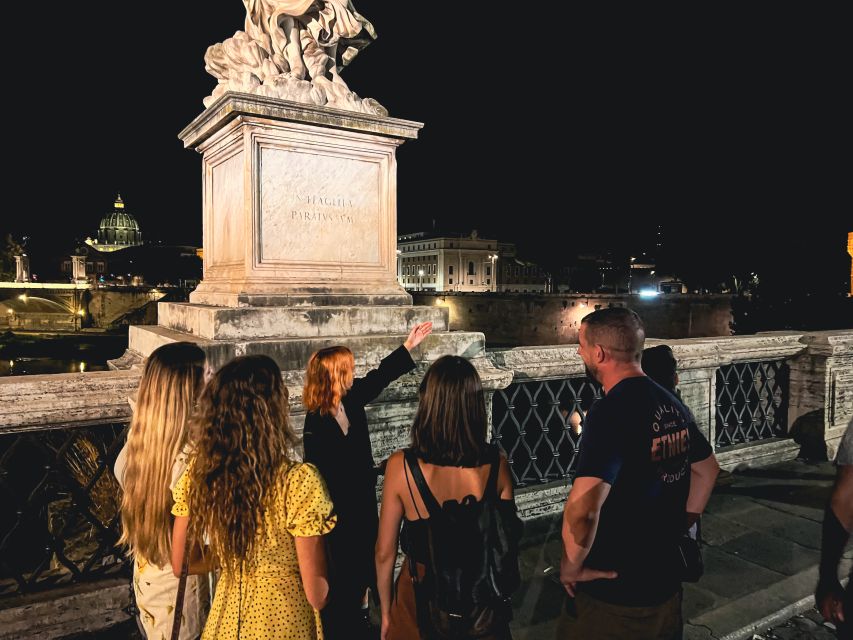
At $28 per person for about 2 hours, this is priced like a proper guided walking experience, not a short photo stop. You’re paying for an English-speaking guide who strings together locations, people, and “why this place matters” context into one moving story.
Two hours is also the sweet spot. It’s long enough to do a meaningful route through central Rome, but short enough that you’re not exhausted and dehydrated before the tour even finishes.
This is best if you want:
- a first or last evening activity
- a guided way to see Rome beyond the typical postcard angles
- a group-friendly walk that keeps you oriented as the night gets later
Meeting at Campo de’ Fiori: Finding Your Guide Fast
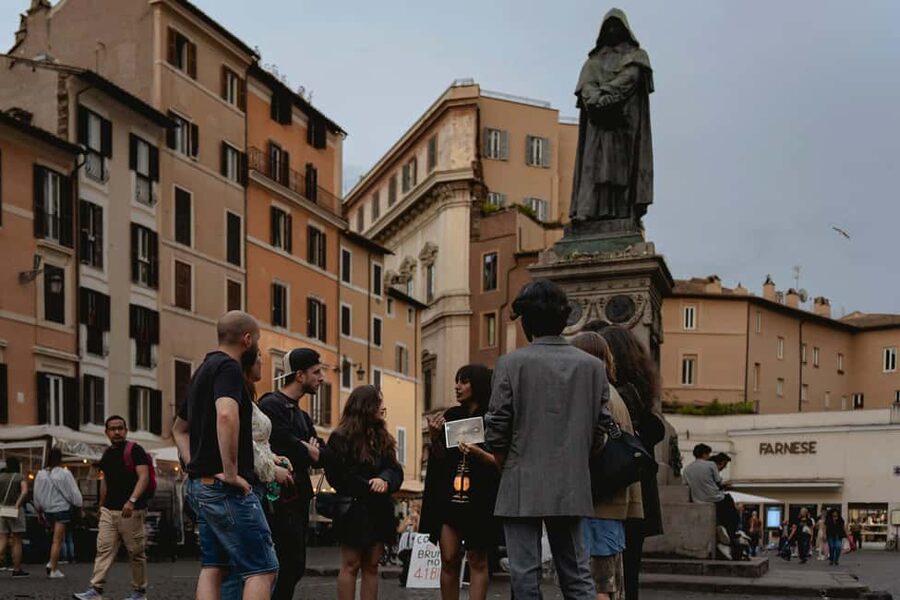
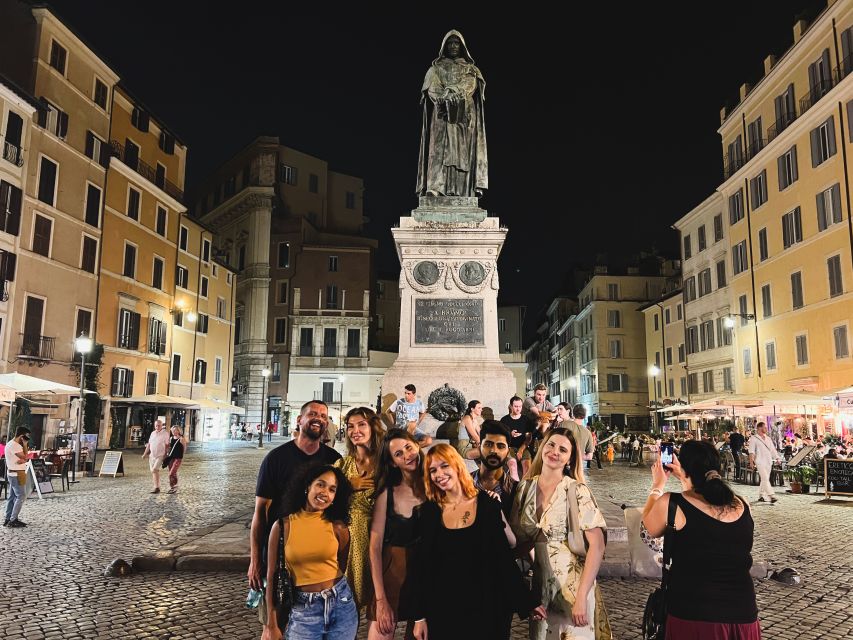
The tour starts at Monumento a Giordano Bruno, in the center of Campo de’ Fiori. Your guide will be standing directly in front of the statue, holding an iPad or a red sign.
That’s actually practical. Campo de’ Fiori can be busy, and having a fixed statue landmark removes the guessing game. If you’re the kind of traveler who likes to arrive five minutes early so you’re not scanning faces in the dark, you’ll appreciate this setup.
The tour ends at Castel Sant’Angelo. The operator also notes it ends back at the meeting point, so expect the final arrangement to circle back in a way that keeps you from feeling stranded.
The Route, Stop by Stop: What You’ll See and Why It Matters
This walking tour is built around a sequence of short, guided stops, usually around 15 minutes each. The stops keep the pacing from dragging and help you connect each location to the next story.
Here’s what you’ll experience as you move through the route.
Stop 1: Giordano Bruno Monument
You begin at the Monumento a Giordano Bruno, which sets the tone immediately. Bruno is the kind of figure that naturally fits this tour’s theme: ideas, persecution, and the cost of challenging power.


Stop 2: The Giordano Bruno Statue
Right at the start, you’ll get a guided look at the statua di Giordano Bruno. This works as a warm-up because it explains who you’re dealing with before you start passing churches and bridges with heavier stories attached.
Stop 3: Piazza Farnese
Next comes Piazza Farnese, a classic Rome setting where you’ll hear the kind of court-and-church politics that shaped people’s lives. Even if you’re not into the spooky part, Piazza Farnese is the sort of place where the historical framing changes how you notice the buildings and space.
One small consideration: because these stops are in busy central areas, you’ll want to keep your eyes up for signage and your guide’s direction so the group stays together.
Stop 4: Madonna della Pietà (Madonnelle)
Then you’ll pause at Madonna della Pietà, Madonnelle. This is the kind of stop that adds texture. Small religious shrines can easily be ignored in daylight, but at night they land differently, especially when your guide ties them to the stories moving through the city.
Stop 5: Ponte Sisto
You walk to Ponte Sisto for the next guided segment. Bridges are great “story containers” because they force a line in your mind: this crossing equals that period, that power, that punishment.
Expect the tour to treat these spaces as more than scenery. You’re being asked to think about what happened here, not just what looks good for a photo.
Stop 6: Fountain of the Mask
At the Fountain of the Mask, you’ll get another quick guided stop. This kind of detail stop is valuable because it breaks the rhythm of only big monuments. It also helps you learn the city’s visual language—how Rome repeats symbols, faces, and meaning in public spaces.
Stop 7: Chiesa di Santa Maria dell’Orazione e morte
Now you reach Chiesa di Santa Maria dell’Orazione e morte. This is where the theme turns more pointed. A church tied to death-related language naturally fits the tour’s tone, and the guided storytelling is built to make the location feel specific, not generic.
Stop 8: Santa Maria in Monserrato degli Spagnoli
Next is Santa Maria in Monserrato degli Spagnoli, another church stop that keeps the “dark Rome” lens consistent. You’ll likely notice how the guide links architecture and devotion to the darker side of life in earlier centuries.
If you like art and symbolism, this is one of the stops where you’ll probably pay closer attention to what’s in front of you rather than scanning ahead.
Stop 9: Castel Sant’Angelo (Along the way)
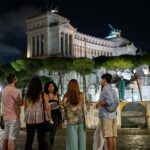
As you get closer to Castel Sant’Angelo, the atmosphere shifts. Even without supernatural effects, a fortress-like landmark at night changes the feeling of the city. The tour leans into that, building toward the finale.
The description also points to scenes like a bridge lined with corpses and a chapel decorated with human bones. Those details are part of why people say the walk is more chilling than cute.
Stop 10: Finish at Castel Sant’Angelo
The tour finishes at Castel Sant’Angelo. Ending here makes sense because the landmark is visually strong and historically loaded. You’re not just ending the walk—you’re closing the story at a place that feels built for endings, not beginnings.
What the Guides Do Well (And Why People Keep Recommending It)
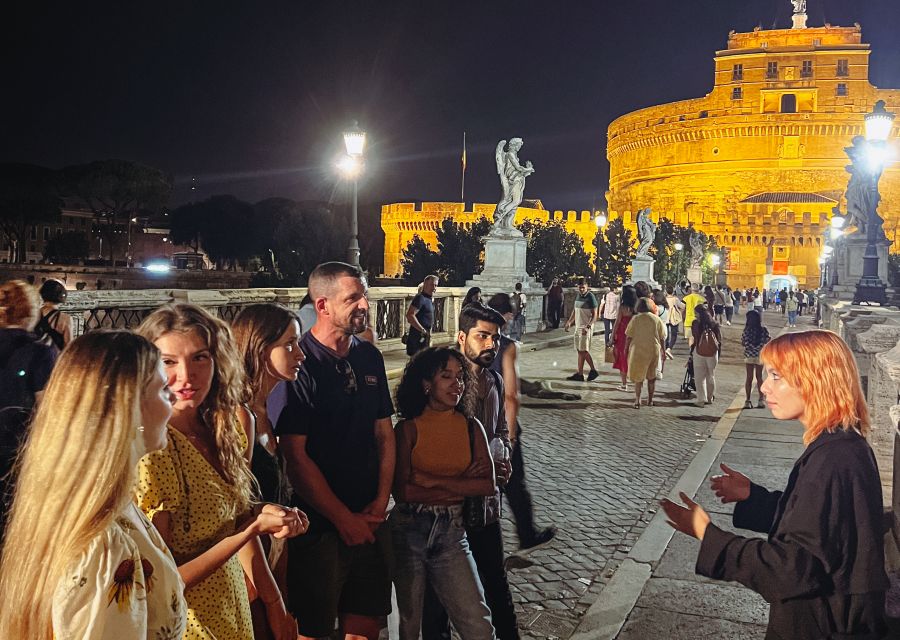
The biggest repeat praise is the storytelling style. Guides are repeatedly described as engaging, clear, and interactive. Several named guides—like Maham and Dinara—are praised for bringing the stories to life with energy and strong explanations.
One reviewer even highlights a guide bringing a book with pictures. That kind of visual support matters on walking tours. It helps you track names and scenes without trying to memorize everything while walking in the dark.
You’ll also get useful context that turns sites into meaning. Instead of just hearing a spooky rumor, you get a connection between a place and the historical figures tied to it—popes, emperors, executions, and murders.
How Ghostly Is It: More History Than Paranormal
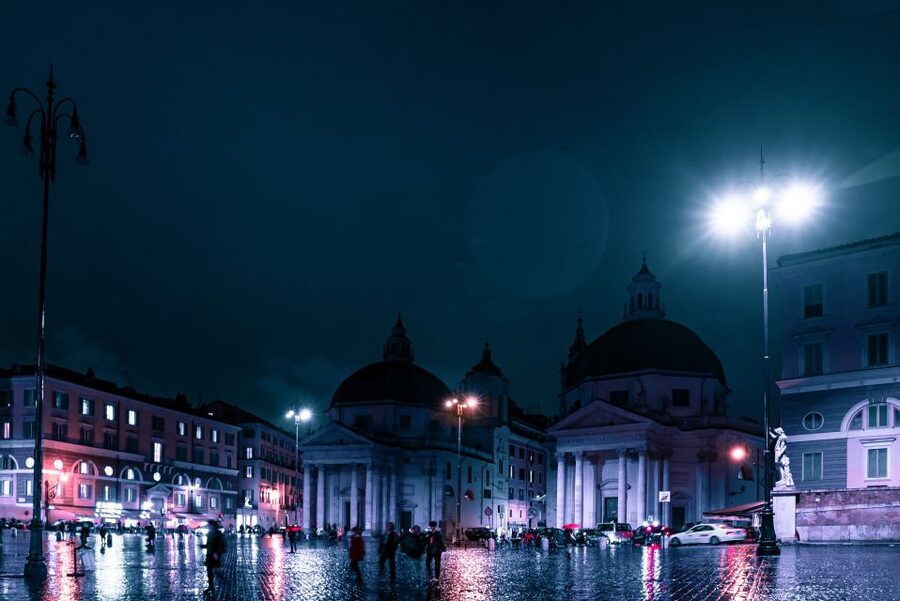
This is where you should set expectations. The experience is marketed as ghostly, but the tone reads as historical and grim, with paranormal-flavored stories layered on top.
That’s not a flaw. In Rome, that’s often the most interesting way to do “hauntings.” You’re not waiting for supernatural proof. You’re learning how the city’s past kept reappearing in public life, punishment, and memory.
If you want spooky fun that still gives you something to think about the next day, this balance is a big reason for the high rating.
Practical Tips for a Comfortable Night Walk
You only need a couple things, and they’re the right ones:
- Comfortable shoes (you’re walking Rome at night, and the stones don’t forgive)
- Camera (even if you only catch a few good shots, you’ll want them)
Also, because the stops are frequent and the story changes often, I recommend:
- staying close to the guide at each transition
- keeping your phone brightness low so you’re not blinding yourself while you listen
- using the camera only during the stop moments, not mid-walk
If you’re someone who gets distracted easily, this tour is still manageable because it’s structured. You’re not wandering aimlessly—you’re moving from one story setting to the next.
Who Should Book This (And Who Might Skip It)
Book it if you:
- enjoy guided history with a darker angle
- want a night activity that avoids daytime crowds and heat
- like walking routes where each stop has a purpose
- want a group experience that’s easy to join, thanks to the live English guide
Skip or think twice if you:
- dislike morbid topics like executions and murders
- prefer light, cheerful sightseeing with minimal heavy themes
- want purely supernatural experiences without historical framing
Should You Book This Rome Ghostly Night Walking Tour?
I’d say yes, especially if you’re trying to experience Rome beyond the obvious “daytime highlights.” For $28, you’re getting a focused 2-hour guided route through iconic areas and smaller stop points, with stories that make the city feel layered instead of flat.
If you’re going for the right mood, this tour delivers: crisp explanations, strong storytelling energy (the guides named in past feedback are consistently praised), and a finale at Castel Sant’Angelo that gives the night a clean ending.
If you’re unsure, the easiest decision rule is simple: if you can handle grim history with a spooky flavor, you’ll likely have a great time.
FAQ
How much does the Rome Ghostly Nighttime Walking Tour cost?
It costs $28 per person.
How long is the tour?
The tour lasts 2 hours.
What times does the tour start?
Starting times vary, so you’ll need to check availability to see what departures are offered.
What language is the tour guide?
The tour is guided in English.
Where do I meet the guide?
Meet your guide directly in front of the statue of Giordano Bruno in the center of Campo de’ Fiori. The guide will be holding an iPad or a red sign.
Where does the tour end?
The tour ends at Castel Sant’Angelo. The activity information also notes it ends back at the meeting point.
What should I bring?
Bring comfortable shoes and a camera.
Is there a private group option?
Yes, there is private group available.
Is free cancellation available?
Yes. You can cancel up to 24 hours in advance for a full refund.
Can I reserve without paying today?
Yes. You can reserve now & pay later (book your spot and pay nothing today).