REVIEW · PARIS
Paris: Louvre Museum Entry Ticket and Garden Walking Tour
Book on GetYourGuide →Operated by ExperienceFirst · Bookable on GetYourGuide
Big landmarks, little walking time. You get a guided taste of the Tuileries Gardens and Louvre area, then you step into the museum with timed entry. It’s a smart setup when you want structure outside and freedom inside, all for about $51.
The main thing to watch: some wording around skip-the-line can be confusing, since you’re still working with timed entry and may line up before you enter.
In This Review
- Key Things You’ll Notice on This Louvre and Tuileries Tour
- Why This 4-Hour Louvre and Tuileries Combo Works
- Where You Meet: Louis XIV on Horseback and 10 Place du Carrousel
- Comptoir Denon & Richelieu: Your First Step Inside the Museum Area
- Louvre Pyramid: The Photo Stop That Sets the Whole Visit Up
- Arc de Triomphe du Carrousel: Past Royal Drama in Plain Sight
- Jardin du Tuileries: Flowers, Statues, Ponds, and the City’s Living Room
- The Big Compass: Axe Historique and Cour Napoléon
- Entering the Louvre: Timed Entry, Separate Entrance, Then Freedom
- Using Your Self-Guided Hours Without Getting Lost
- Seine River Cruise Upgrade: A Scenic Reset After the Museum
- Price and Value: What You Pay For (and What You’re Really Buying)
- The Guides: Clear English, Good Pace, and Fun Q&A
- Who Should Book This Tour
- Should You Book This Tour? My Decision Checklist
- FAQ
- What is the duration of the Louvre Museum entry and garden walking tour?
- How much does the tour cost?
- Where do I meet the tour guide?
- Is the tour in English?
- Do I need to bring ID?
- Does the tour run in bad weather?
- Is the Louvre ticket timed or general admission?
- What is included besides the Louvre entry?
- Is the Seine cruise narrated?
- Is the tour refundable?
- Is the tour wheelchair accessible?
Key Things You’ll Notice on This Louvre and Tuileries Tour
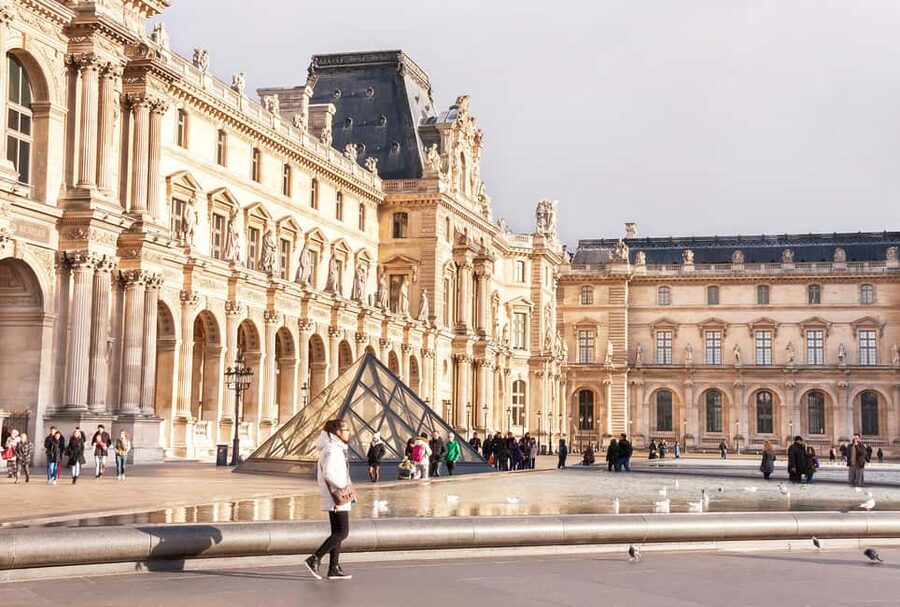
- Tuileries Gardens orientation that helps you see the park like a designed space, not just a shortcut.
- Louvre Pyramid photo stop with a guide who explains what you’re actually looking at before you go in.
- Arc de Triomphe du Carrousel and the royal story behind the surrounding streets and vistas.
- A guided walk tied to the 2-mile Axe Historique, so the Louvre doesn’t feel random once you’re inside.
- Timed Louvre admission that lets you switch from group mode to self-guided browsing.
- Optional Seine River cruise upgrade if you want an easier, scenic cap to the day.
Why This 4-Hour Louvre and Tuileries Combo Works

The Louvre can feel like a blur: too big, too many rooms, too many people. This tour gets you through the hardest part mentally—figuring out how the Louvre fits into the city—before you’re left to explore on your own.
I like that it’s intentionally short outdoors. In just a few stops you cover the big sight anchors: the Pyramid, the Arc de Triomphe du Carrousel, and the Jardin du Tuileries. Then your timed museum entry ticket gives you control to spend time where you actually want it.
One consideration: the “skip the line” message isn’t always what you expect in practice. The ticket is timed-entry, and you may still encounter a queue once you arrive at the museum entrance used for check-in.
You can also read our reviews of more tours and experiences in Paris.



Where You Meet: Louis XIV on Horseback and 10 Place du Carrousel
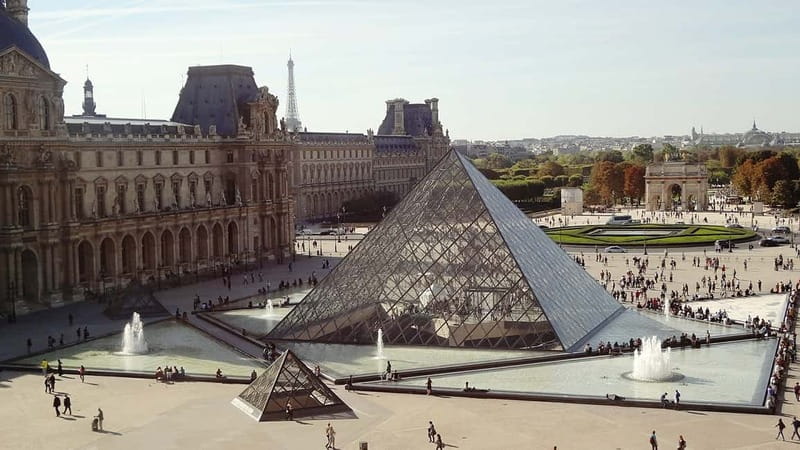
Meeting is simple if you know the landmark. You’ll start at the statue of Louis XIV on horseback in front of the Louvre Pyramid entrance, near 10 Place du Carrousel.
Get to it via Metro at Palais Royal Musée du Louvre (Line 1 and 7). It’s about a five-minute walk from the station to the meeting spot, so you’re not doing a long trek with a group before the fun begins.
Look for the guide holding an orange or yellow sign that says ExperienceFirst. This matters more than it sounds—Louvre-area entrances are busy, and a clear sign saves time and stress.
Comptoir Denon & Richelieu: Your First Step Inside the Museum Area

Your first named stop is Comptoir Denon & Richelieu. Even though you’ll be outside for the early part, this is where the tour starts connecting the museum to its layout.
This is the quiet value of this kind of orientation tour. Before you enter, you learn the logic behind what you see. Later, when you’re inside the galleries, you’ll waste less time asking: where am I, and why is this area here?
If you’ve ever wandered the Louvre for an hour and still didn’t feel oriented, you’ll appreciate this early framing. It turns the museum from a maze into a plan.
Louvre Pyramid: The Photo Stop That Sets the Whole Visit Up
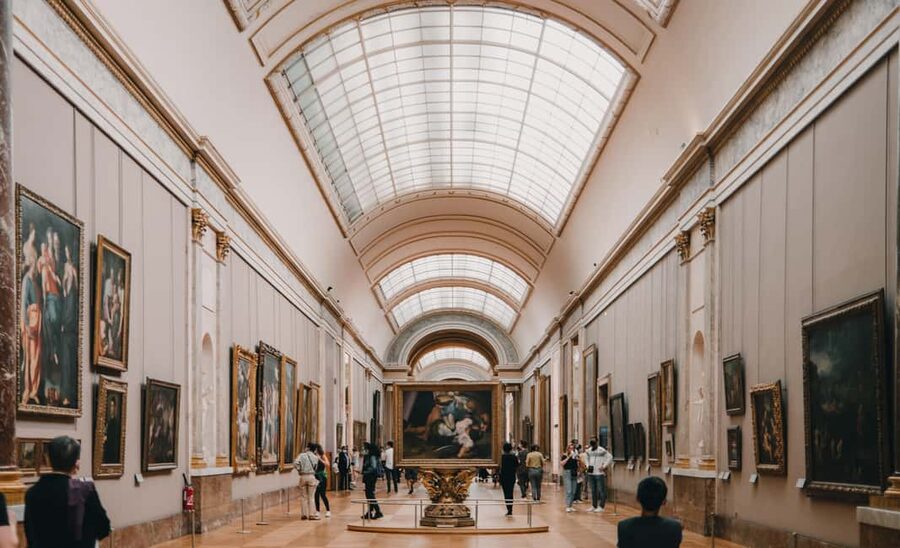
The Louvre Pyramid is Stop 2, and yes, you’ll get a photo stop. But the best part is the guide context: they explain what you’re looking at and how this point connects to the museum experience.
When people skip orientation, they tend to drift. With a short guided lead-in, you start with a mental map instead of raw awe. That makes it easier to choose a route once you’re on your own.
This is also a good time to be ready for the crowds. The Pyramid area can be busy, and having a guide help manage the group flow means you spend less time stalled and more time seeing.
Arc de Triomphe du Carrousel: Past Royal Drama in Plain Sight

Stop 3 takes you to the Arc de Triomphe du Carrousel. The guide focuses on how this landmark fits into the Louvre neighborhood story—especially the way royal Paris used straight alignments and ceremonial buildings.
I love this part because it changes how you read the streets around the museum. You don’t just see monuments. You understand the intention behind them: power expressed through geometry, sightlines, and impressive facades.
A good guide here can make the walk feel like you’re standing inside a timeline. And if you land with someone like Sagar or Austin (both praised for humor and clear storytelling), you’ll likely get a smooth blend of facts and laughs without the tour turning into a lecture.
You can also read our reviews of more walking tours in Paris





Jardin du Tuileries: Flowers, Statues, Ponds, and the City’s Living Room
Stop 4 is the Tuileries Garden. This is where the tour shifts from monuments to atmosphere.
Expect to see flowers, statues, and ponds along your guided garden walk. This isn’t just pretty scenery. It’s also a key part of how the Louvre complex works with the city around it—an outdoor space designed for strolling and looking.
The group advantage matters here. The Louvre area has lots of details that people miss when they’re rushing. A guide helps you notice the layout and the “why” behind the views you’re passing.
And because the tour runs rain or shine, plan for weather. The garden part can be chilly in winter and breezy near the river, even on sunny days.
The Big Compass: Axe Historique and Cour Napoléon

Before you step into the Louvre, your guide ties the visit together using the surrounding landmarks. They explain the significance of the Cour Napoléon, the long alignment called the 2-mile Axe Historique, and how the park and ceremonial spaces guide your experience of the museum.
This is one of those invisible benefits you only feel later. When you understand that the Louvre isn’t an isolated building, you navigate it with more confidence.
Also, it makes you appreciate the museum’s place in the city. You don’t just watch art. You start noticing how the building itself was designed to connect to power, history, and perspective.
This is why the tour works even if you don’t consider yourself an art superfan. It helps you make sense of the surroundings so your museum time feels purposeful.
Entering the Louvre: Timed Entry, Separate Entrance, Then Freedom

Stop 5 is where the tour transitions into museum time. You get a timed-entry ticket and go inside for your own-paced visit.
The ticket is described as including skip-the-line through a separate entrance. That’s the promise. Still, one caution from experience with this sort of setup: timed entry doesn’t always mean no line at all. Sometimes it means you join a different queue segment with a scheduled window.
Once you’re in, you’re not stuck with the group. You can move through the Louvre galleries at your own pace, which is ideal because not everyone likes art the same way.
If you’re short on time, plan a simple strategy before you go deep: pick a few must-sees, then allow extra wandering time only if you feel energized. On a first visit, that balance keeps you from either sprinting or zoning out.
Using Your Self-Guided Hours Without Getting Lost

The Louvre’s scale is real. Even with timed entry, the museum can swallow a whole day.
This is where the pre-tour framing pays off. You already learned about key nearby landmarks and how the space connects. Now you can spend less effort figuring out where to start and more energy choosing what to see.
A practical approach:
- Start with a small list of priorities.
- Allow time to pivot if a wing pulls you in.
- Take breaks when you’re scanning. The Louvre rewards slow looking more than frantic ticking.
If you want a straightforward way to plan, think of it like a route through neighborhoods rather than one giant hall. That mindset helps you enjoy the museum instead of just surviving it.
Seine River Cruise Upgrade: A Scenic Reset After the Museum
There’s an option to upgrade with a narrated Seine river cruise. When you add it, it’s a nice counterbalance to museum time: you get fresh air, easy sightseeing, and a chance to sit down.
The cruise is included depending on the option selected, and the info provided notes that you can use the add-on for one year from your tour date.
If you’re the kind of traveler who gets museum fatigue, this upgrade can save the day. Even if you don’t love the water view angle, the cruise helps you experience Paris from a different perspective than the walking streets.
Price and Value: What You Pay For (and What You’re Really Buying)
At $51 per person for about 4 hours, you’re paying for three things:
- A live English guide.
- A guided walking orientation through the Louvre neighborhood (Pyramid, Arc de Triomphe du Carrousel, Tuileries).
- A timed-entry ticket that helps you access the museum without dealing with every step from scratch.
That value becomes clearer if you compare it to the cost of simply buying tickets and figuring out the area on your own. The walking portion isn’t just sightseeing. It’s a guided map of the context you’d otherwise miss.
If you book last minute, this kind of package can also feel like a lifesaver. Several guides have been praised for making it easy to get in efficiently, even when plans were tight.
Still, be mindful of one trade-off: this tour is not designed to turn you into a Louvre expert. It’s designed to give you bearings and then let you enjoy the galleries independently.
The Guides: Clear English, Good Pace, and Fun Q&A
The tour is listed as English-language and includes a live guide. Names that stood out in feedback include Denise, Laura, Sanya, Paula, Sagar, and Austin.
What keeps getting praised is how approachable the guides are and how clearly they explain details. People also like that the tour is an “in-between” experience: not so short that it’s pointless, but short enough that you aren’t trapped in one pace for the entire day.
If you prefer humor with facts, keep an eye out for guides like Paula and Sagar, who were described as high-energy and fun while still staying informative.
And if you’re the type who asks questions, this format is friendly. You’re not stuck inside for hours with one narrow subject. You’re outside, then you have time to explore afterward.
Who Should Book This Tour
This tour is ideal for you if:
- You want a first-time orientation to the Louvre area before self-guided exploring.
- You like a short guided walk and then freedom to follow your own interests.
- You don’t want to spend your entire day in museums without a plan.
It’s also a good fit if you’re visiting Paris with limited time. The 4-hour duration is a manageable chunk that doesn’t swallow your whole day.
You might choose something else if you’re a hardcore Louvre devotee who already has a detailed plan and route. In that case, the guided outside portion might feel “nice but not necessary.” But for most people, it’s a smart head start.
Should You Book This Tour? My Decision Checklist
Yes, I’d book it if your goal is to walk into the Louvre feeling oriented and ready to choose what you’ll actually enjoy. The combination of Tuileries Garden context plus timed entry is practical, not just decorative.
Before you buy, decide on two things:
- Are you okay with a short guide portion and then self-paced time?
- Do you prefer “timed entry that may still involve a bit of waiting” over the promise of zero waiting?
If those match your style, this is a strong value way to experience one of Paris’s biggest museum moments without feeling overwhelmed.
FAQ
What is the duration of the Louvre Museum entry and garden walking tour?
The duration is 4 hours, with starting times depending on availability.
How much does the tour cost?
It’s listed at $51 per person.
Where do I meet the tour guide?
You meet at the statue of Louis XIV on horseback in front of the Louvre Pyramid entrance, near 10 Place du Carrousel. The closest Metro station is Palais Royal Musée du Louvre (Line 1 and 7).
Is the tour in English?
Yes, the live tour guide is English.
Do I need to bring ID?
Yes, you should bring a passport or ID card.
Does the tour run in bad weather?
Yes. The tour runs rain or shine.
Is the Louvre ticket timed or general admission?
You receive a timed-entry ticket to the museum, and the tour description notes access via a separate entrance.
What is included besides the Louvre entry?
You get a guide, a visit to the Tuileries Garden, and a timed-entry ticket. A Seine river cruise is included only if you select the cruise option.
Is the Seine cruise narrated?
The Seine river cruise is described as narrated.
Is the tour refundable?
No. The activity is non-refundable.
Is the tour wheelchair accessible?
Yes, the tour is listed as wheelchair accessible.